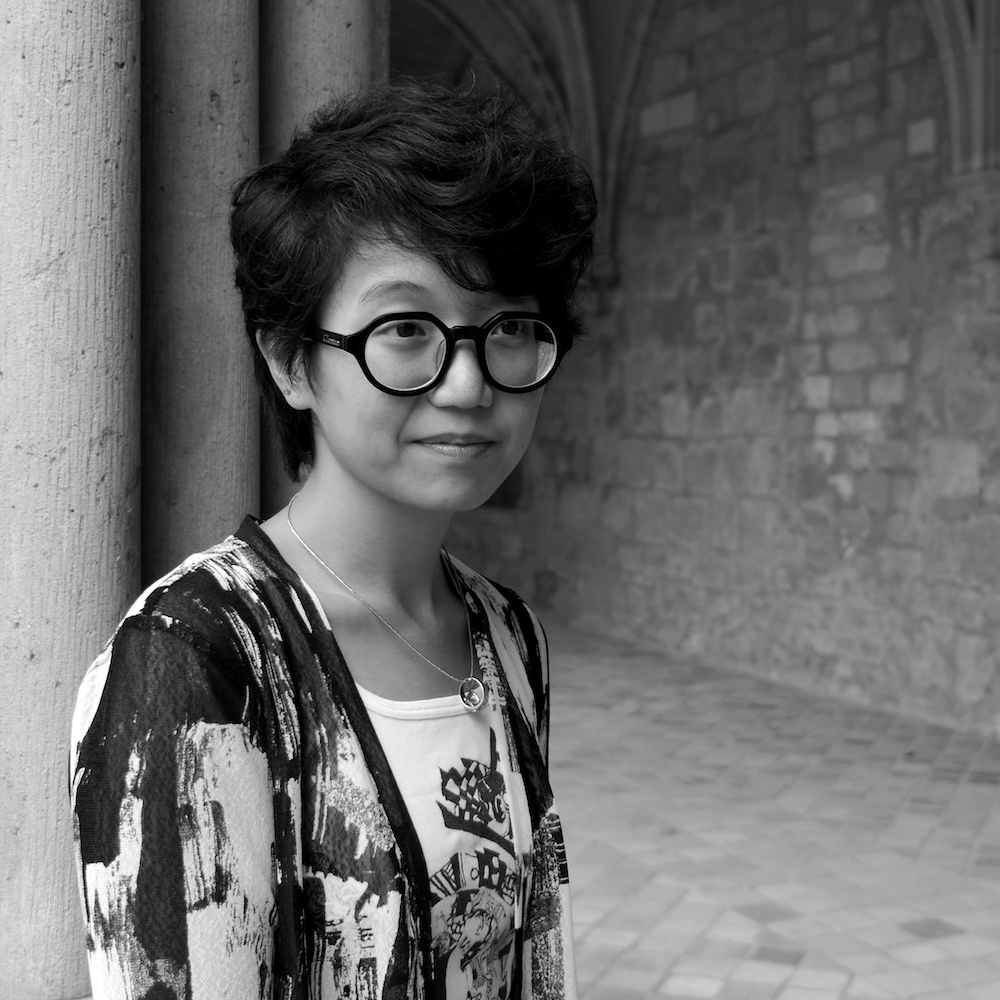
Annie Hui-Hsin Hsieh is an Associate Teaching Professor of electronic music and composition at Carnegie Mellon University's School of Music in Pittsburgh, USA. She holds a doctorate from the University of California, San Diego, and prior degrees from the University of Melbourne. Her work focuses on creating visceral physical experiences through acoustic and electroacoustic mediums, emphasizing spatial gestures and relational sociality in sound. Her music has been performed internationally by ensembles such as the BBC Scottish Symphony Orchestra, JACK Quartet, and ELISION Ensemble. Notable commissions include works for Symphony Services Australia, Lucerne Festival, and Wien Modern. She has received prestigious awards including the Belegura Composer Award (2022 Melbourne Prize) and the 2023 Monash Performance Art Centre Commission. Recent projects include collaborations with video artist Johannes DeYoung and roboticist Jean Oh, showcased at festivals like MaerzMusik Berlin and Digerati Emergent Media Festival. Her research explores intersections of sound, technology, and interdisciplinary art.
Georgios Marentakis is an Associate Professor at the Faculty of Computer Sciences, Østfold University College. His research focuses on human computer interaction (HCI), sound and music computing, and auditory perception. He holds an MSc in Electrical and Computer Engineering, an MSc in Acoustics and Signal Processing, and a PhD in Human Computer Interaction. His work spans sonic interaction design, auditory augmented reality, and accessibility technologies. Education: MSc in Electrical and Computer Engineering MSc in Acoustics and Signal Processing PhD in Human Computer Interaction Research Communities: Human Computer Interaction Acoustics and Psychoacoustics Audio Signal Processing Teaching: Sound Design and Production Interaction Design Software Development His research trends emphasize sound’s role in HCI, including assistive technologies for autism, multimodal interfaces, and spatial audio applications. Recent work explores accessibility through sound, such as eye fatigue reduction in mobile UIs and conversational interface impairments during locomotion. Marentakis contributes to initiatives like the Digital Society and collaborates with research groups like DeveLeP (Development Learning and Psychological Processes).
Gregory Cramer, DC, PhD, serves as Dean of Research and Professor at National University of Health Sciences (NUHS), where he focuses on spinal anatomy and chiropractic mechanisms. His NIH-funded research investigates zygapophyseal joint gapping post-manipulation and evidence-based curricula development. With over 200 publications and international collaborations, he advances chiropractic integration into global healthcare systems. Education: BS, DC, National College of Chiropractic (1977, 1979) PhD, Medical College of Ohio (1987) Research interests center on spinal biomechanics, therapeutic mechanisms of manipulation, and clinical anatomy. His work employs MRI and 3D modeling to quantify treatment efficacy, with implications for low back pain management and professional education frameworks. Recent publications explore spinal stenosis protocols, adverse event reporting standards, and international chiropractic pedagogy. Trends highlight interdisciplinary approaches bridging radiology, biomechanics, and educational methodology. Awards: Researcher of the Year Award, American Chiropractic Association (2005) He mentors students in NIH-funded projects and leads research teams investigating spinal adhesion pathophysiology. Collaborations with Brazilian universities promote evidence-based chiropractic integration in emerging healthcare markets. Laboratory work focuses on in vivo measurement techniques, supported by grants exceeding 25 external projects. Future initiatives aim to standardize manipulation safety protocols through multinational clinical trials.
Dr. Richard Polfreman is an Associate Professor in the Music Department at the University of Southampton. He serves as the Academic Integrity Officer, Examinations Officer, and Head of Music Technology. His research focuses on New Interfaces for Musical Expression (NIME), music and movement interactions, user-interface design, and Human-Computer Interaction (HCI). He leads projects like 'Moving Music' exploring gesture-based control and collaborates with institutions such as Bournemouth University on graphical interpolator systems. Education: PhD in user-interface design for software-based sound synthesis systems from the University of Hertfordshire. His teaching spans Music Technology History, MIDI Sequencing, and Game Sound Design. Notable industry collaborations include work with Sound Intermedia on avant-garde compositions by composers like Benedict Mason and Jonathan Harvey. Current projects include machine learning-driven gestural control for sound synthesis and the MusicSpace initiative funded by the Arts & Humanities Research Council. His work bridges musicology, technology, and accessibility, with recent emphases on musculoskeletal health in performance and live electronics.
Dr Kirk Olsen is the Research Centre Manager at the Centre for Healthcare Resilience and Implementation Science, Australian Institute of Health Innovation, Macquarie University. Previously, he held roles as Research Fellow in the School of Psychological Sciences and Centre Manager of the Centre for Elite Performance, Expertise, and Training. He also manages the MQ hub of the Music, Sound and Performance Research Group. His research integrates psychological science with music and sound to explore auditory perception, cognition, and emotion, focusing on music's health benefits across cultures. Key interests include music and emotional health, physical musicality's health benefits, psychosocial implications of violent music, and intercultural music engagement. He has co-supervised six doctoral projects on topics ranging from intercultural music engagement to the psychosocial effects of violent music. Notable collaborations include projects like 'Enhancing Lifeguard Performance: A Multidisciplinary Approach' and the CEPET initiative. Teaching includes guest lectures in courses like 'Music, Mind, and Message' and 'Real-World Applications of Perception'. His recent articles (2023–2025) explore cross-cultural music perception, music's cognitive benefits in exercise, and the dual psychosocial impacts of aggressive music. He contributes to music psychology through edited volumes like 'The Science and Psychology of Music' (2021).
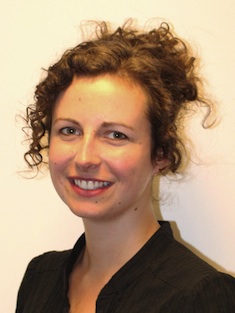
Helena Daffern is a Professor in Music Technology at the University of York, specifically within the School of Physics, Engineering and Technology. Her expertise spans singing voice analysis, vocal pedagogy, choral practices, and voice synthesis, with a focus on voice science and acoustics. She has led initiatives like the York Centre for Singing Science and the York Audio Network to foster cross-disciplinary research. A trained BBC expert, she has appeared on programs such as BBC Breakfast and Click for the World Service. Helena also maintains an active professional singing career as a soloist and ensemble member with groups like Opera Holland Park and Yorkshire Baroque Soloists, alongside recording work for Warner Music UK and Oxford University Press. Education: PhD in Music Technology (University of York, 2008) MA in Singing Performance (University of York) BA (Hons) in an unspecified field Postgraduate training at Trinity College of Music Her research emphasizes the acoustic properties of classical singing techniques, vocal health, and the application of technology in music. By bridging engineering and music, she explores how acoustic spaces and digital tools influence performance and well-being. Recent work includes virtual reality choir interventions for elderly care and the impact of vocal vibrato across genres. She advocates for gender equality in music production and has collaborated on infant vocalization apps like BabblePlay. Scientific Awards: None explicitly mentioned in the provided text. Advising and Grants: While no formal advisees or grant details are listed, Helena leads major research projects such as the York Centre for Singing Science and York Audio Network, which likely involve institutional and collaborative funding. Her work with the BBC Maida Vale Recording Studios and the WHO-Lancet Global Series suggests partnerships with external organizations. Labs and Teams: She runs the York Centre for Singing Science and the York Audio Network, promoting interdisciplinary collaboration in voice research and audio technology. These platforms support her exploration of acoustic environments, immersive music performance, and health-related musical interventions.
Ming C. Lin is the Barry Mersky & Capital One E-Nnovate Endowed Professor and Distinguished University Professor in the Department of Computer Science at the University of Maryland, College Park . Previously, he held the Elizabeth Stevinson Iribe Chair at UNC Chapel Hill. His research spans Machine Learning , Physically-based Modeling and Simulation , Autonomous Systems , and Human-Computer Interaction . He leads the UMD GAMMA Research Group , focusing on differentiable physics, robotics, and traffic simulation. Key achievements include pioneering work in collision detection (RAPID algorithm), physically-based sound synthesis, and autonomous driving systems. Lin has authored over 500 papers and holds numerous awards, including ACM and IEEE Fellowships. His teaching includes courses on Differentiable Programming and Autonomous Systems . Research Highlights : Developed Genesis , a universal physics engine for robotics Advanced differentiable mesh representations (DMesh++/DMesh) Contributed to traffic-aware autonomous driving via differentiable traffic simulation Leadership in collision detection (RAPID algorithm) Awards : ACM Fellow, IEEE Fellow, National Academy of Inventors, Virtual Reality Academy, and over 20 best paper awards. Labs/Teams : Co-director of UMD and UNC GAMMA Groups, active in robotics and graphics research communities.
Dr. Chong Wei is a Researcher at Curtin University's Centre for Marine Science and Technology, affiliated with the School of Earth and Planetary Sciences. He holds a PhD in Marine Physics from Xiamen University (2011-2016) and completed a joint PhD program at the Hawaii Institute of Marine Biology. Previously, he served as a Research Fellow at the National University of Singapore (2016-2019). His research focuses on marine bioacoustics, including sound production in toothed whales, noise impacts on marine species' auditory systems, and finite element modeling of acoustic phenomena. He is a Forrest Fellow, emphasizing international collaboration and outreach. Education: PhD, Marine Physics, Xiamen University (2011-2016) Joint PhD, Marine Mammal Research Program, University of Hawaii (2013-2015) MS, Marine Physics, Xiamen University (2008-2011) Research Interests: Animal bioacoustics, sound propagation in marine animals, noise impacts on hearing, finite element modeling, medical imaging techniques, and dolphin target detection. His work integrates CT/MRI scans with computational models to study acoustic mechanisms in marine life. Recent work emphasizes dolphin echolocation beam formation, penguin hearing capabilities, and fish otolith acoustics. Collaborations include universities in the USA and China to address anthropogenic noise impacts on marine ecosystems. Awards: Forrest Fellow (Forrest Research Foundation). Grants & Advising: Extensive grants supporting bioacoustic research; no explicit student advisee list provided. Lab affiliations include the Centre for Marine Science and Technology and the Forrest Research Foundation.
Hannen Wolfe is an Assistant Professor of Computer Science at Colby College, specializing in the intersection of technology and artistic expression. Their work explores human-machine communication, interactive sculpture, and virtual/mixed reality through a media arts lens. Currently teaching courses like CS151 (Computational Thinking: Visual Media) and CS453 (Interactive Systems II). Education: Ph.D. in Media Arts and Technology, University of California, Santa Barbara M.S. in Computer Science, UCSB M.S. in Media Arts and Technology, UCSB B.A. in Liberal Arts with Visual Arts concentration, Bennington College Research Interests: Focuses on creating embodied technologies through new media art, including robotic theater, emotive sound design, and interactive installations that challenge social norms. Recent projects include a robo-pickup artist exploring gender norms and the Cacophonic Choir installation addressing survivor narratives. Specializes in how physical embodiment influences human-technology interaction and ethical implications of AI in art. Articles Trends: Publications span 2015-2025, emphasizing interactive systems development, ethical robotics, and cross-disciplinary art-tech collaborations. Recent work (2023-2025) explores generative AI in printmaking and material-based digital art. Advising/Grants: No listed advisees or grants in provided materials. Active in curating immersive installations and techno-art exhibitions. Labs/Teams: No specific lab mentioned; collaborates across art and computer science departments on hybrid media projects.
Dr. Kerry Hagan is an Associate Professor of Composition-Theory at the University of Illinois Urbana-Champaign and concurrently serves as President of the International Computer Music Association (ICMA). She holds degrees from Carnegie Mellon University (BS Electrical Engineering, BFA Music Composition) and UC San Diego (MA/PhD Music). Her work bridges acoustic and electronic media through real-time spatialization, stochastic algorithms, and interdisciplinary collaborations. She co-leads the Higgs whatever ensemble and the Bowers-Hagan Duo, performing globally at festivals like Piksel and ICMC. Previously (2007-2023), she was a Lecturer at the University of Limerick where she founded the Spatialization and Auditory Display Environment (SpADE) lab. Key roles include founding the Irish Sound, Science and Technology Association (ISSTA) as its inaugural President (2010-2015). Research focuses on algorithmic methods for composition, spatial audio techniques, and electronic musicology. Major works include Memento Mori , Transmogrificaciones Incesantes , and Agus í á bá , performed by ensembles like RTÉ National Symphony Orchestra. Recent activities span curating ICMA events, developing IoT-based music systems, and exploring gesture-controlled timbre transformation. Teaching includes graduate-level composition, live coding with Pure Data, and advanced electroacoustic analysis courses. Her work has been featured at SEAMUS, ICMC, and SMC conferences, with publications in Computer Music Journal and Organised Sound . Collaborations span composers like Miller Puckette (co-author of Between the Tracks ) and John Bowers, emphasizing experimental performance formats and networked music systems.
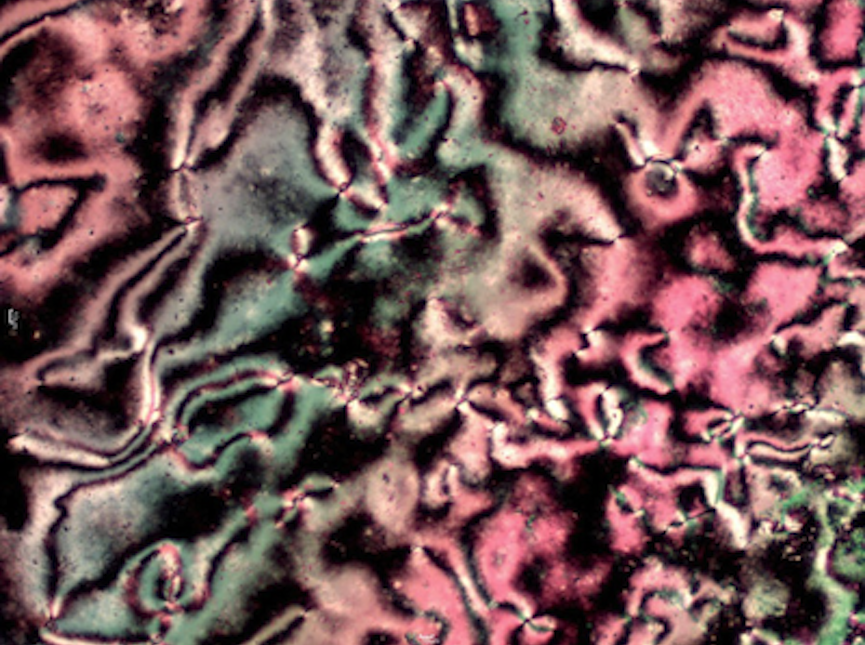
Eric Scharrer is a Professor in the Department of Chemistry at the University of Puget Sound. His research focuses on organic chemistry , liquid crystals , and materials chemistry , particularly the synthesis and analysis of novel organic liquid crystals with applications in display technologies. Education BS in Chemistry, Bates College (1988) PhD in Organic Chemistry, University of North Carolina Chapel Hill (1993) Scharrer's expertise spans liquid crystalline behavior , organic synthesis , and structural characterization via NMR , IR spectroscopy , and differential scanning calorimetry (DSC) . His work explores how molecular modifications, such as alkyl chain length and substituent groups, affect phase transitions and optical properties. Recent publications highlight interdisciplinary trends in materials science and physical chemistry , emphasizing biaxial ordering , cybotactic nematic phases , and X-ray diffraction studies. These papers reflect his focus on molecular symmetry and industrial applications. Eric collaborates with researchers like E.T. Samulski and O. Francescangeli, supported by the National Science Foundation . He actively mentors undergraduate students in lab-based projects, publishing with advisees in journals such as Liquid Crystals and Chemistry of Materials . His lab employs advanced tools including a polarizing microscope and DSC to analyze mesophases and thermal properties, contributing to fundamental and applied research in liquid crystal design.
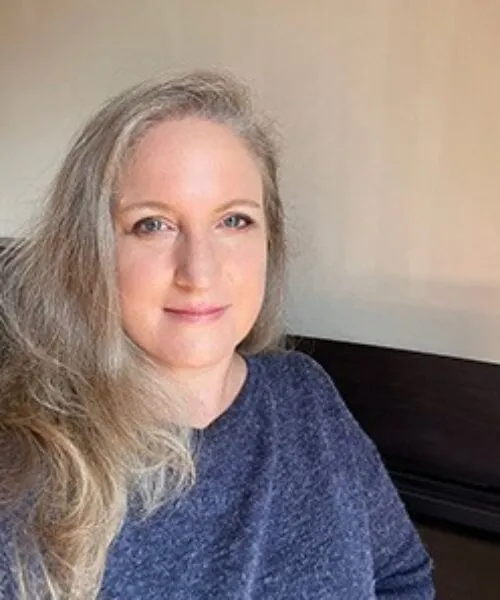
Karen Sinclair Molek is Professor and Chair of the Department of Chemistry in the Hal Marcus College of Science and Engineering at the University of West Florida. She also holds leadership roles as University Fellow for Advancement, Administrative Fellow for Student Engagement, and Director of multiple Scholars Programs including NIH MARC U*STAR/URISE, UWF STEM Scholars, and Chemistry Scholars. She began teaching at UWF in 2008 and has secured over $5 million in external funding. Education: Ph.D. in Physical Chemistry, University of Georgia B.S. in Chemistry, Mercer University Dr. Molek's research spans physical chemistry, materials science, and STEM education, with a focus on mass spectrometry instrumentation, nanoparticle synthesis, and innovative laboratory experiments. Her work in mentoring and supporting underrepresented and financially disadvantaged students in STEM is central to her mission. She has developed and led nationally recognized Scholars Programs that enhance retention, degree completion, and graduate school matriculation in STEM fields. Analysis of her recent publications reveals a dual trajectory: one in materials and analytical chemistry involving transition metal oxides and SALDI-MS, and another in pedagogical innovation and educational outreach, particularly in broadening participation in STEM. Her work bridges laboratory research and systemic educational reform. Scientific Awards: 2024 Inspiring Program in STEM Award (INSIGHT into Diversity Magazine) – UWF STEM Scholars 2021 Inspiring Program in STEM Award (INSIGHT into Diversity Magazine) – Chemistry Scholars National ACS Zaida C. Morales-Martinez Prize for Mentoring ACS Scholars UWF Excellence in Teaching and Advising Award UWF Undergraduate Research Mentoring Award UWF Distinguished Faculty Scholarly and Creative Activities Award UWF President's Award for Leadership in Diversity Dr. Molek has personally mentored 71 undergraduate research students and directed programs supporting over 650 students in the STEM Living Learning Community. She has secured major grants from the National Institutes of Health (over $4 million) and the National Science Foundation ($649,888) to fund initiatives that increase access and success for disadvantaged students in STEM. Her leadership has been instrumental in establishing UWF’s first and flagship Scholars Programs, which serve as models for inclusive excellence. She leads the Chemistry Department and is deeply involved in interdisciplinary teams including the NIH MARC, U-RISE, S-STEM, and STEM Scholars teams, as well as the Chemistry Scholars and Living Learning Community faculty/staff teams.
Akito van Troyer is an Associate Professor in the Department of Electronic Production and Design (EPD) at Berklee College of Music, where he teaches sound design, audio programming, machine learning, digital musical instrument design, and multimedia performance. He holds a Ph.D. from the MIT Media Lab (2018), a master's from the MIT Media Lab (2012), and another master's from the Georgia Tech Center for Music Technology (2010), reflecting his interdisciplinary background in media arts, music technology, and interactive systems. His research lies at the intersection of music, technology, and human expression, focusing on developing new musical interfaces and systems that enhance audience participation and creative exploration. His work spans human-computer interaction, digital signal processing, tangible interfaces, machine learning, and assistive technologies. Projects such as DrumTop, FATkit, KinéPhone, and Tactiloscope demonstrate his innovative approach to redefining musical interaction through physical and digital integration. His recent publications reveal a consistent trajectory in exploring novel forms of musical engagement, from GAN-based interface design to sensory augmentation for food perception and interspecies communication. These works reflect a deep commitment to pushing the boundaries of how music is created, experienced, and shared across diverse contexts and communities. People's Choice Awards for Most Unusual Musical Instrument, Guthman Musical Instrument Competition (2017) Best Artwork Award, the ACM Creativity and Cognition Conference (2011) Dr. van Troyer’s professional experience includes roles as a senior research engineer at Sonos and founder/lead technologist at AVTLab, enriching his academic teaching with real-world industry insights. He has taught at MIT and Colorado College, and his collaborative projects emphasize teamwork, communication, and interdisciplinary innovation. He mentors students through hands-on learning and has led numerous workshops and creative projects that bridge theory and practice. His research has been supported by grants such as the Boston Foundation grant for the Digital Split-Keyboard project. He leads AVTLab, a research and development lab focused on creating new musical instruments and interactive experiences. His future work continues to explore sensory translation, inclusive design, and AI-driven creativity in music.
Olivia Louvel is a French-born British composer, artist, and Associate Lecturer in Fine Art at the University of Brighton. She concurrently pursues a PhD at the university's Centre for Arts and Wellbeing, examining the intersection of voice and sculpture in contemporary art. Her research established the concept of voice sculpture , bridging sound art, digital media, and physical installations. Education includes: Master's in 'Resounding the Voice' (School of Art & Media, University of Brighton, 2019–2020) Bachelor's in 'The Sculpted Voice' (School of Art & Media, University of Brighton, 2016–2019) Research explores voice manipulation , sonic sculpture , and digital hybridity , with emphasis on repurposing archival materials and interrogating socio-political themes like surveillance (e.g., CCTV interventions) and gender violence. Projects such as Doggerland Channels and The Whole Inside merge generative audio with environmental and bodily narratives. Artistic works exhibit recurring motifs of landscape reinterpretation, historical resonance, and technological critique. Outputs span gallery installations, radio broadcasts (BBC Radio 3), and public interventions, often leveraging sculpture as a conduit for vocal experimentation. Awards include: Ivor Novello Award for Best Sound Art (2023) Aesthetica Art Prize Longlist (2021) Qwartz Electronic Music Award (2011) Teaching encompasses lectures on 'Theories and Practices of Fine Art' and 'Sound Sculptures', with supervision of undergraduate dissertations. She advocates interdisciplinary approaches linking fine art methodologies with sonic practices. External affiliations include Sound Art Brighton and the Hepworth Research Network, where she contributes to symposia on artists like Barbara Hepworth.
George P. Kafentzis is a Lecturer in the Computer Science Department at the University of Crete, where he teaches Physics for Engineers (CS-112), Digital Signal Processing (CS-370), and Signals and Systems (CS-215). He is a core member of the Speech Signal Processing Lab within the Multimedia Informatics Labs, focusing on advanced signal processing methodologies. His educational background includes a Ph.D. in Signal Processing and Telecommunications from MATISSE Doctoral School (University of Rennes 1) and a Ph.D. in Computer Science and Engineering from the University of Crete (2014), a Master of Science in Computer Science (2010), and a Bachelor's degree in Computer Science (2008), all from the University of Crete. Research interests span speech, audio, and biosignal processing with emphasis on sinusoidal modeling, emotion recognition from speech, deep learning applications, pathological speech analysis, and music signal processing. His work bridges theoretical signal processing with clinical and engineering applications, particularly in non-invasive vocal fold pathology detection through glottal analysis. Recent publications demonstrate a strategic pivot toward cough sound analysis for respiratory diagnostics using AI, while maintaining core expertise in adaptive sinusoidal models for speech transformations. Publication trends reveal an evolution from fundamental speech modeling (2010-2016) toward applied health informatics (2021-present), with increasing focus on real-world diagnostic systems leveraging cough acoustics. Over 50% of recent work integrates deep learning with traditional signal processing for medical applications, particularly in low-resource settings. Graduate student Scholarship - Institute of Computer Science, FO.R.T.H. (2008-2010) Undergraduate Scholarship - Institute of Computer Science, FO.R.T.H. (2007-2008) As an active industry collaborator, Kafentzis has served as Signal Processing Engineer at Hyfe AI (2022-2025) and contractor for VoiceSignals and Toshiba Research Europe. His teaching portfolio includes a widely adopted textbook Continuous and Discrete Time Signal Processing (2019), which integrates MATLAB implementations with theoretical foundations. Current research leverages his signal processing expertise in cough monitoring systems validated through multicenter clinical trials. He leads projects in the Speech Signal Processing Lab including Novel Deep Learning Architectures for Automatic Speech Recognition and Speech Emotion Recognition and Visualization Techniques, with recent work extending to Greek-language pathological speech analysis and respiratory health monitoring systems.