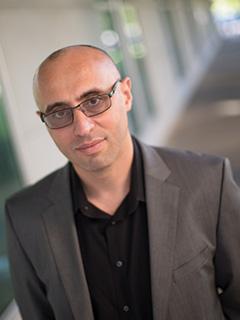
Sakhrat Khizroev is a Professor in the Department of Electrical and Computer Engineering at the University of Miami's College of Engineering. His research focuses on magnetoelectric nanoparticles (MENPs) and their biomedical applications. Develops wireless, non-invasive therapies for cancer and neurological disorders Explores MENPs' ability to convert magnetic fields into localized electric fields Investigates tumor-specific targeting via conductivity/capacitance differences Advances neuromodulation through magnetic field-controlled action potentials His publications demonstrate MENPs' potential for precision oncology, brain stimulation, and MRI-based theranostics. Key innovations include novel nanoparticle shapes for improved membrane interactions and equivalent circuit models for magnetoelectric behavior. Current projects include optimizing MENP design for clinical translation and exploring immunomodulatory effects in tumor models.
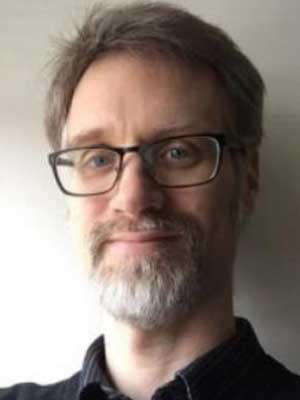
Ryan Holifield is a Professor of Geography at the University of Wisconsin-Milwaukee with an additional affiliation as Professor in Urban Studies. He teaches courses including Environmental Problems and Urban Environmental Change and Social Justice, and maintains an active research agenda focused on environmental justice and urban political ecology. Education: PhD in Geography, University of Minnesota, 2007 MA in Geography, University of Georgia, 2001 AB in English, Duke University, 1993 Professor Holifield's research centers on human dimensions of environmental change, emphasizing democracy, governance, and social/environmental justice through theoretical lenses including urban political ecology and actor-network theory. His work examines environmental justice policy in the EPA, health risk assessment at hazardous waste sites, brownfield redevelopment, and urban green space politics, primarily using historical and qualitative methodologies. Analysis of his 2015-2024 publications reveals consistent engagement with environmental justice in urban contexts, with recent emphasis on Indigenous inclusion in federal screening tools (Justice40), racial dynamics in public spaces (Central Park), and global gentrification processes (Busan). His scholarship bridges theoretical advances in political ecology with practical applications in Great Lakes restoration and community-based environmental management. As Principal Investigator for an NSF Advancing Informal STEM Learning grant (2021-2025), Holifield leads Milwaukee's WaterMarks project, integrating art, science, and community action around water infrastructure. While he collaborates extensively with graduate students, specific advisees are not documented in available materials. Through WaterMarks and related initiatives, Holifield engages interdisciplinary teams of artists, scientists, and community members to foster public understanding of urban environmental systems, particularly water infrastructure in Milwaukee's river networks.
Piet Claus is a Senior Lecturer at the Faculty of Medicine, KU Leuven, working within the Department of Cardiovascular Sciences. He is affiliated with the Cardiovascular Imaging and Dynamics unit at UZ Leuven (Herestraat 49, bus 7003, 3000 Leuven) and is a member of the iSi Health - KU Leuven Institute for Physics-based Modeling for In Silico Health. Dr. Claus serves on multiple governance bodies including the Doctoral School Committee for Biomedical Sciences, Faculty Council of Medicine, Departmental Council for Cardiovascular Sciences, Department Board of Cardiovascular Sciences, and the Research Council (plenary composition). His ORCID identifier is 0000-0002-2013-639X. His research focuses on cardiac electrophysiology, arrhythmia mechanisms, cardiovascular imaging, and cardiac modeling. He combines experimental approaches with computational modeling to understand heart function and disease, with particular emphasis on arrhythmia mechanisms in the infarct edge zone, cardiac remodeling, and development of novel imaging and modeling techniques for cardiovascular assessment. His work frequently utilizes ovine models for translational research. Analysis of his recent publications (2024-2025) reveals consistent focus on arrhythmia mechanisms, cardiac imaging techniques, cardiovascular modeling, and translational cardiovascular research. His work spans multiple methodologies including experimental physiology, computational modeling, imaging analysis, and clinical studies, with strong emphasis on understanding the electrophysiological properties of the heart and developing improved diagnostic approaches. Dr. Claus has secured significant research funding for his work, serving as Principal Investigator (Promotor) or Co-Principal Investigator (Co-promotor) on multiple projects including 'An optimized experimental data-driven investigation of arrhythmia mechanisms in the infarct edge zone,' 'Deep functional characterization of discrete regions leading to arrhythmias in the infarct rim zone,' and 'Bayesiaanse inversie van cardiale elektrogrammen voor patiëntspecifieke analyse (BICEPS).' He teaches several courses at KU Leuven including 'Hot Topics in Fundamental and Medical Aspects of Cardiovascular Biology,' 'Fundamental and Medical Aspects of Cardiovascular Biology,' 'Biofysica,' and various anatomy and physiology courses related to the cardiovascular system, demonstrating his commitment to education in cardiovascular sciences.
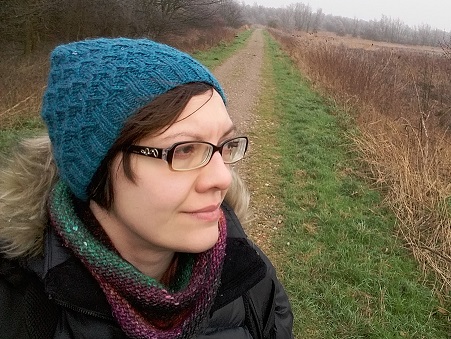
Elizabeth J. Davidson is a Clinical Professor at the University of Pennsylvania School of Veterinary Medicine , specializing in equine sports medicine and rehabilitation. She serves as Service Chief and Clinical Coordinator for Equine High-Speed Treadmill at the New Bolton Center , while also directing the Residency Program for the American College of Veterinary Sports Medicine and Rehabilitation (ACVSMR). Diplomate, American College of Veterinary Surgeons (ACVS) Diplomate, American College of Veterinary Sports Medicine and Rehabilitation (ACVSMR) Her research focuses on clinical evaluation of equine poor performance , advanced musculoskeletal diagnostics , and high-speed treadmill testing . Recent publications address: Ultrasound-guided cervical joint diagnostics Video angle impacts on lameness detection Anesthetic complications in MRI procedures Cytokine analysis for osteoarthritis Cardiac responses during treadmill exercise Davidson contributes to equine surgical outcomes, particularly in septic tendonitis and spinal procedures, while developing evidence-based rehabilitation protocols. Her work integrates cone beam CT , radiography , and clinical epidemiology to improve diagnostic accuracy and treatment efficacy.
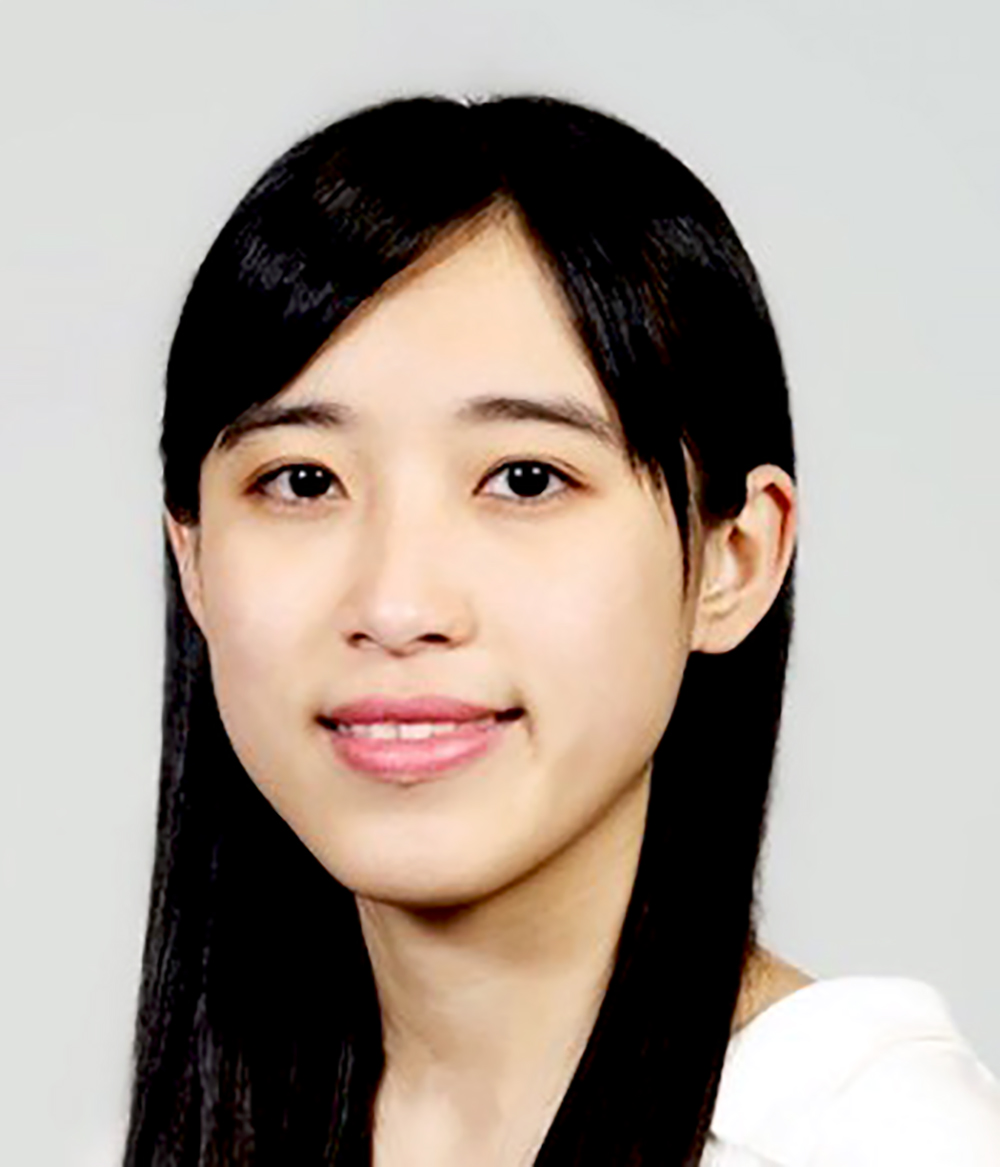
Dr. Ke Li is a postdoctoral researcher at the University of Hamburg, working within the Human-Computer Interaction group at the Department of Informatics. She is currently leading the development of intelligent virtual human technologies as part of the European Union-funded project PRESENCE. Her work bridges computer science, human-computer interaction, and physics applications, focusing on creating immersive experiences for complex operational environments. Dr. Li received her Bachelor's of Science degree in Physics from Centre College (USA) in May 2018 and her Master's degree in Optics and Photonics from the Friedrich Schiller University Jena (Germany) in April 2021. She completed her PhD as a fellow of the Helmholtz Graduate School for the Structure of Matter (DASHH) in October 2024, successfully defending her dissertation entitled "Towards a Particle Accelerator Metaverse: Mixed Reality Interfaces for Operations of Complex Physics Facilities" under the supervision of Prof. Frank Steinicke, Dr. Reinhard Bacher, and Prof. Wim Leemans. Dr. Li has a strong technical background in mixed and augmented reality, with research interests spanning immersive head-mounted displays, computer graphics and vision (particularly Neural Radiance Fields and 3D Gaussian Splatting), intelligent virtual agents, and human-robot interaction. Her work often combines theoretical computer science with practical applications in scientific environments, particularly focusing on how immersive technologies can improve workflows in complex and hazardous conditions like particle accelerator facilities. Analysis of Dr. Li's publications reveals a clear progression from foundational work in mixed reality display technologies (2022-2023) toward increasingly sophisticated applications of neural rendering techniques and intelligent virtual agents (2024-2025). Her research consistently bridges the gap between theoretical computer graphics and practical applications in scientific environments, with particular emphasis on real-time performance, user experience, and seamless integration of virtual and physical elements. A notable trend is her growing focus on multimodal interaction frameworks that enable more natural communication between humans and intelligent virtual agents. Scientific Awards: Honorable Mention Award for the Best Design at the Student Competition at IEEE International Symposium on Mixed and Augmented Reality (ISMAR), 2023 Dr. Li serves as a reviewer for various international XR conferences and journals, including IEEE ISMAR, ACM VRST, IEEE TVCG Journal, IEEE VR, and ACM SIGCHI. She has received special recognition for outstanding review work for TVCG journal and paper reviews. Her research is supported by the European Union-funded PRESENCE project and previously by the Helmholtz Graduate School for the Structure of Matter (DASHH) with Grant-No. HIDSS-0002, and the German Federal Ministry of Education and Research (BMBF). Dr. Li is actively involved in the XR Lab at the University of Hamburg and has collaborated with researchers at the German Electron Synchrotron (DESY), the Cyber Interface Lab at the University of Tokyo, and the ARTANIM foundation. Her technical expertise spans Unity development, neural rendering implementation, sensor fusion techniques, and real-time system optimization for immersive applications.
Mikkel Sørensen serves as a Teaching Associate Professor within the Department of Nutrition, Exercise and Sports at the University of Copenhagen, specifically affiliated with the Sport, Individual & Society research group. His academic profile centers on sports science education and athletic performance enhancement, with contact details including telephone +4535320802 and email msorensen@nexs.ku.dk. Dr. Sørensen's research spans athletics pedagogy, sports psychology, and exercise physiology, evidenced by his authorship of multiple editions of the Danish textbook "Lærebog i Atletik" (Textbook in Athletics) and investigations into mental training methodologies. His work bridges theoretical sports science with practical coaching applications, emphasizing athlete development through evidence-based techniques. Analysis of his 11 publications (2004-2018) reveals consistent focus on athletics education, with notable expansion into physiological research demonstrated by his 2015 study on diabetes-related tendon mechanics. The output shows progressive refinement of coaching materials across editions while maintaining core emphasis on practical athletic development. No scientific awards were documented in the source material. Information regarding student supervision, research grants, or laboratory affiliations was not provided, though his teaching role suggests involvement in academic mentorship within the Sport, Individual & Society framework.
Katja Maria Hydle serves as Associate Professor at Oslo Metropolitan University's Faculty of Social Sciences within Oslo Business School's Strategy, Innovation and Marketing department. Her research focuses on digital transformation in industrial contexts, particularly examining servitization processes and platform-based business models across heavy-asset industries including oil and gas, fisheries, and manufacturing. Her research interests center on digital servitization and platform ecosystem orchestration , with specific expertise in how traditional industrial firms transition to service-oriented business models. Current work investigates sustainability implications of digital platforms in resource-intensive sectors, examining both operational efficiencies and geopolitical dimensions of industrial data flows. Her methodology emphasizes process perspectives and practice theory to understand organizational change dynamics. Analysis of her recent publications reveals consistent focus on B2B platform ecosystems in industrial contexts Micro-foundations of servitization processes Sustainability transitions through digital services Orchestration challenges in asset-intensive industries Her work bridges theoretical service innovation frameworks with practical industrial applications, often collaborating with energy sector stakeholders through projects like GCE Node. Professional engagement includes active participation in major academic conferences including EGOS, ISPIM, and Nordic Academy of Management workshops where she presents findings on digital sustainability and platform evolution.
Magdalena Wysocki is a researcher at Technical University of Munich's Department of Computer Science within the School of Computation, Information and Technology. She works under Prof. Nassir Navab's Chair of Computer Aided Medical Procedures at the Garching campus, focusing on medical ultrasound imaging and neural radiance fields for surgical applications. Her research integrates deep learning with medical physics to solve reconstruction challenges in ultrasound imaging. Her primary research interests include: Medical Ultrasound Imaging with neural field applications Physics-consistent 3D reconstruction from sparse views Geometry-aware deep learning for medical imaging Real-time surgical data science applications Confidence mapping in neural implicit representations Her recent publication trends show concentrated work on neural radiance fields for ultrasound (Ultra-NeRF), with expanding applications to tissue property estimation (UltRAP-Net) and surgical activity understanding (EgoExOR). Key methodological threads include physics-based constraints in deep learning and confidence quantification for clinical deployment. She actively supervises multiple Master's students on projects including: 4D Ultrasound SLAM (Sebastian Herz) Cardiac Shape Reconstruction with Motion Correction (Abdulkader Ghandoura) Confidence Maps research leading to MIUA 2024 publication (Bugra Yesilkaynak) Her GitHub repositories (ultra-nerf, ultron) demonstrate strong software engineering contributions to the medical imaging community. She contributes to the NARVIS and RobUSt research groups focusing on surgical vision systems and robotics.
Zoe Nyssa is an Associate Professor in the Department of Anthropology at Purdue University, specializing in applied anthropology and computational social science. Her research explores intersections of knowledge practices, environmental governance, and risk distribution. Education: PhD in Anthropology (University of Chicago); MA in Anthropology (University of Minnesota-Twin Cities); BA in Physics and Astronomy (University of Toronto) Her work combines ethnographic methods with computational techniques like text mining to analyze scientific decision-making and environmental justice. Current projects include developing Purdue's Master’s track in Applied and Practicing Anthropology. Her publications focus on environmental governance, biodiversity management, and the epistemic frameworks of scientific communities. Articles span interdisciplinary collaborations, institutional design, and critical policy analysis. Predoctoral Fellow, Max Planck Institute for History of Science Ziff Postdoctoral Research Fellow, Harvard University Center for the Environment Science, Technology and Society Fellow, Harvard Kennedy School Dr. Nyssa advises graduate students on topics including climate policy, biodiversity governance, and computational anthropological methods. Her research has received funding from leading institutions in science and environmental studies.
Dr. Urve Paaver is a full-time Associate Professor of Pharmaceutical Technology and Program Manager of Continuing Education at the Department of Pharmacy, University of Tartu, Faculty of Medicine. His career spans over four decades, including a diploma in pharmacy (1981), an MSc in organic chemistry (2006), and a PhD in pharmacy (2015) from the University of Tartu. His research focuses on multifunctional nanomedicines , solid pharmaceuticals , and 3D printing technologies for drug delivery. He leads the continuing education program at the Institute of Pharmacy and teaches courses on pharmaceutical excipients and technology. His work explores the physical stabilization of poorly water-soluble drugs, dissolution behavior, and excipient functionality in formulations. Dr. Paaver has participated in numerous research projects, including VMVFA22189: Development of 3D-printed drugs with process analytical technology (2022–2025) Multifunctional nanomedicines (2015–2020) Development of honey-based ointments/gels (2018) He has authored over 130 publications, edited textbooks, and reviewed for journals like the Journal of Pharmacy and Pharmacology . His accolades include: 2021 Silver Award, International DDRS Conference 2020 Estonian Academic Pharmaceutical Society recognition 2018 University of Tartu Medal of Honor 2017 Best Lecturer of the Year in Pharmacy Dr. Paaver is active in Prof. J. Heinämäki’s research group and contributes to advancements in nanofibrous drug delivery systems and tablet coating technologies.
Dr. Peter Butcherine serves as a Research Fellow at the National Marine Science Centre within Southern Cross University's Faculty of Science and Engineering. His interdisciplinary work bridges ecotoxicology, oceanography, and marine biology to address critical challenges in coastal and reef ecosystems. His educational background includes: Bachelor of Environmental Science (BEnvSc) from Southern Cross University Bachelor of Science with Honors (BSc(Hons)) from Southern Cross University PhD from Southern Cross University Butcherine's research employs integrated field and laboratory methodologies to investigate ecosystem responses to anthropogenic stressors. He pioneers the use of airborne remote sensing for monitoring solar radiation management interventions and coral stress dynamics, developing predictive models for bleaching events. His work spans pesticide ecotoxicology in crustaceans, climate change impacts on marine species nutrition, and atmospheric studies supporting reef conservation. Analysis of his 2020-2024 publications reveals three dominant research trajectories: 1) Coral bleaching mitigation through shading and nutritional interventions; 2) Ecotoxicological impacts of neonicotinoids on commercially important crustaceans; and 3) Atmospheric interactions relevant to marine cloud brightening for Great Barrier Reef protection. These studies consistently address climate adaptation in marine systems. His scientific recognition includes: University Medal from Southern Cross University (2018) Butcherine actively supervises research students through Southern Cross University's higher degree programs and contributes to the Reef Restoration and Adaptation Program. While specific grant details aren't documented, his work aligns with national initiatives for reef resilience. He maintains collaborative networks through the National Marine Science Centre and participates in interdisciplinary marine conservation efforts. Based at the National Marine Science Centre in Coffs Harbour, he leads field campaigns and remote sensing operations focused on real-time ecosystem monitoring and intervention assessment for reef management.
Christopher Rollo Larrison is an Associate Professor at the University of Illinois School of Social Work and Faculty Fellow for Sensitive Data in the Office of the CIO. He is affiliated with the Center for Social & Behavioral Science, focusing on community-based service agencies and their interaction with clients and policies to create equitable outcomes. BS, Human Behavior & Family Studies, Cornell University, 1988 MSW, University of Georgia, 1996 PhD, Social Work, University of Georgia, 1999 His research explores client- and agency-level factors influencing mental health service outcomes, including socioeconomic status, organizational climate, and policy impacts. He employs mixed methods and primary data collection in studies across U.S. mental health agencies, rural Mexico, and Georgia welfare systems. Recent publications analyze graduate student stress mitigation via animal-assisted interventions, Twitter discourse on student loan debt disparities, and first-generation student success metrics. His work has been recognized by HUD, GAO, and The World Bank as critical policy resources. Peer-reviewed articles cited by U.S. Department of Housing and Urban Development Peer-reviewed articles cited by U.S. Government Accountability Office (GAO) Peer-reviewed articles cited by The World Bank NIMH-funded field project (1R34 MH074640-02A) on rural mental health outcomes
Krzysztof Gaweda is a researcher with extensive publications in biomedical engineering , orthopedic surgery , and computational chemistry , focusing on biomaterials , tissue engineering , and molecular modeling . Collaborative work spans preclinical studies , clinical outcomes , and theoretical research . Research interests include: Development of osteochondral scaffolds (e.g., curdlan-based materials) Platelet-rich plasma (PRP) applications in bone and cartilage repair Neurophysiological mechanisms in sexual arousal Molecular dynamics simulations for carbohydrate conformations Orthopedic trauma outcomes (e.g., Achilles tendon ruptures, ankle instability) Recent publications (2022-2025) emphasize translational research , combining in vitro/ex vivo studies with clinical follow-ups . Earlier work (2017-2019) involved computational modeling of furanosides and hexoses , and orthopedic surgical techniques . No scientific awards , student advising , or email addresses are documented in the provided texts. Collaborations highlight interdisciplinary research in biomaterials , orthopedic trauma , and computational methods .
Roger Ruan is a Professor and Director in the Department of Bioproducts and Biosystems Engineering at the University of Minnesota, affiliated with the College of Food, Agricultural and Natural Resource Sciences and the Center for Biorefining Education. His work spans renewable energy, environmental sustainability, and food engineering. Education: Ph.D. in Agricultural and Biological Engineering, University of Illinois at Urbana-Champaign M.S. in Biosystems and Agricultural Engineering, Oklahoma State University B.S. in Mechanical Engineering, China Agricultural University Dr. Ruan's research focuses on renewable energy and environmental technologies for sustainable development and the circular economy. His expertise includes biomass and solid waste conversion (especially plastic waste via pyrolysis and gasification), innovative wastewater treatment , airborne pathogen disinfection , and food process engineering . He employs advanced technologies such as catalytic non-thermal plasma, microwave systems, and photocatalysis to develop scalable, eco-friendly solutions. His recent publications demonstrate a strong trend toward waste valorization and resource recovery , integrating chemical, biological, and physical processes. Key themes include plastic-to-fuel conversion, microalgae-based wastewater treatment, nutrient recycling, and plasma-assisted nitrogen fixation—reflecting a multidisciplinary approach grounded in sustainability and engineering innovation. Scientific Awards and Honors: National Academy of Engineering (2025) Fellow, National Academy of Inventors (2023) Fellow, American Society of Agricultural and Biological Engineers (ASABE, 2015) Fellow, Institute of Food Technologists (IFT, 2019) Pandey Research Excellence Award (2022) Scientist of IAAM Award (2020) CAFS Professional Achievement Award (2019) Dr. Ruan has secured extensive research funding and leads a dynamic research group focused on biorefining and sustainable systems. While specific advisees are not listed, his leadership as Director and Professor indicates active mentorship of graduate students and junior researchers. His work bridges fundamental science and industrial application, with strong implications for policy and commercial deployment. He is deeply involved in laboratory and center-based research, particularly through the Center for Biorefining Education , where interdisciplinary teams develop integrated solutions for energy, food, and environmental challenges.
Jan Drewes is a current Postdoctoral Research Fellow at the Physics of Psychological Processes Group within the Institute of Physics at Technische Universität Chemnitz , Germany. His work bridges physics and experimental psychology, focusing on visual perception, eye tracking, and natural image statistics. PhD , Justus-Liebig-Universität Giessen (2006), thesis: Classification of Natural Scenes Diploma , Universität zu Lübeck (2003), thesis: Prediction of Saccadic Eye Movements with Dynamic Scenes His research explores how humans process visual information, including topics like object recognition, eye movement dynamics, and the statistical properties of natural scenes. He has developed methods to analyze gaze drift due to pupil dynamics and investigated neural mechanisms in shape and orientation perception. Recent publications (2010–2016) highlight his focus on rapid visual categorization, animal detection in natural scenes, and EEG-oculomotor interactions. Key areas include non-retinotopic perception, recurrent neural processing, and behavioral oscillations during visual tasks. He has collaborated with institutions in Germany, Italy, Canada, France, and China, including York University, Trento University, and CNRS Toulouse, while affiliating with research groups like the Melcher Active Perception Group and Elder Lab.