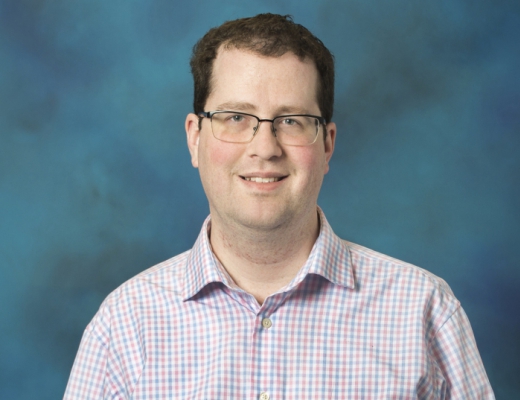
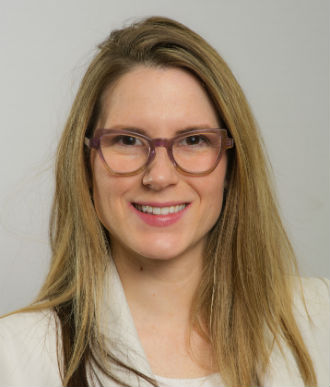
Scott Fraundorf is an Associate Professor in the Department of Psychology at the University of Pittsburgh , where he leads the MAPLE (Memory And Psycholinguistics in Learning & Education) Lab . He combines cognitive science and data science to study human behavior prediction, educational program evaluation, and psycholinguistics . His research focuses on student learning and metacognition language processing and educational technology interventions statistical modeling using regression , machine learning , and mixed-effects models as well as open-source tool development for cognitive science. Key technical skills include Python , R , and SQL programming, with 3 patents for intelligent tutoring systems in English grammar. He has mentored over 70 graduate students and faculty in quantitative methods.
Joachim Cohen serves as Professor of Public Health and Palliative Care at Vrije Universiteit Brussel (VUB), where he co-chairs the End-of-Life Care Research Group alongside Professor Lieve Van den Block. He holds positions within the Family Medicine and Chronic Care school and leads the specialized End-of-Life Care Research Group department. With an h-index of 53 and over 9,824 citations, Cohen maintains a prominent position in international palliative care research. Dr. Cohen earned his Master's degree in Sociology in 2001 and completed his PhD in Social Health Sciences in 2007. His academic journey reflects a strong foundation in social sciences applied to healthcare contexts, particularly end-of-life decision making. Cohen's research focuses on critical aspects of end-of-life care including euthanasia practices, place of death patterns, public health approaches to palliative care, big data applications in healthcare, family caregiving dynamics, health services research, and quality indicators for healthcare assessment. His work bridges sociological perspectives with clinical practice to improve end-of-life experiences across healthcare systems. Analysis of Cohen's recent publications reveals a growing emphasis on digital health solutions for palliative care, compassionate community development, and cross-national comparative studies. His research increasingly incorporates mixed-methods approaches, combining large-scale population data with qualitative insights from patients, families, and healthcare providers. The trajectory shows expanding focus from individual end-of-life decisions toward systemic public health approaches that address community-level support structures. Kubler Ross Award for Young Researchers Young Investigator Award from the European Association of Palliative Care (2010) Prix Elisabeth Kubler-Ross (2007) Professor Cohen directs numerous research projects including IRP24 studying Compassionate Communities, FWOSBO61 on social connection in serious illness, and ANI387 adapting end-of-life aid skills training. His grant portfolio demonstrates strong funding support from multiple national and international sources. While specific student mentoring isn't detailed in available sources, his leadership of large research teams suggests significant supervisory responsibilities. The End-of-Life Care Research Group under Cohen's co-leadership functions as a multidisciplinary hub connecting sociology, public health, clinical medicine, and policy research. The group maintains strong international collaborations and contributes significantly to evidence-based policymaking in end-of-life care across Europe.
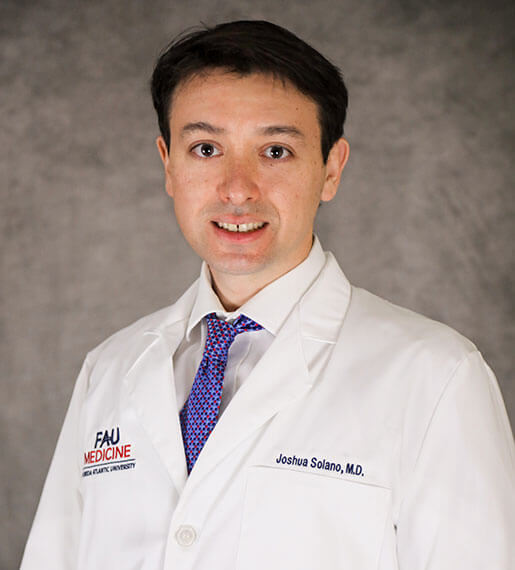
Joshua J. Solano, M.D., FAAEM is an Associate Professor of Emergency Medicine and Clerkship Director for the Emergency Medicine Residency program at the Florida Atlantic University Charles E. Schmidt College of Medicine. As Clerkship Director, he works alongside residents to promote best practices for emergency department patient care. Dr. Solano is board certified in emergency medicine and maintains active membership in the American College of Emergency Physicians and the American Academy of Emergency Medicine. Dr. Solano's educational background includes a BS in Biology and BA in History from Duke University, followed by his MD from the University of Florida. He completed his emergency medicine residency at Beth Israel Deaconess Medical Center in Boston and served on faculty at Harvard Medical School as an instructor and assistant program director before joining FAU. In his final year in Boston, he completed the Rabkin Medical Education Fellowship. Dr. Solano's research focuses on geriatric emergency medicine, particularly head trauma management in elderly patients, anticoagulation risks, and emergency department quality assurance. His recent publications demonstrate a strong emphasis on developing clinical decision rules for geriatric head trauma and understanding medication interactions in older emergency patients. He has also contributed significantly to medical education literature, developing innovative residency training curricula. His scholarly work shows a clear progression toward establishing evidence-based guidelines for geriatric emergency care, with numerous publications on intracranial hemorrhage risk assessment, anticoagulation management, and fall prevention strategies. Dr. Solano's research bridges clinical practice with educational innovation, making significant contributions to both patient care protocols and emergency medicine training. 2017: Attending Role Model Award, Beth Israel Deaconess Medical Center 2016-2017: Rabkin Medical Education Fellowship 2011: Alpha Omega Alpha Medical Honor Society 2011: Chapman Humanism Society 2010: Equal Access Clinic Service Award 2010: Lawrence M. Goodman Award for Medical Student Research 2010: Community Service Award As Clerkship Director, Dr. Solano oversees medical student education in emergency medicine and has implemented electronic evaluation systems that have increased the quality and quantity of student assessments. His clinical work includes staff positions at Bethesda East Hospital and Delray Medical Center. Dr. Solano's research program demonstrates strong institutional support through multiple publications and ongoing investigations into geriatric emergency care protocols.
Mary A. Carskadon is Professor of Psychiatry and Human Behavior at Brown University's Warren Alpert Medical School and Director of the EP Bradley Hospital COBRE Center for Sleep and Circadian Rhythms in Child and Adolescent Mental Health. Her distinguished career spans over five decades with foundational contributions to sleep science. Her educational background includes a BA in psychology from Gettysburg College (1969) and a doctorate with distinction in neuro- and biobehavioral sciences from Stanford University (1979), earned under William C. Dement. She is a distinguished alumna of Gettysburg College and holds an honorary doctor of sciences degree from that institution. Carskadon's research focuses on circadian timing systems and sleep/wake patterns in children, adolescents, and young adults. Her work on school start times has significantly influenced public health policy, prompting organizations like the American Academy of Pediatrics and CDC to advocate for later school schedules. She developed the multiple sleep latency test (MSLT) with Dr. Dement, which remains a global standard for assessing sleep disorders. Current research examines sleep-health disparities in urban children with asthma, sleep patterns in suicide risk populations, and the impact of sleep restriction on adolescent performance. Her extensive publication record shows consistent focus on adolescent sleep physiology, circadian rhythms, and public health implications. Recent work explores connections between sleep timing, mental health, and academic performance, particularly during the COVID-19 pandemic, while maintaining her foundational work on sleep measurement methodologies. Lifetime Achievement Award of the National Sleep Foundation Distinguished Scientist and Outstanding Educator Awards of the Sleep Research Society (the latter now presented in her name) 2023 Brown University Distinguished Research Achievement Award William C. Dement Academic Achievement Award (2023) V. Sagar Sethi, M.D., Mental Health Research Award Leadership in Sleep Medicine Award from American Academy of Physicians of Indian Origin-Sleep Elected Fellow of the Association for Psychological Science Elected Fellow of the American Association for the Advancement of Science Carskadon directs the NIH/NIGMS-funded Bradley Hospital COBRE Center, mentoring junior researchers in pediatric sleep and circadian rhythms. She serves as inaugural editor-in-chief of SLEEP Advances and has secured multiple NIH grants including R01 HL142058 examining ethnic differences in children's sleep patterns with asthma, P20 GM139743 for the COBRE center, and R01 HD103665 investigating sleep restriction effects using neuroimaging. Her work bridges laboratory research with real-world applications, particularly in school policy reform and health equity initiatives. She leads multiple research teams including the CLASS Study (Circadian Light in Adolescence, Sleep and School), projects on sleep disruption in urban children with asthma, and studies examining sleep's role in opioid use disorder treatment. Her laboratory continues to innovate in sleep measurement techniques while maintaining longitudinal studies on adolescent sleep patterns across developmental stages.
Professor Christopher Price serves as Deputy Director of the NIHR Applied Research Collaboration (ARC) North East and North Cumbria (NENC) and holds the position of Professor of Stroke and Applied Health Research at Newcastle University's Faculty of Medical Sciences. He also functions as the NIHR's National Specialty Lead for Stroke and maintains a clinical role as a Stroke Medicine Consultant with the Northumbria Healthcare NHS Foundation Trust. Professor Price completed his medical training with an MB ChB (hons) from Birmingham in 1992, earned his MD from Newcastle University in 2003, and became a Fellow of the Royal College of Physicians (FRCP) in 2006 while simultaneously completing his MClinEd at Newcastle. As a clinical researcher, Professor Price specializes in developing and implementing interventions that improve emergency stroke treatment access. His work focuses on three main pillars: clinical trials of non-pharmaceutical technologies in stroke care, translational studies of diagnostics, and evaluation of service provision models. He has pioneered ambulance-based clinical trials evaluating novel point-of-care diagnostics and enhanced clinical assessment processes for suspected stroke patients. His research extends to stroke recovery, where he investigates innovative approaches like wristband accelerometry to encourage upper limb activity and collect recovery biomarker data. The Stroke Association has recognized his contributions with the HRH Princess Margaret Senior Reader Fellowship. Professor Price's recent publications reveal a strategic shift toward system-level interventions addressing the entire stroke care pathway. His work increasingly examines mobile stroke units, health equity in stroke care, and implementation challenges of new treatment pathways across the NHS. There's a clear progression from individual diagnostic tools toward comprehensive service redesign that considers geographic accessibility, cost-effectiveness, and patient-centered outcomes. The Stroke Association HRH Princess Margaret Senior Reader Fellowship Stroke Association HRH Princess Margaret Research Development Fellow Professor Price has mentored several doctoral researchers including Graham McClelland (focusing on stroke mimic probability scores), Eugene Tsang (researching post-stroke dementia), and Sarah Moore (investigating physical activity interventions after stroke). He has secured substantial research funding totaling millions of pounds from major organizations including the Medical Research Council, Innovate UK, NIHR, and The Stroke Association. His most significant grants include the £3 million RATULS trial on robot-assisted upper limb rehabilitation after stroke and the £1.96 million NIHR Programme Grant for 'Promoting Effective And Rapid Stroke Care,' which evaluated enhanced paramedic assessment processes for stroke patients. Professor Price leads the Stroke Research Group within Newcastle University's Population Health Sciences Institute. His team maintains strong collaborations with national and international academic institutions, industry partners, the North East Ambulance Service, and multiple NHS Trusts. The group has gained particular recognition for its innovative ambulance-based clinical trials, including the landmark PASTA trial published in JAMA Neurology, which demonstrated how enhanced paramedic assessment improves thrombolysis delivery during emergency stroke care.
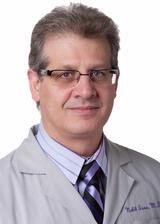
Nabil M Issa is a Professor in the Department of Surgery (Trauma and Critical Care) and Medical Education at the Feinberg School of Medicine, Northwestern University. He is a general and acute care surgeon at Northwestern Memorial Hospital, with a focus on minimally invasive techniques including robotic and laparoscopic surgery. Dr. Issa is also a Master Surgeon Educator and holds leadership roles in national surgical education organizations. Dr. Issa's educational background includes: MD: Al Mustansiriya University College of Medicine (1988) FRCS: Fellow of the Royal College of Physicians and Surgeons of Glasgow, Scotland, United Kingdom (1997) FACS: Fellow of the American Board of Surgery with additional qualification in Surgical Critical Care (2007) FCCM: Fellow of the Society of Critical Care Medicine (2007) MHPE: Master's in Health Professions Education, University of Illinois at Chicago (2016) Dr. Issa's research focuses on surgical education , particularly in creating innovative curricula and assessing technical and cognitive skills acquisition. His work spans simulation , team science , and outcome measures in trauma and critical care. He investigates evidence-based practices for surgeon credentialing and emphasizes patient education and quality improvement in acute care settings. His recent publications reflect a strong commitment to diversity in surgical training , trauma outcomes research , and sustainability in surgery . Dr. Issa examines disparities in fellowship training, morbidity in vulnerable populations, and the validation of injury severity metrics. His work bridges clinical care with educational innovation and systems-level improvements in surgical practice. Dr. Issa has received numerous honors and awards, including: Excellence in Teaching Award, Northwestern University Department of Surgery (2023) Professorship in Surgery, Northwestern University (2023) Academy of Master Surgeon Educators, American College of Surgeons (2022) Member in the National Committee on Trauma (COT), American College of Surgeons (2022) Presidential Citation, Surgical Critical Care Program Directors Society (SCCPDS) (2021) Excellence in Teaching Award, Feinberg School of Medicine (2019) Best Trauma/SICU Teacher Award, Department of Emergency Medicine (2019) Presidential Citation, Surgical Infection Society (2012) Excellence in Teaching Award, Feinberg School of Medicine, Surgical Residency Program (2011) Excellence in Teaching Award, Northwestern University (2011) Dean's Award for Teaching Excellence, Feinberg School of Medicine (2011) Presidential Citation, Society of Critical Care Medicine (2010) Excellence in Teaching Award, Feinberg School of Medicine, Surgical Clerkship (2010) Excellence in Teaching Award, Feinberg School of Medicine, Surgical Residency Program (2010) Excellence in Teaching Award, Feinberg School of Medicine, Surgical Clerkship (2009) Excellence in Teaching Award, Feinberg School of Medicine, Surgical Residency Program (2009) Excellence in Teaching Award, Feinberg School of Medicine, Surgical Residency Program (2008) Dr. Issa serves as a faculty mentor for the Surgical Education Research Fellowship (SERF) and has held leadership roles in surgical education committees. His leadership includes: Chair, Association for Surgical Education (2024-Present) Co-chair, Association for Surgical Education (2023-Present) Chair, Development Committee at ASE (2019-Present) Member, Executive committee for ASE Foundation (2019-Present) Chair, Awards Committee- Association for Surgical Education-ASE (2018-Present) Vice President, Chicago Committee on Trauma (2015-Present) Dr. Issa has developed and leads simulation-based educational initiatives at Northwestern Memorial Hospital, focusing on acute care and surgical skills. He collaborates with multidisciplinary teams in trauma, critical care, and surgical education to design curricula that address the continuum of surgical training.
Dr. Michael Choma is an Adjunct Associate Professor in the Radiology & Biomedical Imaging department at Yale School of Medicine . He also serves as Vice President Clinical at LookDeep Health , a Bay-Area startup developing AI/computer vision technologies for inpatient telemedicine and patient monitoring. Dr. Choma holds a PhD (2004) and MD (2006) from Duke University , completed pediatric training at Boston Children’s Hospital , and pursued postdoctoral research at the Wellman Center for Photomedicine, Massachusetts General Hospital/Harvard Medical School . His research spans biomedical optics , medical imaging , and developmental biology , with a focus on optical coherence tomography (OCT) for studying pulmonary and cardiovascular physiology . He has developed OCT technologies to quantify cilia-driven fluid flow in respiratory systems, investigated embryo heart physiology , and designed novel light sources for speckle-free imaging. His work also bridges clinical medicine and engineering innovation , particularly in digital health and AI-driven diagnostics . Dr. Choma’s publications from 2015-2016 highlight trends in medical imaging , biophotonics , and computational diagnostics , with subfields including optical coherence tomography , fluid dynamics , and point-of-care testing . His scientific awards include the Numenta Startup Prize (2015) and Theodore von Kármán Fellowship (2014) . At Yale, Dr. Choma previously led an NIH-funded biophotonics laboratory and contributed to clinical radiology . He also served as an attending physician in the Yale-New Haven Primary Care Clinic . His interdisciplinary approach integrates medical practice , engineering , and data science , with recent interests in AI bias in medicine , digital pathology , and healthcare innovation .
James O'Malley is a Professor at The Dartmouth Institute for Health Policy and Clinical Practice and Professor of Biomedical Data Science at the Geisel School of Medicine, Dartmouth College. He holds the prestigious Peggy Y. Thomson Professorship in the Evaluative Clinical Sciences and serves as an Adjunct Professor of Computer Science, demonstrating his interdisciplinary expertise spanning statistics, healthcare policy, and computer science. Dr. O'Malley earned his B.Sc. (Hons) in Statistics from the University of Canterbury, New Zealand (1994), M.S. in Applied Statistics from Purdue University (1999), and Ph.D. in Statistics from the University of Canterbury (1999), followed by a Postdoctoral Fellowship in Biostatistics at Harvard Medical School (2001). His research spans statistical methodology and healthcare applications, with methodological contributions in statistical inference for social networks , multivariate hierarchical models , comparative effectiveness research , and Bayesian analysis . These methods address critical healthcare problems including health-social network relationships , healthcare quality measurement , medical technology diffusion , and comparative effectiveness in vascular surgery, cardiology, and mental health . His work bridges theoretical statistics with practical healthcare challenges through collaborations with physicians, epidemiologists, and health services researchers. Dr. O'Malley's recent publications reveal a strong emphasis on healthcare network analysis, comparative effectiveness research, and methodological innovations. His work examines physician networks and patient outcomes, evaluates surgical interventions, identifies healthcare disparities, and develops novel statistical approaches for complex healthcare data, with significant contributions appearing in high-impact journals across multiple disciplines. Mid-career Excellence award from the Health Policy Section of the ASA Elected fellow of the ASA (2012) ISPOR Award for Excellence in Methodology (2019) Peggy Y. Thomson Professorship (2021) 2025 Research Excellence Award for Senior Faculty in the Foundational Sciences As a dedicated mentor, Dr. O'Malley has supervised numerous post-doctoral fellows and PhD students across multiple programs. He currently leads major research initiatives including NIH/NLM R01LM014233 on Geographic Variations in Health Care, serves as PI for cores in NIH/NIA projects on healthcare inequity in Alzheimer's Disease and Rural Health Care Delivery Science, and contributes to multiple substantial grants totaling millions of dollars. He previously chaired the Health Policy Statistics Section of the ASA and co-chaired the 2011 International Conference on Health Policy Statistics. Dr. O'Malley co-organized the Dartmouth Interdisciplinary Network Research (DINR) seminar series (2014-2020) and serves as an Associate Editor for Statistics in Medicine and Observational Studies, demonstrating his commitment to advancing methodological research and fostering interdisciplinary collaboration in health services research.
Sarah C. Hull, MD, MBE is an Associate Professor of Medicine (Cardiology) at Yale School of Medicine, where she serves as Associate Director of the Program for Biomedical Ethics and Cardiology Course Director. She is affiliated with the Department of Internal Medicine, Cardio-Oncology Program, Cardiovascular Imaging Program, and Yale Cancer Center. Education: AB, Biochemical Sciences, Harvard University (2003) MD, University of Pennsylvania School of Medicine (2008) MBE, University of Pennsylvania School of Medicine (2008) Residency, Hospital of the University of Pennsylvania (2011) Fellowship, Yale University School of Medicine (2014) Her research and scholarly work focus on bioethics in cardiology and public health, with key interests in end-of-life care, LVAD deactivation, shared decision-making in cardio-oncology, nutrition ethics, vaccine ethics, and reproductive health ethics. She advocates for integrating ethical frameworks into clinical cardiology practice and medical education. Her work often addresses moral uncertainty, physician-patient communication, and systemic inequities in healthcare access. Recent publications highlight trends in cardioethics , exploring AI's role in moral agency, ethical boundaries in medicine, and curriculum development for ethics training in cardiology. She also contributes to cardio-oncology research, particularly in predicting cardiovascular outcomes in cancer survivors using advanced imaging. Scientific Awards: Bohmfalk Prize for Teaching in Basic Sciences (2021) Sarah C. Hull is actively involved in medical education and ethics leadership. She advises on clinical ethics policy and collaborates with interdisciplinary teams across Yale. She has no listed advisees or grants in the provided text, but her role as Associate Director suggests mentorship and program leadership. She is part of research teams in cardio-oncology and ethics, contributing to collaborative publications. Labs and Teams: She collaborates with researchers in the Cardio-Oncology Program and the Program for Biomedical Ethics, and is a frequent co-author with experts in cardiology, neurology, and oncology at Yale.
Elizabeth A. Dubey, MD, is an Associate Professor in the Department of Emergency Medicine at Wayne State University School of Medicine and serves as the Residency Director at Detroit Receiving Hospital. She is an attending physician with the Medical Center Emergency Services at Detroit Medical Center and has held faculty appointments at both Wayne State and Columbia University Medical Center. Education M.D., Wayne State University, 2004–2008 Bachelor of Science (Cell and Molecular Biology), University of Michigan, 2000–2004 Residency in Emergency Medicine, Jacobi/Montefiore EM Training Program, Albert Einstein College of Medicine, 2008–2012 Research Interests Dr. Dubey’s scholarly work focuses on emergency cardiology diagnostics, specifically the utility of electrocardiography in detecting left ventricular hypertrophy among asymptomatic hypertensive patients presenting to the ED. She has also investigated the safety and efficacy profiles of intravenous combination sedatives used in emergency procedural sedation. Her broader interests span acute care pharmacology, medical toxicology, and innovative methods for clinical education and simulation-based training of residents and medical students. Publications Overview Her recent peer-reviewed publications (2013–2014) address pressing ED issues: one examines ECG-based screening for cardiac end-organ damage in hypertensive patients, while the other evaluates sedation protocols to optimize patient safety and procedural efficiency. These works collectively highlight her commitment to evidence-based emergency practice and translational research that directly impacts bedside care. Teaching & Mentorship Dr. Dubey is deeply invested in medical education. She directs mock oral-board preparation sessions, coordinates intern reports, and serves as faculty advisor for medical students. She has led international medical missions (e.g., Nicaragua 2016) and mentors residents in scholarly activity and lecture development. At Columbia, she precepted clinical skills tutorials and lectured in the EM sub-internship. Professional Service & Societies Alternate Councilor, American Academy of Women Emergency Physicians (AAWEP), ACEP Member, ACEP Education Committee – Online Education Subcommittee Member, SAEM Resident and Student Advisory Committee WSUSOM CME Dean’s Council Active member: American College of Emergency Physicians, Society for Academic Emergency Medicine, American Academy of Emergency Medicine Laboratory & Clinical Teams She leads educational initiatives within the Detroit Receiving Hospital Emergency Medicine residency program and collaborates with multidisciplinary teams across Detroit Medical Center to enhance patient care quality and resident training experiences.
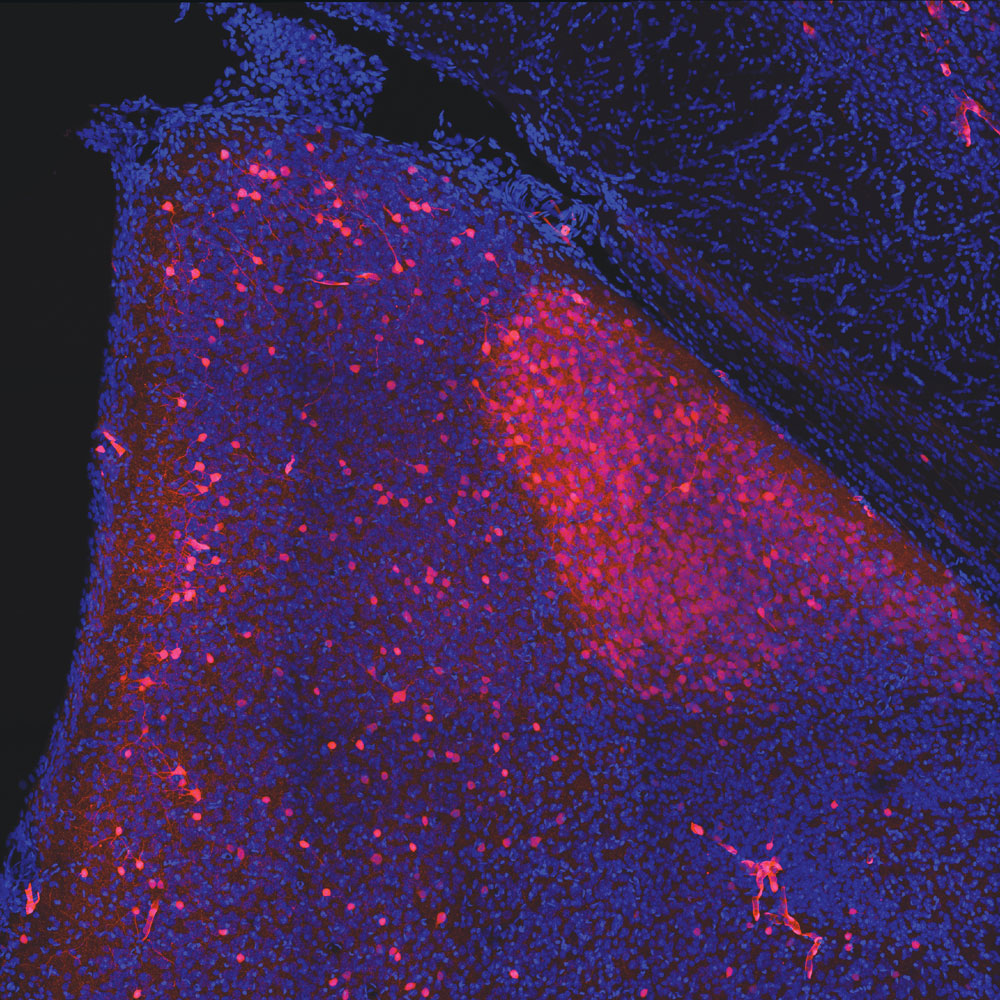
Richard Axel is a University Professor at Columbia University, holding appointments in the Vagelos College of Physicians and Surgeons as Professor of Neuroscience, Professor of Biochemistry and Molecular Biophysics, and Professor of Pathology and Cellular Biology. He serves as Codirector of Columbia's Mortimer B. Zuckerman Mind Brain Behavior Institute and is an Investigator at the Howard Hughes Medical Institute since 1984. Dr. Axel earned his AB from Columbia College and MD from Johns Hopkins Medical School. His Nobel Prize-winning research identified over 1,000 odorant receptors in the nose that transmit olfactory information to the brain, revolutionizing our understanding of the sense of smell. His early work with colleagues developed groundbreaking gene transfer techniques that enabled the introduction of virtually any gene into any cell, leading to novel approaches for gene isolation and analysis of gene function. Dr. Axel's research focuses on understanding how olfactory information is processed in the brain to create internal representations of the external world. His work spans molecular neuroscience, neural circuitry, and the relationship between sensory input and behavioral output. He has pioneered techniques that have advanced our understanding of neural function and sensory processing mechanisms. Analysis of Dr. Axel's recent publications reveals a continued focus on olfactory processing systems, with increasing integration of computational approaches and machine learning to understand neural representations. His work spans from molecular mechanisms to circuit-level analyses, with particular emphasis on how odor information is encoded and transformed in the brain to produce meaningful perceptions and behaviors across multiple model systems. Nobel Prize in Physiology or Medicine (2004) Howard Hughes Medical Institute Investigator (1984-Present) The Royal Society Foreign Member (2014) Gairdner Foundation International Award (2003) American Philosophical Society Member (2003) National Academy of Sciences Member (1983) Richard Lounsbery Award (1989) American Association for the Advancement of Science Fellow (2018) American Academy of Arts and Sciences Fellow As Codirector of the Zuckerman Institute, Dr. Axel oversees one of the world's leading neuroscience research centers, fostering interdisciplinary collaboration across multiple departments. His lab continues to train the next generation of neuroscientists, investigating how sensory information is transformed into meaningful perceptions and behaviors. Dr. Axel's early work on gene transfer techniques laid the foundation for numerous advances in molecular biology and neuroscience, including the isolation and analysis of the CD4 gene, the cellular receptor for HIV. Dr. Axel leads the Axel Lab at Columbia University, which is part of the Zuckerman Institute. His research team investigates how organisms recognize olfactory information in the environment and transmit it to the brain, where it is processed to create internal representations of the external world. The lab employs multidisciplinary approaches combining molecular, cellular, and systems neuroscience to unravel the neural circuits underlying sensory processing and behavior, with particular focus on understanding how these representations translate stimulus features into appropriate innate and learned behaviors.
Douglas Shenson, MD, MPH, MA, MS is an Associate Professor Adjunct in Internal Medicine at Yale School of Medicine and Associate Clinical Professor at Yale School of Public Health's Chronic Disease Epidemiology department. He holds leadership roles as Deputy Leader of the Health Equity Thread in Yale School of Medicine's curriculum and Course Director for the 'Populations & Methods' course. His work focuses on expanding clinical preventive services through initiatives like SPARC (Sickness Prevention Achieved through Regional Collaboration) and the Vote & Vax program, which delivers influenza vaccinations at polling places. Shenson has led CDC-funded research on vaccination and cancer screening for older adults, and co-founded Doctors of the World USA and the Montefiore Medical Center Human Rights Clinic. Education: BA, History & Sociology of Science, University of Pennsylvania (1977) MD, Tulane University School of Medicine (1985) MPH, Tulane University School of Public Health (1985) MA, Human Sciences, Oxford University (1985) MS, Healthcare Management, Harvard School of Public Health (2001) Research Interests: Community-based preventive healthcare models, health equity, vaccination strategies, aging populations, and public health policy. His work bridges clinical care and community outreach to improve access to preventive services, particularly for vulnerable populations. Publications Trends: Recent work emphasizes medical education reforms for health equity, data bias in healthcare training, and integration of preventive services. Earlier publications focus on vaccination strategies, disparities in preventive care for older adults, and innovative public health programs like Vote & Vax. Awards: Includes CDC/AMA Immunization Excellence Award (2009), Aetna Susan B. Anthony Award (2005), and recognition for leadership in health and human rights. Grants/Initiatives: SPARC nonprofit, Vote & Vax national strategy, and collaborations with CDC Healthy Aging Program. Active in professional organizations like the National Quality Forum and American Public Health Association. Labs/Teams: Leads SPARC and Vote & Vax initiatives, collaborates with Yale's Health Equity Research Studios, and contributes to curriculum development in the Health Equity Thread.
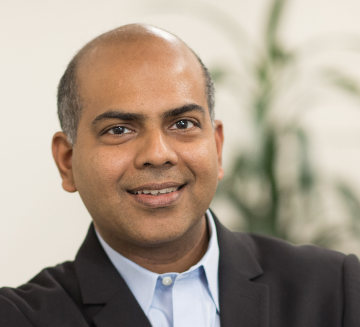
Ram Bala is an Associate Professor of AI & Analytics at Santa Clara University’s Leavey School of Business. He holds a Ph.D. in Operations Research from UCLA Anderson School of Management and a Mechanical Engineering degree from IIT Bombay. His research focuses on pricing strategies, marketplace design, supply chain dynamics, and the integration of AI into business operations. He leads the Prometheus Lab on AI and Business and is Co-founder/Chief AI Scientist of Samvid, a generative AI startup for logistics. Additionally, he co-founded the MS-SCMA program and holds leadership roles in academic governance committees. Education: Ph.D. in Operations Research, UCLA Anderson School of Management Bachelor's in Mechanical Engineering, Indian Institute of Technology Bombay Research Interests: Ram’s work bridges optimization, game theory, and machine learning to address dynamic market challenges. He explores the transformative adoption of AI-driven autonomous systems in organizations, particularly in supply chains and healthcare logistics. His recent projects include pandemic response platforms for PPE distribution and AI tools for humanitarian aid via Project Stanley. Leadership & Ventures: Founder & President of Project Stanley (non-profit applying data science to humanitarian issues) Co-founder and Director of MS-SCMA program Past roles: Chief Data Scientist at GrandCanals (acquired by C.H. Robinson) and leadership at Andela Labs & Teams: Co-leads Prometheus Lab on AI and Business at Leavey School, focusing on enterprise AI adoption and generative AI applications in supply chain management.
Quan Liu, M.D., Ph.D., is an Associate Professor at the School of Medicine, Southern University of Science and Technology (SUSTech), where he has been employed since August 2018. He also serves as Deputy Secretary of the Joint Party Committee of the School of Medicine, Chairman of the Joint Labor Union of the School of Medicine, and Vice Chairman of the Transplant Immunology Professional Committee of the Immunotherapy Engineering Branch of the Chinese Society of Biomedical Engineering. Additionally, he holds the position of Associate Chief Physician at the Second Affiliated Hospital of Harbin Medical University. Dr. Liu received his Medical Degree (M.D.) from Harbin Medical University in 2002, followed by surgical training at the Second Affiliated Hospital of Harbin Medical University from 2002 to 2008, specializing in cardiothoracic surgery. He pursued his Ph.D. at the University of Pittsburgh, where he spent over 8 years (2009-2017) at the Thomas E. Starzl Transplantation Institute studying transplantation immunobiology, inflammation regulation, and immunobiology of IL-33 and regulatory T cells (Treg) with Drs. Heth Turnquist and Adrian Morelli. Dr. Liu's research focuses on three primary areas: (1) Alloantigen presentation in transplantation, (2) Immunobiology of IL-33, Treg and ILC2 in settings of transplantation, inflammation regulation and tumor, and (3) Immunotherapy. His work has made significant contributions to the field of transplant immunology, particularly in elucidating the role of donor dendritic cell-derived exosomes in mediating the semi-direct pathway of alloantigen presentation, revealing the role of intra-allograft recipient-derived dendritic cells in maintaining transplant rejection, and investigating the role of IL-33 in tissue protection during acute lung injury and heart transplant rejection. His research findings have been included in the classic immunology textbook Janeway's Immunobiology (10th Ed, 2022). Dr. Liu's publications demonstrate a strong focus on immunology, particularly transplant immunology, with recurring themes of IL-33, regulatory T cells, and mechanisms of immune regulation in transplantation settings. His work spans from basic immunological mechanisms to potential clinical applications in transplantation and cancer. Provincial Science and Technology Progress Second Prize (2007) Provincial Science and Technology Progress Second Prize (2008) Young Scientist Award at the American Transplant Congress (2013) Distinguished Young Talents project of the Second Affiliated Hospital of Harbin Medical University (2017) Dr. Liu has successfully completed a National Natural Science Foundation of China Youth Fund project and is currently leading a National Natural Science Foundation of China General Project (2020-2023). He has supervised doctoral students and has been actively involved in teaching undergraduate courses in Biochemistry, Physiology, and Pathophysiology, as well as graduate courses in Immunology. His laboratory at SUSTech has developed advanced research capabilities including over 30 mouse strains (more than 10 developed independently), access to a Seahorse XFe96 cell energy metabolism analyzer, and a CyTOF Helios mass cytometer for advanced immunological studies. Dr. Liu leads a research group at SUSTech focused on tumor immunity and immunotherapy, neuro-immune-metabolic interactions, and transplant immunity. The laboratory has established significant experimental capabilities including over 30 mouse strains (more than 10 developed independently), access to a Seahorse XFe96 cell energy metabolism analyzer for immunometabolism research, and a CyTOF Helios mass cytometer for advanced immunological studies.
Arthur Gomez, MD, FACP, serves as Senior Associate Dean of Medical Education at Charles R. Drew University of Medicine and Science (CDU). With over 30 years of experience in medical education, he leads curriculum development for CDU's 4-year MD Program, focusing on cross-cultural medicine, system-based care, and competency training for physicians-in-training. Graduate of University of California at Irvine and UCLA School of Medicine Internal Medicine residency at UCLA-San Fernando Valley Program Kennamer Fellow in General Internal Medicine Faculty Medical Education Fellow at UCLA's David Geffen School of Medicine His research focuses on medical education , health disparities , and cultural humility , with emphasis on doctor-patient communication and curriculum design for vulnerable populations. He has led national initiatives in ambulatory care and general internal medicine. Key scientific contributions include educational grants such as the UCLA/Charles R. Drew Center of Excellence for Minority Medical Education and the HRSA-funded curriculum for patients with disabilities . His work addresses systemic challenges in healthcare access for marginalized communities. Sherman M. Mellinkoff Award (2023) Dr. Gomez has held leadership roles in both undergraduate and graduate medical education, including Clerkship Chair for Ambulatory Internal Medicine (2005-2020) and Chair of Clerkships (2015-2020) at UCLA's David Geffen School of Medicine. He developed the foundational course 'Foundations of Practice' in 2020. His collaborative efforts span institutions like UCLA, VA Greater Los Angeles, and Cedars-Sinai, with a mission to create curricula addressing underrepresentation and vulnerability in healthcare delivery.