Dr. Mahesh Tripunitara is a Professor in the Department of Electrical and Computer Engineering at the University of Waterloo, serving as Associate Chair for Undergraduate Studies. He holds a PhD (2005) and Master's (1995) in Computer Science from Purdue University, along with a BSc (1993) in Computer Science from Dalhousie University. His research focuses on information security, authorization mechanisms, cryptographic key management, and hardware security, with industry experience at Motorola's R&D labs and Silicon Valley. His work spans theoretical advancements like access control policy analysis and practical applications such as secure payments systems and IoT device reliability. Notable awards include the Best Student Paper at Usenix Security 2013 and Best Paper at ACM SACMAT 2013. He actively serves on program committees for major security conferences including CCS, CODASPY, and SACMAT. Recent publications highlight innovations in cellular security (SUCI-Catchers defense), role-mining optimization, and blockchain smart contract auditing. Teaching includes advanced algorithm design courses (ECE 406/606) and digital computation (BME 121). His research emphasizes balancing security rigor with usability in authorization systems and hardware protection mechanisms.
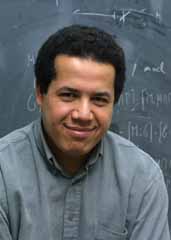
Manolis Savva is an Associate Professor in the School of Computing Science at Simon Fraser University and holds the Canada Research Chair in Computer Graphics. He specializes in 3D scene analysis, generative methods for 3D content, and computer graphics for AI. His research bridges computer graphics, vision, and robotics. Education: Ph.D. (Computer Science, Stanford University, 2016), MS (Computer Science, Stanford, 2012), B.A. (Physics & Computer Science, Cornell, 2009). Research Interests: Human-centric 3D scene analysis, generative 3D content creation, AI-driven rendering, and applications in robotics. Key projects include Habitat (Embodied AI platform), ScanNet , and ShapeNet datasets. Recent Articles: Focus on articulated object modeling, 3D scene synthesis, and AI-driven visualization. Notable work includes SceneMotifCoder (generating object arrangements) and R3DS (panoramic scene understanding). Awards: CHCCS Early Career Award (2022), ICLR 2023 Outstanding Paper Award, ICCV 2019 Best Paper Nomination, and SGP 2020 Dataset Award (ScanNet). Lab/Teams: Leads research groups in 3DLG (3D Learning and Graphics) and GrUVi (Graphics and Vision). Collaborates on projects like AI Habitat and HomeRobot .
Dr. Saman Razavi is an Associate Professor at the University of Saskatchewan, holding dual appointments in the School of Environment and Sustainability (SENS) and the Department of Civil, Geological and Environmental Engineering in the College of Engineering. He is a member of the Global Institute for Water Security and leads the Razavi EnviroFutures Lab. His research focuses on hydrological modeling, water resources management, climate change impacts, and the integration of machine learning with environmental science. Dr. Razavi has earned a PhD in Civil and Environmental Engineering from the University of Waterloo. Education: PhD in Civil and Environmental Engineering, University of Waterloo MS in Civil and Environmental Engineering, Amirkabir University, Iran BS in Civil Engineering, Iran University of Science and Technology Research interests include hydrologic model development, optimization, uncertainty quantification, climate change analysis, and socio-hydrological modeling. He emphasizes interdisciplinary approaches to address water challenges through integrated frameworks that bridge natural science, engineering, and socio-economic factors. Award: Walter L. Huber Civil Engineering Research Prize from ASCE (2024) Advising & Grants: Dr. Razavi leads the Integrated Modelling Program for Canada under Global Water Futures, focusing on transboundary water systems. His work involves developing decision-support tools for flood/drought management and climate adaptation. Labs/Teams: The Razavi EnviroFutures Lab advances research on water-human systems, leveraging AI and big data to enhance resilience against water-related hazards. Current projects include flood-prone area mapping, drought prediction, and socio-hydrological modeling in transboundary basins.
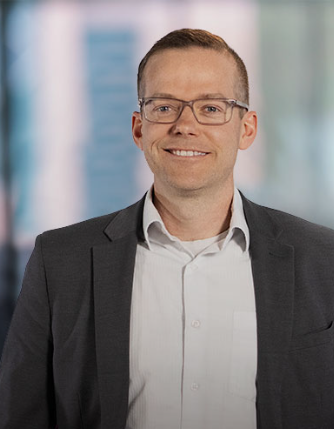
Ben Bloem-Reddy is an Assistant Professor in the Department of Statistics at the University of British Columbia (UBC), Vancouver Campus. His research focuses on statistical theory and applications in machine learning, particularly in causal inference, Bayesian methods, neural networks, and probabilistic models. He advises current students Quanhan (Johnny) Xi, Kenny Chiu, and Gian Carlo Diluvi. His work bridges foundational statistical theory with practical machine learning challenges, including causal discovery, model identifiability, and uncertainty quantification. Recent research explores topics such as latent variable models, generative processes, and symmetry in data and algorithms. His contributions span interdisciplinary areas like particle physics applications and information theory-based compression techniques. Ben’s research trends emphasize advancing theoretical guarantees for modern machine learning systems while addressing real-world problems. His publications frequently intersect with algebraic topology (e.g., cocycles in causal inference) and nonparametric methods. He maintains an active lab within the Department of Statistics, fostering collaborations across UBC’s academic ecosystem. No scientific awards are explicitly listed in the provided information. His advising and grant activities focus on statistical methodology development, as evidenced by his student supervision and published work. His office is located in ESB 3168, and he can be reached at benbr@stat.ubc.ca.
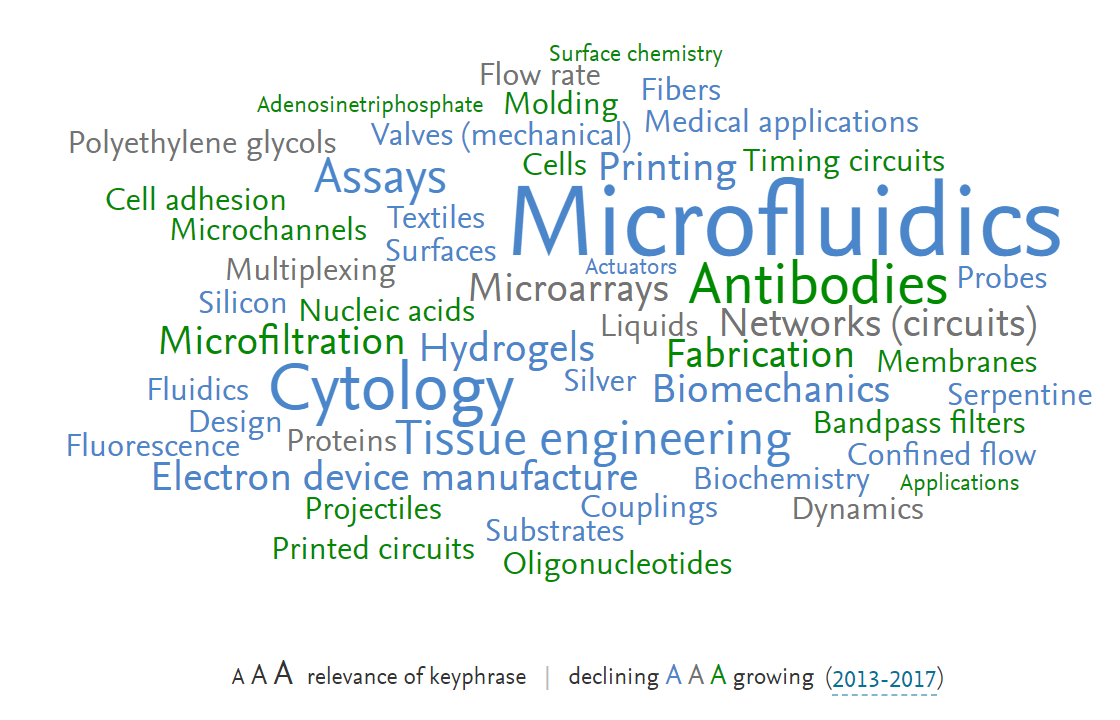
David Juncker is a Professor and Department Chair of the Department of Biomedical Engineering at McGill University. He serves as a Principal Investigator at the McGill University & Genome Quebec Innovation Centre and holds associate memberships in the Department of Neurology and Neurosurgery, Department of Electrical and Computer Engineering, Division of Experimental Medicine, Department of Surgery, and Goodman Cancer Research Centre. His research focuses on micro- and nano-bioengineering technologies for bioanalysis, precision medicine, and organs-on-chips. Key areas include microfluidics, lab-on-a-chip devices, biomedical sensors, medical diagnostics, biomaterials, tissue engineering, and cancer biomarker discovery. His lab develops scalable antibody microarrays, self-powered diagnostic platforms, microfluidic probes for brain tissue perfusion, and nanogradients for neuronal navigation, with applications in cancer diagnostics, global health, and neuroscience. Recent publications (2023-2025) reveal strong emphasis on extracellular vesicle analysis, single-cell proteomics, 3D-printed microfluidic/organ-on-a-chip systems, and capillary-driven circuits. Key trends include low-cost point-of-care diagnostics, advanced circulating tumor cell isolation methods, and biomimetic synthetic vesicles for drug delivery, demonstrating translational potential in early disease detection. Dr. Juncker leads a highly interdisciplinary team comprising undergraduate and graduate students, post-doctoral fellows, and staff from diverse scientific, engineering, and cultural backgrounds. His lab actively recruits Canadian/permanent resident graduate students for projects on single extracellular vesicle and protein detection in cancer and infectious diseases, leveraging microfluidics and wearables for biomarker discovery. The Juncker Lab operates from the McGill University & Genome Quebec Innovation Centre (740 Dr. Penfield Avenue, Room 6206). It maintains a collaborative, multicultural environment focused on developing transformative micro- and nano-bioengineering technologies with significant potential impact on human health diagnostics and treatment.
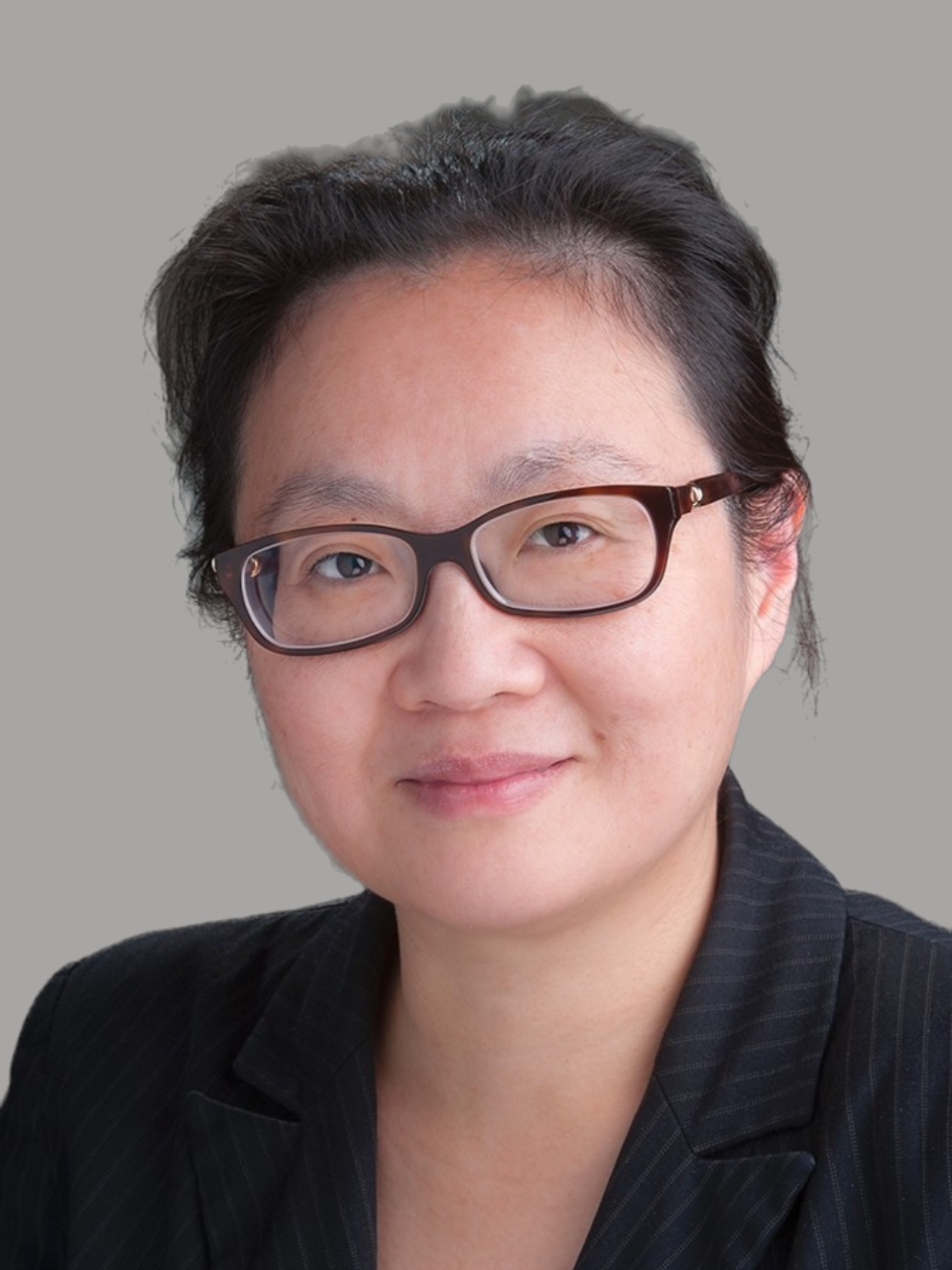
Dr. Nancy L. Sin is an Associate Professor in the Department of Psychology within the Faculty of Arts at the University of British Columbia. She teaches undergraduate and graduate courses in health psychology and supervises students at multiple levels. She is Co-Chair of the Antiracism Task Force for the Society for Biopsychosocial Science and Medicine and a member of the Steering Committee at the UBC Edwin S.H. Leong Centre for Healthy Aging. Previously, she served on the Executive Committee for the American Psychological Association's Division on Adult Development and Aging and established the Diversity Mentorship Program. PhD, University of California, Riverside, 2012 Dr. Sin's research focuses on biological and behavioural pathways linking daily well-being and stress to health. Her work demonstrates that emotional responses to daily stressors are associated with inflammatory, neuroendocrine, and autonomic mechanisms implicated in aging-related conditions like cardiovascular disease. She investigates daily positive events as protective factors for stress processes and health, with particular interest in emotional well-being and aging, stress-sleep cycles, and health equity. Her research spans multiple disciplines including health psychology, gerontology, and social psychology. Analysis of Dr. Sin's recent publications reveals consistent focus on daily stress processes, positive emotions, and health outcomes across the lifespan. Her work increasingly examines pandemic-related stressors, social determinants of health, and health disparities, with strong emphasis on methodological rigor through daily diary and longitudinal approaches. The publications demonstrate interdisciplinary collaboration across psychology, public health, and medicine, with growing attention to diversity, equity, and inclusion in health research. Distinguished Alumni Award, Department of Psychology, University of California, Riverside (2025) Fellow, Gerontological Society of America (2025) Innovative Research on Aging Award (Bronze Award) from the Mather Institute (2021) Michael Smith Foundation for Health Research Scholar (2020) Springer Early Career Achievement Award in Research on Adult Development and Aging (2019) Gerontological Society of America's Behavioral and Social Sciences Student Research Award Editor's Choice article at Annals of Behavioral Medicine Dr. Sin actively supervises undergraduate, MA, and PhD students, with a current focus on Health Psychology graduate students specializing in adult development and aging, stress, and health equity/disparities. Her research has been supported by significant grants as PI or Co-I from the U.S. National Institute on Aging, Social Sciences and Humanities Research Council of Canada, Canadian Institutes of Health Research, Canada Foundation for Innovation, and the Michael Smith Foundation for Health Research. She has established a strong research program examining daily experiences and their health implications across adulthood. Dr. Sin directs the UPLIFT Health Lab (Understanding Pathways Linking Inter- and Intraindividual Factors To Health), which explores psychosocial well-being and biobehavioural mechanisms underlying healthy aging. The lab investigates how daily positive events promote health through lower inflammation, adaptive cortisol profiles, and better health behaviors, with particular attention to how positive emotions buffer stress processes. The lab actively recruits community participants for studies on daily experiences and health, contributing to intervention development for promoting psychological and physical well-being across adulthood.
Samuel Jean Bassetto is an Associate Professor in the Department of Mathematics and Industrial Engineering at Polytechnique Montréal. He serves as Director of the Continuous Improvement Laboratory (LABAC) and holds membership in multiple prestigious research groups including the Research Group on Globalisation and Management of Technology (GMT), Poly-Industries 4.0 Laboratory, Interuniversity Research Centre on Enterprise Networks, Logistics and Transportation (CIRRELT), and Institute for Data Valorization (IVADO). Dr. Bassetto's research spans multiple disciplines, focusing on continuous improvement through the integration of engineering, artificial intelligence, cognitive science, psychology, and design. His primary sphere of excellence is in New Frontiers in Information and Communication Technologies, with secondary expertise in Modeling and Artificial Intelligence and Human Health. He develops tools that place humans at the center of technology to enhance organizational performance while respecting human rhythms and cognitive limitations. His recent publication portfolio reveals a strong interdisciplinary approach, with research bridging industrial engineering, cognitive neuroscience, and AI ethics. His work addresses practical challenges in lean manufacturing assessment, racial bias in medical AI systems, cognitive data collection in natural environments, and condition monitoring for industrial machinery. The research consistently demonstrates a commitment to developing practical solutions that integrate human factors with technological innovation. NSERC Synergy Prize for Innovation recipient Principal investigator on multiple research grants from NSERC, FRQ, and MITACS Collaborations with over a dozen institutions across multiple countries Supervision of over 150 highly qualified personnel throughout his career Dr. Bassetto teaches specialized courses including CAP7011 (Creativity in Research), IND8444 (Continuous Improvement), IND8203 (Industrial Launch), and previously taught IND8178 (Production). His teaching philosophy emphasizes practical application, with courses featuring hands-on exercises, real-world scenarios, and gamification techniques to enhance learning. His supervision portfolio includes numerous Ph.D. and Master's students working on topics ranging from human-technology collaboration to reinforcement learning for production management. Through LABAC, Dr. Bassetto leads research initiatives focused on developing human-centered tools for continuous improvement in organizational settings. The laboratory conducts projects related to industrial IoT applications, cognitive aspects of process improvement, and the development of practical frameworks for organizations to enhance performance while maintaining respect for human rhythms and cognitive capabilities.
Jean Provost is a Full Professor in the Department of Engineering Physics at Polytechnique Montréal , with affiliations to the Montreal Heart Institute , IVADO , and the Institute of Biomedical Engineering . His research focuses on ultrasound imaging , cardiac and cerebral vascular imaging , and superresolution image reconstruction using machine learning and optimization . Based on 96 publications, his work emphasizes ultrasound localization microscopy , neural network applications , and microvascular hemodynamics . Education : Ph.D. (Columbia University), MPhil (Columbia University), M.Sc.A. (École Polytechnique Montréal), Engineering Degree (École Centrale Paris), License (Université Paris XI), B.Eng. (École Polytechnique Montréal) Research trends from 15 recent articles include: 3D and dynamic ultrasound localization microscopy for microvascular mapping Deep learning for image reconstruction and neural network pruning Machine learning-driven aberration correction and superresolution imaging Acoustoelectric and cavitation-based imaging techniques Applications in cardiac diagnostics and dementia detection Supervision includes 2 Ph.D. and 8 Master's theses completed at Polytechnique Montréal (2023), covering topics like optical ultrasound detection , microbubble modulation , and spatiotemporal sampling .
Christopher Ramsey is an Associate Professor and Interim Chair of the Department of Mathematics and Statistics within the Faculty of Arts and Science at MacEwan University in Edmonton, Alberta. He holds a PhD in Pure Mathematics from the University of Waterloo (2013), an MMath from Waterloo, and a BSc Honours from the University of Regina. Dr. Ramsey's research centers on operator algebras and functional analysis, with particular emphasis on non-selfadjoint operator algebras and multivariable operator theory. His work explores connections between analysis and algebra, studying algebras of infinite matrices and their applications to group theory, dynamical systems, free probability, and quantum information theory. He also investigates aperiodic order and its mathematical structures. His recent publications (2020-2025) demonstrate a consistent focus on operator algebras, with significant contributions to C*-algebras, tensor algebras, and their applications. The research spans theoretical foundations in functional analysis while connecting to diverse fields including symbolic dynamics, aperiodic structures, and quantum information. His work often bridges abstract algebraic structures with concrete analytical problems. Dr. Ramsey has received notable recognition including an NSERC Discovery Grant (2019), a MacEwan University Project Grant (2019), and an NSERC Postdoctoral Fellowship (2013). He serves as Editor-in-Chief of the MacEwan University Student eJournal (MUSe) and Associate Editor of the Canadian Transactions of Operator Theory. As an educator, Dr. Ramsey teaches various mathematics courses and supervises senior students' independent studies. His academic service includes editorial work and active participation in the Canadian Mathematical Society. His research program continues to develop connections between operator algebras and their diverse applications across mathematical disciplines.
Abdellah Sebbar is a Full Professor in the Department of Mathematics and Statistics at the University of Ottawa. He holds a PhD from Stony Brook University (1993-1997) and prior degrees from Rabat and Strasbourg. His research focuses on number theory, algebraic geometry, and modular forms, with specialties in elliptic curves, moonshine theory, and quantum groups. He has authored over 40 publications, including works on Schwarzian equations and equivariant functions. His career includes roles as CRM-ISM Postdoctoral Fellow (1997-1999), CMS Instructor (1999-2001), and Associate Professor (2004-2013) before attaining his current rank. He advises graduate students and collaborates on projects involving modular subgroups and automorphic forms. Education: 1992: BSc in Pure Mathematics, Rabat 1992-1993: DEA (Master's), Strasbourg 1993-1997: PhD in Mathematics, Stony Brook (Fulbright Scholar) Research Interests: Modular forms and functions Elliptic curves and surfaces Discrete groups and moonshine Quantum groups and mathematical physics Schwarzian differential equations Professional Timeline: 2013–Present: Full Professor, UOttawa 2004–2013: Associate Professor, UOttawa 2001–2004: Assistant Professor, UOttawa His recent work emphasizes applications of Schwarzian equations to modular forms and automorphic differential equations. Collaborative efforts with Hicham Saber and others explore equivariant functions and vector-valued modular forms. He has supervised multiple PhD/MSc students, including co-supervision with Damien Roy.
David Chalmers is a University Professor of Philosophy and Neural Science at New York University and co-director of the Center for Mind, Brain, and Consciousness. He is also an Honorary Professor of Philosophy at the Australian National University and co-director of the PhilPapers Foundation. His work bridges philosophy, cognitive science, and emerging technologies. Research Interests: Chalmers is best known for his work on the 'hard problem of consciousness'—the challenge of explaining subjective experience. His research spans philosophy of mind, metaphysics, epistemology, philosophy of language, and the foundations of physics and AI. He actively explores the implications of virtual reality, simulation theory, and large language models for philosophy and consciousness studies. Recent Research Trends: His recent publications focus on AI consciousness, the ethical treatment of AI systems, the simulation hypothesis, and the nature of thought in language models. These works reflect a growing engagement with artificial intelligence and digital metaphysics, positioning philosophy at the forefront of technological inquiry. Scientific Awards: While no specific awards are listed in the provided text, Chalmers is widely recognized as one of the most influential contemporary philosophers, particularly in philosophy of mind. Advising and Grants: He mentors students and postdocs, though specific names are not listed. His leadership in the Center for Mind, Brain, and Consciousness and the PhilPapers Foundation suggests active grant-funded research and academic collaboration. Labs and Teams: He co-directs the Center for Mind, Brain, and Consciousness at NYU and the PhilPapers Foundation , both of which support research, publications, and global philosophical discourse in philosophy of mind and related fields.
Francesco Cellarosi is an Associate Professor in the Department of Mathematics and Statistics at Queen's University, within the Faculty of Arts and Science. His research focuses on the intersection of dynamics, probability theory, ergodic theory, number theory, and mathematical physics. He investigates how classical number-theoretic objects exhibit random features, employing dynamical methods such as spectral theory of group actions and analysis of flows on homogeneous spaces. Educational Background: PhD in Mathematics (2011), Princeton University MSc in Mathematics (2007), Princeton University Laurea Magistrale (Master's) in Mathematics (2006), Università degli Studi di Bologna Research Interests: Dr. Cellarosi explores probabilistic phenomena in number theory, including theta sums, quadratic Weyl sums, and k-free integers. His work bridges ergodic theory and quantum mechanics, analyzing autocorrelation functions and spectral properties of physical systems. Key themes include limit theorems, random processes of number-theoretic origin, and applications to statistical mechanics. Professional Profile: He teaches advanced courses such as MATH 892 and MATH/MTH 328. His office is Jeffery Hall 506, and he maintains a Google Scholar profile and personal website. No awards are explicitly listed, but his extensive publication record reflects scholarly contributions. Labs/Teams: While no specific labs are mentioned, his collaborations span pure mathematics and mathematical physics, often involving interdisciplinary dynamics and probability.
Teresa Cheung is an Adjunct Professor in the Department of Engineering Science at Simon Fraser University’s Faculty of Applied Sciences. Her research focuses on neuroimaging techniques, particularly magnetoencephalography (MEG), and their applications to understanding brain networks in health and disease. She holds a Ph.D. in Physics from SFU (2012) and completed a postdoctoral fellowship at the University of Cambridge (2012–2013). Research interests include: MEG instrumentation and optically pumped magnetometers (OPM) Cortical-cerebellar networks and cerebellar activity localization Neuroimaging of neurological disorders like major depressive disorder and epilepsy Functional and structural connectome analysis across the human lifespan Multimodal integration of MEG, MRI, fMRI, and DTI data Recent work emphasizes the relationship between cardiovascular health, brain aging, and cognitive resilience. Her studies span clinical applications (e.g., depression biomarkers) and technical advancements in neuroimaging systems. Collaborations include multi-site studies on depression and aging cohorts like the Cam-CAN project. Publications highlight innovative methods in MEG system design, neural network dysfunction analysis, and lifespan brain dynamics. Her work bridges engineering, neuroscience, and clinical research to advance non-invasive brain imaging and neurophysiological understanding.
Kalaichelvi Saravanamuttu is an Associate Dean in the Faculty of Science and a Professor in the Department of Chemistry and Chemical Biology at McMaster University. Her research focuses on optochemical self-organization in soft materials, nonlinear optics, and photonics, with applications in light capture, waveguide architectures, and all-optical computing. She holds a PhD in Chemistry from McGill University (2001) and conducted postdoctoral research at the University of Oxford (2001-2003). Her work combines polymer chemistry, photochemistry, and optical physics to develop functional materials like photoresponsive hydrogels and waveguide-encoded lattices. Key research themes include light-induced structural changes in soft matter, dynamic optical systems, and bio-inspired optical devices. Teaching includes courses on equity in science (SCIENCE 2AR3/4AR6) and advanced materials (CHEM 4W03). She has received funding from NSERC, the Canadian Foundation for Innovation, and the US Army Research Office. Her research group collaborates widely, with recent studies exploring electroactive hydrogels and switchable self-trapped light beams.
Jonathan Little is a Professor at the University of British Columbia Okanagan , affiliated with the Faculty of Health and Social Development and School of Health and Exercise Sciences . He leads the Exercise Metabolism and Inflammation Laboratory (EMIL) , focusing on the intersection of exercise physiology, nutrition, and metabolic disorders. Hons B. Kin – McMaster University, 2005 M.Sc. – University of Saskatchewan, 2007 Ph.D. – McMaster University, 2010 Postdoctoral Fellowship – UBC, 2010-2012 His research investigates how metabolic disruptions in type 2 diabetes affect cellular inflammation and how exercise/nutritional strategies can mitigate these effects. Key areas include high-intensity interval training (HIIT) , nutritional ketosis , and immunometabolic responses . EMIL combines human clinical trials with cellular/molecular experiments, utilizing advanced tools like flow cytometry and metabolic carts. His recent publications emphasize exercise snacks (short, frequent workouts), ketone supplements , and fasting protocols for managing diabetes and obesity. He has received prestigious awards like the Killam Accelerator Fellowship and CIHR New Investigator Award . Killam Accelerator Research Fellowship (2021-2023) Canadian Society for Exercise Physiology Young Investigator Award (2020) UBC Killam Research Fellowship (2018) Michael Smith Foundation for Health Research Scholar (2018-2023) American College of Sports Medicine New Investigator Award (2016) CIHR New Investigator Salary Award (2015-2020) He supervises graduate students in HMKN 313 – Exercise Metabolism and mentors through the HMKN 499 Research Practicum . His lab (EMIL) collaborates with institutions like the BC Diabetes Research Network and serves as an Associate Editor for Applied Physiology, Nutrition and Metabolism .