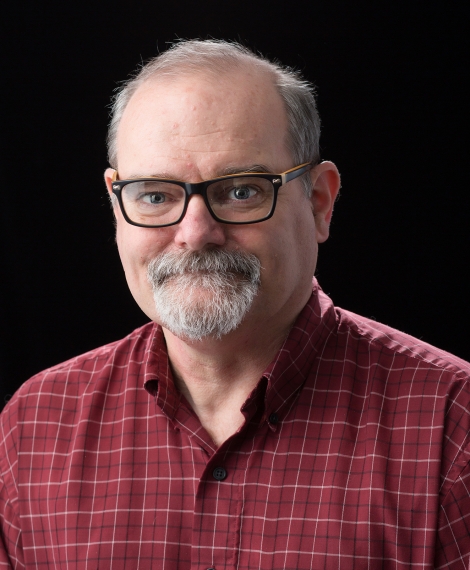
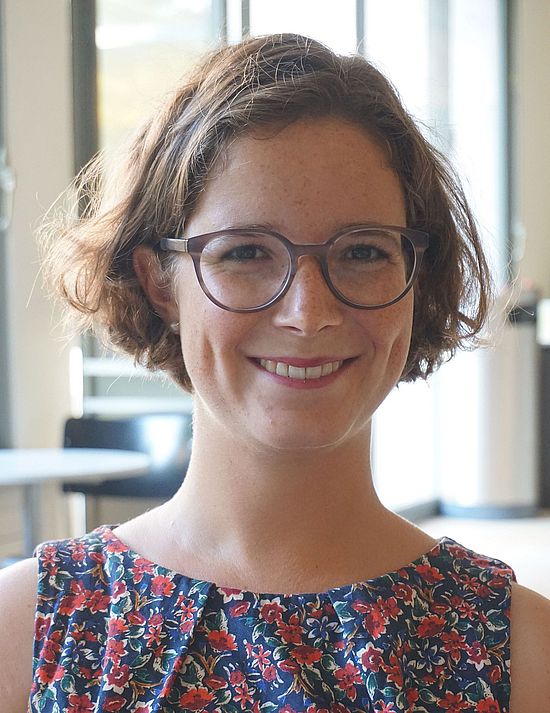
Paul Carini is an Associate Professor in the Department of Environmental Science at the University of Arizona. His research focuses on microbial genomics, environmental microbiology, and microbial diversity in extreme environments. He is affiliated with the School of Animal and Comparative Biomedical Sciences through a joint Micro Graduate Program. His work emphasizes genomic sequencing of understudied microbes, particularly those from arid soils and subseafloor sediments. He explores microbial adaptation strategies to nutrient-poor and extreme conditions, including anaerobic respiration and toxic gas utilization. Recent studies highlight culturomics advancements, such as high-throughput cultivation and predictive modeling of microbial growth. Key contributions include genome-based taxonomic frameworks for uncultivated archaea and bacteria, and insights into microbial roles in climate change mitigation. His research bridges traditional cultivation methods with modern genomic tools, addressing challenges in capturing Earth's microbial biodiversity.
Todd Oakley is a Professor and Department Chair of the Department of Ecology, Evolution, and Marine Biology (EEMB) at the University of California, Santa Barbara (UCSB). He joined the faculty in 2003 and currently serves as Vice Chair of resources for EEMB, while also being a member of UCSB’s Marine Science Institute. His academic career includes a BS and MS from the University of Wisconsin-Milwaukee, a PhD in Biological Sciences from Duke University, and an NIH-NRSA postdoctoral fellowship at the University of Chicago. His research focuses on the origins and evolution of complex traits, particularly visual systems and bioluminescence in marine invertebrates. The lab investigates four main paths: (1) the evolutionary origins of vision and light-interacting genes, (2) diversification of arthropod eye designs, (3) convergent evolution in mollusks like octopuses and chitons, and (4) genetic drivers of ecological interactions in algae relevant to biofuel production. Notable tools developed include the Osiris Galaxy workflow for phylogenomic analysis and the CoMET plug-in for character evolution modeling. Dr. Oakley has advised over 17 students, including graduate and undergraduate researchers, many of whom have pursued postdoctoral or academic roles. His scientific contributions include the NIH-NRSA postdoctoral fellowship and over 119 peer-reviewed publications, often leveraging phylogenetics and genomics to address evolutionary questions. Collaborators include institutions like University of Chicago, UC-Davis, and international centers such as the University of Tartu and Museum Victoria. The lab emphasizes interdisciplinary approaches, combining fieldwork, molecular techniques, and computational biology.
Niklas Wahlberg is a Professor in Biological Systematics at Lund University, Sweden. He holds roles including Museum Director of the Biological Museum and Principal Investigator in the BECC biodiversity initiative. His primary affiliation is with the Department of Biology, focusing on evolutionary biology and systematics of Lepidoptera. Education & Career: PhD in Evolutionary Biology from University of Helsinki (2000) Postdoc at Stockholm University (2000–2002) Academy Research Fellowship at University of Turku (2006–2011) Professor in Genetics at Turku (2014) before moving to Lund in 2015 Research Interests: His work centers on the evolutionary history of Lepidoptera, particularly diversification patterns linked to angiosperm evolution and mass extinction events. He employs molecular systematic methods, next-gen sequencing, and museum specimens to study clade origins and biogeography. Key topics include Cretaceous diversification, post-mass extinction radiation, and genomic discordance in butterflies. Awards & Recognition: Web of Science Highly Cited Researcher (2017, 2018) Elected to Kungliga Fysiografiska Sällskapet (2016) Grants & Projects: Swedish Research Council: Testing gene-trait associations in genome modifications (2025–2029) Infrastructure leader for museum collections and holistic specimen projects Labs & Collaborations: Head of the Systematic Biology Group at Lund, managing the Biological Museum’s collections. Active in global entomology networks and co-organizes major conferences like the International Congress of Entomology.
Mohamed K. Fakhr, Ph.D., is a full-time Professor in the Department of Biological Sciences at The University of Tulsa, affiliated with the Oxley College of Health Sciences. His research focuses on molecular microbiology of foodborne pathogens, particularly Campylobacter and Staphylococcus aureus, examining antibiotic resistance mechanisms, plasmid characterization, and survival under extreme conditions. Ph.D., Oklahoma State University M.Sc., Zagazig University, Benha Branch B.Sc., Zagazig University, Benha Branch Research interests include: Molecular microbiology of foodborne pathogens Antimicrobial and heavy metal resistance Plasmid-mediated survival mechanisms Genomics and transcriptomics approaches Diversity of extremophilic actinomycetes Antimicrobial and antitumor metabolites His 2025 Google Scholar publications highlight advancements in Campylobacter aerotolerance, plasmid genomics, and extremophile metabolite discovery. Notable trends span food safety, bacterial stress response, and molecular typing methodologies. Scientific awards include: 2025 UTulsa Outstanding Teacher Award 2025 UTulsa Oxley College Teaching Excellence Award Dr. Fakhr's lab investigates polymicrobial interactions in retail meats, utilizes next-generation sequencing for plasmid analysis, and explores actinomycetes in extreme environments. His work bridges molecular biology and public health through pathogen characterization and teaching excellence.
Dr. Mary Silcox is a Professor at the University of Toronto Scarborough (UTSC) and Undergraduate Associate Chair in the Department of Anthropology. She is a vertebrate paleontologist specializing in fossil mammals, particularly focusing on the early evolution of primates through the study of Plesiadapiformes. Her fieldwork in Wyoming and Montana explores the fossil record of Paleocene and Eocene mammalian groups, with recent emphasis on brain evolution in early primates and their phylogenetic relationships within Mammalia. Ph.D. in Anatomy from Johns Hopkins University (2001) Her research spans evolutionary anthropology, paleobiology, and mammalian evolution, utilizing high-resolution X-ray computed tomography for endocast reconstructions. The Silcox Lab investigates primate origins, fossil records, and comparative brain morphology across mammals and squamates. The most recent trends in her publications highlight advancements in virtual endocasts, cladistics, and the evolutionary significance of Plesiadapiformes. Her work often involves interdisciplinary collaborations and field discoveries in North America. Dr. Silcox advises graduate students including Keegan Selig and Devin Ward, supported by grants from the Natural Sciences and Engineering Research Council (NSERC) of Canada. She previously served as Vice-Dean, Graduate, at UTSC from 2016 to 2021. The Silcox Lab for Paleoprimatology, Paleobiology, and Mammalian Evolution is located at SW223 on the UTSC campus. Her offices are in HL 314 (UTSC) and AP 242 (St. George).
Rahul Siddharthan is a computational biologist at The Institute of Mathematical Sciences (IMSc), Chennai , with research interests spanning bioinformatics algorithms, regulatory genomics, chromatin structure, evolutionary biology, and machine learning applications in clinical outcomes. He holds a PhD in Physics from the Indian Institute of Science, Bangalore, and transitioned to biology during a postdoc at the Rockefeller University, New York. At IMSc, he has led the Computational Biology group since 2013 and contributed to a new PhD program in this field. PhD: Physics, Indian Institute of Science, Bangalore Postdoc: Rockefeller University, New York Current Affiliation: IMSc, Chennai Leadership: Computational Biology group (since 2013) Research Interests include: Bioinformatics Algorithms Regulatory Genomics Chromatin Structure Evolutionary Biology Machine Learning in Clinical Data His recent publications focus on machine learning for fetal growth prediction , clustering methods for clinical data , and evolutionary analysis of fungal pathogens . He actively supervises PhD students and collaborates with medical institutions like Apollo Hospitals and Warwick Medical School. Rahul also organizes interdisciplinary workshops such as 'Machine Learning for Health and Disease' at ICTS Bengaluru and 'Aspects of Gene and Cellular Regulation' at IMSc. Advising and Collaborations involve mentoring current PhD students Sankarsan Dutta and Akash Sivaraman, with past advisees including Pavitra S (defended 2025), Chandrani Kumari (submitted 2024), and Rakesh Netha Vadnala (PhD 2023). Key collaborators include Dr. Uma Ram (Seethapathy Clinic), Leelavati Narlikar (IISER Pune), and Ponnusamy Saravanan (Warwick). Technical Contributions include developing algorithms like THiCweed for ChIP-seq motif discovery and ClaID for Candida auris clade identification. His group engages in projects related to chromatin organization , transcription factor interactions , and genomic data analysis .
Julio Rozas is a Full Professor of Genetics at the Universitat de Barcelona (since 2009) and a member of the Bioinformatics Barcelona (BiB) board. He holds a PhD in Biology (1990) and a postdoctoral fellowship at Harvard University (1991-1992). His research focuses on molecular evolution mechanisms, genomic basis of adaptation, and chemosensory systems in invertebrates. He has developed bioinformatics tools like DnaSP and contributed to genome sequencing consortia. He has published over 113 articles in the last decade, including high-impact journals like Nature and Science, with an h-index of 40. He has supervised 10 doctoral theses and serves as an associate editor for BMC Genomics. Research interests include population genomics, comparative genomics, and bioinformatics. Notable achievements include the ICREA Academia Prize (2011) and the Excellence Award in PhD studies (1991).
Steven J. Hageman is a Professor in the Department of Geological and Environmental Sciences at Appalachian State University, where he has been faculty since 1998. His academic background includes a B.S. and Ph.D. from the University of Illinois and a research associate position at the Field Museum of Natural History. He specializes in invertebrate paleontology and paleoecology with a focus on evolutionary patterns. Dr. Hageman's research explores microevolution, speciation dynamics, and the interplay between colonial growth habits and environments in bryozoans and other marine invertebrates. His work integrates phenotypic-genotypic relationships across geological timescales, with emphasis on Ordovician diversification events and paleoenvironmental reconstruction. His recent publications demonstrate interdisciplinary approaches bridging paleontology, geochemistry, and evolutionary biology. Articles frequently analyze fossil morphology using quantitative methods, investigate ecosystem responses to ancient environmental perturbations, and resolve taxonomic controversies through microstructural analysis. Recurring themes include Cambrian-Ordovician transitions, trace fossil interpretation, and environmental applications of geological materials. Honors and Awards: Board of Governors’ Appalachian State University College Teaching Award (2009) William Strickland Outstanding Junior Faculty Award (2000) Distinguished Lecturer, Paleontological Society (2000-2002) Fulbright Research Fellowships in Croatia (2006) and Poland (2018) Transfer Student Champion Award (2019) Fellow, Geological Society of America (2019) As the department's Transfer Student Mentor, Dr. Hageman supports academic transitions and curriculum development. He teaches courses including Historical Geology, Paleontology, and Geological Field Methods.
Martin Steinegger is a researcher affiliated with Johns Hopkins School of Medicine and previously held roles at institutions such as the Max Planck Institute for Biophysical Chemistry and Technical University of Munich. His research focuses on bioinformatics, protein structure prediction, and computational methods for analyzing large genomic datasets. He has contributed to tools like MMseqs2, ColabFold, and Foldseek, advancing fields like metagenomics and structural biology. His work emphasizes scalable algorithms and open-source software development. Education includes a Master of Computer Science from Ludwig-Maximilians-Universität München (2013-2014) and a Ph.D. from Technical University of Munich (2014-2018). He has also held visiting scholar positions at Seoul National University, Centre for Genomic Regulation, and University of California, San Francisco. Key research interests revolve around protein structure prediction, metagenomic analysis, and developing machine learning frameworks for biological data. His publications highlight innovations in protein language models, structural phylogenetics, and database management systems. Notable contributions include the AlphaFold Protein Structure Database, MMseqs2 sequence search tool, and ColabFold for accessible protein folding predictions. His work bridges computational methods with biological discovery, addressing challenges in structural biology and genomic data interpretation.
Dr Paul Sidwell is an Honorary Associate in the Department of Linguistics at The University of Sydney. His research focuses on Austroasiatic languages, particularly their classification, historical development, and syntactic structures. He has authored and edited numerous works including A Grammar of May: An Austroasiatic Language of Vietnam (2021) and contributed to major volumes like The Languages and Linguistics of Mainland Southeast Asia: A Comprehensive Guide (2021). His work spans comparative linguistics, epigraphy, and the prehistory of Southeast Asian languages. Recent publications include studies on Nicobarese language classification (2022), Austroasiatic syntax (2020), and Tai-Kadai language history (2021). His research integrates phylogenetic analysis, historical reconstruction, and areal linguistics to explore language relationships across Mainland Southeast Asia. Notable contributions include foundational works on Palaungic languages (2015), Old Khmer (2014), and the Munda Maritime Hypothesis (2019). His scholarship combines rigorous linguistic fieldwork with theoretical insights, advancing understanding of Austroasiatic linguistic diversity.
Maja Adamska is an Associate Professor and ARC Future Fellow at the Australian National University (ANU) in the Research School of Biology. She serves as Associate Director of Education and Head of the Biology Teaching and Learning Centre. Her primary research affiliation is with the Division of Biomedical Science and Biochemistry, where she leads the Adamska Group focused on the genomic and evolutionary basis of animal development. She is based in Room 2.022, Level 2, Linnaeus Building at ANU. Dr. Adamska studied biology with a focus on embryology and evolutionary biology at Jagiellonian University in Krakow, Poland. She completed her PhD in Germany working with Eva Bober and Thomas Braun on homeobox genes in inner ear development using vertebrate models from medaka fish to mice. Her postdoctoral work included research at the University of Michigan in Miriam Meisler's laboratory studying mouse mutants for limb patterning, followed by work at the University of Queensland with Bernie Degnan analyzing developmental signaling pathways in the sponge Amphimedon queenslandica. She was a group leader at the Sars International Centre for Marine Molecular Biology in Bergen, Norway from 2007-2015 before joining ANU in 2015. Her research addresses fundamental biological questions about how complex animals develop from single cells and how the first multicellular animals evolved from single-cell ancestors. She uses calcareous sponges to investigate the evolutionary origins of key developmental processes including germ layer segregation and axial patterning. Her work spans multiple areas including evolutionary developmental biology, comparative genomics, and the study of major transitions in animal evolution such as the emergence of multicellularity and morphological complexity. Her research has revealed surprising similarities between sponge and higher animal embryonic development, challenging traditional views of animal evolution. Analysis of Dr. Adamska's recent publications shows a strong focus on sponge and coral biology, with increasing attention to conservation and sustainability issues related to marine ecosystems. Her work combines molecular, genomic, and evolutionary approaches to understand fundamental biological processes, with particular emphasis on gene regulatory networks, developmental signaling pathways, and the genomic basis of morphological complexity in early-branching animals. ARC Future Fellow (since 2017) h-index of 32 with 3,990 citations according to Scopus Multiple research grants including ARC Centre of Excellence for Integrated Coral Reef Studies (2014-2021) Dr. Adamska supervises research on multiple projects including coral regeneration, molecular mechanisms of developmental signaling pathways in sponges, identification of target genes for developmental transcription factors, skeleton formation in corals and sponges, and sponge and coral microbiomes. She also serves as Convenor for BIOL2174 and has developed innovative educational approaches including the Digital Marine platform for blended learning in marine biology. Her research group, the Adamska Group, focuses on the genomic and evolutionary basis of animal development, using calcareous sponges as model organisms to gain insights into the evolutionary origins of complex developmental processes. The group collaborates with international researchers across multiple institutions to advance understanding of early animal evolution and development.
Dr. Yonas Tekle is a Professor of Biology at Spelman College, where he has been a faculty member since 2010. His research laboratory at the Albro-Falconer-Manley Science Center focuses on evolutionary approaches to understanding microbial diversity and infectious diseases. Dr. Tekle received his educational training at prestigious institutions: Ph.D. from Uppsala University, Sweden B.S. from University of Asmara, Eritrea Dr. Tekle's research program implements fundamental principles of evolution to investigate the diversity, origins, and relationships of both medical and non-medical microbes. He is particularly fascinated by interdisciplinary research approaches that address challenging questions affecting everyday life. His laboratory specializes in integrating bioinformatics and phylogenetics with mathematical modeling to understand the evolution and epidemics of infectious diseases. This multidisciplinary approach bridges microbiology, evolutionary biology, computational methods, and public health applications. Analysis of Dr. Tekle's publication record reveals a strong focus on two primary research trajectories: amoeboid organism systematics and evolutionary biology, and mathematical modeling of infectious disease transmission. His earlier work established him as an expert in amoeboid taxonomy and phylogenetics, with numerous publications describing new species and elucidating evolutionary relationships within Amoebozoa. More recently, his research has expanded to include genomic analyses of microbial organisms and sophisticated mathematical models of infectious disease dynamics, particularly focusing on antibiotic-resistant pathogens and vaccination strategies. Dr. Tekle teaches a range of courses including Biological Communities, Evolution and Biodiversity (Bio 110), Cellular & Molecular Biology (BIO 471), Microbial Origins Research (BIO 416), and specialized courses on Microbial Diversity and Evolution (SBIO 491N). He also mentors undergraduate research through SBIO 491. While specific grant information isn't provided in the available materials, his extensive publication record suggests successful research funding and active laboratory operations. Dr. Tekle's laboratory appears to be an active research environment focused on evolutionary microbiology, with particular expertise in amoeboid organisms and infectious disease modeling. His work bridges fundamental evolutionary questions with practical applications for understanding and controlling infectious disease transmission.
Meghan Balk is a Postdoctoral Fellow with the Evolution and Paleobiology Group at the Natural History Museum, University of Oslo. Her work combines museum collections and trait databases to investigate how inter- and intra-specific traits change across time and space. She is passionate about digitizing museum data and enabling FAIR data principles for continued exploration of data-driven science across evolutionary biology and ecology. Balk received her Ph.D. from the University of New Mexico in 2017 with a concentration in Interdisciplinary Science through the Department of Biology. She earned her B.S. from the University of California, Davis in 2010 in the Department of Evolution, Ecology, & Biodiversity, with a minor in Paleobiology through the Department of Geology. Her academic journey reflects a strong foundation in both biological sciences and geological perspectives on evolutionary processes. Her research employs both micro- and macroscopic approaches to understand abiotic and biotic drivers of phenotypic evolution. She investigates within and among lineage phenotypic evolution using fossil and modern records of organisms like bryozoans. Her work on abiotic drivers examines body size changes in species like the bushy-tailed woodrat across geological time, while her research on biotic drivers explores predator-prey relationships in the fossil record, particularly focusing on species like Otodus megalodon. She utilizes machine learning and computational approaches to extract morphological trait data from specimen images. Balk's publication record demonstrates expertise across evolutionary biology, paleontology, ecology, and computational approaches. Her recent work focuses on developing FAIR and modular workflows for image-based knowledge discovery in the emerging field of imageomics. She has made significant contributions to understanding body size evolution across geological time, predator-prey relationships in the fossil record, and promoting open science principles for trait-based research. Her work bridges traditional paleontological methods with cutting-edge computational techniques. Balk is actively involved in several research projects including ROCKS PARADOX (Dissecting the paradox of stasis in evolutionary biology) and Machine-readable Nature (MaNa). She collaborates with researchers across institutions to create ontologies and workflows for trait data, such as the Functional Trait Resource for Environmental Studies (FuTRES) project and the Biology-Guided Neural Networks project. She teaches courses including Foundational Open Science Skills workshop, Git for Mere Mortals webinar, and R Basics Crash course, emphasizing the importance of reproducible research practices.
Aaron Sandel is an Associate Professor in the Department of Anthropology at the University of Texas at Austin , where he has been affiliated since at least 2012. He co-directs the Ngogo Chimpanzee Project and leads the Primate Ethology & Endocrinology (PEE) Lab . His research focuses on primate social bonds, emotions, and physiological metrics, with fieldwork based in Kibale National Park, Uganda . He teaches courses on biological anthropology, primate conservation, and the origins of friendship. Research Interests : Social bond formation across species Primate emotion quantification Life history and physiology Machine learning behavior analysis Comparative endocrinology Conservation biology Article Trends : Recent publications emphasize chimpanzee social dynamics, emotional/physiological metrics (via urine and breathing rate), and comparative evolutionary analysis. His work spans primatology , evolutionary anthropology , and machine learning applications , with increasing focus on gorilla sociality and human evolution in recent years.
Nina Goldman is a human geographer and lecturer at the University of Basel's Department of Environmental Sciences. Currently, she is based at the University of Manchester on a two-year mobility fellowship from the Swiss National Science Foundation. Her work focuses on understanding social connection in urban environments and addressing loneliness through place-based interventions. She also conducts research for the World Health Organization and serves as a guest editor for a special issue on "Loneliness and the Built Environment" in the Journal Health & Place. Dr. Goldman teaches an annual introductory course in social science methods for the Land Use Changes research group at the University of Basel and has developed various courses since 2017, including "Introduction to Empirical Social Research" and "Urban Geography and Urban Health." Her teaching extends to field excursions across Switzerland, Germany, France, and China, focusing on urban health, poverty, sustainability, and spatial transformations. Her research interests center on the intersection of human geography, urban health, and social connection. Specifically, she investigates which place-based factors are most crucial in determining social connection in cities that, despite offering abundant opportunities for social contact, often leave residents feeling isolated. This work combines geographical analysis with social science methodologies to understand urban loneliness and develop interventions. Dr. Goldman's scholarly work reveals a strong evolution from spatial epidemiology of influenza transmission (reflected in her PhD "The Taming of the Flu") to her current emphasis on loneliness as a critical urban health challenge. Her publications demonstrate an interdisciplinary approach bridging geography, public health, and social science, with increasing focus on policy implications across 52 countries. Swiss National Science Foundation Mobility Fellowship Dr. Goldman has advised numerous students through her courses and field excursions. Her research for the World Health Organization on governmental approaches to addressing loneliness represents a significant contribution to public health policy. She organizes international workshops on place-based interventions for loneliness, fostering global collaboration on this pressing issue. While not explicitly mentioned as leading a formal lab, Dr. Goldman collaborates with the Land Use Changes research group at the University of Basel and participates in international research initiatives related to urban health and social connection. Her work with the World Health Organization and her guest editorship for the Journal Health & Place indicate active engagement in shaping research agendas in her field.