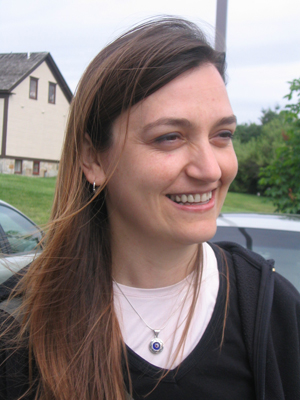
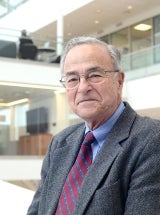
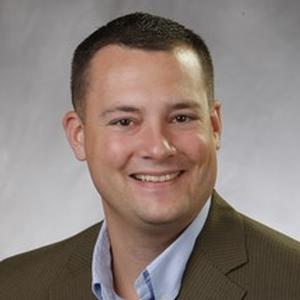
Taichi Hara is a Professor at the Faculty of Human Sciences, Waseda University since 2017. Previously held positions at Gunma University (2010-2017) and the University of Pennsylvania (2009-2010). His research bridges autophagy , functional foods , and protein quality control in neurodegenerative diseases. Education: Ph.D. in Medicine from Kyushu University (2004). Research Themes focus on autophagy regulation by dietary compounds, mechanisms of protein accumulation in Charcot-Marie-Tooth disease and tauopathy, and applications of mTOR signaling in healthspan extension. His work connects food science with cellular degradation pathways and neurodegenerative disease modeling. Article Trends emphasize plant-derived compounds (isorhamnetin, bilberry anthocyanins) for autophagy modulation, mTORC2-GATA3 axis in lysosomal function, and mouse models for neurodegenerative disorders. Studies span hepatocyte protection , skin aging , and embryonic development . Professional Memberships include the Japanese Society for Food Science and Technology, Japanese Biochemical Society, and Japanese Society for Neurochemistry.
Professor Matthew Simunovic is a leading academic in ophthalmology at the University of Sydney , holding a professorial appointment in the Faculty of Medicine and Health and working at the Save Sight Institute . He serves as a Senior Consultant Ophthalmic Surgeon at Sydney Eye Hospital and Sydney Children’s Hospitals Network, specializing in retinal diseases and vitreoretinal surgery. MB BChir (Cambridge), PhD (Cambridge), FRANZCO First Australian ophthalmologist to receive Foundation Fighting Blindness Career Development Award (USA) Member of prestigious societies: American Ophthalmological Society, Macula Society His research interests span four main areas: laboratory research on gene-independent treatments for retinal diseases and optogenetics; experimental surgery for subretinal drug delivery optimization; functional biomarkers for retinal disease progression; and clinical trials including the ONL Study, Renexus Phase III Trial, and 1,2-SIT comparing subretinal injection techniques. Key projects include retinal bioglue development and international registry initiatives. Recent publications show strong focus on retinal disease treatment (2025: 15+ articles), gene therapy applications (2024), optogenetics for vision restoration (2023), and deep learning in OCT analysis (2022-2023). His work combines cutting-edge biomedical engineering with clinical practice across genetic diseases , macular degeneration , and diabetic retinopathy . Scientific Awards Multiple international fellowships (Wellcome Trust, Foulkes Foundation) Prizes from Royal College of Ophthalmologists Top publications in New England Journal of Medicine , Nature Biomedical Engineering Grants & Collaborations NHMRC Ideas Grant (2021) for optogenetics Macular Disease Foundation Australia grant Collaborations with Oxford, Tübingen, and APIED Network Equipment grants for HD-MEA technology
Professor Robyn Jamieson serves as Professor of Genomic Medicine and Head of the Specialty of Genomic Medicine at The University of Sydney's Children's Hospital at Westmead Clinical School. She is a member of The University of Sydney Nano Institute and maintains strong affiliations with the Save Sight Institute and Children's Medical Research Institute. Her clinical specialty is Genetic Medicine with a focus on pediatric ophthalmology and inherited eye disorders. Professor Jamieson's research program centers on genomic and functional studies aimed at understanding disease causation in genetic eye diseases, particularly those affecting the retina. Her work has resulted in several novel disease gene and variant identifications, new insights into disease mechanisms, and translation to diagnostic genomic testing for genetic eye diseases. She actively pursues applications in genome engineering and new vector technologies for developing therapies for blinding eye conditions. Her research spans themes of Reproductive, Maternal and Child Health; Neurosciences and Mental Health; and Healthy Ageing, employing approaches in Cellular/Molecular biology, Genetics, and Translational Research. Analysis of Professor Jamieson's recent publications reveals a strong focus on inherited retinal diseases, with significant work on gene identification (GUCY2D, PROM1, KCNV2, WNT7B), natural history studies, biomarker development, and therapeutic approaches. Her research increasingly incorporates advanced technologies including AAV capsid bioengineering, retinal organoids, and genome sequencing for improved diagnosis and treatment pathways. The work spans basic science through to clinical implementation and health economics. Professor Jamieson actively supervises research students including Nadya ANDHIKA (exploring genetic therapy approaches in inherited retinal dystrophy) and William YATES (working on inherited retinal disease natural history and gene therapies). She has secured substantial grant funding from NHMRC, Department of Health, and other sources for projects including 'Resolving genetic variant uncertainty in syndromic and non-syndromic retinitis pigmentosa,' 'DEVELOPMENT OF PHOTORECEPTOR CELL THERAPY TO TREAT BLINDNESS,' and 'ALPK1 dysfunction: revealing a novel pathogenic pathway in retinal diseases.'
Rudy Behnia is an Assistant Professor of Neuroscience whose research focuses on unraveling how neuronal circuits process sensory information, particularly visual cues, to enable adaptive behaviors in complex environments. He investigates motion detection and color discrimination in fruit flies using interdisciplinary methods. Academic Appointments : Assistant Professor of Neuroscience Research Interests : Sensory Physiology, Synapses and Circuits, Systems and Circuits. His work examines how specific neuronal types and their connectivity drive computations for sensory perception, emphasizing visual processing in Drosophila. Methodology : Utilizes in vivo single-cell patch-clamp recordings, two-photon imaging, optogenetics, and behavioral paradigms. His publications span neuroscience and cell biology, reflecting a blend of visual circuit analysis and membrane trafficking studies. Laboratory : Dr. Behnia leads a research group dedicated to understanding the biophysical and circuit mechanisms underlying sensory perception in diurnal animals.
Marion Silies is a Professor for Neurobiology (W3) at Johannes Gutenberg University of Mainz since 2019. Her research focuses on understanding how visual processing strategies evolve and are mechanistically implemented in the brain, particularly through the study of Drosophila visual systems. She leads projects A.08 and A.11 at the institute iDN, Biozentrum I, Mainz, aiming to identify optimal neural coding strategies via the GenEvo consortium. Her work spans synaptic connectivity, motion detection, contrast adaptation, and neural circuit design, with publications in journals like Nature Communications , eLife , and Development . Recent studies explore inhibitory feedback neurons, luminance gain control, and the role of endosomal pathways in striatal function. She previously led a research group at the European Neuroscience Institute (ENI) Göttingen (2015–2018) and conducted postdoctoral research at Stanford University (2009–2014).
Raunak Sinha is an Associate Professor in the Department of Neuroscience at the University of Wisconsin-Madison. His research focuses on neural signaling in the retina, with particular emphasis on the fovea—the central part of the primate retina that dominates visual perception and mediates the highest spatial and chromatic sensitivity. He made the first intracellular recordings from retinal output neurons in the fovea, uncovering a specialized neural circuit that operates without synaptic inhibition. Dr. Sinha's research interests include: Neural Processing in the Retina Fovea specialization and function Neural Computation Phototransduction diversity Sensory transduction mechanisms Functional diversity of retinal neurons across types and visual field His recent publications (2023-2025) demonstrate a strong focus on retinal circuit organization, neural plasticity, and regional differences in photoreceptor function across the primate retina. His work spans neuroscience, ophthalmology, and computational modeling with applications to understanding visual perception and developing treatments for retinal diseases. Dr. Sinha has received several prestigious awards including: Career advancement award from the Research to Prevent Blindness Foundation (2025) ICTR Translational Basic & Clinical Pilot Award (2024) David and Nancy Walsh Family Professor in Vision Science (2019) Multiple research grants from Alcon Research Institute, BrightFocus Foundation, and E. Matilda Ziegler Foundation Dr. Sinha mentors numerous graduate students, postdocs, and undergraduates. His lab has successfully guided several PhD students to completion including Abhilash Sawant (2024), Aindrila Saha (2025), and Jenna Nagy (2025). His students have received multiple awards including Kenzi Valentyn Vision Research Awards and best poster prizes at major conferences. The Sinha lab is part of the McPherson Eye Research Institute at UW-Madison and collaborates extensively with other labs including the Hoon Lab, Chapman Lab, and Gamm Lab. They utilize advanced techniques including electrophysiology, two-photon imaging, and connectomics to study retinal function.
Dr. Adam Richard Offenbacher is an Associate Professor in the Department of Chemistry within the College of Arts and Sciences at East Carolina University. His research program bridges traditional biochemistry with quantum biological perspectives on enzyme mechanisms, focusing on fundamental questions about how protein structure and dynamics relate to catalytic function. Dr. Offenbacher earned his B.S. in Biochemistry from Ohio Northern University and his Ph.D. in Chemistry from Georgia Institute of Technology. His academic journey has led him to establish a robust research program at East Carolina University with significant external funding. His research interests span enzyme mechanisms with particular focus on hydrogen tunneling in lipoxygenases, protein dynamics, quantum biological aspects of catalysis, and fibrinogen/coagulation studies. His work combines biochemical, biophysical, and computational approaches to understand the relationship between protein structure and function, with special emphasis on quantum mechanical effects in biological systems. Recent publications show strong activity in lipoxygenase mechanisms, ribonucleotide reductase function, tryptophan chemistry, and fibrinogen structure. Dr. Offenbacher's research program is well-funded through multiple competitive grants including NIH, NSF, and industry funding. His recent publications demonstrate consistent productivity with multiple high-impact papers per year in leading biochemistry journals. NIH grant 'Coagulations 'Drake Passage': The Bumpy Transition Between Fibrinogen and Fibrin' (2025-2028) NSF grant 'Collaborative Research: Mapping and comparing the link of the protein scaffold to quantum events in thermally activated enzymes and flavin-based photoreceptors' (2023-2027) Toyota grant 'Study of Quantum Tunneling Mechanism Towards the Development of Enhanced Proton Tunneling in Enzymatic-based Biocatalysts' (2024-2025) LSU grant 'Conformational flexibility of lipoxygenases and its role in regulation and substrate acquisition' (2021-2024) Dr. Offenbacher actively mentors students through research opportunities and incorporates research into teaching, as evidenced by his presentations on course-based undergraduate research experiences. His lab provides students with opportunities to work on cutting-edge biochemical and biophysical projects using advanced techniques including hydrogen-deuterium exchange, spectroscopy, and computational methods.
Prof. Dr. Karsten Heyne is a Professor in the Department of Physics at Free University Berlin. His research focuses on ultrafast spectroscopy of biologically relevant systems, with particular emphasis on understanding molecular processes in real time. His research interests include: Ultrafast Spectroscopy Vibrational Spectroscopy Time-resolved Structural Changes Respiratory Gas Diagnostics Liver Function Measurements Biophysical Chemistry Prof. Heyne's research group employs linear and non-linear spectroscopy across the x-ray, UV, visible, infrared and THz ranges to study electronic and molecular properties of substances on timescales from femtoseconds to seconds. His team develops advanced light sources to optimize experimental capabilities for studying biological systems like enzymes and proteins, as well as artificial systems such as MOFs (Metal-Organic Frameworks). Recent publications highlight his work on femtosecond infrared spectroscopy of transition metal iron complexes and structural studies of plant phytochromes, demonstrating his group's expertise in resolving complex molecular dynamics. Prof. Heyne is actively involved in training students and PhD candidates in linear and non-linear optics, enabling them to conduct cutting-edge research. His group regularly publishes in high-impact scientific journals, contributing to our understanding of reaction mechanisms, transport properties, and potential applications in developing new functional materials. His laboratory has recently advertised a postdoctoral position, indicating ongoing active research projects.
Faredin Alejevski is a Research Fellow in the Department of Physiology, Anatomy and Genetics at the University of Oxford, working in the Goodwin Group. He joined the department in 2024 to investigate the development of sexual dimorphism in the Drosophila central nervous system and its role in driving sex-specific behaviors. His educational journey began with a BSc and MSc double major in Molecular Biology and Environmental Biology at Roskilde University in Denmark. He then pursued his PhD at CNRS, France, under Dr. François Rouyer, studying how the Drosophila visual system entrains the circadian clock. During his PhD, he also spent time in the lab of Dr. Daniel Vasiliauskas at CNRS, researching Drosophila photoreceptor differentiation. Following his PhD, Dr. Alejevski expanded his expertise through postdoctoral positions: first at the National Museum of Natural History in Paris (studying zebrafish caudal neurosecretory system development under Prof. Hervé Tostivint), and then at École normale supérieure (Paris) in the lab of Prof. Iris Salecker. His research interests center on Neuroscience and Developmental Biology, with a focus on neural development, circadian rhythms, and the genetic and neural basis of behavior. Using Drosophila and zebrafish models, he explores how sexual dimorphism arises in the nervous system and influences behavior. Dr. Alejevski is an active member of the Goodwin Group at DPAG, which employs cutting-edge genetic and neurobiological approaches to understand the development and function of neural circuits.
Arzu ÇELIK is a Professor at Boğaziçi University specializing in neural development and Drosophila genetics. Her research spans visual system development and disease modeling, with significant implications for understanding human eye diseases and neurodevelopmental disorders through fundamental biological mechanisms. Dr. ÇELIK earned her undergraduate and Master's degrees from Boğaziçi University, completed her PhD at Universität zu Köln, and undertook postdoctoral training at New York University. This multidisciplinary foundation in molecular biology and neuroscience underpins her current research program. Her primary research focuses on cell type specification during eye development and neurodevelopmental/neurodegenerative disorder mechanisms . Using Drosophila melanogaster as a model system, she employs RNAi gene silencing and CRISPR/Cas gene editing to investigate human disease gene orthologs. Her work examines how genetic mutations deregulate neuronal development, network formation, and behavioral outcomes—particularly in intellectual disability—with direct relevance to therapeutic strategy development. Analysis of her publication record (2007-2023) reveals three dominant research trajectories: (1) Drosophila retinal development mechanisms (particularly photoreceptor subtype specification), (2) genetic dissection of intellectual disability pathways using fly models of human disease genes, and (3) development of genetic tools for eye development studies. Recent work (2021-2023) increasingly emphasizes translational applications, modeling specific human conditions like spinocerebellar ataxia and ciliopathies through conserved genetic pathways. No scientific awards were documented in the provided materials. While graduate student advising details were not specified, her laboratory employs comprehensive approaches including behavioral analysis, structural neuroanatomy, and functional imaging to investigate genetic mechanisms. The absence of explicit grant information suggests research is likely supported through institutional funding and collaborative projects with international partners including Iranian research groups. Her work operates at the intersection of developmental genetics and translational neuroscience, utilizing the North Park, KP 302 laboratory space at Boğaziçi University for Drosophila-based disease modeling and neural circuit analysis.
Gustavo D. Aguirre serves as Professor of Medical Genetics and Ophthalmology within the Department of Clinical Sciences and Advanced Medicine at the University of Pennsylvania School of Veterinary Medicine. His research program focuses on identifying genetic causes of inherited blindness and developing therapeutic interventions using naturally occurring canine models of human retinal diseases. His academic training includes: VMD, University of Pennsylvania, 1968 PhD, University of Pennsylvania, 1975 Residency in Ophthalmology, Wilmer Ophthalmological Institute, Johns Hopkins University, 1969-1971 Postdoctoral Fellow Research Dr. Aguirre's research centers on the molecular dissection of inherited retinal degenerations , with emphasis on: RPGR mutations in X-linked retinitis pigmentosa and associated gene therapy development Rhodopsin mutation mechanisms and light-induced photoreceptor damage pathways Bestrophin mutations causing multifocal retinopathy analogous to human Best disease His recent publications (2006-2009) demonstrate consistent innovation in canine translational models , spanning molecular genetics, AAV vector design for retinal gene delivery, and mechanistic studies of photoreceptor cell death. Key themes include establishing novel animal models for human diseases, developing surgical techniques for light-sensitive retinas, and evaluating neurotrophic factors for retinal preservation. No information regarding student advising or research grants was documented in the source material. Dr. Aguirre directs the Division of Experimental Retinal Therapies and the Sylvia M. Van Sloun Laboratory, where his team advances therapeutic strategies for inherited retinal degenerations through genetic, cellular, and surgical approaches.
Markku Kilpeläinen is a University Lecturer at the Department of Psychology, University of Helsinki, affiliated with the Faculty of Medicine. His work focuses on cognitive psychology, perception, and neuroscience, with particular emphasis on visual system research and human-computer interaction. Dr. Kilpeläinen's research explores: Cognitive abilities and their impact on computer task performance Retinal processing mechanisms in primate and human vision Sound-action and sound-space symbolic associations Comparative studies of human and AI visual recognition capabilities His publications since 2025 demonstrate active engagement in interdisciplinary research spanning psychology, neuroscience, and technology design. Recent work includes studies on parenting interventions in perinatal care and novel methods for XR device legibility testing. In collaborative projects, Dr. Kilpeläinen has contributed to: Human Optimized XR (Multisensory Signals and Meanings) International collaborations with institutions like UC Berkeley Business Finland-funded research initiatives
Professor Waldemar Sienkiewicz is a neuroanatomist at the University of Warmia and Mazury in Olsztyn, Poland, affiliated with the Faculty of Veterinary Medicine 's Department of Animal Anatomy . With an ORCID identifier 0000-0002-9995-1935 and over 92 publications, his research focuses on neurochemical coding of autonomic ganglia and sensory neurons in domestic animals. PhD, prof. UWM Department of Animal Anatomy Faculty of Veterinary Medicine University of Warmia and Mazury in Olsztyn His scientific work spans neurohistological characterization of anatomical structures across species including pigs, chinchillas, and sheep. Key research areas include: Neuroanatomy of digestive and reproductive systems Neurochemical coding of autonomic ganglia Neuroplasticity in castration models Neuropeptide expression in inflammatory conditions Comparative studies of sensory neuron distribution Immunohistochemical characterization techniques Article analysis reveals specialization in: Porcine nervous system plasticity Neuroimmune interactions in zebrafish Comparative joint innervation studies Neurochemical markers in autonomic ganglia Neurotransmitter co-localization patterns Animal model development for human disease Current research involves: Canine elbow joint innervation mapping Galanin's neuroprotective mechanisms Blue light retinal damage assessment Neuroanatomical tracing methods
Sam Dupont serves as a Lecturer in the Department of Biology and Environmental Sciences at the University of Gothenburg, conducting research at the Kristineberg Marine Research Station. His work focuses on experimental marine physiology under global change scenarios, with particular expertise in ocean acidification impacts across diverse marine taxa. Dr. Dupont's research centers on physiological and ecological responses to environmental stressors, especially ocean acidification and multi-stressor interactions. His investigations span molecular mechanisms to ecosystem-level consequences, with significant contributions to understanding calcification processes, transgenerational plasticity, and bioluminescence systems in marine invertebrates. Recent work examines sex ratio shifts in bivalves under acidification and local adaptation in sea urchin populations. Analysis of Dr. Dupont's 2023-2025 publications reveals consistent output in high-impact journals, with strong emphasis on experimental marine ecology combining field and laboratory approaches. His work demonstrates increasing international collaboration, particularly with researchers in tropical and polar regions, addressing climate change impacts across diverse marine ecosystems from coral reefs to Antarctic habitats. Dr. Dupont actively supervises graduate students and incorporates research into teaching through field-based courses at Kristineberg. His laboratory maintains active collaborations across 12 countries, with research funded through competitive national and international grants. Current projects focus on multi-stressor interactions, local adaptation mechanisms, and the physiological basis of climate resilience in marine organisms. Based at the Kristineberg Marine Research Station, Dr. Dupont's work benefits from direct access to diverse coastal habitats and state-of-the-art experimental facilities. His research group participates in international monitoring networks and contributes to climate change assessment frameworks, bridging fundamental science with conservation applications.
Dr. Justin Link serves as Professor and Chair of the Physics and Engineering Department at Xavier University, a position he has held since joining the faculty in 2008 after completing his Ph.D. in experimental biophysics at The Ohio State University. His research program spans biophysics with emphasis on protein conformation dynamics, and he developed Xavier's Biophysics major to formalize interdisciplinary science education. His educational foundation includes: Bachelor's degree in Physics with Mathematics minor from Xavier University (2002) Ph.D. in Experimental Biophysics from The Ohio State University (2008), dissertation: "Ultrafast Protein Conformation Dynamics" Dr. Link's research employs optical spectroscopy (absorption, fluorescence, circular dichroism) integrated with molecular biology and chemistry to investigate protein dynamics. His dual focus areas—cryptochrome photoreceptor mechanisms in Arabidopsis and heme protein conformational dynamics—explore how site-directed mutations affect protein function. Recent work reveals connections between flavin photocycles, temperature sensitivity, and magnetic field effects in plant photoreceptors, while earlier studies probed ultrafast energy transfer in myoglobin and cytochrome c using femtosecond spectroscopy. His research program is supported by active NSF funding (Award No. 1658640) for international student research in Paris, with additional proposals under review at NIH and NSF. Dr. Link mentors undergraduate researchers from physics and biology backgrounds, emphasizing hands-on instrumentation training and interdisciplinary methodology. Students regularly present at major conferences including the American Physical Society March Meeting. Notable recognitions include: Undergraduate Research Mentor of the Year Award (2017) Joan G. McDonald Award for Outstanding Teaching (2013) National Science Foundation IRES Grant (2016) Multiple teaching awards from The Ohio State University (2003-2007) Dr. Link maintains robust collaborations with Dr. Margaret Ahmad (University of Paris), Xavier Biology and Chemistry faculty, and his doctoral advisor Dr. Dongping Zhong at OSU. His lab culture prioritizes student access and interdisciplinary skill development, preparing undergraduates for graduate programs through comprehensive research experiences in protein science.