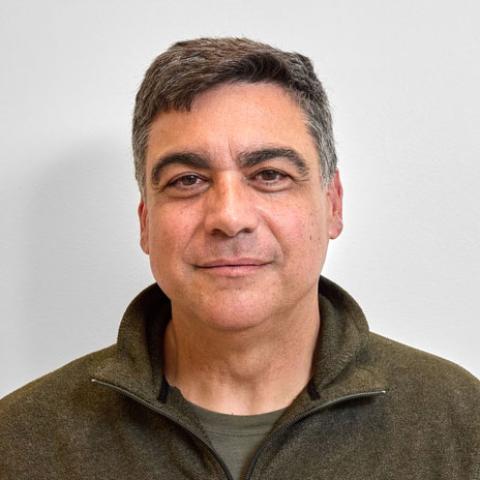
Ignacio Provencio is a Professor of Biology at the University of Virginia. His research focuses on melanopsin-based photoreception and its role in non-visual light responses, including circadian rhythm regulation, fear modulation, and glaucoma pathophysiology. His lab investigates melanopsin signaling pathways and their broader implications for vertebrate physiology. Education: B.A., Swarthmore College, 1987 Ph.D., University of Virginia, 1996 Postdoctoral Research, Uniformed Services University, 1996–1999 Key research interests include: Melanopsin phototransduction mechanisms Role of intrinsically photosensitive retinal ganglion cells (ipRGCs) in non-image-forming vision Impact of light on circadian rhythms and neurodegenerative diseases like glaucoma Light’s influence on fear behavior and weight regulation Recent work highlights: ipRGC survival in glaucoma models Melanopsin’s role in weight loss under dietary challenges Clinical applications of melanopsin-based light therapy His research spans in vivo and in vitro studies, integrating molecular, cellular, and behavioral approaches to understand light’s multifaceted effects on physiology.
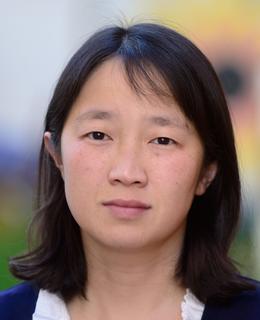
Professor Ezio Rosato is a Professor of Biology at the University of Leicester's School of Biological Sciences. His research focuses on molecular genetics of circadian rhythms, examining biological clocks across diverse organisms from insects to crustaceans. Research investigates genetic and molecular mechanisms underlying circadian timekeeping, seasonal adaptations, and light-responsive behaviors. Current projects explore cryptochrome-mediated magnetosensitivity, circadian neuronal plasticity, and environmental influences on biological timing. Recent publications analyze ultrastructural changes in clock neurons, genetic regulation of seasonal phenotypes, and evolutionary dynamics of circadian systems. His work employs molecular genetics, behavioral analysis, and comparative genomics across model organisms. Professor Rosato collaborates internationally on chronobiological research and contributes to teaching programs in genetics and molecular biology.
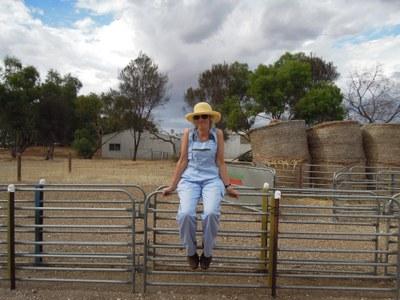
Dr. Tracey Sletten is an Associate Professor (Research) in Psychology at Monash University's Turner Institute for Brain & Mental Health. She specializes in sleep and circadian rhythm research, particularly focusing on shift work impacts, fatigue management, and light-based interventions. Her work contributes to UN Sustainable Development Goals related to health and well-being. Dr. Sletten holds a PhD from the University of South Australia and has held postdoctoral roles at the University of Surrey and Harvard Medical School. She has led major projects on sleep interventions for shift workers, including the 'Zest' digital app and studies on Antarctic expeditioners' circadian rhythms. Education: PhD, University of South Australia (2000s) Postdoctoral Fellowships: University of Surrey (UK), University of Zurich (Switzerland), Harvard Medical School Research Interests: Impact of circadian misalignment on neurobehavioral performance Shift work disorder treatment and prevention Light's role in alertness and mental health Personalized sleep management strategies Key Projects: Principal Investigator for 'Optimising sleep, alertness and safety in shift work industries' (2024–2027) Chief Investigator in international task forces on sleep and youth mental health (2024–2029) Co-developer of the Zest app for shift worker sleep management Honors: 2023 Australian Research Council Industry Fellowship 2012 Australasian Sleep Association Helen Bearpark Scholarship 2005 European Union Marie Curie Fellowship Media & Outreach: Active in public engagement through podcasts (e.g., Talklink ), radio (ABC, BBC), and media features on shift work solutions.
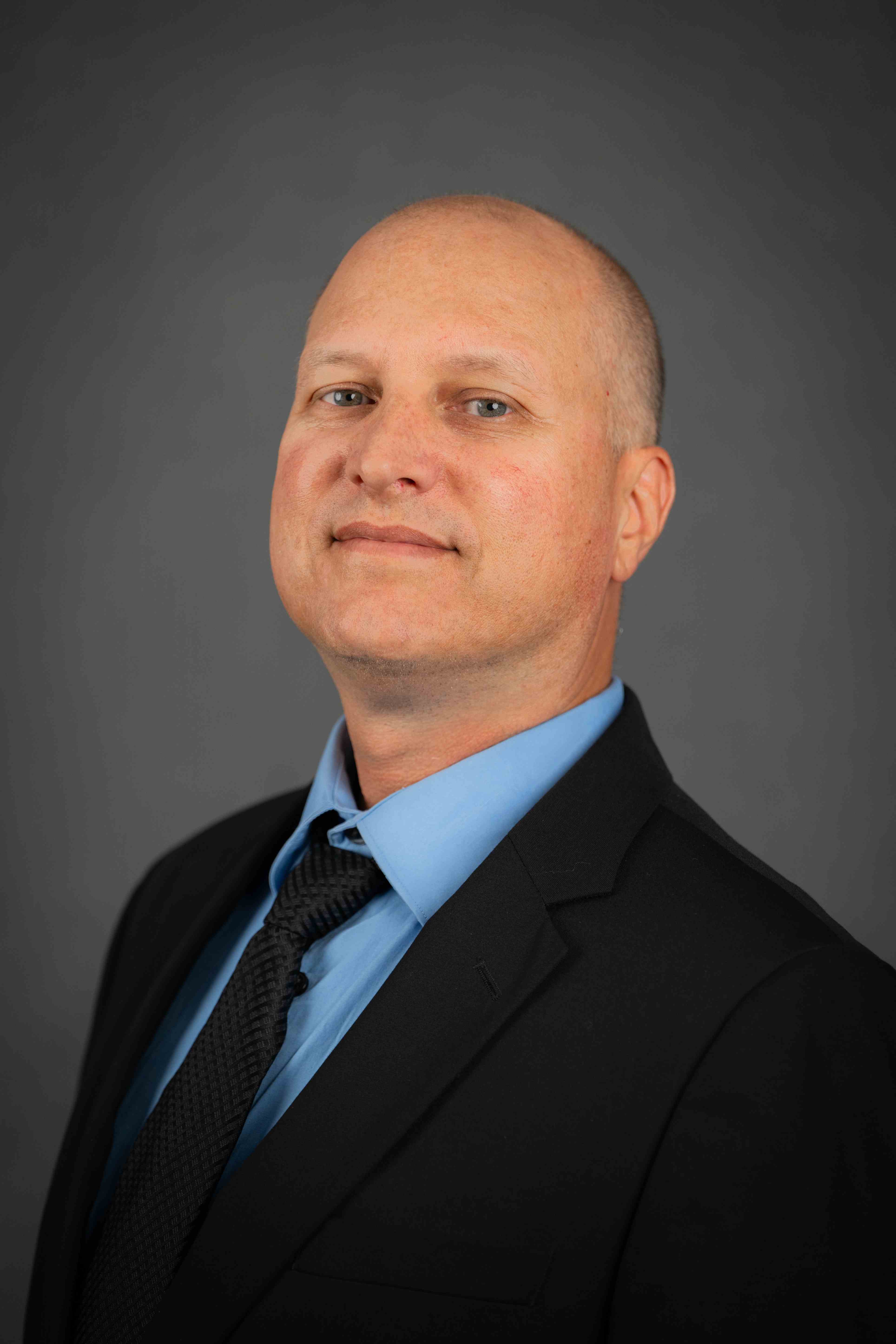
Fabian-Xosé Fernandez serves as Associate Professor in the Department of Psychology within the College of Science at the University of Arizona, where he directs the Circadian Trends Laboratory. His research program bridges neuroscience, clinical psychology, and public health through investigations of circadian biology and sleep-wake patterns. His primary research interests focus on circadian fluctuations in real-world data , psychology of nighttime wakefulness , and suicide risk mechanisms . Key investigations explore how nocturnal wakefulness correlates with suicidal ideation, homicide risk, and metabolic dysregulation. His work employs National Violent Death Reporting System analyses Controlled circadian phase-shifting experiments Population-level sleep surveys Translational rodent models Recent publications reveal strong temporal patterns in behavioral health outcomes, with suicide risk peaking during circadian night across diverse populations. His lab develops chronotherapeutic interventions including spectral filtering devices and lighting protocols to optimize circadian alignment. Current work examines how blue-light modifiers affect phase-shifting responses and how sleep disruption mediates psychiatric outcomes in bipolar disorder. Fernandez teaches graduate and undergraduate courses including PSY 350 (Sleep/Wake, Time Cycles, & Life) and PSY 578 (Sleep & Sleep Disorders), with recent instruction through 2025. His academic service includes editorial review for journals like Clocks & Sleep and Neuropsychopharmacology.
Ning Cheng is an Assistant Professor (Teaching & Research) at the University of Calgary's Faculty of Veterinary Medicine, with affiliations to the Alberta Children's Hospital Research Institute (ACHRI) and Hotchkiss Brain Institute (HBI). Their research focuses on neurodevelopmental disorders, particularly autism and Fragile X Syndrome, using rodent models to investigate mechanisms and develop experimental therapeutics. PhD in neuroscience from Johns Hopkins School of Medicine Postdoctoral work on neurological disorders at NIH Research spans molecular mechanisms, neural circuitry, and translational approaches to address social, communication, and behavioral challenges in autism spectrum disorders. The lab utilizes in vivo recording/modulation of brain activity, biochemical analyses, and multidisciplinary collaborations. Recent publications highlight expertise in EEG biomarker discovery, auditory processing abnormalities, ketogenic diet interventions, and ERK pathway modulation in mouse models of neurodevelopmental conditions. Key technologies developed include wireless cortical hemodynamic monitoring systems (TinyIOMS) and open-source electrophysiology tools (OSERR). As part of ACHRI's Precision Medicine & Disease Mechanisms program and HBI's Neurodevelopment/SCNIP strategic initiatives, Cheng contributes to university-wide efforts in Brain and Mental Health (2015-2021) and Child Health and Wellness (2020-2025).
Scott A. Read is a Professor in the School of Optometry at Queensland University of Technology's Faculty of Health. He is a leading researcher in the field of myopia development and control, with extensive expertise in ocular biometry, choroidal thickness measurements, and optical coherence tomography applications. His work bridges basic vision science and clinical optometry, focusing on understanding the mechanisms of eye growth and developing strategies for myopia management. Dr. Read's research program centers on myopia development and control, with particular emphasis on choroidal thickness dynamics, ocular biometry changes during visual tasks, and the effects of light exposure on eye growth. His work reveals that the choroid plays a critical role as an optical signal transducer in eye growth regulation, with significant diurnal variations and responses to visual stimuli. He has extensively documented how myopic defocus, accommodation, and light exposure patterns influence choroidal thickness and axial elongation in children and young adults. His research has established important links between outdoor light exposure and reduced myopia progression, contributing significantly to evidence-based myopia control strategies. Analysis of Dr. Read's recent publications shows a strong focus on advanced imaging techniques, particularly optical coherence tomography and its applications in measuring choroidal thickness, vascular changes, and biomechanical properties of the eye. His work increasingly incorporates artificial intelligence methods for image analysis while maintaining a strong clinical orientation toward understanding myopia mechanisms and developing effective control strategies. His research spans from fundamental investigations of visual processing pathways to clinical trials of myopia control interventions like atropine therapy. Dr. Read has been instrumental in several major collaborative efforts, including the International Myopia Institute reports that have shaped global understanding of myopia mechanisms and control strategies. His work has been foundational in establishing the choroid's role as a key tissue in eye growth regulation and myopia development. Through his laboratory at QUT, Dr. Read mentors numerous PhD students and early-career researchers, fostering the next generation of vision scientists. His research team employs a multidisciplinary approach combining optometry, ophthalmology, biomedical engineering, and data science to address critical questions in myopia research. Current projects focus on understanding the mechanisms of atropine's myopia control effects, developing advanced imaging biomarkers for myopia progression, and investigating the impact of modern visual environments on eye development.
Jimmy Zhou is a Professor at Yale University School of Medicine, with joint appointments in the Departments of Cellular and Molecular Physiology and Neuroscience. His research focuses on retinal neurobiology, investigating synaptic circuits, neurotransmitter systems, and developmental mechanisms in visual processing. PhD, University of Houston (1989) MSc, University of Houston (1984) BS, Fudan University (1982) Dr. Zhou's work spans retinal physiology, direction selectivity in starburst amacrine cells, contrast processing, and the role of vGluT3 amacrine cells in retinal circuits. He explores how spontaneous retinal activity shapes visual map development and contributes to retinal degeneration models. His recent publications (2015-2023) highlight vGluT3 amacrine cell circuits, retinal wave dynamics, optogenetic techniques, and cone-rich retinal organoids. Key themes include neurotransmitter co-release, synaptic integration, and retinal disease modeling. Dr. Zhou leads research supported by NIH grants (e.g., Vision Core Grant renewal in 2022) and mentors through Yale's academic programs. His lab investigates retinal networks at the intersection of neuroscience and biomedical data science.
Oliver Stefani is a Senior Research Associate at the Lucerne School of Engineering and Architecture (HSLU) within the Institute of Building Technology and Energy. His work focuses on the intersection of light exposure, circadian rhythms, and human health. He holds a Dr.-Ing. in Mechanical Engineering and has extensive experience in research roles spanning over two decades, including postdoctoral work at the University of Basel's Center for Chronobiology and leadership positions in visualization and lighting laboratories. Education: Dr.-Ing. (Maschinenbau), Lucerne School of Engineering and Architecture Studium Investitionsgüter-Design, Staatliche Akademie der Bildenden Künste Stuttgart Feinwerktechnik, GSO Fachhochschule Nürnberg Research Interests: Chronobiology, lighting science, melatonin regulation, circadian rhythm disruption, and the health impacts of light exposure in both natural and built environments. His work often explores wearable light-logging technology, daylight simulation, and evidence-based lighting standards. Recent Work Trends: Recent studies emphasize light's role in metabolic health, post-COVID-19 circadian hygiene, and the development of standardized lighting metrics. Collaborative projects include international efforts to improve light exposure reporting in sleep research. Awards & Affiliations: Member of the Swiss Light Society Executive Board, CIE JTC 20 Wearable Light Dosimetry committee, and jury member for Prix Lumiere and Lichtkulturrat. Active in the Good Light Group promoting health-conscious lighting practices. Advising & Grants: Leads research projects such as the IGE Innovationswettbewerb 2025/2024. His work is supported through institutional funding and collaborative grants with universities and industry partners. Labs & Teams: Formerly led the Visualization Lab at Basel's Center of Advanced Technologies and contributed to the Fraunhofer IAO's Light Fusion Lab. Currently oversees projects at HSLU's IGE Center for Integrated Building Technology.
Professor Jenny Morton is a leading neurobiologist at the University of Cambridge , Department of Physiology, Development and Neuroscience. Her research focuses on Huntington's disease using sheep and mouse models , investigating neurodegeneration , circadian rhythm disruption , and cognitive impairments . She serves as Director of Studies in Medicine and Veterinary Medicine at Newnham College. Professor of Neurobiology (Cambridge, 2018) Director of Studies, Newnham College Her lab develops translational animal models to study disease progression through neurophysiological recordings , EEG analysis , and magnetic resonance imaging . Recent work includes executive function assessment in sheep and pharmacological interventions for neurodegenerative symptoms. Key publications reveal trends in sleep disorder research , neural oscillation abnormalities , and environmental enrichment effects on Huntington's disease progression. The lab maintains a Cambridge MRI database for animal models and explores biomarker development through metabolic profiling.
Dr. Robert J. Usselman serves as an Assistant Professor of Chemistry in the College of Engineering and Science at Florida Institute of Technology , where he also acts as Deputy Director of Computational Research At Florida Tech (CRAFT) . His research bridges quantum physics and cellular biology, focusing on magnetic resonance, biophotonics, and redox biochemistry. Specializes in quantum biological clocks and ROS production mechanisms Leads a multidisciplinary lab with active undergraduate/graduate students Develops computational infrastructure for AI and quantum research Research interests include: Quantum-Classical Interface in Biological Systems Magnetic Field Effects on Cellular Redox Balance Autofluorescence Lifetime Microscopy ROS Dynamics in Cellular Metabolism Recent publications highlight quantum biological mechanisms in ROS production, magnetic field modulation of cellular processes, and multiphoton imaging techniques. His work integrates theoretical quantum biology with practical applications in bioenergetics and disease models. Dr. Usselman actively mentors students in biotechnology, biomedical engineering, and physics, while advancing collaborations in AI-driven computational research through CRAFT. His lab combines experimental and computational approaches to study redox signaling and quantum sensing in biological systems.
Audrey Mat is a Research Fellow at the University of Vienna , affiliated with the Department of Neuroscience and Developmental Biology within the Faculty of Life Sciences . She holds a postdoctoral fellowship through the Vienna International PostDoc Program VIP2 (2022–2025), focusing on circadian rhythms and photoreceptor biology in marine organisms. Her work contributes to UN Sustainable Development Goals related to ecosystem sustainability and climate action. Mat's research interests include circadian rhythms, photoreceptor function in non-traditional locations, and molecular mechanisms in marine invertebrates. Notable projects involve studying rhythmic behaviors in annelids (e.g., Platynereis dumerilii ) and exploring how environmental factors like temperature influence biological clocks. She has published extensively on topics such as Bathymodiolus azoricus rhythms, oyster transcriptome responses to toxins, and chronobiological methodologies in marine biology. Her recent talks include presentations on "Biological rhythms in the deep sea" and "Space and time in the deep sea" , highlighting her expertise in deep-sea chronobiology. Mat has received recognition through the VIP2 fellowship and has collaborated with institutions like the Vienna BioCenter and the University of Vienna's Department of Microbiology, Immunobiology and Genetics. Key Awards: Vienna International PostDoc Program VIP2 Fellow Recent Activities: 5 talks/oral presentations (2023–2024), including invited lectures on deep-sea biological rhythms Labs/Teams: Collaborates with the Tessmar-Raible Lab (Vienna BioCenter) on circadian and photoreceptor research
Jeff Jones is an Assistant Professor in the Department of Neuroscience at Texas A&M University. His research focuses on circadian rhythms, particularly investigating how the suprachiasmatic nucleus (SCN) encodes and transmits timing signals to regulate physiological and behavioral outputs. He joined the department in 2021 after completing postdoctoral studies at Stanford University and Washington University. Education B.Sc., Neuroscience, University of Texas at Dallas (2009) M.Sc., Neurobiology and Behavior, Columbia University (2010) Ph.D., Neuroscience, Vanderbilt University (2015) Research Interests His work explores the neural circuits underlying circadian timing, including SCN-VIP neuron signaling, light entrainment mechanisms, and downstream integration of circadian signals with other brain regions. His lab develops optogenetic tools to measure and manipulate circadian rhythms in vivo, aiming to clarify how disruptions in these circuits contribute to metabolic, cardiovascular, and mood disorders. Publications Recent work emphasizes circadian dysfunction in cancer progression, sex-dependent behavioral rhythms, and glucocorticoid regulation by SCN-derived neurons. His methods for phase analysis and behavioral tracking have advanced circadian research methodologies. Labs/Teams The Jones Lab at Texas A&M focuses on decoding how SCN output is translated into diverse daily rhythms via downstream neuronal networks. Current projects investigate circadian-neuropeptide interactions, temporal gene expression coordination, and integrative signaling pathways.
Priv.-Doz. Dr. Andrea Zurl is a Research Associate at the University of Salzburg's Department of Ophthalmology, specializing in Experimental Ophthalmology and Glaucoma Research. With 86 peer-reviewed publications and 9 funded projects, her work focuses on retinal immunology, vascular degeneration, and pericyte biology. Glaucoma pathophysiology Retinal vascular remodeling Leukotriene receptor mechanisms Corneal regeneration techniques Alzheimer's disease ocular manifestations Recent articles demonstrate expertise in neuroimmune interactions (2025), gut-brain axis modulation (2025), and advanced imaging of optic nerve repair (2023). Current projects investigate pericyte-targeted therapies for neuroregeneration and diabetic retinal degeneration timelines.
Michael Rosbash is a Professor of Biology, the Peter Gruber Endowed Chair in Neuroscience, and an Investigator at the Howard Hughes Medical Institute (HHMI) at Brandeis University. His research focuses on circadian rhythms, gene expression regulation, and RNA processing in Drosophila and mammalian systems. Education : B.S. in Chemistry, California Institute of Technology Ph.D. in Biophysics, Massachusetts Institute of Technology Rosbash’s work has elucidated the molecular basis of circadian clocks, including the discovery of transcriptional feedback loops involving PER and CLK proteins. His lab employs advanced techniques like ChIP-seq and TRIBE to study clock gene targets, neuronal circuitry, and post-transcriptional regulation, including miRNA dynamics and splicing mechanisms. Scientific Awards : 2017 Nobel Prize in Physiology or Medicine 2013 Wiley Prize in Biomedical Sciences 2012 Canada Gairdner International Award 2011 Louisa Gross Horwitz Prize 2009 Gruber Neuroscience Prize His research has also expanded to sleep regulation, neuronal activity, and neurodegenerative disease models, with recent projects exploring light adaptation, miRNA turnover, and circadian neuron-specific transcriptomics. The lab continues to bridge molecular mechanisms with physiological outcomes in circadian biology.
Sonke Johnsen is the Ida Stephens Owens Distinguished Professor in the Department of Biology at Duke University's Trinity College of Arts & Sciences, with additional appointments as Professor in the Division of Marine Science and Conservation at the Nicholas School of the Environment. He is also affiliated with the Duke Institute for Brain Sciences and the Duke Initiative for Science & Society. His research program focuses on visual ecology, examining how animals interact with light in natural environments. The Johnsen Lab investigates bioluminescent signals underwater, visibility of aquatic animals, tissue ultrastructure and transparency, polarization vision, ultraviolet vision effects on predation, and optical sampling techniques for zooplankton. They also collaborate with Dr. Ken Lohmann at UNC on magnetoreception research. Dr. Johnsen's recent publications reveal a strong focus on visual acuity across marine species, dynamic visual appearance, color signaling, and the interplay between light environments and animal behavior. His work spans from molecular mechanisms to ecological implications, showing particular interest in how visual systems have evolved to meet environmental challenges in aquatic habitats. His research has been supported by significant grants from the International Human Frontier Science Program Organization, Air Force Research Laboratory, and University of North Carolina - Chapel Hill for projects on transparency in fish, visual acuity, and magnetoreception in marine animals. Dr. Johnsen earned his Ph.D. from the University of North Carolina, Chapel Hill (1996) and his B.A. from Swarthmore College (1988). His interdisciplinary approach combines protein biochemistry, microscopy, behavioral studies, field techniques, and mathematical modeling to address fundamental questions in sensory biology.