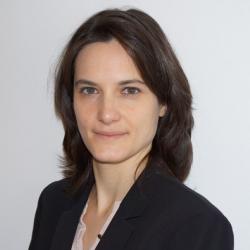
Villeseveri Somerkivi is a researcher affiliated with the Chair of Biomedical Physics at the Technical University of Munich , working within the TUM Faculty of Medicine and Department of Physics. His research focuses on x-ray detector modeling, spectral imaging algorithms, and oral/maxillofacial imaging applications. Key research areas: Spectral imaging, dental radiography, and photon-counting technology Collaborates with Franz Pfeiffer and colleagues on biomedical imaging projects Published in Imaging Science in Dentistry , Journal of Imaging Informatics in Medicine , and Biomedical Physics & Engineering Express
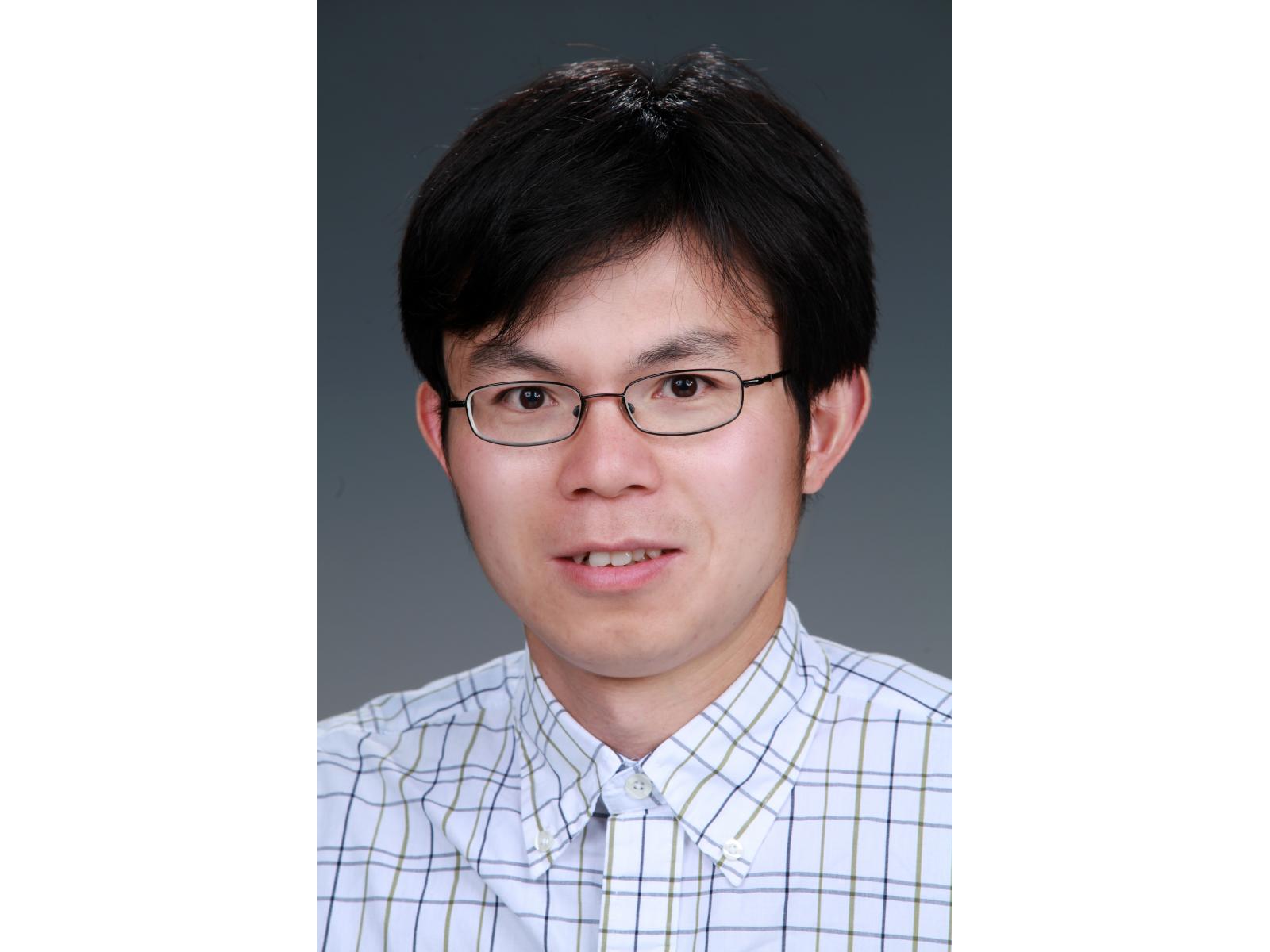
Dr. Chun-Long Chen is a senior research scientist at Pacific Northwest National Laboratory (PNNL) with over 80 publications and three U.S. patents. His work bridges synthetic chemistry and materials science to develop sequence-defined synthetic polymers that mimic natural proteins, focusing on biomimetic mineralization and porous materials for clean energy . Education: PhD in Physical Inorganic Chemistry, Sun Yat-Sen University (2005) BS in Chemistry, Nanchang University (2000) Affiliations: Materials Research Society American Chemical Society His research interests include peptoid synthesis and self-assembly , biomimetic mineralization , in situ AFM imaging , and chemical biology . The 15 most recent articles highlight trends in nanoparticle assembly , 2D nanomaterials , and biomimetic design for energy and biomedical applications. Scientific Awards: DARPA Fold F(x) Program Award (2014, Co-PI) LDRD Award (2013, PI) Young Investigator Award (2010, ICCBMT) Best Poster Award (2010, ACCGE-West) Nanyue Award (2005, Guangdong Province) Kaisi Fellowship (2004, Sun Yat-Sen University) Samsung Award (2003, Sun Yat-Sen University) Dupont Award (2002, Sun Yat-Sen University) Dr. Chen's work involves collaborations with institutions like University of Washington and Sun Yat-Sen University , with grants from programs such as the LDRD and DARPA . His publications emphasize nanostructure control via peptoid engineering and interdisciplinary approaches to materials design.
Alexander Bußmann is a Researcher at the Chair of Aerodynamics and Fluid Mechanics at the Technical University of Munich . His work focuses on nanoshock phenomena and multiphase flow analysis , particularly through numerical simulations of cavitation dynamics and interface tracking. Research Highlights: Development of hybrid WENO5IS-THINC schemes for compressible multiphase flows Analysis of micro-jet formation via cavitation bubble interactions Investigation of particle deposition in thermal-spray gun nozzles Publications span topics in fluid mechanics, computational physics, and photonics, with a focus on cavitation dynamics, numerical methods, and multiphase flow modeling. Key collaborations include work with Stefan Adami and Nikolaus A. Adams .
Vitaliy Igorovich Reva serves as an Associate Professor in the Department of Information Security and Nano-electronics at Zaporizhia Polytechnic National University's Faculty of Information Security and Electronic Communications. With a Candidate of Physical and Mathematical Sciences degree, his academic career at the university began in 2014 following his 2012 graduation with honors from Zaporizhia National Technical University where he earned a Master's degree in Micro- and nanoelectronic devices and devices. Dr. Reva's research spans multiple domains within nanotechnology and solid-state physics, with particular expertise in plasmonics, cluster physics, and positron behavior in solids. His work demonstrates a strong theoretical foundation combined with practical applications in nanoelectronics and materials science. His publications reveal a consistent research trajectory focusing on nanoscale phenomena, particularly the energy characteristics of metal clusters and plasmonic effects in nanostructures. Analysis of his 15 most recent publications shows a clear progression from fundamental studies of metal clusters and vacancies toward more applied research in plasmonics and nanoelectronics. His work bridges theoretical physics with practical applications in solar cell technology, catalysis, and biomedical applications. The research demonstrates strong international collaboration, with publications appearing in journals covering physics, materials science, and nanotechnology. Dr. Reva teaches courses including Process management in quality assurance, Metrological quality assurance of products, Computer Engineering and Programming, Microprocessor technology, and Programming technologies, reflecting his expertise in both theoretical and applied aspects of micro- and nanoelectronics.
Assoc. Prof. Přemysl Kolorenč, Ph.D., works at the Institute of Theoretical Physics within the Faculty of Mathematics and Physics at Charles University in Prague. His research focuses on ultrafast quantum processes in molecular systems, particularly electron correlation phenomena and decay mechanisms following ionization. His work combines advanced theoretical modeling with experimental collaborations involving X-ray free-electron lasers and attosecond spectroscopy techniques. His primary research interests include interatomic Coulombic decay (ICD), Auger processes, electron transfer mechanisms, and quantum coherence in photoionized systems. Kolorenč has developed the Fano-ADC(2,2) method for calculating electronic decay rates and has made significant contributions to understanding collective electron dynamics in molecular clusters. His work spans from fundamental quantum mechanics to applications in radiation damage and chemical dynamics. Analysis of his recent publications reveals a strong emphasis on time-resolved studies of electron dynamics, with particular attention to nuclear motion effects, temperature dependencies, and geometric configurations in molecular systems. His research frequently bridges theoretical predictions with experimental validation, especially in systems like water clusters, rare-gas dimers, and biomolecules such as glycine. Kolorenč actively teaches advanced courses in thermodynamics and statistical physics at Charles University, maintaining both research and educational commitments. His work appears in leading physics and chemistry journals, demonstrating consistent high-impact contributions to the field of molecular quantum dynamics.
Professor Laura Torrente Murciano leads the Process Integration and Catalysis Group at the University of Cambridge's Department of Chemical Engineering and Biotechnology. Her research focuses on sustainable chemical processes, particularly integrating reaction and separation steps for green technologies. Reaction engineering with 3D-printed microdevices Nanoparticle synthesis for catalytic applications Ammonia production as a hydrogen vector Low-temperature activation of methane and CO2 Her work spans multiphasic systems, metallic membranes, and nanostructured materials like ceria and titanate. Recent publications highlight techno-economic analyses of green ammonia, dynamic energy integration, and catalytic process innovations. Key themes across her research include: Process optimization for renewable energy storage Development of sustainable hydrogen production methods Design of tuneable nanoparticle catalysts Structure-property relationships in catalytic supports Life cycle analysis of green technologies Photocatalytic and electrochemical material applications
Swiss Federal Institute of Technology in LausanneSwitzerland
Berke Erbas is a researcher at the École polytechnique fédérale de Lausanne (EPFL) within the Department of Microengineering under the School of Engineering . His work focuses on advancing nanofabrication techniques through thermal scanning probe lithography (t-SPL) and complementary methods like reactive ion etching (RIE) and nanoimprint lithography (NIL). Education : Doctoral candidate at EPFL, specializing in semiconductor strain engineering and quantum device fabrication. Research interests center on grayscale nanopatterning, 2D material engineering, and quantum hardware development. His innovations in strain-controlled MoS 2 transistors have demonstrated significant electron mobility improvements ( 185 cm²/V.s ), while hybrid t-SPL/DSA approaches address sub-20 nm fabrication challenges. Publication trends reveal expertise in combining top-down lithography with bottom-up material assembly, enabling contamination-free interfaces and scalable CMOS-compatible processes. Applications span transparent electronics, photonic devices, and quantum computing. Labs & Collaborations : A core member of the LMIS1 laboratory , with collaborations across EPFL's Center of Micro/Nanotechnology (CMI), ETH Zürich, and international institutions. His work integrates interdisciplinary methodologies from materials science, quantum physics, and advanced manufacturing.
Prof. Dr.-Ing. Annika Raatz serves as the Dean of the Faculty of Mechanical Engineering at Leibniz University Hannover and Executive Director of the Institute for Assembly Technology and Robotics. She leads task groups in advanced manufacturing and contributes to collaborative research centers CRC 1368 Oxygen-free Production CRC 871 Regeneration of Complex Capital Goods Her work bridges academia and industry through roles in the Leibniz School of Optics and Photonics , PhoenixD Cluster , and the German Research Foundation .
California Institute of Technology (Caltech)United States
Austin Minnich is a Professor of Mechanical Engineering and Applied Physics at the California Institute of Technology , where he has served as Division Deputy Chair for the Division of Engineering and Applied Science since 2022. He earned his B.S. from UC Berkeley (2006), M.S. and Ph.D. from MIT (2008, 2011), and joined Caltech as Assistant Professor in 2011, advancing to Professor in 2017. His research group develops nanofabrication techniques for quantum technologies and low-noise microwave amplifiers. Education: B.S., University of California, Berkeley, 2006 M.S., Massachusetts Institute of Technology, 2008 Ph.D., Massachusetts Institute of Technology, 2011 Appointments: Assistant Professor, Caltech, 2011–17 Professor, Caltech, 2017–present Division Deputy Chair, Caltech EAS, 2022–present His research focuses on quantum-limited microwave amplifiers , atomic layer etching (ALE) , and thermal laser epitaxy (TLE) for quantum materials. ALE projects aim to achieve atomic-precision subtractive manufacturing, while TLE targets ultra-pure growth of refractory quantum materials like topological semimetals. Key applications include the Next-Generation Event Horizon Telescope and superconducting quantum processors . Recent publications highlight advances in quantum simulation (2025), isotropic ALE processes (2024–2025), and noise physics in semiconductors (2023–2024). Articles span Physical Review Letters , Physical Review B , and Journal of Vacuum Science & Technology A , with sub-fields including measurement-induced phase transitions , piezoresistivity , and two-phonon scattering . His scientific achievements include the Presidential Early Career Award (2019) and Viskanta Fellow at Purdue University (2020) . He has advised numerous graduate students, including alumni now at Duke University, MIT, and industry leaders like Intel and Nvidia. The Minnich Lab at Caltech (MC 104-44) drives innovation in quantum materials processing.
Nicole Van Lipzig is a full professor at the Department of Earth and Environmental Sciences, Faculty of Science, KU Leuven. Her research focuses on climate change impacts, wind energy meteorology, and mesoscale atmospheric processes. She leads multiple long-term projects spanning 2022-2028, including wind farm co-design in the North Sea and climate adaptation strategies in Belgium. Faculty of Science Advisory Committee Chair KU Leuven Institute for Energy and Society (KIES) member Urban Studies Institute (LUSI) member Her sabbatical project (2023-2025) involves collaborations with global institutions like Technical University of Denmark and NREL, aiming to strengthen wind energy research through industry partnerships and academic exchanges. Current students include Borgers, R., Jamaer, S., and Neirynck, J.
Claudia Scarlata is a Distinguished McKnight University Professor and Director of the Minnesota Institute for Astrophysics at the University of Minnesota's School of Physics and Astronomy. She maintains an active research program in astrophysics with numerous ongoing projects funded by NASA and other agencies. Her research focuses on galaxy formation and evolution, particularly massive galaxies and the evolution of galaxy structure. She investigates the Lyα line as a cosmological tool, studying the escape of Lyα photons, large-scale structure, and Lyα blobs. Another major research area is reionization, with specific focus on Lyman continuum escape fraction and IR background fluctuations. Her work contributes to UN Sustainable Development Goals related to knowledge advancement. Dr. Scarlata leads several major research initiatives including Constraining Dark Energy and Modified Gravity with Euclid (2024-2025), JWST as a Time Machine: Weighting the Carbon Produced Exclusively by Massive Stars (2024-2027), and Establishing the Geometry of Lyman Continuum Escape (2024-2027). Her recent publications (2025) show continued focus on high-redshift galaxies, Lyman continuum escape, and galaxy evolution across cosmic time. Distinguished McKnight University Professor Director of Minnesota Institute for Astrophysics She is involved with major research collaborations including the Cosmology Survey Multi-Cycle Treasury Program (CANDELS), Cosmic Evolution Survey (COSMOS) Collaboration, and z-COSMOS Collaboration. Her research output is substantial with 203 publications to date and 75 projects and grants.
University of Applied Sciences and Arts Northwestern SwitzerlandSwitzerland
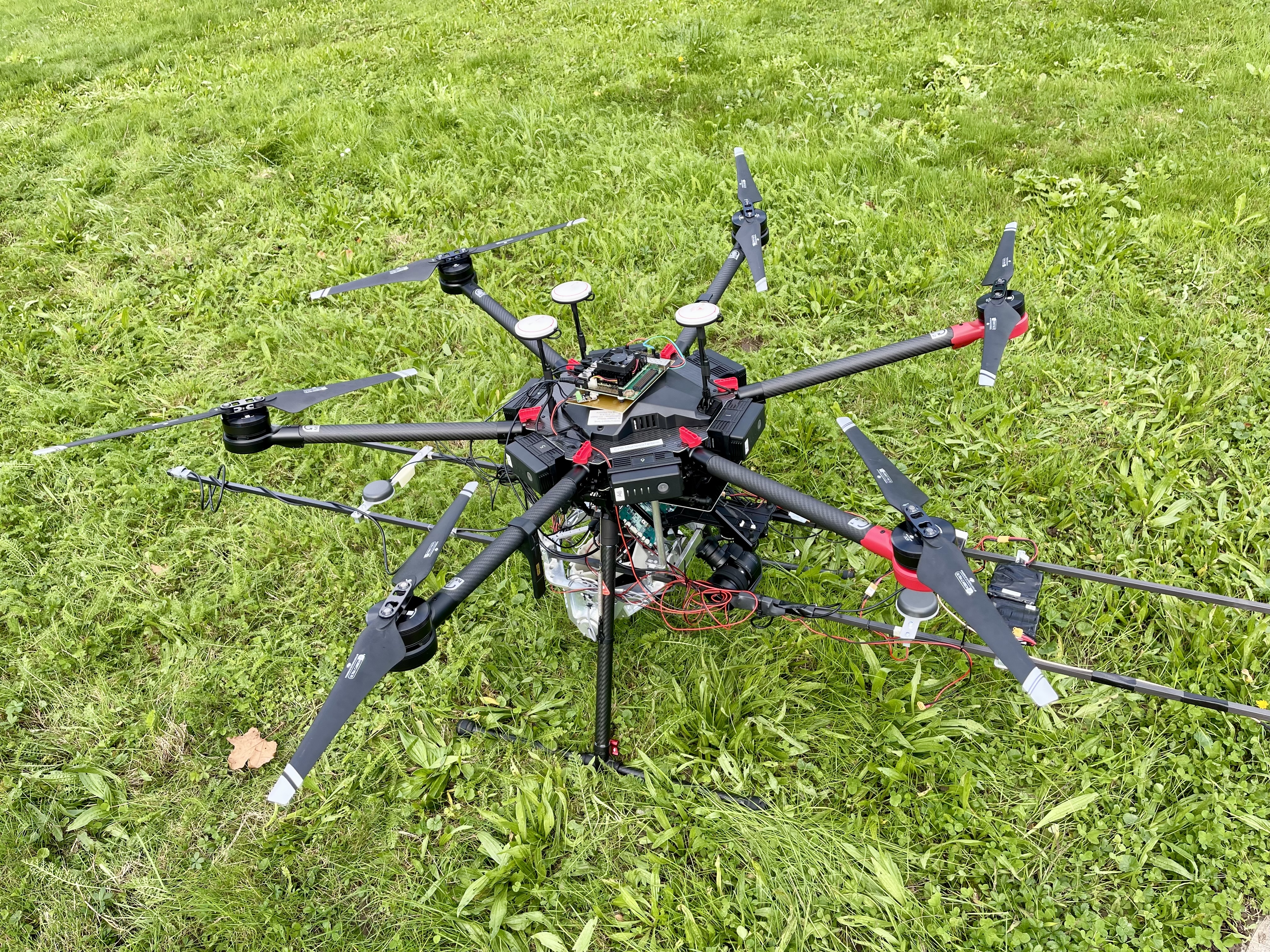
Prof. Dr. Christoph Wildfeuer is a Professor for Sensor Technology at the University of Applied Sciences and Arts Northwestern Switzerland (FHNW) School of Engineering and Environment. He leads the Quantum Technologies working group and module, focusing on quantum sensors, cryptography, and secure communication systems. Doctorate in Quantum Technologies from University of Siegen (2003) Diploma in Physics from University of Siegen (1999) Postdoctoral research at Louisiana State University, NIST, and Duke University His research spans Quantum Cryptography , Post-Quantum Cryptography , Optical Sensors , and Quantum Communication in aerospace contexts. Projects include: Developing quantum-safe encryption for corporate networks Simulating quantum communication via drones and stratospheric balloons Demonstrating entanglement and post-quantum key exchange on nano-satellites He contributes to secure satellite communications and integrates quantum technologies into embedded systems and wireless security .
Brendon Lovett is a Professor at the School of Physics and Astronomy , University of St Andrews, specializing in theoretical physics and quantum properties of nanomaterials. His work bridges quantum information processing and solar energy harvesting , focusing on open quantum systems and tensor network algorithms to model their dynamics. Affiliations : University of St Andrews, Centre for Designer Quantum Materials His research explores how quantum systems interact with uncontrolled environments, developing efficient computational techniques to preserve quantum coherence. Recent projects include collaborations with experimentalists to test quantum theories in real-world devices. Key trends in his 90 research outputs involve two-dimensional spectroscopy , non-Markovian dynamics , and quantum nanodevice control , reflecting his focus on quantum technology and computational physics . Notable awards include the Royal Society University Research Fellowship . He supervises postgraduate researchers and leads the International Quantum Tensor Network , advancing interdisciplinary work in quantum materials . His lab integrates theoretical modeling with experimental validation to drive future quantum technologies.
Matthew Arnold is an Associate Professor in the School of Mathematical and Physical Sciences at the University of Technology Sydney (UTS), where he has been employed since 2007, progressing from Lecturer to Senior Lecturer and currently Associate Professor. His academic career includes postdoctoral research at the University of Canterbury and visiting positions at the Fraunhofer Institute Jena (2001) and University of Southampton (2008). Arnold holds a PhD and BSc(Hons) from the University of Otago, New Zealand. His leadership roles at UTS include serving as Physics Discipline Leader, BSc(Physics) Program Director, and currently as HDR director and RAO for the Faculty of Science. He is also active in professional organizations, having served as Chair of the NSW Australian Institute of Physics and as a senior member of both Optica and SPIE. Arnold's research focuses on the interaction of electromagnetic fields with complex systems, spanning from modeling and design to fabrication and characterization. His primary research areas include neuromorphic computing using percolating networks of nanoparticles, plasmonic resonators and materials, self-assembled metamaterials, and opto-thermal coatings for energy applications. His work bridges fundamental physics with practical applications in building technologies, solar energy, and next-generation computing architectures. His recent publications demonstrate a strong trend toward neuromorphic and brain-inspired computing systems, particularly exploring the computational capabilities of self-assembled nanoscale networks. These works investigate how the intrinsic physical properties of nanomaterials can be harnessed for energy-efficient information processing, with applications in random number generation, Boolean operations, and image classification. His research also maintains a strong focus on practical optical applications, including high-temperature polarizers and spectrally selective solar absorbers. AIP NSW Branch Service Award (2024) UTS MAPS: Individual Teaching Award (2023) STANSW Dedicated Service Award (2019) Arnold is deeply committed to mentoring the next generation of scientists, having successfully guided research students at all levels from internship to PhD. His teaching philosophy emphasizes engaging students in experiences that develop practical skills and deep insight, which has been recognized with teaching awards. He has secured significant research funding through ARC Linkage Infrastructure grants and numerous industry collaborations, particularly with building industry partners on glazing and facade performance. His current funded projects include advanced deposition systems for superconducting circuits and solar-thermal performance evaluations. Arnold leads research activities centered around experimental and computational investigations of nanoscale systems, with particular expertise in physical vapor deposition, optical characterization techniques, and computational modeling of complex electromagnetic systems. His work connects fundamental physics with real-world applications through strong industry partnerships and interdisciplinary collaborations across physics, materials science, and engineering disciplines.
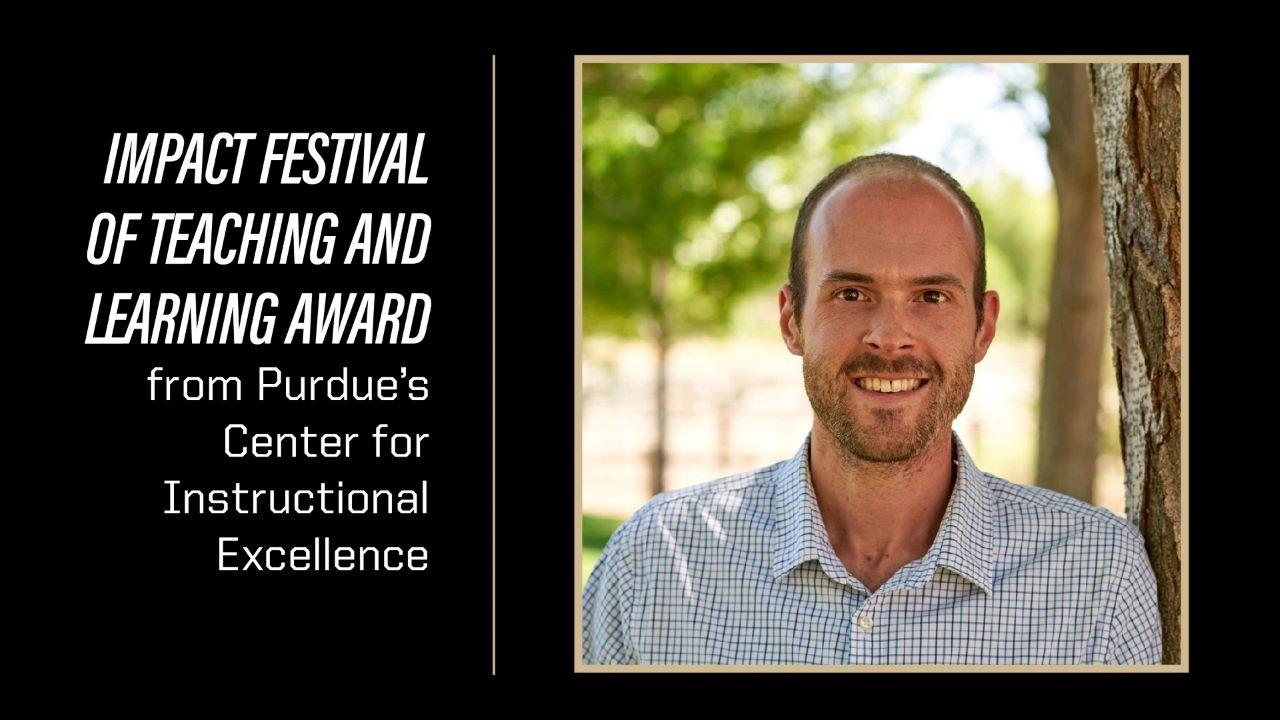
Tom Lucas serves as Assistant Professor of Practice at Purdue Polytechnic Institute, Purdue University, specializing in embedded digital systems education at the New Albany campus. He teaches core courses including ECET 279 (Embedded Digital Systems) and CNIT 105 (Introduction to C Programming), while advising the SME 351 student chapter. His educational background includes: Ph.D. in Electrical Engineering (2014), University of Louisville - Focus: MEMS BS and M.Eng. in Electrical Engineering (2010), University of Louisville - ABET accredited Lucas's research spans two distinct phases: early work on 3D out-of-plane MEMS sensor design involving bistable structures and gold nanoparticle applications, and current scholarship focused on integrating humanities into engineering education. His pedagogical innovations include classroom podcast creation and IoT-based teaching tools to demonstrate societal impacts of engineering solutions, aiming to enhance student engagement in STEM fields through holistic learning approaches. Publication analysis reveals a clear trajectory from MEMS-focused research (2010-2017) to educational scholarship (2022-2024), with recent work emphasizing technical communication through podcasting and IoT-enhanced laboratory equipment. This shift reflects his commitment to developing teaching methodologies that connect engineering with cultural contexts. His recognition includes: 2025 Faculty and Staff Award Purdue 2025 Festival of Teaching and Learning Honor Teaching Excellence Award (2024) First-ever Festival of Teaching and Learning Award (2024) As SME 351 chapter advisor, Lucas mentors manufacturing engineering students while maintaining active roles in professional societies including SME, ASEE, and former ISTE membership. His work bridges theoretical concepts with practical industry applications through student-centered educational tools. Though specific laboratory facilities aren't detailed, his IoT power supply project and embedded systems courses indicate hands-on teaching environments focused on practical hardware implementation and industrial control systems.