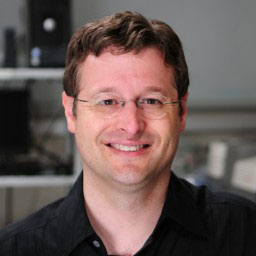
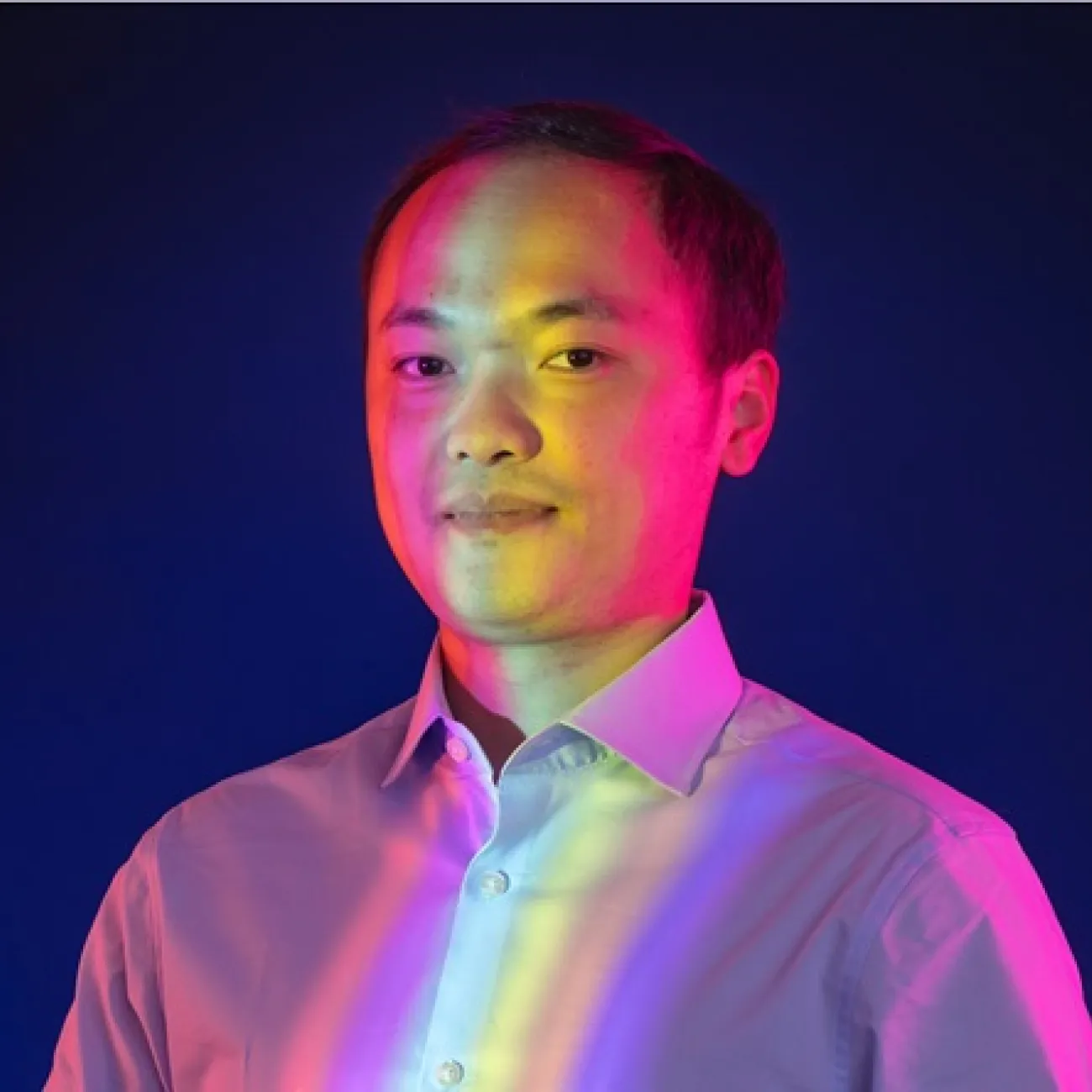
James A. Brozik is a Professor in the Department of Chemistry at Washington State University. His research spans biophysics, biosensor development, and molecular-scale instrumentation design. Research Focus: Biophysical studies of protein dynamics, membrane-bound ion channels, and thermodynamic principles of molecular interactions. Instrumentation: Development of time-resolved spectroscopy, single-molecule fluorescence systems, and microfabricated electrochemical cells. Publication Trends show a focus on membrane proteins (aquaporin-4, cytochrome P450), photophysical characterization, and single-molecule tracking methodologies. Recent work emphasizes S-palmitoylation effects and redox-dependent protein insertion mechanisms. Collaborations include interdisciplinary projects with the Department of Materials Science and Engineering, utilizing advanced imaging techniques like STED and fluorescence correlation spectroscopy.
Majid Shokoufi is a Lecturer in the School of Engineering Science at Simon Fraser University (SFU), part of the Faculty of Applied Sciences. He holds a Ph.D. in Mechatronic Systems Engineering from SFU, an M.Sc. in Electrical Engineering from Iran University of Science & Technology, and a B.Sc. in Electrical Engineering from Amir Kabir University of Technology. His research focuses on Biophotonics, Microelectronics, Internet of Things (IoT), and Wearable devices, with a strong emphasis on developing handheld optical imaging systems for medical applications like breast cancer assessment. Shokoufi teaches courses in Microelectronics, Digital Logic, and Embedded Systems. His work integrates biomedical optics with engineering solutions, exemplified by his contributions to portable diffuse optical breast scanning probes and deep learning-driven image reconstruction techniques. Recent research includes fusion-based imaging methods for tomogram-free diagnosis and multi-frequency analysis for enhanced diagnostic accuracy. His academic career reflects a commitment to advancing medical imaging technologies through interdisciplinary approaches, combining optical engineering with clinical applications. Though no specific awards are listed, his extensive publication record underscores his contributions to medical device innovation and diagnostic methodologies.
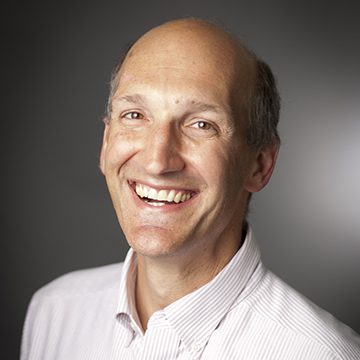
Darrell Schlom is the Tisch University Professor in the Department of Materials Science and Engineering at Cornell University's College of Engineering. He holds one of the most prestigious faculty appointments at Cornell, recognizing his exceptional contributions to materials science and engineering. His research focuses on the atomic-scale synthesis and characterization of complex oxide thin films using reactive molecular-beam epitaxy (MBE), with an emphasis on discovering novel materials through a 'materials-by-design' approach. His educational background includes: B.S. in Engineering and Applied Science from California Institute of Technology (1984) M.S. in Electrical Engineering from Stanford University (1989) Ph.D. in Materials Science and Engineering from Stanford University (1990) Prof. Schlom's research interests center on oxide materials for electronic applications, particularly perovskite oxides that exhibit a rich variety of electronic properties including ferroelectricity, magnetism, superconductivity, and multiferroic behavior. His group specializes in heteroepitaxial growth techniques to create high-quality oxide heterostructures with precise control over composition and structure at the atomic level. This enables the exploration of emergent phenomena at interfaces and the development of next-generation electronic and energy-efficient devices. The recent publications highlight a strong trend in advanced oxide materials, with a focus on quantum phenomena in nickelates, strain engineering of ferroelectrics, high-mobility oxide semiconductors, and novel growth techniques for β-Ga₂O₃ and other wide-bandgap semiconductors. There is a clear emphasis on interface engineering, spin-orbit coupling, and the manipulation of electronic and magnetic states through external stimuli such as strain, electric fields, and doping. His scientific achievements have been recognized with numerous prestigious awards: John Bardeen Award, The Minerals, Metals & Materials Society (TMS) 2024 John A. Thornton Memorial Award, American Vacuum Society 2021 James C. McGroddy Prize for New Materials, American Physical Society 2021 Frank Prize, International Organization for Crystal Growth (IOCG) 2019 Humboldt Research Award 2018 Inducted into National Academy of Engineering 2017 MRS Medal, Materials Research Society 2008 Fellow of the American Physical Society, Materials Research Society, and American Vacuum Society Prof. Schlom has led major research initiatives, including a DOE-funded project (DE-SC0002334) on using interfaces to create strongly coupled magnetic-ferroelectrics. He advises numerous graduate students and postdoctoral researchers, and his group collaborates widely across disciplines. He teaches core courses in electronic materials and thin-film science at both undergraduate and graduate levels. His leadership extends to directing research centers, including a $34 million semiconductor research center at Cornell focused on energy-efficient microelectronics. His lab is equipped with state-of-the-art MBE systems for oxide synthesis and collaborates closely with facilities for advanced characterization such as electron microscopy and synchrotron-based techniques. He leads a vibrant research team that includes graduate students, postdocs, and collaborators, working at the forefront of quantum materials and oxide electronics. The group maintains strong ties with national laboratories and industry partners, particularly in the semiconductor sector. Future work is expected to continue exploring novel quantum phases in oxide heterostructures, integrating these materials into functional devices, and expanding into new material systems such as topological oxides and low-dimensional quantum materials.
Dr. Jack Devlin is a Royal Society University Research Fellow and Lecturer at the Department of Physics, Imperial College London. He is affiliated with the Quantum Engineering, Science and Technology group, Quantum Technology for Fundamental Physics, and the Ion Trapping group. His research focuses on precision measurements of fundamental quantities, new physics searches using table-top experiments, and dark matter detection with quantum sensors. Key research interests include measuring the electron's electric dipole moment using ytterbium fluoride molecules, simulating multi-level molecular systems for laser cooling applications, testing CPT symmetry via proton-antiproton comparisons, and dark matter detection using superconducting LC circuits and Penning traps. He leads the Ion Trapping group and collaborates with CERN's Antiproton Decelerator facility. Developed novel sympathetic laser cooling techniques for trapped protons/antiprotons Pioneered cryogenic Penning trap systems for antiproton storage Contributed to the BASE experiment achieving 16 parts-per-trillion precision in antiproton-proton comparisons His work has produced over 30 peer-reviewed articles since 2013, with recent focus on axion dark matter detection (2023-2025) and antiproton magnetic moment measurements (2022-2024). He holds a Royal Society University Research Fellowship supporting his experimental program. Current projects include developing the BASE-STEP transportable antiproton reservoir and advancing laser cooling techniques for molecular systems.
Prof. Amit Meller is a Full Professor of Biomedical Engineering at Technion-Israel Institute of Technology and holds adjunct roles at Boston University (Adjunct Associate Professor in Biomedical Engineering and Materials Science & Engineering). He earned his Ph.D. in Physics and Biophysics from the Weizmann Institute of Science, followed by M.Sc. and B.Sc. degrees in Physics from Weizmann and Tel Aviv University, respectively. Research Interests: Dr. Meller’s work focuses on developing novel experimental techniques for studying biomolecular interactions at the single-molecule level. Key areas include nanopore force spectroscopy for RNA/DNA analysis, ultra-fast DNA sequencing, and single-molecule optical methods. His lab pioneered silicon-based nanofluidic devices for high-resolution protein separation and developed nanoscale biosensors for precision medicine applications. Recent advancements include amplification-free mitochondrial DNA quantification and sub-micrometer channel-based SDS-PAGE for clinical diagnostics. Lab & Collaborations: The Meller Lab at Technion employs interdisciplinary approaches, combining nanotechnology, optics, and machine learning. Collaborations include work with Prof. Oded Lewinson on bacterial transporter dynamics and the development of parallel STED microscopy for live-cell imaging. Recent projects involve optoelectronic nanopore control and machine learning-based protein identification. News Highlights: 2025: Presented research at the CECAM workshop in Italy and published a review on nanofluidics in Analytical Chemistry . 2025: Published in ACS Nano on ultra-long genomic DNA manipulation and developed machine learning tools for cfDNA analysis. 2022-2024: Advanced nanopore-based protein sensing, surfactant-enhanced DNA translocation, and light-enhanced biosensors. Advising & Training: Mentored students like Noam (PhD graduate), Malak Hijazi (studying cfDNA fragmentation), and Jiban Mondal (recent lab joiner). Focus on training in nanopore technology, single-molecule imaging, and bio-nano device fabrication.
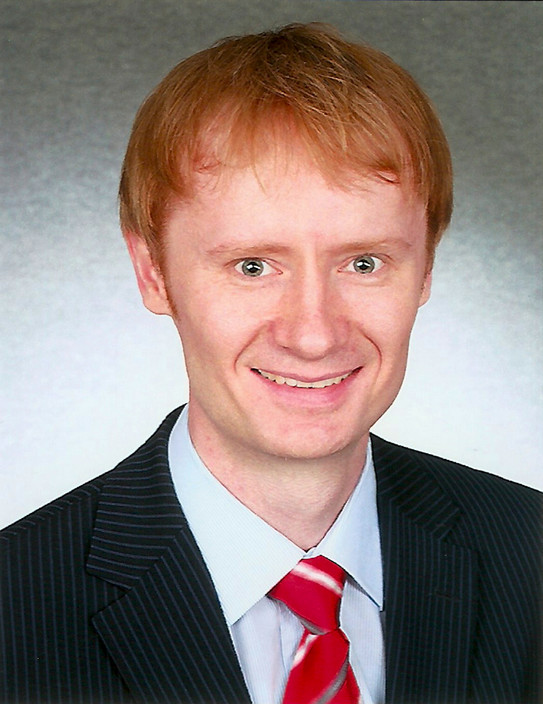
PD Dr. Alex Greilich is a researcher in the Department of Physics at the Technical University of Dortmund, where he is affiliated with the Faculty of Physics and contributes to the research focus on Condensed Matter. His work is centered on the coherent optical control of spin states in semiconductor systems and their applications in quantum technologies. His research interests include: Coherent optical control of spin states in semiconductor nanostructures Spin-based quantum information processing Non-perturbative spectroscopy techniques Single-spin and ensemble spectroscopy using continuous-wave and pulsed lasers Extending coherence times of solid-state quantum bits Long-range spin-spin entanglement via photon coupling Investigation of electron and hole spin states in self-assembled nanostructures and defect centers His group specializes in both microscopic (single-spin) and macroscopic (ensemble) spectroscopic methods under laser excitation, aiming to advance quantum coherence and entanglement in solid-state systems. This research lies at the intersection of quantum optics, materials science, and quantum computing. Dr. Greilich is actively involved in experimental condensed matter physics and quantum technology development at TU Dortmund. He collaborates within a broad network of physicists working on semiconductor nanostructures and quantum devices. His laboratory, located in the physics building on Otto-Hahn-Str. 4a, Room CP-01-179, supports advanced optical and spectroscopic experiments.
Gretchen Campbell is an Adjunct Professor at the University of Maryland and Co-Director of the Joint Quantum Institute (JQI). Her research focuses on ultracold atomic gases, particularly Bose-Einstein condensates (BECs) and their applications in studying quantum fluids and superfluidity. She leads experiments on atom circuits and ultracold strontium systems, exploring analogs of superconducting electronics and cosmological phenomena. Key projects include persistent currents in superfluid rings, Rayleigh-Taylor instabilities in quantum fluids, and grating magneto-optical trapping techniques. Her work bridges quantum simulation, condensed matter physics, and precision measurement. Recent advancements include the creation of sodium BECs in hybrid traps and strontium BECs for quantum simulation. She has pioneered atomtronic devices, such as superfluid SQUID analogs, and used expanding BECs to model cosmic phenomena like Hubble friction. Campbell also holds an appointment as Associate Vice President overseeing UMD’s quantum initiatives, reflecting her leadership in quantum science education and research. Research Groups: JQI, RQS (Quantum Simulation Group) Labs: Sodium Atom Circuits Lab, Ultracold Strontium Experiment Her team includes graduate students and postdocs working on topics like quantum control systems, narrow-line spectroscopy, and experimental instrumentation. Notable contributions include the development of programmable systems for atomic physics and ultra-low noise drivers for precision experiments.
Phillip Sprangle is a Professor of Electrical & Computer Engineering and Physics at the University of Maryland, with affiliations at the Institute for Research in Electronics & Applied Physics (IREAP) and a partial position as an Emeritus Scientist at the Naval Research Laboratory (NRL). He holds a Ph.D. in Applied Physics from Cornell University (1973). His research focuses on high-energy laser propagation, laser-driven accelerators, nonlinear optics, plasma physics, and free-electron lasers. He has published over 300 articles and holds 18 patents, with honors including the Presidential Rank Award (2015), James Clerk Maxwell Prize (2013), and IEEE Plasma Science Award (2008). Education: Ph.D., Applied Physics, Cornell University, 1973 M.S., University of Puerto Rico, 1969 B.S., Electrical Engineering, Polytechnic Institute of Brooklyn, 1967 Research Interests: His work spans atmospheric laser propagation, ultra-short pulse laser matter interactions, nonlinear plasma physics, and terahertz generation. He has pioneered methods for remote detection of radioactive materials using laser-induced breakdown and developed technologies for high-average-power free-electron lasers. Awards & Honors: Fellowships: APS (1981), IEEE (1997), DEPS (2005), OSA (2010) Key Awards: Presidential Rank Award, Maxwell Prize, NRL Top Scientist/Engineer Grants & Projects: Active in multidisciplinary research funded by the Department of Defense, including MURI grants for directed-energy systems and plasma physics. Collaborates on terahertz radiation systems for remote sensing and high-power laser beam control. Labs & Teams: Leads research at IREAP and NRL, focusing on laser-matter interactions, plasma-based accelerators, and advanced laser systems for defense and security applications.
Karen Forberich is a Postdoctoral Researcher and Project Leader at the Chair of Materials for Electronics and Energy Technology, Department of Materials Science and Engineering, Friedrich-Alexander-Universität Erlangen-Nürnberg (FAU). Her work focuses on advanced photovoltaic materials and scalable manufacturing techniques. Role: Postdoc & Project Leader, Forschungsgruppe P&L (Phosphors & Light) Email: karen.forberich@fau.de Research Interests: Karen specializes in photovoltaics, particularly perovskite and organic solar cells. Her research emphasizes material stability, efficiency optimization, and high-throughput methodologies to accelerate lab-to-fab transitions. She investigates charge transport mechanisms, interfacial engineering, and scalable deposition techniques like slot-die coating. Recent Publications (2023-2025): Her work spans perovskite solar cell upscaling, lead-free luminescent solar concentrators, machine learning-driven degradation analysis, and innovative strategies for improving tandem solar cell efficiency. Collaborative efforts include optimizing intermediate phases in perovskites and enhancing silver nanowire conductivity.
Tim Vogel is a PhD candidate at Ruhr-University Bochum's Faculty of Electrical Engineering, affiliated with the Photonics and Ultrafast Laser (PULS) group. He holds B.Sc. and M.Sc. degrees in Physics from Heinrich-Heine University Düsseldorf. His research focuses on high-power terahertz (THz) generation and optimization of THz-Time Domain Spectroscopy (THz-TDS), with a particular emphasis on developing high-average-power THz sources using advanced materials like lithium niobate and organic crystals (e.g., BNA and MNA). His work includes innovations in tilted-pulse-front geometry, air-plasma emitters, and cryogenically cooled systems to enhance THz output power and spectral range. Education: B.Sc./M.Sc. in Physics, Heinrich-Heine University Düsseldorf (thesis: laser plasma setup and gravitational wave detector mirror characterization) PhD candidate at Ruhr-University Bochum (started 2019) His research interests include ultrafast laser technology, THz source scaling, and applications in spectroscopy and imaging. Key contributions include achieving record average powers (643 mW) in single-cycle THz sources and designing high-dynamic-range THz-TDS systems. He actively presents at conferences like CLEO and IRMMW-THz, focusing on advancements in THz generation and instrumentation. His publications span topics such as organic crystal-based THz emitters, spintronic THz sources, and lensless THz imaging. Current work emphasizes cryogenic cooling solutions, GHz-repetition-rate lasers, and next-generation THz spectrometers for industrial and scientific applications.
Heidi Tuorila is a Postdoctoral Researcher in the Physics department at Tampere University, specializing in hybrid photonic integration for mid-infrared applications. Her work focuses on advancing GaSb-based optoelectronics integrated with silicon photonics platforms to enable compact spectral sensors for gas and bio-detection. Education: Bachelor of Science (Technology) in Science and Engineering (2015) Master of Science (Technology) in Science and Engineering (2016) Doctoral Thesis: Advanced GaAs, InP and GaSb Optoelectronics for Hybrid Photonic Integrated Circuits (2024) Her research centers on overcoming integration challenges in mid-infrared photonics, particularly through innovative waveguide designs (e.g., U-bend geometries) and hybrid laser architectures. Key contributions include developing discretely and widely tunable GaSb/Si 3 N 4 lasers operating at 2.5–2.7 µm for multiwavelength spectroscopy, with emphasis on low-loss performance and manufacturability via micro-transfer printing techniques. Analysis of her 15 most recent publications reveals a consistent trajectory toward practical mid-IR photonic systems: 73% focus on GaSb hybrid lasers, 65% on silicon nitride integration, and 58% on U-bend waveguide optimization. This work directly enables next-generation sensors for environmental monitoring and medical diagnostics. No scientific awards or formal student advising roles are documented in available sources. Her collaborative network includes prominent researchers like M. Guina and J. Viheriälä, with institutional ties to Tampere University's photonics research infrastructure supporting advanced optoelectronic fabrication and testing.
Dr. Alison Funston is an Associate Professor in the School of Chemistry at Monash University, Australia, and a Chief Investigator in the ARC Centre of Excellence in Exciton Science. She leads the Nanoscale Spectroscopy Laboratory, focusing on the synthesis, self-assembly, and optical properties of nanoscale systems including metal and semiconductor nanocrystals. Her research has significant implications for solar energy conversion, optoelectronics, and sensing technologies. PhD, University of Melbourne (2002) Postdoctoral Fellow, Brookhaven National Laboratory (2002–2005) Postdoctoral Fellow, University of Melbourne (2006–2010) Appointed at Monash University (2010) ARC Future Fellowship (2011) Her research focuses on fundamental aspects of energy and electron transfer in nanoscale systems, particularly through nanocrystal growth , self-assembly of discrete nanocrystal superstructures , and interaction of nanoscale systems with light at both ensemble and single-particle levels. These investigations utilize advanced spectroscopic techniques with high spatial and temporal resolution. Her work contributes to sustainable development goals in clean energy and responsible innovation. The recent publications highlight a strong trend in plasmonics , nanostructure synthesis , and hybrid nanomaterials . Key themes include symmetry control in gold nanocrystals, DNA-directed self-assembly, perovskite nanocrystals for sensing, and advanced imaging techniques. The research spans fundamental physical chemistry to applied optoelectronic devices. ARC Future Fellowship (2011) Dr. Funston has advised numerous PhD and postgraduate students and is currently accepting new PhD candidates. Her research is supported by major grants including ARC Discovery Projects and her role as a Chief Investigator in the ARC Centre of Excellence in Exciton Science. She has led projects such as Atomic Structure and Stability of Nanocrystal Facets and Harnessing Asymmetry in Hybrid Metal Nanocrystal Assemblies . She also participates in international collaborations, including joint PhD programs with Bayreuth University, Germany. She leads the Nanoscale Spectroscopy Laboratory (Funston Group), which operates at the intersection of chemistry, physics, and materials science. The group collaborates extensively within Monash and with international partners, focusing on cutting-edge instrumentation and multidisciplinary approaches to nanomaterial design and characterization.
Dr. Thomas Parton is a Group Leader in the Department of Sustainable and Bio-inspired Materials at the Max Planck Institute of Colloids and Interfaces (Potsdam, Germany), where he leads research on nanoscale self-assembly and photonic materials. He holds a PhD in Chemistry from the University of Cambridge and a Natural Sciences degree from University College London and Caltech. His research integrates three core themes: Self-assembly/dis-assembly of nanomaterials like cellulose nanocrystals (CNCs) Chirality transfer across molecular to macroscopic scales Optical characterization of soft matter systems using advanced spectroscopy Key experimental systems include CNC-based photonic films with structural color and phosphorene nanoribbons with quantum properties. Publication analysis reveals consistent focus on: Nanocellulose/chitin photonics (60% of recent work) Quantum materials like phosphorene (27%) Operando optical methods for energy/battery systems (13%) Awards include: Marie Skłodowska-Curie Postdoctoral Fellowship (2024) MRS Silver Medal (2022) ACS CELL Division Graduate Student Award (2023) EPSRC Doctoral Prize Fellowship MAPS Faculty Medal, UCL (2015) He leads an experimental research group investigating light-matter interactions in bio-inspired systems, with current projects on chiral nanomaterials and sustainable photonics.
Dr Meng Huang is a PhD Research Fellow in Nonlinear Fibre Optics at the University of Southampton, actively contributing to cutting-edge research in photonics through membership in the Nonlinear Semiconductor Photonics and Silicon Photonics research groups. His work focuses on advancing broadband nonlinear fibre systems and optimizing silicon core optical fibres (SCFs) for next-generation photonic applications, with significant implications for telecommunications and sensing technologies. Huang's research spans nonlinear optics, fibre optics, silicon photonics, mid-infrared optics, and optical sensing. He investigates fundamental nonlinear phenomena in semiconductor fibres, particularly Raman scattering and wavelength conversion in silicon core platforms. His work targets practical implementations in mid-infrared light generation, environmental monitoring, and optical signal processing, leveraging unique material properties of silicon and silicon-germanium compositions. Analysis of Huang's 2023-2024 publications reveals a concentrated research trajectory centered on silicon-based nonlinear photonics. Key themes include development of low-loss polycrystalline fibres, expansion into mid-infrared spectral regions beyond traditional telecom bands, and innovative fabrication techniques like laser-drawing. His work bridges materials science with photonic device engineering, demonstrating applications in sensors, amplifiers, and broadband wavelength converters. Dr Huang currently supervises PhD student Ying Mu within the Optoelectronics Research Centre (ORC) framework. While specific grant details aren't public, his research output indicates active participation in funded projects advancing fibre-based nonlinear photonics. Huang operates within the Nonlinear Semiconductor Photonics and Silicon Photonics groups at Southampton, which form part of the university's broader photonics research ecosystem. These teams specialize in developing semiconductor-based photonic platforms with emphasis on fibre technologies for nonlinear applications, particularly targeting mid-infrared spectral regions where conventional silica fibres face limitations.
Professor Paul Griffin is a faculty member in the Department of Physics at the University of Strathclyde, Faculty of Science. He is an active researcher in atomic physics and quantum technologies, contributing significantly to the development of next-generation quantum devices. His affiliations include the Experimental Quantum Optics & Photonics (EQOP) research group, where he leads and participates in multiple funded projects focused on translating laboratory research into application-ready systems. Chancellor's Fellowship, University of Strathclyde (2015–present) Royal Society of Edinburgh Personal Research Fellow (2009–2014) Guest Researcher, National Institute of Standards and Technology (NIST), 2010–2011 Postdoctoral Fellow, Georgia Institute of Technology (2005–2007) Paul Griffin earned his BSc in Physics from the University of Limerick and his PhD in Atomic Physics from Durham University in 2005. BSc Physics, University of Limerick PhD Atomic Physics, Durham University His research focuses on atomic physics and quantum technologies, particularly using lasers and atoms for precision measurement and atom-light interaction studies. Key research strands include atomic clocks, atom interferometry, optically-pumped magnetometry, ultra-cold atoms, Bose-Einstein condensates, and space applications of quantum technology. He is actively involved in developing compact, chip-scale components for quantum devices, bridging the gap between fundamental research and real-world applications. His recent publications (2025) demonstrate a strong trend in miniaturized quantum systems, such as chip-scale atomic spectrometers, grating-based cold atom sources, and optical lattices. These works emphasize integration, scalability, and practical deployment of quantum sensors for navigation, timing, and space-based platforms. The research combines atomic physics with photonics and engineering to enable portable, high-precision instruments. Paul Griffin has received competitive fellowships recognizing his research excellence: Chancellor's Fellowship (2015) Royal Society of Edinburgh Personal Research Fellowship (2009) Marie Curie CO-FUND Fellowship (2009) He is actively involved in advising and mentoring, welcoming research project interns and PhD students. He serves as Principal or Co-investigator on multiple projects funded by Innovate UK, AWE plc, and ESA, including HARLEQUIN-ST, QEPNT, and the UK Quantum Technology Hub in Sensing, Imaging and Timing (QuSIT). These projects focus on quantum-enabled navigation, timing, and compact cold atom systems. His collaborative network spans national and international institutions, including NIST and the Institute of Physics. Griffin is a key member of the Experimental Quantum Optics & Photonics (EQOP) group at Strathclyde, which advances quantum sensing, imaging, and timing technologies. The group develops integrated quantum systems, including vacuum cells, laser systems, and control electronics for field-deployable quantum devices. Their work supports applications in navigation, geophysics, and space exploration.