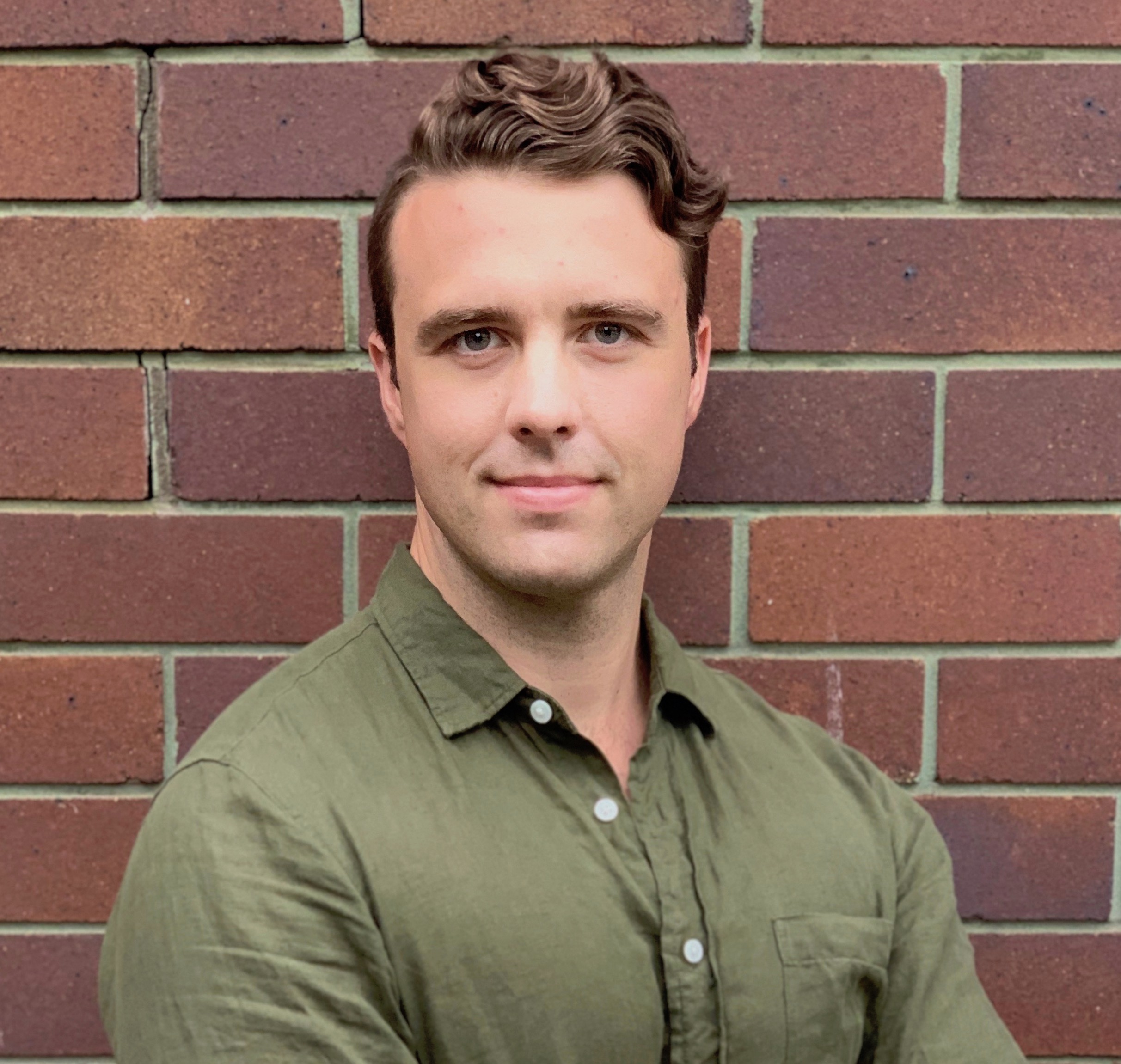
Dr. Corey T. Callaghan is an Assistant Professor in the Department of Wildlife Ecology and Conservation at the University of Florida . Based at the Fort Lauderdale Research and Education Center , his research focuses on global change ecology using big data from citizen science platforms like eBird and iNaturalist, combined with geospatial analyses and macroecological theory . Ph.D. (2019) from UNSW Sydney M.S. (2015) from Florida Atlantic University B.S. + B.S. (2013) from Canisius College His work examines urban ecology , including how species traits influence urban tolerance across birds, amphibians, and butterflies. He develops adaptive sampling frameworks to optimize citizen science data collection while addressing biases. Current projects analyze human-nature interactions through citizen science participation, secondary data in photographs, and machine learning for biodiversity monitoring. He actively contributes to conservation strategies for urban biodiversity and data-driven restoration efforts . Recent publications highlight his expertise in cross-taxa comparisons , continental-scale analyses , and ecosystem service quantification . He leads the Global Ecology Research Group at the University of Florida, emphasizing collaborative science and open-source methodologies .
Jarrod Ray Hore is a Scientia Lecturer in the School of Humanities & Languages at the University of New South Wales (UNSW), Sydney, and Co-Director of the New Earth Histories Research Program. His work explores environmental history, settler colonialism, and the intersections of science, geology, and cultural landscapes. Hore’s research focuses on landscape photography’s role in shaping colonial projects, earthquake geology, and the logistics of the natural history trade. He has published widely in journals like the Pacific Historical Review and Australian Historical Studies, and his award-winning book *Visions of Nature* (2022) examines how photography reinforced settler territoriality. His research interests span environmental history, transnational history, the history of science, and colonial studies. Key areas include the history of settler colonialism in Australia, New Zealand, and North America, as well as the cultural and scientific dimensions of geological exploration. Hore actively supervises HDR and honours students in environmental history, colonial history, and the history of photography. His awards include the Marilyn Lake Prize (2023) and Donna Coates Prize (2022), with shortlist recognitions for prestigious history awards. Beyond academia, he teaches courses like *A House Divided: The Making of Modern America* (ARTS2150), emphasizing U.S. histories of race, class, and global engagement. Hore’s work bridges environmental humanities and colonial studies, analyzing how visual and scientific practices reinforced imperial and settler agendas. His current projects explore the material and logistical networks underpinning natural history collections and the epistemologies of colonial geology.
Angjoo Kanazawa is an Assistant Professor in the Department of Electrical Engineering and Computer Sciences (EECS) at the University of California, Berkeley. She leads the Kanazawa AI Research (KAIR) lab under the Berkeley Artificial Intelligence Research (BAIR) umbrella and serves on the advisory board of Wonder Dynamics. Her research focuses on the intersection of computer vision, computer graphics, and machine learning, with a particular emphasis on 4D reconstruction of dynamic scenes, neural radiance fields (NeRF), and systems that model human-environment interactions from 2D visual data. Education : Ph.D., Computer Science (2017), University of Maryland, College Park BA, Mathematics and Computer Science (2012), New York University (NYU) Her work aims to build systems that can capture, perceive, and understand complex 3D/4D worlds from photographs and videos, enabling applications in scene reconstruction, motion analysis, and generative modeling. She has pioneered techniques for scaling NeRFs across GPUs (NeRF-XL), developing open-source tools like nerfstudio and gsplat. Her recent publications focus on topics like self-occluded avatar recovery (SOAR), decentralized diffusion models, and 4D reconstruction of articulated objects for robotics. Kanazawa's research has been recognized with prestigious awards including the IEEE CS TCPAMI Young Researcher Award (2024) , Sloan Research Fellowship (2023) , and Google Faculty Research Award (2021) . Her lab has trained numerous students who now hold positions at leading institutions and companies like Anthropic, Meta Reality Labs, and Luma AI. Key Scientific Awards : IEEE CS TCPAMI Young Researcher Award (2024) Sloan Research Fellow (2023) Hellman Fellow (2022) Bakar Fellows Spark Award (2022) Google Faculty Research Award (2021) Her KAIR lab collaborates extensively with industry partners and academic institutions, including the Max Planck Institute and Google Research. She has served as an advisor for PhD students and postdocs who now lead teams at UC Berkeley, MIT, Stanford, and Luma AI, while her teaching includes graduate courses like CS 280A (Computer Vision) and CS 294-173 (Learning for 3D Vision).
Roswitha Skare is a Professor of Documentation Science at the Department of Language and Culture, UiT The Arctic University of Norway, within the Faculty of Humanities, Social Sciences and Teacher Education. She is actively engaged in research and teaching, focusing on documentation studies, public libraries, archives, museums (LAM sector), digitalization, and film history. Her research interests include: Documentation and document theory Paratext and digital documents Public libraries and their role in society Libraries and social media Migration and refugee services in libraries Film history, especially silent films and early documentaries Cultural memory and Sámi cultural resilience Institutional convergence in cultural policy Her recent publications (2019–2025) reveal a strong focus on public libraries during and after the Covid-19 pandemic, the role of libraries in supporting immigrants and refugees, theoretical developments in document studies, and historical film analysis—particularly Robert Flaherty’s Nanook of the North . She frequently collaborates with scholars such as Andreas Vårheim, Noah Lenstra, and Sigrid Stokstad. Her work appears in journals like Journal of Documentation , Library & Information Science Research , and Proceedings from the Document Academy . Roswitha Skare teaches courses such as: MDV-1001: Multimediale dokumenter: Historie, teori og analyse MDV-1203: Bibliotek og formidling MDV-1207: Dokumentinstitusjoner og digitalisering MDV-1206: Prosjektoppgave i bibliotek- og dokumentasjonsvitenskap She supervises bachelor’s, project, and master’s students in library and documentation science. She is a member of the research group Engaging Conflicts in a Digital Era (ENCODE) and participates in projects such as LAMCOM – Libraries, archives, and museums in the community and SAMCOM - Sámi cultural centers as community and cultural resilience infrastructure , which explore the societal roles of cultural institutions and Indigenous resilience. No scientific awards are listed in the provided text.
Reyhan Durmaz is an Associate Professor of Religious Studies at the University of Pennsylvania, affiliated with the School of Arts & Sciences and multiple interdisciplinary programs. Her research focuses on Syriac Christianity, medieval religious dynamics, and the intersection of Christianity and Islam in late antiquity. She holds a Ph.D. from Brown University (2019) and has received prestigious fellowships such as the Dumbarton Oaks Junior Fellowship and the Charlotte Newcombe Dissertation Fellowship. Her seminal book Stories between Christianity and Islam (2022) examines the transmission of saints' stories between religious traditions, earning Honorable Mention from the Middle East Medievalists. Current projects include a study of rural Christianity in the medieval Middle East through soldier-monk narratives and an analysis of the 19th-century Arabic newspaper Kawkab America . She co-leads the Digital Photograph Archive project Visualizing Countryside , documenting medieval religious sites. Dr. Durmaz teaches courses on global Christianity, material culture, and late antiquity, and serves as co-chair of the Philadelphia Seminar on Christian Origins. Her work bridges historical analysis, textual scholarship, and digital humanities, addressing themes of religious identity, cultural exchange, and marginalized communities.
Tom van Laer is an Associate Professor of Marketing and Deputy Head of Discipline, Research at The University of Sydney Business School. He is globally recognized as the leading expert in storytelling and narrative persuasion, currently occupying the top position on Elsevier's SciVal top 100 list for the most-cited researchers in this domain. His academic journey includes a BA and MA from Nijmegen and a PhD from Maastricht University. Dr. van Laer's research explores storytelling, persuasion, and messaging through an interdisciplinary approach that bridges behavioral experiments, quantitative modeling, and interpretive research. His work spans narrative transportation theory, consumer reviews analysis, digital storytelling, and the psychological mechanisms behind how stories influence consumer behavior. He has developed influential frameworks including the Extended Transportation-Imagery Model and narrative agency theory, with particular expertise in analyzing how stories shape responses to climate change communications and social conflict narratives. His publication record features articles in the most prestigious academic journals including the Journal of Consumer Research (where he serves as Area Editor), Journal of the Academy of Marketing Science, Journal of Business Ethics, Journal of Management Information Systems, and International Journal of Research in Marketing. His recent work shows a strong trend toward meta-analyses of narrative effects, climate change communication, and the psychological mechanisms of 'bleed' between fictional experiences and real-world behavior. Dr. van Laer is an active media commentator whose research has garnered extensive global coverage across Australia, France, Germany, the Netherlands, the UK, and the US, including national television and radio interviews. His media engagement focuses on storytelling in political campaigns, social media marketing, and the psychological impact of narratives in consumer contexts. He teaches MKTG3121 Advertising: Persuasive Principles and MKTG6006 Persuasive Advertising: Illuminating Dark Art, and has received recognition for both research and teaching excellence. His professional affiliations include the Association for Consumer Research, Australian Marketing Institute, Australian & New Zealand Marketing Academy, and International Society for the Study of Narrative. Dr. van Laer is a member of several university research centers including the Sydney Centre for Healthy Societies, Sydney Environment Institute, and Charles Perkins Centre, where he contributes his expertise in narrative persuasion to interdisciplinary research on societal challenges.
Prof. Dr. Ulrike Freitag is a distinguished scholar in Islamic Studies and social history of the Arab world, holding a Professorship at Freie Universität Berlin and serving as Director of the Leibniz-Zentrum Moderner Orient (ZMO) . Her work bridges urban history, transregional Islamic networks, and Arabian Peninsula studies within Indian Ocean and Red Sea contexts. Education : PhD in Islamic Studies (Freiburg, 1991), Habilitation (Bonn, 2002) Research : Focus on Ottoman urban violence, Saudi state formation, Hadhrami diaspora, and historical urbanism in Jeddah Her supervision of PhD projects spans topics from Moroccan Sufi sanctußen to Yemeni Jewish communities. Recent scientific awards include fellowships at Leiden University and Käthe-Hamburger Kolleg. She contributes to public discourse through Tagesspiegel op-eds and international conferences.
Prita Meier is an Associate Professor of Art History at New York University's College of Arts & Science , affiliated with the Department of Art History & the Institute of Fine Arts. Her work bridges African art history, Indian Ocean world studies, and global modernity frameworks. Education: Ph.D. (2007) in History of Art, Harvard University M.A. (2000) in History of Art, University of Iowa B.A. (1996) in Art History, University of Florida Research Interests focus on the visual and architectural cultures of Africa, particularly Swahili Coast port cities, exploring globalization's cultural dimensions, Islamic art, and photography histories. Her work interrogates spatial-temporal dynamics in African modernity and colonial art frameworks. Scientific Awards include CASVA Senior Fellowship, NEH Implementation Grant (with Allyson Purpura), Mellon Collaborative Grant (with Kenny Cupers), Clark Art Institute Residential Fellowship, and Andrew W. Mellon Postdoctoral Fellowship. Notably, she declined the National Humanities Center Fellowship and Stanford Humanities Fellows Program. Publications highlight Indian Ocean trade networks, Swahili Coast architecture, and photography's global circulation. Recent works (2020-2017) examine infrastructure as identity, oceanic materiality, and itinerant art historiography. Earlier articles (2016-2009) analyze porcelain trade, modernist discontents, and Swahili funerary practices. Contact: spm9@nyu.edu | 100 Washington Square East, New York, NY 10003
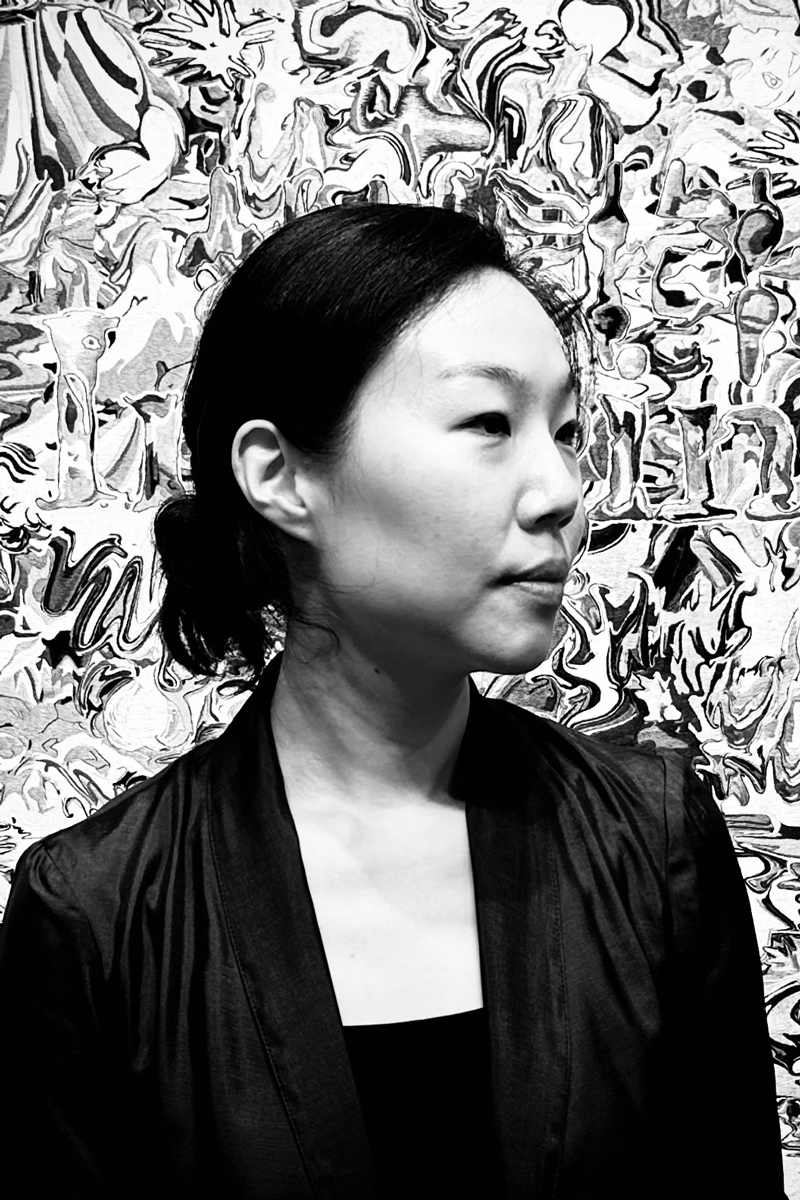
Sohl Lee serves as Associate Professor in the Department of Art History and Criticism at Stony Brook University, specializing in Contemporary East Asian Art and Visual Culture, Critical Theory and Globalization, and Curatorial Studies. Holding a Ph.D. from the University of Rochester since 2014, she contributes significantly to the academic community through teaching and research. Her educational background features: Ph.D. in Visual and Cultural Studies from the University of Rochester (2014) Professor Lee's research explores modern and contemporary East Asian art through interdisciplinary lenses including aesthetics of politics, activist art, vernacular modernism, postcolonial theory, and historiography. Her scholarship appears in prominent journals such as Yishu: Journal for Contemporary Chinese Art , Art Journal , and InVisible Culture , establishing her as a leading voice in global art discourse. Her publication trajectory reveals consistent engagement with democracy, ecological consciousness, and Cold War legacies across East Asian contexts. Key thematic threads include the intersection of art and political movements, ecological thinking in Korean contemporary art, and visual representations of national division—demonstrating how artistic practices navigate complex socio-political landscapes. Dr. Lee's scholarly contributions have been recognized through competitive fellowships: Social Sciences Research Council Fellowship Korea Foundation Fellowship Susan B. Anthony Institute of Gender and Women Studies Fellowship She actively shapes student learning through undergraduate courses including 'Art and the City,' 'Modern and Contemporary Korean Art,' and 'Social Engagement and Publicness in East Asia.' Her curatorial practice extends academic work into public spheres through exhibitions mounted in both the United States and South Korea, bridging theoretical frameworks with tangible cultural production.
Professor Catherine Allerton is a faculty member in the Department of Anthropology at the London School of Economics and Political Science (LSE). She specializes in the materialities and mobilities of everyday life, with a focus on place, kinship, childhood, migration, and temporalities in island Southeast Asia. Her fieldwork spans a two-placed village in Flores, Indonesia, and Kota Kinabalu, Sabah, East Malaysia. Her research emphasizes interdisciplinary ethnographic methods, particularly involving child participants to challenge adult-centric approaches. She launched the 'Childhood in the Migrant City' exhibition using child-taken photographs from her ESRC-sponsored research. Current projects include exploring discordant temporalities between migration systems and childhood development, as well as completing a book manuscript on moral economies of belonging. Key research interests include the social and political dimensions of landscapes, the anthropology of children, and the impacts of legal status on marginalized youth. She teaches an LSE course on 'Children and Youth in Contemporary Ethnography' and actively supervises PhD students focusing on childhood, migration, citizenship, and Southeast Asian studies. Her work addresses exclusionary practices tied to race, religion, and legal frameworks in Malaysia and Indonesia. Languages spoken include Bahasa Manggarai, English, Indonesian, and Malay. No part-time status is mentioned, indicating full-time faculty commitment.
Karyn Moffatt is an Associate Professor in the School of Information Studies at McGill University and holds the Canada Research Chair in Inclusive Social Computing. As Graduate Program Director for the PhD program, she leads the Accessible Computing Technologies Research Group (ACT Lab), focusing on designing inclusive computing applications that support social engagement across diverse lifespans and abilities. Her work bridges human-computer interaction, accessibility research, and real-world community impact. Educational background: PhD in Computer Science, University of British Columbia MSc in Computer Science, University of British Columbia BASc in Computer Engineering, University of British Columbia Research Interests: Dr. Moffatt's work centers on inclusive social computing with emphases on aging populations , disability access , and intergenerational communication . She investigates how technology can overcome barriers to social participation through co-design methodologies, particularly for older adults and individuals with cognitive or physical disabilities. Current projects explore AI-enhanced aging support, dementia-friendly social platforms, accessible financial technology, and respite care coordination systems. Her approach integrates participatory design with rigorous usability testing to create solutions that address real-world challenges in healthcare, finance, and community engagement. Publication Trends: Analysis of her 15 most recent publications reveals consistent focus on aging and accessibility (60% of works), with growing emphasis on AI ethics (2025), dementia support systems (30% of 2023-2024 works), and accessible financial technology (2024). Methodologically, 75% employ co-design or participatory approaches, while 40% involve longitudinal field studies. Key venues include CHI (33%), ASSETS (20%), and ACM Transactions on Accessible Computing (27%), demonstrating leadership in top-tier HCI and accessibility forums. Scientific Awards: Multiple Best Paper Awards from ASSETS, CHI, and CSCW conferences Canada Research Chair in Inclusive Social Computing Advising and Grants: Dr. Moffatt currently supervises PhD candidates Chong Hu and Muhe Yang, having graduated four students since 2022 including Maurício Fontana De Vargas (2023) and Carrie Dai (2023). Her active grants include: NSERC Discovery Grant (2024-2029) as PI: Ethical AI for active aging Canada Research Chair renewal (2022-2027) as PI McGill Nursing Collaborative grant (2023-2025) as Co-I: iRespite mHealth app for palliative care Labs and Teams: She directs the ACT Lab, which partners with healthcare providers, public libraries, and community organizations to develop and deploy inclusive technologies. Current initiatives include the QuickPic AAC system for speech therapy, dementia-focused social programs with Montreal libraries, and Quebec-wide respite care coordination tools, all developed through interdisciplinary collaboration with clinicians, caregivers, and end-users.
Paschalis Vassilios is an Assistant Professor at the Department of Visual Arts and Art Sciences, University of Ioannina. He serves as the Laboratory Manager for the Animation Workshop-3D Animation, contributing to multimedia research and education with expertise in drawing, sketching, 3D animation, and digital imaging. His contact details include the email vpaskalis@yahoo.gr and a direct line at 26510-05923.
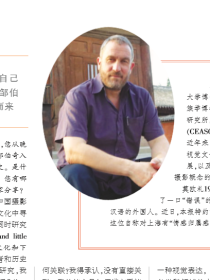
O.J. (Oliver) Moore is a Professor and Chair of Chinese Language & Culture at the University of Groningen's Faculty of Arts. His expertise spans Art History of China, early/modern Chinese history, archaeology, and material culture. He holds a PhD from Cambridge University and has held roles at Leiden University, the British Museum, and Kyoto University. His research integrates historical, technical, and aesthetic aspects of Chinese art and culture, with a focus on photography, printing systems, and classical texts. Education: Studied Chinese at London University (SOAS) and Fudan University (Shanghai), PhD at Cambridge on Tang Dynasty civil service recruitment rituals. Teaching includes modern Chinese language, East Asian art/media, and thesis writing. He supervises PhD projects on Chinese art collecting in the Netherlands and collaborates internationally on courses like 'Chinese Gardens in Europe.' Key publications: Photography in China: Science, Commerce and Communication (2022), translations of Tang-era texts, and studies on Tang art and archaeology. Research emphasizes demystifying Chinese culture through translation and cross-disciplinary approaches. Past roles include Curator at the Netherlands Museum of Ethnology and Visiting Professor at Kyoto University.
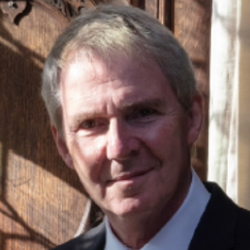
Professor Sir Nigel Shadbolt is Principal of Jesus College Oxford and Professor of Computing Science at the University of Oxford. He is Chairman and Co-founder of the Open Data Institute which he established with Sir Tim Berners-Lee. His career spans multiple prestigious institutions including the University of Southampton and University of Nottingham, where he held leadership roles in AI research. He has served in significant government advisory positions including as Information Advisor to the UK Prime Minister and member of the Public Sector Transparency Board. Nigel Shadbolt earned his undergraduate degree in Philosophy and Psychology from the University of Newcastle (1st Class Honours, 1978) followed by a PhD in Artificial Intelligence from the University of Edinburgh. His academic journey includes positions as the Allan Standen Professor of Intelligent Systems at Nottingham and leadership of the Web and Internet Science Group at Southampton before joining Oxford. Shadbolt's research spans the interdisciplinary field of Web Science, which he helped originate, focusing on human-centered AI, social machines, open data, and ethical considerations in technology. His work examines how humans and computers integrate at web scale to create novel applications, with recent emphasis on children's digital autonomy and privacy. He has published over 500 articles exploring topics from cognitive psychology to computational neuroscience, Artificial Intelligence to the Semantic Web. His notable contributions include the development of data.gov.uk and leadership in establishing Oxford's Institute of Ethics in AI. His 2018 book 'The Digital Ape: how to live (in peace) with smart machines' has been described as a 'landmark book' in the field. Knighted in 2013 for services to science and engineering Fellow of The Royal Society (FRS) Fellow of the Royal Academy of Engineering (FREng) Fellow of the British Computer Society (FBCS) Technology Pioneer status by the Davos World Economic Forum UK national BT Flagship IT Award As an advisor, Shadbolt has supervised numerous PhD students who have gone on to positions at Google DeepMind, the World Bank, and other prestigious institutions. His research has been supported by multiple grants including SOCIAM, KOALA, and ReTiPS projects. He co-founded Garlik Ltd, which was acquired by Experian, demonstrating his commitment to translating research into practical applications that benefit society. Shadbolt leads the Web and Internet Science research group at Oxford, focusing on social machines - applications that succeed at web scale by integrating humans and computers in novel ways. His work on the KOALA Hero Toolkit and CHAITok system addresses critical challenges in children's data autonomy on social media platforms, reflecting his commitment to ethical technology design.
Dr. Konstantinos Kalantzis is a Lecturer in Anthropology and Visual Culture at the Department of Anthropology, University College London (UCL). His academic journey includes a PhD in Anthropology from UCL (2010), an MSc in Visual Anthropology from the University of Oxford (2005), and a BA in History from the University of Crete (2004). He also serves as an Honorary Research Fellow at UCL. PhD in Anthropology, UCL (2010) MSc in Visual Anthropology, University of Oxford (2005) BA in History, University of Crete (2004) Kalantzis specializes in the intersection of visual culture, anthropology, and political imagination, with a focus on Greece and the Mediterranean. His research explores colonialism/postcolonialism, photography, ethnographic film, materiality, psychoanalysis, and rural societies. He has contributed to critical debates on crisis representation, Occidentalism, and the role of photography in documenting social imaginaries. His publications span ethnographic books, journal articles, and exhibitions, including Tradition in the Frame (2019) and the Citizens of Photography series (2021–2022). Recent work like "The Indigenous Sublime" (2023) and "Slippery Delight" (2022) examines visual ambiguity and pleasure in crisis contexts, while earlier articles analyze the debt crisis, tourism, and ethnographic film. He has received an ERC grant for the Citizens of Photography project, which investigates the camera's role in political imagination. His publications frequently address themes of displacement, crisis, and cultural representation through visual methods.