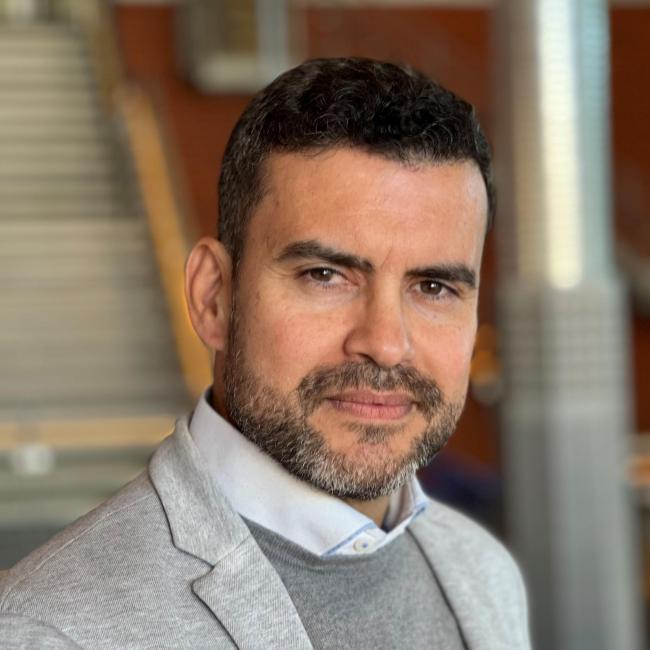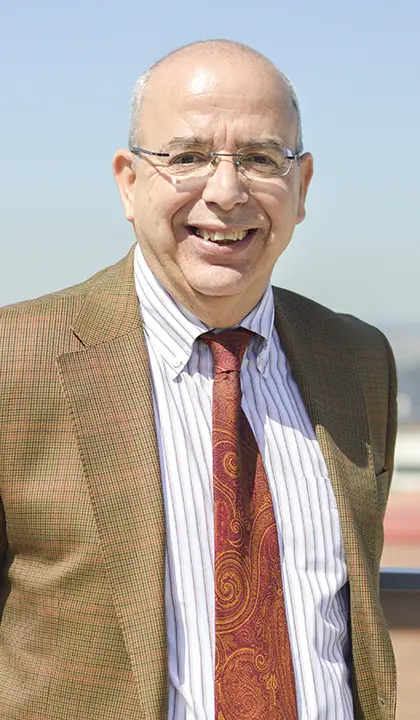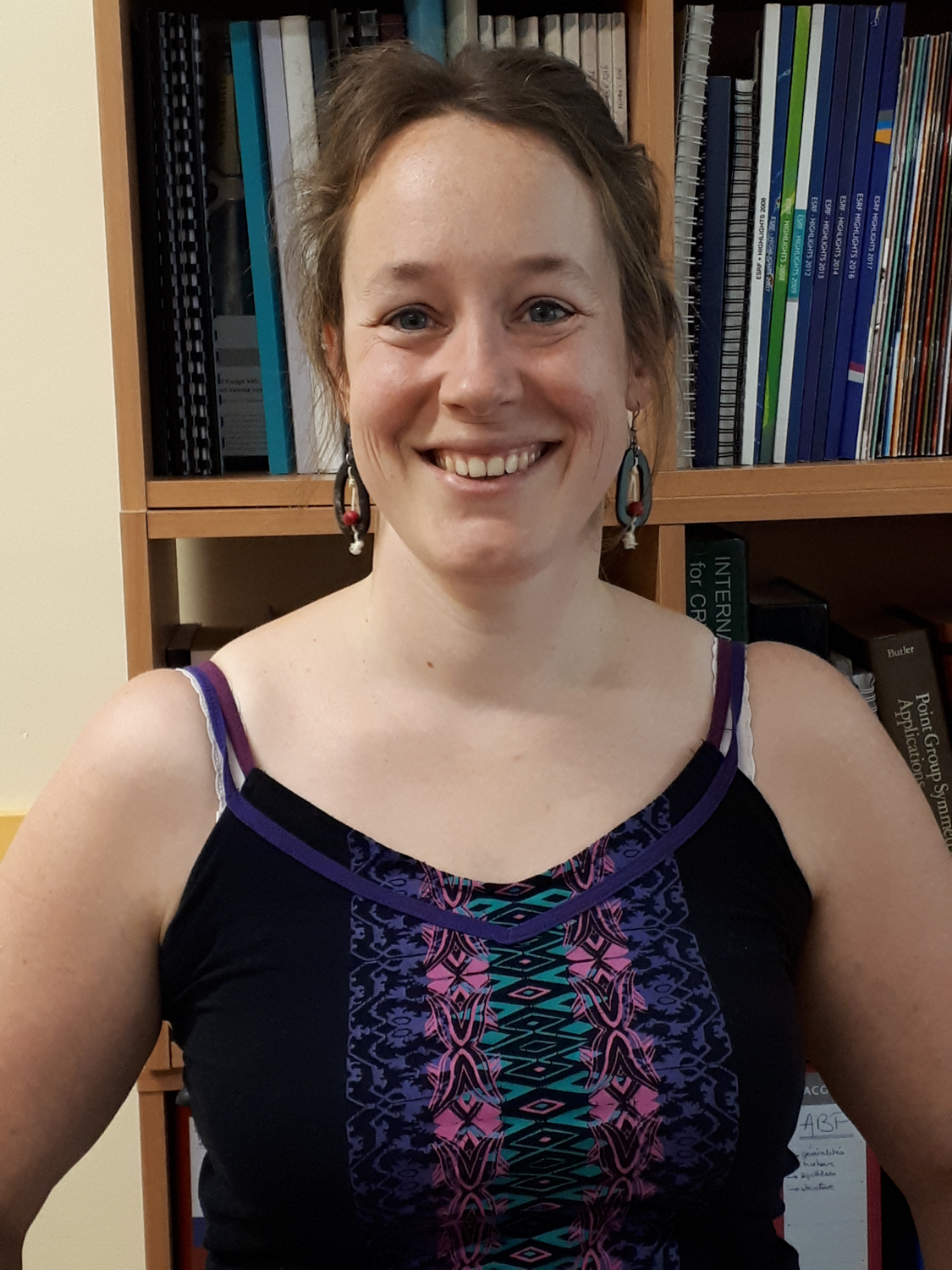
Axel Mellinger is a Professor in the Department of Physics at Central Michigan University, within the College of Science and Technology. His research focuses on electret polymers and ferroelectrets, with applications in sensors, actuators, and energy harvesting. He also maintains a strong interest in astrophotography, particularly wide-field panoramic imaging of the Milky Way. Habilitation, Department of Physics, University of Potsdam, 2005 Ph.D., Physics, Max-Planck Institut für extraterrestrische Physik, 1995 Physics Diploma, Technische Universität München, 1992 His research interests include ferroelectret polymers , non-destructive 3D space-charge and polarization tomography , polymer-dispersed liquid crystals , and microscopic charge storage mechanisms . His astrophotography work has been featured on NASA's Astronomy Picture of the Day and includes a published star atlas. The 15 most recent publications reflect a strong trend in materials science and polymer physics, with recurring themes in dielectric barrier discharges, space-charge mapping, and the development of novel ferroelectric and piezoelectric materials. His work bridges fundamental physics with practical applications in sensing and energy. Outstanding Service Award, College of Science and Technology, CMU (2011) IEEE Senior Member (2009) Best Paper Award, German IEEE Instrumentation and Measurements chapter (2006) ITG Award for review article (2004) Alfred Eisenstaedt Award Runner-Up (2000) DFG Fellowship (1996-1997) Studienstiftung des deutschen Volkes Scholarship (1987-1992) Mellinger has advised numerous students, evident from co-authorships on publications and conference presentations. He has secured research support for projects on ferroelectrets and space-charge tomography. He is a member of the PICUP community, integrating computational methods into undergraduate physics education using Jupyter tools. He leads the Mellinger Lab, focused on electret and ferroelectret research. His team employs techniques such as thermal pulse tomography, dielectric spectroscopy, and finite element modeling. He collaborates with researchers at the University of Potsdam and other institutions.