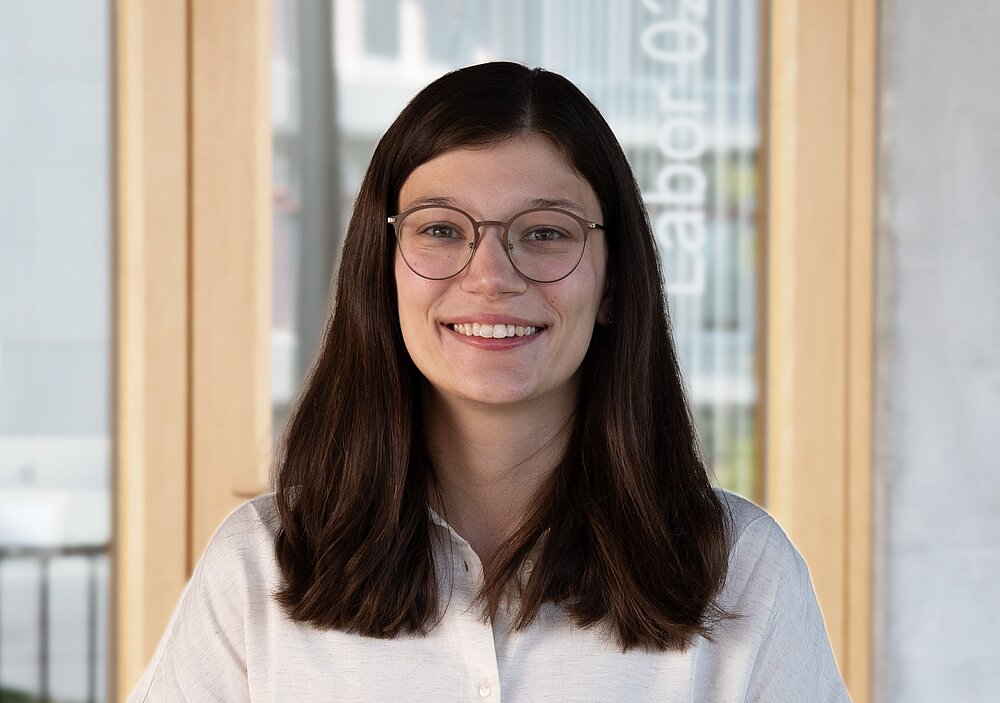
Gabriele Hierlmeier serves as Junior Professor for Inorganic Molecular Chemistry and Catalysis at the Institute of Inorganic Chemistry, Julius-Maximilians-Universität Würzburg (JMU Würzburg). Her research group, established in 2023, focuses on organometallic chemistry to develop new synthetic methods with particular emphasis on sustainability. The laboratory is located at Am Hubland, 97074 Würzburg, with office space in Building C2 at Hubland South. Dr. Hierlmeier's research interests center around synthetic organometallic chemistry in the context of homogeneous catalysis. Her group develops solutions for synthetic chemistry through rational design of ligands, organometallic complexes, and methods with applications in efficient syntheses of pharmaceuticals or specialty chemicals. Fundamental studies on organometallic reactions enable novel catalytic transformations relevant to sustainable chemistry, with particular focus on studying mechanisms of catalytic transformations and properties of new compounds to guide development of more active and selective catalysts. The research group's publication record shows consistent output in high-impact journals, with a clear thematic focus on organometallic synthesis, catalytic transformations, and reaction mechanisms. The work spans multiple transition metals including titanium, molybdenum, cobalt, and nickel, with particular attention to phosphorus-containing ligands and complexes. Recent publications demonstrate increasing sophistication in mechanistic understanding and application of photoredox chemistry. Chemical Industry Fund (FCI) material allowance grant (2023) Dr. Hierlmeier actively mentors students at all levels, with multiple Master's theses, Bachelor's theses, and research internships conducted under her supervision. Her group includes PhD students, postdoctoral researchers, and numerous undergraduate researchers. The laboratory is equipped for handling air- and moisture-sensitive chemicals using Schlenk-line and Glovebox techniques, and features characterization capabilities including NMR, EPR, UV/Vis, and IR spectroscopies, single-crystal X-ray diffraction, and computational methods. The Hierlmeier Group maintains an active research program with regular presentations at national and international conferences, including the coordination chemistry meeting (KCT) in Münster. The group participates in outreach activities such as Girls' Day events to introduce young women to chemistry research.