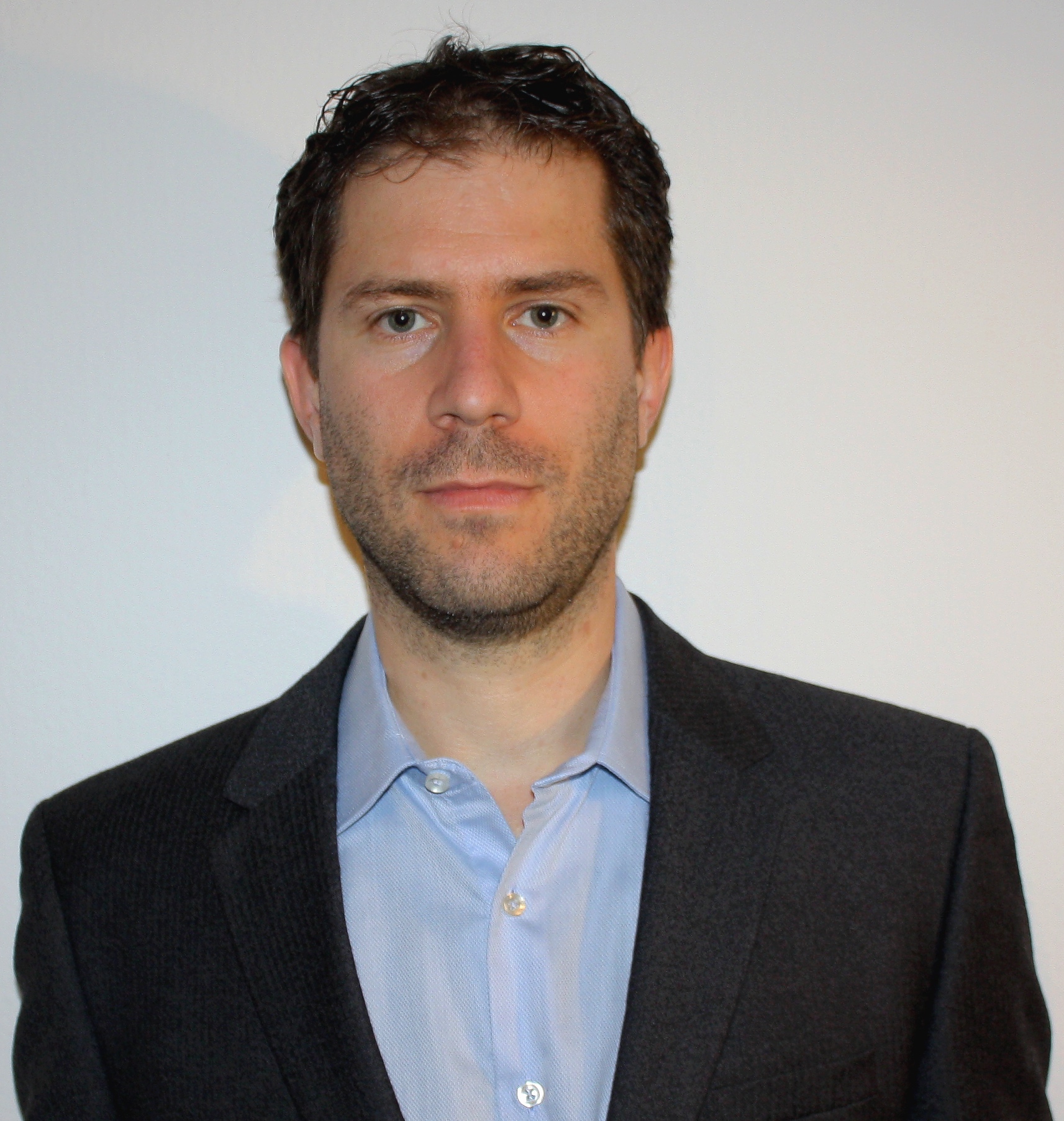
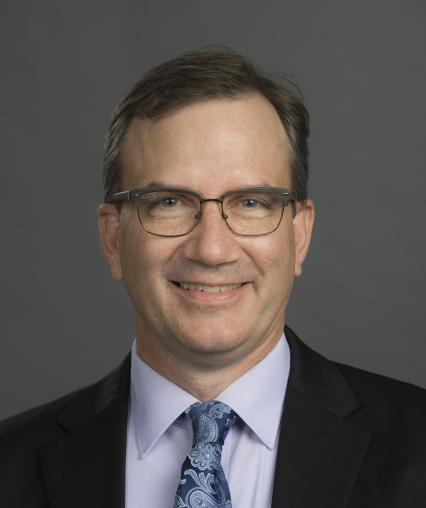
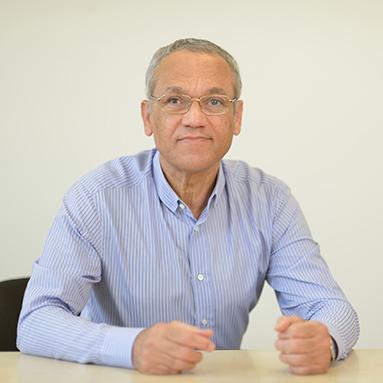
Hau-Tieng Wu is a Professor in the Department of Mathematics at the Courant Institute of Mathematical Sciences, New York University. Originally from Kaohsiung, Taiwan, he holds an MD from National Yang-Ming University (2003) and a PhD in Mathematics from Princeton University (2011). His research focuses on developing mathematical foundations for biomedical signal analysis, particularly in high-frequency and heterogeneous physiological signals such as ECG, EEG, and PPG. He leads the MISTA Lab, which bridges theoretical advancements with clinical applications in areas like sleep dynamics, surgical monitoring, and wearable device data analysis. Key academic roles include tenured positions at Duke University (2017–2023) and the University of Toronto (2014–2017). Notable awards include the Sloan Research Fellowship (2015) and PIMS Early Career Award (2017). His lab actively collaborates with physicians and engineers to advance interpretable medical AI systems. Research interests span nonlinear time-frequency analysis, manifold learning, and spatiotemporal data processing. Over 100+ journal publications and 10 conference proceedings highlight contributions to signal processing theory and clinical applications. The lab is recruiting PhD students/postdocs with backgrounds in applied math, statistics, or biomedical engineering.
Prof. Dr. Raphael Sznitman serves as Director of the ARTORG Center for Biomedical Engineering Research and Head of the Artificial Intelligence in Medical Imaging group at the University of Bern, Switzerland, holding a Full Professor position in AI for Medical Imaging since 2015. Education: PhD in Computer Science, Johns Hopkins University (2011) MSc in Computer Science, Johns Hopkins University (2009) BSc in Cognitive Systems, University of British Columbia (2007) Research Interests: Sznitman's work centers on computational vision , probabilistic methods , and statistical learning applied to medical imaging challenges. His group develops AI algorithms for ophthalmic diagnostics, surgical robotics, and medical image analysis, with emphasis on OCT, surgical phase recognition, and domain adaptation techniques. Key application areas include retinal disease detection and cataract surgery automation. Publication Trends: His 2021-2025 publications reveal concentrated efforts in deep learning for medical imaging , particularly in ophthalmology (OCT analysis) and surgical video understanding. Emerging themes include LLM applications for clinical monitoring, unsupervised out-of-distribution detection for surgical safety, and physics-informed AI for multimodal medical data fusion. Research Leadership: As ARTORG Center Director, Sznitman oversees interdisciplinary research bridging computer science and clinical medicine. His group collaborates extensively with Bern University Hospital clinicians on translational projects, securing funding for AI-driven diagnostic tools and surgical assistance systems. Current initiatives focus on real-time intraoperative guidance and spaceflight ophthalmology applications. Laboratory: The Artificial Intelligence in Medical Imaging group operates within ARTORG's dedicated facilities, maintaining partnerships with surgical robotics labs and ophthalmology departments for clinical validation of AI systems. Their work integrates multimodal data streams including OCT, VR perimetry, and surgical video feeds.
Raphael Franzini serves as Associate Professor of Medicinal Chemistry at the University of Utah, actively contributing to the Biological Chemistry PhD Program. His research pioneers innovative chemical approaches for therapeutic development, with dual focus on DNA-encoded library technologies and bioorthogonal drug delivery systems. His educational foundation includes an M.S. from the Swiss Federal Institute of Technology (Lausanne) and a Ph.D. from Stanford University. This training underpins his group's multidisciplinary methodology combining organic synthesis, bioconjugation, computational modeling, and advanced imaging techniques. Dr. Franzini's research program centers on two transformative areas: First, advancing DNA-encoded library screening through computational integration to identify leads for challenging targets like Tankyrase and Sirtuin 6, with recent work addressing false negatives in machine learning prediction. Second, developing novel bioorthogonal release chemistry using isonitrile-tetrazine reactions for spatiotemporally controlled drug activation, validated in zebrafish models. His group emphasizes both technological innovation and therapeutic translation, with chemistry designed to minimize off-target effects in solid tumors. Analysis of his 15 most recent publications reveals escalating integration of computational methods with experimental library screening, alongside refinement of bioorthogonal release kinetics. The work spans chemical biology, medicinal chemistry, and pharmaceutical sciences, with growing emphasis on machine learning for library data interpretation and in vivo validation of drug-release systems. Dr. Franzini maintains an active research laboratory that provides comprehensive training in cutting-edge drug discovery methodologies. His group culture prioritizes both scientific innovation and researcher development, with projects spanning from fundamental reaction kinetics to therapeutic applications. The lab's infrastructure supports organic synthesis, molecular imaging, and computational analysis for advancing precision therapeutics.
Frederick A. A. Kingdom is a Professor in the Department of Ophthalmology at McGill University's Faculty of Medicine, focusing on Perception, Cognition and Cognitive Neuroscience . His research explores the interplay between early visual feature detection (edges, bars) and intermediate stages forming contours, textures, and surfaces through spatial vision, color vision, stereopsis, texture perception, brightness/lightness perception, and transparency studies . Email: fred.kingdom@mcgill.ca Key research domains include: Perceptual Mechanisms : Lateral inhibition, contrast normalization, spatial bandpass filters, and their role in brightness/lightness perception and illusions like simultaneous brightness contrast. Color Vision : Red-green vs blue-yellow system distribution, chromatic contrast requirements for stereopsis, color-based depth processing limitations, and color-shading effects that parse surfaces vs illumination. Texture Analysis : Detection thresholds for orientation/frequency/contrast modulated textures, co-circularity in texture perception, and texture statistical sensitivity (e.g., kurtosis importance). Shape Processing : Shape-frequency/shape-amplitude aftereffects, global vs local shape coding, and contour inflection adaptation. His work combines psychophysics , fMRI , image processing , and computational modeling to dissect visual system architecture, particularly how color and luminance signals are integrated/separated in early cortical processing.
Professor Gregor Verbic is a faculty member at the University of Sydney in the School of Electrical and Computer Engineering , where he serves as Director of the Centre for Future Energy Networks . Previously, he held an assistant professor position at the University of Ljubljana and was a NATO-NSERC Postdoctoral Fellow at the University of Waterloo. His career spans academic research, industry leadership as Head of Interenergo's Investment Department, and extensive collaboration with IEEE. PhD in Electrical Engineering (University of Ljubljana) Senior IEEE Member Research Interests focus on transforming power systems to zero-carbon grids through: Aggregation and control of distributed energy resources (DERs) Frequency control with wind generation and electric vehicles Stochastic optimization for multi-energy systems Smart home energy management with phase change materials Notable Contributions include: 2006 IEEE prize paper for voltage instability prediction 2010-2024: 15 recent publications on DER coordination, network tariffs, and low-inertia grid stability Teaching includes courses on: ELEC3203/ELEC9203: Electricity Networks ELEC5213: Engineering Optimisation ELEC5206: Sustainable Energy Systems Labs & Initiatives Centre for Future Energy Networks The Net Zero Institute
Sahar Pirooz Azad is an Assistant Professor in the Department of Electrical and Computer Engineering at the University of Waterloo. She holds a PEng designation and specializes in power systems engineering, particularly in HVDC systems and grid stability. Previously, she served as an Assistant Professor at the University of Alberta (2015–2017) and conducted postdoctoral research at the University of Toronto’s CAPE Centre and KU Leuven in Belgium. Her research focuses on enhancing power grid stability through advanced control schemes for HVDC grids, converter modeling, and fault protection mechanisms. Dr. Azad’s work addresses challenges in multi-terminal HVDC systems, offshore wind grid integration, and multi-vendor system compatibility. She has taught courses like Power System Protection and Relaying (ECE 765) and Electromechanical Energy Conversion (ECE 260), reflecting her expertise in both theoretical and applied electrical engineering. Her recent publications emphasize innovative protection schemes for HVDC grids, fault detection algorithms using signal processing (e.g., Hilbert-Huang Transform), and robust controller designs for multi-vendor VSC systems. These contributions aim to improve grid reliability, fault resilience, and renewable energy integration efficiency. Dr. Azad is actively recruiting graduate students and holds Sole-Supervisory Privilege Status (SSPS) at Waterloo. Her research has been supported by European Commission-funded projects like MEDOW and leverages interdisciplinary approaches to tackle modern grid challenges.
Dr. Jacques Archambault is a Professor in the Department of Microbiology and Immunology at McGill University , and an associate member of the Division of Experimental Medicine since 2016. His research focuses on the molecular biology and pathogenesis of human papillomaviruses (HPVs) and polyomaviruses (HPyVs), with an emphasis on their replication mechanisms as episomes in host cells. The Archambault laboratory employs functional genomics, proteomics, and chemical biology approaches to identify cellular pathways exploited by these viruses and develop high-throughput assays for screening small molecule inhibitors of viral replication. Analysis of his recent publications reveals a strong focus on HPV and HPyV replication machinery, including studies on the E1 helicase, UAF1-USP1 interactions, and structural characterization of viral proteins involved in DNA replication. His work bridges virology, oncology, and drug discovery, particularly targeting oncogenic HPV types implicated in anogenital and oropharyngeal cancers, as well as HPyVs like BKPyV and JCPyV that cause pathologies in immunosuppressed patients. Current efforts in the lab aim to elucidate the molecular mechanisms by which HPVs and HPyVs replicate their genomes and to develop antiviral therapies targeting these processes. Techniques such as fluorescence anisotropy, NMR spectroscopy, and crystallography are frequently employed to study protein-DNA and protein-protein interactions critical to viral replication.
Dr. Jerry K. Hoepner serves as Professor and Assistant Chair in the Department of Communication Sciences and Disorders at the University of Wisconsin - Eau Claire's College of Health and Human Sciences, where he has taught full-time since 2007 after beginning part-time in 2003. His roles include Student Engagement Coordinator and CSD Ambassadors Advisor, with clinical supervision remaining integral to his work. His educational foundation includes a Ph.D. in Communication Sciences and Disorders from the University of Wisconsin - Madison, an M.S. in Communication Sciences and Disorders from UWEC, a B.S. in Psychology from Minnesota State University - Mankato, and an A.A. from Bethany Lutheran College. He holds ASHA Certification (CCC-SLP) and Wisconsin State Licensure. Dr. Hoepner's research pioneers video self-modeling interventions, counseling methodologies, and healthcare perceptions for individuals with acquired cognitive-communication disorders, particularly traumatic brain injury (TBI) and aphasia. His innovative work encompasses the Chippewa Valley Aphasia Camp, Thursday Night Poets collective, and TBIconneCT/FUNconneCT social communication interventions. As co-founder of ASHA SIG20 for Counseling in CSD and the UWEC CSD SoTL Lab, he bridges scholarship with clinical practice while editing Teaching and Learning in Communication Sciences and Disorders . His publication trajectory reveals intensifying focus on qualitative analysis of patient experiences, project-based rehabilitation techniques, and counseling integration within SLP practice, with recent work examining poetry interventions, telehealth delivery, and sociolinguistic assessment frameworks. His distinguished recognition includes: ASHA Fellow designation (2021) UW System Regent's Teaching Excellence Award (2020) CAPCSD Distinguished Contribution Award (2023) Aphasia Access President's Award (2023) Multiple mentoring and scholarly honors Dr. Hoepner has mentored countless undergraduate research projects and graduate committees while securing federal TBI grants. His clinical leadership extends through Aphasia Access podcast contributions and statewide intervention programs that transform rehabilitation paradigms. His laboratory initiatives—including the SoTL Lab and project-based brain injury groups—embody his commitment to experiential learning, where students engage in camp immersion, clinical apprenticeships, and community-driven research that reshapes neurorehabilitation practices.
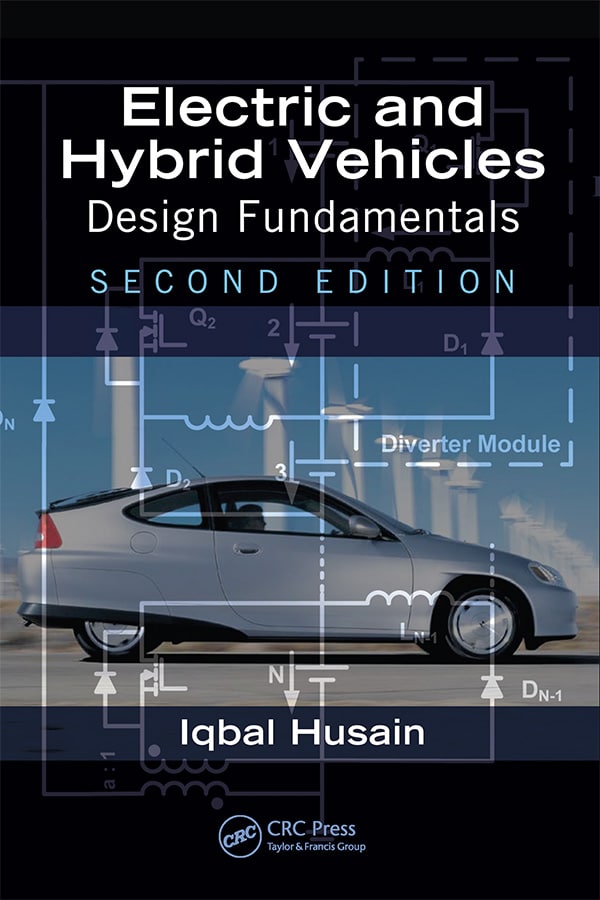
Dr. Iqbal Husain is the Director of the FREEDM Center and an ABB Distinguished Professor in the Department of Electrical and Computer Engineering at North Carolina State University. Previously, he served at the University of Akron for 17 years before joining NC State. He holds a Ph.D. (1993), M.S. (1989), and B.S. (1987) in Electrical Engineering from Texas A&M University and Bangladesh University of Engineering and Technology, respectively. His research focuses on power electronics, electric drives, and renewable energy systems, with applications in transportation, automotive, and aerospace. Notable contributions include advancements in electric machine design, inverter controls, and grid synchronization. He authored the textbook *Electric and Hybrid Vehicles: Design Fundamentals*, now in its third edition. Dr. Husain’s awards include the NSF CAREER Award (1997), SAE Vincent Bendix Award (2006), and IEEE Fellow (2009). His recent work includes developing AI-enabled tools for power grid cybersecurity and medium-voltage solid-state transformers for EV fast charging. He leads interdisciplinary projects at the FREEDM Systems Center, addressing challenges in clean energy and smart grid technologies.
Pavel Etingof is Professor of Mathematics at the Massachusetts Institute of Technology (MIT), Department of Mathematics, where he has been a distinguished faculty member for many years. He serves as the Chief Research Adviser of MIT-PRIMES, an all-year high school math research program that provides exceptional research opportunities for talented high school students. Additionally, he holds the prestigious position of Editor-in-Chief of Selecta Mathematica. Professor Etingof's research spans multiple advanced areas of pure mathematics with a particular focus on representation theory, tensor categories, Lie algebras, Hecke algebras, and algebraic structures. His work consistently bridges algebra, geometry, and mathematical physics, revealing deep connections between abstract algebraic structures and physical phenomena. His research has evolved to increasingly explore tensor categories in positive characteristic, connections between representation theory and fractal structures, and applications to quantum field theory. His recent publications (2021-2025) demonstrate continued productivity and innovation, with numerous papers on tensor categories in various characteristics, representation theory of Lie groups, and connections to mathematical physics. These works show sophisticated exploration of representation theory in prime characteristic, novel applications to quantum field theory, and deep investigations into the structure of tensor categories. Editor-in-Chief of Selecta Mathematica Chief Research Adviser of MIT-PRIMES Professor Etingof has mentored numerous Ph.D. students at MIT and other institutions, establishing a significant mathematical genealogy in representation theory. His teaching includes advanced courses on algebraic groups, Lie theory, representation theory, and specialized topics. He has also co-organized many student seminars on cutting-edge mathematical topics including Deligne categories, symplectic reflection algebras, quantum cohomology, and double affine Hecke algebras, fostering collaborative research environments for students and colleagues.
Crystal Noel is an Assistant Professor at Duke University in the Pratt School of Engineering and Trinity College of Arts & Sciences , with appointments in both the Department of Electrical and Computer Engineering and Physics since 2022. She is also a Member of the Duke Quantum Center since 2024. Ph.D. in Electrical and Computer Engineering from University of California, Berkeley (2019) B.S. in Massachusetts Institute of Technology (2013) Her research focuses on quantum computing and simulation with trapped ions , integrated photonics for scalable trapped ion systems , and electric-field noise from surfaces . Recent work includes developing non-invasive mid-circuit measurement techniques, sympathetic cooling for ion chains, and cross-platform quantum state comparison. She has secured significant grants from National Science Foundation , Rochester Institute of Technology , and Defense Advanced Research Projects Agency for quantum co-design and networking projects. Her lab ( Noel Lab ) explores scalable quantum computing architectures and surface noise mitigation. She teaches courses ranging from foundational Fields and Waves: Fundamentals of Information Propagation to advanced topics in Quantum Engineering with Atoms and Advanced Topics in Electrical and Computer Engineering .
Professor Arcot Sowmya is a distinguished academic at the University of New South Wales, serving as Professor in the School of Computer Science and Engineering. With a strong background in both computer science and mathematics, she has established herself as a leading researcher in machine learning and computer vision applications, particularly in medical imaging and diagnostics. Dr. Sowmya earned her PhD in Computer Science from the Indian Institute of Technology, Bombay, along with an MTech in Computer Science, MSc in Mathematics, and BSc in Mathematics from the same institution. Her academic journey has positioned her at the intersection of theoretical computer science and practical medical applications. Her research interests span multiple domains with a primary focus on Machine Learning for Computer Vision . She has made significant contributions to learning object models, feature extraction, segmentation, and recognition techniques. Her work extends into medical image analysis, computer-aided diagnostics, high-resolution remote sensing, and biomedical informatics. More recently, she has applied similar techniques to social sciences domains, developing improved forecasting models for genocide and politicide. Her earlier work also includes contributions to real-time, concurrent, and embedded systems. Analyzing her recent publications reveals a strong trend toward medical applications of computer vision and deep learning. Her work spans from OCT-based glaucoma diagnosis to tumor segmentation, lung disease detection, and breast cancer prognosis. She has successfully bridged computer science with clinical medicine, developing practical tools for disease diagnosis and prediction that incorporate explainable AI approaches. Professor Sowmya's collaborative approach is evident in her extensive publication record across multiple journals and conferences. She has worked with researchers from diverse fields including ophthalmology, oncology, neurology, and public health, demonstrating the interdisciplinary nature of her research. Her laboratory work focuses on developing robust deep learning architectures for medical image analysis, with particular attention to segmentation networks, transformer models, and multimodal data fusion techniques. Her team has developed specialized networks for lung segmentation, tumor detection, and disease classification that address specific challenges in medical imaging.
Makhlouf M. Makhlouf is a Professor of Mechanical & Materials Engineering at Worcester Polytechnic Institute (WPI). He served as Director of the Advanced Casting Research Center (ACRC) from 1992 to 2015, leading it to become the world's leading foundry-industry consortium. His expertise spans physical metallurgy, materials processing, and nanocomposite development. He holds 5 US/European patents and has authored over 150 papers. Education : BS (High Honors), American University in Cairo, 1978 MS, Mechanical Engineering, New Mexico State University, 1980 PhD, Materials Science & Engineering, WPI, 1990 Research Interests : Makhlouf focuses on developing high-performance alloys (e.g., aluminum alloys for high-temperature applications), solidification processes, and metal-matrix nanocomposites via methods like RIGLI. His work integrates thermodynamics, kinetics, and heat/mass transfer modeling for materials engineering challenges. Articles Overview : His recent publications address topics like aluminum alloy precipitation strengthening (2017), gas-liquid synthesis of nanocomposites (2017), and casting process optimization (2017). These contributions emphasize practical applications in foundry and aerospace sectors. Grants & Advising : He has directed federally/non-federally funded projects, mentored 10 PhD students, 20 MS students, and 8 postdoctoral fellows. His work bridges academic research and industrial collaboration. Labs/Teams : He leads research through WPI's ACRC and collaborates with industry partners to advance foundry technologies and nanocomposite manufacturing.
Wan Shou is an Assistant Professor in the Department of Mechanical Engineering at the University of Arkansas. His research focuses on multiscale manufacturing, advanced materials, and functional devices, with applications in wearables, robotics, and sustainable technologies. Ph.D., Mechanical Engineering, Missouri University of Science and Technology M.S., Mechanical Engineering, University of Louisiana at Lafayette B.E., Textile Engineering, Tianjin Polytechnic University, China Dr. Shou’s research spans laser-based manufacturing , nanomanufacturing , machine learning-assisted processes , and bioresorbable electronics . He explores 3D printing of polymer and metal composites, energy materials , and functional textiles for wearable sensors and environmental applications. Recent publications highlight his work in additive manufacturing , computational design of composites, and self-powered sensing systems . His team integrates machine learning with materials discovery to optimize performance. Editor’s pick of Science Magazine US Patent 11,752,700: Data-driven material formulation US Patent 11,993,850: Laser-assisted nanoparticle printing Dr. Shou’s patents and publications reflect a commitment to innovative manufacturing and environmentally conscious design . His work bridges materials science , robotics , and smart systems , advancing energy and water technologies.
Clifford P. Brangwynne is the June K. Wu '92 Professor of Chemical and Biological Engineering and Bioengineering at Princeton University, serving as Director of the Omenn-Darling Bioengineering Institute. His research bridges biophysics, bioengineering, and cell biology to investigate the physical principles governing intracellular organization through liquid-liquid phase separation. Education Ph.D. in Applied Physics, Harvard University (2007) B.S. in Materials Science and Engineering (minor in Physics), Carnegie Mellon University (2001) Research Focus Brangwynne's lab pioneers the study of membrane-less organelles (biomolecular condensates) formed via phase separation, exploring their roles in nuclear architecture, genome regulation, and disease mechanisms. His work integrates soft matter physics with advanced cell biology to uncover how these condensates form, function, and contribute to pathological protein aggregation in neurodegenerative disorders, while developing synthetic organelle engineering for biomedical applications. Publication Trends His publications consistently demonstrate how liquid phase condensation governs cellular organization across scales—from nuclear genome restructuring to pathological aggregation. The interdisciplinary approach reveals fundamental physical principles while driving technological innovations in organelle engineering and disease modeling. Major Awards Breakthrough Prize for Life Sciences (2023) Raymond and Beverly Sackler International Prize in Biophysics (2023) Tsuneko & Reiji Okazaki Award (2021) Wiley Prize in Biomedical Sciences (2020) Blavatnik National Award in Life Sciences (2020) Human Frontier Science Program Nakasone Award (2020) Michael and Kate Bárány Award, Biophysical Society (2020) HHMI Transformative Technology Award (2019) MacArthur Fellow (2018) HHMI, Simons Foundation, and Bill & Melinda Gates Foundation Faculty Scholar (2016) SCB Gibco Emerging Leader Prize, American Society of Cell Biology (2015) Sloan Research Fellowship (2014) NSF CAREER Award (2013) NIH New Innovator Award (2012) Searle Scholar Award (2012) Helen Hay Whitney Fellow (2008-2010) Advising and Funding He mentors graduate students including Jordy Botello, Yi-Che (Eje) Chang, Yoonji Kim, Claire Weaver, Lennard Wiesner, and Jessica Zhao. Research is supported by HHMI, Simons Foundation, Bill & Melinda Gates Foundation, NIH, NSF, and the Human Frontier Science Program. Laboratory and Collaborations Leading the Soft Living Matter Group, Brangwynne collaborates with theorists including Mikko Haataja (Princeton Mechanical Engineering), Ned Wingreen (Princeton Molecular Biology), and Rohit Pappu (WUSTL), while contributing to the NIH 4D Nucleome Consortium to advance understanding of nuclear organization.