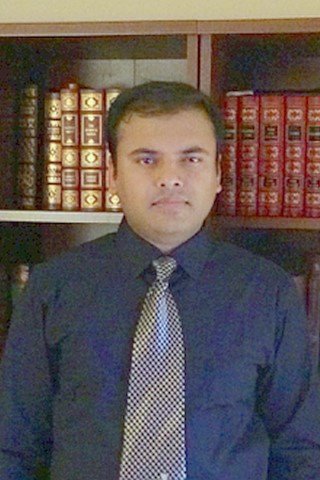
Ivor E McGillivray is a Lecturer in the School of Mathematics at the University of Bristol, holding an MA from the University of Edinburgh and a PhD from the University of Cambridge. His scholarly work sits at the intersection of probability, analysis and dynamics, and he publishes actively in both pure and applied mathematics. Education: M.A. (Edin.) – University of Edinburgh Ph.D. (Cantab.) – University of Cambridge His research interests revolve around isoperimetric inequalities , variational problems , and two-phase membrane phenomena , frequently drawing on measure-theoretic and functional-analytic techniques. A distinctive feature of his work is the application of geometric analysis to problems involving log-convex densities, Fermi metrics, and random-walk-related structures. Across his 16 research outputs, a clear trend emerges: rigorous mathematical analysis of optimization questions in geometric settings, often yielding sharp constants and uniqueness results. Tools such as Hilbert-space methods, supremum estimates, and weak-solution theory recur throughout his publications. Contact: maiemg@bristol.ac.uk
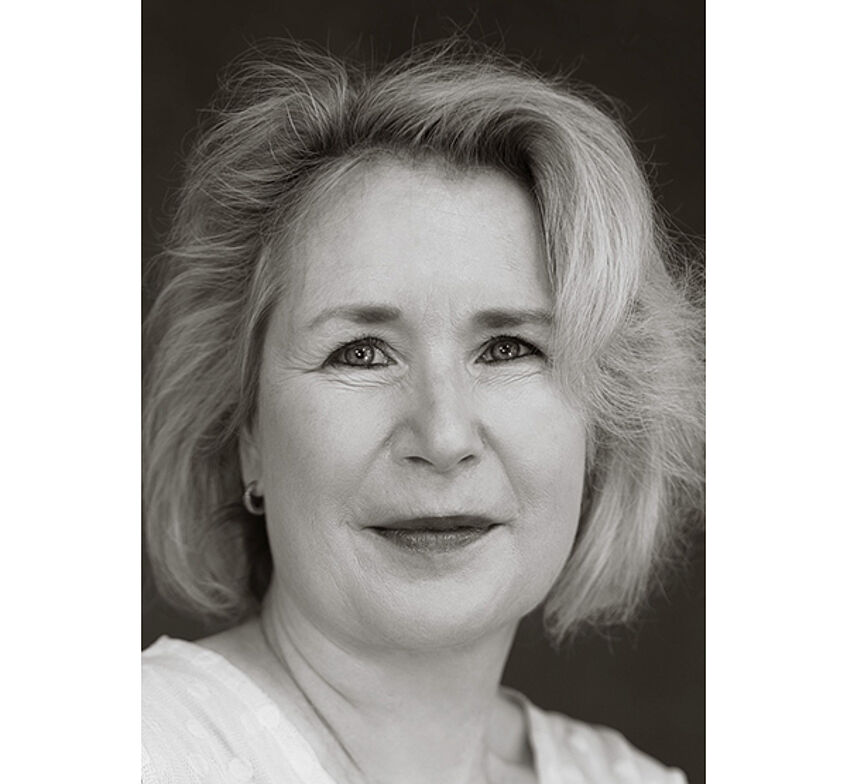
Marika Kieferova is a Senior Lecturer at the School of Computer Science, University of Technology Sydney (UTS), and a researcher at the UTS Centre for Quantum Software and Information (QSI). She previously held a postdoctoral position at UTS and earned her PhD in Physics and Astronomy from the University of Waterloo (2019) with a cotutelle from Macquarie University. Research Interests Her work spans quantum computing, quantum simulation, and quantum information theory. Key areas include developing quantum algorithms for Hamiltonian simulation, error mitigation strategies, and entanglement-induced optimization challenges in quantum neural networks. She explores non-Abelian anyon braiding, engineered dissipation for correlated states, and bound states of interacting photons in superconducting qubit arrays. Article Trends Her recent publications focus on quantum dynamics in many-body systems, error suppression techniques, and algorithmic advancements. Topics include phase transitions in random circuits, superdiffusive quantum transport, and randomized multi-product formulas for efficient simulation. These works highlight her contributions to quantum chemistry, topological quantum computing, and NISQ-era applications. Scientific Awards QIP Best Poster Award (2020) IQC Achievement Award (2019) Grants and Leadership She leads the QB-suite grant for quantum algorithm design (2024-2027) and contributes to defense quantum optimization projects (2021-2024). She serves as an associate editor for Quantum Science and Technology and participates in peer review for Physical Review A.
Arijit Raychowdhury is a Professor in the School of Electrical and Computer Engineering at Georgia Institute of Technology's College of Engineering. His research spans low power digital and mixed-signal circuit design, power converters, sensor systems, and circuit-device technology interactions, supported by over 80 publications and 25+ patents. He earned his PhD from Purdue University in 2007, receiving the College of Engineering Best Thesis Award and Dimitris N. Chorafas Award for doctoral research excellence. His work focuses on energy-efficient hardware for smart cameras, voice activity detection, and non-Boolean computing fabrics using emerging devices. Recent publications reveal strong trends in in-sensor analytics via compressed sensing, oscillator-based neuromorphic computing, and ultra-low power adaptive circuits for variation tolerance. His innovations bridge circuit design with machine learning and context-aware systems. Scientific awards include: Intel Labs Technical Contribution Award (2011) Best Paper Awards at ISLPED (2012, 2006) and IEEE Nanotechnology Conference (2003) SRC Technical Excellence Award (2005) Intel Foundation and NASA INAC Fellowships (2006, 2004) Dimitris N. Chorafas and Purdue Best Thesis Award (2007) He serves on Technical Program Committees for DAC, ICCAD, VLSI Symposium, and ISQED, and contributes as guest associate-editor for JETC while teaching specialized short courses globally.
Dr. Tsuyoshi Okubo is a Researcher at the Department of Physics, College of Science, University of Tokyo. His work focuses on quantum computing and theoretical physics applications. Research Interests: Quantum algorithms and computer architectures Tensor network methods for quantum field theory Quantum-enhanced ground state preparation Statistical mechanics in neural networks Prominent Research Trends: Recent publications highlight his work across four key areas: Developing quantum computer architectures with separated memory and processing units Applying tensor renormalization group techniques to lattice QCD simulations Advancing non-variational quantum algorithms for physical systems Exploring absorbing phase transitions in deep learning contexts
Niccolo Giannetti is currently an Associate Professor at Waseda University, affiliated with the Department of Applied Mechanics and Aerospace Engineering and the Waseda Institute for Advanced Study. His career spans roles including Assistant Professor at Waseda University (2017-2021) and Research Associate (2014-2017). Doctor of Engineering, Waseda University Professional Engineer, Association of Professional Engineers of Florence Giannetti's research focuses on thermal engineering and fluid dynamics , particularly in heat and mass transfer, thermodynamic optimization, and absorption/refrigeration systems. He explores microchannel heat exchangers , two-phase flow distribution , and genetic programming for system modeling . His work integrates machine learning for performance prediction and variational principles in entropy production analysis. His recent publications emphasize heat pump optimization , ANN-based HVAC monitoring , and sorption systems . Awards include recognition from JSRAE, Elsevier, and IIR. Giannetti contributes to international standards (ISO, IEA) and serves on conference committees (ISHPC, IIR). Key publications address flow maldistribution, void fraction modeling, and energy-efficient desiccant systems using ionic liquids.
Takuro Katsufuji is a Professor at the Department of Physics, School of Advanced Science and Engineering, Waseda University. His research focuses on strongly correlated electron systems , particularly in transition metal oxides, with expertise in magnetism , superconductivity , and orbital ordering . He has published extensively on phase transitions, electronic structure, and magnetotransport properties. Education: Doctor of Science (University of Tokyo, 1997), Physics major Professional Memberships: American Physical Society, Physical Society of Japan Research Interests span orbital degrees of freedom in transition metals, search for novel functional materials, and optical spectroscopy of correlated oxides. His work explores how charge, orbital, and spin interactions drive electronic phase transitions and thermoelectric behavior. Recent Publications (2022–2025) highlight his focus on: Photoinduced dynamics in titanates and vanadates Magnetoresistance mechanisms in doped tantalates Orbital-ordered phases in spinel and pseudobrookite structures Valence fluctuations in rare earth-transition metal oxides Strain-coupled electronic properties Methodologies include hard x-ray photoemission, Mössbauer spectroscopy, pump-probe reflectivity, and neutron diffraction. His studies often reveal interfacial energy effects, polaronic behavior, and dimensionality-driven transport anomalies.
Dr. Kiyoshi Saito is a distinguished Professor at Waseda University, Faculty of Science and Engineering, School of Fundamental Science and Engineering, specializing in Mechanical Engineering. He currently serves as President of the Japan Society of Refrigerating, Air-Conditioning Engineers (2023-present) and holds significant government advisory roles including Chairman of the Energy Saving Subcommittee at Japan's Ministry of Economy, Trade and Industry. His academic career spans over two decades at Waseda University, progressing from Research Associate (1996-1998) to Associate Professor (2002) and ultimately to Professor (2008-present), while also maintaining adjunct positions at the University of Indonesia (2014-present) and University of the Philippines (2011-present). Dr. Saito earned his Dr. Engineering degree from Waseda University in 1997, following his undergraduate studies in Mechanical Engineering at the same institution in 1992. His research focuses on thermal engineering, environmental engineering, energy saving technologies, decarbonization, and non-fossil energy conversion. His work bridges fundamental thermal science with practical applications in refrigeration, air conditioning, and heat pump systems, addressing critical challenges in energy efficiency and environmental sustainability. His recent publications demonstrate a strong emphasis on advanced thermal systems, with particular focus on two-phase flow phenomena, heat exchanger optimization, and innovative monitoring techniques using artificial intelligence. Dr. Saito's research integrates traditional thermal engineering principles with cutting-edge computational methods, including machine learning approaches for performance prediction and optimization of HVAC systems. His work on low-GWP refrigerants and next-generation heat exchanger designs reflects the industry's shift toward environmentally sustainable cooling technologies. Minister of Education, Culture, Sports, Science and Technology Award (2022) Multiple Waseda Research Awards (2020-2022) Japan Society of Mechanical Engineers Award (2013) Multiple Academic Awards from Japan Society of Refrigerating, Air-Conditioning Engineers Best Paper Awards from ERDT and SAREK (2010) Dr. Saito actively contributes to national energy policy through his committee memberships with Japan's Ministry of Economy, Trade and Industry, where he chairs several critical subcommittees focused on energy saving standards and new energy development. His laboratory at Waseda University maintains strong industry connections and collaborates internationally, particularly with Southeast Asian institutions, reflecting his adjunct professorships and research interests in tropical climate applications of thermal systems. His work continues to influence both academic research and industrial practice in the field of thermal engineering and sustainable energy systems.
Darragh Duffy and Lluis Quintana-Murci are core researchers at Institut Pasteur , leading the LabEx Milieu Intérieur consortium. Duffy specializes in translational immunology and standardized immune phenotyping, while Quintana-Murci focuses on human evolutionary genetics and population-scale immune variation. Their collaborative work integrates genetic, epigenetic, and environmental factors to define the boundaries of healthy immune responses. Key Projects: 1000-donor cohort studies, systems immunology frameworks, microbiome-immunity interplay Methodologies: TruCulture stimulation systems, spectral cytometry protocols, multi-omics integration Their research has produced seminal works on TLR pathway dynamics , IFNγ regulation , and HLA-disease associations , with applications in vaccinology , autoimmune disease and infectious immunity . The Milieu Intérieur project, funded under France's Investissements d'Avenir program, serves as a foundational resource for precision immunology and population health initiatives. Scientific Contributions include: Defining genetic/epigenetic drivers of immune variability Establishing standardized protocols for whole-blood immunophenotyping Revealing microbiome-immunity regulatory networks Characterizing age-, sex-, and genetics-based immune response boundaries Their work underpins 70+ research projects globally, with applications in epidemiology , biomarker discovery , and personalized medicine . The consortium maintains strict data governance through its Data Access Committee , ensuring ethical use of participant data.
Dr Fiona Campbell serves as an Advanced Research Fellow at the University of Aberdeen's Rowett Institute within the School of Medicine, Medical Sciences and Nutrition. She leads the Association of Nutrition (AfN) accredited MSc Human Nutrition programme and coordinates core courses including Foundations of Nutrition (RN5003) and Fundamentals of Human Nutrition and Metabolism (RN5001), while also acting as Postgraduate Exam Officer for the School. Her academic credentials include: B.Sc. (Hons.) Biochemistry (1985) from the University of Aberdeen Ph.D. Biomedical Science and Nutrition (1998) from the University of Aberdeen, with thesis titled 'Long-chain Fatty Acid Transport by the Human Placenta: The Role of Fatty Acid-Binding Proteins' Dr Campbell's research centers on advanced glycation end-products (AGEs) in dietary systems, investigating how Maillard reaction byproducts from processed foods contribute to type 2 diabetes and dementia through human intervention trials. Her work bridges food science and metabolic health , examining processing methods that improve food quality and phytochemical applications to mitigate negative health outcomes. Current Scottish Government (RESAS) funding supports her 'Fruit for Thought' project (NCT05513404) analyzing Scottish soft fruit nutrition. Publication trends (2018-2022) reveal consistent focus on diet-brain interactions, with proteomic analyses of high-fat diet impacts on hippocampal and hypothalamic function, alongside clinical studies of phytochemicals like anthocyanins and cinnamon compounds. Her work spans nutrition science, biochemistry, and neuroscience methodologies. As a Registered Nutritionist (RNutr) with the Association for Nutrition, she maintains active memberships in the Nutrition Society, Biochemical Society, and British Society for Proteome Research. Her research leadership includes Scottish Government-funded human intervention studies on dietary AGEs and metabolic health. Based at the Rowett Institute, Dr Campbell collaborates with interdisciplinary teams through the SEFARI gateway, utilizing human clinical trials and rodent models to investigate diet-induced metabolic and cognitive changes. Her current projects emphasize translating nutritional biochemistry into practical food quality improvements.
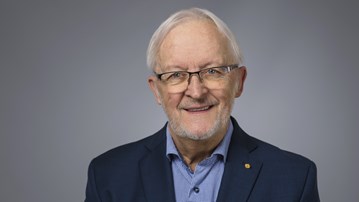
Bernt Eric Uhlin serves as a Professor at Umeå University's Department of Molecular Biology, where he leads his research group located at 6K and 6L in the Hospital area of Umeå. His work spans bacterial pathogenesis, molecular microbiology, and infection biology with a focus on host-pathogen interactions. His research centers on understanding bacterial fitness mechanisms in pathogenic Escherichia coli variants and the opportunistic pathogen Acinetobacter baumannii . Specifically, his team investigates molecular mechanisms behind gene expression and function that contribute to bacterial interactions with host environments. This includes studies on biofilm formation, membrane vesicles, virulence factors, and antibiotic resistance mechanisms that allow these pathogens to thrive in challenging conditions. His publication record demonstrates consistent high-impact contributions to microbiology, with recent work spanning bacterial toxins, host-pathogen interactions, and antimicrobial resistance. His research shows particular strength in connecting molecular mechanisms to clinical implications, especially regarding emerging superbugs. Forska!Sverige Honorary Award for extraordinary commitment to creating an excellent research environment Honorary award from the Royal Court for contributions to the development of microbiological research As head of the Bernt Eric Uhlin Lab and participant in the Umeå Extracellular Vesicle Network and Coalition Umeå for Life Science (CU4LS), he actively contributes to collaborative research initiatives. His group's work on nanoplastics' impact on antibiotic effectiveness demonstrates engagement with contemporary environmental health issues. The lab maintains active collaborations across multiple institutions, as evidenced by the international co-authorship on his publications.
James Chadwick Johnson is an Associate Professor in the School of Mathematical and Natural Sciences at Arizona State University's New College of Interdisciplinary Arts and Sciences, where he has held a faculty position since 2006. He maintains additional appointments as a Senior Global Futures Scientist and with the Central Arizona-Phoenix Long Term Ecological Research project, focusing on urban ecology and arthropod behavior. His educational background includes a Ph.D. in Biology from the University of Kentucky (2003), an M.S. in Biology from Illinois State University (1998), and a B.A. in Biopsychology from Earlham College (1990). Johnson's research centers on animal behavior mechanisms across ecological contexts, with specialization in black widow spiders' behavioral syndromes in urban versus desert environments. His work examines aggression correlations in foraging and anti-predator scenarios, population genetics of urban infestations, and the impact of urbanization on reproductive strategies, aiming to develop non-pesticide pest management solutions. Analysis of his 15 most recent publications reveals dominant trends in urban heat island effects on spider development, thermal biology adaptations, and behavioral plasticity. Key interdisciplinary themes include sexual cannibalism dynamics, sibling interactions under urban stressors, and stoichiometric relationships between spiders and prey across habitat gradients. His scientific recognition includes: NSF International Postdoctoral Research Fellowship (2003-2005) Johnson has secured multiple NSF grants including CAP LTER Phase 2 ($7.2M), MSP Science and Literacy Projects for K-12 education, and REU supplements. He regularly supervises honors theses (BIO 493/LSC 493) and directed studies (LSC 492), while developing curricula like his black widow research-based middle school science program. He actively collaborates through the Central Arizona-Phoenix LTER project with interdisciplinary teams studying urban sustainability, and serves on editorial boards for journals including Animals and Urban Naturalist .
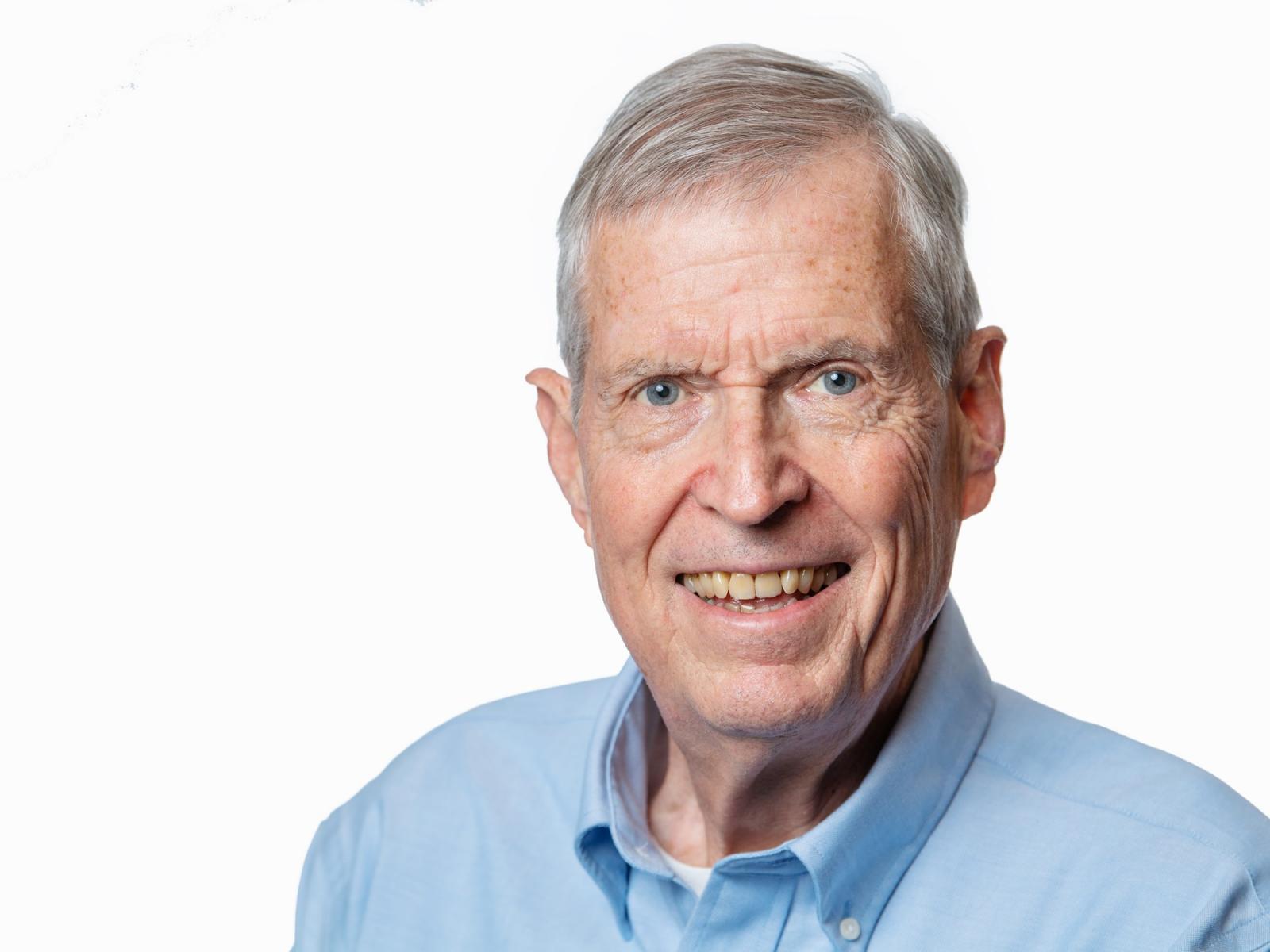
Jae Edmonds is a distinguished Professor at the University of Maryland's School of Public Policy and a Lab Fellow and Economist at the Joint Global Change Research Institute, a collaboration between the Pacific Northwest National Laboratory (PNNL) and the University of Maryland. As Chief Scientist and Battelle Fellow at PNNL, he has established himself as one of the pioneers in integrated assessment modeling of global change. His four-decade career has produced numerous books, scientific papers, and presentations, with over 26,000 Google Scholar citations. Dr. Edmonds earned his Ph.D. and M.A. in Economics from Duke University and his B.A. in Economics from Kalamazoo College. His academic journey has positioned him at the forefront of climate change research and policy analysis. Edmonds' research focuses on the complex interactions between global and regional energy, technology, economy, land, water, atmosphere, and climate systems. He has been instrumental in developing integrated assessment models that help understand climate change impacts and mitigation strategies. In 1978, he began what would become the Global Change Assessment Model, a frontier-class integrated model for analyzing energy, economy, water, land, and climate interactions. His work spans four decades and has significantly influenced international climate policy discussions, including active participation in all major assessments of the Intergovernmental Panel on Climate Change (IPCC). An analysis of Dr. Edmonds' recent publications (2023-2025) reveals a strong focus on net-zero emissions pathways, carbon management technologies, and sector-specific decarbonization strategies. His work examines energy system transitions, with particular attention to industrial sectors like steel, pulp and paper, and food processing. There is also significant emphasis on the water-energy nexus, residential energy demand patterns, and the role of terrestrial carbon sinks in climate mitigation. His research consistently bridges the gap between scientific analysis and practical policy implementation, providing actionable insights for policymakers. Cosmos Club Member, 2003-present Chester L. Cooper Award for Mentoring, PNNL, 2006 Fellow, American Association for the Advancement of Science (AAAS) Director's Award for Outstanding Performance, Pacific Northwest National Laboratory, 2002 Distinguished Service Award, U.S. State Department, 2001 BER50 Award in recognition of research accomplishments, United States Department of Energy, 1997 Director's Award for Research Group Performance, Pacific Northwest National Laboratory, 1993 Scientific Book Of The Year for "A Primer on Greenhouse Gases" with Don Wuebbles, Lawrence Livermore National Laboratory, 1991 As a mentor and leader in his field, Dr. Edmonds has guided numerous researchers through his work at the Joint Global Change Research Institute. His projects have secured significant funding from various government agencies, particularly the Department of Energy, supporting cutting-edge research in climate modeling and policy analysis. His collaborative approach has fostered interdisciplinary teams spanning economics, environmental science, engineering, and policy analysis. Dr. Edmonds leads research teams at the Joint Global Change Research Institute, where he oversees projects related to integrated assessment modeling, climate policy analysis, and energy system transitions. His work involves close collaboration with researchers across Pacific Northwest National Laboratory and the University of Maryland, creating a vibrant intellectual environment focused on addressing the most pressing challenges of climate change.
Rene Carmona is the Paul M. Wythes '55 Professor and Chair in Operations Research and Financial Engineering at Princeton University. His research focuses on stochastic control, reinforcement learning, financial mathematics, and mean field games, with applications spanning energy systems, quantitative finance, and optimization. Carmona's research explores probabilistic modeling in finance and energy markets, including stochastic optimization, mean field games, and high-dimensional control problems. His recent work integrates machine learning techniques with traditional stochastic methods to solve complex dynamic optimization problems. His publications demonstrate consistent focus on stochastic modeling, control theory, and financial applications. Recent trends show increased attention to energy grid optimization, reinforcement learning algorithms, and mean field approximations for large-scale systems.
Armands Gritsans serves as Associate Professor in the Department of Mathematics and Leading Researcher at the Institute of Life Sciences and Technology at Daugavpils University, Latvia, positions he has held since 2004 and 2015 respectively. His academic career spans over thirty years following his Doctorate in Mathematics from the University of Latvia. His educational background includes: Doctor of Mathematics, University of Latvia, 1992 Dr. Gritsans specializes in nonlinear boundary value problems for ordinary differential equations , with significant contributions to stability analysis of convective flows and dynamical systems theory. His research bridges pure mathematical frameworks like the Nehari manifold approach with applied contexts including fluid dynamics and biomass thermal conversion processes. He frequently investigates asymmetric nonlinearities and period annuli structures in conservative systems, demonstrating both theoretical depth and practical relevance. Analysis of his publication trajectory (2014-2025) reveals a strategic evolution from foundational boundary value problem theory toward interdisciplinary fluid dynamics applications. Recent work focuses on convective flow stability with nonlinear heat sources in annular geometries, characterized by sustained collaboration with Felix Sadyrbaev and Andrei Kolyshkin. This progression reflects a deliberate expansion into energy-related mathematical modeling while maintaining core expertise in nonlinear differential equations. Scientific recognition: No specific awards documented in source materials Though publication records indicate active research supervision, no student names or grant details appear in available documentation. His extensive co-authorship patterns suggest significant mentorship and collaborative project involvement despite absent explicit references. Dr. Gritsans operates within Daugavpils University's Institute of Life Sciences and Technology, contributing to cross-disciplinary teams addressing environmental and energy challenges through mathematical modeling. His biomass conversion research specifically connects with engineering groups developing sustainable thermal energy solutions.
Barbara Schedl serves as an Associate Professor at the Institute of Art History within the Faculty of History and Cultural Studies at the University of Vienna. She maintains her office in Room 3F.EG.05 at Garnisongasse 13, University Campus Hof 9, 1090 Vienna. With a distinguished academic career spanning over two decades, Dr. Schedl has established herself as a leading expert in medieval architectural history, particularly focusing on religious buildings and their liturgical contexts. Her research interests center on Architecture and liturgy in the Middle Ages with a focus on religious communities, Written sources on medieval construction, and New media & computer animations in art history. Dr. Schedl's work demonstrates a consistent focus on the intersection of architectural form, religious practice, and social organization in medieval Europe, with particular emphasis on Austrian ecclesiastical structures. She has pioneered the application of digital reconstructions and virtual modeling to understand historical architectural spaces. Analysis of her recent publications reveals a strong thematic concentration on St. Stephen's Cathedral in Vienna, examining its construction history, architectural evolution, and liturgical function from multiple perspectives. Her work increasingly explores the relationship between urban development and sacred architecture, donor networks, and the social dynamics that shaped medieval building projects. She frequently employs interdisciplinary approaches, combining architectural analysis with historical, liturgical, and social perspectives. Dr. Schedl has secured significant research funding, most notably from the Austrian Science Fund (FWF) for multiple projects including the current "Donor Networks: The Viennese Major Construction Projects of St. Stephen's and St. Michael's in the 15th Century" (2021-2025). She has also collaborated on international projects including the "North Alpine Building Culture of the Late Middle Ages" network and previously managed the UCLA Center for Medieval & Renaissance Studies project on "The Plan of St. Gall." Her academic leadership includes project management for several major research initiatives and collaboration with institutions including the Cathedral Chapter of St. Stephen's Church in Vienna. Dr. Schedl maintains active scholarly engagement through conference organization and participation, as evidenced by her co-edited volume "St. Stephen's Cathedral in Vienna. The Duke's Workshop" from a 2017 international conference.