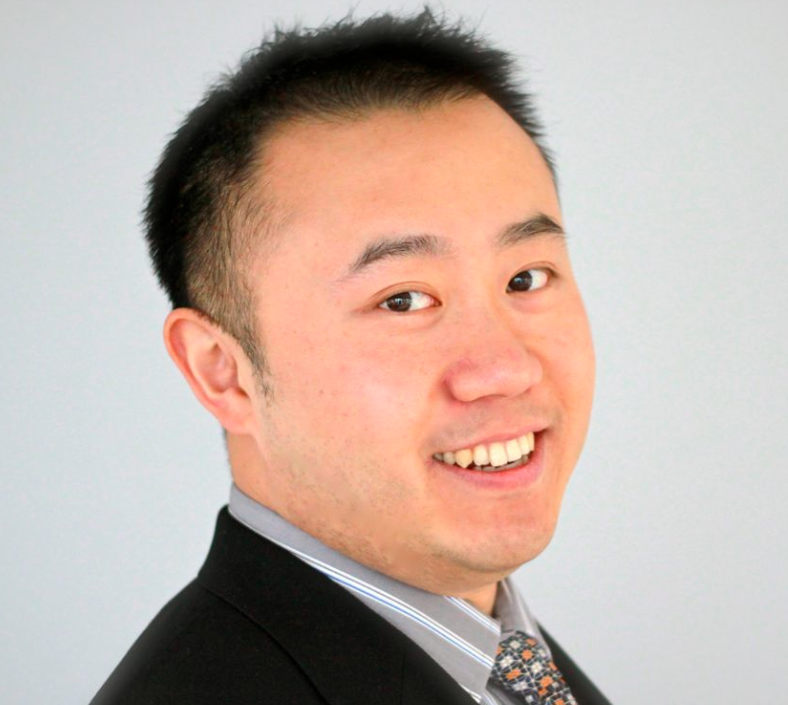
Andrew Mitchell is a Professor at the Faculty of Law, Monash University, and a member of the WTO Dispute Settlement Panelists Indicative List. He has extensive legal practice experience with Allens Arthur Robinson and consults for governments, international organizations, and the private sector. Mitchell has taught law in Australia, Canada, Indonesia, Singapore, and the US. He holds law degrees from the University of Melbourne, Harvard Law School, and a PhD from the University of Cambridge. His research focuses on international economic law, public international law, and digital trade governance, with a particular emphasis on the intersection of trade law and public health. Mitchell has secured six major grants, including an Australian Research Council Future Fellowship, and has authored over 170 books and articles. He serves as an editor for Edward Elgar’s International Economic Law Series and multiple journal editorial boards. Recent projects include 'Safeguarding Health in International Investment Agreements' (2022–2025) 'Maritime Cooperation for a Sustainable Indo-Pacific' (2021–2022) 'Global E-Commerce and Cottage Industries in India' (2020–2021) He has contributed to policy submissions on bilateral investment treaties and delivered lectures on data sovereignty and digital trade. His awards include editorial leadership roles at journals like the Journal of World Investment and Trade and Asia Pacific Law Review .
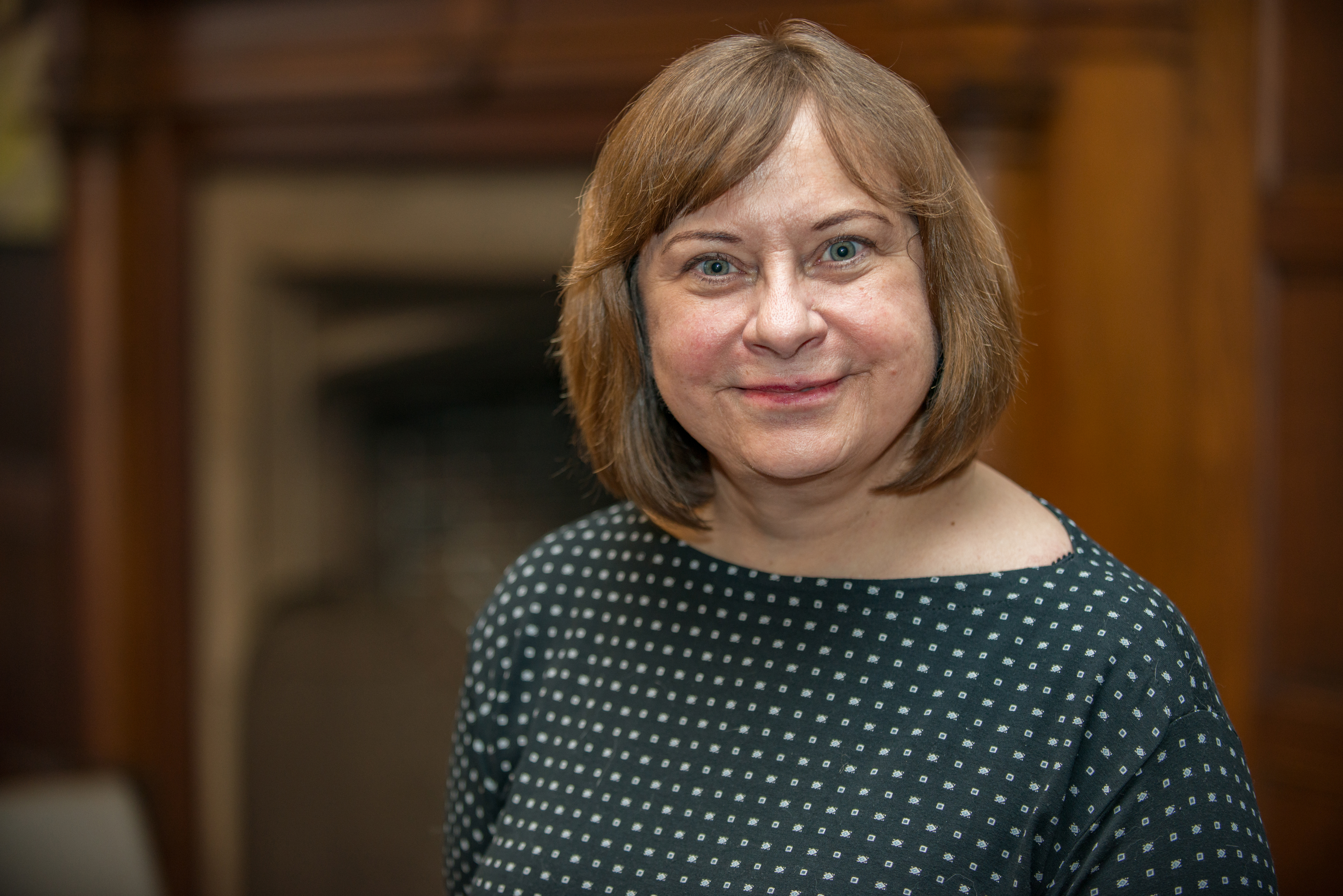
Azizjon ALIMOV is a Full Professor at IÉSEG School of Management (University of Lille, France), specializing in Corporate Finance, Mergers and Acquisitions, and Law and Finance. He holds a Ph.D. in Finance from the University of Oregon (2007) and an MBA from Central Michigan University (2001). His HDR (Habilitation) in Management Sciences was awarded by the University of Lille in 2023. His research focuses on corporate governance, cross-border M&A dynamics, and the interplay between legal frameworks and financial decision-making. Key themes include intellectual property rights' impact on corporate debt costs, product market competition effects on corporate cash holdings, and government borrowing influences on acquisition strategies. His work frequently examines global contexts, with studies spanning North America, Asia, and Europe. Notable publications include analyses of IPO staging mechanisms (2024), managerial discipline through trade liberalization (2023), and the role of labor protection laws in loan contracting (2015). His recent work emphasizes reproducibility in management science methodology (2023) and cross-border regulatory challenges in M&A. No scientific awards are explicitly listed; however, his extensive publication record reflects sustained academic contributions. He has advised students across institutions including City University of Hong Kong and the Sauder School of Business, though specific advisee names are not documented here. His professional experience includes roles at the University of Arizona (2008–2010), California State University (2007–2008), and as an HSBC Visiting Assistant Professor at the University of British Columbia (2016–2018). He currently leads the Finance Track at IÉSEG, contributing to programs like the Grande École Master’s in Finance and MSc Corporate Finance courses.
University of Illinois Urbana-ChampaignUnited States
Dr. Jimeng Sun is a Health Innovation Professor at the Siebel School of Computing and Data Science and Carle Illinois College of Medicine at the University of Illinois Urbana-Champaign. Co-founder of Keiji AI , he leads groundbreaking research at the intersection of artificial intelligence and healthcare, actively deploying clinical AI systems and developing frameworks like PyHealth and Therapeutics Data Commons . His research spans four major areas: Clinical AI Systems : Developing interpretable models (e.g., RETAIN) for patient similarity, temporal event prediction, medication recommendation, and clinical outcome forecasting Drug Discovery : Creating molecular optimization frameworks, drug-target interaction models, and AI-driven platforms Clinical Trials : Pioneering patient-trial matching, outcome prediction, and optimization frameworks using deep learning and graph neural networks Biosignal Analysis : Advancing sleep staging, seizure classification, and automated EEG/Cardiac monitoring systems With over 500 top-tier publications (including in Nature , NEJM AI , and leading AI conferences) and an h-index of 99, his work has been recognized with the Top 100 AI Leaders in Drug Discovery and Advanced Healthcare award. He maintains active collaborations with institutions like Massachusetts General Hospital , Medidata Solutions , and OSF Healthcare . His recent publications reveal a strong focus on: Reinforcement learning applications in medical data analysis Large language model adaptation for clinical tasks Knowledge graph integration with AI systems Synthetic data generation for healthcare Multi-modal learning in clinical contexts Explainable AI for medical applications Dr. Sun's lab ( Sunlab ) emphasizes practical impact over theoretical work, actively collaborating with hospitals and healthtech companies. He welcomes contributions from clinicians, researchers, and industry partners through initiatives like his AI for Health webinar series .
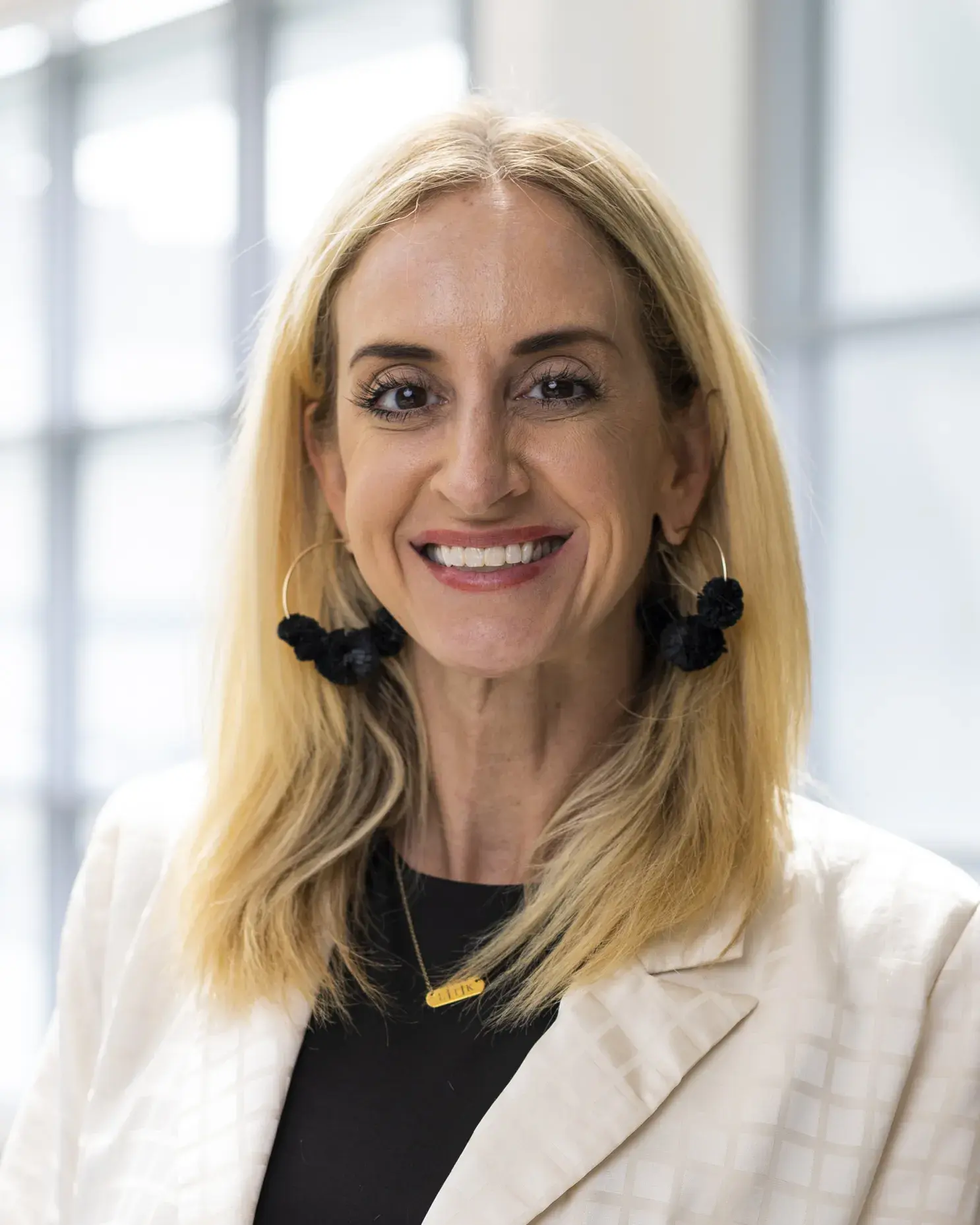
Stefanos Zenios is Professor at Stanford Graduate School of Business with dual appointments in Entrepreneurship and Operations, Information & Technology . He directs Stanford GSB’s Center for Entrepreneurial Studies and co-directs the Doerr School of Sustainability ’s Program in Ecopreneurship. His Startup Garage course has launched companies like DoorDash while alumni have raised over $3B in venture capital. He co-authored the foundational Biodesign textbook and previously served as Editor-in-Chief of Operations Research . PhD, MIT Operations Research (1996) MA, University of Cambridge (1996) BA, University of Cambridge (1992) Research Focus Dr. Zenios’ work bridges operations research and innovation management , with significant contributions to: Healthcare operations : Administrative cost reduction, organ allocation optimization, and clinical workflow improvements Entrepreneurship : Venture creation frameworks and experiential education Ecopreneurship : Sustainable business model innovation His Precedents Thinking framework (HBR 2025) has gained global recognition for solving systemic inefficiencies. Current research includes the biennial Search Fund Study with Peter Kelly. Scientific Recognition INFORMS Fellow Multiple Best Paper Awards, INFORMS CAREER Award, National Science Foundation (2000) Dhirubhai Ambani Faculty Fellow (2017–2020) George E. Nicholson Award (1997) He has received extensive media coverage in Fast Company , Time Magazine , and Stanford Business . His research has been featured in over 150 press mentions including JAMA , Harvard Business Review , and Health Affairs .
Susan L. Burns is a Professor at the University of Chicago, where she holds appointments in the Department of History, Department of East Asian Languages and Civilizations, and The College. She currently serves as Department Chair and Chair of the Undergraduate Studies Committee. Education: PhD, University of Chicago (1994) Her research focuses on Japan’s nineteenth-century social history, emphasizing intellectual and cultural practices, the intersection of medicine and public health, gender analysis, and legal discourses. She explores continuities between Japan’s early modern and modern eras, particularly how medical and legal frameworks shaped national identity. Recent publications span leprosy’s impact on citizenship, the rise of medical marketplaces, and gendered dimensions of reproductive health. Her digital humanities work on Mapping Medical Tokyo integrates GIS and text mining for historical analysis. Scientific Awards: Fulbright-Hays Fellowship IIE Fulbright Japan Foundation Japan Society for the Promotion of Science National Endowment for the Humanities She has secured grants for research on medical commodities, psychiatric practices, and the spatial dimensions of Meiji-era health policies. Her courses include Gender and Japanese History and Medicine and Culture in East Asia .
Erik Gordon is a Clinical Assistant Professor of Entrepreneurial Studies and Area Chair at the Ross School of Business, University of Michigan. He holds degrees in economics and law, with prior roles including Associate Dean and Director of the Graduate Division of Business & Management at Johns Hopkins University, and leadership positions at the University of Florida’s Center for Technology & Science Commercialization Studies. His research focuses on entrepreneurship, venture capital, private equity, corporate governance, and FinTech. He frequently contributes to media outlets like The New York Times, Bloomberg, and Marketplace, offering insights on business trends and corporate strategy. His teaching spans advanced topics in business strategy, with a focus on real-world application and interdisciplinary approaches. Notable engagements include commentary on the pandemic’s impact on education and virtual teaching methodologies. He advises initiatives like the Wolverine Venture Fund and Zell Early-Stage Fund, emphasizing practical experience for students.
Allison Koenecke is an Assistant Professor of Information Science at Cornell Tech and a field faculty member in Computer Science at Cornell University. Previously, she was a postdoctoral researcher at Microsoft Research New England and completed her PhD at Stanford University’s Institute for Computational & Mathematical Engineering. Her research focuses on algorithmic fairness, computational social science, and causal inference in public health, addressing disparities in automated systems like speech recognition and policy decision-making. Education : PhD, Stanford Institute for Computational & Mathematical Engineering MA/MS, Stanford University BA/BS, Massachusetts Institute of Technology Research Interests : Dr. Koenecke’s work bridges economics and computer science, emphasizing equity in AI systems. Key areas include: Algorithmic bias in speech recognition (e.g., racial disparities in voice assistants) Fairness in policy tools like environmental justice data systems Causal analysis in public health interventions Ethical implications of large language models in education Media & Impact : Her research has been featured in outlets like New York Times , Science , and Scientific American . Notable studies include exposing racial gaps in speech-to-text systems and advocating for inclusive dataset development. She also explores societal impacts of AI in education and governance. Awards : Sloan Research Fellow in Computer Science Forbes 30 Under 30 in Science NSF Awards Cornell CIS Teaching Excellence Award (2024) Teaching & Outreach : She teaches courses like Designing Fair Algorithms and Data Science for Global Development , emphasizing interdisciplinary collaboration. Her PhD Professionalization course addresses hidden curricula in academia. She advises on AI ethics for nonprofits, tech companies, and government agencies.
Dr. Harwin de Vries is an Associate Professor at the Department of Technology and Operations Management, Rotterdam School of Management (RSM), Erasmus University Rotterdam. His research focuses on health and humanitarian logistics, particularly disaster relief logistics and improving access to essential medicines in low- and middle-income countries (LMICs). He explores the role of data analytics and new operational models in healthcare systems, such as mobile health service delivery. Before joining RSM, he worked at INSEAD as a postdoctoral researcher and manager of the INSEAD Humanitarian Research Group. He holds a PhD in Operations Research from Erasmus University. Education: PhD in Operations Research, Erasmus University Rotterdam His research interests include optimizing supply chain decisions in humanitarian contexts, with over 20 collaborations with health organizations. He teaches courses on Health & Humanitarian Logistics, Business Analytics, and Spreadsheet Modelling across BSc, MSc, and EMBA programs. Dr. de Vries has received notable awards including the 2021 ERIM Award for Young Researcher and a 2022 NWO VENI Grant. His work has been published in leading journals like Production and Operations Management and Manufacturing & Service Operations Management, and has been transformed into teaching cases. Grants: NWO VENI Grant (2022) He serves on the board of the POMS College of Humanitarian Operations & Crisis Management, actively contributing to academic and practical solutions in humanitarian logistics.
Professor Nicholas Buckley is a leading academic in Clinical Pharmacology at the University of Sydney and holds a Visiting Professor position at the University of Peradeniya, Sri Lanka. He serves as Research Director for the South Asian Clinical Toxicology Research Collaboration (SACTRC) and is a Consultant Clinical Pharmacologist & Toxicologist at the NSW Poisons Information Centre and Royal Prince Alfred Hospital. His work focuses on improving clinical toxicology practices, poison control policies, and understanding mechanisms of drug toxicity. Co-founder of SACTRC for agrochemical poisoning and snakebite research Chair of Australian Therapeutic Guidelines - Toxicology writing group Editorial roles in Clinical Toxicology, Drug Safety, and Australian Prescriber Research Interests include toxicovigilance, epidemiology of poisoning, acute kidney injury in poisoning/snakebite, pesticide safety interventions, antidote development, and pharmacoepidemiology of psychotropic drugs. His work combines clinical trials, population surveillance, and translational research. Scientific Contributions span 440+ peer-reviewed articles and 22 book chapters, with continuous funding since 2002. He has supervised over 20 higher degree students and leads international collaborations in low-and-middle-income countries through NIHR RIGHT4. Key Affiliations : Member of Charles Perkins Centre, Australian Medicines Handbook Editorial Advisory Board, and NIHR RIGHT4 programme.
Brooke Hudspeth, PharmD, is an Associate Professor and Chief Practice Officer at the University of Kentucky (UK) College of Pharmacy. She oversees community pharmacy initiatives and serves as acting President of the Kentucky Pharmacists Association (KPhA). Her roles include mentoring pharmacy students and residents as a preceptor, and leading collaborative projects with organizations like the American Pharmacists Association Foundation, Kroger Co., and the CDC. Educationally, she holds a Doctor of Pharmacy from the UK College of Pharmacy, alongside PGY1/PGY2 Community-based Pharmacy Practice Residencies from the same institution. Her research focuses on diabetes prevention, obesity, and pharmacist-driven clinical services, particularly through expanding the National Diabetes Prevention Program (NDPP) to five U.S. states via a $7.5M CDC grant. Research interests emphasize health disparities, vaccine accessibility, and optimizing pharmacist roles in self-care conditions. Notable projects include influenza point-of-care testing and pharmacy partnerships during the pandemic. Her work bridges academic innovation with real-world healthcare challenges, advocating for policy changes to enhance pharmacist payment for clinical services. Despite no explicitly listed awards, her impactful grant-funded projects reflect significant contributions to public health. She advises students and residents while leading residency expansion initiatives. Collaborations with major institutions underscore her role in advancing pharmacy practice and education nationally. Hudspeth’s lab/team is embedded within UK’s College of Pharmacy, focusing on translational research to improve patient care through pharmacist-led interventions. Future work includes expanding telehealth pharmacy services and addressing healthcare workforce shortages.
Ulf Hanefeld is a Full Professor and Section Leader in the Department of Biotechnology at the Faculty of Applied Sciences , Delft University of Technology (TU Delft) , where he leads the Biocatalysis research section. His work integrates chemistry and biology to develop sustainable synthetic methodologies using enzymes. PhD from Georg-August-Universität zu Göttingen (1993) Postdoctoral experience at Imperial College London, University of Cambridge, and TU Delft Recipient of a Royal Netherlands Academy of Arts and Sciences (KNAW) fellowship His research interests center on biocatalysis , particularly enzymes that enable difficult chemical transformations such as C–C bond formation , enantioselective hydration , and ozonolysis . He focuses on enzyme discovery, engineering, immobilization, and application in flow chemistry to achieve sustainable and efficient synthesis. His work spans from fundamental enzyme mechanism studies to industrial applications in green chemistry . The publication trends reveal a consistent focus on enzyme immobilization , flow reactor systems , and chemo-enzymatic cascades . His recent work emphasizes the use of hydroxynitrile lyases , aldolases , and methyltransferases for the synthesis of chiral intermediates under environmentally benign conditions. The integration of biocatalysis with continuous manufacturing highlights a strong commitment to industrial applicability and process sustainability. Scientific contributions and recognition : Active contributor to high-impact journals in chemistry and biotechnology Coordinated research in the CassaFLOW project (international academic-industrial collaboration) Author of influential reviews, e.g., in Chemical Society Reviews (2022) Teaching and supervision : He teaches Catalysis (Bachelor) and Advanced Biocatalysis (Master), and supervises numerous Master’s theses (MEP) and Bachelor’s projects (BEP) . Students in his group are actively involved in research and often become co-authors on scientific papers. Projects center on green chemistry, enzyme engineering, and spectroscopic analysis of biochemical systems. Laboratory and research environment : The Ulf Hanefeld Group operates within the Biocatalysis section, a multidisciplinary environment fostering collaboration on enzyme discovery, immobilization, and cascade reactions. The group emphasizes practical innovation, with strong links to industry and international research networks.
Kora DeBeck is a Distinguished Professor of Substance Use and Drug Policy in the School of Public Policy at Simon Fraser University, a CIHR Applied Public Health Chair, and Dorothy Killam Fellow. She is also a Research Scientist with the BC Centre on Substance Use and Principal Investigator of the At-Risk Youth Study (ARYS), a longitudinal cohort tracking over 1,200 street-involved youth. Her research focuses on substance use policy, health services for marginalized populations, and the structural drivers of drug-related harms. She has published over 200 peer-reviewed articles challenging ineffective drug enforcement models and advocating for policy reforms. Recent publications analyze trends in opioid use, harm reduction during the COVID-19 pandemic, drug decriminalization, and youth-focused interventions. Her work consistently addresses social inequities through data-driven approaches to the toxic drug crisis. CIHR Applied Public Health Chair Dorothy Killam Fellow Michael Smith Health Research BC Scholar Award Distinguished SFU Professorship She has secured over $50 million in research funding, including $21M as principal investigator for ARYS. Her lab collaborates with healthcare providers, community organizations, and policymakers to translate research into practice.
Mark Lee is an Adjunct Professor in the People Analytics department at NYU’s Tandon School of Engineering, specializing in Technology Management and Innovation. He holds a Ph.D. in Engineering Psychology from Georgia Institute of Technology (1996). Currently, he serves as Head of Research, Analytics, and Business Development at UL ComplianceWire, focusing on pharmaceutical and medical device manufacturing training. His research leverages large datasets to improve healthcare safety through regulatory compliance and best practices. Courses taught include Human Factors Engineering, Workplace Design, and Predictive Analytics. Education: Ph.D. in Engineering Psychology, Georgia Tech (1996) Key Roles: Adjunct Professor, Head of Research at UL ComplianceWire Research Focus: Human Factors, Training Systems Design, Healthcare Compliance His work spans auditory display systems for aviation (e.g., 3D audio cockpit interfaces) and ergonomic design for industrial products. Recent projects emphasize data-driven solutions for regulatory challenges in life sciences. Publications highlight studies on visual search strategies, age-related cognitive performance, and application of signal detection theory in decision-making. He actively collaborates with industry and government entities, exemplified by the FDA-UL Cooperative Research Agreement.
Prof. Dr. Oliver Reiser is a full Professor at the Institute of Organic Chemistry within the Faculty of Chemistry and Pharmacy at the University of Regensburg. His research group focuses on cutting-edge developments in organic synthesis, particularly in the areas of photocatalysis and visible light chemistry. He leads the Collaborative Research Centre CRC 325 on "Assembly Controlled Chemical Photocatalysis," which aims to develop new frontiers in photocatalysis for organic synthesis through designed control of catalyst-substrate interactions. University of Hamburg (PhD, 1989) IBM Research Center (Postdoc) Harvard University (Postdoc) University of Göttingen (Habilitation, 1995) Prof. Reiser's research spans multiple interconnected fields with a strong emphasis on sustainable chemistry. His group extensively utilizes modern techniques for organic synthesis including flow reactors, microwaves, and high-pressure systems. The primary research thrusts include catalysis (both metal and organocatalysts), unnatural amino acids and peptide foldamers, and natural product synthesis. His work on visible light photocatalysis has been particularly influential, with numerous publications in high-impact journals like Angewandte Chemie and Nature Catalysis. The group's research integrates experimental, spectroscopic, and computational techniques to analyze catalyst-substrate interactions for more rational design of photochemical reactions. Analysis of Prof. Reiser's recent publications (2023-2025) reveals a strong focus on copper-based photocatalysis, sustainable chemistry using earth-abundant metals, and innovative approaches to heterocycle synthesis. His work demonstrates a clear trend toward developing more efficient and environmentally friendly catalytic processes, with particular emphasis on visible light activation, catalyst immobilization for recyclability, and applications in medicinal chemistry. The research spans from fundamental mechanistic studies to practical applications in synthesis. German Academic Scholarship Foundation Minerva Foundation NATO Fellowship German Research Foundation Support Karl Winnacker Foundation Prof. Reiser has supervised numerous doctoral students, with recent PhD theses focusing on copper photoredox catalysis, magnetic nanoparticle-supported catalysts, and the synthesis of bioactive compounds. His research is supported by multiple collaborative projects, including the Collaborative Research Centre CRC 325, and involves extensive national and international collaborations with institutions such as the University of Kansas, the National Institute of Chemistry in Pune, the Institut Chimie de Coordination du CNRS in Toulouse, and the University of Zaragoza. The group maintains strong ties with pharmaceutical research through collaborations with Prof. A. Beck-Sickinger in Leipzig on neuropeptide ligands. The research group operates well-equipped laboratories with capabilities for advanced organic synthesis and characterization. They have developed specialized expertise in flow chemistry, high-pressure techniques, and magnetic nanoparticle-based catalyst systems. The CRC 325 initiative has provided significant infrastructure for collaborative research in photocatalysis, bringing together multiple research groups with complementary expertise in organic synthesis, spectroscopy, and computational chemistry.
Ashli Owen-Smith is a behavioral scientist affiliated with the School of Public Health at Georgia State University , where her research focuses on mental health disparities, suicide prevention, and integrative/complementary approaches for complex mental-physical health conditions. She works with underserved populations including refugees/immigrants, incarcerated individuals, and LGBTQ+ communities through community-based participatory research and mixed-methods frameworks. Her current projects are funded by CDC , DBHDD , and DPH . Education: Ph.D. in Behavioral Sciences (Emory, 2009), S.M. in Public Health (Harvard, 2005), B.A. in Psychology (Smith College, 2001) Her research spans mental health , trauma , suicide prevention , and mindfulness-based interventions . Recent work examines telehealth adaptations for chronic pain and mental health, vaccine hesitancy in refugee communities, and social determinants of suicide . She leads studies on gender-affirming care and health disparities in LGBTQ+ populations. Key article trends include epidemiological analysis of suicide risk factors, COVID-19 impacts on mental health, ICD-10 coding for autism, and complementary medicine in trauma recovery. Subfields span telehealth , health equity , mental-physical comorbidity , and community engagement . Students she has mentored include C.A. Scarlett , T. Griner , and M.M. Sesay . Her work integrates public health policy , clinical research , and health systems analysis .