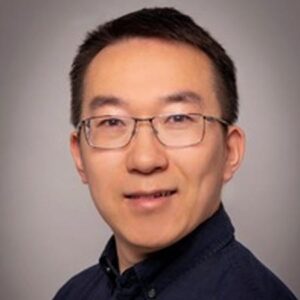
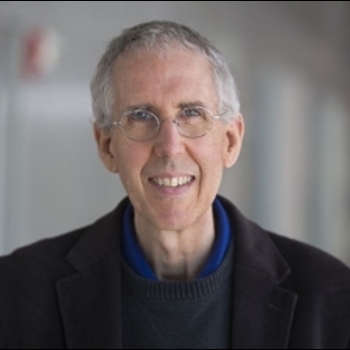
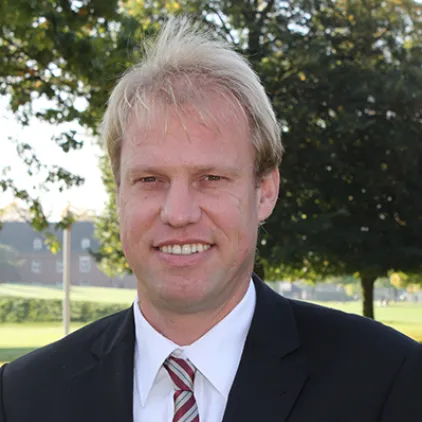
Dr. Xiaoguang Dong is an Assistant Professor in the Department of Mechanical Engineering at Vanderbilt University , School of Engineering. He received his Ph.D. (2019) and M.S. (2016) from Carnegie Mellon University, and B.S. (2013) from Harbin Institute of Technology. His research focuses on miniature soft robotics , swarm robotics , and intelligent soft materials for biomedical, microfluidic, and biomechanical applications. Design of shape-morphing soft robots for minimally invasive medicine Development of magnetic microrobot swarms for cooperative tasks Integration of machine learning with mechanics for smart material design Recent publications highlight advancements in wireless medical robots for drug delivery, biofluid pumping, and tissue sensing, with works in Science Advances , Nature Communications , and PNAS . He has received significant recognition including the 2025 NSF CAREER Award and 2024 Med-X Young Investigator Award . 2022 Spring: Dynamics (ME 2190) 2023 Fall: Miniature Robotics 2014-2015: Teaching assistant at Carnegie Mellon University
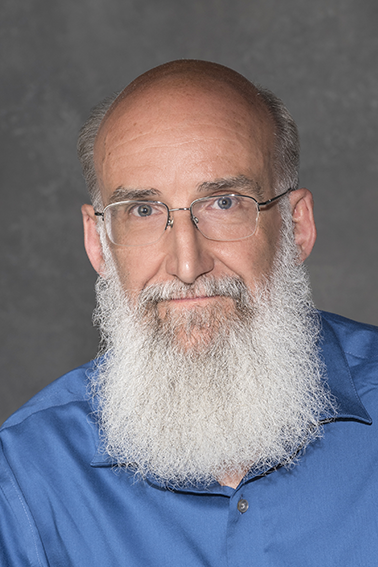
Thomas Farmer serves as Professor and Chair of the Department of Foundations of Education at Virginia Commonwealth University School of Education, where he integrates educational psychology, developmental science, and special education to create responsive classroom environments for diverse learners within their socio-cultural contexts. His academic journey includes a B.A. in Philosophy from the College of William & Mary, followed by M.A. and Ph.D. degrees in Special Education from the University of North Carolina at Chapel Hill. Farmer's research centers on social inclusion of diverse learners, teacher management of classroom social dynamics, and research-practice partnerships. Key frameworks include the BASE (Behavioral, Academic, and Social Engagement) model and SEALS (Supporting Early Adolescent Learning and Social Strengths) intervention, emphasizing rural education contexts , adaptive evidence-based practices , and developmental responsiveness . His work prioritizes teacher attunement to students' dynamic needs within multi-level ecological systems. Analysis of his 2022-2025 publications reveals three dominant trends: (1) addressing teacher burnout through social network analysis and classroom dynamics management; (2) advancing targeted universalism to address systemic oppression for youth of color; and (3) developing tiered adaptive support systems that prioritize contextual implementation over rigid fidelity, particularly in rural schools. Farmer directed the National Research Center on Rural Education Support (NRCRES, 2004-2011) and co-edits the Journal of Emotional and Behavioral Disorders (2012-present). He completed the presidential line of the Council for Exceptional Children's Division for Research (2018-2022), demonstrating sustained leadership in special education scholarship. His grant portfolio includes NRCRES and development of the BASE/SEALS models, implemented through research-practice partnerships with rural school districts. Farmer's laboratory focuses on classroom social network analysis, utilizing tools like the 'scouting report' process to help teachers understand peer dynamics and adapt interventions in real-time, ultimately enhancing student engagement and social inclusion.
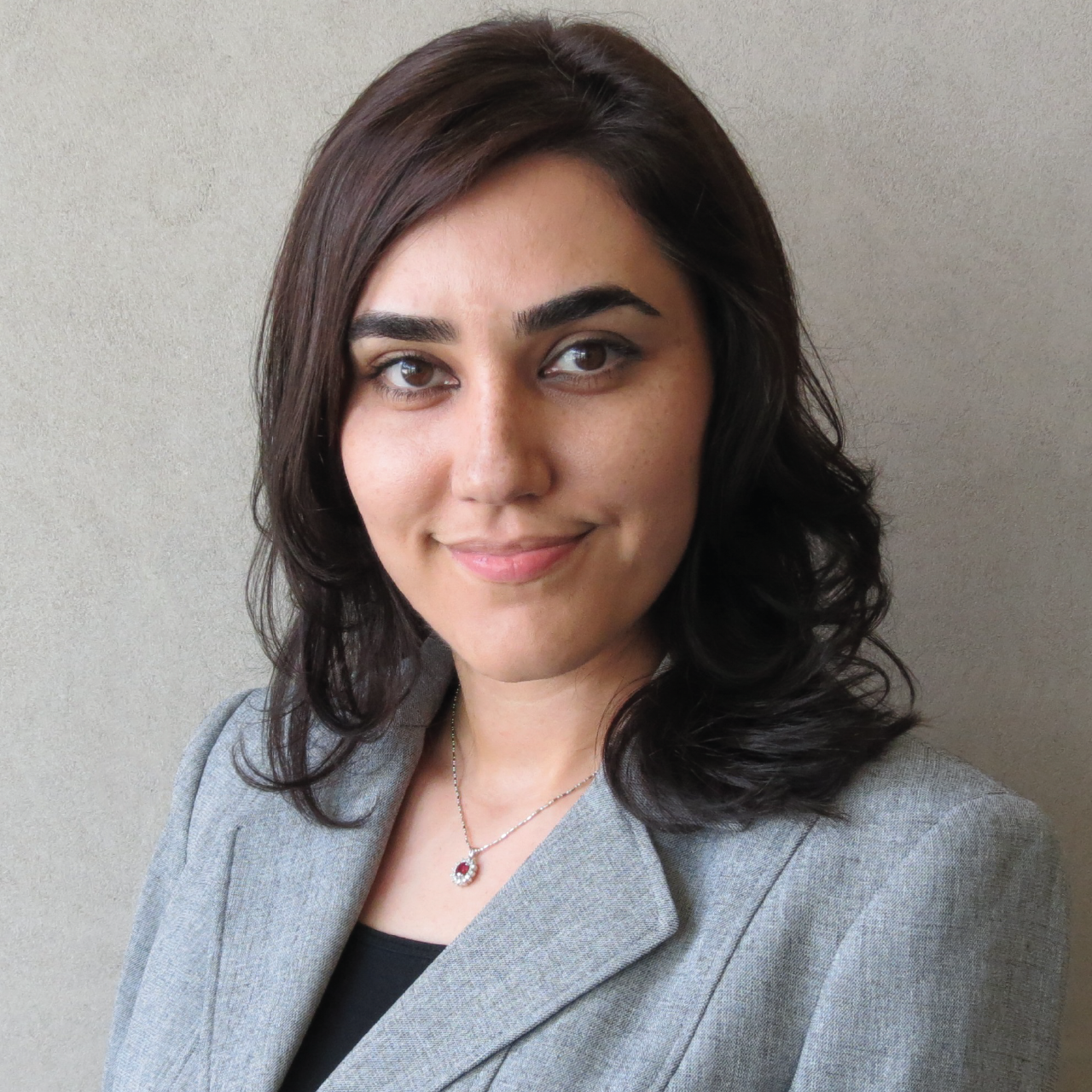
Fosca Giannotti is a Full Professor at Scuola Normale Superiore in Pisa, Italy, and leads the Pisa KDD Lab - Knowledge Discovery and Data Mining Laboratory, a joint research initiative of the University of Pisa and ISTI-CNR. Founded in 1994, the Pisa KDD Lab is one of the earliest research labs focused on data mining. Giannotti is a pioneering scientist in mobility data mining, social network analysis, and privacy-preserving data mining. Her educational background includes a Master Degree in Computer Science from the University of Pisa (1982) with 110/100 cum laude. She has held numerous visiting positions including at MCC in Austin, CWI Amsterdam, UCLA, and the Barabasi Lab at Northeastern University. Giannotti's research focuses on social mining from big data, encompassing smart cities, human dynamics, social and economic networks, ethics and trust, and diffusion of innovations. She has authored more than 300 papers and coordinated tens of European projects and industrial collaborations. Her current work increasingly centers on Explainable AI (XAI), as evidenced by her prestigious ERC Advanced Grant for the XAI project focused on "Science and technology for the explanation of AI decision making." Her recent publications reveal a strong emphasis on trustworthy AI, with research spanning privacy-preserving techniques, fairness in machine learning, human-AI collaboration frameworks, and medical applications of explainable AI. The breadth of her work demonstrates how data mining principles are being applied across diverse domains from social sciences to healthcare. ERC Advanced Grant for XAI project Premio Internazionale Tecnovisionarie 2021 Intelligenza Artificiale Giannotti has coordinated numerous significant projects including SoBigData (the European research infrastructure on Big Data Analytics and Social Mining), XAI, TAILOR (Foundations of Trustworthy AI), HumanE-AI-Net, and AI4EU. As former coordinator of SoBigData, she led an ecosystem of ten cutting-edge European research centers providing an open platform for interdisciplinary data science. She leads the Pisa KDD Lab, which serves as a hub for research on knowledge discovery and data mining. The lab has been instrumental in developing techniques for mobility data analysis, social network mining, and privacy-preserving data analytics, with applications ranging from smart cities to pandemic response.
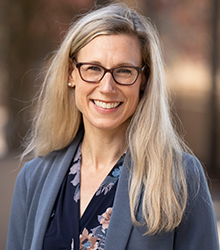
Professor Wendy Moyle is a leading academic in dementia care and assistive technologies, affiliated with Griffith University in the School of Nursing and Midwifery . With a PhD from Queensland University of Technology and over 27 completed PhD supervisions, she has received numerous accolades including the 2023 VC Research Excellence Award in Research Supervision and recognition as one of the World's 50 Renowned Women in Robotics (2020). Her work focuses on evidence-based interventions for dementia patients, emphasizing social robotics, pain management, and behavioral symptom mitigation. Bachelor of Nursing, Flinders University (1989) Master of Health Science, Queensland University of Technology PhD, Queensland University of Technology (1997) Her research spans Dementia , Social Robots , and Geriatric Nursing , with a strong emphasis on improving quality of life through technological innovations. Recent publications highlight the role of humanoid robots like Telenoid and PARO in enhancing engagement and managing chronic pain in dementia patients. She has secured significant grants from NHMRC, Wellcome Trust, and international institutions to advance her work. VC Research Excellence Award in Research Supervision (2023) World's 50 Renowned Women in Robotics (Analytics Insight, 2020) International Nurse Researcher Hall of Fame (Sigma, 2019) International Women’s Day 2016 Global Innovation Award As a prolific supervisor, she has guided 27 PhD students to completion, many achieving no/minor revision outcomes. Her collaborative projects span Australia, China, and Taiwan, involving multidisciplinary teams for dementia research. She actively contributes to healthcare policy and education frameworks, particularly in residential aged care and informal caregiver support.
Lakhmi C. Jain is a distinguished academic affiliated with the University of South Australia. As a Professor, she has made significant contributions to the fields of Artificial Intelligence, Computational Intelligence, and Fuzzy Systems. Her research spans neural networks, decision support systems, robotics, and data analysis, with a focus on interdisciplinary applications. Her career includes over 445 publications, including books like Complex Networks in Software, Knowledge, and Social Systems (2019) and E-Learning Systems - Intelligent Techniques for Personalization (2017). She has held editorial roles in journals such as the International Journal of Intelligent Decision Technologies (IDT) and the Journal of Intelligent & Fuzzy Systems. Jain's work emphasizes practical applications of computational intelligence, including efforts in software development, biomedical signal processing, and multi-agent systems. She has collaborated extensively with researchers globally, contributing to advancements in AI-driven technologies and decision-making frameworks.
Niyousha Hosseinichimeh is an Associate Professor in the Grado Department of Industrial and Systems Engineering at Virginia Tech's College of Engineering. Her research focuses on improving health and healthcare systems through system dynamics modeling and simulation. She holds a Ph.D. in Public Policy from SUNY Albany (2012) and a B.S. in Mechanical Engineering from Sharif University of Technology (2001). Her work addresses complex issues like adolescent drinking/driving behaviors, major depressive disorder, and infant mortality. Methodologically, she advances calibration techniques for dynamic models and group model-building approaches. Her research has been funded by NIH, NSF, and the Ohio Department of Health. Notable contributions include modeling the hypothalamus-pituitary-adrenal axis and developing tools for rapid parameter estimation in system dynamics. She advises students such as Alba Rojas-Cordova (winner of multiple awards) and Arash Baghaei Lakeh. Her grants include projects on depression dynamics and emergency department utilization. Her work intersects systems engineering, public health, and computational methods, emphasizing practical policy and clinical applications.
Renata Medeiros de Carvalho is an Assistant Professor at Eindhoven University of Technology (TU/e), affiliated with the Process Analytics and EAISI Health groups. She holds a PhD in Computer Science from Federal University of Pernambuco (Brazil), an MSc and BSc in Computer Engineering from University of Pernambuco, and has conducted postdoctoral research at UQAM (Canada). Her research focuses on adaptive and declarative business processes, with particular emphasis on healthcare and data privacy. Education: PhD in Computer Science, Federal University of Pernambuco (2015) MSc in Computer Engineering, University of Pernambuco BSc in Computer Engineering, University of Pernambuco Research Interests: Flexible business processes and Process Mining Declarative modeling (e.g., OCBC language) Healthcare process optimization GDPR compliance frameworks Key Projects: PATIENCE 2 : Patient-centric healthcare through nomadic sensing BPR4GDPR : GDPR compliance toolkit Awards: Xerox University Affairs Committee Grant NSERC Engage Grant Teaching & Leadership: Local coordinator for EIT Digital Data Science and Erasmus Mundus BDMA master programs Teaches courses like Advanced Process Mining and DBL Data Challenge
Lenka Sokolová is a Professor at the Faculty of Social and Economic Sciences , Comenius University in Bratislava, with a focus on Educational Psychology and School Psychology . Her career spans teaching, research, and leadership in promoting well-being and inclusive education. PhD in Educational Psychology (2006, Comenius University) doc. (2019) and prof. (2025) degrees in Educational Psychology (Charles University, Czech Republic) Her research bridges educational psychology , mental health , and teacher training , with recent work on neurodiversity, social support systems, and pandemic-era teaching adaptations. She leads the STRAWS project (funded by UK’s Arts and Humanities Research Council) and contributes to European psychology education frameworks. Key article trends include: Adolescent mental health and social inclusion Teacher resilience and classroom dynamics Neurodivergent student support Cross-cultural psychology education Technology integration in psychology teaching Preventive psychological interventions Scientific contributions include: President of the European Federation of Psychology Teachers’ Associations (2019-2022) Board member of EFPA Educational Affairs (2017-2023) International conference leadership (EARLI, Coalition of Schools for Mental Health) She mentors through continuing professional development courses and collaborates globally, including Erasmus+ mobility programs and Monash University’s Visiting Scholar initiative. Her work emphasizes participatory research and qualitative methodologies.
Laura Lee McIntyre is the Dean of the College of Education and Castle-McIntosh-Knight Professor at the University of Oregon. She directs the school psychology program and Prevention Science Institute, with research focusing on children’s mental health, family-centered interventions, and developmental disabilities. Her work spans early childhood interventions, autism support, and family-school partnerships. Education includes a PhD in School Psychology from UC Riverside, predoctoral internship at Johns Hopkins, and BA in Developmental Psychology from La Sierra University. Research interests center on behavioral health in vulnerable populations, preventive interventions, and family resilience. Her publications emphasize scalable family-school collaborations and culturally adapted parenting programs. Articles frequently address behavioral assessment, prevention science, and trauma-informed care, showing interdisciplinary engagement across psychology, education, and public health. Awards highlight national recognition: APA fellowships (Divisions 16/33), early career honors, teaching excellence, and leadership in developmental disabilities research. Advising and grants include NIH/NICHD, NIMH, and Dept. of Education funding. She mentors graduate students in clinic/school placements and leads community-engaged teams. Labs and initiatives: Prevention Science Institute bridges research and practice in child/family wellbeing through longitudinal studies and randomized trials.
Dr. Armagan Albayrak is an academic researcher at the Faculty of Industrial Design Engineering, Delft University of Technology, specializing in Human-Centered Design and Ergonomics . Their work focuses on healthcare innovation, particularly in improving patient experiences, sustainable medical technologies, and extended reality (XR) applications. Albayrak leads research projects like HiPP (optimizing orthopedic patient journeys) and Virtual Patient (surgical training systems), and teaches Health courses since 2023. Their research spans medical device design, dementia care technologies, telemedicine systems, and ICU sustainability. Key projects include redesigning syringe and glove usage in ICUs to reduce environmental impact, developing AR/VR tools for medical education, and co-designing assistive technologies with patients. Albayrak collaborates with healthcare providers, engineers, and interdisciplinary teams to bridge design and clinical practice. They are a 2025 Open Education Ambassador , advocating for accessible learning resources. Publications highlight themes like pediatric hemophilia care, cross-cultural surgical training, and dementia care personalization. Their work emphasizes user-centered approaches, emphasizing how design can enhance healthcare equity, efficiency, and sustainability.
Steven Jones is a Professor of Higher Education at the Manchester Institute of Education , University of Manchester. He teaches on the PGCert in Higher Education and serves as a Principal Fellow of the Higher Education Academy . His leadership roles include Head of Manchester Institute of Education (2020-2024) and directorships in social responsibility, undergraduate studies, and postgraduate studies across multiple institutions. Research Focus: Higher Education policy, discourse analysis, university governance, and equity in access Key Collaborations: Council for the Defence of the British University, UCAS, HEFCE, Sutton Trust Funding Bodies: British Academy, Society for Research in Higher Education, Joseph Rowntree Foundation Jones’s research explores how universities are governed and discussed, with a particular focus on discourses of Higher Education . His recent work examines the co-design of peer support systems, transparency in admissions, and the erosion of public funding for universities. He advocates for counter-narratives to restore trust in the sector and has presented findings to Universities UK, the Department of Business, and the House of Commons. His scientific awards include: Principal Fellow of the Higher Education Academy (2018) University of Manchester nomination for HEA National Teaching Fellowship (2016) Jones actively supervises PhD students in Higher Education policy and collaborates with international scholars on projects related to access, equity, and institutional reform. He also serves as a Trustee at Burnage Academy for Boys and contributes to policy debates through media appearances, including BBC TV and Radio Four.
Alfred Hero is the John H. Holland Distinguished University Professor of Electrical Engineering and Computer Science and the R. Jamison and Betty Williams Professor of Engineering at the University of Michigan. He is currently on leave from the University of Michigan as a Program Director in the CISE Directorate at the National Science Foundation. His primary appointment is in the Department of Electrical Engineering and Computer Science (EECS) with secondary appointments in the Department of Biomedical Engineering and the Department of Statistics. He is affiliated with multiple research centers including the UM Center for Computational Medicine and Bioinformatics (CCMB), the UM Graduate Program in Applied and Interdisciplinary Mathematics (AIM), the UM Applied Physics Program, and the Michigan Institute for Data Science (MIDAS). Hero's research focuses on data science, developing theory and algorithms for multimodality data collection, fusion, analysis and visualization using statistical machine learning and distributed optimization. His work has applications in wearable technologies for personalized health and predictive medicine, spatio-temporal networks in biology, climate, and social discourse, anomaly detection, and data analysis for international security. His research group has produced numerous PhD students who have gone on to prominent academic and industry positions. His recent publications show a strong focus on high-dimensional statistical methods, machine learning theory, network analysis, and applications in biomedical domains. The research trends indicate increasing emphasis on multimodal data fusion, robust learning algorithms, and applications to complex systems in biology and security domains. His work bridges theoretical foundations with practical implementations across diverse application areas. Fellow of the Institute of Electrical and Electronics Engineers (IEEE) Fellow of the Society for Industrial and Applied Mathematics (SIAM) Fourier Award in Signal Processing from the IEEE Hero has advised numerous PhD, MS, and undergraduate students who have gone on to successful careers in academia and industry. His research has been supported by various grants, though specific grant details are not provided in the source material. His lab collaborates extensively across disciplines with researchers in statistics, biomedical engineering, and computational medicine. The Hero Research Group maintains active collaborations with institutions worldwide and participates in major conferences in machine learning, signal processing, and data science.
Maqbool Hussain is a Senior Lecturer in Computer Science at the College of Science and Engineering. His research focuses on healthcare informatics, artificial intelligence (AI) applications in medical decision-making, and the development of knowledge-based systems for aerospace and healthcare sectors. He has contributed significantly to areas such as digital twin frameworks for critical care workflows, clinical decision support systems, and semantic interoperability in healthcare. Research Interests Hussain’s work spans multiple disciplines, including: Healthcare Informatics and AI-driven medical solutions Knowledge Graphs and Large Language Models (LLMs) in healthcare and aerospace Digital twins for optimizing critical care and aerospace maintenance Data-driven clinical decision support systems Medical data security and interoperability standards Machine learning for text annotation and classification Recent Research Trends Recent publications highlight his focus on integrating advanced technologies like LLMs and digital twins into healthcare and aerospace contexts. His work addresses challenges in critical care workflow optimization, kidney disease diagnosis, and aerospace product maintenance through innovative knowledge graph approaches. He also explores the application of transformer-based models for text analysis and the secure exchange of medical data using biometric methods. Labs and Teams Hussain is affiliated with the College of Science and Engineering, contributing to interdisciplinary research teams focused on healthcare technology, aerospace systems, and AI applications. His collaborations span academic and industry partners, emphasizing practical solutions for healthcare informatics and aerospace engineering challenges.
Patrick J. Cooper is an Associate Professor of Psychology at Lynn University's College of Arts and Sciences. His research focuses on resilience in college students, academic achievement, social media's impact on mental health, and personality development. He earned his B.S. from Pennsylvania State University and M.A. and Ph.D. from Florida Atlantic University. Faculty advisor for Lynn University’s Psi Chi chapter Program coordinator for the Resilience Toolkit Consultant for Upstream Education’s mindfulness programs Research emphasizes college student resilience, self-esteem, narcissism, and first-generation academic challenges. He has published over 70 articles, with recent work exploring social media’s role in self-esteem and motivational factors in student drinking behaviors. Awards include Outstanding Teacher of the Year (2017-2018) and multiple Psi Chi honors. Teaching focuses on fostering scientific thinking and real-world application, with specialties in research methodologies, developmental psychology, and social/personality psychology.
Prof. Dr. Christoph Lattemann is a Professor of Business Administration and Information Management at Constructor University Bremen gGmbH. He leads the School of Business, Social & Decision Sciences and directs the I3 Research Group focusing on Digital Transformation and Globalization. His work bridges innovation management, international business (especially China studies), and information systems design. He holds adjunct roles at the University of Agder (part-time). Education: Earned his professorship at Constructor University (since 2010), previously held positions at University Potsdam and Kiel. Visiting scholarships at Harvard, Stanford, and Copenhagen Business School. Research: Established the D-Forge Design Thinking Lab (2011) and ChinaGlobal Center (2012). Current projects include AI-based price determination (BMBF-funded) and StudyBuddy virtual companion (BMBF). Awards: Best Paper Award at Digivation 2019. Over 200 peer-reviewed articles and 15 books, including works on Huawei's globalization and Belt and Road Initiative. Advising: Supervised doctoral candidates like Dr. Ricardo Guerrero and Dr. Sören Michalke. Manages research teams (e.g., Dr. Audris Umel, Pia Gebbing). Labs: D-Forge Lab supports SMEs in innovation via design thinking; ChinaGlobal Center analyzes Sino-European economic relations.