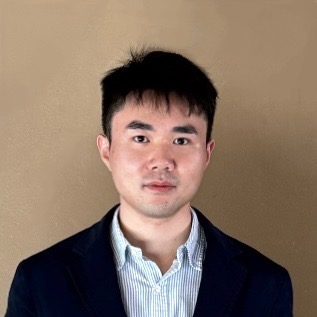
Dr. Sihang Liu is an Assistant Professor in the School of Computer Science at the University of Waterloo. Prior to this role, he served as a visiting faculty member at SystemsResearch@Google. He holds a PhD from the University of Virginia, where his research was supported by the Google Fellowship Award. His academic career has been marked by contributions to computer architecture, systems, and persistent memory technologies. Dr. Liu's research interests span computer architecture, systems, and cybersecurity, with a focus on persistent memory systems, energy-efficient computing, and data center optimization. His work bridges hardware-software co-design and explores challenges in scalable computing, fault tolerance, and sustainable AI systems. His recent publications highlight advancements in adaptive memory tiering (HybridTier), carbon intensity forecasting (EnsembleCI), and securing persistent memory (Side-Channel Attacks on Optane). These contributions underscore his commitment to addressing critical issues in modern computing systems' performance, security, and environmental impact. Awards: Google Fellowship Award (PhD), NVMW Memorable Paper Award Finalist (2019), 2019 MICRO Top Picks Honorable Mention Professional Service: Program committees for ISCA, MICRO, ASPLOS; Artifact evaluation roles in leading conferences As an advisor, Dr. Liu mentors a diverse group of students, including current PhD candidates Henry Tian and Desen Sun, and numerous undergraduates. His lab focuses on innovation in sustainable computing and resilient systems design.
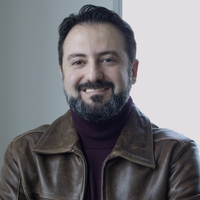
Kaisong Huang is a Researcher at the University of Calgary , where he leads the Data Systems and Infrastructure Lab (DSIL) . His work bridges database systems with modern hardware innovations, focusing on performance optimization and storage technologies. PhD, Computer Science, Simon Fraser University (Sep 2020 - May 2025) MMath, Computer Science, University of Waterloo (Sep 2018 - Aug 2020) BEng, Software Engineering, Nanjing University (Sep 2014 - Jun 2018) Huang's research spans database engines , transaction processing , data storage management , resource disaggregation , and AI/LLM-driven database systems . His work includes optimizing latency in database systems, leveraging non-volatile memory, and addressing cross-engine transaction consistency. Recent publications highlight trends in hardware-aware DBMS design, persistent memory indexing, and SSD performance trade-offs. Huang has received prestigious recognitions, including: ACM SIGMOD Best Paper Award (2025) ACM SIGMOD Student Travel Award (2025) ACM SIGMOD Research Highlight Award (2023) Simon Fraser University (SFU) Graduate Fellowship (2020-2024) SFU Computing Science Travel Awards (2022, 2025) SFU Professional Development Grant (2025) He actively contributes to academic service as: PC member for SIGMOD 2026, ICDE 2026, CIKM 2023-2025, VLDBJ 2025-2026 Reviewer for SIGMOD 2022 and the Journal of Systems Architecture Committee member for the SIGMOD Availability Committee
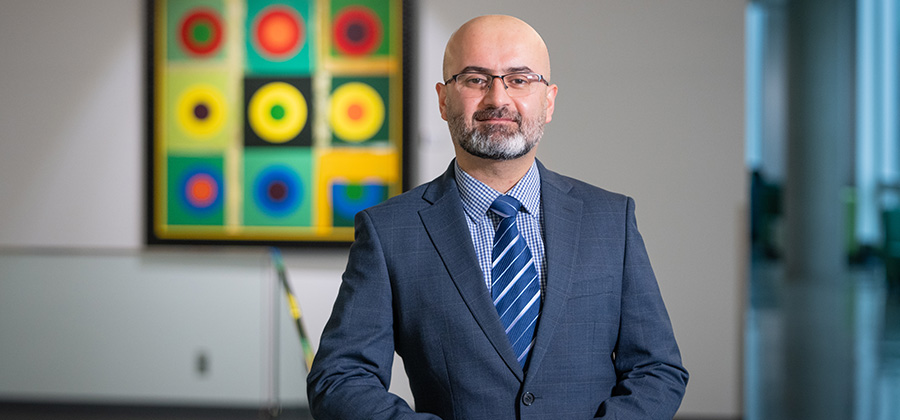
Dr. Navid Bahrani is an Associate Professor and Graduate Coordinator in the Department of Civil and Resource Engineering at Dalhousie University's Faculty of Engineering in Halifax, Nova Scotia, Canada. With over 10 years of professional experience in mining geomechanics, he brings both academic expertise and practical industry knowledge to his teaching and research. Dr. Bahrani's educational background includes: Bachelor of Science in Mining Engineering from Azad University, Tehran, Iran (2006) Master of Science in Mining Engineering from University of Alberta, Edmonton, Canada (2009) Doctor of Philosophy in Natural Resources Engineering from Laurentian University, Sudbury, Canada (2015) Post-Doctoral Fellowship at the University of Toronto's Lassonde Institute of Mining (2015-2017) Dr. Bahrani's research focuses on mining geomechanics , with particular emphasis on rock mechanics, underground excavation support design, numerical modeling in geotechnical engineering, brittle fracture phenomena, and rock slope stability. His work bridges theoretical understanding with practical applications in mining and civil engineering projects. He employs advanced computational methods to simulate rock behavior under various loading conditions, with special attention to the mechanical response of jointed and defected rock masses. His research has significant implications for mine design, ground support systems, and slope stability analysis in both mining and civil engineering contexts. Analysis of Dr. Bahrani's publication record reveals a strong focus on the application of numerical modeling techniques to solve complex rock mechanics problems. His work demonstrates evolving expertise from fundamental rock mechanics characterization to sophisticated 3D modeling of mining-induced stress changes and support system behavior. A notable trend in his research is the development and validation of grain-based models that bridge the gap between continuum and discontinuum approaches in rock mechanics simulation. His publications consistently address practical engineering challenges while advancing theoretical understanding of rock mass behavior. Dr. Bahrani has received recognition for his scholarly contributions: Peter Cundall Honorable Mention Award for paper: 'Bahrani N. and Kaiser P.K. 2016. Integrated grain-based-DFN model for simulation of defected rock, Proceedings of the 4th Symposium on Applied Numerical Modeling, Peru.' As Graduate Coordinator for the Department of Civil and Resource Engineering, Dr. Bahrani oversees graduate programs and advises students in mining and geotechnical engineering. His research has been supported by collaborations with industry partners including MIRARCO's Geomechanics Research Centre and various mining operations across North America. He has been involved in numerous projects related to in situ stress measurement, rock mass deformation monitoring, laboratory testing, and numerical modeling for practical mining applications. Dr. Bahrani maintains active professional affiliations with several organizations including the International Society for Rock Mechanics (ISRM), Canadian Rock Mechanics Association (CARMA), Canadian Geotechnical Society (CGS), International Society of Explosives Engineers (ISEE), and The Canadian Institute of Mining, Metallurgy and Petroleum (CIM). His work connects with broader research communities focused on rock mechanics and geotechnical engineering applications in mining contexts.
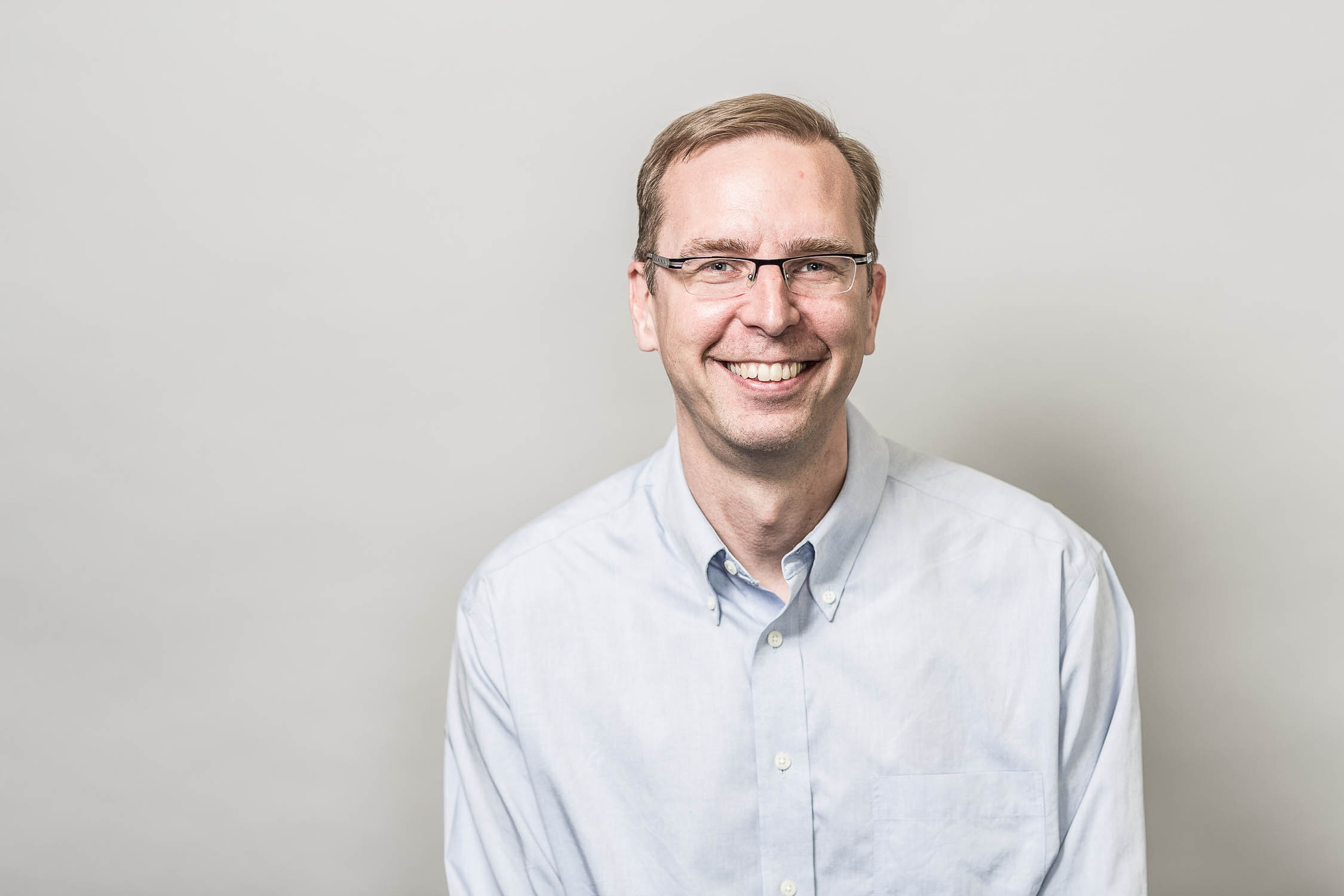
Eric Ruppert is an Associate Professor in the Department of Electrical Engineering & Computer Science at York University, where he has taught computer science since 2000. He is a member of the Theory of Computing Group and teaches foundational computer science courses including algorithms and theory of computation. He has served on program committees for major conferences including PODC 2025 and WADS 2025. Ruppert received his education at the University of Toronto. He has held postdoctoral positions at Brown University and served as a visiting professor at the École Polytechnique Fédérale de Lausanne. His research focuses on the theory of distributed computing, with particular emphasis on algorithm design and lower bound proofs. His recent work has centered on shared-memory data structures for multi-core architectures. His research interests span distributed algorithms, computational complexity, and the theoretical foundations of concurrent systems. He has made significant contributions to understanding the computational power of population protocols, consensus problems, and non-blocking data structures. His publication record shows a consistent focus on distributed computing theory, with recent work emphasizing non-blocking and wait-free data structures. Over the past decade, his research has increasingly addressed challenges in concurrent programming for multi-core systems, developing efficient algorithms for queues, deques, and binary search trees that provide strong progress guarantees. Ruppert has been actively involved in the distributed computing research community, serving on program committees for major conferences including PODC and WADS. His work has been published in top-tier venues such as Distributed Computing, Journal of the ACM, and proceedings of ACM SIGACT/SIGOPS conferences. At York University, Ruppert teaches courses on algorithms, theory of computation, and computational complexity. He has supervised numerous graduate students through project courses and thesis work. He is known for his dedication to teaching, including coaching students for the annual ACM programming contest. Ruppert is a member of the Theory of Computing Group at York University, which focuses on foundational aspects of computer science including algorithms, complexity theory, and distributed systems. His work bridges theoretical computer science with practical applications in concurrent and parallel computing.
Dr. Mahdi Daghmehchi Firoozjaei is an Assistant Professor in the Department of Computer Science at MacEwan University, Edmonton, Canada. Previously, he held roles as an Assistant Professor at the University of Windsor and a Postdoctoral Research Fellow at the Canadian Institute for Cybersecurity (CIC). He earned a Ph.D. in Computer Engineering from Sungkyunkwan University, Korea, and has a decade of industry experience in cybersecurity, including leadership in OT forensics and IoT blockchain projects. Education: Ph.D. in Computer Engineering, Sungkyunkwan University (2014-2018) MSc in Telecommunication-Cryptology, Tehran, Iran (2000-2003) BSc in Telecommunication Engineering, Tehran, Iran (1996-2000) Research Interests: Cybersecurity, network security, blockchain, digital forensics, malware analysis, privacy-preserving techniques, and Industrial IoT (IIoT) security. His current projects include designing forensics-based mechanisms against IIoT malware and developing trust engineering models for multi-cloud environments. Notable Awards: Best Researcher Award-2023 (SFConferences) Best Paper Award (AINA-2015) SKKU Superior Research Award 2017 (runner-up) SKKU Scholarship for Outstanding International Students (2014-2018) Teaching: Courses include Computer System Security, Networking and Data Security, and Algorithm and Data Structures at MacEwan University. Previously taught advanced computing and computer architecture at the University of Windsor.
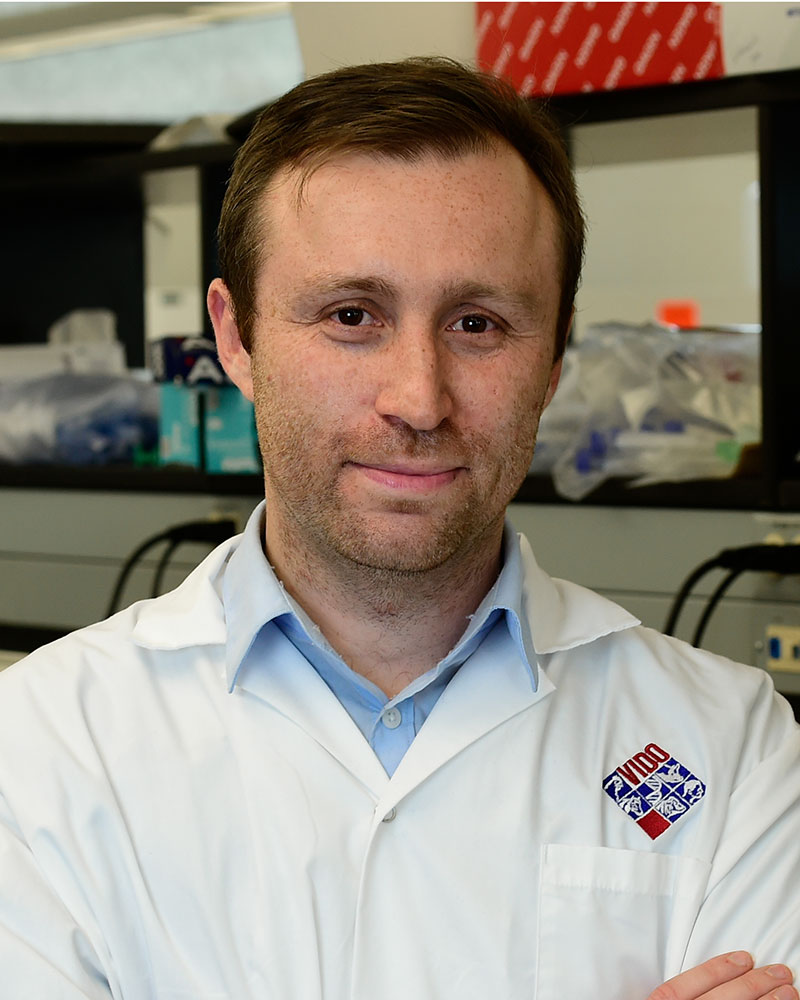
Uladzimir Karniychuk is an Adjunct Professor in the Department of Veterinary Microbiology at Ohio State University and leads Zika virus research at VIDO-Intervac (University of Saskatchewan). He holds a DVM from Vitebsk State Academy of Veterinary Medicine (2005) and a PhD in Veterinary Medicine from Ghent University (2012), focusing on porcine reproductive and respiratory syndrome virus (PRRSV) pathogenesis. His research spans emerging infectious diseases, viral host interactions, and vaccine development using animal models. Key areas include: Design and validation of humanized mouse and ferret models for HIV-1 and influenza Mechanisms of Zika virus infection in utero and fetal outcomes Development of CpG-recoded Zika virus vaccine candidates Pathogen persistence in reproductive tissues Publications highlight innovative strategies in viral attenuation, molecular footprints of persistent infections, and cross-species transmission dynamics. His work bridges basic virology with translational applications in veterinary and human medicine.
Alice Maurice is an Associate Professor in the Department of English at the University of Toronto, specializing in race and technology in early cinema, documentary studies, and American literature. Her work bridges film history, visual culture, and critical race theory. Research Focus: Racial representation in early U.S. cinema Technological evolution of cinematic language Documentary film production and analysis Intersections of literature, drama, and screen media Her recent publications examine facial representation in cinema ( Faces on Screen: New Approaches , 2022) and the persistence of racial tropes in modern media. Film productions she co-produced include the Academy Award-winning Defending Our Lives (1994) and the Peabody Award-winning A Healthy Baby Girl (1997). Scientific Awards: Peabody Award (Associate Producer, A Healthy Baby Girl, 1997) Academy Award for Best Documentary Short Subject (Associate Producer, Defending Our Lives, 1994) Her article analysis reveals recurring themes of racialized performance, technological mediation of identity, and the uncanny in documentary practice. These works engage with film theory, critical race studies, and interdisciplinary methodologies.
V Tony Chetty is an Associate Professor in the Department of Pathology & Molecular Medicine at McMaster University's Michael G. DeGroote School of Medicine. His academic career spans over two decades with a focus on clinical biochemistry and its applications in understanding metabolic disorders and improving clinical diagnostics. Dr. Chetty's research interests span multiple areas of clinical medicine and biochemistry: Clinical Biochemistry and Laboratory Medicine Diabetes and Endocrine Disorders Obesity and Metabolic Syndrome Cardiovascular Biomarkers Inflammatory Bowel Disease Molecular Pathology Hypertension and Cardiovascular Risk His scholarly work demonstrates a consistent focus on translational research that bridges laboratory findings with clinical applications. Dr. Chetty has made significant contributions to understanding biochemical markers of disease, particularly in diabetes management, obesity-related complications, and cardiovascular risk assessment. His research often involves collaborative multi-center studies that address practical clinical questions with immediate applicability to patient care. Analysis of Dr. Chetty's 15 most recent publications reveals a strong emphasis on metabolic disorders, with particular focus on obesity, diabetes, and cardiovascular biomarkers. His work spans both basic science investigations and clinical applications, demonstrating his ability to connect laboratory findings with patient care. Recent publications show increasing attention to emerging health topics including SARS-CoV-2 immunity and analytical testing of cannabis. Dr. Chetty maintains an active teaching role as an instructor for Clinical Biochemistry (BIOCHEM 3H03) at McMaster University, where he has taught in both 2020 and 2022. His teaching focuses on the practical applications of biochemical principles in clinical diagnosis and management, reflecting his research interests and clinical expertise.
Bing Chen is a Professor in Environmental Engineering at Memorial University of Newfoundland, Canada, and currently serves as the Acting Associate Dean of the Faculty of Engineering & Applied Science. He is also the Director of the Northern Region Persistent Organic Pollution Control (NRPOP) Laboratory and the founding Director of the global Network on Persistent, Emerging, and Organic Pollution in the Environment (PEOPLE Network). Additionally, he holds affiliations as an Affiliated Faculty at the University of California Berkeley and as an Adjunct/Visiting Professor at five other institutions worldwide. Chen is a registered Professional Engineer in Canada and has contributed extensively to environmental engineering, particularly in marine/coastal pollution mitigation, AI-aided decision making, and cold-region sustainability. His work spans climate change studies, persistent contaminant research, and environmental emergency response systems, with over 460 technical publications and 8 patents. He has received more than 50 awards and honors, including Fellowships from the Engineering Institute of Canada (EIC) and the Canadian Society for Civil Engineering (CSCE) , and is a Member of the Royal Society of Canada (College) . His editorial roles include Editor-in-Chief of Environmental Systems Research and Associate Editorships in two refereed journals.
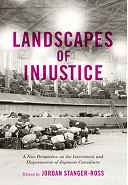
Jordan Stanger-Ross is a Professor and Provost's Engaged Scholar (2020-2025) in the Department of History at the University of Victoria. He holds a BA from McGill University and PhD from the University of Pennsylvania. His research focuses on migration, race, and inequality in twentieth-century North America, with emphasis on Japanese Canadian internment and dispossession. He directs the Landscapes of Injustice project and co-directs Past Wrongs, Future Choices, a multinational research initiative on Japanese diaspora persecution. His award-winning research has redefined understandings of systemic racism, property confiscation, and state violence in Canadian history. Recent publications examine transnational apology politics, constitutional violations during wartime, Holocaust memory in settler cities, and resistance strategies against dispossession. His community-engaged methodology integrates archival research with descendant perspectives.
Lindsay Berrigan is an Associate Professor of Psychology at St. Francis Xavier University. Her research focuses on neuropsychology and cognitive neuroscience, particularly how cognitive processes such as attention, learning, memory, and executive functions are affected in neurological populations including multiple sclerosis (MS), ADHD, and mild traumatic brain injury. She employs electroencephalography (EEG) and event-related potentials (ERPs) to investigate physiological mechanisms underlying cognitive deficits. Dr. Berrigan also evaluates cognitive assessment tools and develops improved measures, alongside knowledge translation projects aimed at enhancing healthcare practices. Her work spans comorbidities like anxiety and depression in immune-mediated disorders, and she has contributed to clinical guidelines on concussion management and vaccine compliance strategies. Her research interests encompass cognitive neuroscience methodologies, neuropsychological assessment innovations, and translational research bridging clinical practice and neuroscientific insights. Notable projects include studies on sex differences in anxiety across chronic illnesses and the application of EEG microstates to understand mood disorders. Dr. Berrigan collaborates across disciplines to address gaps in healthcare delivery, particularly in pediatric and immunological contexts. Publications highlight her focus on cognitive impairment in MS, ADHD neurobiology, and translational health interventions such as text message reminders for vaccinations. She maintains active involvement in guideline development for concussion management and persistent symptoms, reflecting her commitment to evidence-based clinical practices.
Karl J. Jobst is an Assistant Professor in the Department of Chemistry at Memorial University of Newfoundland, with prior roles as a Scientist at the Ontario Ministry of the Environment (2013-2019) and Visiting Fellow at Environment Canada (2011-2013). He holds a Ph.D. in gas-phase ion chemistry from McMaster University (2011) and is an Adjunct Assistant Professor at McMaster and the University of Toronto Scarborough. His research focuses on emerging environmental contaminants, using mass spectrometry and computational methods to study their ecological and human health impacts. His work spans environmental chemistry, toxicology, and exposomics, with a focus on microplastics, PFAS, and industrial pollutants. The Jobst Lab employs advanced techniques like multidimensional separations, metabolomics, and ion mobility-mass spectrometry to identify contaminants in complex matrices such as air, water, and biological tissues. Recent studies include placental microplastic quantification, maternal-fetal exposure pathways, and pollutant bioaccumulation in wildlife. Dr. Jobst has authored/co-authored over 70 peer-reviewed publications and serves on the editorial board of Current Opinion in Environmental Science & Health . His lab’s news highlights include securing funding for placental microplastic research and relocating to state-of-the-art facilities.
James Nelson Novoa is an Associate Professor in the Department of Modern Languages and Literatures at the University of Ottawa, Faculty of Arts. His research focuses on the cultural, social, and religious history of early modern Europe, particularly Portuguese New Christian communities, the Inquisition, and Mediterranean trade networks. He holds affiliations with institutions such as the Universidade de Lisboa (Centro de História), Carleton University’s Zelikovitz Centre for Jewish Studies, and multiple European research centers. Education: Ph.D. in Hispanic Literature (Universidad de Valencia, 2003), Licenciatura in Philosophy (Universidad de Valencia, 1997), and a Bachelor of Arts in Philosophy (Collège dominicain de philosophie et de théologie, 1993). Research Interests: Early modern history, diaspora studies, cultural memory, digital humanities, and the intersection of religion and identity. His work examines Portuguese New Christians’ navigation of religious persecution, their economic roles in Mediterranean trade, and their cultural contributions to Roman and Tuscan society. Publications highlight themes of transnational networks, material culture, and the legacy of the Inquisition. His scholarship bridges historical analysis with cultural studies, emphasizing marginalized communities’ agency and memory-making processes.
Ulf Schuetze is a Professor in the Germanic Studies department at the School of Linguistics, Languages and Cultures , University of Victoria, Canada. With over 25 years of experience across five universities in Europe, North America, and Oceania, his research focuses on technology-assisted language learning, the intersection of language and culture, and psycholinguistic mechanisms in second language acquisition. Education: PhD from the University of British Columbia Research Interests: Second Language Acquisition (SLA) with emphasis on memory retention and cognitive processing Integration of Virtual Reality (VR) and Artificial Intelligence (AI) in language pedagogy Psycholinguistic studies of vocabulary acquisition and spaced repetition techniques Development of intercultural communicative competence through digital platforms Publication Trends: His work spans VR/AI-driven language learning simulations, cognitive neuroscience applications in SLA, and intercultural analysis of lexical differences. Recent projects include AI chatbots for ESL practice in VR environments. Current Research: Collaborating with Dr. Haworth in the Graphics, Artificial Intelligence, Design and Games (GADG) Lab , he is developing AI conversational agents for immigrants to practice everyday ESL scenarios in immersive VR settings.
Matthew Sorbara is an Assistant Professor in the Department of Molecular and Cellular Biology at the University of Guelph (since 2021). His research focuses on understanding the functional and genomic diversity of the gut microbiota, particularly how microbial interactions influence host immunity and pathogen resistance. He holds a BSc in Microbiology from the University of Toronto, a PhD in Immunology from the University of Toronto, and completed postdoctoral training at Memorial Sloan Kettering Cancer Center and the Duchossois Family Institute (University of Chicago). His lab investigates how genomic diversity within gut microbial species impacts their ability to prevent pathogen expansion and maintain host-microbiota homeostasis. Key areas include microbiota restoration strategies, microbial metabolic adaptations, and the interplay between diet, microbiota, and immune responses. Recent work emphasizes translational applications in microbiome-based therapeutics and live biotherapeutic design. Education: BSc in Microbiology, University of Toronto PhD in Immunology, University of Toronto CIHR Postdoctoral Fellowship, Memorial Sloan Kettering Cancer Center Duchossois Family Institute (University of Chicago) Research Themes: Microbiota functional diversity and genomic variation Microbial colonization resistance mechanisms Host-microbiota metabolic interactions Restoration of dysbiotic microbiota Lab Location: SSC 3206A Recent publications highlight advancements in understanding microbiota adaptations to host immune activation, microbial metabolic pathways (e.g., Wood-Ljungdahl pathway), and the design of synbiotics for microbiome modulation. His work bridges basic microbiology with clinical applications, addressing challenges in antimicrobial resistance and inflammatory diseases. Matthew advises graduate and undergraduate students in microbiology, the microbiome, and host-pathogen interactions. Open positions are available for motivated candidates to join his lab.