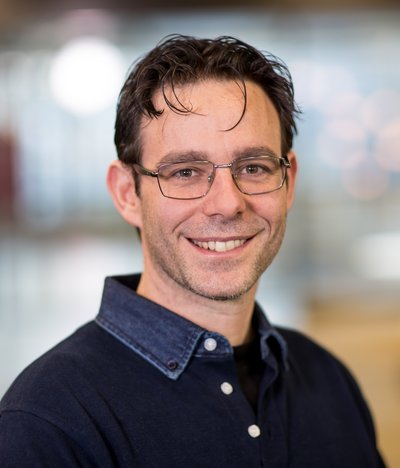
Massimo Mischi is a Full Professor at the Faculty of Electrical Engineering of the Eindhoven University of Technology (TU/e) and chairs the Signal Processing Systems (SPS) Division , the largest division at TU/e with over 250 researchers. He founded the Biomedical Diagnostics (BM/d) Lab in 2012, which now includes 180 researchers and clinical/industrial advisors, focusing on biomedical signal processing for diagnostics and monitoring.
Guangyu Cao is a Professor at the Department of Energy and Process Engineering, Norwegian University of Science and Technology (NTNU). He holds leadership roles in multiple international organizations, including the European standards working group CEN TC156 WG18, REHVA's technical committee, and the editorial board of the Journal of Building Engineering (Impact Factor 5.318). His research focuses on indoor airflow dynamics, ventilation systems in healthcare settings, and airborne disease transmission mitigation, with a strong emphasis on surgical environments and school buildings. Education: PhD in Energy Engineering (2009), Helsinki University of Technology Senior Researcher at VTT Technical Research Center (2009-2014) Research Interests: Hospital ventilation optimization, thermal comfort in clinical settings, airborne infection control, and sustainable building environmental quality. He combines experimental studies with mathematical modeling to evaluate ventilation strategies, particularly in operating rooms and isolation wards. Projects: EU Marie Curie DTN HumanIC (2024–2027) EU H2020 iclimabuilt (2021–2025) NFR POSIred (2020-2024) Labs/Teams: Collaborates with St. Olav's Hospital on indoor environment projects and leads teams in Cold Climate HVAC and Healthy Building Europe initiatives.
Francesco Maisano, MD , is Full Professor of Cardiac Surgery at Vita-Salute San Raffaele University (Milan) since 2021, where he also serves as Director of the Cardiac Surgery Clinic and of the Valve Center at IRCCS San Raffaele Hospital. From 2014 to 2020 he held the Chair of Cardiac Surgery and directed the Department at University Hospital Zurich. Education & Training 1990 – MD, Catholic University of Rome 1994 – Clinical Fellowship, University of Alabama at Birmingham 1995 – Specialization in Cardiac Surgery, La Sapienza University of Rome Research Interests Professor Maisano’s work centres on innovative therapies for heart-valve disease, spanning surgical reconstruction, catheter-based interventions (TAVI, MitraClip, transcatheter tricuspid devices), and hybrid approaches. He leads translational programmes in biomedical engineering, multimodality cardiac imaging, and artificial-intelligence-guided interventions, with emphasis on the multidisciplinary “Heart Team” model for complex cardiovascular disease. His recent publications (2024-2025) demonstrate intense activity in transcatheter mitral and tricuspid repair, long-term durability of surgical mitral repair, AI-driven procedural guidance, and renal protection strategies during mechanical circulatory support. A dominant theme is translating imaging innovations and device concepts into first-in-human studies and large-scale registries. Scientific Awards & Recognitions European Society of Cardiology Silver Medal (2018) ICI Lifetime Achievement in Research & Teaching (2018) ICI Best Technology Parade Presentation (2010) C. Walton Lillehei Young Investigator Award (1999) Leadership & Grants He directs multiple postgraduate programmes, including Certificate of Advanced Studies (CAS) tracks at the University of Zurich in multimodality imaging, aortic valve, and mitral–tricuspid interventions. He is principal investigator on investigator-initiated grants, coordinates industry-partnered device trials, and mentors numerous doctoral and post-doctoral researchers. His team has filed >24 patents and spun off several cardiovascular start-ups. Labs & Teams At IRCCS San Raffaele he leads the Valve Science Center , a multidisciplinary hub integrating cardiac surgeons, interventional cardiologists, imaging specialists, biomedical engineers, and data scientists focused on next-generation valve repair/replacement technologies and personalised cardiovascular medicine.
Adrian Chan is a Professor at Carleton University's Department of Systems and Computer Engineering, Faculty of Engineering and Design. He holds the title of Director of the Research and Education in Accessibility, Design, and Innovation (READi) program. His expertise spans biomedical engineering, signal processing, and accessibility technologies. Education: Ph.D. in Electrical Engineering (University of New Brunswick), M.A.Sc. in Electrical Engineering (University of Toronto), B.A.Sc. in Computer Engineering (University of Waterloo). Research focuses on non-invasive sensors, biomedical signal/image processing, machine learning, and accessibility solutions. Notable projects include the Abilities Living Laboratory and collaborations with healthcare institutions like The Ottawa Hospital. His work addresses challenges in neonatal transport safety, placental imaging for maternal health, and wearable medical devices. Publications highlight advancements in AI-driven ECG analysis, histopathology segmentation, and clinical monitoring systems. Over 150 students have been mentored, with many securing prestigious awards. Awards include the 2024 CMBES Fellowship, 2023 Carleton Research Achievement Award, and 2012 3M Teaching Fellowship. Grants include NSERC CREATE programs and CFI funding for the Abilities Living Laboratory. Leadership roles include interim Assistant Vice-President (Academic), Associate Dean (Graduate Programs), and Shad Valley Program Director. Active in community initiatives like the READi training program and accessibility advocacy.
Associate Professor Javad Tavakoli holds a dual appointment at RMIT University’s School of Engineering (Department of Biomedical Engineering) and serves as a Visiting Fellow at the University of Technology Sydney’s School of Biomedical Engineering. His research focuses on biomechanical engineering , biomaterials , and orthopaedic applications , with notable contributions to intervertebral disc-on-a-chip models and hydrogel-based drug delivery systems . He has pioneered cutting-edge technologies such as microfluidic platforms for hydrogel characterization and aggregation-induced-emission fluorogens for biomedical sensing. His academic journey includes a PhD from Flinders University (2015–2018) and postdoctoral work at Flinders University’s China-Australia International Laboratory for Health Technologies (2018–2020). He received the Chancellor’s Research Fellowship from UTS in 2020, enabling the development of the world’s first disc-on-a-chip model, which won the AO Spine Discovery and Innovation Award (2022) and David Findlay Award (2022). Key research interests include organ-on-a-chip systems , mechanobiology , and nanofabrication of biosensors . He leads a team recognized for student achievements such as the UTS Capstone Showcase Judges’ Choice Award (Stephanie Weiss, 2022) and Engineering Female Scientist Award (Maryam Rad, 2022). His work aligns with UN Sustainable Development Goals 3 (Good Health) and 9 (Industry Innovation). Notable awards also include the Best Spinal Research Award (2023), Engineers Australia Excellence Award (2023), and multiple Excellence in Reviewing Awards . His research outputs span biomechanical engineering , additive manufacturing , and microfluidics , with over 70 peer-reviewed publications and three commercialized products. Current initiatives include advancing 3D-printed orthopaedic implants , low back pain diagnostics , and fluorescent hydrogel applications . Collaborative projects with industry and global institutions underscore his translational research impact.
Professor Alistair McEwan, affiliated with the University of Sydney's School of Biomedical Engineering, specializes in biomedical devices and instrumentation for neurological and cardiovascular diagnostics. As the Cerebral Palsy Chair of Technology and Engineering and Associate Head (External Engagement), he focuses on low-cost medical solutions for resource-limited settings, including neonatal care and stroke detection. His research bridges biophysics and clinical translation, with applications in electrical impedance tomography, wearable sensors, and neuroprosthetics. PhD from University of Oxford Member of the Sydney Nano Institute, Brain and Mind Centre, and Charles Perkins Centre His work explores how tissue electrical properties can enhance understanding of neural signaling and implant design. Clinical collaborators include the Bill & Melinda Gates Foundation for newborn nutrition monitoring. Recent projects involve AI-assisted critical care modeling, bionic devices for stress measurement, and adaptive control systems for neonatal resuscitation equipment.
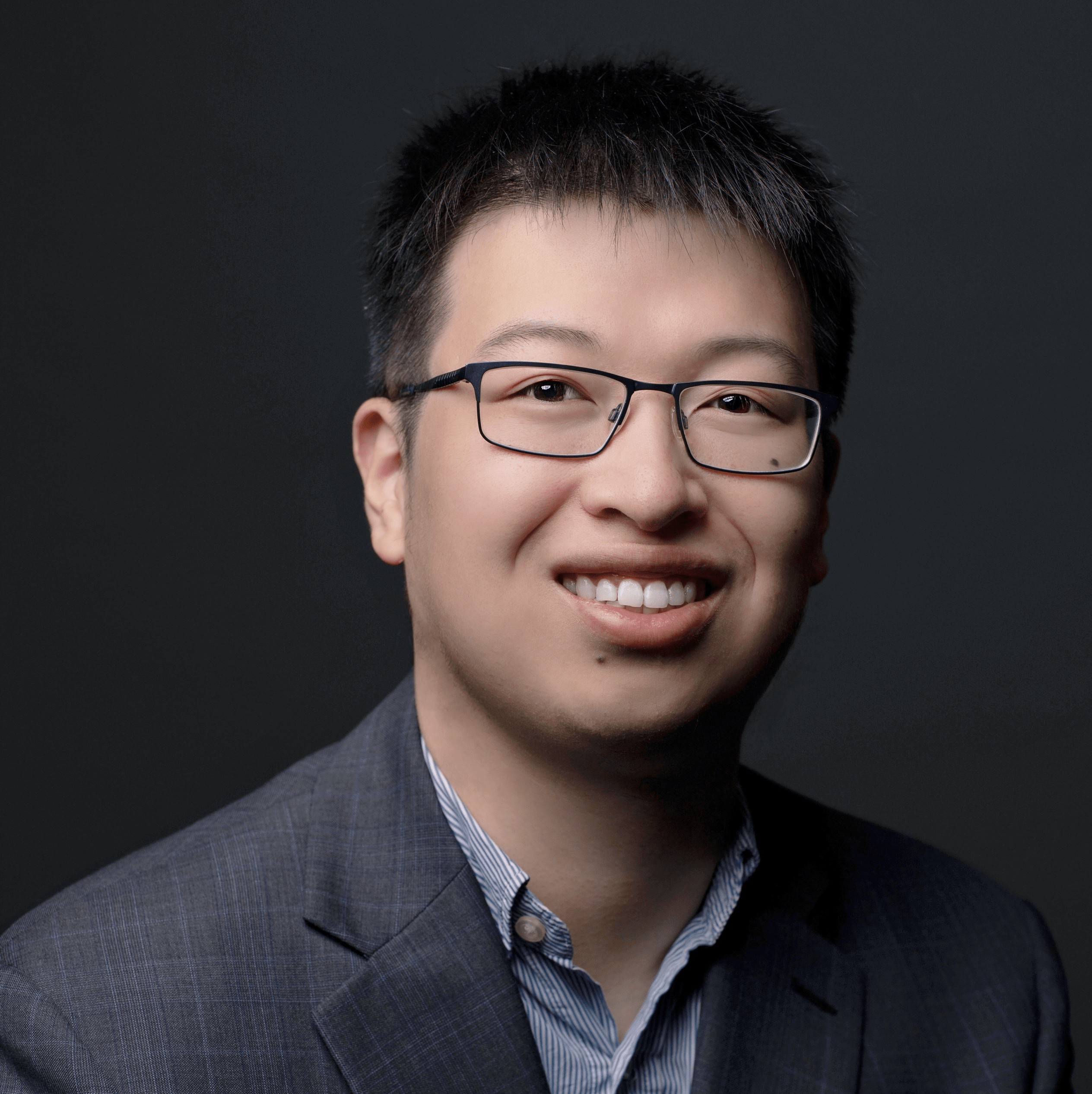
Dr. Yian Yin is an Assistant Professor of Information Science at Cornell University within the Cornell Bowers College of Computing and Information Science. His research focuses on computational social science, data science, and network science to study scientific progress, innovation, and complex social processes. He has affiliations with Northwestern University’s Northwestern Institute on Complex Systems (NICO) and Kellogg Center for Science of Science and Innovation (CSSI). Education: Ph.D. in Industrial Engineering and Management Sciences from Northwestern University Bachelor's degrees in Statistics and Economics from Peking University Research Interests: Computational tools for understanding scientific collaboration and innovation Analysis of policy impacts on scientific output during crises Quantitative frameworks for studying failure in scientific endeavors Cross-disciplinary applications in art, economics, and public health Awards: Forbes 30 Under 30 in Science (2023) Emerging Researcher Award from Complex Systems Society (2023) Advancement Activities: Organized Summer Institute in Computational Social Science (SICSS) Chicago Program Co-Chair for International Conference on Science of Science and Innovation Labs/Teams: Leads computational social science research groups at Cornell, focusing on science-of-science methodologies and innovation ecosystems.
Prof.dr. R. Arthur Bouwman is a Full Professor at the Electrical Engineering department of the Eindhoven University of Technology and affiliated with the Eindhoven MedTech Innovation Center . His work bridges biomedical engineering and clinical medicine , focusing on physiological monitoring , medical imaging , and biomarker validation for real-time patient care. Education : Not explicitly detailed in the text His research emphasizes non-invasive diagnostics and AI-driven health monitoring , including video-based cardiac arrhythmia detection , sweat-based renal function analysis , and Doppler ultrasound optimization . Recent work explores causal inference in observational studies and automated early warning systems in surgical wards. Key article trends highlight biomedical signal processing , medical device innovation , and integration of wearables in perioperative care . Collaborations span institutions like Catharina Hospital and research centers across cardiovascular and renal domains.
Harm J. Scholten serves as a University Researcher at Eindhoven University of Technology (TU/e), specifically within the Signal Processing Systems group of the Electrical Engineering department. He maintains a dual affiliation with Catharina Hospital, where he applies engineering principles to clinical medical challenges. His research profile shows strong connections to the Eindhoven MedTech Innovation Center, reflecting his interdisciplinary focus on medical technology development. Dr. Scholten's research spans multiple critical medical domains with particular emphasis on ultrasound guidance applications in clinical settings. His work in vascular access (100% research focus), cannulation techniques (93%), and rectal cancer treatment (85%) demonstrates a clear trajectory in developing and validating medical technologies for surgical and intensive care applications. The fingerprint analysis of his publications reveals additional significant contributions to total mesorectal excision procedures (56%), critical care medicine (56%), and arm-related vascular procedures (51%). Analysis of his recent publications (2021-2023) reveals a consistent theme of applying advanced imaging technologies to improve procedural outcomes in vascular access, critical care, and oncological surgery. His work bridges engineering and clinical medicine, with particular focus on 3D ultrasound applications, fluid management protocols in ICUs, and enhanced recovery pathways for cancer patients. The research demonstrates strong clinical validation through multiple randomized controlled trials and feasibility studies. Dr. Scholten has established productive collaborations across multiple institutions, with particular emphasis on the Catharina Hospital partnership. His research contributes to UN Sustainable Development Goals related to health and well-being, focusing on improving medical procedures and patient outcomes through technological innovation.
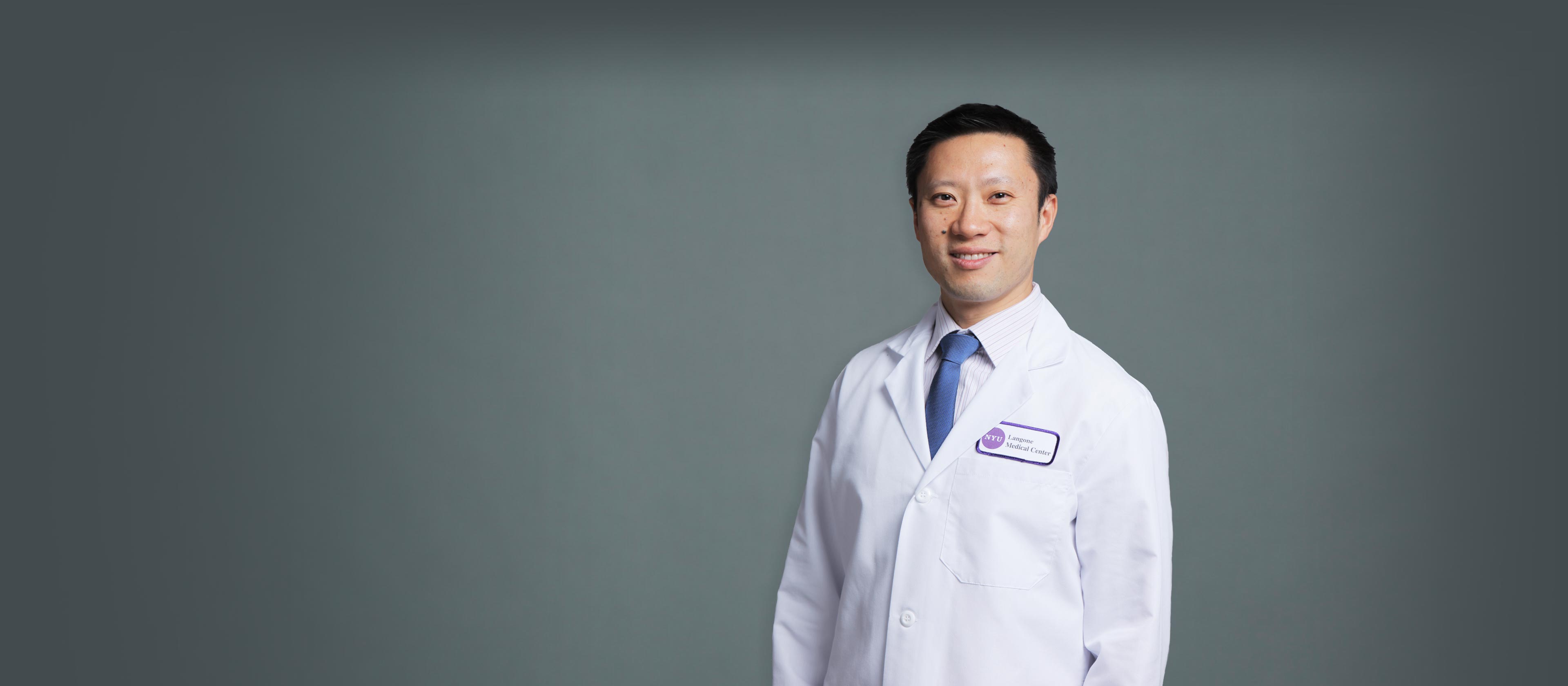
Jing Wang is a Professor at NYU Grossman School of Medicine, affiliated with both the Department of Anesthesiology, Perioperative Care, and Pain Medicine and the Department of Neuroscience . She specializes in pain medicine, combining clinical practice with research on brain circuits and pain regulation. Dual MD-PhD training (Columbia University, 2004 and 2003 respectively) Leadership roles: Director of Interdisciplinary Pain Program and Vice Chair, Research, in Anesthesiology Her research interests focus on cortical pain mechanisms, computational neuroscience for pain decoding, and brain-machine interfaces. Key areas include: Glutamatergic projections in pain modulation Ketamine studies for postoperative pain Machine learning for neural biomarkers of chronic pain Psychedelics in pain treatment Current clinical trials include: Chronic Pain and Postoperative Cognitive Function in the Elderly EEG Biomarkers for Acute-to-Chronic Pain Transition Predictive Biomarkers in Chronic Pancreatitis Pain Her work bridges molecular neuroscience , clinical applications , and real-time neural engineering for pain management.
Dr. Arnout Devos is a Lecturer at the Department of Computer Science at ETH Zurich and a staff member at the ETH AI Center and ELLIS. His work focuses on Artificial Intelligence research and education, with specializations in generative AI, few-shot learning, and accelerating deep tech innovation. He co-founded the Sciencepreneurship Community to foster entrepreneurial scientists and leads initiatives like the ETH AI Center Academic Talk Series (AICATS) to bridge academic collaborations. Education: PhD in Machine Learning (EPFL, 2024) as a Marie-Curie fellow; Master’s in Computer Science (USC, 2018); degrees in Management, Electrical Engineering, and EECS (KU Leuven). Awards include the EPFL Teaching Assistant Award (2024). Research interests span AI ethics, healthcare applications, and interdisciplinary collaborations. His PhD thesis advanced few-shot learning techniques for efficient model adaptation. Projects include the Sciencepreneurship Summer School and investments via S2S Ventures, including exits like Digit Soil. Key Activities: Academic leadership, startup mentorship, venture capital advising Labs/Teams: ETH AI Center, ELLIS, S2S Ventures Grants: Marie-Curie Fellowship (PhD funding)
Donald E. Brown is the W.S. Calcott Professor in the Systems and Information Engineering Department at the University of Virginia, serving as Founding Director of the Data Science Institute and Co-Director of the Translational Health Institute of Virginia. He holds a B.S. from the United States Military Academy (1973), M.S. and M.E. from UC Berkeley (1979), and a Ph.D. from the University of Michigan (1985). His research focuses on data fusion, knowledge discovery, and predictive modeling with applications in healthcare, security, and safety. Dr. Brown leads over 90 federal/state/private research projects, publishes extensively (120+ papers, 2 books), and is a Fellow of the IEEE. He has received prestigious awards including the Norbert Wiener Award and IEEE Millennium Medal. His work bridges academia and industry through Commonwealth Computer Research, Inc., providing data analysis services. He advises on national committees including the National Research Council and the NRC Committee on Transportation Security. His teaching excellence was recognized by students three times as 'best undergraduate teacher' (2001–2003). Research Interests: Data Fusion, Knowledge Discovery, Simulation Optimization, Machine Learning, Predictive Analytics Publications: Focus on healthcare analytics (e.g., Long COVID, tuberculosis, histopathology), AI-driven medical imaging (capsule endoscopy, eosinophil segmentation), and cybersecurity applications. Awards: IEEE Joseph Wohl Career Achievement Award (2017), Governor's Technology Award (1999), Norbert Wiener Award (2002). Grants/Projects: Over 90 funded projects on data science, healthcare tech, and security systems. He leads interdisciplinary initiatives like the iTHRIV Commons for health data sharing and develops AI tools for medical diagnostics at UVA. Current work includes AI in cardiovascular disease prediction, perioperative data digitization for LMICs, and real-time anomaly detection in healthcare systems.
Eric B Schneider is an Associate Professor of Surgery at Yale School of Medicine and holds a secondary appointment in the Department of Chronic Disease Epidemiology at Yale School of Public Health . His research spans health services, surgical outcomes, and data science , with a focus on bariatric surgery, trauma care, and health equity . PhD in Public Health from Johns Hopkins University (2009) BS in Biomedical Engineering from Johns Hopkins University (2003) Dr. Schneider's research integrates machine learning, clinical outcomes analysis, and global health initiatives . Recent publications highlight applications of AI in surgical decision-making , disparities in pediatric trauma fatalities , and metabolic surgery outcomes . His work addresses health equity in underserved populations and cost-effectiveness in surgical care. Key trends in his 2024–2025 articles include AI-driven clinical tools , health disparities in post-mastectomy reconstruction , and cost analysis in complex surgeries . Collaborative efforts involve institutions like Johns Hopkins , Karolinska Institutet , and Uniformed Services University . Dr. Schneider has mentored over 40 postdoctoral fellows and serves as Principal Investigator for Department of Defense-funded studies . He co-leads the Surgery Center for Health Services and Outcomes Research , which provides biostatistical support , database infrastructure , and machine learning expertise for surgical research.
Karen Eilbeck is Professor of Biomedical Informatics and Adjunct Associate Professor of Human Genetics at the University of Utah , where she directs a bioinformatics research lab focused on precision medicine and genomic data management. Education B.S., University of Salford, United Kingdom Ph.D., University of Manchester, United Kingdom Research Interests The Eilbeck lab leverages computer science and ontology engineering to address contemporary questions in genomics and molecular biology. Central themes include: Development of ontologies such as the Sequence Ontology (SO) and Non-Coding RNA Ontology (NCRO) to standardize and structure biological data. Design of ontology-enabled software tools that enhance data sharing, variant interpretation, and precision medicine workflows. Metagenomic pathogen detection, clinical genome interpretation, and integration of multi-omics datasets to advance personalized healthcare. Publication Trends Recent publications (2023-2025) emphasize AI-driven clinical decision support, standardized genomic terminology, and large-scale infectious-disease risk modeling. Earlier works (2005-2018) established foundational ontologies and data formats (GVF, VCF) now widely adopted by the genomics community. Contact & Resources Email: keilbeck@genetics.utah.edu Lab website: available via University of Utah Department of Biomedical Informatics Full publication list: PubMed search | Google Scholar
Dr. Wei Cao is a Professor at The University of Texas Health Science Center at Houston conducting groundbreaking research at the intersection of neuroscience and immunology. His work focuses on neuroinflammation in neurodegenerative diseases, particularly Alzheimer's disease, with emphasis on the role of type I interferon pathways and microglial activation in disease pathogenesis. Dr. Cao's educational background includes a BS equivalent in Biological Science from Tsinghua University, a PhD in Biochemistry from the University of North Carolina at Chapel Hill, and postdoctoral training in Molecular Virology at The Scripps Research Institute. BS (eq) in Biological Science - Tsinghua University, Beijing, China PhD in Biochemistry - University of North Carolina at Chapel Hill Postdoctoral Fellowship in Molecular Virology - The Scripps Research Institute Dr. Cao's research program centers on understanding how neuroinflammation contributes to neurodegenerative processes, with particular focus on Alzheimer's disease. His lab discovered that type I interferon, traditionally associated with antiviral responses, plays a pathogenic role in AD by promoting synapse elimination and impairing memory performance. Current investigations explore how genomic instability and transposable element dysregulation in aging contribute to neuroinflammation, and how peripheral immune responses and environmental factors influence brain pathology. Analysis of Dr. Cao's recent publications reveals a consistent research trajectory focused on the interface between immune responses and neurodegeneration. His work spans from fundamental molecular mechanisms of interferon signaling in microglia to translational studies examining therapeutic approaches for Alzheimer's disease. The publications demonstrate expertise in both neuroscience and immunology, with increasing emphasis on the role of aging-related genomic changes in neuroinflammatory processes. Dr. Cao leads the Cao Lab and is affiliated with several research centers including the Center for Perioperative Medicine, Consortium on Aging, and Neuroscience Research Center at UTHealth Houston. His research program appears to be well-funded through multiple NIH or similar grants, though specific funding sources aren't detailed in the provided text. The lab actively investigates the connections between peripheral immune responses, environmental factors, and brain pathology in neurodegenerative conditions. Dr. Cao's laboratory is part of the broader neuroscience research ecosystem at UTHealth Houston, collaborating with researchers across multiple disciplines to understand the complex interplay between immune responses and neurodegenerative processes. His work bridges basic science and potential clinical applications, particularly in developing interventions targeting neuroinflammatory pathways in Alzheimer's disease.