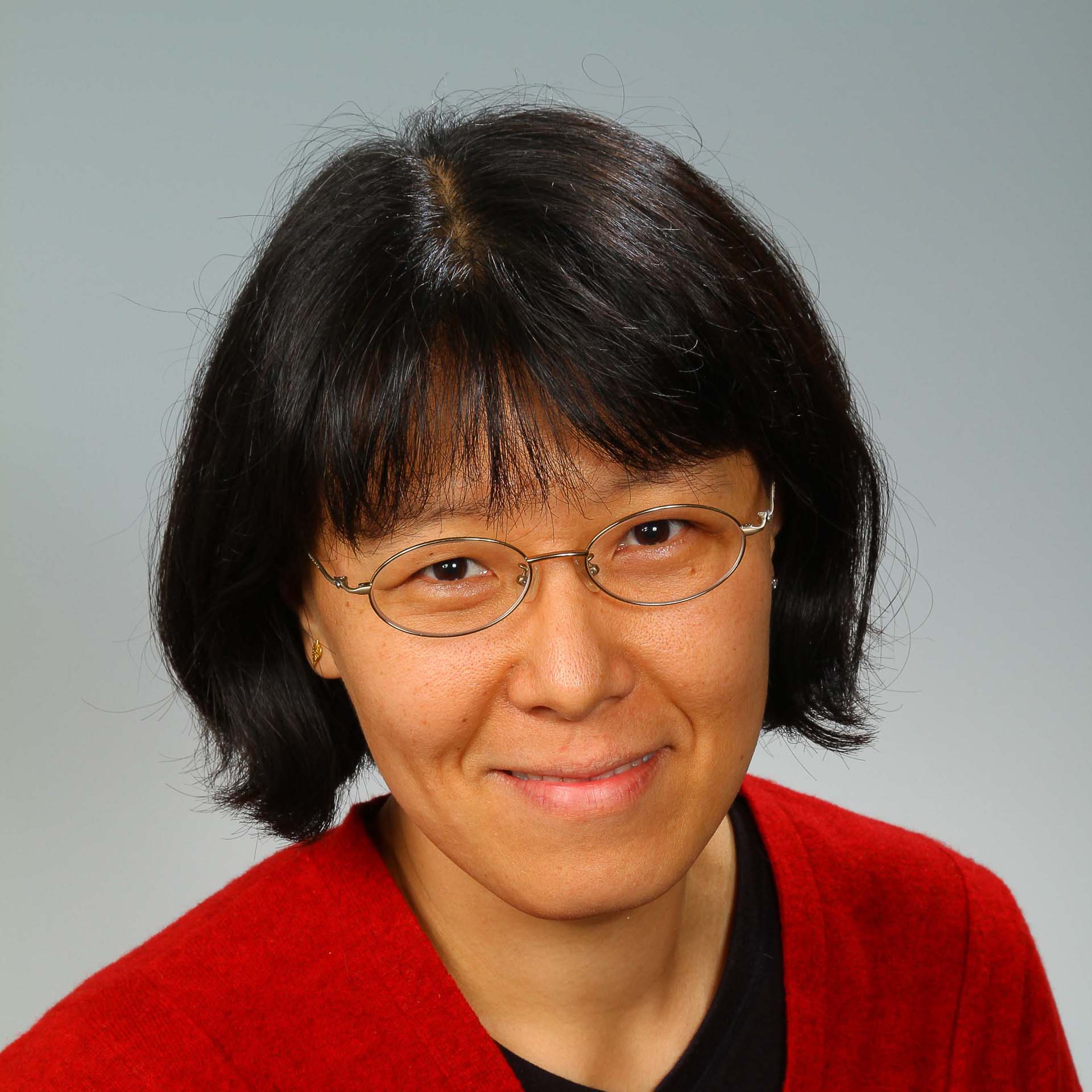
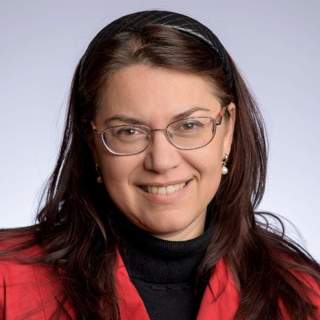
Professor Peter Banks is a prominent academic in Conservation Biology at The University of Sydney's School of Life and Environmental Sciences. His research focuses on developing humane solutions to invasive species impacts, particularly through understanding predator-prey dynamics and behavioral interventions. He has held roles including Treasurer of the Royal Zoological Society of NSW and editorial board memberships at journals like Oecologia. Education: PhD (2004, University of Sydney), BSc (1991, University of Sydney). His career includes positions at UNSW and University of Turku (Finland). Research interests span animal behavior, ecology, and conservation strategies. Research Themes: Animal behavior and ecophysiology, ecology and evolution, wildlife conservation. Collaborations include projects with Finland’s University of Turku on predator-prey deception and New Zealand’s Landcare Research on pest management. Recent publications emphasize olfactory misinformation tactics, urban tick ecology, and predator learning mechanisms. His work bridges behavioral ecology with applied conservation, exploring innovative methods to mitigate wildlife conflicts.
Dr. Giulia Donati is a Researcher at Eawag – Swiss Federal Institute of Aquatic Science and Technology, affiliated with the Department of Environmental Social Sciences. She holds a PhD from ETH Zürich and has extensive experience in conservation biology, inter/transdisciplinary research, and project management. Her work focuses on social-ecological systems, ecological connectivity, and biodiversity conservation in aquatic and terrestrial ecosystems. Education: PhD (2016–2020, ETH Zürich), MSc (2013–2015, University of Lausanne), BSc (2010–2013, University of Lausanne). Notable roles include postdoctoral research on BlueGreenNet (2021–2024) and Connect-HDL (2020), and leadership in the Save Our Seas Foundation project (2019–2020). Research emphasizes social-ecological networks, blue-green infrastructure, and amphibian connectivity in human-dominated landscapes. Projects like BlueGreenNet and Connect-HDL integrate ecological modeling with stakeholder collaboration to enhance biodiversity. Her work bridges ecology, policy, and urban planning to address global conservation challenges. Publications span topics from clownfish genetics to urban biodiversity frameworks, reflecting interdisciplinary approaches. Active in science communication and policy-relevant research, she collaborates across sectors to foster sustainable solutions. Current affiliations include Eawag’s PEGO research group and the Department of Environmental Social Sciences.
Sai Balakrishnan is an Associate Professor of City and Regional Planning at the University of California, Berkeley. He serves as Co-Director of Global Metropolitan Studies and Chair of the Urban Studies undergraduate major. His research focuses on global urban inequalities, agrarian-urban land dynamics, and caste capitalism in India, particularly along economic corridors like the Mumbai-Pune Expressway. Balakrishnan holds a PhD from Harvard University and a Master’s from MIT. Education: PhD (Harvard), Master of City Planning (MIT) Research Interests: Balakrishnan examines land-use transformations in India, emphasizing how agrarian elites and urban firms negotiate property rights. His work highlights spatial politics of urbanization, including transfer of development rights (TDR) and the geographies of caste-driven development. Recent studies include a global comparative analysis of TDR systems in New York and Mumbai, and a book project on caste capitalism and uneven development in India since the colonial era. Publications: His 2019 book Shareholder Cities explores land conflicts and agrarian-urban transformations along India’s economic corridors. Key articles include analyses of land markets in Mumbai and Bangalore, and the intersection of highway infrastructure with decentralization challenges. Awards: William Holland Prize (2013), ACSP Gill Chin Lim Award (2014) Advising & Grants: Balakrishnan collaborates on interdisciplinary projects linking urban planning, political economy, and social justice. Ongoing work includes a book on caste capitalism and studies of land-based financing for infrastructure in India. Labs/Teams: Active in Berkeley’s Global Metropolitan Studies initiative, focusing on transnational urbanization processes.
Richard Balme is a Professor at the Centre for European Studies and Comparative Politics (CEE) at Sciences Po, specializing in environmental governance, EU-China relations, and public policy. He serves as Director of the Master in International Governance and Diplomacy at PSIA and the Executive Master in Development Policy and Management (Potentiel Afrique) at Sciences Po Executive Education. His research focuses on climate governance, biodiversity policy in the EU, and China's environmental administration. He is a Fellow at several institutions, including Hong Kong Baptist University and the Centre des Politiques de la Terre in Paris. His academic contributions span environmental policy transfers, EU-China energy dynamics, and institutional reforms in Francophone Africa. He has taught at Columbia, Tsinghua, and Fudan Universities and served on key French advisory councils. Balme's work bridges comparative politics, international relations, and environmental studies, with a focus on transnational policy frameworks and governance capacity. Research Themes: Climate policy implementation, EU-China environmental cooperation, authoritarian governance of environmental issues. Recent Activities: Convenor of Sciences Po's AIRE environmental research platform; editorial board member of Environmental Policy and Governance . Awards: Ranked first in France's national political science professor recruitment (1995), recipient of grants from EU, CNRS, and Hong Kong RGC. His publications analyze China's environmental policy evolution, EU climate diplomacy, and the intersection of soft power and human rights in Sino-European relations. He frequently engages in policy dialogues on water security, urbanization risks, and global climate governance.
Richard G. Luthy is the Silas H. Palmer Professor of Civil and Environmental Engineering at Stanford University, with a courtesy appointment in Oceans. He directs the NSF Engineering Research Center ReNUWIt, focusing on sustainable urban water infrastructure. His research emphasizes water reuse, stormwater management, and contaminant mitigation in engineered systems. He holds a Ph.D. from UC Berkeley, and has authored over 300 publications. Awards include the Rudolf Hering Medal and membership in the National Academy of Engineering. He teaches courses on water quality, treatment processes, and California water policy. Education: B.S. Chemical Engineering (UC Berkeley, 1967), M.S. Ocean Engineering (UH, 1969), M.S. and Ph.D. Civil Engineering (UC Berkeley, 1974/1976), Hon. Sci. D. (Clarkson U., 2005). Research Interests: Urban water challenges, persistent contaminants, stormwater treatment, and sustainable infrastructure. His work integrates systems-level analysis for water reuse and climate-resilient solutions. Awards: Rudolf Hering Medal (ASCE, 2022), Perry L. McCarty AEESP Award (2023), and leadership roles in the National Research Council and AEESP. Labs/Teams: Luthy Group (Stanford), ReNUWIt Consortium. Current advisees include Nora AlMaqsseed and Jessica MacDonald. He collaborates on projects like activated carbon sediment remediation and stormwater control measure design.
Philippe Christe is an Associate Professor in the Department of Ecology and Evolution at the University of Lausanne (UNIL), Faculty of Biology and Medicine. His research centers on host-parasite interactions, with a focus on bats, birds, and their ectoparasites, integrating behavioral, physiological, and genetic approaches. He leads the Christe Group, which investigates evolutionary and ecological dynamics in host-parasite systems, particularly avian malaria and bat-mite relationships. He is actively involved in conservation initiatives, including the Jorat Peri-Urban Nature Park, and collaborates with KORA on human-wildlife interactions. Bachelor's degree in biology, UNIL (1989) PhD in Zoology and Animal Ecology, UNIL (1994) Philippe Christe’s research interests lie at the intersection of parasitology, evolutionary ecology, and conservation biology. He investigates how host defenses evolve in response to parasitic pressures, examining trade-offs between immunity and life history traits such as reproduction and survival. His work often integrates field studies with experimental and molecular techniques. Key model systems include Parus major (great tit) and Culex pipiens in avian malaria, and bat species with their ectoparasitic mites. He also explores broader ecological interactions, including predator-prey dynamics and wildlife conservation in human-modified landscapes. His recent publications reflect a strong emphasis on disease ecology, wildlife conservation, and molecular methods. Articles span topics such as avian malaria transmission, lynx population dynamics, snow leopard behavior, and habitat fragmentation effects on insects. These works employ advanced techniques like DNA metabarcoding, spatial modeling, and long-term monitoring, demonstrating a trend toward interdisciplinary, data-driven ecological research with direct conservation applications. Dubois Foundation Prize for an educational CD-Rom on bats (2004) Communication Award from the Faculty of Biology and Medicine of UNIL (2017) Philippe Christe has supervised numerous PhD and Master’s students, contributing significantly to training the next generation of ecologists and evolutionary biologists. His group collaborates widely with institutions such as the Museum of Zoology in Lausanne and KORA, and participates in large-scale conservation projects involving snow leopards, lynx, and bats. He has been involved in research grants related to host-parasite coevolution, wildlife monitoring, and conservation strategies. His leadership in establishing the Jorat Peri-Urban Nature Park and involvement in the UNIL Interdisciplinary Center for Mountain Research highlight his commitment to applied science and environmental stewardship. He leads the Christe Group, which conducts research on host-parasite coevolution, with a focus on bats and their ectoparasites, and birds affected by avian malaria. The group combines fieldwork, laboratory experiments, and molecular analyses, and includes post-docs, PhD students, and technical staff. Collaborations extend to researchers in Bern, Paris, and Spain, fostering an international and interdisciplinary research environment.
Shakirah Hudani is an Assistant Professor in the Department of City and Regional Planning at the University of North Carolina, with an affiliation in the Department of African, African American, & Diaspora Studies. She holds a PhD in City and Regional Planning from UC Berkeley. Her work centers on African urbanism, post-conflict urban change, and spatial politics in East Africa. Key research focuses include Rwanda's post-genocide urban reconstruction, Nairobi's peripheral development, and Luanda's oil-driven transformations. Her research examines how urban spaces reflect and reshape social dynamics, particularly around memory, identity, and governance. Recent projects analyze commemoration practices in Rwanda, land disputes in Nairobi, and carceral architectures. She critiques master planning processes and explores grassroots urban agency in marginalized communities. Publications span urban studies, critical geography, and postcolonial theory, with a focus on decolonizing urban narratives. Her work bridges academic analysis with practical urban policy debates, emphasizing equity and participatory planning in transitional societies.
Dr. Damian Mazurek, M.A., is a researcher at the Department of Rural Geography and Local Development, Institute of Geography and Spatial Organization (Polish Academy of Sciences). He holds a Master's degree in Geography from Maria Curie-Skłodowska University (2015), specializing in regional development and geoinformatics. Research Focus: Application of GIS in regional development analysis, methodological approaches to identifying regional specializations, and spatial planning for rural areas. Key Contributions: Co-author of 15+ publications (2017-2025) addressing peri-urban dynamics, small town typologies, waste management systems, and digital accessibility in rural Poland. Notable work includes mapping suburban zones using diagnostic indicators and analyzing Wi-Fi distribution patterns. Collaborative Projects: Regular contributor to cross-border initiatives like the PL-SK 2007-2013 program and co-PI on National Science Centre (NCN) grants. Active participant in international conferences (IGU, European Geographical Society).
Mi Shih is an Associate Professor and Director of the Urban Planning and Policy Development Program at the Edward J. Bloustein School of Planning and Public Policy, Rutgers University. She holds a Ph.D. from the same institution and prior academic roles include Assistant Professor at the University of Alberta (Canada) and postdoctoral research fellow at the University of Technology Sydney (Australia). Her research focuses on Chinese urbanization, land politics, displacement, and social conflicts arising from urban development. She employs ethnographic and mixed-method approaches to analyze state roles in urban-rural dynamics, planning regulations, and value capture mechanisms. Key themes include land development rights, property rights, and the socio-spatial impacts of urban policies in Taiwan and China. Publications highlight critical topics such as TDR systems, urban governance, and the commodification of land. Her work bridges legal geography, urban sociology, and policy analysis, offering insights into global urban challenges. Education: B.S. and M.S., National Taiwan University Ph.D., Planning and Public Policy, Rutgers University Teaching includes graduate courses on international urbanization and planning methods, and undergraduate courses on global urban systems.
Nina Torm is an Associate Professor at Roskilde University's Department of Social Sciences and Business, specializing in development economics with a focus on labor markets, informality, and environmental sustainability in sub-Saharan Africa and East Asia. She co-leads the DANIDA-funded STRESS project (2024-2029) examining resilience in Sahelian peri-urban areas and participates in the SWASH project (2022-2025) addressing sustainable water systems in Ghana. Her past work includes the SPIWORK project (2016-2022) on social protection for informal workers in East Africa. Education spans a PhD in Economics from the University of Copenhagen (2009-2013), MSc in International Development from University of Bath (2000-2001), and BA in Economics, Politics & Philosophy from University of York (1997-2000). Research interests center on regulatory frameworks, labor market dynamics in informal economies, and climate-resilient governance. Notable contributions include analyzing informal worker associations' roles in crisis response and exploring linkages between social protection and formalization in LMICs. She has published widely on training impacts, gender wage gaps in SMEs, and occupational safety in construction sectors. Teaching includes courses on ecological economics, global political economy, and informality studies. She supervises graduate students in Global Development Studies and serves as a censor at Copenhagen and Aarhus Universities. Professional roles include consultancy for ILO, World Bank, and UNU-WIDER, alongside editorial work for major journals like World Development and Journal of Development Studies.
Hyung Min Kim is an Associate Professor in Urban Planning at the University of Melbourne's Melbourne School of Design. His research focuses on globalisation's urban impacts, including FDI spatial dynamics, smart cities, liveability, and Asia-Pacific urbanisation. Before joining Melbourne in 2016, he worked at RMIT University (Australia), Xian Jiaotong-Liverpool University (China), and Korea Appraisal Board. He holds a PhD from the University of Melbourne, supported by an Endeavour Postgraduate Award. His work examines global cities' economic and spatial transformations, emphasizing FDI, international real estate investments, and urban policy in Korea, China, and Vietnam. Key themes include urban renewal strategies, land value capture mechanisms, and the interplay between ICT and urban development. Notable research areas include: Global urban governance and expertise export Spatial mismatch in FDI distribution Pedestrian-centric city design Smart city frameworks for productivity and sustainability Historical urban trajectories in North Korea His publications span 20+ countries, analyzing urban phenomena from Hanoi to Suzhou. Current projects explore FDI-urban growth linkages in Southeast Asia and the role of land readjustment in creating walkable cities. He advises on international urban development strategies and has collaborated with governments on smart city implementation frameworks.
Professor Emma Murphy is a leading scholar in the School of Government and International Affairs at Durham University , holding the Chair of Political Economy . She is also a Senior Fellow in the Global Policy Institute and a member of the Institute for Middle Eastern and Islamic Studies . Her research focuses on the political economy of the Middle East and North Africa , with particular emphasis on ICTs, youth policy, food security, economic liberalization, and Arab-Israeli relations . Recent work explores youth exclusion and inclusion in the MENA region, Africa, and Europe, and gendered transport systems in African cities. Her publications (2025-2009) span gendered mobility practices , ICTs and democratization , economic reforms in Tunisia, and youth activism across the Mediterranean. She co-edits the journal Mediterranean Politics (IF 0.722) and has served on the HEFCE Research Excellence Framework Sub-Panel . Honors : Fellow of the Royal Society of Arts and Manufacturing (FRSA) Academician of the Academy of Social Sciences (ACSS) International Election Observer, Tunisia (2011) Doctoral students supervised include Abdullah Al-Maani and Saleh Albulayhi. Her work intersects with social policy, gender studies, and urban mobility , with recent projects analyzing COVID-19 impacts on youth .
Prof. Karst Geurs is a Full Professor of Transport Planning at the Department of Civil Engineering and Management, Faculty of Engineering Technology, University of Twente. He chairs the examination board of Civil Engineering and Management and serves as department portfolioholder for education. His research focuses on accessibility analysis, land-use-transport interactions, sustainable mobility, and transport policy evaluation. Geurs holds a PhD (cum laude) from Utrecht University (2006) and has led major projects like the SmartHubs initiative. He is currently vice-chair of NECTAR (Network of European Communications and Transport Activities Research), previously chair from 2014–2024, and served as Editor-in-Chief of the European Transport Research Review (2017–2023). His work addresses cycling safety, mobility hubs, and urban resilience. Key contributions include studies on shared mobility, 15-minute city concepts, and post-pandemic transport trends. He has published over 200 articles and datasets, including work on accessibility equity in São Paulo favelas. Awards include the Gouden RAI Wiel (2015). Geurs actively engages in policy dialogues, media appearances (e.g., Radio 1 interviews), and international conferences. Research interests span transport innovation, spatial equity, and smart infrastructure. Recent projects explore digital mobility skills, teleworking impacts, and cycling safety metrics. His work integrates interdisciplinary approaches to address urban challenges, emphasizing sustainable and equitable mobility solutions.
Marco Maretto is Associate Professor of Architecture and Urban Design at the Department of Engineering and Architecture, University of Parma, Italy. He has held academic positions at Sapienza University of Rome and the University of Florence, and is a founding member and Vice-President of ISUFItaly, the Italian chapter of the International Seminar on Urban Form. He co-directs the international journal U+D. Urban form and Design and serves on multiple scientific committees and editorial boards. Ph.D. in Architecture, University of Genoa (2002) 5-Year Degree in Architecture, Sapienza University of Rome (1998) His research focuses on Urban Morphology , Sustainable Urban Design , and Environmental Urban Design , emphasizing the integration of urban form, sustainability, and societal well-being. He investigates how urban fabrics influence climate resilience, public space quality, and neighborhood identity, often employing GIS, pedestrian tracking, and 3D urban surveying. His work bridges historical analysis with contemporary design challenges, particularly in medium-sized European cities and historic urban centers like Venice. His most recent publications explore sustainable neighborhoods, thermal resilience of open spaces, and pedagogical approaches to urban morphology. These works reflect a cohesive trajectory toward evidence-based, environmentally responsive urban design. Key themes include smart living integration, urban regeneration, and the redefinition of urban beauty through sustainability. Scientific Referee: Urban Morphology , Urban Design International , Sustainability , Buildings , Urban Science , City, Territory and Architecture Advisory Editor: The Urban Book Series , Springer Founder and Co-Director: U+D. Urban form and Design Council Member: ISUF (2010–2016), CISPUT (2017–present) Maretto has advised over 25 Master’s theses and multiple PhD students, primarily at the University of Parma and Sapienza University of Rome. He leads and contributes to major international research projects, including EU-funded initiatives such as KAEBUP (Erasmus+) and ARCHEA , focusing on evidence-based urban practices and sustainable urban development. He also organizes international design workshops (WAM) and conferences on urban regeneration, involving institutions like ETSAB Barcelona, UPV Valencia, and FEUP Porto. He is a member of the U.A.L. (Urban and Architectural Laboratory) at the University of Parma, where he leads participatory urban regeneration projects in the Emilia-Romagna region, including Casina Collaborator and Collaboratorio Vetto. His work demonstrates a strong commitment to public engagement, interdisciplinary collaboration, and the practical application of urban research.
Mila N. Koeva is a Vice Dean Research and senior Associate Professor at the University of Twente's Faculty of Geo-Information Science and Earth Observation (ITC), Department of Urban and Regional Planning and Geo-Information Management. Her research focuses on 3D modeling and Digital Twins for land management and urban planning, integrating geospatial technologies, UAV data, and AI/ML methods. PhD in architectural photogrammetry MSc in Engineering (Geodesy) Research Themes: Digital Twinning for urban ecosystems AI-driven cadastral boundary extraction 3D modeling with LiDAR and satellite data Global partnerships in Rwanda, Kenya, and Ethiopia Interoperability standards for local digital twins Scientific Contributions: Geospatial World Innovation Award 2021 Copernicus Masters Competition (3rd place 2016) Editorial roles in Photogrammetric Records and MDPI journals Keynote speaker at 3D GeoInfo, GI Forum, and FIG events Her educational impact includes developing courses, lecturing, and supervising students whose work has received top awards in The Netherlands and international competitions.