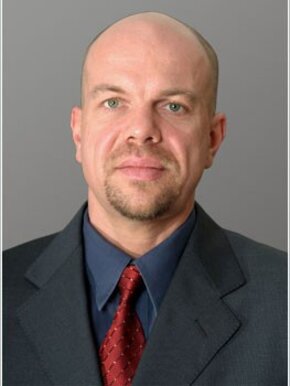
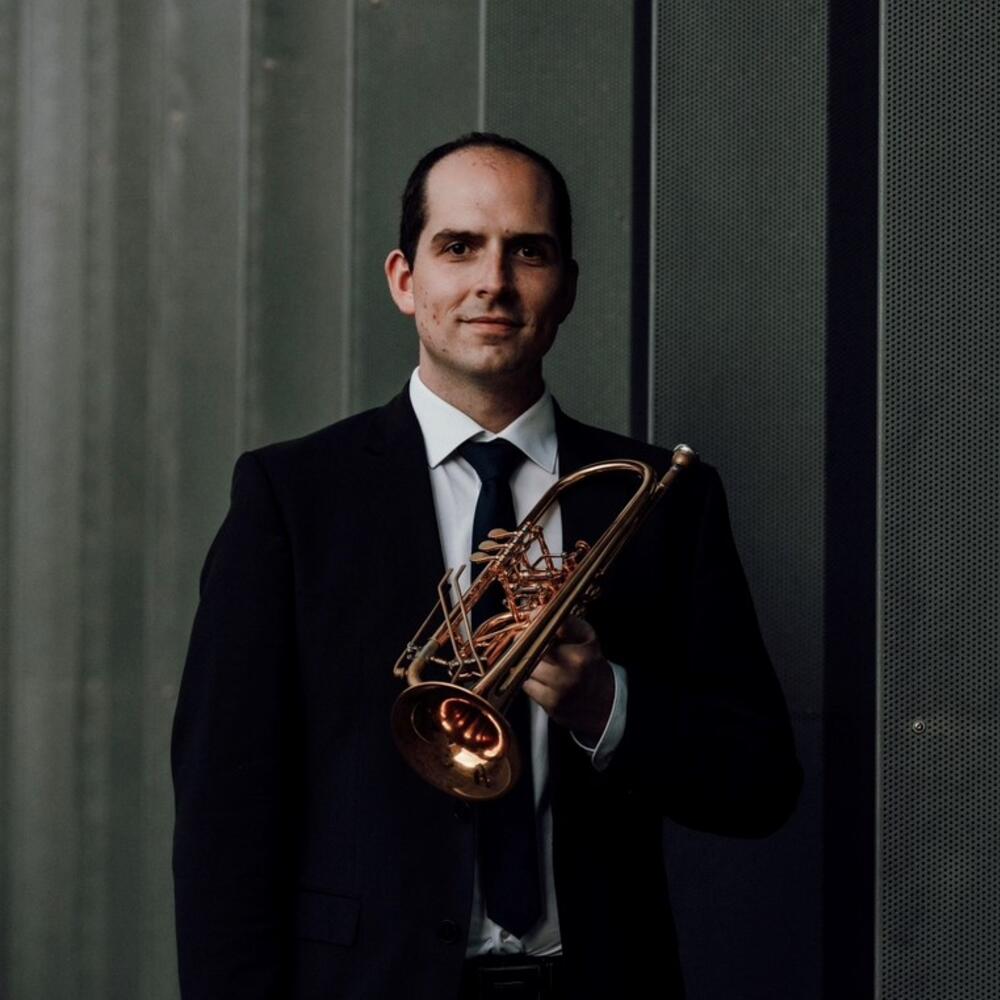
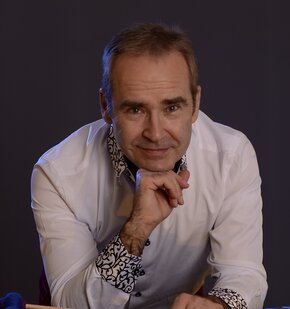
Matthias Bertsch is a faculty member with expertise spanning musical acoustics, medical acoustics, and ethnomusicology. His work bridges musicology, biomedical engineering, and clinical applications. Academic leadership in structured doctoral programs Research on brass instrument mechanics and NICU sound environments Interdisciplinary focus on music-physiology and psychoacoustics Research Interests: Specializing in the acoustic properties of musical instruments, therapeutic sound applications for premature infants, and physiological analysis of brass players. His work combines empirical measurement with clinical and cultural implications. Article Trends: Publications emphasize brass instrument biomechanics , incubator sound optimization , and music's physiological effects , with recurring themes in virtual acoustics and interdisciplinary methodologies.
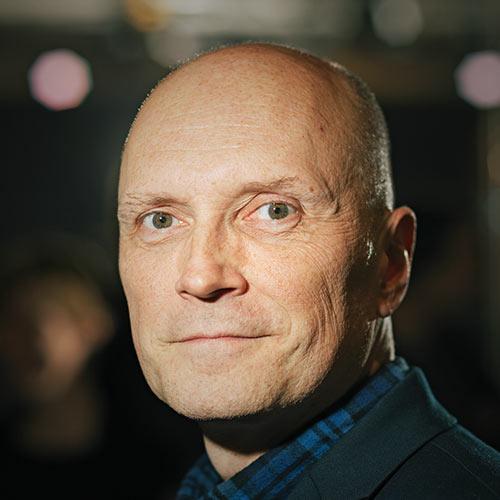
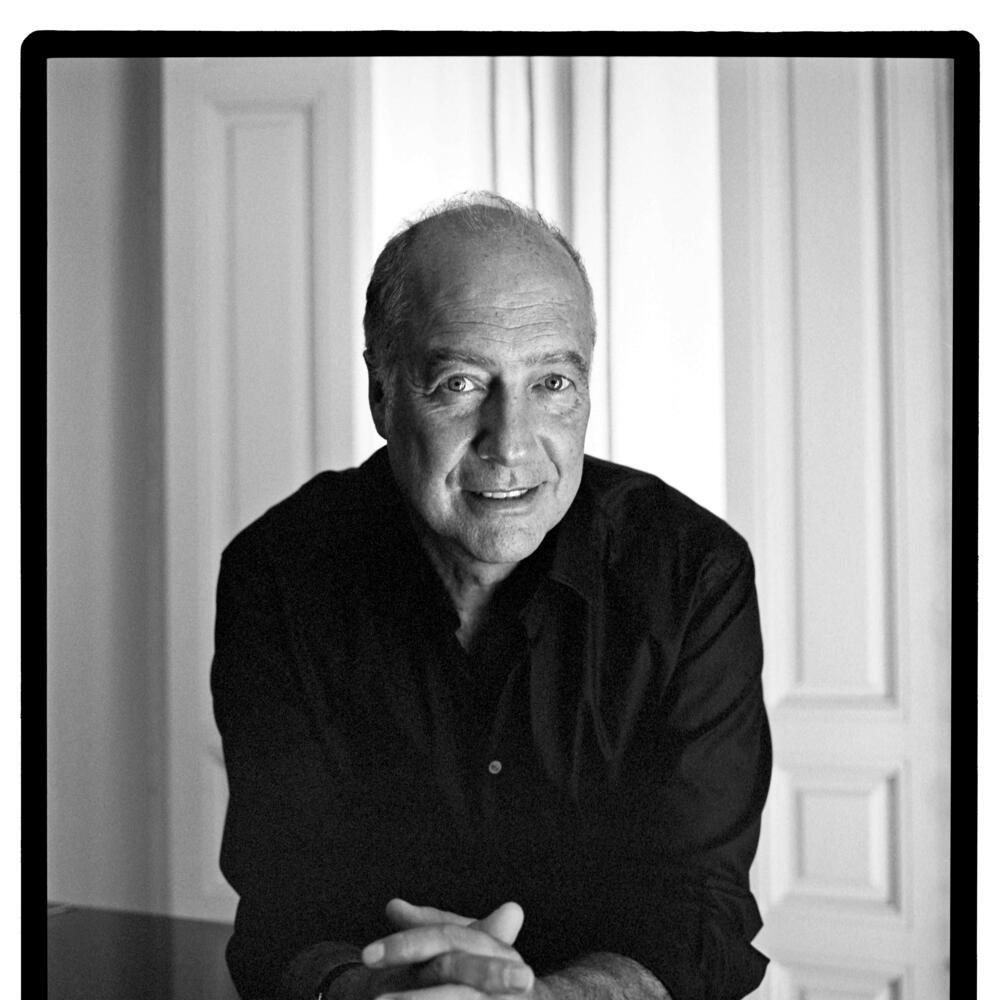
Gerd Grupe serves as Professor of Ethnomusicology and Vice Rector for Research at the University of Music and Performing Arts Graz (KUG), where he has held his faculty position since 2002. His academic career spans multiple institutions including Free University Berlin, Frankfurt am Main, Hildesheim, Bayreuth, and Krems. His educational background includes doctorate in Comparative Musicology (1990, FU Berlin) with dissertation on Afro-Jamaican Kumina music, and habilitation (1996) on Shona music published as The Art of Mbira Playing (2004). His research spans sub-Saharan African music , African-American traditions , Central Javanese gamelan , and cross-cultural comparative studies , with fieldwork in Jamaica, Zimbabwe, and India. His scholarly output reveals consistent focus on traditional African musical systems (particularly Shona mbira and Jamaican Kumina), notation challenges in oral traditions , and pedagogical approaches to non-Western music . The article corpus demonstrates progression from specific case studies (Kumina, 1990s) toward broader theoretical frameworks (2000s) examining cognitive dimensions, performance practices, and cross-cultural learning methodologies. As academic leadership, he established KUG's Central Javanese Gamelan ensemble (2004) for research and teaching, and co-edits the Translingual Discourse in Ethnomusicology journal while editing Grazer Beiträge zur Ethnomusicologie . His work bridges performance practice, cognitive analysis, and cultural context with emphasis on learning through performance methodology.
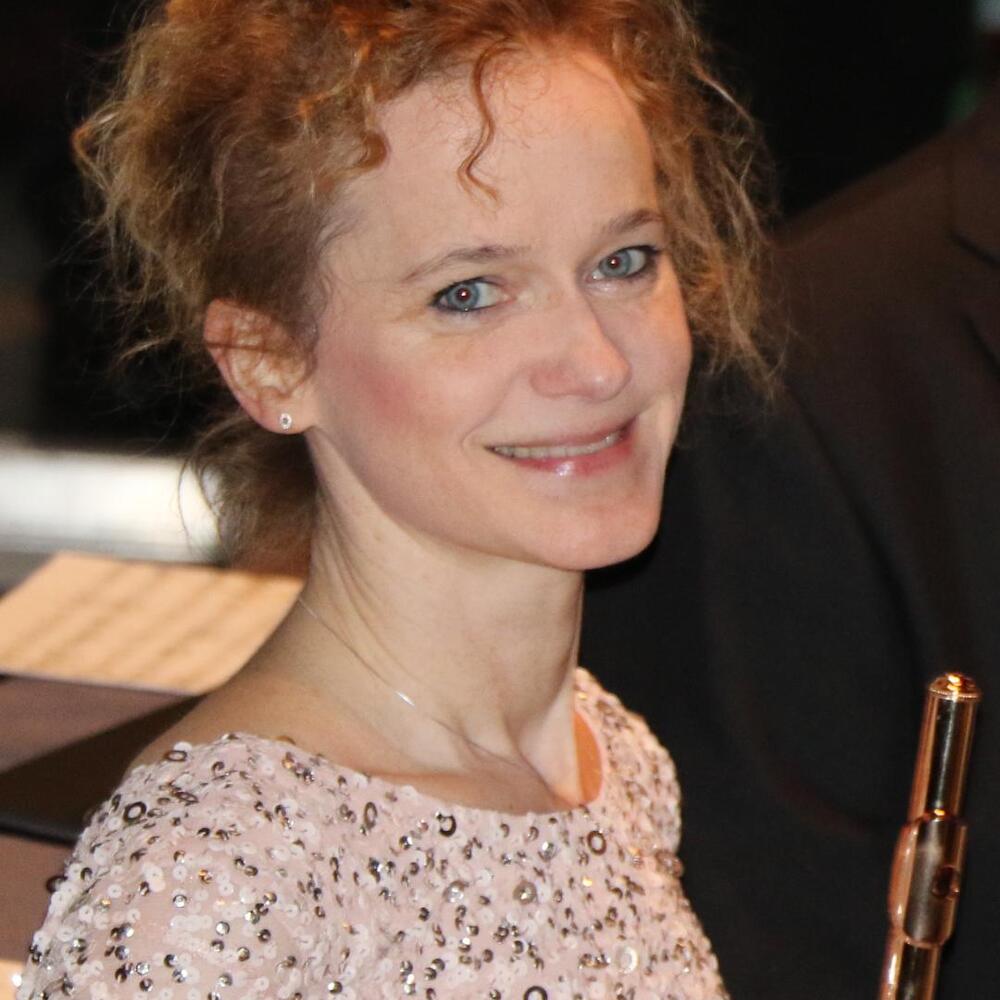
Roles & Affiliations: Britta Bauer is an Adjunct Professor of Flute at Mozarteum University, serving as Head of the Pre-College and Chair of the Curriculum Committee (Performance). She holds leadership roles in academic governance, including Deputy Department Head for Wind/Brass/Percussion and Senate Representative. Her international teaching spans institutions like the Hochschule für Musik und Tanz Köln and Redlands University, California. Education: She completed studies in flute performance, music pedagogy, and medicine across Bonn, Köln, Berlin, Paris, and Salzburg, earning top honors in all university degrees. Key mentors include Marianne Geise, James Galway, and Pierre Yves Artaud. Research & Pedagogy: Specializes in flute didactics and body-instrument physiology, developing concepts like 'The Body Sounds' for physical awareness in playing. Active in interdisciplinary performances blending music with dance, poetry, and light installations through her SIRIUS-Trio ensemble. Professional Contributions: Founded the International Flute Competition for Youth (2018), serves on national and international juries (Jugend Musiziert, EMCY), and publishes in journals such as Üben und Musizieren and Flöte aktuell . Her 2017 SCHOTT edition of Kolbris remains a pedagogical reference. Administration: Served as Deputy Department Head (2017–2022), Senate Vice-Chair (2018–2019), and initiated the annual 'Fachdidaktik Flöte' workshop at Mozarteum. Current roles include leadership in the German Flute Society (DGfF) and the International Flute Council (IFC).
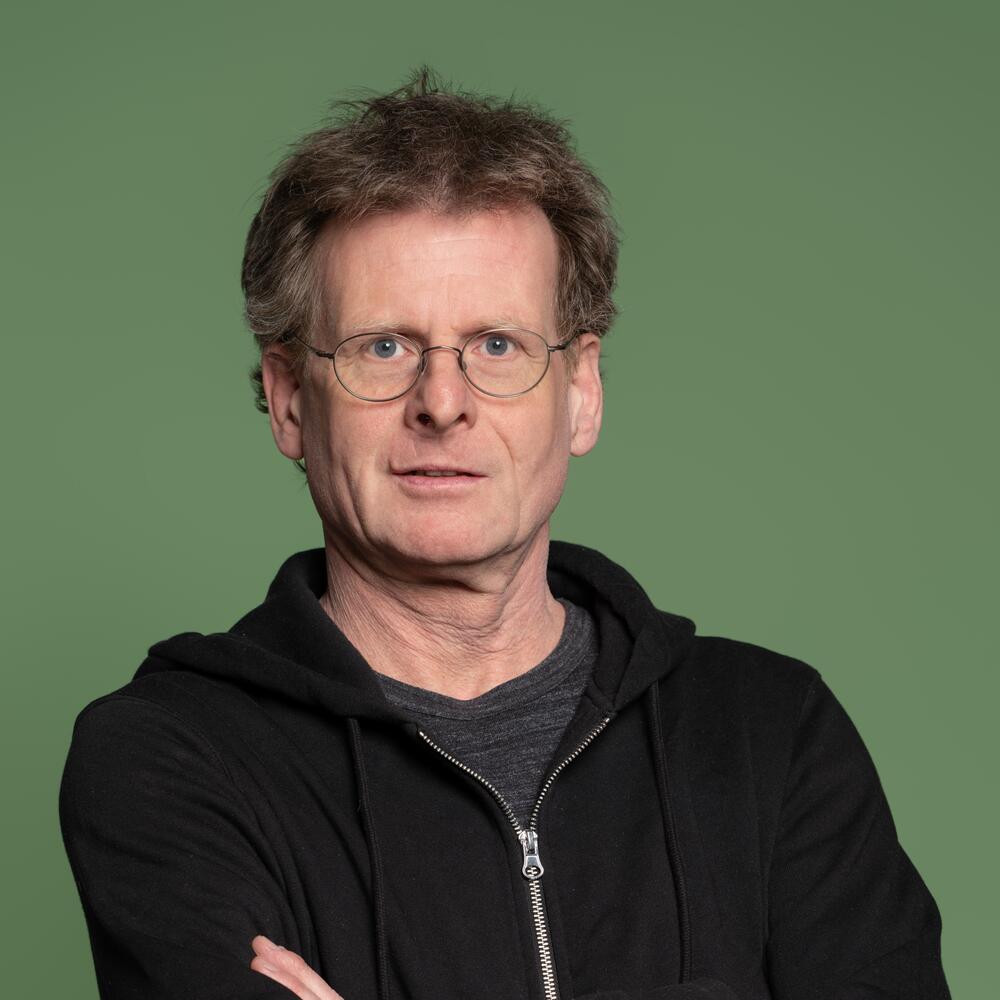
Anton Mittermayr serves as a University Professor at the University of Music and Performing Arts Vienna within the Faculty of Music's Wind Instruments and Percussion Department. He has held the position of principal timpanist at the Vienna State Opera and Vienna Philharmonic since September 1996, and at the Vienna Court Orchestra since September 2005. His educational foundation began with music education teacher training in 1990, followed by percussion studies under Prof. Horst Berger starting in 1992. During this period, he gained extensive professional experience as a substitute musician at major institutions including the Vienna State Opera, Vienna Philharmonic, Vienna Radio Symphony Orchestra, and Vienna Volksoper. Professor Mittermayr's expertise centers on percussion performance with specialization in timpani, orchestral repertoire, and instrumental pedagogy. His career uniquely bridges elite orchestral performance with academic instruction, having taught at MUK since 2001 while maintaining active performing roles. He has also conducted international masterclasses in Japan and the USA, contributing to global percussion education. Throughout his tenure, he has mentored numerous percussion students within the university's instrumental programs. His professional network extends across Vienna's premier musical institutions, where he continues to influence both performance practice and pedagogical approaches in percussion studies.
Georg O. Luksch is a Lecturer for Media Music at the Faculty of Music at JAM MUSIC LAB Private University for Jazz and Popular Music. With over 30 years of professional experience, he specializes in music production across film, theater, advertising, and electronic music. His career includes Grammy Award wins/nominations and collaborations with international artists like Madonna, Whitney Houston, and Falco. Education highlights include classical piano studies with Prof. Emma Weber-Scipio and the ORG Marianum, followed by formal training at the SAE School of Audio Engineering. His pedagogical work includes tutoring at JAM MUSIC LAB and the Gulda School of Music since 2015. Research interests focus on merging technological innovation with artistic expression, particularly in sound design for multimedia projects. His film work includes scores for documentaries like ORF III's 'Pilgerwege' and Greenpeace's 'Troubled Waters,' emphasizing environmental storytelling through sound. Notable awards include the 2000 GRAMMY for Remixer of the Year and multiple Austrian State Prizes for multimedia contributions. He has produced over 25 classical CDs with Prof. Jörg Demus and pioneered interactive installations like 'Freiträumen' in Lower Austria. Grants and projects include collaborations with Bösendorfer for high-profile advertising campaigns and leadership in the 'Floorfour' and 'Pi-ve' multimedia initiatives. Current work explores live electronics in theater performances and site-specific sound installations.
Florian Müller serves as a Contract Teacher for percussion instruments at Mozarteum University's Department of Wind & Percussion Instruments, a position held since 1994 with formal contract status since 2003. He teaches instrumental pedagogy (IGP), school music, and music/dance pedagogy. Previously, he taught at Salzburg Music Academy (1995-2006) and chaired its percussion department (2001-2006). Müller also contributes to teacher training at Salzburg University of Education and chairs the Working Group for Equal Opportunities at Mozarteum since 2017. His research focuses on percussion pedagogy, interdisciplinary music education, and dance pedagogy, with artistic extensions into jazz, rock, and contemporary music performance. He maintains active performance engagements across orchestral, chamber, and experimental genres. Artistic Recognition: • City of Fürth's Cultural Promotion Prize (1993) Professional Engagements: • Annual jury member for Austria's Prima la Musica competitions • Orchestra performances with Nuremberg Symphony, Mozarteum Orchestra Salzburg, and Bad Reichenhall Philharmonic • CD recordings with Salzburger Hofmusik and Blassticks Brass Band • Dance collaborations with Palindrome Dance Company NY (1989-1995)
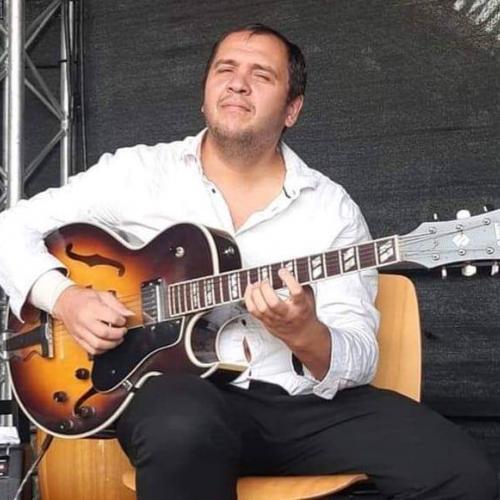
Marko Marusic serves as a Lecturer at JAM MUSIC LAB Private University for Jazz and Popular Music Vienna since 2021, teaching guitar across jazz and popular music disciplines. He concurrently holds teaching positions at the Friedrich Gulda School of Music and CON BRIO music school in Vienna. His academic foundation spans classical, flamenco, and jazz guitar training with specialized expertise in Afro-Cuban and Brazilian percussion traditions. His educational background includes: Master of Arts in Music Guitar Jazz and Pop (JAM MUSIC LAB, 2019, graduated with distinction) Bachelor of Arts in Classical Guitar & Instrumental Pedagogy (MDW Vienna, 2016) Artistic Diploma for Jazz Guitar (JAM MUSIC LAB, 2015) ZkF Flamenco Guitar Studies (Conservatorio Christobal de Morales, Seville, 2011-2015) Flamenco Guitar Certification (Fundation de Arte Flamenco, Seville, 2011) Acoustic/Electric Guitar Studies (MDW Vienna Institute of Popular Music, 2002-2005) Marusic's research focuses on the historical intersections of Afro-Cuban and Brazilian salon music with jazz idioms, particularly examining Cha-Cha-Cha and Choro within Bebop contexts. His performance practice integrates flamenco techniques with Latin American rhythmic structures, emphasizing cross-cultural dialogue through ensemble work. This manifests in projects spanning Serbian folklore, Brazilian choro, and contemporary studio productions that bridge traditional forms with modern media applications. His creative output reveals consistent engagement with Balkan, Latin American, and Iberian musical traditions across performance contexts—from international jazz festivals to film soundtracks. The work demonstrates technical mastery across guitar idioms while prioritizing cultural authenticity in ensemble settings, particularly evident in his direction of Brazilian choro projects and Serbian folklore interpretations. Notable recognitions include: Graduation with distinction for his Master's thesis on Afro-Cuban/Brazilian salon music Special recognition from MDW Vienna for percussion expertise and pedagogical leadership As an educator, Marusic has mentored students across multiple institutions since 2005, including Erdberg Music Center (Vienna), Escuela Municipal de Musica (Seville), and Polyhymnia public music school. His studio collaborations with artists like Renato Henc demonstrate applied research in music-for-media contexts, though formal grant funding isn't documented in available materials. Marusic actively contributes to ensemble ecosystems including the Improvisations Big Band Orchestra, Barbar Botosova ensemble, and Serbian Folklore Association Bambi, where he applies his percussion expertise within folk and jazz frameworks. His current work bridges academic instruction with professional performance across European festival circuits and media production studios.
Frédéric Alvarado-Dupuy is a clarinetist and lecturer at the Music and Arts University of the City of Vienna (MUK), affiliated with the Faculty of Music's Wind and Percussion Instruments department. Since 2018, he has taught clarinet and ensemble performance, emphasizing boundary-breaking approaches across classical, contemporary, folk, and avant-garde music. His pedagogical focus mirrors his eclectic performance career with his ensemble 'Federspiel' and collaborations like 'Postwirtmusi.' Education: Classical clarinet studies in Vienna and Utrecht, Netherlands. Performance highlights include international tours and original compositions when existing works fail to meet his criteria. His teaching integrates artistic innovation with scholarly rigor, reflecting MUK's emphasis on artistic-scholarly research. No specific awards or grants are listed, but his active role in ensemble training and cross-genre projects underscores his contributions to contemporary music education and performance.
Polo Vallejo Garvia-Maurino is a Guest Lecturer at the Mozarteum University's Department of Elemental Music & Dance Education – Orff Institute, teaching on the course 'Advanced Studies in Music and Dance Education – Orff-Schulwerk'. He holds a PhD in Music Sciences from the Universidad Complutense de Madrid and CNRS Paris, and is a Master Professor at the Escuela Superior de Música Reina Sofía (Madrid). His roles include Researcher at Georgia’s National Folklore Center, Pedagogical Director of the Canary Islands' 'Barrios Orquestados' project (2006–present), and former Board Member (2009–2021) of the Carl Orff Foundation in Diessen, Munich. Education: Piano (Real Conservatorio Superior de Música de Madrid), Music Education (Orff-Institut), Composition (Mozarteum University). Collaborations: Sibelius Academy (Finland), McGill University (Canada), Drumming Grupo de Percussão (Portugal). Research Focus: Ethnomusicology in Tanzania, Senegal, and Georgia, emphasizing vocal polyphonies, musical transmission systems, and cultural anthropology. His research explores African and Caucasian musical traditions, with notable fieldwork in Tanzania (since 1988) and Georgia (since 2006). He has published extensively, including the award-winning book ' Acaba cuando llego ' (2016) and documentaries like ' Africa The Beat '. His work integrates education, composition, and performance, prioritizing creativity and community engagement. Current projects include compiling teaching materials and a DVD of percussion works with Drumming Grupo de Percussão. Scientific Awards: Summa Cum Laude-Extraordinary Award (UCM), Humanistic CRUMA Recognition, Spanish National Edition Award (2017), and International Film Festival Prizes. Teaching & Grants: Leads masterclasses globally (e.g., Helsinki, Salzburg), designs music appreciation courses, and coordinates community music projects like ' Casamundo: Between the Sea and La Folía '. Supported by institutions like the Carl Orff Foundation and Goethe Institut. Labs/Teams: Collaborates with the Basiani Ensemble (Georgian polyphony), Drumming Grupo de Percussão (percussion composition), and ' Barrios Orquestados ' (social orchestration).
Wolfgang Gaisböck serves as Lecturer for natural trumpet at the Department of Wind & Percussion Instruments, Mozarteum University, since 2013. He concurrently teaches historical trumpet at the Anton Bruckner Private University in Linz (since 2005) and modern trumpet at the Upper Austrian Music School. A leading specialist in Baroque trumpet performance, Gaisböck is renowned for his expertise in the Second Brandenburg Concerto and J.S. Bach's cantatas. His research focuses on historical performance practices within early music traditions, emphasizing technical authenticity and stylistic precision in trumpet repertoire from the Baroque era. Performance interests include: Historical brass instrument techniques Baroque orchestral repertoire Authentic interpretation of Bach's works Natural trumpet acoustics Period performance practice Ensemble collaboration in early music Scientific Awards: No awards documented in source material. Advising and Grants: No graduate students or research grants explicitly referenced in available documentation. Ensemble Affiliations: Co-founder of Schwanthaler Trompeten Consort Member of Camerata Salzburg (since 1996) Collaborations with Concentus Musicus Wien, Il Giardino Armonico, Concerto Köln, and The Bach Ensemble
Patrik Hofer serves as Senior Lecturer for Trumpet at Mozarteum University Salzburg's Department of Wind & Percussion Instruments (Pre-College) since 2022. Concurrently, he holds a permanent position with the Berlin Radio Symphony Orchestra (RSB) since 2015 and maintains an active guest performance schedule with major European orchestras including the Berlin Philharmonic, Vienna Symphony, and Munich Philharmonic. His academic training includes: Diploma in teaching music education/instrumental music education from Mozarteum Innsbruck (2017) Bachelor's degree in concert trumpet from Mozarteum Salzburg (2021) Hofer's professional focus centers on trumpet performance across diverse musical contexts, with particular dedication to orchestral repertoire, chamber music collaboration (notably with Musicbanda Franui and Pro Brass), and Austrian folk traditions through his ensemble "Die Inntaler". His pedagogical approach emphasizes technical development and artistic expression for pre-college trumpet students. He demonstrates exceptional versatility through simultaneous engagement in classical orchestral performances, contemporary projects, and traditional folk music, reflecting a comprehensive mastery of trumpet artistry across multiple genres and performance settings.
Wilfried Kausel is a faculty member at the University of Music and Performing Arts Vienna, associated with the Department of Music. He serves as Dean of Scientific Studies (Studiendekanat für wissenschaftliche Studien) and leads the Graduate Center. His work bridges musical acoustics and computational physics, with a focus on brass instruments and structural vibrations. Academic Rank: Professor Key Institutions: University of Music and Performing Arts Vienna Research Labs: Acoustic Laboratory, Performance Science Lab Research interests center on the physics of musical instruments, particularly: Computational modeling of brass instruments Wall vibrations and their acoustical influence Directivity patterns and power efficiency Time-resolved interferometry for vibration analysis Bore reconstruction and impedance measurements Stick-slip simulations for lip oscillators The 15 most recent publications (2002-2021) reveal expertise in: Brass instrument mechanics (walls, bells, bores) Wave propagation and coupling Electronic speckle pattern interferometry Computational simulations for acoustics Material properties in instrument design Wind instrument intonation and sensory evaluation Labs and infrastructure include: Acoustic Laboratory with anechoic chamber Performance Science Lab Slow Motion Lab Computer Wing for simulations Motion Capture and Eye Tracking networks
Margarethe Barbara Willim-Burnecki serves as a contract teacher and accompanist at Mozarteum University in Salzburg, Austria, specializing in compulsory piano instruction within the Department of Wind & Percussion Instruments. Her professional focus centers on collaborative piano performance, particularly in support of wind and percussion instrumentalists. As an accompanist, she plays a critical role in ensemble training, chamber music development, and performance preparation for instrumental students across various proficiency levels. Her teaching responsibilities include providing compulsory piano instruction to students whose primary instruments are wind or percussion, ensuring they develop essential keyboard skills and musical collaboration abilities required in professional music settings. She maintains professional contact through her institutional email address and appears to be actively engaged in the university's music education mission.
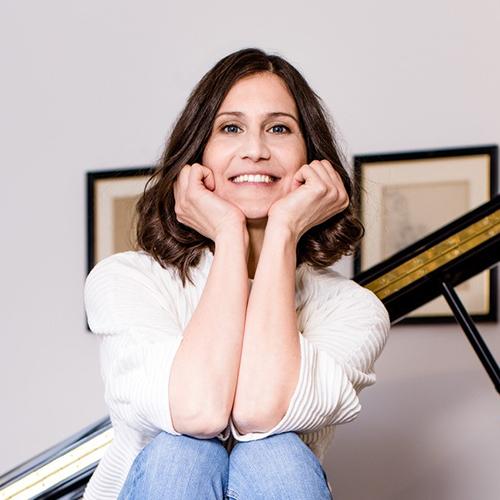
Agnes Haider is a Lecturer in Elementary Music Education at JAM MUSIC LAB Private University for Jazz and Popular Music and the Friedrich Gulda University of Music. She specializes in inclusive music education, piano pedagogy, and innovative teaching methods for children aged 0-6. Since 2003, she has led the KinderMusikGruppe, a private music school emphasizing elemental music-making with families. Her research focuses on music’s role in dementia care and the integration of instrumental pedagogy with early childhood education. Education: Magistra in Music Education and History (University of Music and Performing Arts Vienna/University of Vienna, 2004) Teaching qualification in Piano Pedagogy (University of Music and Performing Arts Vienna, 2005) Academic Coach certification (ARGE Bildungsmanagement Wien/Sigmund Freud Private University, 2014) Research Interests: Haider explores child-centered approaches to music education, the therapeutic applications of music for vulnerable populations (e.g., dementia patients), and cross-disciplinary projects like the Kla4 teaching model. She has presented at international conferences such as EuNet MERYC and the Demedarts Symposium. Awards: 2020/21 Aviso Project Award for the inclusive musical theater production A Forest Elf Flies to Oman Teaching & Leadership: In addition to university roles, Haider trains child health educators at Wiener Fachhochschule and directs Family Music Days. She has pioneered music programs for deaf and hearing children, integrating piano and percussion in collaborative settings. Professional Activities: Board member of EMP-A Austria Pianist in the duo with percussionist Andreas Huber Contributions to child psychology initiatives via commissioned compositions
Nebojša Jovan Zivkovic serves as Full Professor at the Music and Arts University of the City of Vienna (MUK) and concurrently holds a professorship at the Academy of Arts of the University of Novi Sad in Serbia. His academic appointments span both institutions where he directs bachelor's and master's degree programs in percussion performance and composition, requiring German language proficiency for Austrian studies. Zivkovic's research focuses on percussion performance techniques , marimba composition , and orchestral percussion literature . His creative output includes over 300 annual performances across 50+ countries, with compositions like Ilijas , Trio per uno , and Ultimatum 1 becoming global standards. His pedagogical contributions include the widely distributed FUNNY MALLETS SERIE and innovative summer academies. His compositional output spans solo marimba works, orchestral concertos (including Concerto of the Mad Queen ), and chamber music. Notable recordings feature collaborations with top orchestras like the National Symphony Orchestra and BBC Concert Orchestra. His 2026 International Summer Academy in Vienna offers intensive training in marimba, timpani, and orchestral percussion. Scientific Recognition: Composition Ultimatum 1 featured in BBC Music Magazine as "searingly intense, forcefully masculine percussion world" The Castle Of The Mad King praised for "startling sound combinations" and "hugely virtuosic performances" Over 300 annual performances of his works globally Recordings with Slovenian Radio Symphony Orchestra and Northern Sinfonia Zivkovic maintains active performance and educational initiatives, including the Zivkovic International Summer Academy & Festival (ZISAMP) in Vienna. His pedagogical focus includes marimba technique development, orchestral preparation, and chamber music coaching. The academy features guest artists from institutions like the Royal Danish Academy of Music and Hartt School of Music.