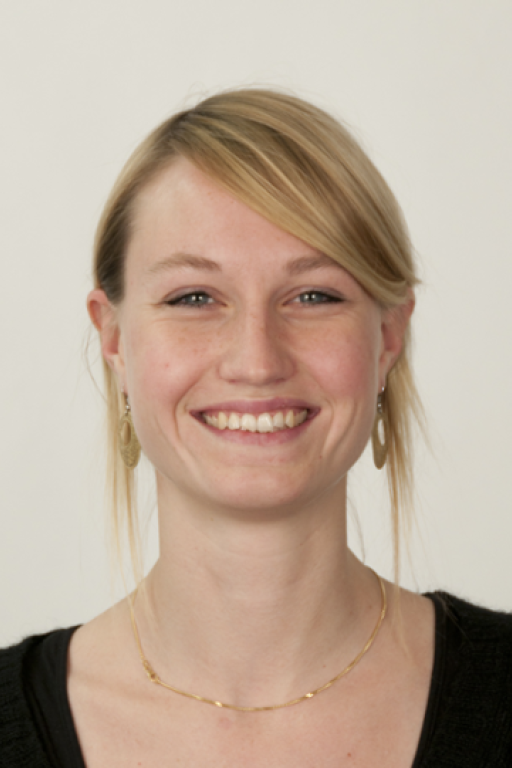
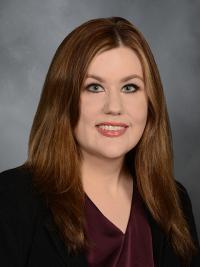
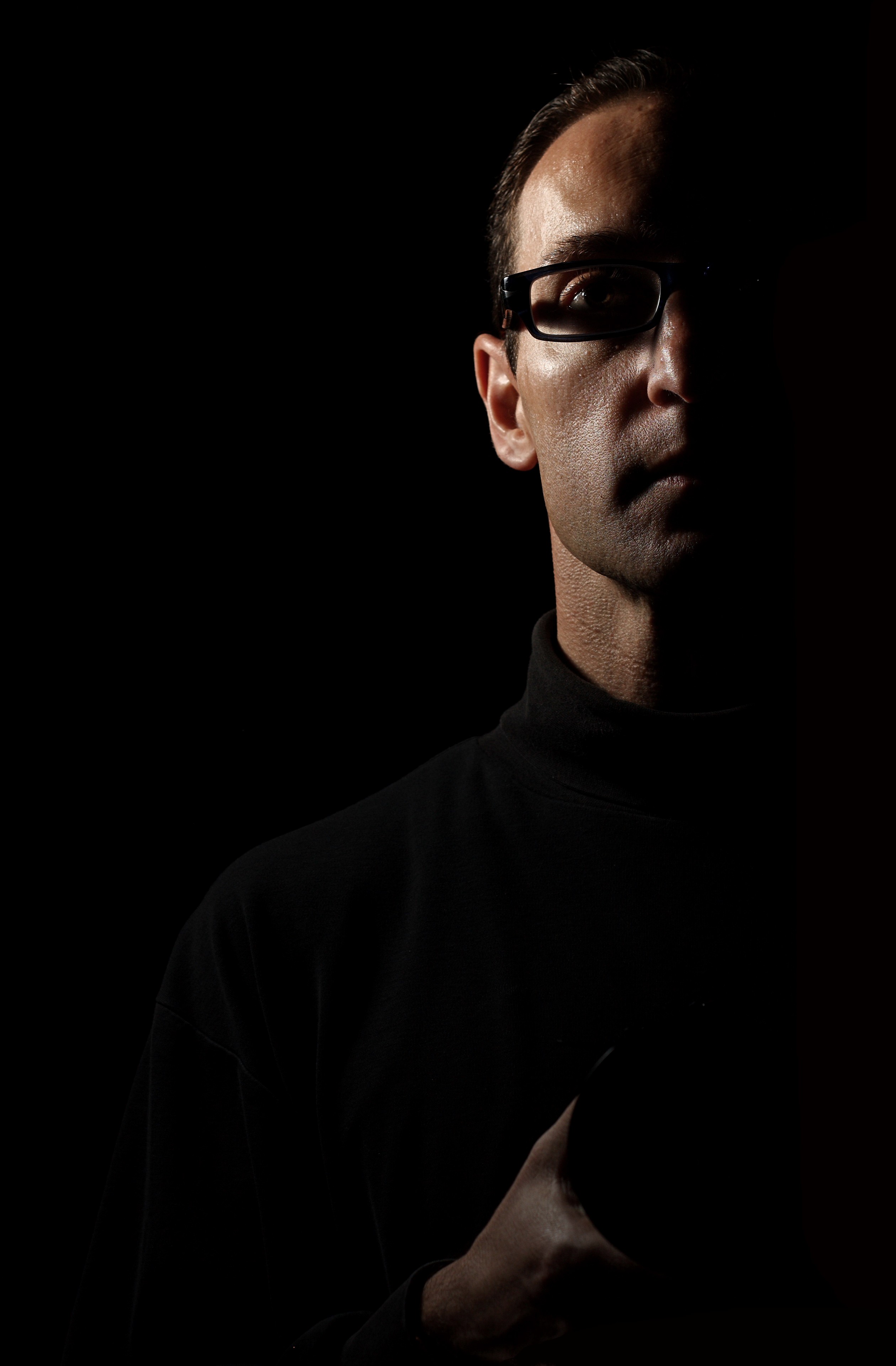
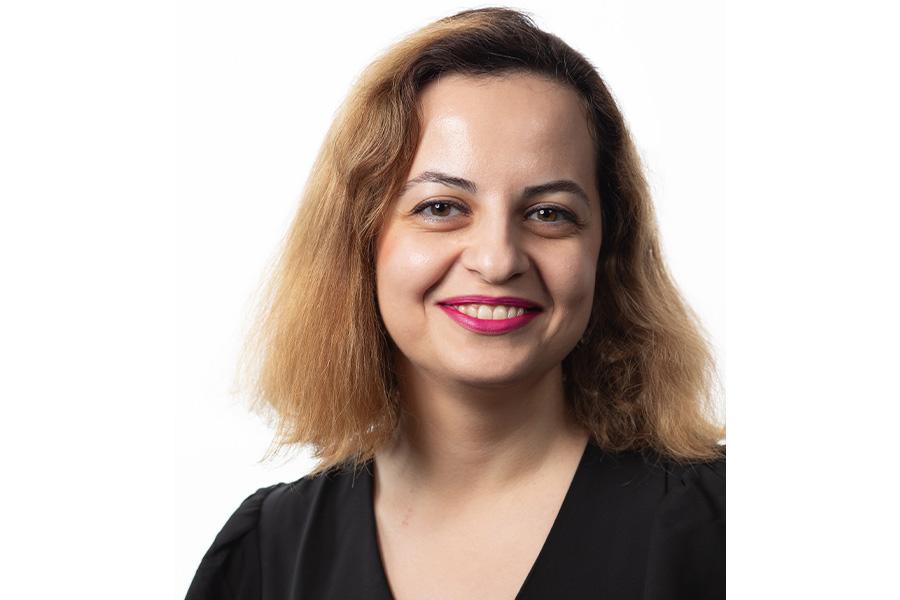
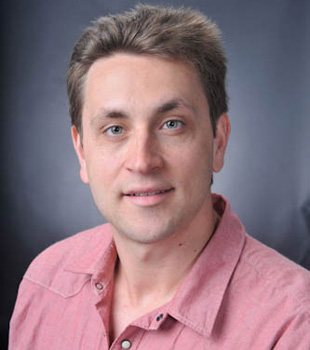
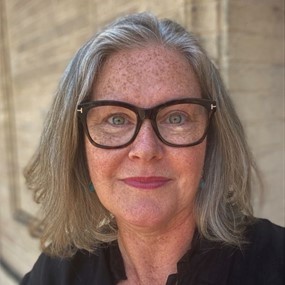
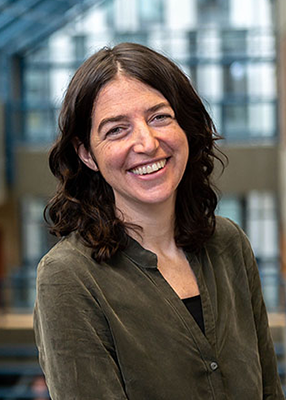
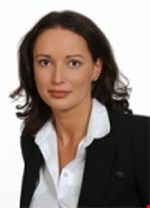
Viola S. Stoermer is Assistant Professor in Psychological and Brain Sciences at Dartmouth College, directing the BrainStörmer Lab. Her research examines cognitive and neural mechanisms of perception, attention, and memory using EEG and behavioral methods. Research investigates fundamental limits of selective attention and working memory capacity. Key findings demonstrate how meaningful objects expand memory capacity and how attention warps feature perception. Studies reveal cross-modal interactions where sounds influence visual processing and resolve ambiguities. Publications establish representational frameworks for attention, showing how feature-based selection operates globally. Research combines psychophysics with neural measures to characterize perceptual bottlenecks and capacity limits. Current Research Areas: Principles of selective attention in feature/space Meaningfulness effects on working memory capacity Auditory influences on visual perception
Robert Wilson is an Associate Professor in the School of Psychology at Georgia Institute of Technology. His research focuses on computational cognitive neuroscience, reinforcement learning, decision making, and their applications in psychiatry and aging. Wilson leads a lab integrating computational modeling with behavioral experiments, neuroimaging, and neurostimulation to explore the algorithms underlying human cognition. He holds a Ph.D. in Bioengineering from the University of Pennsylvania (2009). Education: Ph.D. in Bioengineering, University of Pennsylvania, 2009 Research Interests: Wilson’s work spans computational models of decision making, reinforcement learning dynamics, and the neural mechanisms of explore-exploit trade-offs. His lab investigates phishing detection cognition, navigation strategies, and perceptual decision making, with recent studies on aging-related cognitive decline and psychiatric disorders. Publications: His recent work includes studies on computational models of exploration strategies, phishing susceptibility (PEST task), and aging effects on decision-making. Articles often bridge neuroscience and AI, such as applying reinforcement learning to large language models. Awards & Grants: While no formal awards are listed, his research has been supported by grants exploring computational psychiatry and neuroimaging. Labs & Teams: Wilson directs a multidisciplinary lab at Georgia Tech, collaborating with experts in AI, neuroscience, and clinical psychology to advance computational theories of the mind-brain relationship.
David W. Jacobs is a Professor in the Department of Computer Science at the University of Maryland, with a joint appointment at the University of Maryland Institute for Advanced Computer Studies (UMIACS). He also served as the interim Director of the University of Maryland Center for Machine Learning starting in 2018. University: University of Maryland School: College of Computer, Mathematical, and Natural Sciences Department: Department of Computer Science Academic Rank: Professor Education: He received his B.A. from Yale University, and M.S. and Ph.D. in Computer Science from MIT. Research Interests: His research primarily focuses on computer vision and machine learning, particularly visual object recognition, lighting variation modeling, 3D reconstruction, perceptual organization, motion understanding, and the integration of vision with graphics and human-computer interaction. A major applied contribution is the development of Leafsnap , an electronic field guide app for plant identification, which has been downloaded over 1.5 million times and used in biodiversity and educational contexts. Publication Trends: His recent scholarly output centers on deep learning, convolutional networks, residual architectures, generative models (especially GANs), and interpretability. His work often bridges theoretical insights with practical applications in vision and AI. Scientific Awards: Honorable Mention, Best Paper Award, CVPR 2000 Best Student Paper Award, UIST 2003 Best Paper Award, Eurographics 2016 2011 Edward O. Wilson Biodiversity Technology Pioneer Award for Leafsnap Teaching and Advising: He has taught advanced courses such as CMSC 422 (Introduction to Machine Learning) and CMSC 828L (Deep Learning). He mentors students through course projects and research, though specific advisees are not listed. He has collaborated with institutions like Columbia University and the Smithsonian on impactful interdisciplinary projects. Labs and Teams: He is affiliated with UMIACS and leads research efforts in vision and learning, contributing to the University of Maryland Center for Machine Learning. His team has developed several mobile applications including Leafsnap, Birdsnap, and Dogsnap, demonstrating a strong focus on real-world deployment of vision technology.
Wim Gevers is a faculty member at the Université libre de Bruxelles (ULB) and leads the CS4S – Cognitive Control & Sleep laboratory within the CRCN research centre. His work bridges cognitive psychology, neuroscience and sleep research to understand how the brain exerts control over thoughts and actions and how sleep contributes to these processes. Research Interests Cognitive Control & Metacognition: Investigating how subjective experiences such as confidence and the "urge-to-err" guide strategic adjustments in behaviour. Working Memory & Ordinal Cognition: Examining how order information is maintained and manipulated, and how these processes relate to mathematical competence. Sleep, Memory & Decision Making: Exploring how sleep-dependent consolidation influences motor learning and decision strategies. Across his 2022–2025 publications a clear trend emerges: a focus on metacognitive monitoring —how humans evaluate their own cognitive states—and the role of emotional and temporal context in shaping those evaluations. Studies range from reaction-time introspection and confidence judgements in perceptual tasks to the impact of aging and depression on metacognitive accuracy. Doctoral Supervision & Mentoring Whitney Stee (PhD 2024) – Sleep-dependent structural brain reorganization & motor learning Gaia Corlazzoli (PhD 2024) – Subjective experience in decision-making Myrtille Dewulf (PhD 2023) – Ordinal coding mechanisms in working memory Rebeca Sifuentes-Ortega (PhD 2023) – REM sleep and memory reactivation All dissertations were defended at ULB, Faculté des Sciences psychologiques et de l’éducation, with Wim Gevers formally listed as Promotor . Laboratory & Collaborative Networks As head of CS4S, Gevers coordinates a multidisciplinary team that combines behavioural experimentation, EEG/MEG, computational modelling and sleep polysomnography. The lab is embedded in the larger CRCN ecosystem, fostering collaborations with groups such as CO3 (consciousness), LCLD (language & deafness), and UR2NF (neurofunctional imaging).
Christine Clark, MD, MSc is an attending laryngologist at Weill Cornell Medicine’s Sean Parker Institute for the Voice and Assistant Professor in the Department of Otolaryngology-Head and Neck Surgery at Weill Cornell Medical College. She earned her B.A. from the University of Pittsburgh (2011) and her M.D. from Pennsylvania State University College of Medicine (2017), followed by residency at Georgetown University Medical Center and a fellowship in Laryngology at Weill Cornell, where she also obtained a master’s degree in Clinical and Translational Science. B.A. - University of Pittsburgh (2011) M.D. - Pennsylvania State University College of Medicine (2017) Residency - Georgetown University Medical Center Fellowship - Sean Parker Institute for the Voice (Laryngology) Master’s - Clinical and Translational Science at Weill Cornell Dr. Clark specializes in evaluating and treating swallowing, voice, and airway disorders. Her research focuses on chronic cough, laryngeal hypersensitivity, and benign phonotraumatic vocal fold lesions. She has developed clinical tools like the 3D-printed injection laryngoplasty simulator and quality improvement initiatives for surgical airway management. Her clinical work and research span topics such as vocal fold hemorrhage management, pharyngeal residue quantification in dysphagia, and granuloma as markers of malignancy. Recent publications emphasize global otolaryngology capacity building and performer-specific voice injury care. Scientific awards include: Teaching awards for excellence in medical student education during residency Dr. Clark is affiliated with the Sean Parker Institute for the Voice at Weill Cornell Medicine and serves as an Assistant Professor of Otolaryngology.
Edward Awh is a Professor at the University of Chicago in the Department of Psychology, specializing in cognitive neuroscience, working memory, and attentional mechanisms. His research explores the neural basis of memory storage, spatial attention, and the interplay between cognitive systems using EEG and neuroimaging techniques. University of Chicago, Department of Psychology NIH R01 grants on working memory and ADHD Research Interests: Awh investigates discrete resource limits in working memory, the role of alpha oscillations in attention, and neural mechanisms underlying memory encoding and retrieval. His work addresses how the brain manages distractor suppression, spatial representations, and the relationship between attention and memory capacity. Scientific Trends: Recent publications focus on content-independent memory encoding, EEG decoding of attentional processes, and the intersection of sustained attention with memory performance. His studies frequently employ human behavioral experiments, EEG analysis, and computational modeling. Grants: Principal Investigator on multiple NIH R01 grants, including projects on working memory states (R01MH087214), perceptual interference in ADHD (R01MH077105), and attentional control mechanisms.
Jonathan Cohen is a Professor of Philosophy at the University of California, San Diego (UCSD), and serves as an Associate Dean in the School of Arts and Humanities. Previously, he held a Killam Postdoctoral Fellowship at the University of British Columbia (2000-2001). He earned his Ph.D. in Philosophy from Rutgers University (2000), and holds a M.A. (1995) and B.A. (1993) in Philosophy and Mathematics from the University of Chicago. His research primarily focuses on the philosophy of perception and language, with a special emphasis on their intersections with cognitive science. Key areas include relationalist theories of color properties, multimodal perception, and the semantics/pragmatics of context-sensitive expressions. Recent work explores perceptual interactions across modalities, synesthesia, and the role of extrasemantic expansion in communication. Cohen’s publications span over two decades, with recent trends emphasizing perceptual architecture, phenomenal contrasts, and interdisciplinary approaches to cognitive penetration. His work often bridges analytic philosophy with empirical findings in psychology and neuroscience. While no formal grants or awards are explicitly noted, his extensive bibliography reflects sustained engagement with foundational questions in philosophy of mind and language. No lab affiliations or student advisees are listed in the provided materials.
Sadaf Salehkalaibar is an Assistant Professor in the Department of Computer Science at the University of Manitoba, Winnipeg, Canada. She holds an office in the EITC building (E2-416) and has previously held academic positions at the University of Tehran, University of Toronto as a research associate, and visiting roles at McMaster University, Telecom Paristech, and National University of Singapore. Her research focuses on explainable artificial intelligence, generative models, and information theory with an emphasis on rate-distortion-perception tradeoffs in video and image processing. Her educational background includes teaching courses such as Signals and Systems, Digital Signal Processing, and Network Security at the University of Tehran. She currently teaches COMP4190 (Artificial Intelligence) at the University of Manitoba. Research interests revolve around developing efficient algorithms for AI systems, with key contributions in learned video compression, federated learning, and privacy-preserving techniques. Notable work includes the M22 algorithm for communication-efficient federated learning and the NSERC Discovery Grant-funded project on data-driven learning efficiency. Recent publications highlight advancements in perception loss functions, Gaussian vector source analysis, and secure distributed hypothesis testing. She actively serves on editorial boards (e.g., IEEE Transactions on Communications) and conferences (ISIT, ITW). Awards include the prestigious NSERC Discovery Grant (2025). Supervision highlights 13 MSc students at the University of Tehran, focusing on topics like privacy-preserving systems and distributed learning. Labs/teams: Leads research group at University of Manitoba focusing on AI and information theory applications in multimedia systems.
Dr. Jonathan Cant is an Associate Professor at the Department of Psychology, University of Toronto Scarborough (UTSC). His research focuses on cognitive neuroscience, particularly visual perception and cognition using fMRI and behavioral techniques. Born in Hamilton, Ontario, educated at Western University (Psychology) and Harvard University (postdoctoral) Expertise: Object perception, ensemble processing, texture/shape perception, scene recognition The Cant Lab investigates high-level human visual cortex organization, with a focus on the ventral stream's role in perception. Key research includes dissociating shape and surface property processing, material properties in cognition, and object-scene interactions in neural systems. Recent publications highlight ensemble encoding of facial expressions (2025), cross-modal ensemble coding (2024), and texture-shape relationships in ventral cortex (2015). His work bridges modular/distributed cortical organization theories and explores neural substrates for 3D shape vs. material compliance. Teaching includes PSY5222 (Visual Cognitive Representation), PSYC75 (Cognitive Psychology Laboratory), and PSYC51 (Cognitive Neuroscience of Vision). The lab welcomes motivated students and researchers through direct email applications.
Mary J. Sandage is a Professor and Dean's Distinguished Research Fellow in the Department of Speech, Language & Hearing Sciences within the College of Liberal Arts at Auburn University. She serves as Graduate Program Officer and maintains an active research program focused on voice physiology and upper airway disorders. Her educational background includes: PhD in Exercise Science from Auburn University MA in Speech Language Pathology from the University of Iowa BA in English with a minor in Linguistics from Iowa State University Internationally recognized for expertise in laryngeal physiology and clinical voice rehabilitation, Dr. Sandage specializes in singing voice rehabilitation, chronic cough, inducible laryngeal obstruction, and exercise-induced laryngeal obstruction. Her research examines muscle bioenergetics, performance physiology, hormonal influences, and fatigue aspects of voice function, along with thermoregulation for upper airway disorders and healthcare disparities in speech pathology services. Analysis of her recent publications (2022-2025) reveals a strong interdisciplinary approach bridging exercise science with voice pathology. Her work consistently explores biomarkers of vocal function (particularly blood lactate), develops novel assessment tools like the Fluid Interval Test for Voice, and addresses critical gaps in differential diagnosis for upper airway disorders. She has made significant contributions to understanding vocal physiology through the lens of sports science, with applications for both clinical populations and professional voice users. Her scientific recognition includes: Fellow of the American Speech Language Hearing Association Pan American Vocology Association Recognized Vocologist Dean's Distinguished Research Fellow at Auburn University As Graduate Program Officer, Dr. Sandage oversees graduate education in Speech, Language & Hearing Sciences. Her research program includes numerous collaborative projects examining healthcare disparities, particularly in rural Alabama, and has resulted in the development of the Voice & Upper Airway Clinic within the Auburn University Speech & Hearing Clinic. She directs the Voice Physiology Lab, where she investigates applied muscle physiology, voice acoustics and aerodynamics, laryngeal imaging, and laryngeal thermophysiology. Her work frequently involves interdisciplinary collaborations with exercise scientists, otolaryngologists, and sports medicine specialists to advance understanding of voice function across diverse populations.
Dr. Lauren Emberson (she/her/hers) is an Associate Professor in the Department of Psychology at the University of British Columbia, Faculty of Arts. She directs the Baby Learning Lab, which is part of UBC's Early Development Research Group, a consortium focused on infant and child development. Prior to her position at UBC, Dr. Emberson was an Assistant Professor at Princeton University where she co-founded and co-directed the Princeton Baby and Princeton Kid Labs. Education: Postdoctoral Associate, University of Rochester (PI Aslin) Ph.D, Cornell University (PIs Amso, Goldstein, Spivey) B.Sc, University of British Columbia Dr. Emberson's research focuses on learning, perception (audition, vision, crossmodal or multisensory), language development, face/object perception, and attention in infants. She investigates these capacities using behavioral and neuroimaging techniques, particularly fNIRS (functional near infrared spectroscopy), working primarily with very young infants (birth through 1 year) and preterm/premature infants. Her work examines how infants' learning capacities contribute to rapid development of perception in ecological contexts, with implications for understanding how early life experiences affect later outcomes. Analysis of Dr. Emberson's recent publications reveals a consistent focus on infant perception, learning mechanisms, and neuroimaging methodology. Her work increasingly incorporates advanced fNIRS techniques while maintaining focus on fundamental questions about how infants learn from their environment. There's a growing emphasis on individual differences, cross-cultural comparisons, and applications to infants facing developmental challenges. Dr. Emberson serves on the editorial board of Infancy (journal of the International Congress of Infancy Studies) and is a consulting editor for the Journal of Cognitive Neuroscience . Her research has been published in top journals including PNAS, Current Biology, Psychological Science, Cognition, Developmental Science, and the Journal of Neuroscience. Dr. Emberson has secured significant research funding from prestigious organizations including the Bill and Melinda Gates Foundation, James S. McDonnell Foundation, Natural Sciences and Engineering Research Council (NSERC), Canadian Institutes of Health Research (CIHR), and the National Institutes of Health (NIH). She collaborates with clinicians at BC Women's and Children's Hospitals to understand how different early life experiences impact learning and brain development. Dr. Emberson is currently accepting graduate students into her research program. The Baby Learning Lab, under Dr. Emberson's direction, is part of UBC's Early Developmental Research Group and collaborates with multiple institutions. The lab strives to provide interactive research experiences for infants and families while advancing scientific understanding of early cognitive development. The lab acknowledges that it operates on the traditional, ancestral, and unceded territory of the xʷməθkʷəy̓əm (Musqueam) people.
Peter Newman, Ph.D., serves as Dean of the Rubenstein School of Environment and Natural Resources at the University of Vermont since July 1, 2024, and holds the Suzie and Allen Martin Professor title. With a career spanning decades, he has conducted extensive research on visitor management in protected areas, soundscape management, and transportation planning, partnering with the National Park Service's Natural Sounds and Night Sky Division since 2012. Education Ph.D. in Natural Resources, University of Vermont M.S. in Forest Resource Management, SUNY College of Environmental Science and Forestry B.A. in Political Science, University of Rochester His research focuses on social carrying capacity decision-making in protected area management, with fieldwork across major U.S. parks including Denali, Grand Canyon, and Great Smokies. He has developed frameworks for acoustic management and Leave No Trace efficacy, contributing to sustainable outdoor recreation practices. Scientific Awards: Cooperative Ecosystem Studies Unit National Award (2012) George Wright Society National Award for Achievement in Social Sciences (2013) Throughout his career, Newman has led high-quality teaching at Penn State's Graduate Degree Program in Acoustics and mentored numerous students through research projects on wildlife approach norms, pandemic recreation shifts, and waste management strategies in national parks. He previously served as a Park Ranger in Yosemite and Backcountry Patrol member in Idaho.
Alex Holcombe is a Professor in the School of Psychology at the University of Sydney . His research spans two major domains: perception and attention (investigating visual information bottlenecks and temporal processing) and meta-science (advancing open science and reproducibility through tools like tenzing.club and editorial roles in open-access journals). Education: PhD in Psychology (Harvard), BA in Psychology and Cognitive Science (University of Virginia) Editorial Roles: Associate editor for WikiJournal of Science , Collabra: Psychology , and Meta-psychology His experimental psychology work uses behavioral studies to reveal limits in visual processing speed, feature binding, and attentional resource allocation. Key findings include the role of naps in learning, parietal lobe function in rapid letter processing, and temporal binding dynamics in perception. Recent publications focus on peer review reform (2025 PNAS ), contributorship attribution (2024 Accountability in Research ), and visual cognition (2024 Journal of Vision ). These works reflect his dual commitment to understanding perceptual mechanisms and improving scientific practices. Advising: Mentors PhD students including De-wei DAI, Jye MARCHANT, and Rasmus PEDERSEN Labs: Leads research on visual perception and attentional bottlenecks Grants: 2024 Core Funding Grant for object tracking research
Steven Franconeri is a Professor in the Department of Psychology at Northwestern University, leading the Visual Thinking Laboratory . His research focuses on visual thinking and communication, investigating how leveraging the human visual system can improve data understanding, memory, and decision-making in fields like science, education, and industry. Recent publications highlight his work on perceptual biases in data visualization (e.g., average estimation in line graphs , aspect ratio effects ), design principles for mitigating cognitive errors (e.g., V-FRAMER framework ), and the interplay between attention, memory, and visual communication. Key themes include visual working memory limits , grouping cues in bar charts , and dynamic visualization challenges .
Dr Cristina Stoian is a Reader in International Business and Director of Postgraduate Research at Brunel Business School, Brunel University London, within the College of Business, Arts and Social Sciences. She is affiliated with the Strategy, Entrepreneurship and International Business (SEIB) research group and contributes significantly to academic and professional discourse on SME internationalization and global entrepreneurship. Her research focuses on international business, entrepreneurship, and international marketing strategies, particularly in the context of small and medium-sized enterprises (SMEs). Key themes include knowledge-based perspectives, dynamic capabilities, sustainable development, cultural diversity, and the role of digital technologies in internationalization. She has published extensively in top-tier journals such as International Business Review , Journal of Small Business Management , and International Journal of Entrepreneurial Behaviour and Research . Her recent publications highlight trends in SME foreign market entry, post-entry growth of born globals, CSR in SMEs, and systematic reviews of knowledge-based approaches. These works reflect a strong interdisciplinary focus combining strategic management, organizational capabilities, and international marketing. Best Paper Award at British Academy of Management Conference (International Business and International Management track) Dr Stoian has secured research funding as Principal Investigator from the ISBE/RAKE Award (supported by ESRC and Barclays Bank) and internal Brunel grants, and as Co-Investigator on projects funded by the Spanish Ministry of Education, Culture and Sports. She welcomes PhD applications in international entrepreneurship, SME internationalization, knowledge approaches, sustainable development, returnee entrepreneurship, and digital technologies in global business. She has served on advisory bodies including the London Chamber of Commerce and Industry’s International Trade Committee and The Institute of Export and International Trade. She is actively involved in professional networks and collaborates with researchers such as Dr Janja Tardios, Dr Marios Samdanis, and Dr Xiaoqing Li. Her work bridges academic research and practical applications for SME managers navigating global markets.