Maria Monica Wihardjaمشاهده پروفایل
استادیار مدعو
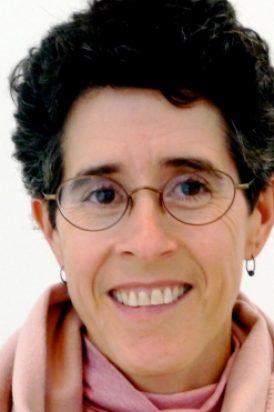
Maria Monica Wihardja serves as a Visiting Fellow and Co-coordinator of the Media, Technology and Society Programme at ISEAS–Yusof Ishak Institute while holding an Adjunct Assistant Professor position at the National University of Singapore. Her career bridges academic research and high-impact policy engagement, including former roles as World Bank Economist in the Poverty and Equity Global Practice and senior advisor to Indonesia's Presidential Executive Office on strategic economic reforms. Her educational background features: PhD in Regional Science, Cornell University MPhil in Economics, Cambridge University BA in Applied Mathematics-Economics, Brown University Wihardja's research integrates economic analysis with sociotechnical systems, focusing on digital transformation's impact on labor markets, food security, and democratic processes. She examines how technological disruption creates both opportunities for inclusion and risks of inequality, particularly through studies of platform economies, electoral disinformation, and sustainable agro-food systems. Her methodology combines quantitative econometrics with policy-oriented field research, often leveraging large-scale datasets from government and private sector partnerships. Analysis of her recent publications reveals three dominant research trajectories: (1) Digital economy effects on labor market polarization and inclusion, (2) Food system resilience through agricultural modernization, and (3) Geopolitical dimensions of supply chain reconfiguration. These intersect with her policy engagement in ASEAN economic integration frameworks and Indonesia's G20 presidency initiatives. Her scientific recognition includes: Nikkei Asian Scholar 2023 award Wihardja actively shapes regional discourse through editorial roles at East Asia Forum and Center for Indonesian Policy Studies. Her grant-funded work frequently involves World Bank partnerships and Indonesian government collaborations, particularly on stunting prevention and food policy reforms. Current projects examine deepfake impacts on electoral integrity and sustainable financing mechanisms for green transitions. She leads the Media, Technology and Society Programme at ISEAS, coordinating interdisciplinary research on digital governance and Southeast Asian technology policy. The programme partners with regional think tanks, government agencies, and private sector stakeholders to develop evidence-based policy responses to technological disruption.