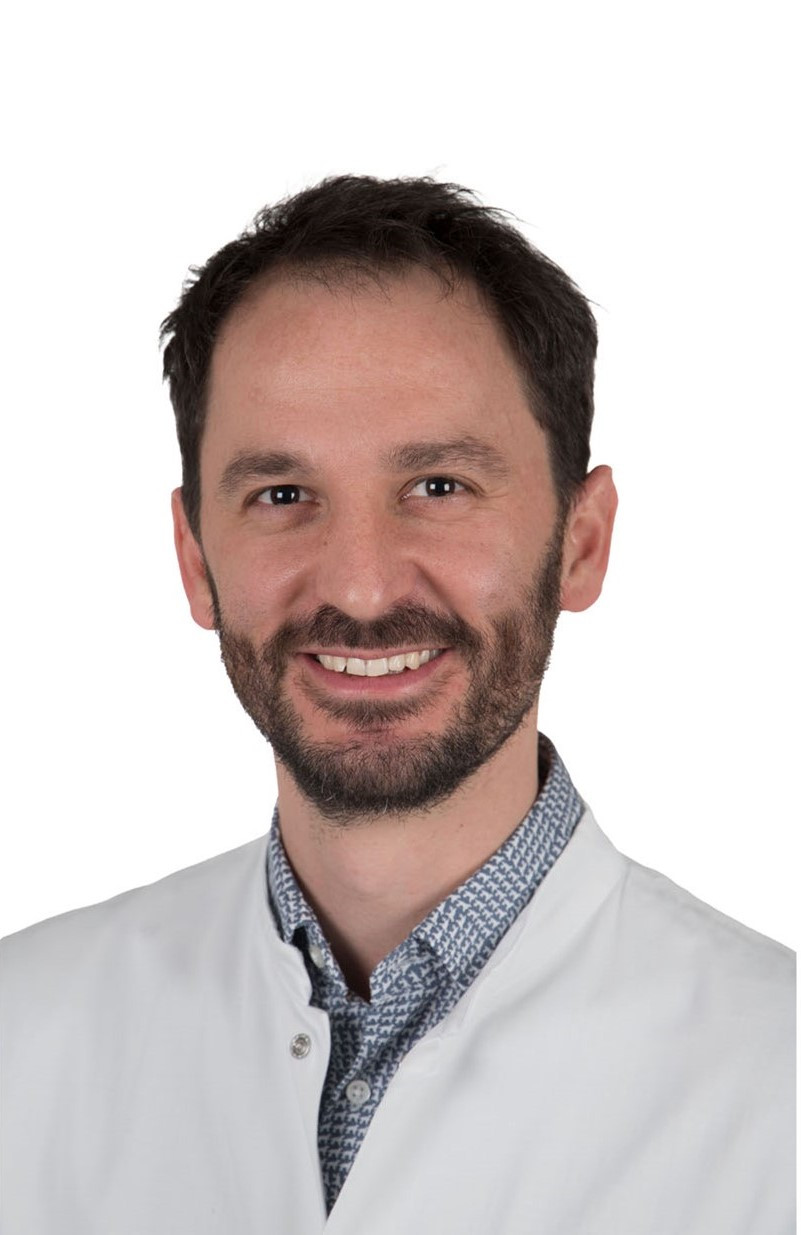
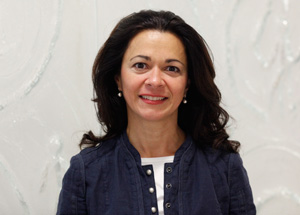
Bekir Unlu, MD is an Assistant Professor in the Department of Obstetrics and Gynecology at the University of Texas Medical Branch (UTMB). His clinical and research activities focus on surgical interventions in obstetrics and gynecology, particularly robotic-assisted procedures and postoperative care optimization. Education: MD from Hacettepe University School of Medicine, Turkey (1999). His research explores pelvic floor disorders , urinary incontinence , and cesarean delivery outcomes , with a strong emphasis on robotic surgery and minimally invasive techniques . Recent studies include comparative analyses of surgical methods for pelvic organ prolapse and stress urinary incontinence , as well as randomized trials on post-cesarean care. Key trends in his publications since 2011 highlight collaborations in urogynecology , robotic-assisted surgeries , and multicenter clinical trials . Notable co-authors include G. S. Kilic, M. Borahay, and F. Dursun.
Gokhan Kilic, MD , is a Professor in the Department of Obstetrics & Gynecology at the University of Texas Medical Branch (UTMB). He serves as Director of the Urogynecology Fellowship Program and Division Director of Gynecology, with a focus on minimally invasive and robotic surgery. Dr. Kilic holds the Endowed Faculty Chair in Obstetrics and Gynecology Honoring Alvin L. LeBlanc, MD, Harry M. Little, Jr, MD, and L Charles Powell, MD. Board Certified in Obstetrics and Gynecology Board Certified in Female Pelvic Medicine and Reconstructive Surgery Fundamental Laparoscopic Surgery Certification Dr. Kilic's research emphasizes urogynecology , pelvic floor disorders , and robotic surgical techniques . His work includes clinical studies on urinary incontinence, fall risk in older women, and innovative treatments for adenomyosis, blending laboratory research, non-human studies, and clinical trials. Recent publications highlight trends in geriatric urogynecology , robotic hysterectomy , and pharmacological interventions for pelvic health. Dr. Kilic's studies often address comorbidities in aging populations and the effectiveness of pelvic floor muscle training. Scientific Awards : Fellow of the American College of Obstetricians and Gynecologists (ACOG), Fellow of the American College of Surgeons (ACS), and Endowed Faculty Chair at UTMB. Dr. Kilic actively trains students, residents, and physicians in minimally invasive surgery. He leads research initiatives in UTMB's Obstetrics & Gynecology Department, focusing on improving pelvic health outcomes through interdisciplinary collaboration.
Sarah Boyd, MD is an Associate Professor specializing in Female Pelvic Medicine & Reconstructive Surgery. She focuses on optimizing patient outcomes for pelvic floor disorders through surgical and non-surgical approaches. Board-certified in Obstetrics and Gynecology (2017) and Female Pelvic Medicine & Reconstructive Surgery (2021), her expertise spans pelvic organ prolapse, urinary incontinence, and minimally invasive gynecologic procedures. Female Pelvic Medicine & Reconstructive Surgery Fellowship, Hartford Hospital (2016-2019) Obstetrics and Gynecology Residency, Christiana Care Health System (2012-2016) MD from Marshall University John C. Edwards School of Medicine (2008-2012) Her research explores adverse outcomes in pelvic reconstructive surgery, postoperative opioid consumption, catheter management, and non-surgical interventions for prolapse. She collaborates in multi-institutional research groups analyzing perioperative outcomes. Articles demonstrate trends in data-driven surgical optimization and pain management protocols. Scientific Awards: Pyrtek Research Paper Distinction Award in Clinical Research (2019)
Prim. Clin. Assoc. Prof. PD Dr. Dietmar Dammerer, MSc PhD is the head of the Clinical Department of Orthopaedics and Traumatology at Krems University Hospital, affiliated with Karl Landsteiner Private University of Health Sciences. He has been in this role since February 2022, leading the merger of orthopedics and traumatology into a unified clinical department. A dual-trained specialist, he is recognized for his expertise in endoprosthetics and tumor orthopedics, and actively promotes interdisciplinary collaboration and team-based medicine. His educational background includes a PhD in Musculoskeletal Sciences (2015), an MSc in Advanced Orthopaedics and Traumatology (2017), and board certification in both orthopedics and traumatology (2017, 2018), culminating in habilitation in 2019. He has received prestigious Traveling Fellowships from the European Hip Society and European Musculo-Skeletal Oncology Society. Dietmar Dammerer’s research focuses on orthopedic oncology, joint reconstruction, biomechanics, and minimally invasive surgery. His work emphasizes the integration of clinical inquiry with research to improve patient outcomes. Recent publications analyze pelvic sarcoma reconstruction, spinal metastases, cartilage repair techniques, and health disparities in sarcoma care. His 15 most recent articles reflect a strong trend in musculoskeletal oncology, surgical biomechanics, and evidence-based orthopedic practice, with frequent use of systematic reviews, retrospective studies, and multicenter collaborations. Topics include implant performance, surgical safety, and global access to specialized care. Scientific awards include: Traveling Fellow Stipendium from the European Hip Society (2018) Traveling Fellow Stipendium from the European Musculo-Skeletal Oncology Society (2020) He is deeply committed to mentoring and team development, emphasizing that medical success is measured by the success of one’s colleagues. He leads a research-active department that hosts international observers, conducts training courses for physicians across Europe, the Middle East, and Africa, and maintains a high rate of peer-reviewed publication. The department collaborates closely with the Departments of Biomechanics and Anatomy and Developmental Biology, reflecting a multidisciplinary research approach.
Dr. Robert V. O'Toole serves as Professor of Orthopaedics at the University of Maryland School of Medicine, holding key leadership roles including Vice-Chair for Research, Chief of Orthopaedics at R Adams Cowley Shock Trauma Center, and Director of Clinical Research. He also leads the Orthopaedic Traumatology Fellowship Program and heads the Division of Orthopaedic Trauma within the Department of Orthopaedics. His educational background includes a BS and MS in Mechanical Engineering from Carnegie Mellon and Stanford Universities, followed by an MD from Harvard Medical School. His clinical training encompasses General Surgery internship at Brigham and Women's Hospital, Orthopaedic Residency through Harvard Combined Program, and Orthopaedic Trauma Fellowship at University of Maryland's Shock Trauma Center. Dr. O'Toole's research focuses on critical areas of orthopaedic trauma including surgical site infection prevention, pelvic and acetabular fracture management, biomechanics of fracture fixation, and complications like compartment syndrome and nonunion. His work integrates clinical trials, biomechanical studies, and retrospective analyses to address high-impact trauma challenges. His publication record demonstrates consistent contributions to orthopaedic trauma literature, with recent work emphasizing infection prevention strategies, pelvic fracture outcomes, and biomechanical optimization of fracture fixation techniques across high-impact journals like Journal of Orthopaedic Trauma and Injury . Shock Trauma Hero Award, Clinical Service (2014, 2015) Top 10 Orthopaedic Trauma Association Papers (2014, 2015) Orthopedics This Week's 19 Best Orthopedic Traumatologists in North America (2015) Carnegie Mellon Football Man of the Year Award (2015) Elected Faculty Marshall by medical students (2016) As Program Director for the Orthopaedic Traumatology Fellowship, he mentors future trauma specialists while securing over $30 million in research funding. His active grants include Department of Defense projects on infection prevention and blood clot management, supported by a 10-member research team conducting 16 prospective clinical trials. He directs one of the nation's largest orthopaedic trauma research groups at Shock Trauma Center, collaborating with the Major Extremity Trauma Research Consortium (METRC) to advance evidence-based trauma care through integrated clinical research infrastructure.
Ami Dalal Acharya, MD is an Associate Professor at the Yale School of Medicine within the Department of Obstetrics, Gynecology & Reproductive Sciences . She specializes in obstetrics, gynecology, and reproductive health, with a focus on high-risk pregnancies and maternal-fetal outcomes. Education: MD, University of Bombay (1997) MPH, Harvard School of Public Health, Maternal and Child Health (1999) Clinical Research, Brigham and Women's Hospital (2001) Residency, Medical Education and Research Center/Michigan State University (2020) Her research aims to improve maternal and neonatal health by investigating factors contributing to pregnancy complications and developing safe delivery strategies. She co-organizes the Yale Urogynecology Global Health Initiative (2017–Present) and holds board certifications in Obstetrics & Gynecology and Female Pelvic Medicine & Reconstructive Surgery from the American Board of Obstetrics & Gynecology. Scientific Awards: Yale School of Medicine Excellence in Gynecological Surgery Teaching Award (2014) Dr. Acharya has no listed advisees or formal students in the provided data. She is not explicitly affiliated with any specific research labs or teams in the scraped content.
Lucie Morin, MD, FRCSC is an Associate Professor affiliated with CHU Sainte-Justine, where she practices in the Department of Obstetrics and Gynecology. Her clinical expertise spans high-risk pregnancies, prenatal screening, fetal diagnostics, and antenatal care, with a focus on maternal-fetal medicine.
Fuchsia Howard, PhD, RN serves as an Associate Professor and PhD Coordinator at the University of British Columbia School of Nursing. Her office is located at T201 2211 Wesbrook Mall, Vancouver, BC V6T2B5, with contact via phone (1-604-822-4372) and email (fuchsia.howard@ubc.ca). Her research spans oncology nursing, reproductive health, critical care survivorship, and health equity . She investigates fertility preservation for cancer patients, endometriosis-associated dyspareunia management, and digital health interventions for sexual health. Her work emphasizes patient-reported and family-reported outcomes , particularly in chronic disease management and post-ICU recovery. Current projects address social determinants of health in critical illness survivorship and destigmatizing design for sexual health technologies. Her recent publications (2023-2025) demonstrate strong focus on Patient-centered outcome measures in oncology and gynecology Digital resource development for endometriosis and fertility challenges Family caregiver roles in critical illness recovery Health equity in Canadian cancer care systems Key methodologies include qualitative studies, scoping reviews, and mixed-methods approaches. As PhD Coordinator, she guides nursing doctoral candidates though specific students aren't listed in available materials. Her work connects with clinical practice through collaborations with BC Cancer and UBC-affiliated hospitals.
Scott T. Doyle is an Associate Professor in the Department of Pathology and Anatomical Sciences at the Jacobs School of Medicine & Biomedical Sciences, University at Buffalo. His research integrates biomedical imaging, artificial intelligence, and computational pathology to develop quantitative tools for clinical diagnostics and anatomical modeling. Education: PhD in Biomedical Engineering, Rutgers, The State University of New Jersey (2011) BS in Biomedical Engineering, Rutgers, The State University of New Jersey (2006) Optical Microscopy & Imaging in the Biomedical Sciences, Marine Biological Laboratory (2014) hES Stem Cell Culture Training, WNYSTEM (2014) R Bioconductor Training, Roswell Park Cancer Institute (2016) Dr. Doyle’s research focuses on developing AI-driven algorithms for biomedical image analysis, particularly in digital pathology and 3D anatomical modeling. His work spans tumor segmentation, risk prediction in oral and thyroid cancers, and integration of virtual and physical anatomy in medical education. He applies machine learning, deep learning, and computational modeling to enhance diagnostic accuracy and patient outcomes. His recent publications reflect a strong trend in applying artificial intelligence to histopathology, with emphasis on active learning, 3D reconstruction, and multi-institutional data fusion. Key areas include oral cavity cancer recurrence prediction, thyroid cancer subtyping, and computational modeling of surgical margins and anatomical structures. Scientific Service and Recognition: Reviewer for NIH SPORE grants Peer reviewer for journals including Medical Image Analysis , BMC Bioinformatics , IEEE Transactions on Biomedical Engineering Program Committee and Session Chair, SPIE Medical Imaging: Digital Pathology (2016–present) Member, Graduate Program Steering Committee, Pathology & Anatomical Sciences Mentor, McNair Scholarship and CSTEP programs for underrepresented students Dr. Doyle has secured significant research funding as Principal Investigator on NIH and CTSI grants, including a $2M+ NIH grant for predicting oral cancer recurrence. He has also contributed to educational innovation through hybrid anatomy curriculum development and AI training for pathologists. He leads the 'Atoms to Anatomy' research initiative and is active in strategic planning at the Jacobs School. Laboratories and Collaborative Teams: Dr. Doyle collaborates with the Center for Computational Research (CCR) and is involved in the Structural Sciences Learning Center (SSLC). He has led projects with teams at Ibris, Inc., Veterans Affairs Hospital, and Mount Sinai School of Medicine.
Xiaoming Guan, MD, PhD is a Professor in the Department of Obstetrics and Gynecology at Baylor College of Medicine and serves as the Division Chief and Fellowship Director of Minimally Invasive Gynecologic Surgery at Texas Children’s Hospital. He is also the Program Director of the Center of Excellence in Gynecologic Surgery (COMIGS) at Texas Children's Hospital, Houston, Texas. His clinical and academic roles highlight his leadership in advanced gynecologic surgical innovation and education. MD – Fujian Medical College, Fuzhou, China MS – Fujian Medical University, Fuzhou, China PhD – Zhejiang University, Zhejiang, China (Medicine/Surgery) Residency – St. Joseph's Hospital and Medical Center, New Jersey (Obstetrics and Gynecology) Fellowship – Baylor College of Medicine, Houston (Minimally Invasive Gynecologic Surgery) Dr. Guan specializes in treating complex gynecologic conditions including endometriosis, uterine fibroids, pelvic masses, and pelvic organ prolapse using state-of-the-art minimally invasive techniques. He is a pioneer in robotic single-site surgery and transvaginal Natural Orifice Endoscopic Surgery (NOTES), applying these methods to advanced pelvic procedures such as sacrocolpopexy, abdominal cerclage, and endometriosis resection. His work emphasizes multidisciplinary collaboration with colorectal, thoracic, and urologic surgeons to optimize patient outcomes. The selected publications reflect a strong focus on surgical innovation, particularly in laparoscopic, robotic, and NOTES-based approaches. Trends include comparative effectiveness studies, technical development, and fertility-preserving strategies. His research bridges clinical application with technological advancement in gynecologic surgery. Surgeon of Excellence in Minimally Invasive Gynecology – Texas Children's Hospital Pavilion for Women Dr. Guan is actively involved in training future surgeons as Fellowship Director and leads a robust research program with over 80 publications. He serves on the editorial boards of the Journal of Minimally Invasive Gynecology , Clinics in Surgery , and Gynecology and Obstetrics Clinical Medicine Journal . He also holds leadership in professional societies, including President of the North American Society of Chinese Obstetricians and Gynecologists. Dr. Guan leads a multidisciplinary surgical team focused on advanced endometriosis and complex pelvic reconstruction. His lab and clinical team integrate robotic platforms and innovative endoscopic techniques to improve surgical precision and patient recovery. Ongoing work includes expanding NOTES applications and refining robotic single-site procedures for broader clinical use.
David A. Jamadar is a Clinical Professor in the Department of Radiology at the University of Michigan Medical School. His academic and clinical work focuses on diagnostic radiology with emphasis on musculoskeletal imaging, ultrasound applications, and cross-sectional imaging techniques. Research Interests: Dr. Jamadar's work spans multiple subfields in radiology, including: Musculoskeletal imaging and postoperative assessment Ultrasound-guided interventions and diagnostic accuracy CT/MRI evaluation of abdominal and pelvic pathologies Incidental findings interpretation in imaging Academic writing and faculty development initiatives Publications Trends: His recent work emphasizes diagnostic imaging applications in hernia detection, tendon pathologies, and post-reconstructive surgery assessment, with a focus on correlating imaging findings with surgical outcomes. Mentorship: Dr. Jamadar is explicitly listed as being available to mentor.
Matthew B. Panzer serves as Associate Dean for Graduate Education and Post-Doctoral Affairs at the University of Virginia's School of Engineering and Applied Sciences, holding professorships in Mechanical & Aerospace Engineering and courtesy in Biomedical Engineering. As Deputy Director of the Center for Applied Biomechanics, he leads research in impact biomechanics and injury prevention. Education: B.S. in Mechanical Engineering, University of Waterloo, 2003 M.S. in Mechanical Engineering, University of Waterloo, 2006 Ph.D. in Biomedical Engineering, Duke University, 2012 Research Focus: Panzer's work employs computational and experimental methods to investigate high-rate non-linear mechanics in tissue mechanics, impact biomechanics, vehicle crashworthiness, military blast/ballistics, and sports injury. Current projects include traumatic brain injury mechanisms in football helmet impacts, biological tissue characterization, human body model development for automotive safety, and protective system design. His approach integrates finite element modeling with experimental validation to translate biomechanical findings into clinical and safety applications. Publication Trends: Recent work (2022-2025) emphasizes brain injury metrics, sex-specific biomechanical responses, and finite element model validation across automotive, sports, and military contexts. Key themes include rotational loading effects, biofidelic model development, and injury risk function derivation, demonstrating strong interdisciplinary integration of neuroscience, engineering, and computational science. Awards: Shannon Fellow (2024-2027) Copenhaver Fellow (2023) MAE Early Career Researcher of the Year (2021, 2022) UVA Research Achievement Award (2019) MAE Young Research of the Year (2018, 2019) Grants and Teaching: Panzer has secured over 40 research grants as Principal Investigator from federal agencies and industry partners. He teaches graduate courses including MAE 6710: Finite Element Analysis (annually since 2015), MAE 7030: Injury Biomechanics, and MAE 6952: Impact Mechanics, mentoring graduate students in biomechanics research despite no specific advisees listed in source materials. Laboratory Leadership: At the Center for Applied Biomechanics, Panzer directs teams conducting experimental testing and computational modeling to advance injury mechanism understanding and develop protective technologies for automotive, sports, and military applications.
Dr. Joel Gelman is a Clinical Professor in the Department of Urology at the University of California, Irvine School of Medicine. He serves as the Director of the Center for Reconstructive Urology at UCI Medical Center, where he has been a faculty member since 1998. Dr. Gelman is a world-renowned expert specializing in male urethral and penile-genital reconstructive surgery with over 1,400 reconstructive procedures performed throughout his career. Dr. Gelman's educational background includes undergraduate studies at Indiana University, medical school at the Medical College of Ohio, residency training at Indiana University and UCLA, and fellowship training in reconstructive surgery at the Devine Center in Norfolk, Virginia. Prior to joining UCI, he served on the faculty at Albert Einstein College of Medicine in New York and Ohio State University. Dr. Gelman's research focuses on advanced urological reconstructive techniques, with particular expertise in urethral stricture disease, Peyronie's disease, hypospadias repair, and erectile dysfunction including penile implant surgery. His clinical practice is exclusively dedicated to male urethral and genital reconstructive procedures, making him one of the most specialized surgeons in this field. His publication record demonstrates consistent contributions to the advancement of reconstructive urological techniques, with particular emphasis on improving surgical outcomes and patient satisfaction. Dr. Gelman is a Diplomat of the American Board of Urology and has served on the Board of Directors of the Society of Genitourinary Reconstructive Surgeons. His editorial contributions to major urological journals reflect his standing as a thought leader in the field of reconstructive urology. As Director of the Center for Reconstructive Urology, Dr. Gelman leads a specialized clinical program focused on complex male genitourinary reconstruction. His work has established the center as a referral destination for challenging reconstructive cases, attracting patients from across the country seeking his expertise in procedures that few surgeons perform with similar frequency and success.
Marta San Millán Alonso is a Lecturer in the Department of Medical Sciences at the University of Girona, Faculty of Medicine. She specializes in Human Anatomy and Embryology and is an active member of the NEOMA Research Group (Clinical Anatomy, Embryology, and Neuroscience). Her academic journey began with a biology degree, followed by a competitive Master’s in Physical Anthropology and an FPU-funded PhD from the University of Barcelona, awarded cum laude and with international distinction. Her educational background includes: Bachelor’s in Biology Interuniversity Master’s in Physical Anthropology (with top-tier thesis) PhD in Anatomy and Embryology (University of Barcelona, FPU scholarship, cum laude, international mention) Postgraduate training in soft tissue anatomy and dissection techniques (University of Girona) Her research bridges human anatomy with applications in forensic medicine , clinical anatomy , and public health . She has developed pioneering anatomical databases and conducts research on acetabular anatomy and senescence. Her work in medical education includes over 800 hours of teaching training and participation in educational innovation networks at UdG. The trends in her recent publications show a strong focus on interdisciplinary anatomy, combining detailed morphological studies with clinical, forensic, and public health implications. Her work frequently involves collaboration across institutions and countries, utilizing both cadaveric and population-based studies. Her scientific awards include: FPU Grant (University Teaching Staff Training) PhD with Excellent Cum Laude and International Mention Competitive Postgraduate Scholarship Recognition for top Master’s thesis Marta is actively involved in mentoring, currently co-directing a PhD thesis on acetabular labrum anatomy, which has secured funding from SECOT+FEA. She has participated in numerous funded research projects and educational innovation initiatives. Her teaching spans multiple disciplines including Medicine, Biomedicine, Nursing, Physiotherapy, and Biomedical Engineering, reflecting her adaptability and commitment to pedagogy. She is also engaged in national and international conferences, often serving on scientific and organizing committees. She is a core member of the NEOMA research group, where she contributes to projects integrating experimental neurophysiology and clinical anatomy. Her lab work emphasizes anatomical dissection, morphometric analysis, and the development of teaching and research databases. Future work continues to explore the functional and clinical implications of anatomical variations, particularly in the hip joint and pelvic region.
Lindsey Westover, PhD, PEng, serves as an Associate Professor in the Department of Mechanical Engineering and Associate Dean in the Faculty of Engineering at the University of Alberta. Her research and teaching activities are centered in the Biomedical Engineering program, with her laboratory located in the Donadeo Innovation Centre for Engineering (13-224, 9211 116 St, Edmonton, AB T6G 2H5). She maintains an active research profile while contributing to academic leadership through her deanship. Her educational background includes: 2018: Postdoctoral Fellowship in Rehabilitation Medicine, University of Alberta 2016: Ph.D. in Mechanical Engineering, University of Alberta 2011: M.Sc. in Mechanical Engineering, University of Calgary 2007: B.Sc. in Mechanical Engineering, University of Calgary Dr. Westover's research program spans biomechanics and biomedical engineering with emphasis on noninvasive assessment of biological structures, vibration analysis for percutaneous implants, joint biomechanics (ligaments and cartilage), spinal deformity analysis through asymmetry metrics, mechanical testing of biological tissues, and computational modeling of biological systems. Her work integrates laboratory experiments, computational methods, and in vivo studies to develop innovative diagnostic and therapeutic approaches. Analysis of her 15 most recent publications (2018-2020) reveals consistent focus on bone mechanics, implant stability, and symmetry analysis across orthopedics, audiology, and dentistry. Key themes include osseointegration evaluation using ASIST technology, pelvic/spinal deformity quantification, and computational modeling of biological structures. Her work appears in high-impact journals spanning engineering and clinical disciplines, demonstrating strong interdisciplinary collaboration. Scientific recognition includes: Nomination for Ear and Hearing 2018 Editor's Award for bone conduction device research Dr. Westover mentors graduate students through co-authorship on numerous publications and teaches core mechanical engineering courses including MEC E 451 (Vibrations and Sound), MEC E 390 (Numerical Methods), and MEC E 200 (Introduction to Mechanical Engineering). Her research is supported by collaborative grants with clinical partners and engineering colleagues. She leads biomechanics research within the Department of Mechanical Engineering, collaborating extensively with the Faculty of Rehabilitation Medicine and surgical departments. Her laboratory develops advanced testing systems like ASIST for implant stability evaluation across hearing devices and dental applications, while her computational work informs clinical approaches to scoliosis management and fracture reconstruction.