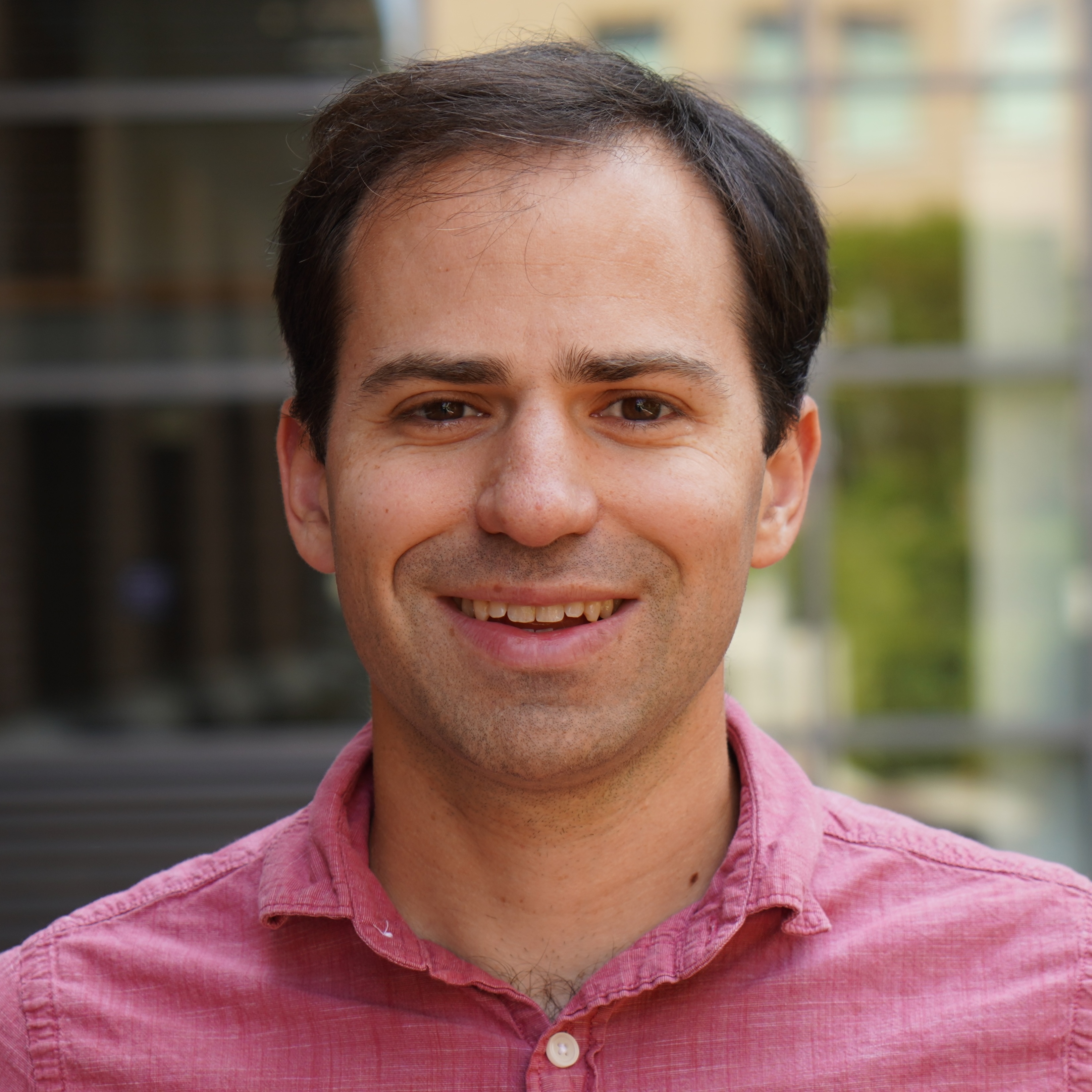
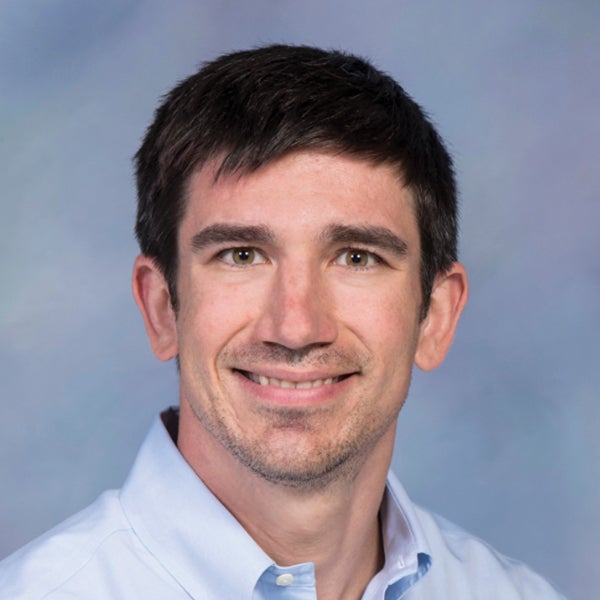
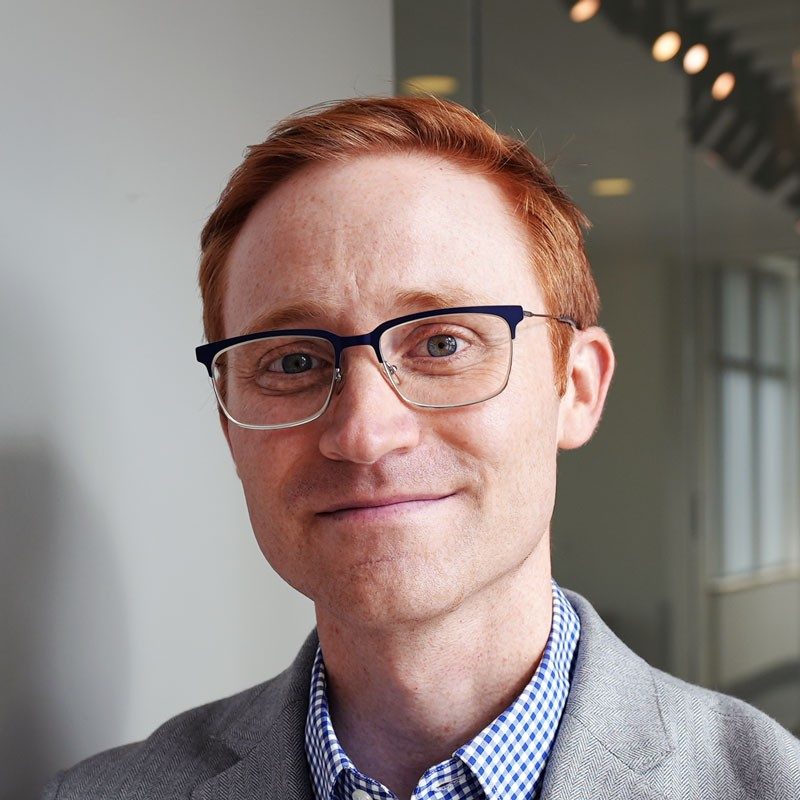
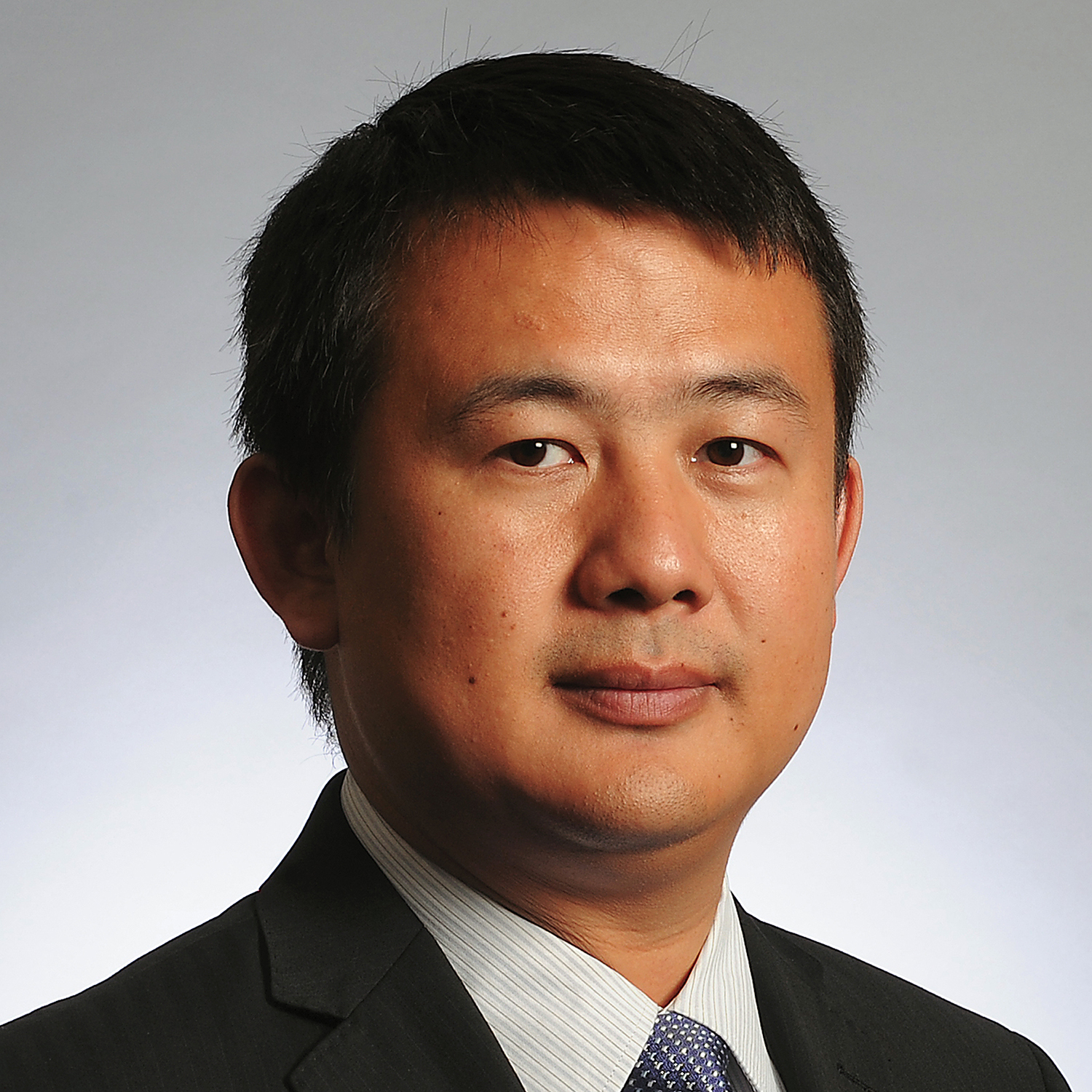
Daniel Epstein is an Associate Professor in the Department of Informatics at the University of California, Irvine (UCI), where he leads the Personal Informatics Everyday (PIE) Lab. He holds a courtesy appointment in the Department of Computer Science and is affiliated with the Connected Learning Lab, Institute for Future Health, and Accessibility Research Collective. Epstein earned his Ph.D. in Computer Science & Engineering from the University of Washington and a B.S. in Computer Science from the University of Virginia. His research focuses on how personal tracking technology can better serve diverse users' needs, emphasizing ethical design, health equity, and long-term user engagement. Notable areas include pregnancy tracking, wearable technology for children and ADHD management, and AI-driven health chatbots. Epstein has received grants from NSF, Snap Inc., and UCI programs, totaling over $650k in funding. Epstein's work bridges HCI and health informatics, with over 60 peer-reviewed publications. He advises six Ph.D. students and has mentored numerous undergraduates. Awards include the ACM Senior Member distinction (2025), CHI Best Paper (2023), and NSF CAREER Award (2023). Professional service includes program committees for CHI, CSCW, and UbiComp, plus leadership roles in workshops like the Workgroup on Interactive Systems in Healthcare (WISH). Beyond academia, Epstein enjoys hiking, collecting turtle figures, and advocating for accessible technology.
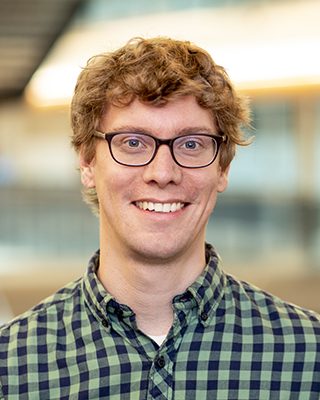
Tim Althoff is an Associate Professor at the Paul G. Allen School of Computer Science & Engineering, University of Washington, specializing in Artificial Intelligence and Human-Centered Computing. His research focuses on behavioral data science, combining Data Science Natural Language Processing Social Computing Human-Centered AI Ethics & Fairness to extract insights about health and well-being. Recent publications highlight advancements in: Mental health support through AI Wearable sensor health monitoring Online community analysis Reproducibility in data science Public health interventions with notable papers in ACL, Nature Machine Intelligence, and NeurIPS. Scientific recognition includes: ACL 2023 Outstanding Paper Award WWW 2021 Best Paper Award Double ICWSM 2021 Best Paper Awards SIGKDD Dissertation Award 2019 Fulbright Scholarship German National Merit Foundation Actively mentoring postdoctoral researchers and seeking PhD students in areas like neural representation learning, NLP applications to psychology, and mobile health technologies through his Behavioral Data Science Group .
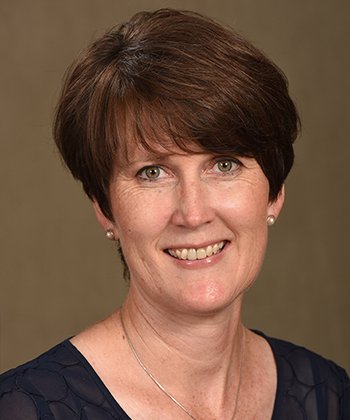
Claire Célérier is an Associate Professor of Finance at the Rotman School of Management, University of Toronto, where she holds the Canada Research Chair in Household Finance. Her academic career spans prestigious institutions including the University of Toronto (where she advanced from Assistant to Associate Professor between 2016-2022) and the University of Zurich (2014-2016). She maintains an affiliation with the People's History Lab and actively contributes to academic discourse through conference organization including 'Race, Equity and Public Policy' (2023) and 'Banks, States and the People' (2024). Dr. Célérier's research explores how finance can benefit households through multiple lenses including behavioral economics, asset pricing, and financial history. Her work investigates innovation in finance, diversity and inclusion impacts, and historical perspectives on financial systems. She has developed significant expertise in household finance, banking, and the intersection of finance with social issues, particularly racial disparities in financial markets as demonstrated in her award-winning research on the Freedman's Savings Bank. Her scholarly output shows a clear trajectory from foundational work on security design and investor behavior toward increasingly socially relevant research on financial inclusion, racial equity, and household financial decision-making. Recent publications demonstrate her growing focus on historical contexts of financial systems and their contemporary implications, particularly regarding marginalized communities. Canada Research Chair in Household Finance (2024) Bank of Canada Governor's Award (2022) University of Toronto Top 5% Merit Award (2021) Petro Canada Young Innovators Award Program (2021) Multiple Rotman School of Management Teaching Awards (2019-2021) Ieke van den Burg Prize for Research on Systemic Risk (2015) Dr. Célérier has successfully secured substantial research funding including Insight Development Grants (CAD 54,500), Connaught Research Grant (CAD 10,000), and the Marianne and Marcus Wallenberg Foundation Grant (EUR 400,000). She mentors several PhD students including Andrada Bilan (2020), Alexey Vasilenko (2023), and Purnoor Tak (Expected 2026), and has supervised numerous master's theses at both University of Toronto and University of Zurich. Her service contributions include Rotman School of Management MBA program committee, executive committee, seminar coordination, and faculty recruiting committee.
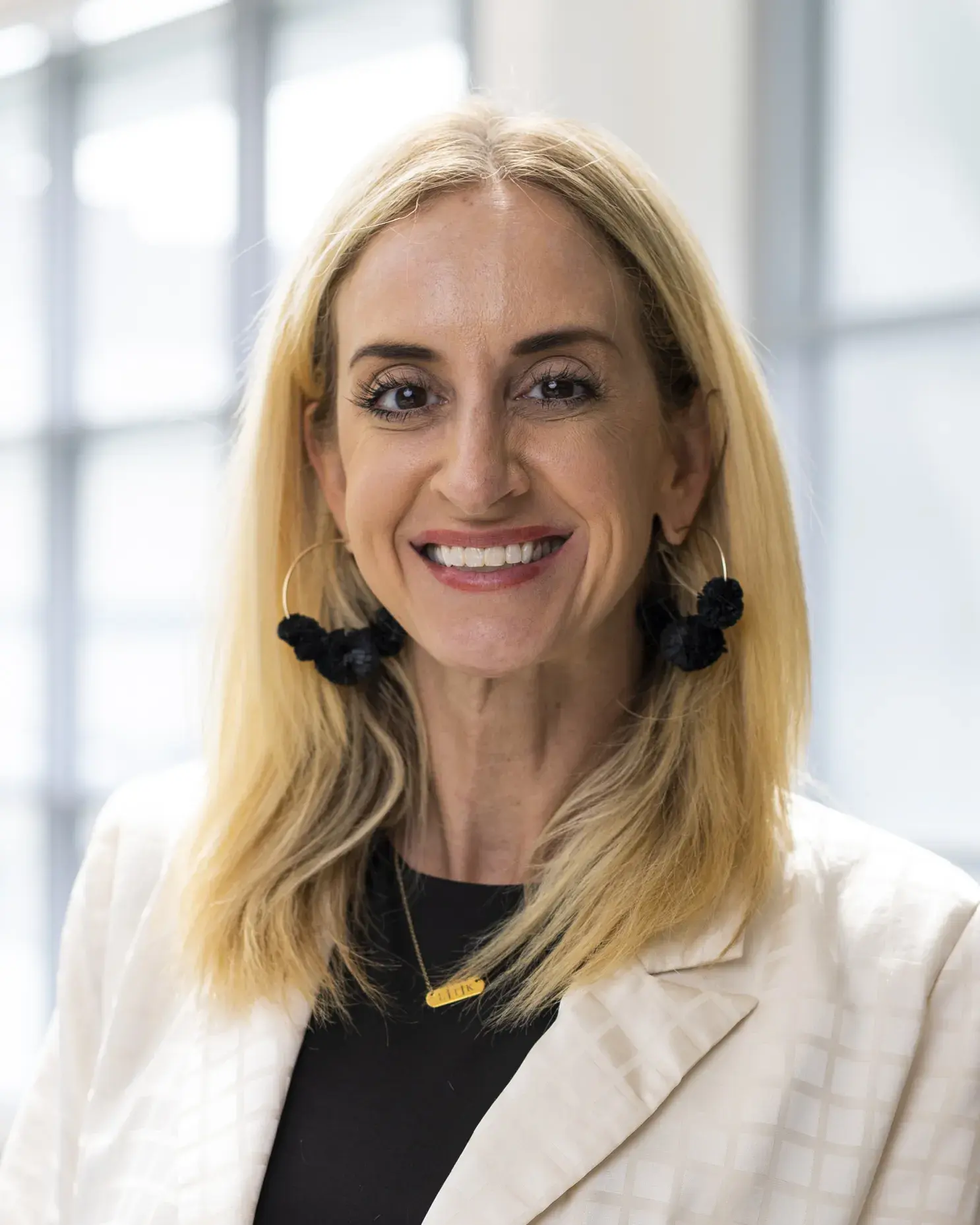
Brett Welch is an Assistant Professor and Biostatistician at the University of Houston with dual appointments in the Department of Communication Sciences and Disorders and the Department of Psychological, Health, and Learning Sciences within the College of Liberal Arts and Social Sciences. Dr. Welch's educational background includes: Ph.D. in Communication Science and Disorders from the University of Pittsburgh M.S. in Communication Sciences and Disorders from the University of Texas Rio Grande Valley B.S. in Linguistics from the University of Texas at Austin B.A. in Communication Sciences and Disorders – Speech-Language Pathology from the University of Texas at Austin Dr. Welch's research sits at the intersection of psychology and communication. He seeks to understand how psychological processes like personality and psychopathology influence communication behaviors, and conversely, how communication behaviors impact psycho-social well-being. His work leverages quantitative methods, cross-sectional studies, and intensive longitudinal designs to interrogate the dynamic interplay between psychological processes and voice and communication behaviors. This research aims to advance understanding of functional voice disorders, improve assessment of psychopathology, and promote well-being for people with and without communication disorders. Dr. Welch has received several notable awards: Honors Council of Academic Programs in Communication Sciences and Disorders PhD Scholarship (2024) New Century Scholars Doctoral Scholarship from the American Speech-Language-Hearing Foundation (2023) New Investigator Forum from The Voice Foundation (2021) As an academic, Dr. Welch serves as an ad hoc peer reviewer for various scientific journals in speech-language pathology and psychology. He is also a mentor in the Students to Empowered Professional Mentoring Program and a member of the American Speech-Language-Hearing Association. His teaching includes Special Problems: Introduction to Quantitative Modeling (COMD 8398). Dr. Welch maintains an active research program focused on the intersection of psychology and communication, with particular emphasis on voice disorders and their psychological correlates. His work combines biostatistical approaches with clinical insights to advance understanding in this specialized field.
Colleen Conley is a Clinical Professor in the Department of Psychology at Loyola University Chicago, specializing in clinical psychology with a focus on adolescent and emerging adult mental health. She directs the IMPACT (Improving Mental-health and Promoting Adjustment through Critical Transitions) Lab, which conducts research on psychological well-being during developmental transition periods. Dr. Conley earned her Ph.D. from the University of Illinois at Urbana-Champaign and her B.A. from Lawrence University. Her research program blends observational studies, meta-analyses, and intervention development to improve well-being, particularly during critical life transitions like the college years. Her work examines psychological trajectories in adolescence and emerging adulthood, with special attention to gender issues and LGBTQIA+ well-being. Her research interests center on developmental psychopathology, examining the interplay between individuals and their contexts over time. She investigates how biological, psychological, cognitive, and social factors interact to influence psychological distress and well-being. Much of her work focuses on college student mental health, including trajectories of well-being during the transition to college and interventions to address mental health challenges. Analysis of her recent publications reveals a strong focus on college student mental health, with emphasis on developmental trajectories, intervention effectiveness (particularly peer-led and technology-delivered approaches), and the impact of transition periods on psychological functioning. Her work increasingly incorporates digital interventions and examines moderators of intervention effectiveness across diverse student populations. Research Mentoring Award Program recognition for mentoring award-winning students Heckler Summer Research Fellowship recognition for mentoring fellowship recipients Dr. Conley mentors numerous graduate students in the clinical psychology program, with many completing dissertations on topics related to mental health interventions, student well-being, and developmental transitions. Her IMPACT Lab collaborates with university staff, administrators, and other researchers to develop practical interventions that address student mental health needs. Current projects include Honest, Open, Proud (HOP) for stigma reduction, Wellness Advising with Motivational Interviewing (WAMI), Students Taking on Effective Post-Graduate Skills (STEPS), and Supportive Accountability Methods for Mentoring Young Adults (SAMMY-A). The lab also partners with commercial entities like Headspace for mindfulness research.
Dr. Colleen F. Visconti serves as Professor and Program Director of the Speech-Language Pathology program within the Department of Communication Sciences and Disorders at Baldwin Wallace University. She holds a Ph.D. in Child Language Disorders from Case Western Reserve University, an M.S. in Speech-Language Pathology from Pennsylvania State University, and a B.A. in Communication Sciences from Case Western Reserve University. Her educational background includes: Ph.D. in Child Language Disorders, Case Western Reserve University M.S. in Speech-Language Pathology, Pennsylvania State University B.A. in Communication Sciences, Case Western Reserve University Visconti's research centers on the scholarship of teaching and learning and evidence-based education, with specific expertise in peer mentoring systems, interprofessional education frameworks, Zambia-based community engagement initiatives, clinical decision-making protocols, and problem-based learning methodologies. Her scholarly contributions have been disseminated through presentations at state, regional, and national conferences alongside publications in journals such as Teaching and Learning in Communication Sciences & Disorders, Perspectives on Issues in Higher Education, and The ASHA Leader. She has co-authored three significant publications: the forthcoming open-access text 'Scholarship of Teaching and Learning in CSD: Past, Present, and Future', 'Case Studies in Evidence-Based Education: A Resource for Teaching in Clinical Professions' (2021), and 'Scholarship of Teaching and Learning in Speech-Language Pathology and Audiology: Evidence-Based Education'. Additionally, she co-founded and edits the open-access journal Teaching and Learning in Communication Sciences and Disorders. Her distinguished accolades include: Distinguished Contribution Award from the Council of Academic Programs in Communication Sciences and Disorders (2023) Honors of the Association from the Ohio Speech-Language-Hearing Association (2021) Fellow of the Association Award from the Ohio Speech-Language-Hearing Association (2016) Editor's Award from the National Student Speech Language Hearing Association for co-authored article 'Diagnostic Reasoning by Experienced Speech Language Pathologists and Student Clinicians' As an active professional leader, Visconti served as President of the Ohio Speech-Language-Hearing Association (OSLHA) and currently functions as a site visitor for the American Speech-Language-Hearing Association's (ASHA) Council of Academic Accreditation. Her extensive service history includes OSLHA roles as Vice President, Director of Marketing, and University Affairs Representative, alongside ASHA contributions as Convention Committee Member, Special Interest Division Coordinator, and State Legislative Councilor for Ohio. In her academic capacity, she teaches graduate/undergraduate courses including Foundations in Evidence-Based Practice, Articulation and Phonology Disorders, and international Capstone courses in Zambia.
Jeremy K Fox is Associate Professor of Psychology at Montclair State University's College of Humanities and Social Sciences, where he directs the RECAP (Research on Emotion, Coping and Anxiety in Pediatrics) laboratory. His research examines developmental pathways to childhood anxiety and depression. Education includes: PhD in Clinical Psychology, State University of New York at Albany MA in Psychology, State University of New York at Albany BA in Psychology, Johns Hopkins University Research focuses on temperament-environment interactions, emotion regulation deficits, and school-based interventions. Current work investigates parental influences on anxiety development and peer-supported treatment models for minority youth. Articles demonstrate consistent focus on improving mental health service accessibility. Leads graduate training in clinical psychology and mentors doctoral students in anxiety research. RECAP lab investigates affective mechanisms underlying adolescent distress and develops digital interventions for school settings.
Brooke Hudspeth, PharmD, is an Associate Professor and Chief Practice Officer at the University of Kentucky (UK) College of Pharmacy. She oversees community pharmacy initiatives and serves as acting President of the Kentucky Pharmacists Association (KPhA). Her roles include mentoring pharmacy students and residents as a preceptor, and leading collaborative projects with organizations like the American Pharmacists Association Foundation, Kroger Co., and the CDC. Educationally, she holds a Doctor of Pharmacy from the UK College of Pharmacy, alongside PGY1/PGY2 Community-based Pharmacy Practice Residencies from the same institution. Her research focuses on diabetes prevention, obesity, and pharmacist-driven clinical services, particularly through expanding the National Diabetes Prevention Program (NDPP) to five U.S. states via a $7.5M CDC grant. Research interests emphasize health disparities, vaccine accessibility, and optimizing pharmacist roles in self-care conditions. Notable projects include influenza point-of-care testing and pharmacy partnerships during the pandemic. Her work bridges academic innovation with real-world healthcare challenges, advocating for policy changes to enhance pharmacist payment for clinical services. Despite no explicitly listed awards, her impactful grant-funded projects reflect significant contributions to public health. She advises students and residents while leading residency expansion initiatives. Collaborations with major institutions underscore her role in advancing pharmacy practice and education nationally. Hudspeth’s lab/team is embedded within UK’s College of Pharmacy, focusing on translational research to improve patient care through pharmacist-led interventions. Future work includes expanding telehealth pharmacy services and addressing healthcare workforce shortages.
John P.A. Ioannidis is the C.F. Rehnborg Professor in Disease Prevention and Professor of Medicine, Health Research and Policy, Biomedical Data Science, and Statistics at Stanford University. He is Co-Director of the Meta-Research Innovation Center at Stanford (METRICS) and an Einstein BIH Visiting Fellow at Charité - Universitätsmedizin Berlin. His academic appointments span multiple departments and institutes at Stanford, including the Stanford Prevention Research Center, Biomedical Data Science, and Statistics. He is internationally recognized for his work in meta-research, evidence-based medicine, and research reproducibility. Ioannidis holds an MD and DSc in Biopathology from the National University of Athens, with training in internal medicine and infectious diseases from Harvard and Tufts. He previously chaired the Department of Hygiene and Epidemiology at the University of Ioannina Medical School and held adjunct positions at Harvard, Tufts, and Imperial College. He joined Stanford in 2010, where he launched the PhD program in Epidemiology & Clinical Research, the MS in Community Health & Prevention Research, and METRICS in 2014. His research focuses on improving research methods, appraising biases, enhancing reproducibility, and integrating evidence across scientific disciplines. He is a pioneer in meta-research, with seminal contributions on the reliability of published findings, statistical practices, and research synthesis. His influential 2005 paper, "Why Most Published Research Findings Are False," is the most-accessed article in PLoS history. His recent work examines peer review, data sharing, AI in medicine, and pandemic research impact, consistently advocating for transparency and methodological rigor. His publications span epidemiology, statistics, genomics, clinical trials, and meta-analysis, with a strong emphasis on bias detection, replication, and open science. Trends in his recent articles highlight concerns about research integrity, citation practices, peer review reform, and the scientific response to global health crises. Founders' Medal for Lifetime Contributions to Meta-science (2024) Honorary doctorates from McMaster, Thessaloniki, Edinburgh, Tilburg, Athens, and Rotterdam Elected member, US National Academy of Medicine (2018) Elected member, European Academy of Sciences and Arts (2015) President, Association of American Physicians (2023–2024) President, Society for Research Synthesis Methodology Gordon Award, NIH (2019) Chanchlani Global Health Award (2017) Highly Cited Researcher (Clarivate) in Clinical Medicine, Social Sciences, and Psychiatry Ioannidis has advised numerous students and mentored early-career researchers. He has served as Senior Advisor for Knowledge Integration at the National Cancer Institute (2012–2016) and Editor-in-Chief of the European Journal of Clinical Investigation (2010–2019). He has received over 700 invited lectures and is deeply involved in shaping research policy and scientific infrastructure. He leads METRICS, a hub for meta-research innovation, and is affiliated with multiple Stanford institutes, including Bio-X, the Cardiovascular Institute, and the Stanford Cancer Institute.
Ashli Owen-Smith is a behavioral scientist affiliated with the School of Public Health at Georgia State University , where her research focuses on mental health disparities, suicide prevention, and integrative/complementary approaches for complex mental-physical health conditions. She works with underserved populations including refugees/immigrants, incarcerated individuals, and LGBTQ+ communities through community-based participatory research and mixed-methods frameworks. Her current projects are funded by CDC , DBHDD , and DPH . Education: Ph.D. in Behavioral Sciences (Emory, 2009), S.M. in Public Health (Harvard, 2005), B.A. in Psychology (Smith College, 2001) Her research spans mental health , trauma , suicide prevention , and mindfulness-based interventions . Recent work examines telehealth adaptations for chronic pain and mental health, vaccine hesitancy in refugee communities, and social determinants of suicide . She leads studies on gender-affirming care and health disparities in LGBTQ+ populations. Key article trends include epidemiological analysis of suicide risk factors, COVID-19 impacts on mental health, ICD-10 coding for autism, and complementary medicine in trauma recovery. Subfields span telehealth , health equity , mental-physical comorbidity , and community engagement . Students she has mentored include C.A. Scarlett , T. Griner , and M.M. Sesay . Her work integrates public health policy , clinical research , and health systems analysis .
Claudia R. Binder is Full Professor at EPFL's School of Architecture, Civil and Environmental Engineering, leading the Laboratory for Human-Environment Relations in Urban Systems (HERUS) since 2016. Previously, she held professorships at the University of Munich (2011-2016), University of Graz (2009-2011), and University of Zurich (2006-2009). She served as Dean of EPFL's ENAC School from 2020-2023 and holds advisory roles with Swiss federal institutions including the Mercator Foundation since 2024. Her academic foundation includes a Biochemistry degree and PhD in Environmental Sciences from ETH Zurich, followed by postdoctoral research at the University of Maryland. This interdisciplinary background underpins her research approach spanning natural and social sciences. Professor Binder's work centers on urban sustainability transitions, examining urban metabolism dynamics through systems science frameworks. She investigates energy-food-transport interdependencies in cities using transdisciplinary methods that integrate material flow analysis, spatial modeling, and socio-technical assessments. Her research particularly emphasizes regulatory mechanisms and transformation drivers in human-environment systems, with case studies across Swiss and global urban contexts. Recent publications reveal evolving focus from foundational urban metabolism studies toward actionable transition strategies. Her 2024-2025 work increasingly addresses social tipping dynamics, circular decarbonization, and spatially explicit waste management, demonstrating methodological innovation through geo-referenced material flow analysis and participatory backcasting frameworks. Key thematic clusters include energy innovation diffusion, plastic waste governance, and demand-side flexibility in residential systems. She actively mentors 7 current PhD candidates while supervising 11 graduates since 2018, with research spanning urban metabolism modeling, sustainability assessment, and transition governance. Her leadership extends to Swiss National Science Foundation committees and National Research Program 71 on energy consumption management. At EPFL, she directs the HERUS laboratory which develops the Sustainability Solution Space methodology for urban assessment. The lab operates at the intersection of data science, environmental engineering, and social theory, maintaining strong field connections in Switzerland, Indonesia, and Germany for empirical validation of transition models.
Dr. Daniel J. Preston is an Assistant Professor of Mechanical Engineering at Rice University, leading the Preston Innovation Laboratory (PI Lab). He holds a B.S. from the University of Alabama (2012), M.S. and Ph.D. from MIT (2014, 2017), and postdoctoral training at Harvard University (2017-2019). His research focuses on energy efficiency, soft materials, fluid mechanics, and robotics, with applications in wearable technologies and sustainable systems. Key achievements include the NSF CAREER Award (2022) and pioneering work on necrobotics using biotic materials. The PI Lab collaborates widely, with projects involving biomimetic surfaces, smart textiles, and fluidic control systems. Education: B.S. Mechanical Engineering, University of Alabama (2012) M.S./Ph.D. Mechanical Engineering, MIT (2014/2017) Research Interests: Energy : Thermal management, heat transfer optimization, and waste heat recovery. Materials : Soft actuators, surface coatings, and functional biomaterials. Fluids : Interfacial phenomena, droplet dynamics, and fluid-structure interactions. Notable Publications: Recent work includes advancements in wearable haptic devices ( Science Advances ), necrobotics ( Advanced Science ), and fluidic logic textiles ( PNAS ). Over 50 peer-reviewed articles span multidisciplinary topics from magnetic levitation to virus decontamination. Honors: In addition to the CAREER Award, Dr. Preston has received the NSF Graduate Research Fellowship, Tau Beta Pi Fellowship, and Wunsch Foundation Award. His lab fosters innovation through grants and industry partnerships. Advising & Grants: Supervises ~15 graduate and undergraduate students, including NSF GRFP recipients. Active in mentoring initiatives like the Randall Research Scholars Program and AATCC grants. Labs & Teams: The PI Lab collaborates with MIT’s DRL, Harvard’s Whitesides Group, and institutions globally. Core projects include smart wearables, energy harvesting fabrics, and autonomous soft robots.
Reed Maxwell is the William and Edna Macaleer Professor of Engineering and Applied Science in the Department of Civil and Environmental Engineering and the High Meadows Environmental Institute at Princeton University. He serves as Director of the Integrated Groundwater Modeling Center (IGWMC) and leads a research group comprising graduate students, postdoctoral researchers, and staff. His academic appointments include concurrent roles in both the School of Engineering and Applied Science and the High Meadows Environmental Institute. Maxwell's research focuses on understanding connections within the hydrologic cycle and how they relate to water quantity and quality under anthropogenic stresses. His work centers on hard problems in hydrology including groundwater, evapotranspiration and snow. His research group uses integrated hydrologic modeling, field observations, and remote sensing products to study terrestrial freshwater systems. Key research areas include surface water and the terrestrial hydrologic cycle; interactions of the land-surface, surface water and groundwater; and human health risk assessment. Maxwell has authored more than 185 peer-reviewed journal articles with an H-Index of 66 and over 19,000 citations. His recent work emphasizes machine learning applications in hydrology, continental-scale modeling, and physically rigorous scenario generation through projects like HydroFrame and HydroGEN. He teaches courses including CEE 306/ENV 318 Hydrology: Water and Climate and CEE 586/ENV 586 Physical Hydrology. 2020 Distinguished Henry Darcy Lecturer American Geophysical Union Fellow (2019) 2018 Boussinesq Lecturer Belle van Zuylen Chair (visiting), University of Utrecht 2017 School of Mines Research Award recipient Maxwell has mentored 17 PhD students and 20 MS thesis students throughout his career. His current research group includes multiple postdocs, research software engineers, and graduate students working on projects spanning continental-scale hydrologic modeling, groundwater-stream interactions, and machine learning applications in hydrology. The IGWMC maintains an active education and outreach program including STEM fairs, school visits, and digital educational tools like the HydroFrame Education Team's virtual sandtank aquifer model.
Michael Bartlett is an Associate Professor in the Department of Mechanical Engineering at Virginia Tech , leading the Soft Materials and Structures Lab within the College of Engineering. His research focuses on bio-inspired materials , soft robotics , and multifunctional composites with applications in adaptive adhesives , stretchable electronics , and self-healing systems . Education: Ph.D., Polymer Science & Engineering, University of Massachusetts Amherst (2013) B.S.E., Materials Science & Engineering, University of Michigan (2008) His work explores the intersection of soft materials , morphing structures , and functional composites , leveraging techniques like kirigami and liquid metal integration to create innovations such as octopus-inspired underwater gloves and shape-shifting drones . His recent articles highlight advancements in programmable adhesion , liquid metal conductors , and multiscale material design . Scientific Awards: National Academy of Inventors Senior Member (2024) NSF CAREER Award (2023) Office of Naval Research Young Investigator Award (2021) Soft Matter Emerging Investigator (2021) DARPA Director’s Fellowship (2020) Adhesion Society Early Career Scientist (2020) DARPA Young Faculty Award (2018) 3M Non-Tenured Faculty Award (2017) Bartlett has mentored over 40 undergraduate students and numerous graduate researchers, resulting in 12 peer-reviewed articles with student co-authors. His lab receives funding from federal agencies like NSF , ONR , and DARPA , as well as industry partnerships. The group also engages in K-12 outreach programs and collaborates with institutions such as University of Nebraska-Lincoln and Iowa State University .
Wei Sun is an Associate Professor in the Department of Electrical and Computer Engineering at the University of Central Florida, where he also serves as the Director of the Siemens Digital Grid Lab. His research focuses on power system restoration, self-healing smart grids, cyber-physical security, and renewable energy integration. Dr. Sun received his Ph.D. from Iowa State University in 2011, and his M.S. and B.S. from Tianjin University in 2007 and 2004, respectively. Prior to joining UCF, he was an Assistant Professor at South Dakota State University (2013-2015), a power system engineer at Alstom Grid (2011-2012), a visiting scholar at the University of Hong Kong (2011), and an intern at California Independent System Operator (2010). His research interests include: Power System Restoration and Self-healing Smart Grid Resilient and Secure Critical Infrastructure Cyber-Physical Systems Renewable Energy and Microgrid Distributed Energy Resources Integration Dr. Sun's recent publications demonstrate strong focus on cyber-physical security in power systems, distributed energy resource integration, and resilient grid operations. His work shows increasing emphasis on AI and machine learning applications for grid security and resilience, particularly in the context of high renewable penetration. His notable scientific awards include: Microsoft Software Engineering Innovation Foundation Award (2014) Best Paper Award, 2019 IEEE PES ISGT Asia Mentor of the Year, UCF Graduate Student Association (2019) Dr. Sun has successfully secured multiple research grants totaling millions of dollars from agencies including the US Department of Energy, National Science Foundation, Florida Center for Cybersecurity, and Microsoft. He currently serves as PI or Co-PI on several major projects including "Secure and Resilient Operations Using Open-Source Distributed Systems Platform (OpenDSP)" funded by the Department of Energy. He leads the Siemens Digital Grid Laboratory at UCF, which is equipped with utility-grade software and hardware including Spectrum Power Microgrid Management System, Power System Simulator for Engineering, and Siemens Distribution Feeder Automation. The lab provides capabilities for both software modeling and hardware-in-the-loop testing of power systems.