Yves Zenou is a Professor of Economics at Monash University, Australia, and a part-time professor at the University of Southampton, UK. He is affiliated with the Research Institute of Industrial Economics (IFN), the Center for Economic Policy Research (CEPR), and the Institute for the Study of Labor (IZA). His research focuses on social networks, peer effects, health economics, and development economics, with contributions to understanding vaccine hesitancy, market competition, and juvenile crime dynamics. He is a recipient of prestigious awards including Fellowships from the Econometric Society and the Academy of the Social Sciences in Australia. Yves Zenou’s research spans interdisciplinary topics, emphasizing the interplay between social structures and economic outcomes. His work on peer effects and spatial interactions has advanced theoretical frameworks, while empirical studies address real-world challenges like public health interventions. He actively supervises PhD students and collaborates internationally through research institutes and networks.
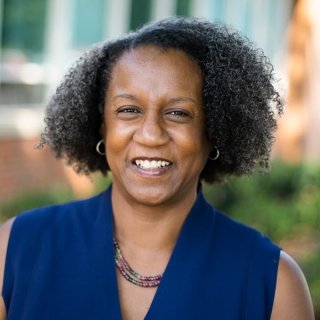
Stephanie J. Rowley is the William R. Kenan Jr. Professor of Education and Dean of the School of Education and Human Development at the University of Virginia. Previously, she served as Provost and Dean at Teachers College, Columbia University, and held leadership roles at the University of Michigan, including Interim Chair of Psychology and Associate Vice President for Research. Her research explores how parents, teachers, and peers shape adolescents' identities, with a focus on race, gender, and social class. Rowley’s work has been funded by NIH, NSF, and the Spencer Foundation. She lives in Charlottesville with her husband, Larry, whom she met while studying at UVA. Education: Ph.D., Developmental Psychology, University of Virginia (1997) M.A., University of Virginia (1995) B.A., The University of Michigan (1992) Research Interests: Dr. Rowley’s work examines the sociocultural factors influencing adolescents’ racial identity, gender socialization, and academic achievement. She investigates how systemic racism, media exposure, and family dynamics shape youth perspectives on inequality and self-worth. Her recent studies address racial stereotypes in education, the impact of social media on self-sexualization, and strategies to foster critical consciousness in Black families. Grants & Leadership: As Dean, she prioritizes interdisciplinary collaboration and graduate student support. Her grants include NIH-funded projects on STEM motivation and sociopolitical development in African American youth. She also leads initiatives like Youth-Nex and the Race and Public Education in the South project. Labs & Initiatives: Her work is associated with Youth-Nex and the Race and Public Education in the South initiative, focusing on equity in education and sociocultural development.
Pedro Pineda is a Senior Lecturer at the Department of Education, University of Bath. He holds a Dr. Phil. in Education from Humboldt University of Berlin, a Habilitation in Sociology from the University of Kassel, and a Psychology degree from Universidad Nacional de Colombia. His research spans sociology of education, comparative education, and organizational studies. Education : Psychology (Bachellor and MA), Universidad Nacional de Colombia (2005) Dr. Phil., Educational Sciences, Humboldt University of Berlin (2015) Habilitation (Professorial Qualification), University of Kassel (2023) His work investigates global cultural influences on educational policies, focusing on immigrant integration, academic working conditions, curriculum reforms, and student evaluation of teaching. Recent studies explore double-degree programs, pandemic-era governance, and managerialism in higher education. His peer-reviewed articles span topics like accreditation systems, academic labor markets, and digital transformation in educational contexts. Scientific awards include the DAAD Scholarship for doctoral studies. He collaborates with institutions such as the German Centre for Higher Education Research and Science Studies (DZHW) and the International Centre for Higher Education Research Kassel (INCHER). His comparative studies cover Chile, Colombia, Germany, and the USA, emphasizing institutional frameworks and their socio-political implications.
Dr Michael Lyons serves as Director of Teaching and Senior Lecturer in Old Testament and Hebrew Bible at the School of Divinity, University of St Andrews. He holds a PhD in Hebrew and Semitic Studies from the University of Wisconsin-Madison (2005). His research examines how ancient Israelite and Second Temple-period authors utilized earlier texts, focusing on quotation, allusion, and text-referencing dynamics. Key areas include defining textual dependency criteria, analyzing compositional strategies in prophetic literature (especially Ezekiel), and exploring the role of scribal culture in shaping scriptural interpretation. Teaching responsibilities include courses on Hebrew language (DI1004/DI2002), Old Testament literature (DI2001), and textual criticism (DI5105). He currently supervises 6 PhD students researching topics related to biblical exegesis and Second Temple-period literature. His publications span monographs, edited volumes, and peer-reviewed articles addressing intertextuality, prophetic rhetoric, and ancient narrative poetics. Research interests extend to Hebrew poetry, history of biblical interpretation, and compositional strategies in the Hebrew Bible. Recent work focuses on Ezekiel’s literary innovations and the socio-cultural factors influencing text-referencing practices. Professional activities include invited lectures at international conferences and peer-review roles in biblical studies journals.
Jasperina Brouwer is an Assistant Professor at the University of Groningen's Faculty of Behavioural and Social Sciences, within the Department of Educational Science. She specializes in social mechanisms influencing professional development and retention in healthcare, particularly nursing, and employs advanced social network analysis. Her research integrates quantitative and qualitative methods to explore healthcare innovations, professional identity, and collaboration dynamics. Education & Career: Holds a PhD in Social, Health, and Educational Sciences. Previously served as a nurse, informing her interdisciplinary approach to healthcare research. Research Interests: Focuses on social networks in education and healthcare, including small group teaching, workplace learning, and diversity/inclusion. Her work addresses retention strategies for nurses and the impact of digital care technologies on professional commitment. Key Contributions: Published extensively on peer networks, nursing retention, and mixed-methods research. Her recent work examines personality traits' influence on collaboration networks and longitudinal advice dynamics in leadership. Awards & Recognition: Received the 2023 award for exploring social networks in healthcare missions. Actively involved in editorial roles and academic service, including coordinating the ICO Qualitative Research course. Professional Engagements: Member of NVONN and the Ethical Board for Pedagogy & Educational Sciences. Frequently contributes to media discussions on education and healthcare, emphasizing team-oriented strategies for professional retention.
Seffetullah Kuldas is currently a Postdoctoral Fellow at the University of Oslo's Department of Media and Communication, funded by a Marie Skłodowska-Curie Actions – Individual Fellowship (MSCA–IF). His research focuses on ethnicity-based parenting for children’s online safety, educational resilience against bullying and socioeconomic challenges, and unconscious cognitive processes. He previously held a postdoctoral position at Dublin City University’s Anti-Bullying Centre, studying Roma children’s experiences with ethnicity-based bullying. His work integrates empirical research with policy recommendations, often using EU Kids Online datasets and peer-reviewed publications. Key research interests include parental mediation strategies, transactional resiliency frameworks, and the intersection of unconscious mind theories with educational practices. He has contributed to developing validated scales for anti-bullying self-efficacy and has explored digital divides in online safety awareness. Teaching roles: Guest Lecturer at Dublin City University and the University of Science Malaysia, covering topics like ethnicity-based bullying, metacognition, and research methodologies. Awards: MSCA–IF Fellowship, Best Research Award, and multiple Best Publication accolades. Publications span 20+ peer-reviewed articles in journals like International Journal of Communication and Youth & Society , focusing on bullying prevention, digital parenting, and cognitive resilience. His projects emphasize marginalized communities, including Roma children and ethnic minorities in Europe, addressing both academic and societal impacts through collaborative research and policy engagement.
Derek Lynch is a Professor in the Department of Plant, Food, and Environmental Sciences at Dalhousie University's Faculty of Agriculture. He holds a B.Sc. (1989) and M.Sc. (1992) in Plant Science from McGill University and a Ph.D. (2002) in Land Resource Science from the University of Guelph. From 2005–2015, he was Canada Research Chair in Organic Agriculture. His research focuses on agroecological approaches to agronomy and soil science, examining how farming systems influence productivity and ecosystem services. Key areas include soil health, soil carbon dynamics, organic agriculture, and nutrient management. He co-founded the Atlantic Soil Health Lab and is a founding member of the Centre for Sustainable Soil Management. Lynch teaches undergraduate courses like Soil Science, Organic Field Crop Management, and Agroecology, and contributes to the Certificate in Sustainable Soil Management. He is cross-appointed to the Dalhousie College of Sustainability. He serves on committees like the Canadian Society of Agronomy and CIRCASA, focusing on soil carbon research. His work emphasizes bridging science with policy, addressing climate change, biodiversity, and sustainable farming systems. Notable awards include the Canada Research Chair designation. His recent articles explore soil carbon sequestration, farming system impacts, and soil biodiversity. He has authored over 70 peer-reviewed publications and book chapters, with a focus on organic agriculture's environmental and socio-economic dimensions.
Dr. Jason Pallant is a Senior Lecturer at RMIT University’s School of Economics, Finance and Marketing. His research focuses on the impact of emerging technologies on customer experience, with a particular emphasis on retail innovation, augmented reality, data privacy, and omnichannel strategies. He has authored over 20 peer-reviewed studies and consults for major retailers and industry associations globally. Academic Role: Senior Lecturer in Marketing Research Interests: Marketing Technology, Retail Strategy, Customer Experience Design Industry Engagement: Director, Knowledge Enablement at The Lumery (2023–2024) Awards: Recognized on ReThink Retail’s Global Top Retail Experts list (2023, 2024) His teaching includes postgraduate marketing research and development of new programs in Marketing Technologies. He advises on retail industry awards and has presented at conferences in Australia, Europe, and North America. Pallant’s work bridges academic research and industry practice, emphasizing practical applications of emerging technologies in retail environments.
Willoughby Britton is an Associate Professor of Psychiatry and Human Behavior and Behavioral and Social Sciences at Brown University. She directs the Clinical and Affective Neuroscience Laboratory (CLANlab), investigating the psychophysiological and neurocognitive effects of meditation and mindfulness-based interventions. Her research focuses on mechanisms of action, adverse effects, and practice-specific outcomes in mood and anxiety disorders. Dr. Britton holds a B.A. in Neuroscience from Colgate University (1996) and a Ph.D. in Clinical Psychology from the University of Arizona (2007). She is a licensed clinical psychologist with expertise in Mindfulness-Based Stress Reduction (MBSR) and Mindfulness-Based Cognitive Therapy (MBCT). Her NIH-funded studies include dismantling trials comparing meditation practices and a project on mindfulness and self-regulation. Notable contributions include the 'Varieties of Contemplative Experience' study, which created a taxonomy of meditation-related challenges. Research interests span meditation safety, trauma-informed practices, and comparative studies of meditation and psychedelics on self-perception (e.g., ego dissolution). Grants: Multiple NIH-funded projects, including UH2 grants Labs: Co-director of CLANlab at Brown University Publications: Over 100 peer-reviewed articles on mindfulness, meditation safety, and neurocognitive mechanisms Her work emphasizes culturally adapted mindfulness programs and addresses gaps in understanding diversity variables. She provides training to clinicians and educators on mindfulness safety and supports individuals experiencing meditation-related difficulties.
Andrea Ticinesi is an Associate Professor of Internal Medicine at the Università degli Studi di Ferrara, Department of Medical Sciences, a position he has held since June 2025. Previously, he was affiliated with the University of Parma and the Azienda Ospedaliero-Universitaria di Parma, where he served in academic and clinical roles including Assistant Professor in the Department of Medicine and Surgery. His work bridges clinical medicine and translational research, with a strong emphasis on aging-related conditions. Dr. Ticinesi's research focuses on the interplay between aging, nutrition, gut microbiota, and musculoskeletal health. His key areas include sarcopenia, osteoporosis, frailty, and the gut-kidney and gut-muscle axes. He investigates how dietary components like polyphenols and probiotics influence microbial composition and systemic inflammation, impacting bone and muscle health in older adults. His work often integrates clinical observations with microbiome analysis and nutritional interventions. His recent publications highlight a consistent trend in geriatric medicine, emphasizing non-invasive diagnostics (e.g., lung and diaphragm ultrasound), the role of inflammation in chronic diseases, and the clinical management of elderly patients with multimorbidity. He frequently contributes to studies on COVID-19 in older populations, delirium, and hospital care models for the elderly. Associate Professor, Università degli Studi di Ferrara (2025–present) Assistant Professor, University of Parma (2015–2025) Ph.D. in Medical Sciences, University of Parma (2014–2017) M.D. and Board Certification in Internal Medicine, University of Parma (2003–2015) Dr. Ticinesi has been actively involved in peer review for numerous journals in geriatrics, nutrition, and internal medicine, including Aging Clinical and Experimental Research , European Geriatric Medicine , and Osteoporosis International . His collaborative work includes participation in large-scale studies such as the REPOSI registry and international consensus initiatives on microbiome research in urolithiasis. He has not received any explicitly mentioned scientific awards in the provided data. His research is supported by institutional affiliations and collaborative networks rather than individual grants detailed here. He is a core member of research teams focusing on geriatric diagnostics, mobile health units (MMU program), and the application of chest ultrasound in elderly care. His work is conducted within multidisciplinary groups involving geriatricians, nephrologists, microbiologists, and nutritionists, primarily based in Parma and now Ferrara.
Dr Vivienne Kachollom Rwang is a Lecturer and Teaching Fellow at the Southampton Education School, University of Southampton. She serves as the Undergraduate Student Experience Coordinator, focusing on student engagement and academic support. Her roles include teaching undergraduate/postgraduate modules, mentoring students, developing pedagogical approaches, and coordinating administrative duties. Her research centers on education in challenging contexts, particularly for displaced populations (IDPs/Refugees), emphasizing policy, accessibility, and inclusion. Notable projects include the 'Pupil Voice for Promoting Inclusion in Schools' initiative. She has contributed to peer-reviewed journals and working papers on primary education innovations, student voice, and equity-focused teaching methods. Prior to academia, she worked as a primary school teacher/headteacher in Nigeria, established educational consultancies, and provided professional development programs. She holds a BSc in Political Science, a Postgraduate Diploma in Education, and a Doctorate from the University of Southampton.
Alden Bass is a Professor in the Hazelip School of Theology at Lipscomb University. He specializes in the history and theology of early Christianity, focusing on North African figures like Tertullian, Cyprian, and Augustine. His research emphasizes biblical interpretation, preaching practices, and the intersection of theology with social issues like justice, technology, and creation care. Education : B.A. in Religious Studies, Yale University (2005) M.T.S., Vanderbilt Divinity School (2007) Ph.D. in Historical Theology, Saint Louis University (2014) Research Interests : Early Christian exegesis, Donatism, Augustine's anti-Donatist sermons, and the sociohistorical context of North African Christianity. He also explores contemporary applications of early Christian theology to modern issues like technology ethics and urban ministry. Recent Scholarly Trends : Recent work addresses historiographical shifts in studying African Christianity, including colonial-era archaeological impacts and critical theory approaches. Key themes include the role of liturgical sermons in catechesis and the political theology of early Christian communities. Awards : None explicitly listed, but his prolific peer-reviewed publications indicate scholarly recognition. Advising/Grants : No specific grants or advisees named, but his involvement in the Nurturing Communities Network reflects collaborative community-focused work. Labs/Teams : Co-founded The Lotus House neo-monastic community during his time in St. Louis, now part of the nationwide Nurturing Communities Network emphasizing intentional Christian living.
Dr. Julie M. Urmie is an Associate Professor in the Department of Pharmacy Practice and Science at the University of Iowa College of Pharmacy. She holds a B.S. in Pharmacy from the University of Wisconsin-Madison, followed by an M.S. in Pharmacy Administration and a Ph.D. in Social and Administrative Sciences in Pharmacy from the same institution. Her research focuses on Medicare Part D, pharmacy reimbursement systems, and the impact of prescription drug benefit designs on patient medication adherence and healthcare utilization. Dr. Urmie’s teaching expertise includes healthcare financing systems, health policy, and prescription drug pricing strategies. Her work explores how insurance policies and reimbursement structures influence patient access to medications, with a particular emphasis on vulnerable populations like Medicare beneficiaries and Medicaid coverage gap patients. Her research publications span topics such as pharmacy-led Medicare Part D consultation services, cost-sharing effects on specialty drug use, and the role of pharmacists in collaborative healthcare models. She has been recognized as a High Performing Peer Reviewer by the Journal of Managed Care Pharmacy . Dr. Urmie’s studies often combine qualitative and quantitative methods, including discrete choice experiments, systematic reviews, and stakeholder interviews. Her work highlights systemic challenges in healthcare access and advocates for policy reforms to improve medication affordability and equitable reimbursement practices. Notably, she has examined the financial sustainability of independent pharmacies under Medicare Part D and Medicaid managed care systems, emphasizing the need for equitable reimbursement policies. Her recent projects include evaluating the impact of Medicare drug price negotiation programs and analyzing patient preferences for community pharmacy services.
Miriam Shadis is an Associate Professor in the Department of History at Ohio University, affiliated with the College of Arts and Sciences and the Center for Law, Justice & Culture. She teaches courses on medieval Europe, gender, religion, and interfaith relations, and serves as Director of Studies for the History Program in the Honors Tutorial College and as an advisor in the Margaret Boyd Scholars Program. Education: Ph.D. in History, Duke University (1994) Graduate Certificate in Women's Studies, Duke University B.A. in Intercultural Studies (minor in Arts and Aesthetics), Simon's Rock of Bard College Dr. Shadis specializes in medieval European history, with a focus on royal women in Iberia during the High and Central Middle Ages. Her research explores the political agency of queens, gender and power, religious identity, and interfaith dynamics in medieval Spain and Portugal. She has published extensively on Berenguela of Castile and is currently working on a book about the queens of early Portugal. Her work intersects with feminist historiography, legal traditions, and cultural studies. Her recent scholarly output shows a strong thematic focus on women in medieval courts, Marian symbolism in legal documents, and cross-cultural interactions in the Mediterranean. These works reflect interdisciplinary engagement with gender studies, religious history, and political theory. Scientific Awards and Recognitions: Fulbright Fellow, Lisbon, Portugal (2016) Junior Faculty Fellow, Charles Ping Institute for the Humanities (2006–2009) Dr. Shadis is actively involved in academic mentoring, having directed study abroad programs and served in leadership roles in honors education. She has participated in NEH and CIEE faculty development seminars, contributing to curriculum innovation and international academic collaboration. Though specific grant details are not listed, her Fulbright and NEH affiliations indicate significant external support. She is associated with the Mediterranean Seminar at UC Santa Cruz and contributes to the global network of medieval scholars. Her teaching and research emphasize interdisciplinary approaches, bridging history, law, gender, and culture.
Tiffany Kinney is an Associate Professor of English and Department Head for Languages, Literature and Mass Communication at Colorado Mesa University. She holds a PhD in Rhetoric and Composition from the University of Utah and teaches courses in professional and technical writing, composition, science writing, and rhetorical theory. PhD, Rhetoric and Composition: University of Utah MA, English: University of Oregon BS, English: Westminster College Her research focuses on marginalized rhetorics , particularly how local histories challenge dominant narratives, and on interdisciplinary strategies for teaching writing in the sciences through digital curriculum development. She emphasizes critical awareness of power in discourse and trains students to navigate and adapt genre conventions across media forms—from essays to podcasts to digital exhibits. Her recent publications span feminist rhetoric, body studies, and writing pedagogy, with contributions to journals such as Praxis: A Writing Center Journal and The Interdisciplinary Journal of Body Weight and Society , as well as edited collections on feminist rhetorical history. Her work reflects a strong commitment to interdisciplinary collaboration and inclusive communication practices. Dr. Kinney actively mentors writing groups and contributes to curriculum innovation, particularly in science writing education, though no formal advisees are listed. She collaborates across institutions to improve writing instruction and has developed tools for graduate writing support. She is involved in research teams focused on writing pedagogy and digital learning environments, contributing to the development of innovative teaching resources that bridge disciplines and media.