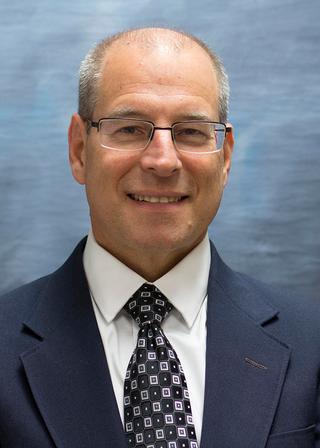
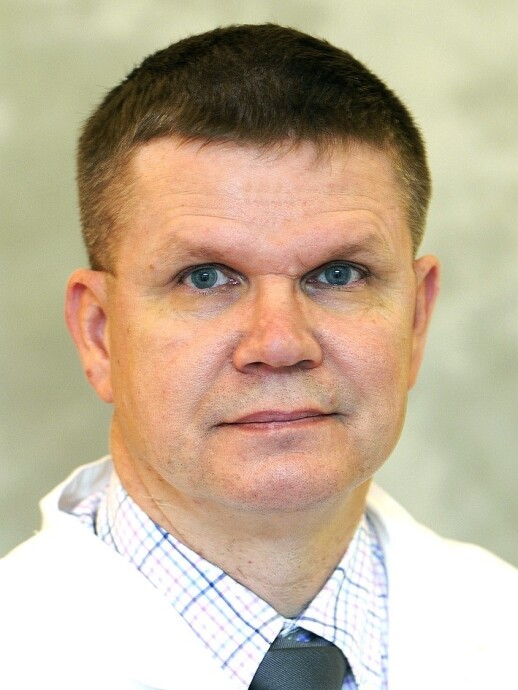
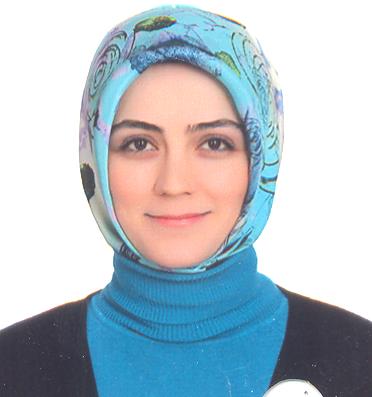
Peter Homolka is an Associate Professor at the Center for Medical Physics and Biomedical Engineering, Medical University of Vienna. His work focuses on medical imaging optimization, radiation dosimetry, and the application of additive manufacturing in developing advanced phantoms for radiology and ultrasound. He has contributed extensively to CT imaging, mammography, and pediatric radiology. University: Medical University of Vienna Department: Center for Medical Physics and Biomedical Engineering Homolka's research spans X-ray attenuation analysis, image quality assessment, and the development of tissue-mimicking materials for phantoms. He has explored dual-energy mammography, ultra-low-dose CT applications, and techniques for enhancing diagnostic accuracy while minimizing radiation exposure. His recent publications highlight trends in 3D printing for anthropomorphic phantoms, dose optimization in CT and mammography, and comparative studies in emergency radiology. These works emphasize radiation safety, material science, and clinical imaging protocols. Homolka's projects include collaborations with international bodies like the IAEA, focusing on pediatric imaging standards and multi-center studies. His contributions to phantom design and dosimetry metrics have advanced quality assurance in radiology.
Kenneth Yen, M.D., M.S., F.A.A.P. is an Associate Professor at University of Texas Southwestern Medical Center in the Department of Pediatrics , Division of Pediatric Emergency Medicine. He has held leadership roles, including Director of the Pediatric Emergency Medicine Fellowship (2011–2020) and current Co-Director of Research for the division. His career spans clinical practice, research, and education, with affiliations in medical informatics and emergency care innovation. Education: University of Illinois (MD), Medical College of Wisconsin (MS in Clinical Epidemiology, Fellowship in Pediatric Emergency Medicine), University of Chicago (Residency) Kenneth Yen’s research focuses on pediatric trauma, disaster preparedness, clinical decision rules, medical education, and vascular access technologies. His work bridges clinical practice with technological innovation to improve emergency care efficiency and patient outcomes. His publications over the past 15 years reflect a sustained focus on pediatric emergency medicine, with key contributions to clinical decision tools (e.g., DIVA score, trauma risk stratification), medical technology validation (near-infrared imaging, teledermatology), and ED workflow optimization. Trends highlight interdisciplinary collaboration and translational research.
Megan K. Mills, MD , is an Associate Professor and Associate Vice Chair for Clinical Operations at the University of Utah's Department of Radiology and Imaging Sciences. She specializes in Musculoskeletal Imaging and serves as Chief of the Musculoskeletal section. Education: B.S. in Business Administration from Utah State University MD from University of Utah Residency in Diagnostic Radiology at University of Utah, School of Medicine Fellowship in Musculoskeletal Radiology at University of Colorado Research Interests : Dr. Mills focuses on innovating training techniques for medical students and radiology residents, particularly in windowing and perceptual training for diagnostic imaging. Her work spans musculoskeletal disorders, image-guided procedures, and orthopedic radiology. Recent Publications : Her research covers musculoskeletal imaging, pain management via radiofrequency ablation, AI integration in diagnostics, and educational methodologies. Key areas include hip stability assessment, foot and ankle imaging, and improving diagnostic accuracy through perceptual training. Professional Contributions : Dr. Mills is board-certified by the National Board of Medical Examiners and leads in clinical operations within her department. She has co-authored reviews on postoperative imaging, pediatric orthopedics, and stress injuries in athletes.
David Moore is an Adjunct Professor at the University of the Witwatersrand 's School of Clinical Medicine, holding the position of Clinical Scientist . His research focuses on Pediatrics and Infectious Diseases , particularly pneumonia etiology, vaccine effectiveness, and HIV-related infections in children. Key contributions to the PERCH (Pneumonia Etiology Research for Child Health) study , analyzing pneumonia causes and diagnostic methods. Authored guidelines for South African Thoracic Society on community-acquired pneumonia management. Extensive work on Rhinovirus , Pneumococcal Conjugate Vaccines , and Tuberculosis in pediatric populations. His publications span high-impact journals like The Lancet and Clinical Infectious Diseases , with a focus on epidemiological modeling , vaccine probe studies , and respiratory pathogens in low-resource settings.
Mitchell A. Chess, MD, is a Professor of Imaging Sciences and Pediatrics at the University of Rochester Medical Center, serving as Chief of Pediatric Imaging. He earned his MD from Columbia University and completed a Transitional Year Internship at Hackensack Medical Center, followed by residency in Diagnostic Radiology and a neuroradiology fellowship at the University of Rochester. Education: MD (Columbia University, 1987), Residency (URMC, 1988-1992), Fellowship (URMC, 1992-1993) Specialties: Pediatric Radiology, Neuroradiology, Fetal Imaging His research focuses on pediatric imaging applications in trauma, emergency diagnostics, and fetal development. He has led multicenter studies and published extensively on optimizing imaging protocols for children. Recent publications emphasize pediatric trauma imaging , CT scan reduction , and ultrasound-based diagnostics . He also contributed chapters to board review textbooks in obstetrics and neonatology. Scientific Awards: Best Doctors (2019-2020, 2008-2011), Golisano Children's Hospital Board Member (2014-2020), Cum Laude (Union College, 1983) Dr. Chess has served as Chairman at multiple regional hospitals and played a pivotal role in establishing Golisano Children's Hospital as a Level 1 Trauma Center through his imaging expertise.
Shadi Ebrahimian is affiliated with Yale School of Medicine's Radiology & Biomedical Imaging department. Their research focuses on AI-driven advancements in medical imaging, radiation safety protocols, and health equity in academic radiology. Key work includes developing AI algorithms for diagnostic quality control, optimizing CT radiation doses, and analyzing pulmonary embolism prognostics using CT features. Expertise: AI in Radiology, CT Imaging, Radiation Dosimetry, Medical Image Analysis Key Projects: Radiologist-trained AI models, national CT dose standards in Brazil, motion artifact detection Research interests span AI integration into clinical workflows, improving diagnostic accuracy through machine learning, and addressing disparities in academic medicine. Recent studies explore predictive analytics for kidney stone composition and pulmonary embolism severity using CT radiomics. Advising and grants: No formal students listed, but collaborates on multi-institutional studies across 4 continents. Active in global radiology initiatives addressing imaging quality and radiation safety in diverse clinical settings. Labs/Teams: Part of Yale Radiology & Biomedical Imaging's AI and medical imaging research groups, contributing to interdisciplinary teams developing clinical AI solutions without data scientists.
Prof. Dr. Rüdiger von Eisenhart-Rothe is a full Professor and Chair of Orthopedics at the Technische Universität München (TUM), leading the Department of Orthopedics and Sports Orthopedics at the Klinikum rechts der Isar. His research focuses on regenerative medicine, osteo-oncology, endoprosthetics, and the application of machine learning in surgical planning. He completed his medical studies at LMU Munich and business administration at the University of Hagen, followed by a habilitation in orthopedics at Frankfurt’s Friedrichsheim Hospital. Notably, he received the Perthes Prize twice (2003, 2010) for contributions to shoulder and elbow surgery. His work integrates advanced imaging techniques, virtual planning, and biomaterial research to address challenges in joint replacement, infection control, and sarcoma management. Recent projects emphasize AI-driven diagnostic tools and personalized surgical approaches. Prof. von Eisenhart-Rothe collaborates with interdisciplinary teams to advance clinical outcomes in orthopedic surgery, particularly in knee and hip arthroplasty. Awarded the Perthes Prize twice, his contributions span academic leadership, clinical innovation, and translational research at TUM’s School of Medicine and Health. Current initiatives include optimizing prosthetic alignment via 3D modeling and evaluating synovial biomarkers for infection diagnosis.
Professor Paul White is a distinguished academic at the University of the West of England (UWE Bristol), serving as Professor of Applied Statistics within the Faculty of Engineering and Technology's Department of Engineering, Design and Mathematics. His work focuses on applying statistical methods to benefit society (ASBOS), with particular emphasis on collaborative research across UWE's applied and life sciences departments and with the National Health Service (NHS). Dr. White holds a BSc, MSc, and PhD, though specific institutions are not mentioned in the provided text. His academic journey has established him as a leading figure in applied statistics education and research methodology. Professor White's research spans multiple domains of applied statistics, with particular expertise in quantitative research methods, research methodology, sample size determination, and the design and analysis of experiments. He maintains a strong ethical focus in quantitative research while applying his skills to medical statistics and multivariate statistics. His work often intersects with healthcare applications, as evidenced by his involvement in clinical trials and medical research collaborations. A notable initiative he co-founded is the DARK ARTS (Design And Research Knowledge for Analysis of Randomised Trials) group, which focuses on advancing methodologies for randomized trials. His extensive publication record shows a clear trend toward interdisciplinary collaboration, particularly in healthcare applications of statistics. The most recent articles demonstrate expertise in clinical trials methodology, medical statistics, and psychological interventions. Many publications involve randomized controlled trials across diverse areas including eating disorders, body image interventions, respiratory medicine, oncology, and obstetrics. This reflects his commitment to 'Applying Statistics for the Benefit of Society' (ASBOS) through rigorous quantitative methods. Professor White is actively involved in mentoring students and colleagues, describing himself as 'a willing coach or mentor.' His teaching portfolio is diverse, including courses on 'GANSTA's' (Good At Numbers and STAts) for mathematics students, quantitative methods for healthcare programs, and professional development courses through the UWE Graduate School. He expresses particular interest in developing new statistical techniques using stochastic simulation and welcomes potential PhD students to collaborate on these research programs. Among his collaborative efforts, the DARK ARTS initiative stands out as a significant research group focused on randomized trials methodology. This team, which includes Dr. Caterina Gentili, Dr. Jason Anquandah, and Dr. Deirdre Toher, represents a concentrated effort to advance statistical approaches to clinical research design and analysis.
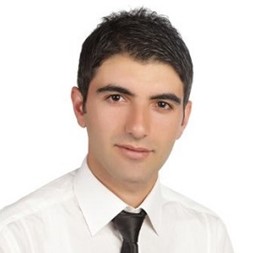
Enes Ayan serves as a Doctor Lecturer in the Department of Computer Engineering at Kirikkale University's Faculty of Engineering and Natural Sciences, where he has maintained continuous academic affiliation since his 2014 appointment as Research Assistant. His career trajectory includes completing both master's (2015) and doctoral degrees (2019) in Computer Engineering at the same institution following his 2013 bachelor's graduation from Süleyman Demirel University. Education Bachelor's: Computer Engineering, Süleyman Demirel University (Isparta), 2013 Master's: Computer Engineering, Kirikkale University, 2015 Doctorate: Computer Engineering, Kirikkale University, 2019 Research Focus Dr. Ayan's work centers on deep learning applications across three primary domains: medical imaging (specializing in dental diagnostics, radiology, and endoscopy), security systems (weapon detection and traffic monitoring), and agricultural technology (crop pest classification). His research bridges theoretical AI advancements with practical healthcare solutions, particularly through explainable AI frameworks for dental caries detection and pneumonia diagnosis. Publication Trends Analysis of his 15 most recent publications (2020-2025) reveals intensifying specialization in dental AI applications (60% of 2024-2025 output), with significant contributions to caries detection under prostheses and tooth numbering systems. Concurrently, his work maintains strong threads in security-focused computer vision (UAV-based traffic analysis, weapon detection) and agricultural AI, demonstrating methodological versatility through genetic algorithm optimizations and ensemble CNN architectures. Professional Context No information regarding student supervision, research grants, laboratory facilities, or scientific awards appears in the source materials. His academic progression from Research Assistant to Doctor Lecturer indicates standard career advancement within Kirikkale University's engineering faculty without notable interruptions.
Ciara Hughes is Professor of Health Science Research at Ulster University's Faculty of Life & Health Sciences, where she serves as Research Director for Nursing and Health Sciences at the School of Health Sciences. Based at the Magee Campus in Londonderry, Northern Ireland, she has established herself as a leading researcher in radiography, artificial intelligence applications in healthcare, and maternal health. Her research interests span a diverse range of topics including radiography practices, non-medical prescribing by therapeutic radiographers, artificial intelligence in medical imaging, reflexology and complementary medicine, maternal health issues, and pressure ulcer prevention. Dr. Hughes has particular expertise in systematic reviews and randomized controlled trials as research methodologies. Analysis of her 261 research outputs reveals a strong focus on practical healthcare applications, with significant contributions to understanding how AI can support radiographers, improving pregnancy-related healthcare, and advancing wound care technologies. Her work demonstrates consistent productivity with 22 research outputs in 2024 alone, showing no signs of slowing down. JMIRS Top Paper Awards 2022 for AI-related research Best Conference Poster Award at Allied Health Professions Research Conference (2006) Dr. Hughes actively supervises research and leads multiple projects including CoRIPS (2024-2025) analyzing AI interfaces for clinical decision support, development of the PUPI pressure-relieving boot, and the Intelligent Monitoring of Prosthesis conditions in lower limb amputees project where she serves as Principal Investigator. Her research group maintains strong connections with healthcare providers including the Belfast Health and Social Care Trust.
Zaid Badr is a Clinical Assistant Professor and Director of the Technological Innovation Center at the Marquette University School of Dentistry . He holds a DDS from the University of Jordan, an MS in Operative Dentistry from the University of North Carolina-Chapel Hill, and multiple certifications in implantology and leadership. Specializes in digital dentistry, artificial intelligence, and dental materials Teaches advanced digital dentistry and restorative courses Recipient of Marquette's 2025 Golden Apple Teaching Award and 2025 Participating Faculty Research Award His research focuses on AI applications in dental diagnostics and biomechanical behavior of zirconia-based prostheses . He has authored studies on bond strength testing, implant imaging, and AI-assisted lesion detection. Scientific Awards & Grants: Marquette University Participating Faculty Research Award (2025) Golden Apple Teaching Excellence Award (2025) NIH/NIDCR grants as collaborator (2019-2022) In-kind donations from Dentsply Sirona, Ivoclar, and Brasseler
Hannu Aronen is a Professor and Chair of Radiology at the University of Turku since April 2006, and Chief Radiologist at Turku University Hospital since January 2009. He holds degrees including an M.D. from the University of Helsinki (1983), M.Sc. (Eng) from Helsinki University of Technology (1988), and a Doctor of Medical Sciences (1990). He became a Docent in Radiology (1995) and Functional Medical Imaging (1998). His research focuses on magnetic resonance imaging (MRI) , particularly in neuroimaging and prostate cancer diagnostics. Notable contributions include advancements in perfusion/diffusion MRI for stroke and glioma characterization, and the development of MRI protocols for prostate cancer detection using machine learning. He has led the Functional Brain Imaging Unit (2002–2007) as part of the Helsinki Brain Research Centre, funded by the Academy of Finland. Research Highlights: His work spans MRI methodological innovations, such as susceptibility contrast perfusion and fMRI analysis, and collaborations with institutions like Harvard Medical School and the Turku PET Centre. Over 800 prostate MRI scans have been analyzed in his projects, leading to 17 peer-reviewed articles on prostate cancer imaging accuracy. Current research emphasizes biparametric MRI protocols and AI-driven analysis for tumor detection. Grants & Collaborations: His work has been supported by the Academy of Finland and industry partnerships. Key collaborations include projects with Prof. Leif Østergaard (Aarhus University) on perfusion MRI and Prof. Synnöve Carlson on brain network imaging. Recent studies involve the Turku PET Centre and multinational trials in prostate cancer diagnostics.
Özlem İşman serves as a Lecturer in the Dentistry Services Department at Gaziantep University's Vocational School of Health Services since 2013. Her academic foundation includes a Doctorate in Oral, Dental and Maxillofacial Radiology from Şifa University (2013-2015) and a Dentistry Licence from Ankara University (2000-2005). Doctorate: Şifa University, Institute of Health Sciences, Oral, Dental and Maxillofacial Radiology (2013-2015) Licence: Ankara University, Faculty of Dentistry, Dentistry (2000-2005) Her research focuses on dental radiology with emphasis on cone beam computed tomography applications, caries detection methodologies, and maxillofacial anatomy analysis. Key interests include orthodontic material interference in imaging, jaw bone morphology assessment, and diagnostic accuracy comparisons between radiographic techniques. She has contributed significantly to understanding Turkish population-specific anatomical variations. Analysis of her 15 most recent publications reveals consistent specialization in dental imaging technology, particularly CBCT optimization and artifact mitigation. Her work bridges clinical dentistry with advanced radiographic diagnostics, addressing challenges in caries detection under sealants, orthodontic material interference, and anatomical landmark identification. Prof. İşman actively participates in academic leadership as Department Head since 2019 and serves on university committees. She teaches core dental curriculum courses including Dental Radiology, Dental Morphology, and Radiation Protection Methods across multiple academic years. Association of Oral Diagnosis and Maxillofacial Radiology (2019-present) International Association of DentoMaxilloFacial Radiology (2019-present) European Academy of Dentomaxillofacial Radiology (2019-present) Her professional development includes specialized training in CBCT, dental lasers, biostatistics, and botulinum toxin applications. Prior to academia, she practiced as a dentist at Özlem Alkan Clinic (2005-2011), establishing clinical expertise that informs her teaching and research.
Grace G. Zhu, MD is an Assistant Professor in the Department of Radiology & Imaging Sciences at the University of Utah . She practices at Huntsman Cancer Institute and Sugar House Health Center in Salt Lake City, specializing in Radiology with certification from the American Board of Radiology (Diagnostic Radiology) and the National Board of Medical Examiners . Education : B.S. in Biochemistry (University of Michigan), M.D. (Wayne State University School of Medicine), Internship in General Surgery (University of Alabama at Birmingham Hospital), Residency in Radiology (University of Utah School of Medicine), Fellowship in Abdominal Imaging (Mallinckrodt Institute of Radiology, Washington University School of Medicine in St. Louis) Dr. Zhu’s research spans Diagnostic Radiology , focusing on Abdominal Imaging , Urological Pathologies , and Medical Education . Her recent publications explore imaging complications in urology, CT techniques for intrauterine devices, and the impact of collaborative learning platforms like RadDiscord . She also contributes to studies on rare cancers (e.g., pineal gland metastasis) and hormonal disorders (e.g., Cushing disease). Her work highlights applications of Medical Imaging in surgical and diagnostic contexts. Dr. Zhu’s publications (2013–2025) demonstrate expertise in Radiology trends, including Minimally Invasive Techniques , Neurological Imaging , and Medical Education innovations. She co-founded RadDiscord , a radiology education community, impacting study resource evaluation and collaborative learning.
Dr. Alexandra Gersing is an Associate Professor in Radiology at the University of California, San Francisco (UCSF). She holds concurrent roles as Director of Magnetic Resonance Imaging and AI Research at the University Hospital of Munich and Ludwig Maximilians University Munich. Her expertise lies in musculoskeletal imaging and AI-driven medical imaging technologies. Dr. Gersing completed her medical degree at the University of Hamburg and Technical University of Munich (TUM), followed by radiology residency and musculoskeletal imaging fellowship at TUM's University Hospital. She also served as a postdoctoral fellow at UCSF from 2014 to 2016. Affiliations: UCSF School of Medicine, University Hospital of Munich, Ludwig Maximilians University Munich Roles: Associate Professor, Director of MRI and AI Research Her research focuses on advancing MRI techniques and AI applications for musculoskeletal disorders, particularly osteoporosis and bone tumors. She has published extensively in top journals like Radiology and European Radiology , and her work includes developing deep learning models for fracture differentiation and tumor classification. Dr. Gersing has received notable awards including the 2023 Wilhelm-Conrad-Roentgen Prize and the International Skeletal Society Seed Grant. She mentors doctoral candidates, postdoctoral scholars, and junior faculty, and actively contributes to professional societies such as the European Society of Skeletal Radiology. Her work integrates multidisciplinary teams to leverage AI and advanced imaging for clinical diagnostics and treatment planning, emphasizing translational research with significant clinical impact.