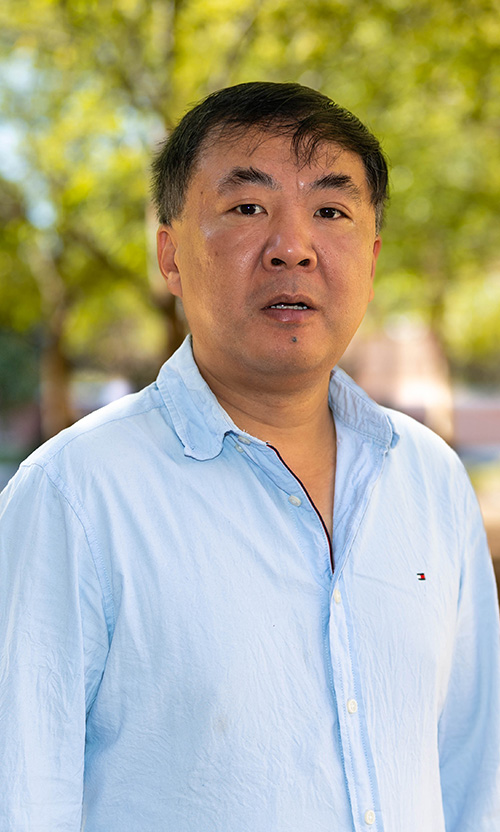
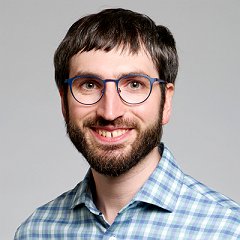
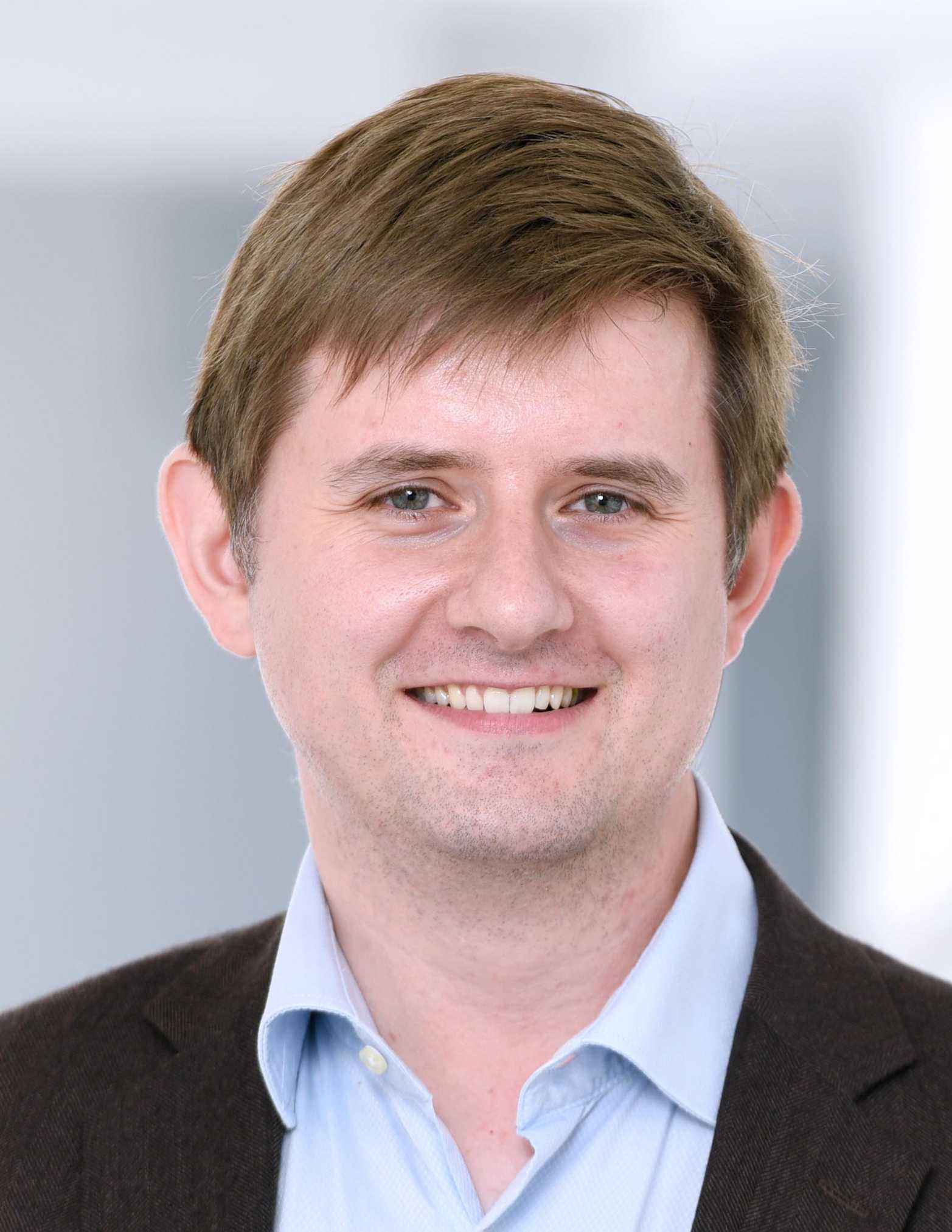
Yang Zhou is an Associate Professor in the Department of Computer Science and Software Engineering at Auburn University, part of the Samuel Ginn College of Engineering. His research focuses on big data algorithms, machine learning, data mining, and distributed computing. He has contributed to advancements in federated learning frameworks, graph mining tools, and spatial machine learning for environmental applications like flood mapping. Education includes a Ph.D. in Computer Science from Georgia Tech (2021), M.E. in Computer Application Technology from Chongqing University (2016), and B.E. in Engineering from Jiangnan University (2014). His work emphasizes scalable algorithms for large-scale systems, with tools like DirDense for dense subgraph mining and FedASMU for federated learning optimization. Recent publications explore adversarial robustness, blockchain strategies in IoT, and curriculum-based learning for large language models. He advises on interdisciplinary projects at the intersection of AI and environmental science.
Zachary Ives is the Adani President's Distinguished Professor and Department Chair of the Computer and Information Science Department at the University of Pennsylvania. He holds affiliations with the ASSET Center for Safe, Explainable and Trustworthy AI, the Warren Center for Network and Data Science, the Center for Neuroengineering and Therapeutics, and serves as a Distinguished Research Fellow at the Annenberg Center for Public Policy. His research focuses on data integration and sharing, data provenance and trustworthiness, and machine learning systems. He develops data science platforms at the intersection of databases, machine learning, and distributed systems, with applications in Web question answering and scientific domains like genetics and neuroscience. His work addresses fundamental challenges in integrating heterogeneous data, ensuring trustworthy results, and facilitating collaborative data science. His recent publications demonstrate a strong focus on data lakes, learned database systems, fine-grained provenance, and question answering systems. These works span top conferences including SIGMOD (where his paper was selected as Best Paper in 2024), VLDB, ACL, and PODS, showing the breadth of his contributions across database systems, natural language processing, and data management. NSF CAREER award recipient Fellow of the ACM Christian R. and Mary F. Lindback Foundation Award for Distinguished Teaching IEEE Technical Committee on Data Engineering Education Award SIGMOD Best Paper Award ICDE 2013 ten-year Most Influential Paper award As Department Chair, Ives has overseen significant departmental growth, hiring 25 new faculty since 2018. He advises numerous PhD students and postdocs, and maintains extensive collaborations across Penn and with external institutions. His research has been funded by NSF, NIH, DARPA, Google, Amazon, and other organizations. He has developed courses including NETS 212 'Scalable and Cloud Computing' and teaches Big Data Analytics. His research group, the Penn Database Group, works on projects including data lake management, data provenance, and collaborative data science platforms. His work with neuroscientists on seizure prediction has received significant attention, including a competition with 504 teams achieving 82% accuracy.
Danai Koutra is an Associate Professor in Computer Science and Engineering at the University of Michigan, Ann Arbor, and an Amazon Scholar. Her research focuses on large-scale graph mining, graph neural networks, and interpretable machine learning methods for understanding complex networks. Key roles include leading the GEMS Lab and contributing to projects like DeltaCon (graph similarity) and VoG (graph summarization). She holds a PhD from Carnegie Mellon University and has authored over 80 publications in top venues like KDD, SDM, and NeurIPS. Educations: PhD in Computer Science, Carnegie Mellon University (2015) MS in Computer Science, Carnegie Mellon University (2015) Diploma in Electrical & Computer Engineering, National Technical University of Athens (2010) Research Interests: Her work spans graph mining, anomaly detection, knowledge graph completion, and applications in neuroscience, healthcare, and social networks. Recent projects include MAGNET (multi-agent graph networks) and GT2VEC (multimodal graph-text encoders). Grants & Awards: Recipient of the 2025 PECASE award, NSF CAREER Award (2019), and the 2016 ACM SIGKDD Dissertation Award. Active in organizing conferences like KDD and ECML/PKDD. Labs & Teams: Directs the GEMS Lab, collaborating on projects like FIDDLE (clinical data preprocessing) and SpecGreedy (dense subgraph detection). Engages in interdisciplinary efforts, including M-DICE (urban mobility analysis with Detroit).
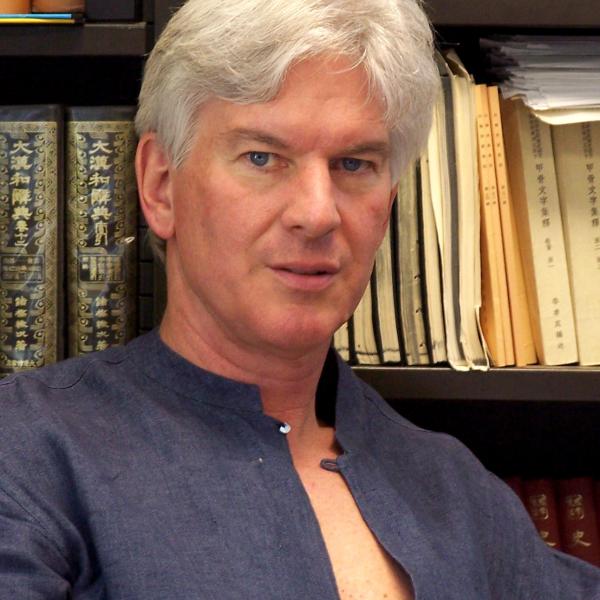
Edward L. Shaughnessy serves as the Lorraine J. and Herrlee G. Creel Distinguished Service Professor in Early Chinese Studies and Director of Graduate Studies in the Department of East Asian Languages and Civilizations at the University of Chicago. A renowned scholar of ancient China, he specializes in archaeologically recovered texts from the Zhou dynasty period (c. 1045-249 BCE), particularly bronze inscriptions, bamboo-slip manuscripts, and the classical texts Zhou Yi (I Ching), Shang Shu, and Shi Jing. His research interests focus on the intersection of archaeological discoveries and literary traditions, with particular expertise in bronze inscriptions and the Zhou Yi. Shaughnessy has pioneered efforts to bridge Western and Chinese scholarly traditions, publishing extensively in both English and Chinese. He has written seven volumes of technical scholarship in Chinese and is currently leading an international team translating Tsinghua University's fourth-century BCE bamboo-slip manuscripts. His recent scholarly output shows strong trends in paleographic studies, with numerous publications analyzing newly excavated manuscripts. His work demonstrates a consistent focus on textual transmission, historical context, and the relationship between archaeological evidence and received literary traditions. Notable patterns include systematic analysis of bamboo-slip manuscripts, comparative studies of textual variants, and interdisciplinary approaches combining philology, archaeology, and historical analysis. Shaughnessy has received recognition through his appointment as a Distinguished Service Professor, one of the highest academic honors at the University of Chicago. His scholarly contributions have significantly advanced the field of early Chinese studies through both original research and editorial work. As an educator, Shaughnessy teaches seminars on oracle-bone inscriptions, bronze inscriptions, bamboo-strip inscriptions, and courses on the Yi jing, Shi jing, and Shang shu. He serves as Director of Graduate Studies for the department and has supervised numerous graduate students. His current and upcoming courses include 'The Ji Zhong Discovery,' 'The Development of Early China Studies in the West,' 'Western Zhou Bronze Inscriptions,' 'The Shang shu,' and 'The Shi jing.' Shaughnessy maintains an active research program with current projects including the translation of Tsinghua University's bamboo manuscripts and serving as co-editor of the journal Bamboo and Silk. His scholarly network extends internationally, as evidenced by his 2013 lecture series at the Collège de France titled 'Unearthing the Chinese Classics,' where he presented on the Zhou Yi, Shang Shu, Shi Jing, and Laozi.
Cristian Gómez Canela is a Full Professor in the Department of Analytical and Applied Chemistry at the School of Engineering, Ramon Llull University (IQS). He serves as Coordinator of the Master's Degree in Analytical Chemistry and is an active member of the Catalan Chemical Society (SCQ), representing SCQ in EuChems-EYCN. His academic journey includes a PhD in Chemistry from the University of Barcelona (2014), followed by postdoctoral research at IDAEA-CSIC and King's College University. Dr. Gómez Canela's research focuses on environmental analytical chemistry, particularly the optimization and validation of analytical methods based on liquid chromatography coupled with tandem mass spectrometry (LC-MS/MS) and high-resolution mass spectrometry (HRMS) for determining organic pollutants in environmental samples. His work extends to metabolomics applied to aquatic organisms and the analysis of neurotoxic compounds in water systems. His research fingerprint reveals strong expertise in zebrafish models (100%), neurotransmitter analysis (66%), Daphnia magna studies (64%), and neurotoxicity assessment (21%). His recent publications (2024-2025) demonstrate a clear trend toward environmental neurotoxicology, with emphasis on the effects of pharmaceuticals and industrial pollutants on aquatic organisms. His work integrates advanced analytical techniques with biological endpoints to assess environmental risks, particularly focusing on neurological and cardiovascular impacts. The research spans method development for pollutant detection, environmental monitoring, and mechanistic studies of neurotoxic effects. Dr. Gómez Canela leads multiple significant research projects including CHEMIPARK (2024-2027) on passive sampling methodologies for environmental pollutants, GESPA (2022-2025) as part of the Environmental Process Engineering and Simulation Group, and several projects on neuroactive compounds in water systems. He has an impressive research output with 91 scientific publications from 2011-2025 and an h-index of 27 with over 2,000 citations. As a dedicated educator, he contributes to multiple academic programs including the Master in Analytical Chemistry, Master in Pharmaceutical Chemistry, and undergraduate degrees in Chemistry and Chemical Engineering. His research group GESPA represents a multidisciplinary team combining chemical engineering, biotechnology, and chemical analysis to advance environmental sustainability through theoretical and experimental approaches.
Emma Pierson is an Assistant Professor of Computer Science at the University of California, Berkeley, affiliated with the Berkeley Artificial Intelligence Research Lab (BAIR) , Computational Precision Health , and the Center for Human-Compatible AI . She focuses on developing data science and machine learning methods to address issues in healthcare equity and social inequality . Her work includes studies on race adjustments in clinical algorithms, migration patterns, and leveraging LLMs for health equity. Education: Ph.D. in Computer Science from Stanford University (2020), Master’s in Statistics from the University of Oxford. Prior roles include Assistant Professor at Cornell Tech, Senior Researcher at Microsoft Research, and data scientist at 23andMe and Coursera. Research Interests: Her research spans fair clinical prediction , sparse autoencoders , health disparities , and algorithmic fairness . Notable projects include the MIGRATE dataset for granular migration analysis and studies on policing disparities. Awards: NSF CAREER Award, Rhodes Scholarship, Hertz Fellowship, MIT Technology Review 35 Innovators Under 35, and Samsung AI Researcher of the Year. She writes a statistics blog ( Obsession with Regression ) and contributes to media outlets like The New York Times and FiveThirtyEight . Labs/Teams: Leads the MIGRATE project, a collaboration to analyze fine-grained migration data. Engages in interdisciplinary work across AI, healthcare, and social science.
Paul O'Toole is a Professor of Microbial Genomics and Principal Investigator at the APC Microbiome Ireland, University College Cork. His research focuses on the gut microbiome's role in health, aging, and disease, particularly in the context of diet and probiotics. He leads projects like the ELDERMET study on elderly nutrition and the NU-AGE project exploring Mediterranean diets' anti-aging effects. He holds a BA (Mod.) from Trinity College Dublin and a PhD from Lund University, with postdoctoral training in Canada and New Zealand. Key grants include studies on dairy-derived microbiota, probiotic strain improvement, and microbiome analysis in aging populations. He has published extensively on Lactobacillus genomics, gut-brain interactions, and microbiome-driven health outcomes. His work bridges fundamental microbiology with clinical applications, emphasizing translational research. Scientific highlights include discovering microbiome links to cognitive decline, demonstrating dietary modulation of gut microbes to combat obesity, and identifying keystone species in healthy aging. He advocates for sustainability in conservation and food systems, reflecting his interdisciplinary approach to global health challenges.
Dr. Sara Caputo is a British Academy Postdoctoral Fellow at the Department of History and Philosophy of Science and an Affiliated Lecturer at the Faculty of History, University of Cambridge. She serves as Director of Studies in History, History and Politics, and History and Modern Languages at Magdalene College. Her research spans transnational maritime history, the history of medicine, cartography, and imperial history. Education: PhD in History from the University of Cambridge (Robinson College), MSc in History from the University of Edinburgh, BA (Hons) in History from Cardiff University. Career Highlights: Lumley Junior Research Fellow (2019–2022), Senior Research Fellow (2022–present) at Magdalene College, Scouloudi Fellow (2018–2019), Lewis-AHRC Scholarship (2015–2018), Honorary Vice-Chancellor’s Scholar (2015–2018). Research Focus: Dr. Caputo explores maritime mobilities, knowledge exchange, and the instability of national boundaries in the British and European navies. Her work integrates transnational perspectives into the study of a quintessentially national institution, challenging notions of Britishness and foreignness. She combines qualitative and quantitative methodologies to analyze legal, social, and cultural contexts of naval service and cartographic practices. Notable Articles: Recent publications include studies on British naval medicine, the evolution of ship tracks into surveillance tools, and the transnational dimensions of naval exploration. Her articles span journals like Past & Present , English Historical Review , and Social History of Medicine , with chapters in edited volumes on transport history and postwar naval recruitment. Scientific Awards: Royal Historical Society Whitfield Prize (2024) British Commission for Maritime History Boydell & Brewer Prize (2020) Fachverband Medizingeschichte wissenschaftlichen Förderpreis (2022) International Committee for History of Technology Maurice Daumas Prize (2021) Scottish History Society Rosebery Prize (2020) Teaching and Outreach: Dr. Caputo teaches courses on the Global Eighteenth Century, Union and Disunion in Britain, and Mediterranean history. She actively participates in outreach programs with the Cambridge University Admissions Office and The Brilliant Club, focusing on widening participation in history education.
Dr. Steven G. Clarke is a Distinguished Professor at UCLA Department of Chemistry & Biochemistry and director of research at the Molecular Biology Institute . His work bridges protein chemistry , methylation biology , and aging research through studies of spontaneous protein damage and its repair mechanisms. Education: BA in Chemistry and Zoology, Pomona College (magna cum laude, Phi Beta Kappa) PhD in Biochemistry and Molecular Biology, Harvard University (NSF Fellow) Postdoctoral Fellowship at UC Berkeley (Miller Fellow) Dr. Clarke's research focuses on protein isoaspartyl repair via PCMT1/PIMT enzymes , ribosomal protein methylation in Saccharomyces cerevisiae , and PRMT family characterization including PRMT7 and PRMT9. His lab combines biochemical assays , genetic models , and structural analysis to investigate aging mechanisms and disease implications. Recent publications highlight: COQ5 structure-function analysis in coenzyme Q biosynthesis PCMTD1 ubiquitin ligase interactions PRMT7 substrate specificity in histone H2B Protein isoaspartyl impacts on T cell function in lupus Novel PRMT inhibitors for cancer therapy Methionine addiction in osteosarcoma malignancy Major scientific awards: American Chemical Society Ralph F. Hirschmann Award in Peptide Chemistry NIH MERIT Award Ellison Medical Foundation Senior Scholar Award William C. Rose Award, ASBMB UCLA Distinguished Teaching Award (Eby Award winner) Current lab members include PhD candidates Eric Pang (UCSB) and Sining "Cindy" Wang (UCLA), while undergraduates Celeste Medina-Seymoure , Elizabeth Oroudjeva , Olivia Pacheco , and Jasmine Winter contribute to ongoing proteostasis studies. Collaborations with Profs. Jose Rodriguez and Catherine Clarke demonstrate interdisciplinary research approaches.
Kelly Arnold is an Associate Professor in the Department of Biomedical Engineering at the University of Michigan. Her research integrates systems engineering principles with immunology to investigate variability in immune responses across infection, vaccination, and injury, with a focus on computational modeling and clinical translation. Research Focus Systems-level immune response modeling Vaccination and antibody functionality Vaginal microbiome-host interactions Chronic lung disease progression Computational serology and proteomics Recent Work Her 2025 studies examine SARS-CoV-2 vaccination responses in cancer patients and computational frameworks for vaginal probiotics. Earlier works (2024-2007) span COPD progression, lupus fibrosis, HIV susceptibility, and tissue engineering for fertility preservation. Methodologies include proteomic profiling, network modeling, and microfluidic systems.
Zeynep Akata is the Liesel Beckmann Distinguished Professor of Computer Science at the Technical University of Munich (TUM) and Director of the Institute for Explainable Machine Learning at Helmholtz Munich. Previously she was a W3 Professor at the University of Tübingen (2019-2023) and held faculty and post-doctoral positions at the University of Amsterdam, UC Berkeley and the Max Planck Institute for Informatics. Her research focuses on multimodal learning and explainable artificial intelligence . Education: PhD, University of Grenoble / INRIA Rhône-Alpes, 2014 MSc, RWTH Aachen University, 2010 BSc, Trakya University, Turkey, 2008 Research Interests: Professor Akata’s group develops algorithms that learn from vision, language and other modalities simultaneously, with a strong emphasis on zero-shot, few-shot and continual learning . A central theme is making decisions interpretable, leading to work on explainable AI, concept bottleneck models, multimodal reasoning and human-aligned representation learning . Recent projects investigate large-scale multimodal language models, dataset distillation, model merging and continual knowledge editing. Publication Trends: Her 2024-2025 publications reveal a shift toward foundational large-scale models (diffusion, LLMs, vision-language transformers) while retaining the core themes of interpretability and generalization under limited supervision . Topics span dataset distillation, model merging, continual learning, fairness auditing of generative models and novel evaluation protocols for zero-shot learning systems. Scientific Awards: Lise-Meitner Award for Excellent Women in Computer Science (2014) Young Scientist Honour, Werner-von-Siemens-Ring Foundation (2019) ERC Starting Grant, European Commission (2019) DAGM German Pattern Recognition Award (2021) ECVA Young Researcher Award (2022) Alfried Krupp Award (2023) Advising & Funding: Prof. Akata currently supervises or co-supervises 25+ PhD students across TUM and the University of Tübingen via ELLIS and IMPRS-IS doctoral programs. She holds major grants including an ERC Starting Grant and DARPA Explainable AI funding, and is a frequent program chair and area chair for premier conferences (CVPR 2024, ECCV 2026, NeurIPS, ICML, etc.). Labs & Teams: She leads the Institute for Explainable Machine Learning at Helmholtz Munich and heads the Multimodal Learning and Explainable AI group at TUM. The institute collaborates closely with the ELLIS Institute Tübingen and Cyber Valley ecosystem, and maintains close ties with the Max Planck Institute for Intelligent Systems and Informatics.
Professor Jasper van Wezel is a distinguished academic in the field of Condensed Matter Theory at the University of Amsterdam's Faculty of Science, where he serves as Professor in the Institute for Theoretical Physics (ITFA) within the Institute of Physics. With a career spanning over two decades, he has progressed from Assistant Professor (2014-2016) to Associate Professor (2016-2024) and currently holds the position of Professor since 2024. His academic journey began with a PhD in theoretical condensed matter physics from Leiden University in 2007, followed by prestigious fellowships at Argonne National Laboratory and Homerton College, Cambridge. PhD in theoretical condensed matter physics (cum laude), Leiden University, 2007 Master's diploma in theoretical condensed matter physics (cum laude), Leiden University, 2003 Dutch VWO Diploma (cum laude), Dalton Scholengemeenschap, Den Haag, 1997 US High School Diploma (cum laude), Sanford High School, Maine, USA, 1998 Professor van Wezel's research focuses on several interconnected areas within Condensed Matter Theory. His work explores competing instabilities in Charge Density Wave materials, including Superconductivity and Charge Order, Combined Charge and Orbital Order, and Transition-metal dichalcogenides. He has made significant contributions to Topology in Condensed Matter, particularly examining the Role of crystal symmetries and Topology in non-Hermitian systems. A major theme in his research involves investigating the Connections between Quantum and Classical behaviour, with special emphasis on Spontaneous Symmetry Breaking both in equilibrium (The role of the Thin Spectrum) and dynamically (Spontaneous loss of Unitarity). Analysis of Professor van Wezel's recent publications reveals a strong focus on quantum phenomena in condensed matter systems, with particular attention to topological aspects, symmetry breaking, and connections to fundamental physics concepts like black hole thermodynamics. His work often bridges theoretical concepts with potential experimental realizations, as evidenced by studies on electron patterns in materials like TaS2 and theoretical frameworks for understanding quantum phase transitions. Bristol Physics Teaching Award (2014) Students' Award for Outstanding Teaching (2014) Fellow of the Higher Education Academy (2014) Aneesur Rahman Fellowship at Argonne National Laboratory (2010-2012) Junior Research Fellowship at Homerton College, Cambridge (2007-2010) Physics 'Discovery of the year' by Leiden University Physics department (2005) 'Onderwijsprijs Natuurkunde' teaching award (2004/2005) Professor van Wezel has secured numerous research grants including an ENW-M grant (2023), an ENW-Groot project with Leiden University (2021), and a prestigious VIDI personal grant from NWO (2014). He has supervised over 50 students at various levels, including PhD candidates, MSc students, and BSc students, fostering the next generation of physicists. His leadership extends to organizing conferences, serving on PhD committees, and holding administrative roles such as chair of the educational committee for the Dutch Research School in Theoretical Physics. His research group at the University of Amsterdam's Institute for Theoretical Physics maintains active collaborations with institutions worldwide, including Leiden University, University of Cambridge, University of Bristol, and research centers in France, Germany, and Poland. The group's work combines analytical theoretical approaches with computational methods to tackle fundamental questions in quantum condensed matter physics.
Joseph Eremondi is an Assistant Professor in the Department of Computer Science at the University of Regina, Faculty of Science, Canada. He began his tenure in 2024 after serving as a Royal Society Newton International Fellow at the University of Edinburgh, where he conducted postdoctoral research with Ohad Kammar in the Laboratory for Foundations of Computer Science. He earned his PhD from the University of British Columbia (UBC) under the supervision of Ron Garcia at the UBC Software Practices Laboratory. His research is centered on programming languages theory, with a strong focus on type systems that enhance software reliability and usability. He is particularly known for his work in dependent types, gradual typing, and the integration of both paradigms. His research interests include: Dependent pattern matching and its semantic foundations Gradual dependent types and approximate normalization Error message generation and usability in dependently typed languages Static analysis using set constraints and SMT solvers Theoretical properties of reversal-bounded counter automata and shuffle operations His recent publications, appearing in premier venues like POPL, ICFP, and CPP, reflect a consistent trajectory toward making advanced type systems more accessible and practical. Key themes include coverage semantics for dependent pattern matching, formal models of gradual dependent typing, and improving the developer experience through better tooling and error diagnostics. Notable scientific recognitions include the NSERC Discovery Grant (awarded in 2025) and the prestigious Royal Society Newton International Fellowship. These awards underscore the impact and promise of his research program on the usability of dependently typed programming languages. Joseph is actively mentoring and recruiting graduate students, particularly in areas such as dependently typed programming (Lean, Agda, Idris, Coq), gradual typing, live programming environments, and static analysis. He emphasizes close collaboration within a small, focused research group. He has also served on program committees, including for TyDe and POPL Artifact Evaluation, demonstrating active engagement in the programming languages community. His work bridges theoretical rigor with practical implementation, evident in his artifact releases on GitHub and integration with tools like Ott and DrRacket. He maintains a personal website and open-source repositories that support reproducibility and community involvement.
Karsten Borgwardt is a Professor and Director of the Department of Machine Learning and Systems Biology at the Max Planck Institute of Biochemistry. He holds a PhD in Computer Science (2007) from LMU Munich and has held academic positions at ETH Zürich, Universität Tübingen, and the Max Planck Institutes in Tübingen. His research focuses on machine learning applications in biology and medicine, including biomarker discovery, personalized medicine, and systems biology. Education: PhD in Computer Science (2007), LMU Munich M.Sc. in Biology (2003), University of Oxford Diplom (M.Sc. equivalent) in Computer Science (2004), LMU Munich Research Interests: Development of machine learning algorithms for large biomedical datasets Pattern recognition in genomic and clinical data Applications in sepsis biomarkers, antimicrobial resistance prediction, and personalized medicine Grants & Projects: Scientific Coordinator of Marie Curie Networks (2013-2022) Swiss National Science Foundation Starting Grant (2014) Personalized Swiss Sepsis Study (CHF 5.3M, 2018) Awards: Krupp Award (2013), Golden Owl Teaching Award (2017), multiple 'Top 40 under 40' recognitions (2014-2016). Labs: Leads the Machine Learning and Systems Biology Department at MPI, collaborating with 22+ labs in sepsis research and international networks.
Dr. Sirui Li is a Lecturer at Murdoch University's School of Information Technology within the College of Science, Technology, Engineering and Mathematics. Her research focuses on Artificial Intelligence, Natural Language Processing (NLP), Machine Learning, Knowledge Graphs, Data Analysis, Temporal Data, and Multi-modal Models, with applications in medicine, agriculture, and mining. She collaborates with industry partners like BHP and has published in journals such as Food Chemistry and Knowledge and Information Systems , as well as conferences like ICSME and IJCNN. Education: Bachelor of Advanced Computing (Honours) in Computer Science at Australian National University Master of Computing (Specialising in AI) at ANU Ph.D. in Information Technology (AI) at Murdoch University Research interests include interdisciplinary applications of AI, such as clinical coding privacy solutions, disease spread modeling, and drug repurposing for pandemics. Her work emphasizes practical industry integration, demonstrated through awards like the 2024 EMNLP Best Demo Award and the 2023 Iron Ore Circuit Hackathon innovation prize. Professional roles include IEEE Western Australia Section committee membership, conference chair positions, and peer review for top journals. She actively mentors students pursuing Honours, Master's, or PhD projects in her areas of expertise.