David A. Chin is a Professor in the Department of Chemical, Environmental, & Materials Engineering at the University of Miami College of Engineering , focusing on Water Resources Engineering and Environmental Engineering . His research spans coastal hydrology, stormwater management, and water quality analysis. Research Interests : Rainfall-runoff modeling, nutrient pollution dynamics, cluster analysis for water quality, stormwater control measures, and groundwater-canal interactions. Publication Trends : Recent work emphasizes refining the NRCS Curve Number method, assessing septic system impacts on water quality, optimizing rainfall separation techniques, and improving water-quality flow estimation. His studies apply to South Florida and other regional hydrological contexts.
Dr. Maxim O. Lavrentovich is an Assistant Professor at Worcester State University in the Department of Earth, Environment, and Physics . He previously served as an Assistant Professor at the University of Tennessee, Knoxville for six years and conducted postdoctoral research at the University of Pennsylvania . His work spans theoretical biophysics and soft condensed matter physics , focusing on pattern formation, evolutionary dynamics, and non-equilibrium systems. Education: PhD in Physics, Harvard University (2014) B.A. in Physics and Mathematics, Kenyon College (2008) Research interests include: Pattern formation on curved surfaces and biological membranes Evolutionary dynamics in spatial population genetics Domain wall motion in ferroelectric and cellular systems Non-equilibrium phase transitions in driven systems Recent publications highlight work on chiral ferroelectric ground states , biological memory mechanisms , and domain wall dynamics in materials and cellular populations. Collaborations include institutions like Harvard University , University of Tennessee , and Oak Ridge National Laboratory . He advises students across multiple institutions and has developed lattice models for cancer growth and non-linear PDE solvers for pattern formation. Teaching spans graduate quantum mechanics , statistical mechanics , and biophysics , with lecture notes freely available.
Marco Pierini is a Full Professor at the Department of Pharmaceutical Chemistry and Technology within the School of Pharmacy and Medicine at Sapienza University of Rome . He teaches Organic Chemistry and Chemistry of Natural Organic Substances in the Pharmacy degree program. His research focuses on stereochemical lability and molecular interactions , particularly through supramolecular chemistry and dynamic HPLC studies . Research areas: Supramolecular Chemistry, Stereochemistry, Computational Chemistry Techniques: Enantioselective HPLC, NMR and UV-Visible Spectroscopy, Molecular Docking His recent publications emphasize chiral separations and stereochemical stability of pharmaceutical compounds, with applications in drug development and analytical methodologies. Key trends include enantioselective catalysis , chiral electroanalysis , and supramolecular nano-aggregates . Scientific Awards National Scientific Qualification (Abilitazione Scientifica Nazionale) for the 03/C1 sector (Organic Chemistry) in 2017 Winner of competitive procedures for associate professor (2001) and full professor (2021) at Sapienza University
Scott Keeney, PhD, is a Member of the Molecular Biology Program at Memorial Sloan Kettering Cancer Center’s Sloan Kettering Institute, an Investigator of the Howard Hughes Medical Institute since 2008, and the Frederick R. Adler Chair at MSKCC. A leading authority on meiotic recombination, he investigates how programmed DNA double-strand breaks are generated, regulated, and repaired during gametogenesis. Education: PhD, University of California, Berkeley. Research Focus: The Keeney laboratory combines biochemical, structural, and genetic approaches to dissect the molecular choreography of meiotic recombination. Central projects include: Mechanism and regulation of Spo11-dependent DSB formation in budding yeast and mouse meiosis. Structure–function analysis of the Spo11 core complex and its auxiliary factors (Rec114–Mei4, ANKRD31, etc.). Topoisomerase II biology: how chemotherapeutic inhibitors convert Topo II into a DNA-damaging agent and the cellular responses that ensue. Recent Publication Trends: Over 2020-2025 the group has produced a steady stream of high-impact papers combining cryo-EM, mouse genetics, and genomics to illuminate (i) atomic-level views of Spo11–DNA complexes, (ii) chromatin remodelers that license DSB resection, and (iii) in vitro reconstitution of the entire Spo11-dependent DSB reaction. Scientific Honors & Awards: Investigator, Howard Hughes Medical Institute (2008) Fellow, American Academy of Microbiology (2014) Fellow, American Academy of Arts and Sciences (2017) Frederick R. Adler Chair, MSKCC (2017) Member, US National Academy of Sciences (2020) Mentoring & Training: The Keeney lab has trained numerous postdoctoral fellows and graduate students, many now in independent positions worldwide. Current trainees include MSK Bridge Program scholars, graduate students from the Gerstner Sloan Kettering Graduate School, and research technicians supported by HHMI and NIH funds. Laboratory & Affiliations: The lab is housed within SKI’s state-of-the-art research tower and is affiliated with the Molecular Biology Program, the Gerstner Sloan Kettering Graduate School of Biomedical Sciences, and HHMI. Core facilities provide access to cryo-EM, high-throughput sequencing, and advanced mouse husbandry resources.
Lei Guo, PhD is a Research Assistant Professor at the Center for Epigenetics & Disease Prevention, Texas A&M University. Based in Houston, Texas, Dr. Guo focuses on epigenetic research with implications for understanding disease mechanisms and developing novel therapeutic approaches. His work bridges basic science and translational applications in cancer biology and developmental disorders. Dr. Guo received his Ph.D. in Cancer Cell Biology from Xiamen University in China. His educational background has provided a strong foundation for his current research in epigenetic regulation and its role in human diseases. Dr. Guo's research centers on understanding how DNA and histone modifications maintain homeostasis in humans and mammals, and how disruptions contribute to developmental defects, metabolic disorders, and oncogenesis. His work specifically investigates dynamic changes in DNA methylation, the impact of additional regulators on malignant transformation, and the development of innovative single-cell epigenome analysis and editing tools. He also utilizes high-throughput drug screening to discover new treatments for devastating diseases. Analysis of Dr. Guo's publication record reveals a strong focus on epigenetic regulation, particularly concerning TET2 and DNMT3A proteins, DNA methylation, and their roles in cancer development and treatment resistance. His recent work shows increasing emphasis on biomolecular condensates, spatial genome organization, and the intersection of epigenetics with aging and immune cell function. The research spans from basic mechanisms to translational applications, with a growing trend toward therapeutic development. Dr. Guo has not been mentioned as having specific scientific awards in the provided materials, but his publication record in high-impact journals demonstrates significant contributions to the field of epigenetics and cancer biology. While specific information about Dr. Guo's advising activities and grant funding is not detailed in the provided materials, his research program appears substantial given the volume and quality of publications. His work likely involves collaboration with multiple researchers and institutions, as evidenced by the co-authorship patterns in his publications. The research program seems well-supported to conduct sophisticated epigenomic analyses and drug screening approaches. Dr. Guo is affiliated with the Center for Epigenetics & Disease Prevention at Texas A&M University, suggesting he is part of a larger research team focused on understanding the epigenetic basis of disease. His work likely involves collaborations across multiple laboratories given the technical complexity of single-cell epigenome analysis, CRISPR-based epigenome editing, and high-throughput drug screening mentioned in his research goals.
Professor David H. Farb is affiliated with the Boston University School of Medicine , where he leads the Laboratory of Molecular Neurobiology . His research focuses on identifying pharmacological treatments for cognitive disorders such as Alzheimer’s Disease , utilizing In Vivo Electrophysiology and molecular genetic technologies. Education: Ph.D. from Brandeis University Professor Farb investigates hippocampal systems involved in pattern separation (encoding) and pattern completion (retrieval), which underlie cognition in mammals. His work addresses deficits in these systems linked to schizophrenia , autism , Alzheimer’s Disease , and aging, aiming to develop safer cognitive enhancers like neuroactive steroids. The Laboratory of Molecular Neurobiology employs a multidisciplinary approach, combining electrophysiology with behavioral and molecular methods to advance therapies for nervous system disorders.
Dr. Annabella Astorino is a researcher at ICAR-CNR (Italian National Research Council) in Rende, Italy, with expertise in machine learning, optimization, and computational biology. Her work focuses on classification algorithms using nonsmooth optimization, spherical separation, and multiple instance learning (MIL) approaches. Key Research Themes Geometric separation techniques (polyhedral, spherical) Multiple instance learning for biomedical applications Nonsmooth optimization in semisupervised learning Clustering methods for edge detection in images Recent publications highlight her development of Lagrangian relaxation for MIL, kernel-enhanced spherical separation algorithms, and DC optimization for computer vision tasks. Her collaborations include researchers like A. Fuduli, M. Gaudioso, and P. Veltri.
Astrid Carolus serves as Senior Academic Councillor and Privatdozentin at the Human-Computer-Media Institute within the Faculty of Human Sciences at Julius-Maximilians-University of Würzburg. She leads three major research initiatives: AI MINDSET (examining psychological facets of teachers' AI competencies), AIL AT WORK (focusing on AI skills in workplace contexts), and CHAT (Comprehending Human-AI Interaction). Her office is located in Hubland Nord, Building 82, Room 2.016. Dr. Carolus completed her psychology studies at Saarland University with specializations in media and organizational psychology, psychological diagnostics, evaluation, clinical psychology, and social psychology (with business administration minor). She earned her doctorate with distinction in 2012 from Würzburg University, was appointed Academic Councillor in 2016, promoted to Senior Academic Councillor in 2022, and received her venia legendi (teaching authorization) in psychology in 2025. She maintains active consultancy work alongside her academic position and holds international certification in Facial Action Coding System (FACS) for facial expression analysis. Her research examines human thought, emotion, and behavior in media interactions through the fundamental questions: 'What do people do with media and technologies?' and 'What do technologies do to people?' She conceptualizes human-AI interactions as social encounters, emphasizing both technical competencies and psychological dimensions. Her work develops frameworks for competent, self-determined, and reflective technology use, with current focus on measuring AI literacy, understanding voice assistant interactions, and developing training interventions for teachers and professionals. Analysis of her 15 most recent publications reveals three dominant research trajectories: (1) development and validation of measurement tools for AI literacy (including the MAILS scale), (2) psychological effects of smartphone separation and digital detox interventions, and (3) training methods to improve functional understanding of AI systems. Her work spans educational contexts (particularly teacher training), workplace applications, and consumer technology use, with increasing emphasis on practical interventions to enhance human-AI collaboration. Gleichstellungspreis der Julius-Maximilians-Universität (2023) Forschungsförderpreis der Vogel-Stiftung Dr. Eckernkamp (2018) Dr. Carolus serves as External Student Advisor for MK Bachelor programs and has secured multiple research grants including projects funded by the Bavarian Research Institute for Digital Transformation (projects MOTIV, DIGITALKOMPETENZ ALS MINDSET), Dr.-Herbert-Brause Foundation (projects on Mixed Reality Technologies, mobile/stationary Smart Hubs), and the Human Dynamics Centre. Her research often involves interdisciplinary collaborations across psychology, computer science, and education fields. She works within the Media Psychology research group that maintains specialized laboratory facilities including mobile and stationary Smart Hubs for testing AI systems in simulated environments. Her team collaborates with educational institutions and workplace settings to translate research findings into practical applications, particularly through the development of modular teacher training programs that address both technical skills and psychological factors like technology acceptance, self-efficacy, and change readiness.
Dr Rob Clucas is an Associate Professor at Edinburgh Napier University's Business School, where he serves as a core member of the Centre for Child & Family Law and Policy. His research focuses on the critical intersection of law, human rights, and social justice, with particular emphasis on LGBTQ+ rights, gender and sexuality studies, children's rights, and the complex relationship between religious institutions and legal frameworks in the UK context. Clucas holds a PhD and LLB (Hons) alongside professional qualifications (PCHE, SFHEA), grounding his work in both theoretical rigor and practical application. His scholarship examines how legal systems interact with marginalized communities, especially within Scottish law and the Church of England. Recent work analyzes evolving LGBTQ+ rights landscapes, early marriage policies, and religious exemptions to anti-discrimination legislation. His publication trajectory reveals consistent engagement with evolving social justice issues, from foundational work on medical law (2000-2002) through detailed analyses of religious institutions' relationship with equality law (2012-2017) to current cutting-edge research on LGBTQ+ rights (2023-2025). This progression demonstrates increasing policy relevance, particularly regarding Scotland's legal landscape and contemporary human rights challenges. Clucas actively supervises doctoral research including Ego Chidinma Ezeokoli's work on marriage age reform in Scotland, Peter Mullin's study on murder, Unite Ekwo's comparative analysis of EU and Nigerian legal procedures, and Gillian Baker's examination of women's experiences in domestic abuse-related child contact cases. He has secured funding from The Clark Foundation for Legal Education for mini-internship projects (2021-2024) providing undergraduate students practical experience in child and family law policy. As a key contributor to the Centre for Child & Family Law and Policy, Clucas collaborates across disciplines to address systemic legal challenges affecting vulnerable populations. His work bridges academic scholarship with tangible policy impacts, particularly in Scottish family law reform and human rights protections for LGBTQ+ communities.
Dr. Pranav Joshi is an Associate Professor in the Department of Mechanical Engineering at the Indian Institute of Technology Kanpur (IIT Kanpur), where he has been employed since April 2018. His research specializes in experimental fluid mechanics and heat transfer, with particular focus on turbulent boundary layers, rotating flows, and convective heat transfer systems. Prior to joining IIT Kanpur, he held research positions at the National Aerospace Laboratories (India), Eindhoven University of Technology (Netherlands), and Johns Hopkins University (USA). Education: Ph.D. Mechanical Engineering, Johns Hopkins University (2013) M.S. Mechanical Engineering, Johns Hopkins University (2009) M.Sc. (Engg.) Mechanical Engineering, Indian Institute of Science (2006) B.E. Mechanical Engineering, Shivaji University (2003) Research Focus: Dr. Joshi's work bridges fundamental fluid dynamics and thermal sciences, examining complex phenomena in rotating turbulent convection, boundary layer modifications under pressure gradients, and particle-laden flows. His experimental investigations employ advanced measurement techniques to characterize flow structures and heat transfer mechanisms in both natural and forced convection systems. Publication Trends: His 15 most recent publications (2010-2017) demonstrate consistent focus on turbulence characterization, with experimental studies on rotating Rayleigh-Bénard convection systems dominating recent outputs. Earlier works established foundations in boundary layer turbulence modulation. Journals include Journal of Fluid Mechanics and Physical Review Fluids . Awards & Honors: AIAA Graduate Student Presentation Award (2012) Johns Hopkins ME Fellowship (2006-2007) IISc ME Department Alumni Medal (2006) Shivaji University Merit Scholarship (2003) Laboratory affiliations and student advising information are not detailed in available sources.
Jean-Philippe BONNET is a Lecturer at Aix-Marseille University (AMU) , affiliated with the Membrane Processes team . His research focuses on membrane technology applications in industrial and environmental contexts, particularly ultrafiltration and pervaporation processes. Key Research Areas: Membrane separation, fluid dynamics, wastewater treatment, olive oil processing, and fouling analysis Collaborations: Extensive work with Philippe Moulin and other researchers at M2P2 laboratory His recent publications address membrane performance in pharmaceutical solvent recovery, water reuse systems, and industrial effluent treatment. Notable projects include landfill leachate management and olive oil decantation studies. Scientific Expertise: Membrane Fouling and Aging Process Intensification Fluid Dynamics in Porous Media Ultrafiltration for Aquaculture Pervaporation for Solvent Recovery Membrane Integrity Testing
Sufyan Ali Memon serves as a Professor in the Department of Defense Systems Engineering at Sejong University, Republic of Korea. His academic journey includes Assistant Professor positions at Isra University (2016-2017), UNIST as Postdoc Research Associate (2017-2018), Indus University (2018-2019), and Mehran University of Engineering & Technology (2019-2021) before joining Sejong University in 2021. His research focuses on Tracking, Estimation, Guidance, Navigation, and Control systems, with particular expertise in multi-target tracking in cluttered environments, UAV trajectory estimation, and smoothing algorithms. His fingerprint analysis reveals strong activity in Target Tracking (97%) , Multi-Target Tracking (83%) , Unmanned Aerial Vehicles (37%) , and State Estimation (27%) . Analysis of his 42 research outputs (2015-2025) shows consistent growth in publication output, with 8 papers in 2025 alone. His work spans journals like Expert Systems with Applications , IEEE Access , and Sensors , demonstrating interdisciplinary applications from defense systems to social media analysis and pipeline inspection robotics. The publications reveal a clear evolution from fundamental tracking algorithms toward practical implementations in UAVs, industrial systems, and security applications. h-index 12 330 Citations Web of Science ResearcherID: AAD-9239-2019 His professional background includes significant contributions to smoothing algorithms for target tracking in cluttered environments, with major achievements including dynamic trajectory estimation for UAVs and multi-UAV tracking systems. Current research appears focused on integrating machine learning with traditional tracking systems and expanding applications to industrial inspection and security domains.
Veronica Piccialli is a Full Professor at the Department of Computer, Control and Management Engineering "Antonio Ruberti" (DIAG) at Sapienza University of Rome. She teaches Geometry I for Management Engineering and Optimization Methods for Machine Learning for Data Science. Previously, she was Associate Professor at the University of Rome Tor Vergata (2020-2021) and Researcher there from 2008 to 2020. She serves as Associate Editor for INFORMS Journal on Computing (since 2019) and EURO Journal on Computational Optimization (since 2021). Dr. Piccialli earned her degree in Computer Engineering (summa cum laude) and PhD in Operations Research from Sapienza University of Rome in 2000 and 2004 respectively. In 2006, she completed a postdoc at the Combinatorics & Optimization department of the University of Waterloo, Canada. She obtained Italian national scientific qualifications as Associate Professor in 2013 and as Full Professor in 2017. Her research focuses on the intersection of optimization and machine learning, with particular expertise in nonlinear optimization, semidefinite programming, and mixed integer nonlinear programming. She applies these methods to diverse areas including Brain Computer Interfaces, electric consumption disaggregation, and process engineering for membrane systems. Her work demonstrates how advanced optimization techniques can enhance machine learning algorithms and solve complex engineering problems. Her recent publications show a strong trend toward integrating optimization with machine learning, particularly in clustering algorithms, support vector machines, and neural networks. She has developed exact algorithms for semi-supervised learning problems and applied optimization techniques to real-world challenges in logistics, energy systems, and process engineering. Her interdisciplinary approach bridges theoretical advances in optimization with practical applications across multiple domains. Dr. Piccialli has authored or co-authored over 40 articles in prestigious journals including Mathematical Programming, SIAM Journal on Optimization, IEEE Transactions on Neural Networks and Learning Systems, and Computational Optimization and Applications. She has also contributed 3 refereed book chapters to international publications. As an educator, she supervises student research and teaches advanced courses in optimization methods and geometry. Her teaching materials demonstrate a commitment to connecting theoretical concepts with practical applications, particularly in data science and machine learning contexts. Her current research involves collaborations with Université de Lorraine on membrane systems for gas filtration and with RFI (Rete Ferroviaria Italiana) on optimizing last-mile facilities for freight trains, demonstrating the real-world impact of her optimization expertise.
Yasuhiro Oikawa is a Professor at the School of Fundamental Science and Engineering, Faculty of Science and Engineering, Waseda University. He holds a Doctor of Engineering degree from Waseda University and has been actively contributing to acoustics, signal processing, and optical measurement techniques. His research spans Sound field visualization using parallel phase-shifting interferometry Phase-aware audio signal processing algorithms Acoustic calibration and microphone sensitivity analysis Real-time sound event localization systems His recent publications focus on advanced time-frequency analysis, optical methods for sound measurement, and deep learning applications in acoustics. Key trends include Improving resolution in spectrogram-based signal processing Integration of physical models with neural networks Development of wearable acoustic sensor arrays Scientific awards recognizing his work include The Fumio Okano Best 3D Paper Awards CSS2018 Best Paper Award Acoustical Society of Japan Contribution Award Institute of Electronics, Information and Communication Engineers Human Communication Award He has served as a committee member for the Acoustical Society of Japan and is affiliated with organizations such as ACM, IEEE, and Acoustical Society of America. His research has been supported by collaborations with institutions like Technical University of Denmark and applications in robotics, museum exhibits, and consumer electronics.
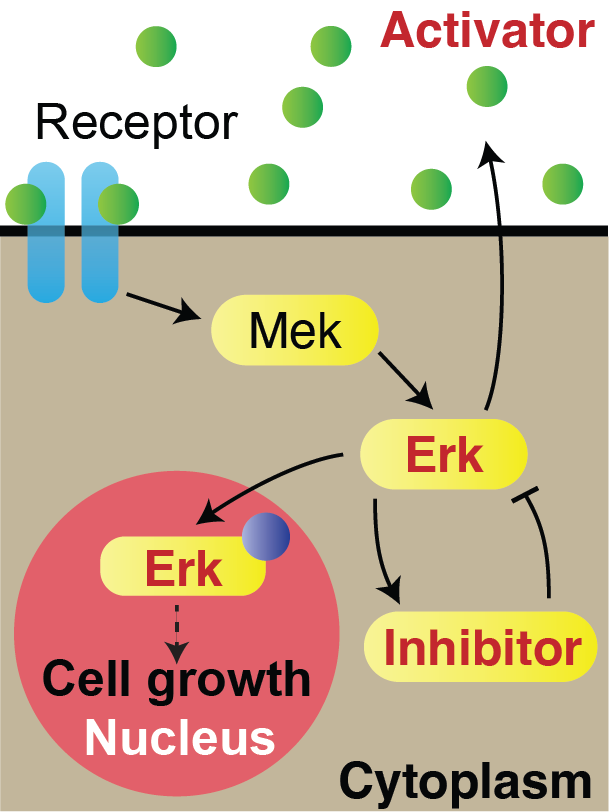
Alessandro De Simone is an Assistant Professor in the Department of Genetics and Evolution at the University of Geneva. His research group investigates the physical principles of vertebrate regeneration using zebrafish scales as a primary model system, focusing on how cells coordinate growth and patterning during tissue repair. Research interests center on the integration of biochemical signaling and mechanical forces in regeneration. Key areas include: Erk activity waves controlling tissue size/shape Mechano-chemical coupling in cell proliferation Coordination of bone formation with cell growth Quantitative live imaging of signaling dynamics Computational modeling of morphogenesis Publications demonstrate a strong interdisciplinary focus, with recurring themes in regeneration signaling waves, live imaging of developmental processes, and mathematical modeling of tissue dynamics. Recent work emphasizes Erk/JNK wave propagation in zebrafish models and stem cell-based approaches to human development. Scientific awards and recognitions include: SNSF Eccellenza Professorial Fellowship (PCEFP3_202776) ERC Starting Grant (Gradients, waves and nematics: quantitative perspectives on regeneration) De Simone advises PhD students and oversees research projects on regeneration mechanisms. Current PhD advisees include Konrad Marx, Coline Coudeville, and Oriane Foussadier. External funding supports investigations into signaling dynamics and tissue patterning. The laboratory, located in Sciences III building, includes postdoctoral researchers, PhD students, and technical staff specializing in live imaging, molecular biology, and zebrafish genetics. Team members collaborate on projects bridging experimental biology with computational approaches.