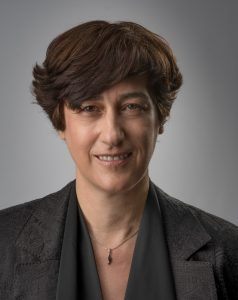
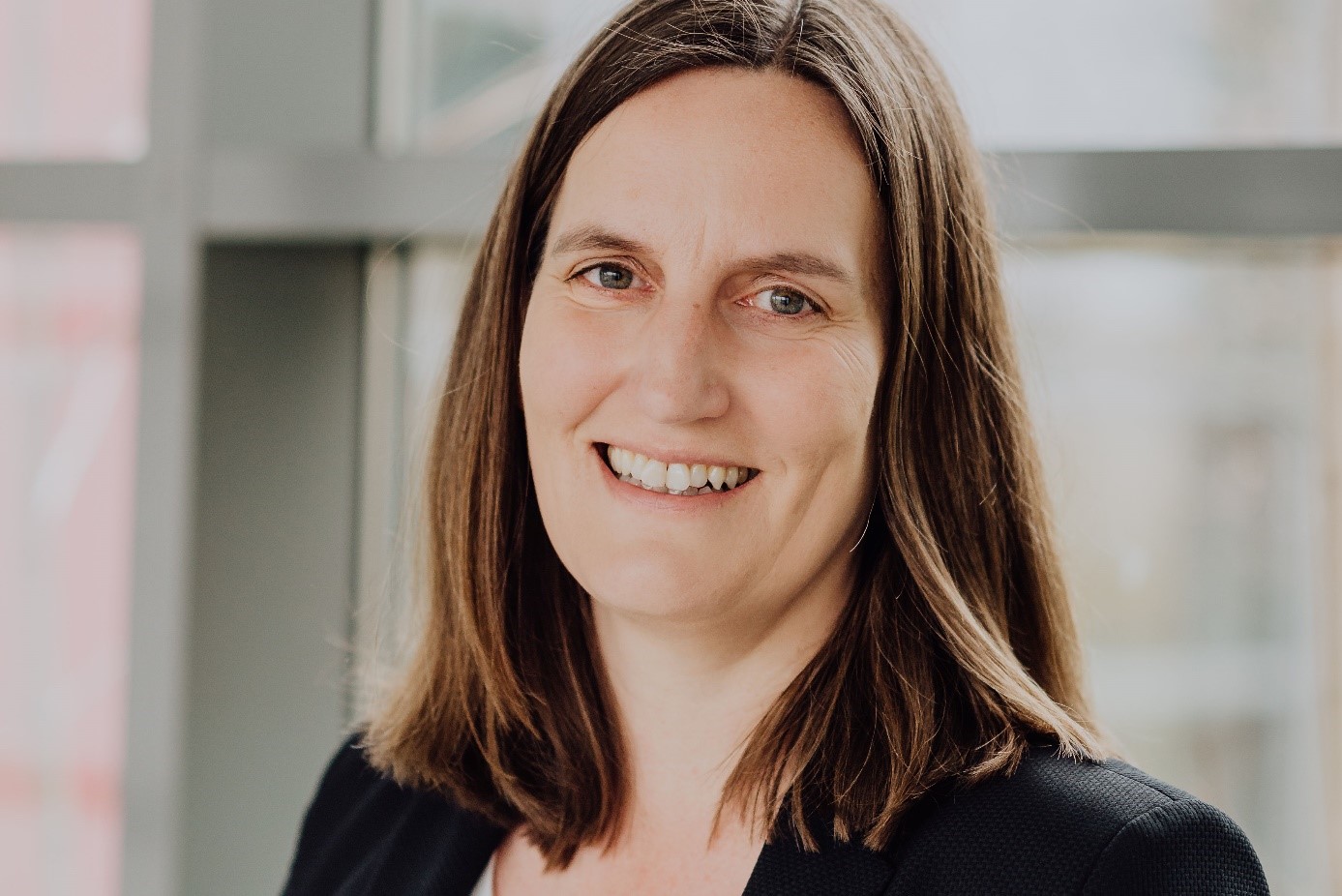
Prof. Clemens Heitzinger is an Associate Professor at TU Wien, affiliated with the Forschungsbereich Machine Learning (E194-06) . His research focuses on interdisciplinary applications of machine learning, computational methods, and nanotechnology. Key areas include reinforcement learning for healthcare optimization, stochastic modeling of PDE systems, and Bayesian inversion in sensor design. He leads the project PDE models for nanotechnology under the Scientific Computing and Modelling department (E101-03). His work spans medical imaging (e.g., electrical impedance tomography), nanopore sequencing, and nanoscale sensor development. Notable contributions include algorithms for corticosteroid therapy optimization in sepsis and superhuman performance in sepsis prediction via distributional reinforcement learning. He has advised over 13 PhD and Master's students, including Tobias Kietreiber, Sebastian Bittner, and Leila Taghizadeh. His research methodologies integrate machine learning with numerical analysis, emphasizing uncertainty quantification and PDE modeling. Recent trends in his publications highlight applications in personalized healthcare, industrial anomaly detection, and computational fluid dynamics in nanoscale systems. While no scientific awards are explicitly mentioned, his work has been published in high-impact journals and conference proceedings, reflecting his contributions to computational science and engineering.
Sebastian Schrittwieser is a Researcher in the Research Group Security and Privacy, part of the Faculty of Computer Science. His work focuses on cybersecurity, code obfuscation, malware analysis, and machine learning applications in security. He leads and contributes to projects like INODES (Cyber Defense Strategies) and EMRESS (Resilience Evaluation Models). His research bridges theoretical foundations and practical applications, addressing challenges in software protection and threat detection. Key research interests include: Code Obfuscation Techniques and Resistance Adversarial Machine Learning and Risk Assessment Malware Analysis and Program Simulation User Behavior in Cybersecurity Contexts Recent publications emphasize empirical studies on IT/OT infrastructure security, graph neural network vulnerabilities, and quantum-inspired machine learning. He actively collaborates with institutions like SBA Research and presents at international conferences. Grants include Research Funding for projects on optimal cyber defense strategies (INODES) and software resilience evaluation (EMRESS). His work aligns with interdisciplinary efforts in security engineering and privacy-preserving technologies.
University of Natural Resources and Life Sciences ViennaAustria
Iain BH Wilson is an Associate Professor at the Institute of Biochemistry within the Department of Biotechnology and Food Science at the University of Natural Resources and Life Sciences, Vienna (BOKU). With a PhD from the University of Oxford (1992) and habilitation completed in 2001, he has established himself as a leading researcher in glycobiology, specializing in the glycosylation patterns of invertebrates, nematodes, and parasites. His work bridges biochemistry, molecular biology, and parasitology, with a particular focus on N-glycosylation pathways. Wilson's research interests encompass glycobiology, glycomics, N-glycosylation, parasite glycobiology, mass spectrometry of glycans, and carbohydrate microarrays. His laboratory investigates the structural and functional aspects of glycans in model organisms like Caenorhabditis elegans and various parasites, revealing evolutionary conserved and specialized glycosylation pathways. His work has particular relevance for understanding host-parasite interactions and developing novel diagnostic and therapeutic approaches targeting glycan-mediated processes. Analysis of Wilson's recent publications (2022-2025) reveals a consistent research trajectory focusing on N-glycan structures in nematodes and parasites, enzyme characterization (particularly hexosaminidases), and the immunological recognition of unusual glycans. His work employs advanced mass spectrometry techniques, structural biology approaches, and glycan array technologies to unravel complex glycosylation patterns that challenge traditional mammalian-centric views of glycan biology. Scientific Awards: MCP/ASBMB Award Lectureship (2024) GlycoThera Award (2011) Novartis Prize for Chemistry (2007) Neose Glycoscience Research Award (1999) Wilson has supervised numerous graduate students whose theses focus on various aspects of glycobiology, including glycomics of Dictyostelium discoideum , glycosylation of Acanthamoeba castellanii , and immunomodulatory glycans in non-mammalian systems. His research has been consistently funded by major organizations including the Austrian Science Fund (FWF), European Commission, and the City of Vienna. He has served on editorial boards for prestigious journals including Journal of Biological Chemistry and Glycobiology , and has organized international workshops on comparative glycobiology.
University of Natural Resources and Life Sciences ViennaAustria
Johannes Stadlmann is an Assistant Professor at the Institute of Biochemistry (DCH/BC) within the Department of Chemistry at the University of Natural Resources and Life Sciences (BOKU) in Vienna since 2020. His academic journey includes positions as a Staff Scientist at the Institute of Molecular Biotechnology of the Austrian Academy of Sciences (IMBA) from 2015-2020, Post-Doctoral Fellow at the Institute for Molecular Pathology (IMP) from 2010-2013, and earlier postdoctoral work at BOKU from 2009-2010. He earned his Doctorate (Dr. nat. techn.) from BOKU between 2004-2009. Dr. Stadlmann's primary research focuses on glycobiology with particular emphasis on N-glycans and O-glycans. His work spans multiple disciplines including biochemistry, molecular biology, and analytical chemistry. He has made significant contributions to understanding glycan structures in various biological contexts, including viral infections, bacterial interactions, and mammalian tissue diversity. His research employs advanced techniques such as mass spectrometry, NMR spectroscopy, and glycoproteomics to analyze complex carbohydrate structures and their biological functions. Analysis of his recent publications reveals a strong trend toward comprehensive glycome profiling across different biological systems. His work demonstrates increasing sophistication in analyzing isomer-sensitive N-glycome patterns, with applications ranging from understanding organ-specific diversity in mammalian systems to developing therapeutic approaches for viral infections. A notable theme in his research is the application of glycan analysis to solve practical problems in medicine and biotechnology, including coronavirus research, periodontal health, and neurodevelopmental disorders. Dr. Stadlmann has supervised multiple academic theses, including Helm J.'s 2023 dissertation on "Analysis of isomeric N-glycans with PGC-ESI-MS" and Gamperl A.'s 2022 master's thesis on "Enzyme activity determination of carbohydrate methylases." He has been involved in significant research projects including "Recombinant Pharmaceuticals from Plants for Human Medicine" (2004-2009), demonstrating his long-standing interest in applying biochemical principles to pharmaceutical development. His work has resulted in over 100 publications spanning diverse areas of glycobiology and its applications.
University of Natural Resources and Life Sciences ViennaAustria
Dr. Jorick Vanbeselaere is a researcher at the Institute of Biochemistry within the Department of Biotechnology and Food Sciences at the University of Natural Resources and Life Sciences, Vienna (BOKU) . His work focuses on glycobiology and glycoproteomics, particularly examining glycan structures in nematodes, parasites, and invertebrates. Location: Muthgasse 18, 1190 Vienna Email: jorick.vanbeselaere@boku.ac.at ORCID: 0000-0002-1949-4835 Research interests include: Glycan structural analysis in parasitic organisms Enzymatic modifications of N-glycans Comparative glycomics across species Immune system interactions with helminth glycans Glycosylation patterns in invertebrates Development of glycan analytical methodologies Key projects: In-depth glycomics and glycoproteomics of trichomonads (FWF-funded, 2022-2025) Parasite glycobiology and anti-parasitic strategies (EU-funded, 2013-2017) Publications highlight trends in N-glycan diversity across nematodes and parasites Unusual glycan modifications in marine invertebrates Functional roles of glycan antennal structures Applications of mass spectrometry in glycan analysis
Andreas Uhl is a University Professor in Artificial Intelligence and Human Interfaces at the Department of Computer Science, University of Salzburg. With a prolific research career spanning from 1996 to present, he has authored or co-authored 534 publications and led or participated in 59 research projects. His work demonstrates sustained academic productivity with recent publications and projects extending through 2025. Professor Uhl's research interests span multiple domains at the intersection of artificial intelligence and practical applications. His primary focus areas include computer vision, biometrics, biomedical imaging, and digital forensics, with significant contributions to pattern recognition and image analysis. His work bridges theoretical computer science with practical applications in cultural heritage preservation, medical diagnostics, and security systems, demonstrating a versatile research portfolio that addresses both fundamental challenges and real-world problems. His recent publications reveal a strong emphasis on temporal image forensics, biomedical image analysis, and biometric security. The research shows a clear trajectory toward increasingly sophisticated applications of AI in specialized domains, with particular attention to validation methodologies and limitations of current approaches. His work on cultural heritage applications demonstrates an innovative application of computer vision techniques to historical artifacts. Best paper award @ 25th ACM Symposium on Applied Computing (Applications Track), 2010 Best Paper award @ 2nd European Workshop on Visual Information Processing (EUVIP'10), 2010 IEEE Biometrics Council Best Paper Award (TBIOM), 2022 Kurt Zopf Preis, 2023 Professor Uhl actively leads multiple significant research initiatives, including the CDL-POSA project on People and Object Surface Authentication (2025-2032), Artificial Intelligence driven Biomedical Imaging Innovation (2025-2029), and the AIBIA Research and Transfer Junior Lab (2023-2025). His research group maintains active collaborations with institutions like Carnegie Mellon University, as evidenced by his recent research stay there in September 2024. The scope and duration of his current projects indicate substantial grant funding and institutional support for his research agenda. His laboratory activities focus on AI applications in biomedical imaging, border security through vehicle-integrated technologies (AutoBorder project), and cultural heritage analysis. The research environment appears to integrate academic inquiry with practical transfer through initiatives like the FFG Student Internships program, suggesting a strong commitment to both fundamental research and real-world implementation.
Ilana Gabanyi is a researcher at the Gulbenkian Institute of Molecular Medicine in Portugal, where she established her research team in 2022. Her work focuses on the microbiota-gut-brain axis, particularly mechanisms by which gut-derived bacterial signals directly interact with central nervous system neurons. PhD from University of Sao Paulo (USP), Brazil Postdoctoral training at Institut Pasteur, France International fellowship at Rockefeller University, USA Her research combines 3D brain imaging , microbial sequencing , and transgenic mice to investigate: Microbial compound trafficking to the brain Sex and age-dependent modulation of neuronal responses Physiological consequences of microbiota-brain interactions Key contributions include discovering muropeptides as signaling mediators and identifying sex hormone-dependent pathways in microbiota-brain communication. Scientific awards include: Brazilian government fellowships École normale supérieure de Cachan research scholarship Rockefeller University international fellowship She currently supervises three PhD students and two postdoctoral researchers in her NeuroBiota Lab, which maintains active collaborations with institutions in Brazil, France, and the USA.
Katalin Solymosi is an Assistant Professor at the Department of Plant Anatomy , Eötvös Loránd University (ELTE), Budapest, Hungary . She teaches plant cell biology, anatomy, physiology, and pharmaceutical botany at all academic levels (BSc, MSc, PhD) at ELTE and Semmelweis University , and has served as an invited lecturer at the University of Burgundy (2006–2010). Her research focuses on stress-induced alterations in plastid structure/function, particularly under abiotic stresses (salt, drought, heavy metals) biotic stresses (mycorrhization) , with emphasis on photosynthesis and plastid-derived natural products. Her scientific work spans collaborations with institutions in France (University of Burgundy, Université du Maine), Sweden (University of Gothenburg), Poland (Jagiellonian University), and Hungarian research centers (Biological Research Centre of HAS, Wigner Research Centre). Notably, she received the l’ORÉAL-UNESCO Women in Science national scholarship and recognition from multiple Hungarian scientific societies. She supervises 2 PhD students 3 MSc students and contributes to science policy as a founding member of the Hungarian Young Academy (2019–2020 board). Her 15 most recent publications (2020–2023) explore: Salinity stress impacts on thylakoid membranes Iron homeostasis in chloroplasts Photosynthetic adaptation to environmental stresses Role of ion channels in photosynthesis Molecular mechanisms of paramylon accumulation Heavy metal-induced plastid alterations . These studies span Botany , Plant Physiology , Biophysics , and Food Science disciplines. Scientific awards include: l’ORÉAL-UNESCO Women in Science scholarship Hungarian Biophysical Society award Hungarian Society for Microscopy recognition Hungarian Society for Plant Anatomy honors She actively promotes science communication through Popular science articles (15+ in Hungarian) Social media outreach Participation in Researchers’ Night and Fascination of Plants Day Microscopy art exhibitions Science-policy white papers and serves on the editorial board of Botany Letters since 2013.
Sofija Stefanovic serves as Full Professor of Physical Anthropology at the University of Belgrade's Faculty of Philosophy, Department of Archaeology, while leading the Bioarchaeology research group at the University of Novi Sad's Biosense Institute. Her ERC-funded BIRTH project pioneers research into prehistoric fertility mechanisms and human survival despite birthing challenges, establishing her as Serbia's first ERC-supported scientist. Her research integrates Bioarchaeology of the Balkans, Physical anthropology, and Human osteology to analyze ancient biosystems through skeletal growth patterns, paleodemography, and sociobiological consequences of aging. This interdisciplinary approach reveals critical insights into fertility dynamics relevant to modern populations, with fieldwork focused on prehistoric Balkan communities. Her primary scientific recognition includes: European Research Council (ERC) grant for the BIRTH project Professor Stefanovic has supervised 30 BA, 13 MA, and 9 PhD students in physical anthropology and bioarchaeology. She actively shapes national science policy as President of Belgrade's Central Institute for Conservation Board, contributes to junior scientist development through the German National Academy of Sciences, and drives science-industry collaboration via the Serbian Chamber of Commerce. She directs the Bioarchaeology research group at the Biosense Institute, University of Novi Sad, coordinating interdisciplinary studies of ancient human remains to reconstruct demographic patterns and health conditions in prehistoric Balkan populations.
University of Applied Sciences Technikum WienAustria
Lars Mehnen serves as a Senior Lecturer and Researcher at the University of Applied Sciences Technikum Wien (UAS Technikum Wien) in Austria, where he has been teaching since 2019 in Computer Science and previously from 2003-2019 in Biomedical Engineering. His academic career includes significant roles at Vienna University of Technology as University Assistant (2004-2007) and Research Assistant (1998-2002), along with leadership positions in major international space initiatives including QB50 (2010-2013), GENSO (2006-2010), and SSETI (1999-2006). TU-Wien: Dipl.Ing. in Computer Engineering and Medical Informatics Dr. Techn. from Institute for Fundamentals and Theory of Electrical Engineering and Institute of Technical Mathematics Mehnen's research spans multiple domains with particular expertise in Artificial Intelligence, Evolutionary Algorithms, and Sensor Technology. His work in explainable and non-parametric evolutionary algorithms represents cutting-edge contributions to AI methodology. In biomedical engineering, he has developed innovative magnetoelastic skin curvature sensors for cardiovascular monitoring and other medical applications. His teaching portfolio is exceptionally diverse, covering Statistics (parametric and non-parametric), Artificial Intelligence, Aerodynamics (particularly for sports equipment), Physics for game engineering, and extensive programming topics including Java, C/C++, Python, and functional programming languages. His publication record from 2001-2024 shows a clear evolution from early work on magnetostrictive bilayer sensors toward more recent applications of machine learning in biological classification, medical diagnostics, and educational technology. The 2024 publication on ChatGPT's diagnostic accuracy for medical conditions demonstrates his engagement with the latest AI developments. His research consistently bridges theoretical computer science with practical applications in healthcare, sports engineering, and space technology. Mehnen has been deeply involved in European collaborative projects throughout his career, including QB50 (EC F7), GENSO (ESA initiative), and B-Sens (EC-Project in 5th framework). These projects involved coordination with numerous universities and institutions across Europe, demonstrating his ability to lead international research collaborations. His work on the SSETI Express satellite project resulted in the successful launch of a micro-satellite at the end of 2005. At UAS Technikum Wien, Mehnen contributes to curriculum development across multiple domains including statistics, AI, programming, and physics. His research on paraglide control systems demonstrates application of his expertise to sports safety technology, while his recent work in teaching analytics shows commitment to improving educational outcomes through data-driven approaches.
Sonja Windhager is a researcher at the Department of Evolutionary Anthropology , Faculty of Life Sciences, University of Vienna. Her work focuses on face neuroscience, gender identity psychology, and measurement invariance in global datasets. Specializes in facial trait analysis and social perception Active in cross-cultural psychological scale validation Contributes to open-access publications in PeerJ and PLoS ONE Recent research examines cortisol's role in body fat perception, digit ratio symmetry in human evolution, and WEIRD (Western, Educated, Industrialized, Rich, Democratic) facial recognition patterns. Collaborations span 65 nations with 40+ languages. Notable activities include presentations on male facial cues to stature and aggressiveness at international conferences (2024). Media appearances discuss facial symmetry (2022) and age-gap relationships (2022).
Didone Frigerio is a Senior Scientist at the University of Vienna, affiliated with the Faculty of Life Sciences and the Department of Behavioral and Cognitive Biology. She leads third-party funded projects like 'Visible Science' and 'GRASS' and has previously led initiatives such as 'Northern Bald Ibis goes Citizen Science' and 'Social Zusammenhalt und Ausflugsgebiet beim Waldrapp'. Her work bridges academic research with public engagement through citizen science programs. Research Focus: Frigerio investigates the interplay between social context and physiology in group-living birds, particularly focusing on greylag geese ( Anser anser ) and northern bald ibises ( Geronticus eremita ). Her research spans behavioral ecology, hormonal regulation, and conservation biology, emphasizing non-invasive methods and societal collaboration. Scientific Contributions: Her recent publications explore topics such as flight initiation distance, dominance hierarchies, facial individuality in geese, and drone impacts on avian physiology. These works highlight her expertise in behavioral data analysis, physiological stress markers, and citizen science integration. Awards: Citizen Science Award (2020, 2019, 2018) COST Action Networking (2018) Back-to-Research-Grant (2017) Technology Award (2016) Post-Graduate Scholarship (1995) Teaching & Outreach: Frigerio actively contributes to Austrian KinderUnis (Children Universities) and organizes scientific and public outreach events, including symposia at European conferences and regional educational programs. She supervises students and PhD candidates while promoting science communication to diverse audiences.
Verena Ahlgrimm-Siess serves as a Clinical Associate Professor and Senior physician in the Department of Dermatology and Allergology at Salzburger Landeskliniken (SALK). With Privatdozent status indicating her post-doctoral academic qualification, she maintains an active clinical and research career with 150 research outputs spanning from 2007 to 2024. Her research interests focus on dermatoscopy as a non-invasive diagnostic tool with broad applications, particularly in facial lesion analysis, nevus examination, and melanoma detection. She has pioneered work in multiplex assays for allergy diagnosis, comparing technologies like Allergy Explorer 2 versus ImmunoCAP ISAC. Her fingerprint reveals strong expertise in allergen research (100%), sensitization (44%), immunoglobulin E (33%), and nevus analysis (33%). Dr. Ahlgrimm-Siess has demonstrated significant research productivity with publication peaks in 2012 (25 outputs) and consistent output through 2024. Her recent work integrates artificial intelligence with dermatology, enhancing diagnostic confidence in melanoma detection. She actively contributes to academic discourse through 98 recorded activities including 91 oral presentations, 5 publication peer-reviews, and conference organization. Her scientific engagement includes serving as a reviewer for Archives of Dermatological Research and delivering keynote presentations on dermatoscopy techniques, trichoscopy, and inflammatory skin condition visualization. Her research has gained notable attention with coverage by 10 news outlets, blog posts, and substantial readership on academic platforms.
Monika Taddicken serves as Professor of Communication Science at Braunschweig University of Technology since 2014, with prior research roles including Senior Researcher at the DFG Cluster of Excellence CliSAP (2013-2014), Visiting Research Scholar at University of Wisconsin-Madison (2013), and Post-Doctoral positions at Universität Hamburg (2009-2013) and Universität Hohenheim (2008-2009). Her doctoral training culminated in a 2008 PhD from Universities of Hohenheim and Bamberg, where her dissertation Method effects in web surveys: Limitations of Data Quality due to a 'Reduced Communication Medium'? earned the Alcatel-Lucent Foundation Dissertation Award. Taddicken's research critically examines media methodology constraints, audience reception patterns, and specialized communication domains including environmental narratives, digital platforms, and scientific discourse. Her climate communication work through CliSAP and the KlimaRez project demonstrates interdisciplinary rigor in analyzing public interpretation of complex scientific topics. Major recognitions include: ICA Environmental Communication Division's Top Faculty Paper Award (2020) DGPuK conference Best Paper Award (2nd place, 2012) Symposium for Applied Online Research Best Paper Award (Mannheim, 2009) General Online Research Conference Poster Award (Vienna, 2009) Alcatel-Lucent-Stiftung Dissertation Award (2009) She has directed DFG-funded initiatives including the KlimaRez project (2013-2016) on climate change perception, securing German Research Foundation support for media effects analysis. Her international collaboration with University of Wisconsin-Madison's Life Sciences Communication department underscores transnational research engagement.
Vienna University of Economics and BusinessAustria
Katja Wölfl serves as an Assistant Professor in the Department of Information Systems and Operations Management at the Vienna University of Economics and Business (WU), affiliated with the Institute for Production Management where she conducts research and teaches negotiation-focused courses. Her academic qualifications include: Doctor rerum politicarum (Dr.rer.pol.) from WHU - Otto Beisheim School of Management, Germany Master of Business Administration (MBA) Visiting Scholar at the Kelley School of Business, Indiana University (2019) Wölfl's research centers on business-to-business negotiations, interorganizational relationships, and business ethics, with particular emphasis on deception perception in supplier negotiations and counterfactual reflection in managerial decision-making. She employs configurational methodologies like fsQCA to analyze complex causal patterns in negotiation dynamics and ethical judgments. Her 2022-2024 publications form a cohesive research trajectory examining deception and counterfactual thinking in business negotiations, revealing how multiple contextual factors combine to shape negotiation outcomes and ethical perceptions across supply chain management and organizational behavior domains. Wölfl has received significant scholarly recognition: Honorable Mention, GrigorMcClelland Doctoral Dissertation Award (2024) Harold E. Fearon Best Paper Award, Journal of Supply Chain Management (2023, awarded 2024) Best New Directions Paper Award, AOM Conflict Management Division (2022) At WU, she teaches negotiation courses across undergraduate and graduate programs while actively contributing to academic service through peer review for the Journal of Management Studies and conference divisions at the Academy of Management, including OSCM and Conflict Management. As a core member of the Institute for Production Management research team, she collaborates on operations and supply chain management projects focused on sustainable production systems and negotiation dynamics within interorganizational contexts.