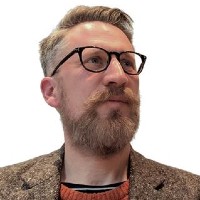
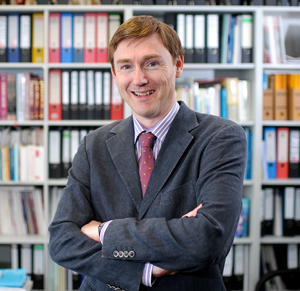
Derek Duncan serves as Professor of Italian at the University of St Andrews' School of Modern Languages, specializing in Italian Cultural Studies. Previously holding a professorship at the University of Bristol, he directs the Italian Centre for Contemporary Art and contributes significantly to transnational humanities research. His educational background includes French and Italian studies at Aberdeen University followed by doctoral work at Edinburgh. Duncan's research centers on intersections of sexuality/gender and race/ethnicity in modern Italian culture through queer and critical race theory frameworks, with notable courses including 'Black Italians,' 'Fascist Italy,' and 'Cultures of Migration.' Analysis of his recent publications reveals consistent focus on Mediterranean migration narratives, transnational identity formation, and creative humanities methodologies. His work frequently connects historical events like the Arandora Star sinking with contemporary migration crises, emphasizing transcolonial continuities. Leverhulme Major Research Fellowship (2019-2022) Multiple AHRC-funded projects including Transnationalizing Modern Languages Founding editor of Liverpool University Press series: Transnational Italian Cultures and Transnational Modern Languages Duncan actively supervises research and collaborates with artists like Davide D'Elia on projects such as Tiepido Cool. His work with the Centre for Poetic Innovation demonstrates commitment to bridging academic research and artistic practice, while his global challenges project in Namibia reflects international engagement. Current research examines Mediterranean migration through the lens of the Arandora Star disaster and its contemporary resonances.
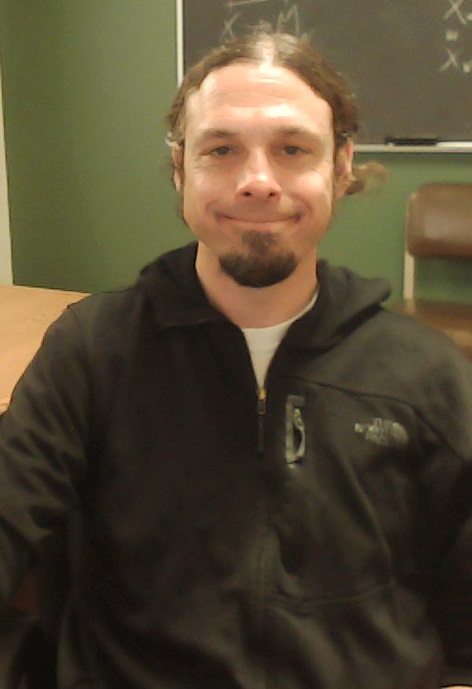
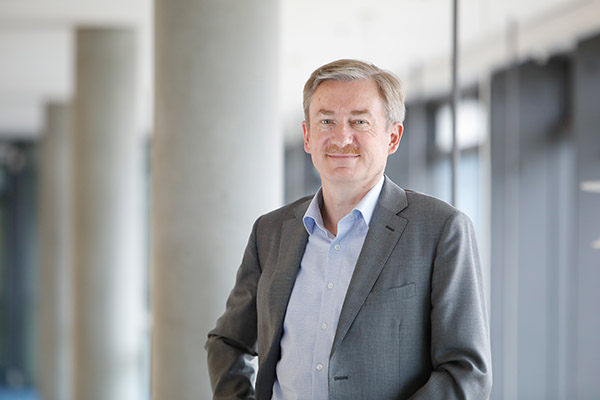
Professor Joseph Wood is a Professor of Visual Analytics at City St George's, University of London, where he serves as a founding member of the giCentre. His academic career spans over three decades, with continuous contributions to Geographic Information Science and visualization since 1990. He previously served as Head of Department for Computer Science at City University between 2014 and 2017. Professor Wood's educational background includes a PhD in Geographical Information Science from the University of Leicester (1996), an MSc in the same field from the University of Leicester (1990), and a BSc in Physical Geography & Geology from the University of Sheffield (1989). His academic progression shows steady advancement from Research Scholar at the University of Leicester (1990-1992) through various lecturer and senior positions to his current professorship. His research interests center on visual analytics and data visualization, with particular expertise in geographic information science and terrain analysis. Professor Wood has developed innovative methods bridging GI Science, Data Visualization, and education domains. His specific interests include narrative of visual analytic design, computational thinking in pedagogy, and novel visualization design for geographic data. His work demonstrates a consistent focus on making complex spatial data understandable through innovative visualization techniques. Analysis of Professor Wood's recent publications reveals a strong emphasis on practical applications of visualization techniques across diverse domains including transportation, epidemiology, sports analytics, and historical migration patterns. His work shows an evolution from foundational geographic information science toward broader applications in visual analytics, with increasing focus on narrative structures, responsive design, and accessibility considerations in visualization. The interdisciplinary nature of his research is evident in collaborations spanning computer science, geography, urban planning, and public health domains. Professor Wood has been actively involved in the academic community, serving on organizing and program committees for major international conferences including IEEE Infovis and VAST, Eurovis, GIScience, Spatial Accuracy, and Geomorphometry. His contributions to the field have been recognized through invitations to deliver keynote talks at prestigious venues ranging from GeoComputation to TEDx, where he presented on topics such as visualizing movement behavior of cyclists. As an advisor, Professor Wood has supervised numerous PhD and Master's students, with current supervision of Julia Crossley (Student conceptualisation of abstraction in computer science) and Jude Nzemeke (Understanding student misconception in recursive algorithmic thinking). His extensive supervision history includes completed PhDs on topics ranging from cycling behavior to spatio-social relations in photographic archives. His academic leadership extends to software development, with contributions to tools like litvis, elm-vega/el-vegalite, giCentre Utils, handy, and LandSerf GIS. Professor Wood is an active member of professional organizations including IEEE (2007-present), Association of Computing Machinery (ACM) (2007-present), and Association of Geographic Information (AGI) (1997-present), demonstrating his commitment to interdisciplinary collaboration across computer science and geographic information domains.
Professor Kristopher Kilian is Director of the Laboratory for Advanced Biomaterials & Matrix Engineering (LAB&ME) with a joint position across the School of Chemistry and the School of Materials Science & Engineering in the Faculty of Science at UNSW Sydney. He serves as co-Director of the Australian Centre for NanoMedicine (ACN) and is a member of the Adult Cancer Program in the Prince of Wales Clinical School. His interdisciplinary research focuses on unraveling 'matrix structure-cell function' relationships through innovative biomaterial design. After completing his PhD at the University of New South Wales, Kilian pursued NIH postdoctoral training at the University of Chicago before faculty positions at the University of Illinois at Urbana-Champaign (2011-2018). He returned to UNSW in 2018 as a Scientia Fellow, establishing his current leadership roles. Research Focus: Design of model extracellular matrices and dynamic hydrogels for cell and tissue engineering Fundamental studies in cell plasticity and matrix-directed cell fate Development of synthetic tumor microenvironments for drug testing iPSC-derived organoid bioengineering 4D biofabrication techniques Tissue engineering approaches for lab-grown meat applications His extensive publication record demonstrates consistent focus on hydrogel mechanics, dynamic biomaterials, and the role of physical cues in directing cell behavior. Recent work emphasizes mechanochemistry, spatial control of cell differentiation, and the development of sophisticated tumor models that replicate the complexity of cancer microenvironments. Scientific Recognition: Cornforth Medal (2008) NIH Ruth L. Kirchstein Award (2008) Kavli Fellow (2014) NSF CAREER Award (2015) Australian Research Council Future Fellowship (2018) Eureka Prize finalist (2023) Kilian's research program bridges fundamental cell biology with translational applications, particularly in cancer modeling and regenerative medicine. His laboratory develops innovative biomaterial platforms that enable precise control over cellular microenvironments, facilitating discoveries in cell plasticity and tissue engineering. The group's work on dynamic hydrogels and mechanochemical systems represents a significant contribution to the field of biomaterials science. As Director of LAB&ME, Kilian leads a multidisciplinary team that integrates nano- and micro-fabrication techniques with synthetic chemistry to create biomimetic materials. The laboratory's approach centers on the concept that cell state and fate are governed by inherent cell plasticity within specific multivariate signaling contexts.
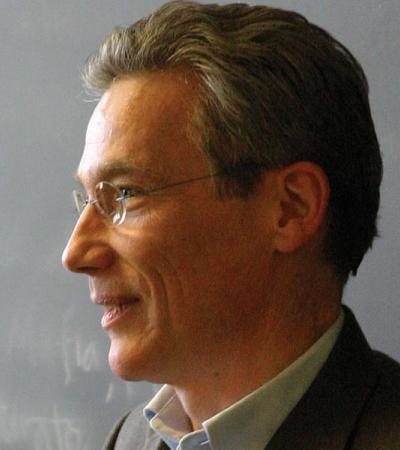
Marc Diamond, M.D. , is a Professor of Neurology and Neuroscience at UT Southwestern Medical Center. He previously served as the David Clayson Professor of Neurology at Washington University in St. Louis (2009-2014) and held faculty positions at UCSF (2002-2009). As founding director of the Center for Alzheimer's and Neurodegenerative Diseases (CAND), he leads a multidisciplinary team investigating protein aggregation mechanisms in neurodegenerative diseases. Education: M.D. from UCSF (1993), history degree from Princeton Key Contributions: Discovered cell-to-cell propagation of tau protein aggregates, linking Alzheimer's to prion biology His research focuses on tauopathies , prion-like protein propagation , and translational therapeutics . He has developed methods for detecting proteopathic seeding activity now used globally, holds multiple patents, and invented a monoclonal antibody in clinical trials for Alzheimer's therapy. His work has profoundly impacted understanding of neurodegenerative disease progression and therapeutic strategies. Laboratory: The Diamond Lab trains postdocs, graduate students, and staff in multidisciplinary approaches to neurodegeneration, emphasizing cellular models and molecular mechanisms of protein aggregation.
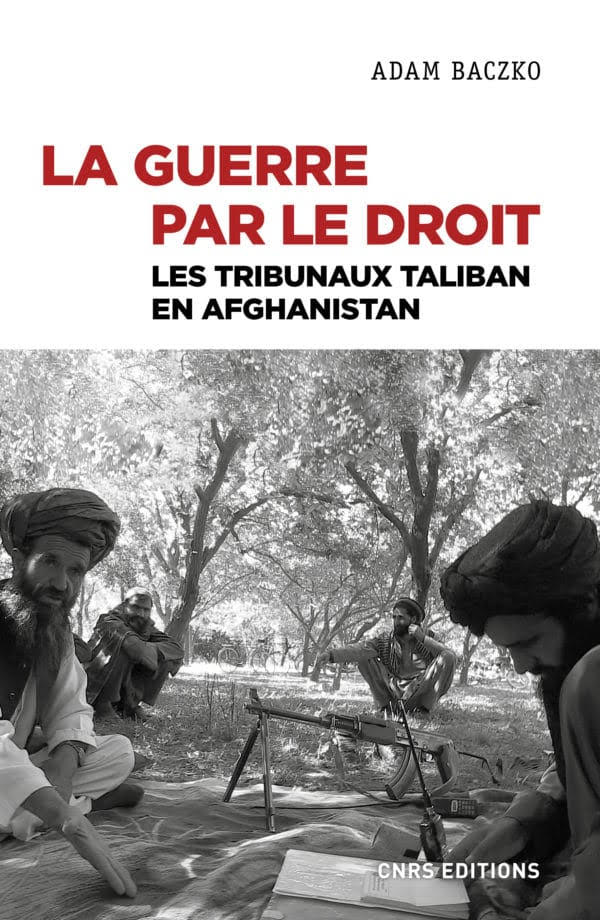
Adam Baczko is a Research Fellow at CNRS (Centre National de la Recherche Scientifique) affiliated with Sciences Po's Center for International Studies (CERI) in Paris. His work focuses on the formation of legal institutions by armed movements in contexts of armed conflict, with particular expertise on Afghanistan and Syria. Baczko has conducted extensive fieldwork in conflict zones across Afghanistan, Syria, Iraq, and the Democratic Republic of Congo, examining how non-state actors establish judicial systems during civil wars. His research interests include the sociology of civil wars, Taliban tribunals in Afghanistan, armed conflict in Syria, and Western military interventions. Baczko approaches these topics through a comparative lens, analyzing how legal institutions function in multiple conflict settings to identify patterns and variations in how armed movements establish governance structures. His fieldwork methodology emphasizes direct observation and interviews in dangerous environments, which he argues provides epistemological privilege over desk-based research on conflict zones. Baczko's publications reveal a consistent focus on how legal systems operate in civil wars, particularly examining the Taliban's judicial apparatus in Afghanistan as a case study of how armed movements use law as a strategic tool. His work demonstrates how the Taliban's courts contributed to their eventual victory by providing accessible, reliable justice that contrasted with the failures of the Western-backed government system. His comparative approach extends to Syria, where he has documented similar dynamics of competing legal orders. Order, Conflict and Violence Fellow at Yale University Visiting Fellow at the Institut für die Wissenschaften vom Menchen (IWM) Trajectories of Change Fellow at the Zeit-Stiftung Ebelin und Gerd Bucerius Baczko has been actively involved in the ERC program 'Social Dynamics of Civil Wars' since 2016, working under Gilles Dorronsoro at the University of Paris 1 Panthéon-Sorbonne. His multilingual capabilities (French, English, Spanish, Polish) facilitate his comparative research across multiple conflict zones. He has been a vocal advocate for the importance of fieldwork in conflict zones despite security challenges, arguing that direct observation provides irreplaceable insights into how civil wars function.
Erika Lee is the Bae Family Professor of History and Radcliffe Alumnae Professor at Harvard University, serving as Director of the Schlesinger Library on the History of Women in America. A past president of the Organization of American Historians, she is a leading scholar of U.S. immigration, Asian American history, and xenophobia across the 19th-21st centuries. Her research centers on immigration history, Asian American history, and the intersections of race, xenophobia, law, gender, and society. Lee examines how systemic racism and exclusionary policies have shaped American identity, with particular focus on Asian American experiences and the historical roots of contemporary anti-immigrant sentiment. Lee's recent publications (2020-2024) analyze xenophobia during crises like the COVID-19 pandemic, anti-Asian discrimination, and immigration policy weaponization. Her work reveals historical patterns connecting past exclusion laws to modern nativist movements while highlighting immigrant resilience and the power of public history. Lee's honors include: American Book Award Asian/Pacific American Award for Literature Andrew Carnegie Fellowship Election to the American Academy of Arts & Sciences Immigrant Heritage Award Pioneer Award from OCA Champion for Justice Award She received the Andrew Carnegie Fellowship for research funding and testified before Congress on anti-Asian discrimination. As a public intellectual, Lee frequently contributes to media discussions on immigration and race through major outlets including the New York Times and CNN. Lee co-founded three digital humanities initiatives: Immigrant Stories (documenting immigrant experiences through digital storytelling), #ImmigrationSyllabus (educational resource on immigration history), and Immigrants in COVID America (tracking pandemic impacts on immigrant communities).
Professor Tomasz Kapitaniak is a distinguished academic in the field of nonlinear dynamics and theoretical mechanics. He serves as a Professor of Theoretical and Applied Mechanics and Head of the Division of Dynamics at the Faculty of Mechanical Engineering, Technical University of Lodz, Poland. His career spans over three decades at the university, where he has made significant contributions to the understanding of nonlinear systems, chaos theory, and mechanical oscillations. Professor Kapitaniak holds advanced degrees in both mechanics and applied mathematics from the Technical University of Lodz and the University of Lodz. His educational background includes: M.Sc. in mechanics, Faculty of Mechanical Engineering, Technical University of Lodz (1982) M.Sc. in applied mathematics, Faculty of Mathematics, Physics and Chemistry, University of Lodz (1985) Ph.D. in mechanics, Faculty of Mechanical Engineering, Technical University of Lodz (1985) D.Sc. in mechanics, Faculty of Mechanical Engineering, Technical University of Lodz (1988) Professor of technical science, title given by the President of Poland (1995) His research focuses on nonlinear dynamics, with particular emphasis on mechanical oscillations, stability, bifurcations and chaos, stochastic dynamics, and applications of nonlinear dynamics in mechanical engineering. Professor Kapitaniak is renowned for his work on the development of methods for controlling chaos without feedback, identification of new types of bifurcations, synchronization mechanisms in coupled mechanical oscillators, and explaining the origin of randomness in mechanical systems. His research has evolved from fundamental theoretical work to increasingly applied studies involving complex networks, biological systems, and engineering applications. Professor Kapitaniak has published over 300 scientific papers in renowned journals, cited over 8,000 times. His work exhibits a consistent focus on understanding complex nonlinear phenomena across various physical systems. The trend in his recent publications shows continued exploration of synchronization phenomena, extreme events in dynamical systems, and applications of nonlinear dynamics to biological, mechanical, and physical systems. His most recent work demonstrates a growing interest in multistability, chimera states, and the prediction of tipping phenomena in complex systems. Among his notable scientific achievements and distinctions are: Election as a member of the Polish Academy of Sciences (corresponding member in 2013, ordinary member in 2019) Election to Academia Europaea in 2021 Honorary doctorates from Saratov State University (Russia, 2001) and Lublin University of Technology (Poland, 2014) Multiple prestigious fellowships including the British Council Fellowship (1989), King Abdul Aziz Award Fellowship (1990), and Fulbright Fellowship (1997) Editorial roles including Associate editor of Chaos, Solitons and Fractals since 1990 and member of editorial boards of several other prestigious journals Throughout his career, Professor Kapitaniak has been actively involved in mentoring the next generation of researchers, having supervised numerous PhD students including Jerzy Wojewoda, Anton van Wyk, Barbara Błażejczyk-Okolewska, Andrzej Stefański, Andrzej Kozłowski, and Przemysław Szumiński. He has secured significant research funding from various national and international sources including the Ministry of Science and Higher Education (Poland), Deutscher Akademischer Austauschdienst, The Royal Society of London, and others. His research team has maintained strong international collaborations with institutions worldwide, including universities in the United States, United Kingdom, Germany, Brazil, Russia, and Ukraine. He leads the Division of Dynamics at the Technical University of Lodz, which serves as a hub for research in nonlinear dynamics, mechanical oscillations, and related fields. The division maintains strong international collaborations with institutions worldwide and continues to produce cutting-edge research in the field of nonlinear dynamics and its applications.
Karen Abbott is a Professor and Associate Chair in the Department of Biology at Case Western Reserve University, specializing in theoretical population and community ecology. Her research employs mathematical modeling to investigate species distributions, abundance fluctuations, and ecological pattern formation. Her primary research interests include: Theoretical Population and Community Ecology Spatial Synchrony in Forest Insect Outbreaks Plant-Herbivore Dynamics and Inducible Defenses Evolutionary Responses to Climate Change Invasive Species Spread Mechanisms Ecological Time Series Analysis Recent publications (2023-2025) reveal strong emphasis on spatial ecology, transient dynamics, and network theory applications. Key trends involve modeling synchrony in ecological oscillators, life history effects on consumer-resource systems, and environmental stochasticity impacts on population cycles. Her work frequently addresses how new biologically-motivated models improve understanding of unexplained ecological phenomena. Scientific awards: None mentioned in provided text. Research funding includes the eMB Collaborative Research project (2023) on mathematical approaches for spatial synchrony in ecology. While specific student advisees aren't listed, her faculty role suggests graduate and undergraduate mentoring. Her lab maintains active research in theoretical ecology as evidenced by continuous publication output. She leads the Abbott Lab (https://abbottlab480702554.wordpress.com/), which focuses on mathematical modeling of ecological systems, investigating spatial synchrony, plant-herbivore interactions, climate change effects, and transient dynamics in population cycles.
J. Samuel Valenzuela serves as Professor of Sociology at the University of Notre Dame's College of Arts and Letters, where he has been a Kellogg Institute faculty fellow since 1986. His institutional affiliations center on comparative political sociology with emphasis on Latin American democratization processes, particularly through the Chilean case study examined in comparative context with Western Europe and the Americas. Valenzuela's research interests span historical sociology, political sociology, democratization theory, comparative labor movements, religion's political role, development theory, electoral systems, and Chilean politics. His work frequently examines how religious identities shape ideological positioning and voter behavior in Latin America, while maintaining a strong focus on historical institutional analysis of democratic transitions and consolidation. Recent scholarship investigates transitional justice, welfare state development, and religion in Latin American contexts. Analysis of his publication record reveals consistent scholarly production since the 1980s with particular concentration on Chilean political development. His work demonstrates methodological rigor in comparative analysis, often bridging historical and contemporary political phenomena. Key publication themes include party system resilience during democratic transitions, the interplay between religious identity and political behavior, and the historical roots of electoral institutions. Kellogg Institute Faculty Fellow (1986-Present) Valenzuela actively participates in scholarly discourse through conference presentations and panels, most recently contributing to discussions about Chile's constitutional reform process in 2022. His academic service includes participation in Notre Dame's Democratization Theory Research Cluster, where he collaborates with scholars examining global democratic trends and challenges.
Ben Wilkowski is a Full Professor in the Department of Psychology at the University of Wyoming. His research focuses on the intersection of goals, emotions, and social behavior, particularly through the ASPIRE Lab, which explores self-regulation, goal-content structure, and the role of emotions in binding social relationships. He holds a Ph.D. (2008) and M.S. (2005) from North Dakota State University and a B.A. (2002) from Ohio University. Research Interests: The ASPIRE Lab investigates how goals and emotions coordinate social behavior. Key projects include examining higher-order goal-content structure (PINT taxonomy), dynamics of self-regulation in daily life, role models for disadvantaged groups, and identity narratives in political party changes. Publications span topics in political psychology, behavioral regulation, and lexical analysis of goals. His recent work uses experience-sampling protocols to study habit formation and self-control. Teaching: He teaches courses on Social Psychology, Personality Science, Research Methods, and Advanced Theories of Social Psychology. Labs & Teams: He directs the University of Wyoming Cognitive/Developmental, Legal, & Social Psychology graduate programs and co-edits the Personality and Social Psychology Bulletin .
Prof. Dr. Claus Schnabel is a Chair of Economics (Labor Market and Regional Policy) at the Department of Business, Economics and Social Sciences , Friedrich-Alexander University Erlangen-Nuremberg (FAU) , since 2000. He is also a Research Fellow at the Institute for the Study of Labor (IZA) since 2006, Research Professor at the Halle Institute for Economic Research (IWH) since 2014, and Spokesperson for the Interdisciplinary Center for Labor Market and Working World (LASER) since 2007. His academic career includes a private lectureship at Ruhr University Bochum (1997–2000) and roles at the German Economic Institute in Cologne. Education: MA in Economics (1985), University of Kent; PhD (1998), University of Hohenheim. Rank: Full Professor. Research Interests: Schnabel’s work focuses on trade unions, employers’ associations, collective bargaining, employee participation, wage formation, self-employment, monopsony, and business dynamics. He examines labor market institutions, including their interaction with digitalization and regional policy. Article Trends: His recent publications (2025–2020) cover collective bargaining coverage, pandemic labor adjustments, electronic monitoring, gender pay gaps, and unionization of retirees. These span Labor Economics , Industrial Relations , and Workplace Technology , with subfields like wage differentials, pandemic resilience, and gender dynamics. Leadership Roles: Co-editor of the Journal for Labor Market Research (since 2008) and organizer of LASER’s interdisciplinary initiatives.
Ruth Ebach is a full professor of historical-philological studies of the Hebrew Bible at the Université de Lausanne's Faculty of Theology and Religious Studies since August 2021. Previously, she worked as a research assistant at Eberhard Karls Universität Tübingen (2013-2021) and received a prestigious fellowship from Käte-Hamburger-Kolleg in 2019-2020. Specializes in Old Testament/Hebrew Bible exegesis Chair of the SBL-Steering Committee "The Book of the Twelve Prophets" Chief Editor of the journal Hebrew Bible and Ancient Israel (HeBAI) Active in multiple editorial committees and academic societies Research Focus: Combines rigorous historical-philological analysis with interdisciplinary approaches to explore identity construction in biblical texts, prophetic literature, Deuteronomy/Pentateuch studies, and ancient Near Eastern divination practices. Her habilitation thesis addressed handling false/unfulfilled prophecy in the Old Testament. Notable Publications: Includes monographs on Deuteronomic identity construction (BZAW 471, 2014) and prophetic uncertainty (FAT 165, 2023). Current research examines the Book of the Twelve Prophets and intercultural biblical interpretation. Scientific Recognition: Käte-Hamburger-Kolleg fellowship Vice-Director of Schweizer Theologische Gesellschaft Section 4 delegate in Swiss Academy of Humanities and Social Sciences Academic Leadership: Serves as chief editor for HeBAI journal and participates in editorial committees for major biblical studies publications including Wissenschaftliches Bibellexikon im Internet and Vetus Testamentum.
Timo Hytönen is a Professor in the Department of Agricultural Sciences at the University of Helsinki's Faculty of Agriculture and Forestry. He holds a Docentship in the same department and is an integral member of the Viikki Plant Science Centre (ViPS). His academic leadership extends to supervising doctoral students across three major programs: Sustainable Use of Renewable Natural Resources, Integrative Life Science, and Plant Sciences. Additionally, he maintains an external position as Principal Research Scientist at NIAB EMR in Genetic Genomics & Breeding since November 2018. Professor Hytönen's research interests span plant genetics, molecular biology, and crop production sciences with a specialized focus on berry crops, particularly strawberries. His work investigates fundamental plant processes including flowering time regulation, environmental adaptation mechanisms, fruit development, and disease resistance. His research integrates genomic, transcriptomic, and epigenetic approaches to understand how plants respond and adapt to environmental challenges. His extensive publication record (88 publications) reveals a strong focus on woodland strawberry (Fragaria vesca) as a model system for studying economically important traits in berry crops. Recent work demonstrates expertise in QTL mapping, genome-wide association studies, circadian rhythm adaptation, and the genetic basis of climate adaptation. His research shows consistent emphasis on translating basic science into practical applications for crop improvement. Professor Hytönen leads significant research projects including 'Mansikan vihreä vallankumous' (Strawberry Green Revolution) funded by the Academy of Finland and 'ASTROS: How meristems guide plant reproductive development' supported by the Jane and Aatos Erkko Foundation. He is also a Principal Investigator in the Viikki Plant Science Centre (ViPS), a major collaborative research infrastructure. His academic service includes extensive peer review activities (37 manuscript reviews), hosting academic visitors (32 instances), and participation in numerous conferences and seminars. He has provided guidance to graduate students and supervised doctoral candidates, contributing significantly to the training of next-generation plant scientists.
Dr. Gábor Koloh is a contemporary Assistant Professor and Research Fellow at the Eötvös Loránd University (Department of Economic and Social History) and the HUN–REN RCH Institute of History . His scholarly work focuses on demographic history , social history , and rural economic structures , with particular emphasis on fertility transitions , household organization , and modernization processes in 19th-20th century Hungary. Education : Law (ELTE), Aesthetics (BA), MA and PhD in Economic and Social History (supervised by György Kövér) Research Themes : Demographic change in interwar Hungary Ethnic agricultural practices in Baranya Temporal/spatial patterns in peasant communities Social mobility of Protestant clergy Methodology : Micro-historical analysis, family reconstitution, manuscript source interpretation Current Projects : Interdisciplinary studies on pronatalist discourse, cooperative territorial development, and aristocratic demographic patterns
Professor Axel Klein holds the Chair for Japanese Politics at the University of Duisburg-Essen, affiliated with both the Institute for East Asian Studies (IN-EAST) and the Institute for Political Science. Since joining the university in October 2011, he has taught core courses including The Political System of Japan, Intercultural Communication, and Climate and Environment in Japan, while maintaining an active research profile in East Asian comparative politics. His academic trajectory includes a Senior Research Fellowship at the German Institute for Japanese Studies in Tokyo (2007-2011) and foundational work at the University of Bonn where he completed his habilitation. Dr. Klein earned his PhD in 1998 from the University of Bonn with a dissertation on Japanese electoral system reform, followed by his habilitation in 2005 focusing on Japan's political system. His scholarly development reflects deep institutional engagement with German-Japanese academic exchange programs and specialized research centers. Klein's research program centers on Japanese political institutions with expanding comparative dimensions across East Asia. He has established significant expertise in Kōmeitō party dynamics, religious-political interactions, and electoral systems, recently pivoting toward populism studies in Japan, South Korea, and Taiwan. His methodological approach combines historical institutionalism with contemporary case analysis, often examining demographic and environmental policy challenges through political lenses. Analysis of his publication record since 2014 reveals three interconnected trajectories: sustained examination of Kōmeitō's coalition strategies with the LDP, innovative work on religious organizations in Japanese politics (particularly Sōka Gakkai), and emerging scholarship on East Asian populism that challenges Western-centric frameworks. His 2025 article in the Journal of East Asian Studies represents a critical intervention questioning political science's neglect of non-Western populist manifestations. No scientific awards are documented in the available biographical materials. Professor Klein's academic leadership includes organizing the 2020-2021 International Lecture Series on East Asian Populism at IN-EAST, demonstrating capacity for research coordination. While specific doctoral students aren't listed, his extensive co-authorship patterns and course supervision suggest active mentorship. His collaborative projects often involve German-Japanese research teams focusing on demographic change and electoral behavior. As a core faculty member of IN-EAST, Klein contributes to one of Europe's premier East Asian research hubs. His involvement in the lecture series on East Asian populism and co-editorship of the Kōmeitō monograph series highlights his role in building international scholarly networks. Current work appears focused on comparative populism studies while maintaining his signature expertise in Japanese party politics and religious-political intersections.