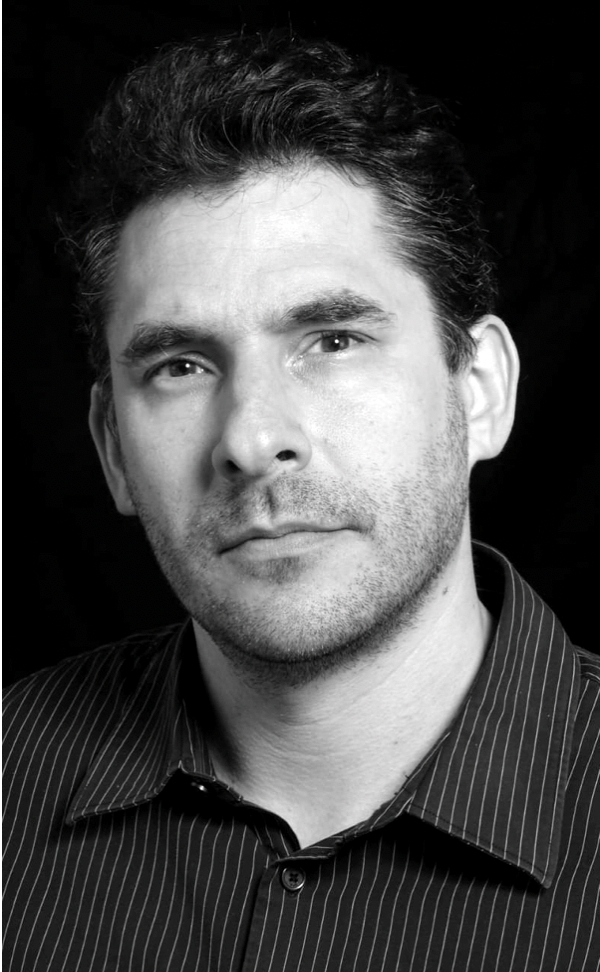
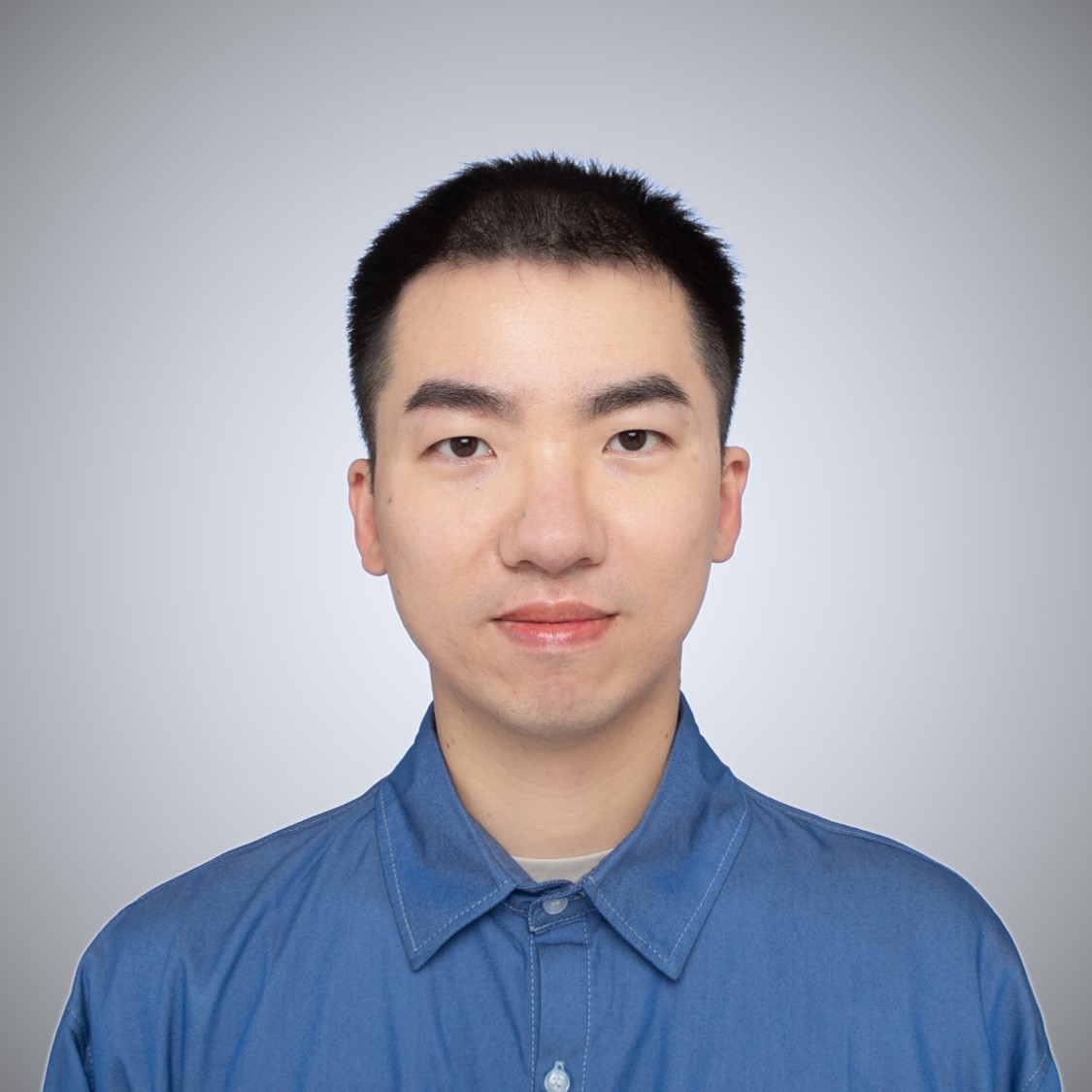
Tomas Karlsson is a Professor and Deputy Head of Department at the Royal Institute of Technology , specializing in Space and Plasma Physics . He teaches courses such as EF2240 Space Physics , EF2245 Space Physics II , and EI1240 Electromagnetic Theory , while serving as examiner or coordinator for advanced projects and thesis work in space-related fields. His research focuses on the interaction between the solar wind and planetary magnetospheres , with specific interests in bow shock physics , magnetosheath jets , solar wind magnetic holes , auroral physics , and comparative studies of magnetospheres across planets and comets. He employs spacecraft data (e.g., MMS , Cluster , BepiColombo ) and simulations to analyze plasma dynamics and space weather phenomena. The 15 most recent publications highlight trends in solar wind turbulence , magnetospheric boundary processes , and planetary plasma interactions , with recurring themes in SLAMS (Short Large-Amplitude Magnetic Structures) , magnetosheath jet formation , and magnetic hole propagation . These works span statistical surveys, hybrid simulations, and multi-mission data analysis.
Dr. John Lehrter is a Professor of Marine Sciences and Associate Director of the Stokes School of Marine & Environmental Sciences at the University of South Alabama, as well as a Senior Marine Scientist at the Dauphin Island Sea Lab. He holds a Ph.D. in Marine Sciences from the University of Alabama (2003). His research focuses on coastal biogeochemistry, ecosystem modeling, and satellite ocean color remote sensing, with an emphasis on understanding eutrophication, hypoxia, and multiple stressor impacts on coastal ecosystems. Dr. Lehrter has advised numerous graduate and undergraduate students and leads a lab engaged in field studies, numerical modeling, and satellite data analysis. His work addresses societal challenges in coastal management and climate change adaptation. Research Interests: Multiple Stressor Impacts to Coastal Ecosystems, Marine Biogeochemistry, Ecosystem Modeling, Satellite Remote Sensing, and Hypoxia Dynamics. His lab develops tools to quantify nutrient pollution effects and predict ecosystem responses to management actions. Advising and Grants: Dr. Lehrter oversees a dynamic lab with graduate students, postdocs, and technicians. Current projects include modeling nutrient dynamics, satellite data applications for water quality, and experimental studies on multiple stressors (e.g., temperature, pH) impacting marine organisms. His lab collaborates with agencies like the EPA and NOAA, contributing to coastal policy and restoration efforts. Labs/Teams: Dauphin Island Sea Lab (DISL) and the University of South Alabama’s Stokes School of Marine & Environmental Sciences. The lab recently established a state-of-the-art facility for multiple stressor experiments on marine species.
David Bastviken is a Professor at the Environmental Change Theme (TEMAM), Linköping University , specializing in environmental science and biogeochemical cycles. His research focuses on greenhouse gas emissions, particularly methane and carbon dioxide, from freshwater systems and human activities, with implications for climate policy and pollution management. Research Pillars : Aquatic greenhouse gas dynamics, chlorine cycling in soils, drinking water disinfection by-products, landscape-scale carbon budgets Methodologies : Drone-based sensing, hyperspectral imaging, sensor networks, cross-disciplinary ecosystem experiments Notable findings include the discovery of underestimated methane emissions from lakes and rivers, the role of trees in methane uptake , and natural chlorine production in boreal forests. His work has been funded by ERC , Formas , VINNOVA , and The Swedish Research Council . Recent publications highlight climate sensitivity of methane emissions, day-night emission patterns , and global methane budget modeling. He leads international collaborations across Amazonas , Arctic , and Boreal regions.
John Taylor is a Professor of Mathematical Physics at the Department of Applied Mathematics and Theoretical Physics (DAMTP), University of Cambridge. His career includes roles as Reader in Theoretical Physics at Oxford University and earlier positions as Lecturer at Cambridge and Imperial College. His research focuses on Gauge Field Theory, Thermal Field Theory, and fluid dynamics with applications to oceanography and climate science. He leads the High Energy Physics research group at DAMTP and contributes to interdisciplinary projects on carbon sequestration and ocean biogeochemical modeling. Key research interests include turbulence in stratified flows, submesoscale ocean dynamics, and climate-related processes such as ice shelf-ocean interactions. His work integrates theoretical physics, computational modeling, and machine learning to address challenges in environmental science. Taylor has authored influential publications, including Hidden Unity in Nature's Laws (2001) and edited volumes on gauge theories. Recent studies explore carbon dioxide removal via macroalgae cultivation and the impact of fluid dynamics on kelp forests. His collaborative projects include developing the OceanBioME framework for coupled biogeochemical and physical ocean modeling.
Dr. Elizabeth Webb is an Associate Professor in the Department of Earth Sciences at Western University, specializing in stable-isotope biogeochemistry. She holds a Ph.D. from Western University (2000) and leads the Laboratory for Stable Isotope Science (LSIS). Her primary affiliations include the Faculty of Science and involvement with the Richard W. Hutchinson Geoscience Collaborative Suite. She teaches undergraduate courses such as Earth Sciences 1086, 2240, and 3341, and graduate seminars (Geology/Geophysics 9580/9680). Dr. Webb's research focuses on understanding climate-vegetation interactions through isotopic analysis of plant materials, soil systems, and paleoenvironmental reconstruction. Key themes include: soil-plant-atmosphere continuum dynamics, paleoclimate modeling using ancient plant remains, carbon sequestration mechanisms, water resource availability in changing ecosystems, and fire history reconstruction in North American prairies. Her lab (BGS 0159, WSC 54) supports projects like developing multi-proxy paleoclimate models through calcite/calcium oxalate/silica biomineralization studies, Si-isotope indicators of weathering rates, and botanical magnetite-based aridity proxies. Recent work explores thermoregulating plant biomineralization processes and fire frequency-climate links. Dr. Webb collaborates with institutions globally, including fieldwork in Maya archaeological sites (Belize/Guatemala) and Canadian prairie ecosystems. She advises students on topics ranging from phytolith isotope analysis to geochemical cycle modeling. Research facilities include access to the Hutchinson Suite's mineral collections and advanced geochemical labs.
Dr. Nathan Sheldon is a Professor in the Department of Earth and Environmental Sciences at the University of Michigan (U-M), part of the College of Literature, Science, and the Arts (LSA). His research focuses on paleoclimatology, environmental biogeochemistry, and biosphere-environment interactions. He leads the Geobiology Research in Terrestrial Systems (GRiTS) lab, which integrates geochemical analyses, stable isotope studies, and modeling to explore Earth’s climate history. Dr. Sheldon’s work emphasizes reconstructing ancient CO2 levels, paleoclimate dynamics, and microbial ecosystems. Education: PhD in Geological Sciences, University of Oregon (2003) BA in Geology, Carleton College (1999) Research Interests: Environmental Biogeochemistry Climate Change and Paleoclimate Geochemical proxies for paleoenvironmental reconstruction Microbialite formation and early Earth systems His lab investigates terrestrial and lake sediment records to understand long-term climate shifts and biosphere interactions. Awards: 2020 AAAS Fellow for contributions to paleosol-based CO2 reconstructions Advising & Labs: Dr. Sheldon mentors students in graduate and undergraduate programs. His GRiTS lab operates from facilities in the North University Building (labs 3501 and 5565). Research includes collaborative projects like the Cenozoic CO2 Proxy Integration Project (CENCO2PIP), aiming to synthesize atmospheric CO2 histories. Key Locations: The lab is based in Ann Arbor, Michigan, on the traditional lands of the Anishinaabeg peoples. Dr. Sheldon’s global fieldwork includes sites in Iceland, Scotland, and the Faroe Islands.
William Newman is a Professor in the Department of Earth, Planetary, and Space Sciences at the University of California, Los Angeles (UCLA), currently on sabbatical at the Institute for Advanced Study in Princeton. His primary academic home resides within UCLA's geoscience and planetary science division. His educational credentials include: B.Sc. (Hon.) in Physics from the University of Alberta, Canada (1971) M.Sc. in Physics from the University of Alberta, Canada (1972) M.S. in Astronomy and Space Science from Cornell University (1975) Ph.D. in Astronomy and Space Science from Cornell University (1979) Professor Newman applies theoretical physics and applied mathematics to solve critical real-world problems across multiple disciplines. His research spans statistical techniques for climate change assessment, earthquake hazard modeling, solar system evolution (including collision risks from trans-Jovian bodies), astrophysical jet dynamics, and pattern emergence in complex systems. This interdisciplinary work bridges geophysics, planetary science, and astrophysics through rigorous mathematical frameworks. His publication record (2024-2016) reveals three dominant research thrusts: (1) Semiconductor electron emission physics (GaAs nanotips, photoemission sources), (2) Solar system dynamics and celestial mechanics (N-body simulations, impact hazards), and (3) Complex systems analysis (earthquake patterns, statistical record-breaking events). These intersect physics, earth sciences, and computational mathematics through shared methodologies in statistical modeling and nonlinear dynamics. At UCLA, Newman developed innovative courses including a natural disasters undergraduate GE course (satisfying diversity requirements) and graduate-level planetary atmospheres and continuum mechanics curricula. His academic contributions include over 100 refereed papers and graduate textbooks published by Princeton and Cambridge University Presses, focusing on mathematical methods for geophysics and space physics.
Dr. Stefan Klus is a Lecturer at the School of Mathematics and Physics, University of Surrey. His research focuses on data-driven model reduction, transfer operator approximation, and kernel-based machine learning applied to dynamical systems. He specializes in interdisciplinary applications across quantum physics, fluid dynamics, and computational biology. Education: PhD in Industrial Mathematics (2011, Paderborn University) and Habilitation (2020, Freie Universität Berlin). Research Interests : Data-driven modeling and reduced-order methods Koopman operator theory and transfer operators Machine learning for dynamical systems (e.g., Deeptime library) Tensor decompositions and quantum systems analysis Graph-based analysis (e.g., microbiome dynamics) Publications : Klus has contributed to over 50 peer-reviewed articles, with recent work emphasizing: Kernel methods for quantum chemistry and physics Tensor-based approaches for high-dimensional systems Applications in climate science (e.g., Pacific SST modeling) Agent-based modeling and social systems Technical Contributions : Co-developer of the Deeptime Python library for dynamical modeling Pioneer in Koopman operator-based model reduction Advanced graph kernel methods for microbiome analysis
Dr. Marion Schrumpf is a Group Leader in the Soil Biogeochemistry research group at the Max Planck Institute for Biogeochemistry, affiliated with the Department of Biogeochemical Processes. Her work focuses on soil carbon dynamics, mineral-organic matter interactions, and climate change impacts on soil systems. Research areas: Soil biogeochemistry, carbon cycling, mineral-soil interactions, nutrient stoichiometry, microbial ecology, and climate modeling. Email: mschrumpf@... Phone: +49 3641 57-6182 Office: B2.015 Her recent publications address themes like mineral control over soil carbon stabilization, drought effects on soil processes, microbial stoichiometric adaptation, and the Jena Soil Model's role in simulating carbon-nutrient interactions. She leads efforts to disentangle the complex relationships between land use, mineralogy, and soil organic matter turnover across diverse ecosystems.
Prof. Florian Zaussinger is a faculty member at the Faculty of Applied Computer and Life Sciences at Mittweida University of Applied Sciences. His research focuses on thermal convection, fluid dynamics, and numerical simulations in both geophysical and astrophysical contexts. He has contributed extensively to studies on microgravity experiments, including the GeoFlow and AtmoFlow projects conducted on the International Space Station (ISS). University: Mittweida University of Applied Sciences Faculty: Applied Computer and Life Sciences Department: Mathematics Contact: +49 3727 58-1381 | florian.zaussinger@hs-mittweida.de | Building 6, Room 6-131 His research involves advanced numerical modeling of complex fluid systems, including spherical convection, dielectric heating, and double-diffusive processes. He has developed and applied computational tools like the ANTARES code to simulate convection in DA white dwarfs, planetary atmospheres, and Earth's mantle. His work bridges theoretical fluid mechanics with experimental validation in space-based microgravity environments. Recent publications highlight his expertise in thermo-electrohydrodynamic convection, planetary fluid flow analysis, and microgravity-induced instabilities. While the scraped data does not list scientific awards or students directly, his academic profile emphasizes interdisciplinary collaboration with engineering and life sciences, particularly in applied mathematics for fluid dynamics and experimental data processing.
Prof. ZHUANG Yizhou is an Assistant Professor in the Department of Geography at Hong Kong Baptist University. His research focuses on weather and climate extremes, climate change attribution, and land-atmosphere coupling. With a Ph.D. in Meteorology from Peking University and extensive postdoctoral experience at UCLA, he brings significant expertise in atmospheric sciences to his academic role. Dr. Zhuang's educational background includes: 2019-2024: Postdoctoral Scholar, University of California, Los Angeles (UCLA), USA 2017: Visiting Graduate Researcher, University of California, Los Angeles (UCLA), USA 2015-2017: Visiting Research Scholar, University of Texas at Austin, USA 2013-2019: Ph.D., Meteorology, Peking University, China 2009-2013: B.S., Atmospheric Sciences (Remote Sensing Focus), Nanjing University of Information Science and Technology, China Dr. Zhuang's research spans multiple critical areas in climate science. His work on weather and climate extremes examines phenomena like wildfires, droughts, and floods. In climate change attribution , he investigates the human influence on extreme weather events, with several publications in PNAS demonstrating how anthropogenic warming has altered drought mechanisms and fire risks. His research on land-atmosphere coupling explores the complex feedback mechanisms between Earth's surface and the atmosphere. Additionally, he applies machine learning techniques and remote sensing technologies to analyze cloud formations and precipitation patterns. Analysis of Dr. Zhuang's recent publications reveals a consistent focus on drought mechanisms and fire weather risk in western North America. His work frequently employs advanced statistical methods like self-organizing maps and canonical correlation analysis to understand complex climate phenomena. A notable trend is his investigation of how anthropogenic climate change is fundamentally altering the nature of droughts, shifting from precipitation-deficit dominated to temperature-driven events, with significant implications for water resource management. Dr. Zhuang has received several prestigious awards for his research contributions: JIFRESSE Outstanding Leadership/Service Award, UCLA, 2023 Richard P. and Linda S. Turco Exceptional Research Publication Award, UCLA, 2023 China Scholarship Council (CSC) Joint Ph.D. Scholarship, 2015-2017 As an academic mentor, Dr. Zhuang supervises graduate students, with evidence of at least one student (G. Wang) whose work has been published under his supervision. He serves as a reviewer for numerous high-impact journals including Proceedings of the National Academy of Sciences (PNAS), Earth's Future, and Geophysical Research Letters. Additionally, he has mentored students in the UCLA Joint Institute for Regional Earth System Science and Engineering (JIFRESSE) Summer Internship Program, with his mentee Annie Rosen winning the 2024 Best JSIP Presentation Award. Dr. Zhuang maintains an active research group, as indicated by his personal website www.zhuangyz.org. His team focuses on climate extremes, attribution studies, and land-atmosphere interactions, with ongoing projects examining drought mechanisms, fire weather risks, and precipitation variability across different regions of the United States, particularly the western states and Great Plains.
Dr. Salih Veziroglu is a post-doctoral researcher and subgroup leader at the Chair for Multicomponent Materials at Kiel University, under Prof. Franz Faupel. His research focuses on functional metal-oxide micro-/nanostructures, including thin films and particles, for applications in energy, self-cleaning surfaces, and sensing technologies. Notably, he has pioneered photocatalytic methods to create conductive metal patterns on titanium dioxide substrates, mimicking axon growth and enabling advanced biomedical and electronic systems. Veziroglu earned his doctoral degree in Materials Science from Kiel University in 2020, supported by Federal State Funding. His work integrates nanomaterial synthesis, surface functionalization, and interdisciplinary applications. Key areas include 3D porous cerium oxide networks for catalysis, superhydrophobic coatings, and biomedical materials like algae-incorporated polylactide acid patches for tissue engineering. His research highlights include strain-invariant all-organic conductors developed with Prof. Adelung's team, and novel methods for gold deposition on titanium dioxide using light-driven processes. These innovations address challenges in energy storage, environmental remediation, and medical device coatings. Veziroglu’s subgroup actively explores gas-phase synthesis techniques, plasma treatments for biofilm decontamination, and material design for high-performance applications. Publications span topics like additive manufacturing of titanium alloys, photocatalytic nanoparticle synthesis, and biomedical coatings. His work emphasizes practical solutions for sustainability and healthcare, driven by advanced material chemistry.
Kristen L. Corbosiero is a Professor in the Department of Atmospheric & Environmental Sciences at the University at Albany, State University of New York. Her primary research focuses on understanding the structure, intensity changes, and environmental interactions of tropical cyclones, including processes like secondary eyewall formation and rapid intensification. She utilizes both observational data and numerical models to explore topics such as cloud microphysics, vertical wind shear effects, and the role of lightning in storm dynamics. Education: PhD, Atmospheric Science, University at Albany, SUNY, 2005 MS, Atmospheric Science, University at Albany, SUNY, 2000 BS with Distinction, Atmospheric Science, Cornell University, 1997 Research Interests: Dr. Corbosiero investigates tropical cyclone behavior, including the formation of hurricane rainbands and secondary eyewalls, the impact of environmental conditions on storm evolution, and the influence of cloud microphysical parameterizations. Her work also addresses the predictability of heavy rainfall events linked to tropical systems, such as atmospheric rivers and remnant cyclones. Articles & Research Trends: Her recent publications emphasize ventilation processes in tropical cyclones, diurnal pulsations in hurricane structure, and the climatological significance of downshear reformation. She collaborates on projects funded by NASA, NOAA, and UCAR, advancing the understanding of cyclone dynamics and forecast improvement. Advising & Students: Dr. Corbosiero has mentored numerous graduate and undergraduate students, many of whom have contributed to studies on tropical cyclone evolution, precipitation patterns, and mesoscale meteorology. Notable advisees include Nicholas Johnson (ventilation in sheared storms) and Alex Mitchell (eastern Pacific cyclone variability). Labs & Teams: Her research group actively explores topics like tropical cyclone predictability, lightning activity in storms, and the North American Monsoon System’s interaction with eastern Pacific systems. Current projects involve ensemble-based sensitivity analysis and high-resolution numerical simulations.
Christoph Schrank is an Associate Professor at QUT's School of Earth and Atmospheric Sciences, specializing in structural geology and rock physics. His research combines field studies with synchrotron-based experimental techniques to investigate deformation processes in tectonic settings. Research focuses on: Synchrotron analysis of rock deformation Tectonic modeling of fault systems Geothermal energy applications Pattern formation in porous media Publication analysis shows emphasis on experimental rock physics (40%), microstructural analysis (30%), and Precambrian tectonics (20%). His work frequently integrates advanced imaging techniques with mechanical modeling. Funded projects include ARC DP170104550 (pressure waves in earthquake mechanics) and DP140103015 (finite strain modeling). Coordinates Honours program for Earth Science and teaches structural geology field methods.
Dr. Éric Hébrard is a Senior Lecturer in Astrophysics at the University of Exeter since 2018, with prior academic roles including NASA Goddard Senior Research Fellow and CNRS Research Associate. His work bridges planetary atmospheres, astrochemistry, and combustion modeling with expertise in 3D chemical simulations. PhD in Physics and Chemistry of Planetary Atmospheres, Université Paris 7 (2006) Magna cum laude Magistère Interuniversitaire de Chimie, ENS Paris (2003) Research focuses on: Exoplanetary atmosphere modeling (hot Jupiters, TRAPPIST-1e) Photochemical kinetics and UV absorption Coupling of atmospheric circulation and chemistry Cross-disciplinary combustion-atmosphere analogs Chemical validation strategies for model accuracy Scientific contributions include: NASA-funded research on organic-rich habitable zones Development of KIDA kinetic database for astrochemistry STFC Consolidated Grant for multi-dimensional chemical models Quantum chemistry integration for Titan atmosphere studies Awards: Higher Education Academy Fellowship (ASPIRE program) NASA Postdoctoral Fellowship (2015-2017) CNES Postdoctoral Fellowship (2007-2009)