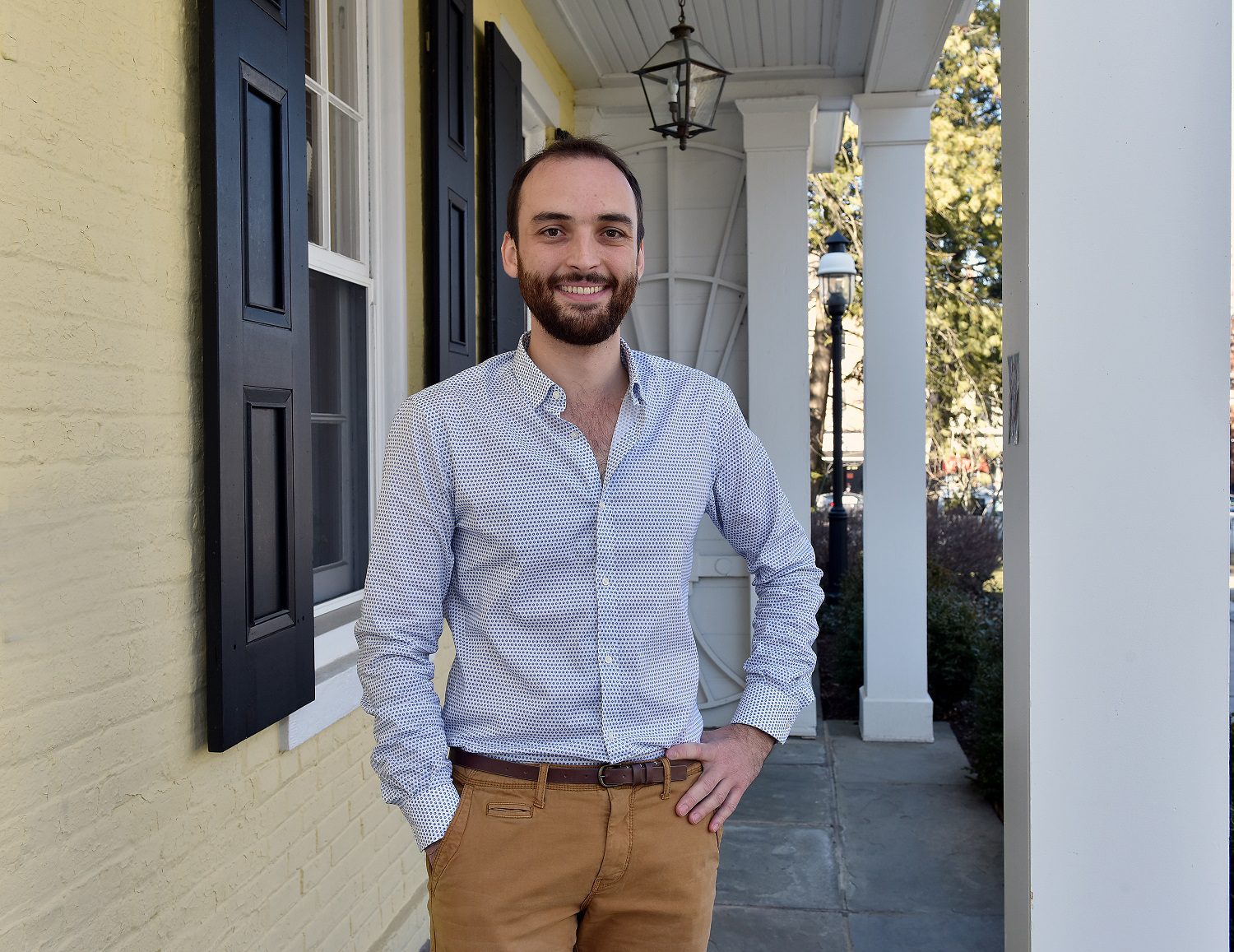
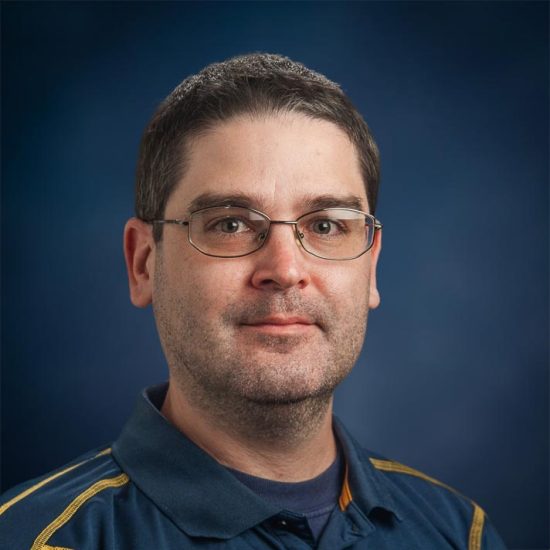
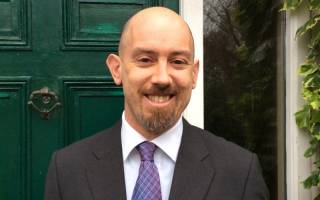
Florian Lionnet is an Associate Professor of Linguistics in Princeton University's Council of the Humanities and Director of Undergraduate Studies. He holds a Ph.D. from UC Berkeley (2016) and joined Princeton in 2017. His research focuses on phonetics/phonology, typology, areal and historical linguistics, and language documentation, with a focus on African and Oceanic languages. Current projects include endangered languages in Chad and New Caledonia, involving annual fieldwork collaborations with anthropologists, ethnomusicologists, and archaeologists. Research interests emphasize tonal systems, phonological representation, and language contact, particularly in Laal (an isolate language), Fanya (Bua), and Khoisan languages. His work bridges theory and practice, contributing to both linguistic theory and endangered language preservation. Articles explore tone phonology, areal patterns, and subphonemic effects, with recent emphasis on Kalahari Basin and Oceanic languages. Teaching responsibilities include directing undergraduate studies in Linguistics. No awards or grants are explicitly listed, though his fieldwork suggests active research funding. His office is located at 1-S-18 Green Hall, Princeton University.
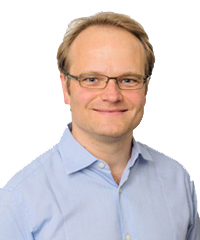
Tarik Abou-Chadi is a Professor in European Union and Comparative European Politics at the University of Oxford's Department of Politics and International Relations, and a Professorial Fellow at Nuffield College. He holds a PhD from Humboldt University Berlin (2015). His research focuses on elections, political parties, and the transformation of democratic representation in post-industrial societies. Key affiliations include the Government and Politics Network, Comparative Politics and Government, and leadership of the Swiss National Science Foundation-funded project on 'Social Status and the Transformation of Electoral Behavior in Western Europe'. He previously served as Assistant Professor at the University of Zurich before joining Oxford. His work appears in top journals like the American Political Science Review and World Politics. Awards include the Henrik Enderlein Prize (2022) and inclusion in Capital magazine's 'Top 40 under 40' (2022). He advises four doctoral students and actively contributes to media commentary on European political trends through outlets like The Economist. Research interests emphasize far-right dynamics, voter behavior, and party strategy in Western Europe. His recent analyses address gendered political preferences among youth, climate policy acceptance, and the electoral consequences of mainstream parties adopting radical-right policies.
Amit Singer is a Professor of Mathematics at Princeton University, specializing in computational methods for structural biology and cryo-electron microscopy (cryo-EM). His work focuses on developing mathematical frameworks and algorithms for analyzing large-scale microscopy datasets, particularly in 3D reconstruction and heterogeneity analysis of molecular structures. He leads research in manifold learning, optimal transport, and harmonic analysis, with applications to cryo-EM, signal processing, and inverse problems. Research interests include: (1) Mathematical methods for cryo-EM, including particle alignment, density map analysis, and subspace-based reconstruction techniques; (2) Development of rotation-invariant representations for imaging problems; (3) Application of machine learning and optimization to biomedical imaging challenges. His contributions bridge pure mathematics (e.g., harmonic analysis, manifold theory) with applied computational techniques for real-world microscopy data. Key trends in his recent articles (2023–2025) include advancements in multi-reference alignment methods, Wasserstein distance-based image registration, and overcoming particle detection limitations in cryo-EM. He also explores sparsity constraints, autocorrelation analysis, and novel algorithms for handling heterogeneous datasets. These methods improve resolution and reduce computational costs in analyzing molecular structures at atomic scales. Notable contributions include the ASPiRE software package for steerable PCA, and foundational work on synchronization problems in cryo-EM orientation estimation. His research often addresses algorithmic scalability and robustness to noise in experimental setups.
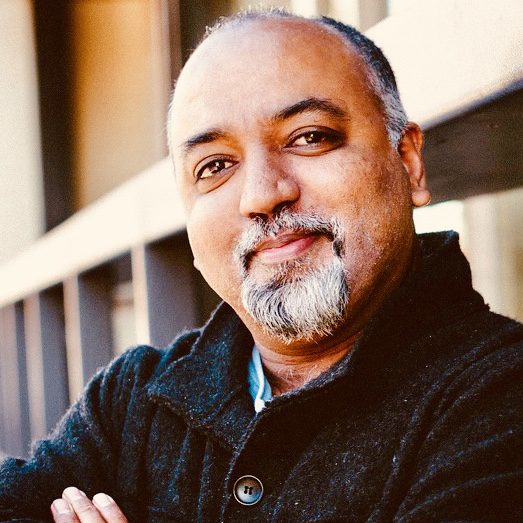
Sai Ravela is a Principal Research Scientist in the Department of Earth, Atmospheric and Planetary Sciences (EAPS) at the Massachusetts Institute of Technology (MIT). His research focuses on nonlinear stochastic dynamics, coherent fluid systems, uncertainty quantification, and autonomous observing technologies. He specializes in developing data-driven methodologies for natural hazard detection, climate change impacts, and environmental risk assessment. Ravela’s work integrates computational science with geophysical applications, including storm surge modeling, extreme rainfall analysis, and geothermal exploration. He pioneers techniques like neural dynamical systems and adversarial learning to improve predictive accuracy in nonstationary climate regimes. His contributions span environmental monitoring systems, autonomous aircraft resilience frameworks, and policy-informed climate vulnerability assessments. Key research areas include: Coastal flood risk in Bangladesh and Vietnam Dynamic data-driven applications systems (DDDAS) Machine learning for geosciences and environmental systems Uncertainty quantification in complex fluid dynamics He leads interdisciplinary projects at MIT’s Computational Science and Engineering (CSE) program, advancing methods for data assimilation, surrogate modeling, and real-time environmental observatories. His innovations bridge theoretical frameworks with practical solutions for climate adaptation and disaster resilience.
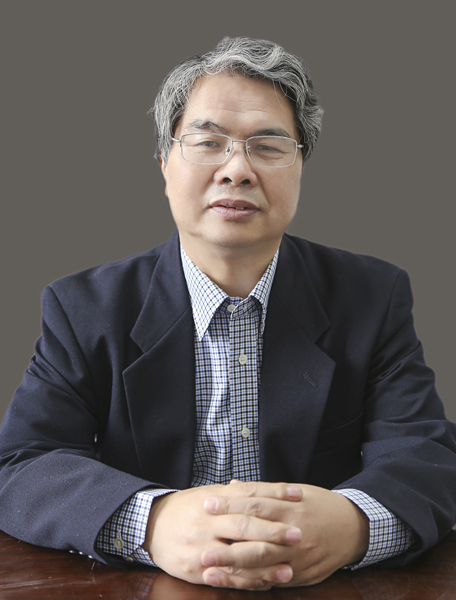
Jiao Licheng is a Distinguished Professor and Doctoral Supervisor at Xidian University, leading the School of Artificial Intelligence and the Department of Computer Science and Technology. He holds prominent roles such as Director of the Key Laboratory of Intelligent Perception and Image Understanding (Ministry of Education) and the International Joint Research Center for Intelligent Perception and Computing. His research focuses on Artificial Intelligence, Deep Learning, Evolutionary Computation, and Remote Sensing, with significant contributions to image understanding and brain-inspired computing. Education: B.E. (1982) from Shanghai Jiao Tong University, M.E. (1984) and Ph.D. (1990) from Xi'an Jiaotong University. Postdoctoral research at Xidian University (1990–1992). Research Interests include AI, Machine Learning, Image Processing, and Big Data Analysis. His work bridges theoretical advancements and practical applications, such as medical imaging, SAR image analysis, and autonomous systems. Recent articles emphasize innovations in remote sensing, deep learning architectures, and evolutionary algorithms. Awards include IEEE Fellow, IET Fellow, and the Wu Wenjun Artificial Intelligence Outstanding Contribution Award. Labs/Teams: Key Lab of Intelligent Perception, International Joint Research Center, and leadership in national innovation bases. Active in academic societies, including editorial roles in IEEE Transactions on Cybernetics and Geoscience and Remote Sensing.
Stephan Schmidt is an Associate Professor at Cornell University's College of Architecture, Art and Planning, affiliated with the Department of City and Regional Planning. His research bridges urban spatial patterns, planning institutions, and sustainability outcomes across Europe, sub-Saharan Africa, and China. Education: PhD in Urban Planning from Rutgers University MS in Landscape Architecture from the University of Washington His work examines: land-use policy evolution in Europe; urbanization dynamics in African cities; and polycentricity trends in Chinese metropolises. Recent studies focus on climate risk mitigation through urban form, including urban heat island effects and air pollution in German regions. Key trends in his 2024-2022 publications: comparative analysis of polycentric urban systems; GIS-based spatial pattern evaluation; and institutional impacts on sustainable development. Awards include Cornell's Global Strategic Collaboration Award and German Academic Exchange Service grants. Scientific Awards: Cornell Global Strategic Collaboration Award (2024) Cornell Center for Social Sciences Accelerated Research Grant (2024) German Academic Exchange Service (2019) Advising includes mentoring graduate students like Juan Fernandez, Justin Peng, and Hassan Yakubu on projects analyzing urban morphology. His lab investigates intersections between spatial patterns and environmental outcomes, including climate change adaptation in Tanzanian cities and park fragmentation in German metropolises.
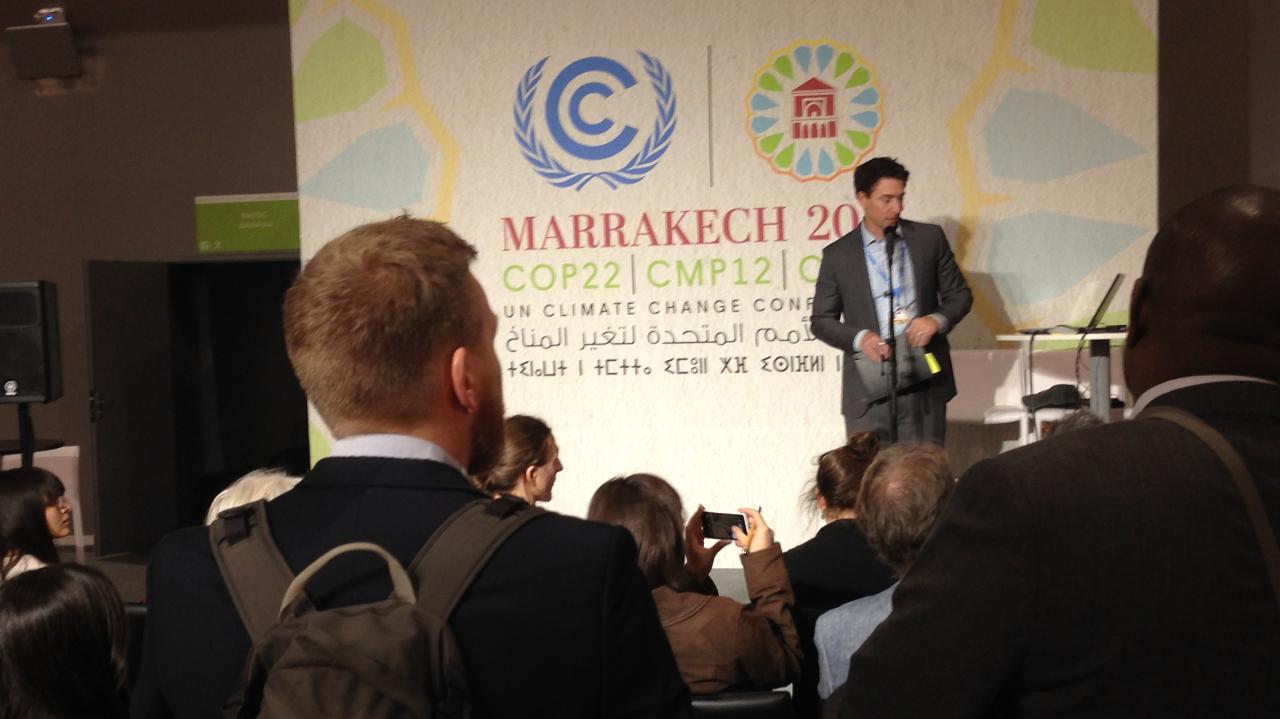
Maxwell (Max) Boykoff is a Professor in the Environmental Studies department at the University of Colorado Boulder and a Fellow in the Cooperative Institute for Research in Environmental Sciences (CIRES). He holds a PhD in Environmental Studies from the University of California, Santa Cruz (2006) and an MBA from the University of Colorado Boulder (2023), complementing his BS in Psychology from The Ohio State University. His research focuses on two primary arenas: the cultural politics of science, climate change and environmental issues, examining how attitudes and behaviors shape action possibilities; and transformations of carbon-based economies, with emphasis on science-policy interfaces and decarbonization politics. His work explores how climate science finds meaning in everyday life and feeds back into policy decisions. Boykoff's publications demonstrate consistent focus on climate communication, media representations, policy conflicts, and societal transformations. His recent work emphasizes digital communication strategies, climate health connections, countermovement analysis, and creative engagement methods. Article trends show increasing attention to social media dynamics, global comparative studies, and interdisciplinary approaches spanning environmental studies, communication, and political science. Awards & Recognition: CU Excellence in Leadership Program (2022) Contributing Author to IPCC Sixth Assessment Report Deputy Editor at Climatic Change journal (over a decade) He leads significant research initiatives including the Media and Climate Change Observatory (MeCCO) monitoring global climate coverage across 82 sources in 40+ countries, Inside the Greenhouse (creative climate communication project), and the Colorado Local Science Engagement Network . He serves on the Independent Science Panel for New Zealand's Deep South Challenge. Boykoff teaches courses including Climate Change Politics & Policy, Creative Climate Communication, Political Economy and the Environment, and Science & Environmental Communication. He mentors through the Red Cross/Red Crescent Climate Centre Internship Program and integrates research with teaching and service commitments.
Madeleine Torcasso is an Assistant Professor in the Department of Medicine-Hematology and Oncology at the University of Chicago. She leads the Torcasso Lab, which investigates spatial patterns of disease within native tissue environments, bridging computational methods with clinical applications. Her research focuses on tumor-immune interactions using high-dimensional spatial proteomic and transcriptomic data to uncover mechanisms of disease progression and therapeutic resistance. Her lab integrates artificial intelligence with spatial omics to identify biomarkers and decode cellular communication in the tumor microenvironment. Key research interests include computational pathology, spatial biology, and translational oncology, with an emphasis on developing analytical tools for complex tissue data. Her sole recent publication (2024) introduces a computational method for classifying cells in multiplexed immunofluorescence images, advancing automated analysis of tissue microenvironments. No awards, students, or grants are detailed in available sources.
Ralf Haefner is an Assistant Professor in the Departments of Brain & Cognitive Sciences and Physics & Astronomy at the University of Rochester, holding this joint appointment since 2014. His interdisciplinary research bridges neuroscience and physics to investigate computational principles of perception and decision-making. Education and professional background: PhD, Oxford University, 1999 Visiting Research Fellow, Department of Neurobiology, Harvard Medical School Swartz Fellow, Sloan-Swartz Center for Theoretical Neurobiology, Brandeis University Haefner's research program centers on computational neuroscience , with primary focus on how the brain forms perceptual beliefs and uses them for decisions through Bayesian modeling . He employs machine learning tools to construct mathematical models explaining neural responses and behavior, particularly in the visual domain. His work addresses neural representation of uncertainty, causal inference mechanisms, and probabilistic computation in cortical circuits. Analysis of recent publications (2023-2025) reveals three dominant trends: (1) causal inference frameworks applied to motion perception and segmentation, (2) Bayesian modeling of perceptual biases and confidence computations, and (3) integration of generative and discriminative neural computations. His work extends beyond traditional neuroscience into scientific methodology through 'Generative Adversarial Collaborations' for improving research discourse. Honors and Awards: Swartz Fellowship, Sloan-Swartz Center for Theoretical Neurobiology NSF CAREER Award (2022) for 'Approximate inference at the intersection of neuroscience and machine learning' Haefner secured significant research funding through his NSF CAREER award, which supports foundational work on probabilistic inference at the neuroscience-ML interface. While specific students aren't listed, his active publication record and lab infrastructure suggest ongoing mentorship of graduate students and postdocs. His research has clinical relevance as shown by studies on perceptual abnormalities in autism spectrum disorder, indicating translational potential for understanding neurological conditions.
Dr. Michael Baym is an Associate Professor of Biomedical Informatics at Harvard Medical School with affiliate appointments in Microbiology and the Laboratory of Systems Pharmacology, and as an Associate Member of the Broad Institute. He leads the Baym Lab, which studies microbial evolutionary genomics and antibiotic resistance through a hybrid of experimental, computational, and theoretical approaches. His research focuses on: Antibiotic Resistance Evolution and practical interventions Mobile Genetic Elements (plasmids, phages, transposons) Computational Genomic Algorithms for big data analysis Synthetic Biology tools and technologies Key recent publications explore phage discovery systems , phylogenetic compression of microbial genomes, and RNA-guided gene drives in plasmids. His work is supported by multiple NIH/NIGMS and NSF grants including a MIRA award. Scientific honors include: Packard Fellowship (2018) Pew Biomedical Scholarship (2020) Sloan Research Fellowship (2020) A. Clifford Barger Excellence in Mentoring Award (2021) SSQBio Mentorship Award (2022) The lab actively trains PhD students and postdoctoral fellows with alumni occupying academic and industry positions globally. Current team members include researchers from interdisciplinary backgrounds working at the intersection of experiment, computation, and theory .
Gavan J. Fitzsimons is the Edward S. & Rose K. Donnell Distinguished Professor of Marketing and Psychology at Duke University's Fuqua School of Business , with a secondary appointment in the Department of Psychology & Neuroscience. He is a Faculty Network Member of the Duke Institute for Brain Sciences . His research bridges consumer psychology, behavioral decision-making, and social cognition, focusing on nonconscious influences on consumption patterns. Education: Ph.D., Columbia University (1995) Key research themes include subconscious consumer behavior , brand relationships , health-related consumption , and social dynamics in purchasing decisions . Recent work examines financial stress effects on purchase satisfaction, secret consumer behaviors in relationships, and pandemic-related decision-making. Notable trends in his 2023-2025 publications involve Marketing's subconscious influence (2025: Quality-Quantity Tradeoffs) Brand teasing as relationship-building (2025: Humor in Branding) Financial constraint effects on consumer happiness (2024: Opportunity Cost Analysis) Crisis behavior during pandemics (2024: Prosociality Across 39 Countries) Health behavior spillovers in families (2024: Parental Food Choices) Scientific Contributions include Foundational work on nonconscious consumer psychology (2008 JCP editorial) Methodological innovations in moderated regression analysis (2013 JMR ) Behavioral economics of brand sincerity effects (2015 JCR )
Hakwan Lau is a tenured Professor of Psychology at the University of California, Los Angeles (UCLA), where he is also a member of the Brain Research Institute. Additionally, he serves as Co-Director of the IBS Center for Neuroscience Imaging Research in South Korea, leading the Systems and Intervention Neuroscience (SIN) group. His work spans consciousness, metacognition, and perceptual reality monitoring, employing advanced neuroimaging and computational techniques. Education: Born and raised in Hong Kong, Hakwan Lau pursued graduate studies in England. He was previously an Associate Professor at Columbia University in New York before moving to UCLA, where he is now tenured. From 2017-2020, he was primarily based at the University of Hong Kong. Research Interests: Lau's lab investigates why we have subjective experiences , focusing on visual awareness, spatial attention, and metacognition. They use fMRI, decoded neurofeedback (DecNef), psychophysics, and computational modeling to explore how conscious perception arises and its clinical applications, such as treating phobias and PTSD. Research Trends: His recent work emphasizes decoded neurofeedback interventions for clinical conditions like phobias and PTSD, metacognitive mechanisms underlying confidence judgments, and neural correlates of subjective experience . The research bridges theoretical neuroscience with practical therapeutic applications, often using innovative techniques like closed-loop fMRI. Scientific Awards: While specific awards are not listed in the provided text, Lau has mentored 15 former trainees who are now independent PIs , reflecting his significant impact on the field. Advising and Grants: Lau actively advises numerous PhD students and postdocs across UCLA, the University of Hong Kong, and collaborative institutions. His lab supports projects ranging from AI-driven fMRI analysis to clinical neurofeedback trials . Labs and Teams: Lau leads the Metacognition and Consciousness Lab at UCLA, now relocated to the RIKEN Center for Brain Science near Tokyo. His team includes researchers from diverse backgrounds, focusing on interdisciplinary approaches to consciousness and metacognition.
Aura Istrate is a Lecturer/Assistant Professor in Urban Planning & Sustainable Urbanism at the School of Architecture, Planning and Environmental Policy at University College Dublin (UCD). With an international background spanning multiple continents, she conducts interdisciplinary research on sustainable urban development, focusing on active mobility, nature-based solutions, and climate-neutral cities. She teaches GIS and urban planning modules while coordinating several significant research projects across European and Asian contexts. University College Dublin, School of Architecture, Planning and Environmental Policy Primary Coordinator of C-NEWTRAL (Horizon MSCA-DN 2024-2028) Co-Leader of REALLOCATE (Horizon Europe project 2023-2027) Principal Investigator for BIODIVERSA+ projects (NatureScape and NBS4AQUAMISSION) Educated at the University of Architecture and Urban Planning 'Ion Mincu' in Bucharest (BA and MA) and the University of Liverpool (PhD), Dr. Istrate further enhanced her teaching credentials with a Professional Certificate in University Teaching & Learning from UCD. Her academic journey reflects a strong foundation in architectural and urban planning principles combined with specialized expertise in sustainable urbanism. Dr. Istrate's research focuses on smart and sustainable urbanism, particularly examining active mobility, livable streets, green public spaces, and nature-based solutions in urban planning. Her work employs participatory, geospatial, and mixed methods to inform smart communities and the transition to climate-neutral cities. She has practical international experience in urban design and planning, with ongoing collaborations spanning European and Asian countries, currently teaching and researching across cultures in UCD and UCD's International Colleges (CDIC). Her recent publications reveal a strong focus on street vitality, urban heat adaptation, and nature-based solutions. The research demonstrates methodological diversity combining quantitative spatial analysis with qualitative community engagement approaches. Her work spans multiple geographic contexts, with particular expertise in Chinese urban environments and European cities, showing how urban planning concepts need to be contextualized for different cultural settings. The articles consistently address climate adaptation challenges through innovative approaches like urban nature games and fine-grained street classification systems. Dr. Istrate serves as a PhD thesis supervisor and is actively involved in major research initiatives including C-NEWTRAL (as Primary Coordinator), REALLOCATE (as Co-Leader), and BIODIVERSA+ projects (as PI for NatureScape and NBS4AQUAMISSION). Her grant portfolio includes Horizon Europe projects and other significant funding that supports interdisciplinary research on climate-neutral urban development. She has coordinated multiple teaching modules including Planning Design & Development, GIS & Planning, Intro to Spatial Planning, and Local Planning Studio. She leads international research collaborations and maintains active partnerships across various European and Asian countries. Her work bridges academic research with practical urban planning applications, particularly through her focus on research-by-design approaches and participatory methods that engage communities in the planning process. She has served as a lecturer, tutor, or teaching assistant across departments of Architecture, Planning, Environmental Studies, Global Studies, and Human Geography in Ireland, the UK, Czechia, Sweden, China, and Romania since 2010.
Dr. Stephen Reysen serves as Professor in the Department of Psychology and Special Education within the College of Education and Human Services at East Texas A&M University, where he has held progressively senior positions since 2009. His expertise centers on social psychology with specialized focus on fan communities and identity formation across diverse cultural contexts. His educational foundation includes: Ph.D. in Social Psychology from University of Kansas (2009) M.A. in Psychology from California State University, Fresno (2005) B.A. in Psychology from University of California, Santa Cruz (2003) Reysen's research program investigates fanship phenomena through rigorous examination of anime enthusiasts, furries, and bronies (My Little Pony fans), revealing universal psychological mechanisms across seemingly disparate communities. His work on global citizenship explores how transnational identities develop, while his foundational research on collective identity examines its impact on social behavior and attitudes. Methodologically, he employs longitudinal designs and cross-cultural comparisons to uncover deep psychological patterns. Publication analysis shows consistent thematic focus on identity expression within specialized communities, with increasing methodological sophistication from descriptive studies (2016 furry research) to comprehensive theoretical frameworks (2018 global citizenship review) and finally to in-depth community analyses (2019 bronies study). This trajectory demonstrates growing influence in applying social psychology to unconventional cultural domains. His research excellence is recognized through: Chuck Arize Excellence in Research Award (2020) Professor of the Year honor (2017) Dual research awards including Provost Award and Outstanding Researcher (2012) Reysen actively mentors undergraduate researchers through PSY 413 Research Apprenticeship, encouraging early lab involvement. His current longitudinal study on anime fans represents significant grant-funded work through the International Anthropomorphic Research Project, with future expansion planned across multiple fandoms. He teaches core courses including Social Psychology (his specialty), Group Dynamics, and Doctoral Dissertation supervision. He co-directs the International Anthropomorphic Research Project and leads the multi-year anime fan longitudinal study, building collaborative teams that bridge academic research with community engagement in specialized fan cultures.
Dr. Richard McMahon is a Lecturer in EU Politics at the Department of Political Science, University College London (UCL). He specializes in the intersection of political narratives, cultural identity, and European integration. His research focuses on how conceptualizations of Europe and national identities shape political dynamics, with current emphasis on China-EU mutual representations. Previously, he held roles at the University of Portsmouth, University College Cork, and others. McMahon earned his PhD in History and Civilisation from the European University Institute, analyzing transnational race scientists' efforts to classify Europeans by race. His research spans EU narratives, counter-narratives in populist politics, and the historical context of race classification. Recent work includes co-editing special issues on EU narratives and Chinese-EU relations. He has taught widely across institutions, covering EU studies, international law, and cultural studies. McMahon's interdisciplinary approach bridges political science, history, and anthropology, addressing topics like Brexit, enlargement, and transnational scientific networks. Publications include monographs such as The Races of Europe: Construction of National Identities in the Social Sciences, 1839-1939 and edited volumes on transnational power struggles and European integration narratives. His work frequently appears in journals like Journal of Contemporary European Studies and European Societies .