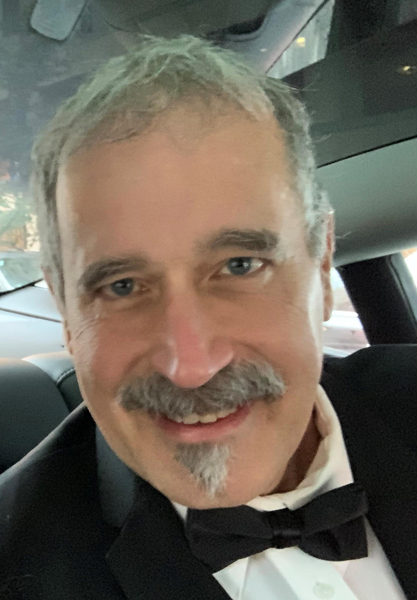
Sunder Kekre is the Vasantrao Dempo Professor of Operations Management at Carnegie Mellon University’s Tepper School of Business , where he has held academic appointments since 1984. His research focuses on manufacturing systems, global supply chains, and healthcare operations management. Research Expertise : New product development structures, strategic costing, lean innovation, knowledge sharing in enterprise networks, and business analytics for coordinated supply chains. Key Publications : Contributions to journals like Management Science , Operations Research , and Production and Operations Management , with work on LNG storage valuation, RFID logistics, and healthcare disparities. Scientific Recognition : Dempo Chair Professorship Bosch Chair Professorship Best Paper Award (1995) Teaching : Courses in Operations Management, Strategic Management of the Enterprise, and Information Systems Project. Non-Academic Experience : Prior engineering roles at Tata Steel (1974-1980) and consulting engagements with Fortune 500 firms like Bosch, Caterpillar, and IBM.
Michael Schaub is a tenure-track Assistant Professor in the Department of Computer Science at RWTH Aachen University, specializing in Computational Network Science. His research focuses on analyzing complex systems through network and graph models, integrating dynamical systems, control theory, and machine learning. He leads the Computational Network Science group, advancing methodologies for higher-order network models like simplicial complexes and hypergraphs. Schaub holds a PhD from Imperial College London and has held postdoctoral positions at MIT and Oxford. He is an ERC Starting Grant recipient (2022) and a Marie Curie Fellow, recognized for contributions to network dynamics and topological data analysis. Education: PhD in Mathematics, Imperial College London (2011-2015) MSc in Biomedical Engineering, Imperial College London (2010) BSc in Electrical Engineering, ETH Zurich (2007-2010) Research Interests: Schaub’s work spans interdisciplinary applications of network science, including biological systems, social networks, and technical infrastructures. Key areas include: Higher-order network models (hypergraphs, simplicial complexes) Graph signal processing and dynamics on networks Community detection and dynamical systems analysis Topological data analysis and machine learning Grants & Awards: ERC Starting Grant (2022): HIGH-HOPeS project Marie Skłodowska-Curie Fellowship (2017-2019) Junior Fellow, German Informatics Society (GI) Member of Junges Kolleg (North Rhine-Westphalia Academy) Labs & Teams: Leads the Computational Network Science Lab at RWTH Aachen, collaborating internationally on projects like the ELLIS Society and the European Laboratory for Learning and Intelligent Systems (ELLIS). Active in organizing workshops (e.g., Toponets, SIAM MDS).
Dr. Dominika Ignasiak is a Researcher affiliated with the Institute of Biomechanics at ETH Zürich. Her work focuses on spinal biomechanics, musculoskeletal modeling, and computational analysis of spinal pathologies. She contributes to understanding the biomechanical implications of surgical interventions, spinal deformities, and age-related changes in spinal alignment and loading. Her research integrates clinical data with advanced musculoskeletal modeling techniques, particularly in predicting postoperative outcomes and assessing spinal load distributions under dynamic conditions. Key areas include spinal stenosis, idiopathic scoliosis, and the biomechanics of spinal fusion surgery. Dr. Ignasiak collaborates on translational studies bridging computational simulations with clinical applications. Her publications emphasize the role of personalized models in optimizing surgical strategies and understanding degenerative spinal conditions. While no formal awards are listed, her contributions to spinal biomechanics research are evident through her active publication record in high-impact journals. Dr. Ignasiak is based at ETH Zürich’s Institute of Biomechanics, where she engages in cutting-edge research and contributes to both academic and clinical advancements in orthopedic biomechanics.
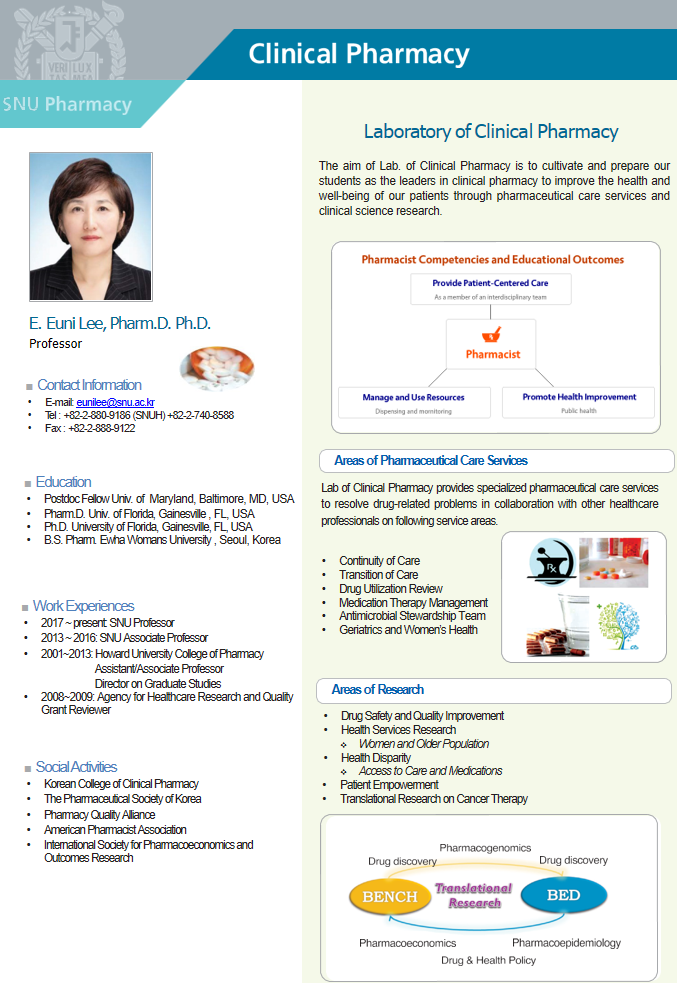
Professor Kim Eun-kyung is a full-time Professor at the College of Pharmacy , Seoul National University , South Korea. She directs patient-oriented research at the intersection of pharmacy, public health and clinical epidemiology, leading projects that range from nationwide pharmaco-epidemiologic cohort analyses to qualitative investigations of pharmacist-led care models. Education Ph.D. & Pharm.D., University of Florida, USA Research Interests Professor Kim’s research program is built on five mutually reinforcing pillars: Population-based patient care research – leveraging large national databases to understand medication utilization and outcomes in real-world settings. Drug safety and patient empowerment – identifying adverse drug reactions and developing interventions that enable consumers and clinicians to report and prevent harm. Access to care and medications in underserved and special populations – examining barriers faced by the elderly, rural residents, patients with rare diseases, and those undergoing high-cost procedures such as hematopoietic stem-cell transplantation. Disease prevention and appropriateness of therapy – evaluating preventive pharmacotherapy (e.g., anti-osteoporosis drugs, vitamin D) and ensuring evidence-based prescribing. Quality improvement in health-care delivery – designing multidisciplinary models that integrate pharmacists into care teams to optimize medication therapy and reduce drug-related problems. Publication Trends Across 2017–2020, Professor Kim has published extensively in International Journal of Environmental Research and Public Health , Clinical Nutrition , Medicina , BMC Public Health , Blood Research , Neuroepidemiology and other peer-reviewed journals. Her work characteristically combines rigorous secondary-data analyses of Korean or US national health surveys with systematic reviews/meta-analyses focusing on drug safety endpoints. Themes include neurological adverse events (trimetazidine-induced parkinsonism), hematologic toxicities (linezolid-induced thrombocytopenia), nutritional and metabolic complications in critical care, and access/utilization of medications in vulnerable populations. Scientific Awards & Honors (None listed in the provided texts) Grants & Research Support While specific grant identifiers are not detailed in the supplied pages, the breadth of large-scale database studies and multi-institutional collaborative projects implies sustained funding from national agencies such as the Korea Health Industry Development Institute (KHIDI) or the Ministry of Health & Welfare. Laboratory & Team Professor Kim leads an active research group located in Yeongeon Campus 17-201. The team integrates graduate students, post-doctoral researchers, pharmacists and biostatisticians working together on pharmacoepidemiology, patient-reported outcomes and health-services research.
Alexa Siddon, MD, is an Assistant Professor in the Department of Laboratory Medicine at Yale School of Medicine, with secondary appointments in Pathology. She serves as Hematopathology Fellowship Director, Director of the Molecular Diagnostics Laboratory, Director of Flow Cytometry, and Associate Director of the Hematology Laboratory. She is also affiliated with the Yale Cancer Center, Clinical Flow Cytometry Laboratory, and the Hematopathology Laboratory at the Veteran Affairs Connecticut Healthcare System. Dr. Siddon's research focuses on hematopathology, particularly myeloid malignancies, acute leukemias, and post-transplant monitoring. Her work integrates molecular diagnostics, flow cytometry, and genomic analysis to improve patient diagnosis and outcomes. She has co-authored over 10 peer-reviewed articles in recent years, frequently collaborating with leading hematologists and pathologists such as Christopher Tormey, Henry Rinder, and Rory Shallis. Her publications reveal a strong trend in translational research, emphasizing the clinical implications of genetic mutations (e.g., TP53, NPM1, IDH1/2), chimerism testing post-transplant, and immunophenotypic characterization of hematologic malignancies. The research spans disciplines including oncology, molecular biology, immunology, and clinical pathology, with a clear focus on precision diagnostics and prognostic modeling. Scientific Awards: ASCP Distinguished Educator Award Paul J. Strandjord Young Investigator Award Donald H. Buchholz Research Prize Dr. Siddon is actively involved in medical education, directing fellowship programs and mentoring trainees. She has no reported grants listed in the text, but her leadership in diagnostic laboratories and active publication record suggest ongoing research funding. She is not part-time, not retired, and remains a current, active faculty member. She is affiliated with multiple research entities including the Cancer Immunology Center, Center for Biomedical Data Science, and the Yale Cancer Center, contributing to interdisciplinary teams focused on hematologic malignancies and diagnostic innovation.
Matt Ratto is a full Professor in the Faculty of Information at the University of Toronto , where he also serves as Associate Dean, Research . He is a faculty affiliate of the Climate Positive Energy Institute , the Schwartz Reisman Institute for Technology and Society , and an SDG Fellow with the Sustainable Development Goals Institute . His work bridges critical theory and digital innovation , focusing on the social production of knowledge through emerging technologies. His research explores critical making and socio-technical systems , with applications in 3D-printed prosthetics (deployed in Cambodia, Tanzania, and Uganda), AI-driven healthcare solutions , and climate justice in computing . He has received over $6 million in funding, including two Canada Grand Challenge grants , and founded organizations advancing equitable technology access. Ontario Minister of College and Universities’ Award of Excellence (2020) Bell Canada Usability Labs Chair in Human-Computer Interaction (2018–2023) He supervises students such as Olivia Doggett and Sarah Gram , with past advisees including Brian Sutherland and Dan Southwick . His Critical Making Lab fosters interdisciplinary collaboration, and he teaches courses like INF2241: Critical Making and INF351: Information Design Studio .
Alan Bovik is the Cockrell Family Regents Endowed Chair Professor in the Department of Electrical and Computer Engineering at The University of Texas at Austin's Cockrell School of Engineering. He also holds positions at The Institute for Neurosciences and serves as Director of the Laboratory for Image and Video Engineering (LIVE). With a career spanning over three decades at UT Austin, he has progressed from Assistant Professor (1984-1988) to Associate Professor (1988-1994) to his current position as Full Professor (1994-present). Dr. Bovik received his Ph.D. in Electrical and Computer Engineering in 1984 from the University of Illinois, Urbana-Champaign. Professor Bovik's research focuses on image and video quality assessment, visual perception, and digital media processing. He is renowned for developing groundbreaking algorithms including the Structural Similarity (SSIM) index, Visual Information Fidelity (VIF), and various blind quality assessment models like BRISQUE and NIQE. His work bridges engineering and neuroscience, creating perception-based models that optimize visual media delivery while reducing bandwidth consumption. These innovations have had profound industry impact, with his algorithms processing a significant proportion of global internet video traffic. His recent publications demonstrate continued leadership in perceptual quality assessment, with increasing focus on AI-generated content, high dynamic range (HDR) video, and novel applications in medical imaging. The research shows a clear trajectory toward more sophisticated, neural network-based quality metrics that better align with human visual perception across diverse content types. Professor Bovik has received numerous prestigious awards recognizing his contributions to the field: John Fritz Medal (2024) IEEE Edison Medal (2022) IAMB BaM Award (2022) Elected to the United States National Academy of Engineering (2022) Technology and Engineering Emmy Award (2021) IEEE Fourier Award for Signal Processing (2019) Progress Medal from The Royal Photographic Society (2019) Named Honorary Fellow of The Royal Photographic Society (2019) Primetime Emmy Award (2015) Edwin H. Land Medal from The Optical Society (2017) As Director of the Laboratory for Image and Video Engineering (LIVE), Professor Bovik has secured substantial research funding from organizations including the National Science Foundation and the National Institute for Standards and Technologies. His lab has produced numerous influential datasets including the LIVE Image and Video Quality Databases. He has mentored many successful students who have gone on to make significant contributions in academia and industry, though specific student names are not provided in the source materials. The Laboratory for Image and Video Engineering (LIVE) under Professor Bovik's direction has become a world-renowned center for research in perceptual image and video quality. The lab maintains close collaborations with major technology companies including Netflix, Amazon, and YouTube, ensuring that research has direct practical applications. LIVE has developed numerous influential tools and databases that are widely used in both academic research and industrial applications worldwide.
Jonathan L. Rogers is a Professor in the Accounting Department at Leeds School of Business, University of Colorado Boulder. He maintains his office in Koelbel Building, room 433, and can be contacted at jonathan.rogers@colorado.edu or by phone at 303-735-6620. Dr. Rogers received dual bachelor's degrees from the University of Texas in 1996: one in Business Administration with a focus in finance, and another in Economics with a minor in accounting. He earned his PhD in Accounting from the Wharton School of the University of Pennsylvania in 2005. He is also a certified management accountant and certified in financial management, though both certifications are currently inactive. Dr. Rogers' research focuses on voluntary disclosure, market microstructure, multinational firms, insider trading, and stock return volatility . His work has been published in all three top accounting journals (Journal of Accounting Research, Journal of Accounting and Economics, The Accounting Review) and has received significant attention from major media outlets including The Wall Street Journal, The New York Times, Financial Times, Fortune, Reuters, Bloomberg TV, and CNBC. His research has also been cited by members of Congress. His recent publications span a diverse range of topics from accounting and finance to meteorology and healthcare, reflecting interdisciplinary collaborations. Major themes in his work include financial disclosure practices, market microstructure, insider trading, and the dissemination of financial information. His research on SEC dissemination in high-frequency trading environments has been particularly influential in both academic and regulatory circles. 2015 EKS&H Faculty Fellowship 2015 RAST Conference Best Paper Award 2011 Fama-Miller Center Research Grant 2010 William Ladany Faculty Scholar 2009 Ernest R. Wish Award 2009 Initiative on Global Markets Research Grant 2003 Deloitte Foundation Doctoral Fellowship European Accounting Association's 2003 Doctoral Colloquium Fellowship 2001 Geewax, Terker & Company Prize for Investment Research Dr. Rogers serves on the editorial board of the Journal of Accounting Research and works as an ad hoc reviewer for the Journal of Finance, the Accounting Review, the Journal of Accounting and Economics, the Review of Accounting Studies, Contemporary Accounting Research, American Accounting Association Midyear, and the Annual and FARS section meetings. His research has been supported by numerous grants including those from the Fama-Miller Center, Initiative on Global Markets, and the Deloitte Foundation. While specific information about his laboratory or research team is not provided in the available text, his extensive publication record and editorial roles suggest he likely collaborates with multiple researchers and potentially supervises graduate students in accounting research.
Anthony A Gatti is a Postdoctoral Scholar at Stanford University's Wu Tsai Human Performance Alliance and School of Medicine. His research integrates biomechanics , medical imaging , and machine learning to advance musculoskeletal health diagnostics, particularly focusing on knee osteoarthritis and exercise physiology. Education : Ph.D. in Rehabilitation Science (McMaster University, 2021), M.Sc. in Rehabilitation Science (McMaster University, 2015), B.Sc. in Kinesiology (McMaster University, 2013) His research develops automated tools for quantifying knee anatomy and integrating anatomical data with biomechanical models . These methods analyze acute responses to exercise and long-term joint degeneration, leveraging MRI , deep learning , and statistical shape modeling . Recent publications emphasize AI-driven segmentation , exercise-induced cartilage changes , and biomechanical simulations , spanning journals like Magnetic Resonance in Medicine and Arthritis & Rheumatology . Trends include machine learning validation for clinical predictions and open-source tool development for musculoskeletal analysis. Scientific Awards : CIHR Postdoctoral Fellowship (top 1%), Mitacs Accelerate Entrepreneur, Forge Student Start-Up Competition Winner, multiple scholarships from McMaster University He founded NeuralSeg , a company commercializing deep learning-based MRI segmentation technology. Collaborations include Stanford's Digital Athlete Moonshot Project with advisors like Scott Delp and Garry Gold.
Sylvia Richardson is an MRC Investigator at the MRC Biostatistics Unit and holds a Research Professorship at the University of Cambridge, where she served as Director of the Biostatistics Unit from 2012 to 2021. She is affiliated with the Cambridge Mathematics of Information in Healthcare Hub (CMIH) at the Centre for Mathematical Sciences. Her work bridges advanced statistical methodology with critical healthcare applications, particularly in the analysis of complex biomedical data. Richardson's research spans multiple domains of biostatistics with a strong emphasis on Bayesian approaches. Her work has significantly advanced spatial modeling and disease mapping techniques, developed sophisticated methods for handling measurement error in epidemiological studies, and pioneered mixture and clustering models for integrative analysis of heterogeneous data sources. Her research addresses fundamental challenges in analyzing longitudinal health data, multimorbidity patterns, and complex disease trajectories. Her publication record demonstrates consistent methodological innovation applied to pressing healthcare challenges. Recent work focuses on traumatic brain injury outcomes, multimorbidity progression, genomic analysis, and statistical approaches to pandemic data. The articles reveal a strong pattern of methodological development driven by real-world healthcare challenges, with particular attention to longitudinal analysis, Bayesian computation, and integrative modeling approaches that can handle diverse and complex data structures. While specific awards are not detailed in the available information, Richardson's leadership as Director of the MRC Biostatistics Unit for nearly a decade and her continued Research Professorship reflect significant recognition of her contributions to the field. Her work with major international consortia like CENTER-TBI demonstrates her role in large-scale collaborative research efforts addressing critical health challenges. Richardson's research has substantial implications for healthcare policy and practice, particularly in understanding disease progression, developing predictive models for patient outcomes, and creating methodological frameworks that can integrate diverse data sources to generate meaningful clinical insights. Her work continues to influence both statistical methodology and healthcare applications through ongoing research and leadership in the field.
Professor Mirko Trajkovski leads the Laboratory of Metabolic Diseases at the Faculty of Medicine, University of Geneva. He completed his PhD at the International Max Planck School in Dresden (2005), followed by postdoctoral research at ETH Zurich, before establishing his lab at University College London (2012) and moving to Geneva (2013). His work focuses on adipose tissue plasticity , gut microbiota , and their roles in obesity , diabetes , and insulin resistance . Swiss National Science Foundation Professor (2014) ERC Starting Grant (2014) & Consolidator Grant (2019) Dr Walter Seipp Prize & Carl Gustav Carus Prize (2005) His lab investigates fat browning mechanisms , microbiota-host communication , and multi-tissue metabolic regulation using in vivo , in vitro , and human cohort approaches. Recent publications emphasize microbiome-based therapies , temperature effects on metabolism , and gut-bone-adipose crosstalk . Current advisees include PhD student Silas Kieser, with past members like Jing Xue, Salvatore Fabbiano, and Claire Chevalier contributing to immuno-metabolism and microbial engineering projects.
Urban Johnson is a Professor at Halmstad University's School of Health and Welfare, specializing in sports psychology with a focus on sustainable participation in sports, health, and physical activity. His research examines psychological aspects of sports injury (pre- and post-injury) and healthy athletic engagement, particularly through pandemic-era studies of Swedish upper secondary sport students. Johnson's research interests center on: Psychological mechanisms in sports injury rehabilitation and prevention Adolescent athlete mental health and dropout dynamics Pandemic impacts on sport education systems Gender-specific responses to athletic challenges Longitudinal behavioral patterns in youth sports His work integrates qualitative analysis of student-athlete experiences with clinical psychology frameworks. His publication trends reveal intense focus on pandemic-related disruptions (2020-2025), with 12 of 15 recent articles examining COVID-19's impact on student-athletes, teachers, and sports systems. Key thematic clusters include: Sport injury psychology (ACL re-ruptures, prevention) Adolescent mental health during crises Fun/motivation dynamics in youth sports Cross-contextual leadership challenges Johnson actively supervises students at basic, advanced, and doctoral levels while teaching methodology courses. His collaborative projects include the Karolinska Football Injury Cohort Study and consensus statements on sport injury psychology. Current work emphasizes cocreation of injury prevention programs and psychological support services for elite handball.
Alison Galvani is the Burnett and Stender Families Professor of Epidemiology at Yale School of Public Health and Yale School of Medicine, where she serves as founding director of the Center for Infectious Disease Modeling and Analysis (CIDMA). Her interdisciplinary work bridges epidemiology, evolutionary ecology, and health economics to inform public health policies for diseases including HIV, Ebola, influenza, and COVID-19. Her research focuses on optimizing vaccination strategies and healthcare interventions through mathematical modeling. Recent studies examine SARS-CoV-2 transmission dynamics, RSV vaccine impact, and integration of social determinants into infectious disease models. She has pioneered frameworks for conflict-induced migration analysis and pharmaceutical policy evaluations. Notable scientific awards include the Bellman Prize, Blavatnik Award for Young Scientists, and Guggenheim Fellowship. Her publications span top journals like The Lancet , Nature Communications , and PNAS , with media coverage in major outlets and policy references.
Molly Maleckar is a Research Professor at the Computational Physiology Department of Simula Research Laboratory , Oslo, Norway. Her work bridges computational modeling, cardiac electrophysiology, and biomedical applications, with a focus on arrhythmia mechanisms, fibrosis modeling, and machine learning integration in cardiac risk prediction. Research Interests include: Computational Cardiology Ion Channel Dynamics Machine Learning in Medicine Excitable Tissue Modeling Cardiac Fibrosis Analysis Biomedical Simulation Scientific Contributions span 15+ publications (2018-2024) addressing atrial fibrillation, calcium handling, and AI-driven ECG analysis. Key collaborative projects involve patient-specific ventricular modeling and educational initiatives like the Simula Summer School in Computational Physiology .
Dr. Su Ryon Shin is an Assistant Professor in the Division of Engineering in Medicine at Harvard Medical School and Brigham and Women's Hospital (BWH) in Cambridge, MA. She leads an active research laboratory focused on bioengineering, tissue engineering, and regenerative medicine, with particular expertise in 3D bioprinting, biomaterials, and organ-on-a-chip technology. Her research interests span biohybrid robotics, decellularized extracellular matrix, stem cell-based tissue engineering, and volumetric muscle regeneration . Dr. Shin's work integrates advanced biomaterials with cellular systems to create innovative solutions for tissue regeneration and disease modeling. She has pioneered approaches using human stem cell-derived materials for volumetric tissue regeneration and developed biohybrid neuromuscular robots powered by living cardiac muscle cells. Her publication record demonstrates consistent productivity with over 180 publications, including numerous first/senior author papers in high-impact journals like Science Robotics, Advanced Materials, and Nature Reviews Bioengineering . Her work shows a clear progression from fundamental biomaterials development to increasingly complex tissue engineering applications and translational research. Dr. Shin has received significant recognition including being named a 2025 BWH Health & Technology Innovation Awardee , Highly Cited Researcher 2024 by Web of Science, and multiple Stepping Strong Innovator Awards (2015, 2018, 2020). Her research has been featured in Nature Reviews Bioengineering for breakthrough work on biohybrid robots. She actively mentors students and postdocs, with former lab members accepted to prestigious programs like MIT's PhD program in Chemical Engineering. Her collaborative approach is evident through numerous interdisciplinary projects with researchers across Harvard Medical School, BWH, and international institutions.