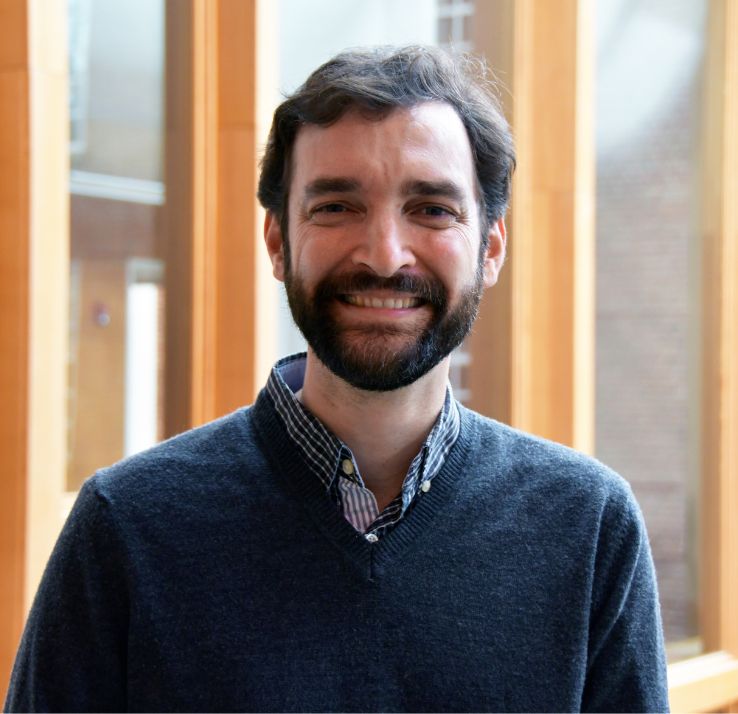
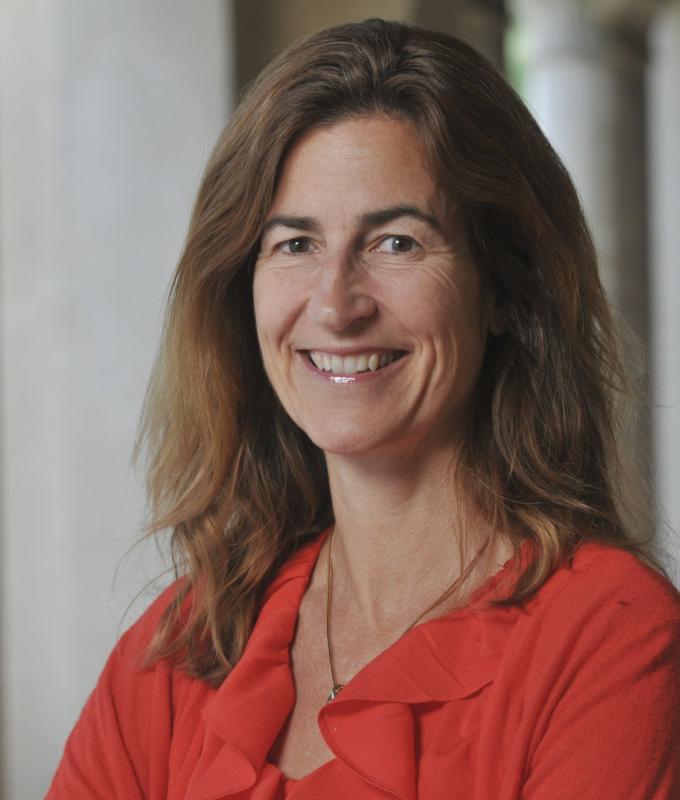
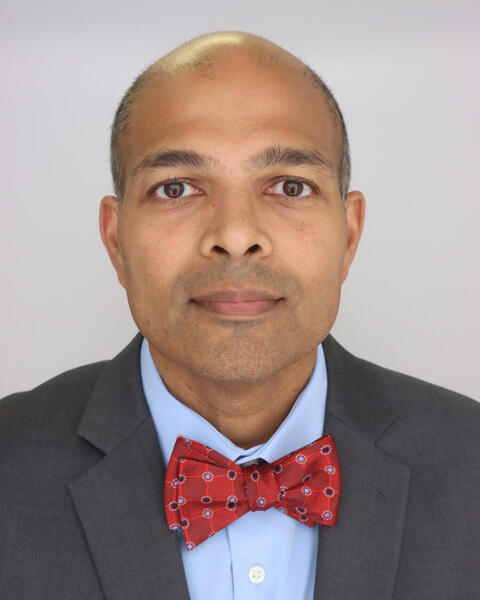
Elizabeth Wrench serves as a Research Fellow in Cancer Epidemiology at Lancaster University's Medical School, with research bridging oncology, public health, and vector-borne disease control. Her work focuses on translational applications of epidemiological methods to cancer care and infectious disease surveillance, evidenced by multiple 2025 publications. Contact: l.wrench@lancaster.ac.uk. Educational background includes: PhD in Cancer Epidemiology, Lancaster University (2025) Her research program integrates geospatial analysis with clinical interventions, particularly examining glycaemic control in pancreatic cancer and prehabilitation strategies for gynaecological cancer patients. She actively investigates socio-ecological determinants of mosquito-borne diseases in Europe and North America, emphasizing stakeholder collaboration in model development. Methodologically, her work employs scoping reviews, epidemiological modeling, and public health expert consultations to address translational research gaps. Analysis of her 2025 publications reveals two interconnected research streams: (1) oncology-focused studies exploring exercise-based therapies and metabolic management in cancer, and (2) vector-borne disease research emphasizing transnational surveillance systems and stakeholder engagement frameworks. This dual focus demonstrates her commitment to addressing complex health challenges through interdisciplinary epidemiological approaches. She contributes to the Experimental Medicine research group at Lancaster Medical School, which fosters cross-disciplinary collaboration on disease mechanisms and therapeutic innovations.
Martin Stockler is Professor of Oncology and Clinical Epidemiology at The University of Sydney, with dual clinical roles as a consultant medical oncologist at Concord Repatriation General Hospital and Chris O’Brien Lifehouse RPA. He serves as Oncology Director at the NHMRC Clinical Trials Centre and has led major international clinical trials in genitourinary, gynaecologic, and thoracic cancers. His research integrates clinical epidemiology with innovative trial designs to improve patient outcomes. MBBS (Hons), University of Sydney MSc in Clinical Epidemiology, University of Toronto FRACP (Fellow of the Royal Australasian College of Physicians) His research focuses on clinical trials to enhance quality of life , survival , and doctor-patient communication in cancer care. Key areas include prognostication in advanced cancer, genitourinary oncology , and evidence-based medicine . Recent work emphasizes PSMA PET imaging , lipid biomarkers , and theranostic approaches like [177Lu]Lu-PSMA-617 therapy. Publications span topics in phase III trials (ENZAMET, OUTBACK), biomarker validation (PCPro, PSMA PET), and patient-centered outcomes . Notable contributions include systematic reviews on prognostic discussions and patient-reported outcome measures in ovarian, testicular, and gastric cancers. He has authored book chapters on cancer communication and clinical decision-making .
Nallakkandi Rajeevan is a Senior Research Scientist at Yale University's Department of Biomedical Informatics and Data Science. He holds a PhD from the Indian Institute of Science and completed post-doctoral training at the University of Massachusetts Medical Center. Dr. Rajeevan's research applies theoretical computer science, algorithm development, and statistical methods to genomics, bioinformatics, nuclear medicine, and functional brain imaging. His educational background includes a BE in Electronics and Communications, MS in Electrical Engineering, and PhD from the Indian Institute of Science, followed by post-doctoral training in Nuclear Medicine. Dr. Rajeevan's research focuses on computational approaches to complex biomedical problems, particularly in genomics and translational informatics. His work spans algorithm development for large-scale data analysis, statistical modeling of biological systems, and applications in clinical informatics. Recent research examines COVID-19 outcomes, vaccine effectiveness, and genetic factors in disease susceptibility using advanced statistical modeling and target trial emulation methodologies. Publication trends reveal extensive work in epidemiology, bioinformatics, and clinical informatics, with recent emphasis on respiratory viruses, pharmacotherapy outcomes, and genetic epidemiology. His work consistently addresses methodological innovations in analyzing large-scale health datasets and veteran populations. Scientific Awards: IEEE Life Senior Member Lifetime Service Award from the Indo-American Society of Nuclear Medicine Dr. Rajeevan directs bioinformatics operations at the Yale Center for Medical Informatics and contributes to multiple collaborative initiatives including the Million Veteran Program. His laboratory develops computational tools for genomic analysis and clinical decision support systems.
Dr. Matt Irwin is a Conjoint Lecturer at the School of Clinical Medicine, University of New South Wales, and holds an affiliation with the University of Sydney. He specializes in colorectal surgery and subspecialty training, with a focus on patient advocacy, evidence-based practice, and surgical education. He coordinates courses for the Master of Surgery and Master of Critical Care programs at the University of Sydney and has received teaching awards at both institutions. His research spans colorectal surgery, surgical techniques, and healthcare technology, with publications in journals like Colorectal Disease , ANZ Journal of Surgery , and BMJ Case Reports . Notable work includes studies on the impact of AI tools like ChatGPT in patient education and pandemic-related disruptions to cancer screening programs. Irwin has presented at international conferences, including the European Society of Coloproctology and the Australasian Gastro-intestinal Trials Group. His mentorship of junior doctors and leadership in surgical training underscore his commitment to advancing medical education and clinical practice. He has pioneered techniques like video-assisted anal fistula treatment (VAAFT) and contributed to studies on endoanal ultrasonography and trauma care. His work often integrates clinical innovation with patient-centered outcomes, reflecting his dedication to improving surgical practice and healthcare accessibility.
Ryan Cronk, PhD, is an Assistant Professor in the Department of Environmental Sciences and Engineering at the University of North Carolina at Chapel Hill's Gillings School of Global Public Health. He serves as the research director for the Water Institute at UNC, focusing on water and environmental health in low-resource settings. His work bridges scientific, policy, and practical dimensions, emphasizing WASH (Water, Sanitation, Hygiene) in healthcare facilities, rural water security, and sustainable management of water systems. Dr. Cronk holds a BS in Systems Engineering from the University of Virginia (2009), and both MS and PhD degrees in Environmental Sciences and Engineering from UNC Chapel Hill (2013, 2017). His research explores topics such as microbial water quality, community-managed water systems, and the role of environmental conditions in healthcare settings. He has conducted fieldwork in Malawi, Ghana, Kenya, Tanzania, and other regions, addressing challenges like waterborne infections, sanitation infrastructure sustainability, and policy implementation. Key research themes include environmental health in healthcare facilities, WASH monitoring and evaluation frameworks, and the intersections between water security and public health. He has contributed to UN-led initiatives and global health policy discussions, advocating for standardized terminology and improved data accessibility in water governance. Dr. Cronk's work has informed global guidelines, including the UN resolution on WASH in healthcare facilities. He collaborates with researchers, NGOs, and policymakers to translate evidence into actionable strategies, particularly in contexts of displacement and resource-limited environments. His publications span peer-reviewed journals and policy reports, addressing both technical and systemic challenges in achieving equitable water access.
Catherine Aicken is a Senior Research Fellow at the University of Brighton's School of Education, Sport and Health, within the Public Health and Health Conditions Research Excellence Group. She holds honorary roles as a Research Fellow at University College London (UCL) and a contract with the UK Office for Health Improvement and Disparities. Her work bridges academic research with practical public health initiatives, including collaborations with NHS organizations and community sectors. Education: PhD in Public Health (UCL, 2018), Master's in Public Health (London School of Hygiene & Tropical Medicine, 2005), and Bachelor's (UCL, 2002). Research Interests : Sexual health, digital health interventions, and long-term condition management Evaluation of complex health interventions and patient experiences Health equity, frailty in older adults, and ethnic inequalities in healthcare Key Projects: Leading the design of Brighton & Hove's decennial Health Counts 2024 survey WHO-funded study on sexual and reproductive health services in post-pandemic regions Evaluation of the Paired app for couple relationship support (mixed methods) Teaching and Supervision: Teaches research methods, emphasizing practical application and student engagement. Supervises postgraduate students in mixed-methods health research, with a focus on capacity-building for future researchers. Grants & Collaborations : Burdett Trust-funded LiFE Study (frailty interventions) East Sussex County Council grant on creative activities and parental well-being (2024–2025) Her work emphasizes interdisciplinary collaboration, community involvement, and translating research into actionable public health strategies.
Per Östberg is a Professor of Speech and Language Pathology at Karolinska Institutet's Department of Clinical Science, Intervention and Technology. He holds a PhD (2008) and Docent title (2013) from Karolinska Institutet. His research focuses on language dysfunction in neurological disorders, including aphasia, apraxia of speech, and dysphagia, with emphasis on stroke and neurodegenerative diseases like Parkinson's. He co-authored the textbook Klinisk neurovetenskap (2015) and leads projects on patient-reported outcomes and speech-language rehabilitation. Education: Doctor of Philosophy, Karolinska Institutet, 2008 Docent, Karolinska Institutet, 2013 Research Interests: His work spans speech disorders in acquired brain injury, longitudinal studies of apraxia recovery post-stroke, and validating clinical tools like the Eating Assessment Tool. He collaborates internationally on registries for stroke aphasia (I-PRAISE) and investigates neuroimaging correlates of speech motor recovery. Publications Trends: Recent work includes comparative studies of anomia in neurological conditions, randomized trials of aphasia treatments, and eye-tracking analysis in reading disorders. Key themes are interdisciplinary approaches to language assessment and rehabilitation efficacy. Advising: Supervised Martin Cederlöf's thesis on psychosis phenotype risks. Affiliated with Karolinska University Hospital and the Enheten för logopedi F67 unit.
Nicholas Westers is an Associate Professor at UT Southwestern Medical Center and a Clinical Psychologist specializing in children's health. He is board certified in Clinical Child & Adolescent Psychology (ABPP) and hosts the podcast *The Psychology of Self-Injury*. His research focuses on non-suicidal self-injury (NSSI), suicide prevention, and adolescent mental health. Westers completed a postdoctoral fellowship at Baylor College of Medicine/Texas Children's Hospital (2010-2012) and a predoctoral internship at the University of Miami/Jackson Memorial Medical Center (2009-2010). His work spans clinical practice, education, and policy advocacy, particularly regarding firearm violence prevention and media representation of mental health issues. His research emphasizes evidence-based interventions for adolescents engaging in NSSI, including risk assessment frameworks (e.g., SOARS model) and clinician training curricula. He also investigates cultural and developmental factors influencing self-injury behaviors. Westers has contributed to high-impact journals such as *J Adolesc Health*, *Clin Child Psychol Psychiatry*, and *Am J Public Health*. His recent work addresses media guidelines for responsible reporting of NSSI and interdisciplinary approaches to firearm safety advocacy. No scientific awards were explicitly mentioned in the provided texts. His professional activities include leadership roles at UTSW and affiliations with organizations focused on adolescent health and violence prevention.
Brian Schmidt is a Professor at the University of Michigan specializing in Hebrew Bible and Ancient Mediterranean West Asian Cultures. His research focuses on the intersection of archaeology, ancient Israelite history, and biblical studies. He is affiliated with the International Institute for Secular Humanistic Judaism and the Center for Middle Eastern & North African Studies (CMENAS). Key publications include The Quest for the Historical Israel (co-authored with Israel Finkelstein and Amihai Mazar) and Israel's Beneficent Dead , exploring ancestor cults in ancient Levantine societies. His academic work bridges textual analysis and material culture, addressing debates about early Israelite history and religious practices. Schmidt has contributed to conferences such as the Biennial Colloquium of the International Institute for Secular Humanistic Judaism. His research often involves interdisciplinary collaboration, evidenced by his participation in the NIDDK Diabetic Foot Consortium and publications on diabetic foot ulcers, though his primary focus remains on ancient Near Eastern studies. Affiliations include the LSA (College of Literature, Science, and the Arts) and the International Institute, where he participates in academic initiatives promoting global studies and regional expertise. His office is located at 202 South Thayer Street, Ann Arbor.
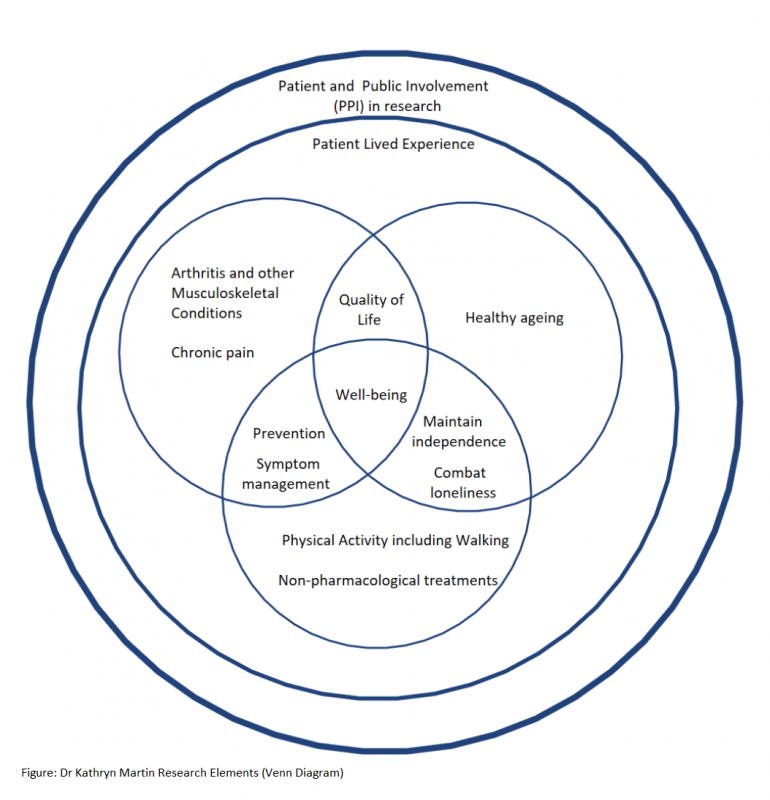
Dr. Kathryn Martin is a Senior Lecturer in Academic Primary Care at the School of Medicine, Medical Sciences and Nutrition, University of Aberdeen. She holds a PhD in Health Behavior and Health Education from the University of North Carolina at Chapel Hill, an MPH in Chronic Disease Epidemiology from Yale University, and a BA in Sociology from the College of the Holy Cross. She completed a postdoctoral fellowship at the National Institute on Aging (NIH), jointly sponsored by the Medical Research Council Unit for Lifelong Health and Ageing in London. She joined the University of Aberdeen in 2013 and is actively engaged in research, teaching, and public engagement. BA Sociology – College of the Holy Cross, Worcester (2000) MPH, Chronic Disease Epidemiology – Yale University, School of Public Health (2003) PhD, Health Behavior and Health Education – University of North Carolina at Chapel Hill, Gillings School of Global Public Health (2009) FHEA, Teaching and Learning in Higher Education – AdvanceHE (2018) Her research focuses on the interplay between social, economic, and environmental factors affecting health, particularly in older adults and individuals with arthritis and musculoskeletal conditions. She investigates how physical activity influences physical and mental health, symptom management, and functional outcomes. Her work emphasizes patient and public involvement (PPIE) and community-based interventions such as the Walk With Ease UK programme. She is also deeply interested in health inequalities and the wider determinants of health, aiming to translate research into policy and practice. The 15 most recent articles analyzed reflect a strong focus on physical activity, aging, arthritis, and public health. They span methodological work on physical activity measurement (e.g., accelerometry), social and environmental influences on health behaviors, and interventions for chronic conditions. Key themes include the impact of socioeconomic status, neighborhood environment, and chronic pain on health outcomes, as well as strategies for improving health equity and community engagement in research. Scientific Awards and Recognitions: Nominated, Principal's Excellence in Teaching Award - Best Postgraduate Taught Lecturer (2020) Santander Mobility Award for travel collaboration with University of Massachusetts Medical School (2017) Delegate, International Young Scotland Programme (2014) Dr. Martin has secured and contributed to multiple research grants as Principal or Co-Investigator, including projects funded by MRC/UKRI/Versus Arthritis, Chief Scientist Office Scotland, and Arthritis Research UK. These grants support research on neuropathic pain, fatigue in inflammatory rheumatic diseases, fibromyalgia management, and physical activity during the pandemic. She is also the academic lead for the School’s Patient and Public Involvement (PPI) initiative and actively collaborates with Aberdeen City Council, NHS Grampian, and Robert Gordon University through the NIHR-funded Health Determinants Research Collaboration (HDRC) Aberdeen. Her teaching includes coordinating the Epidemiology course and leading the on-campus Master of Public Health programme. Dr. Martin is actively involved in research networks and knowledge exchange, including the Scottish Pain Research Community (SPaRC), Osteoarthritis Action Alliance (USA), and as an external examiner for the University of Liverpool’s online MPH. She regularly engages with patient groups and the public through talks, café-style events, and community festivals, promoting arthritis awareness and physical activity.
John van Ochten is a Lecturer at Erasmus MC, affiliated with the Department of General Practice within the Faculty of Medicine. His work bridges clinical research and primary care, focusing on musculoskeletal conditions, particularly osteoarthritis and ankle disorders. His research interests include general practice, osteoarthritis (hip, knee, ankle), prognostic factors, randomized controlled trials, e-health interventions, and radiographic assessment in primary care settings. He investigates the clinical relevance of imaging findings in relation to patient symptoms and long-term outcomes. The most recent publications reflect a strong emphasis on ankle osteoarthritis, its diagnosis, prevalence, and impact on pain and disability. Several studies are embedded within the CHECK cohort, highlighting longitudinal analysis of hip and joint symptoms. There is a clear trend toward evaluating digital health tools for injury prevention in primary care. No scientific awards or honors are mentioned in the provided text. John van Ochten collaborates extensively with researchers such as S.M.A. Bierma-Zeinstra, M. van Middelkoop, P.J.E. Bindels, and others in large-scale clinical studies. His work is primarily team-based, involving multi-center trials and cohort analyses, though no specific lab or independent research team is named.
Kathy McDonald is the Bloomberg Distinguished Professor of Health Systems, Quality and Safety at Johns Hopkins University, with primary appointments in the Johns Hopkins School of Medicine and the Johns Hopkins School of Nursing , and joint affiliations in the Carey Business School and the Bloomberg School of Public Health . She is also affiliated with the Malone Center for Engineering in Healthcare , the Armstrong Institute for Patient Safety and Quality , and the Hopkins Business of Health Initiative (HBHI) . Her research focuses on improving health care delivery through a systems-oriented lens, emphasizing patient safety , diagnostic excellence , health equity , and organizational implementation . She leverages interdisciplinary expertise from engineering, management, and social sciences to address complex challenges in health systems. Dr. McDonald’s recent publications highlight trends in patient-reported measures for diagnosis , sociodemographic disparities in diagnostic errors , and innovative frameworks for improving diagnostic safety . Her work increasingly integrates equity-focused approaches and implementation science to close gaps between research and real-world impact. She is actively involved in strategic leadership at HBHI, working to bridge research, policy, and practice across sectors. Her collaborative projects emphasize knowledge translation, systems thinking, and co-creation of health policies with frontline stakeholders, including patients and families. Dr. McDonald previously served as founding executive director of the Center for Primary Care and Outcomes Research and executive director of the Center for Health Policy at Stanford University’s School of Medicine, bringing extensive leadership experience in health policy and research translation.
Arjun Venkatesh, MD, MBA, MHS, is the Chair of Emergency Medicine at Yale School of Medicine and a Professor at Yale University. He leads the Department of Emergency Medicine and serves as a Scientist at the Yale Center for Outcomes Research and Evaluation (CORE). His roles include advancing healthcare quality, emergency care efficiency, and health policy. Dr. Venkatesh is a national leader in emergency medicine, contributing to federal quality measurement programs like CMS's Overall Hospital Quality Star Ratings and leading the ACEP Emergency Quality Network. Education: MD from Northwestern University Feinberg School of Medicine, MBA from Ohio State University, and MHS from Yale University. Completed residency at Brigham and Women’s/MGH and the Robert Wood Johnson Clinical Scholars Program at Yale. Research focuses on healthcare quality, system efficiency, opioid use disorder, and emergency care transitions. He has published over 200 peer-reviewed papers and secured $6M+ in NIH/AHRQ grants. His work informs national standards for emergency care quality and hospital performance metrics. Publications highlight innovations in clinical decision support, emergency department efficiency, and patient-reported outcomes (e.g., PROM-OTED tool). His recent studies address post-COVID-19 health outcomes, hospital capacity constraints, and opioid use disorder interventions. Awards: Mid-Career Research Award (SAEM, 2022), Young Investigator Award (SAEM, 2017), and Top New Reviewer (Annals of Emergency Medicine, 2015). Grants and Advising: Leads the E-QUAL Network, collaborates with CMS, and mentors teams advancing emergency care equity. His lab focuses on translating research into practice to improve acute care delivery. Labs/Teams: Venkatesh Lab (Yale) and the Reid Lab for Innovation in Population Health. Collaborates with experts like Craig Rothenberg and Andrew Ulrich on quality improvement initiatives.
Christina Ramsenthaler is a Professor of Research Methods and Statistics at the ZHAW School of Health Sciences , where she leads the (e)SENIORS projects. Her research focuses on patient-centred outcome measures (PCOMs) across palliative care, geriatrics, and community care, emphasizing their role in fostering patient-centred care for professionals and informal caregivers. Education: PhD in Palliative Care (King's College London, 2017) MSc in Palliative Care (King's College London, 2012) Diploma in Psychology (University of Bremen, 2009) She develops PCOMs for use in dementia care, acute care, and population-level healthcare monitoring, integrating psychometric methods (e.g., Rasch theory) and big data analysis. Her work addresses social inequality impacts on healthcare systems through quantitative frameworks and hybrid implementation trials. Recent publications center on IPOS-Dem validation, co-production in dementia research, and meta-analytic evaluations of palliative care service models. Network Memberships: German Guideline Program in Oncology Wolfson Palliative Care Research Centre POS and IPOS groups (Cicely Saunders Institute) European Association for Palliative Care
Venkatesh R. Bellamkonda, M.D. is an Assistant Professor of Emergency Medicine and Consultant at Mayo Clinic's Department of Emergency Medicine. He also serves as Chair for Education within the department. His primary affiliation is with Mayo Clinic College of Medicine. Education : MD: Northeastern Ohio Universities College of Medicine (2006) BS in Natural Science/Chemistry: University of Akron (2001) Residencies: General Psychiatry (2007), Emergency Medicine (2010) Fellowships: Emergency Ultrasound, Teaching, and Basic Research Skills Research Interests : Healthcare Quality: Applying Lean Six Sigma and process improvement strategies. Medical Education: Innovations in curriculum design and asynchronous learning. Point-of-Care Ultrasound: Standardizing ultrasound techniques to enhance diagnostic accuracy. Healthcare Innovation: Exploring AI, 3D video, and smart technologies to optimize care delivery. Articles Trends : Recent work focuses on: School learning models' impact on emergency psychological health visits. Pain management communication and opioid-prescribing disparities. Disparities in emergency department wait times based on patient demographics. Virtual recruitment strategies for residency programs. Awards : 2022 Above and Beyond Recognition Program 2019 Leadership Award (ACEP Quality Improvement) 2016 Teacher of the Quarter (Mayo Emergency Medicine) 2010 Chief Resident Award Grants/Advising : Active in quality improvement initiatives and residency education programs. Leads multiple committees focused on medical education and patient safety. Labs/Teams : Involved in the Mayo Clinic Quality Academy and ACEP's Quality and Patient Safety Section committees.