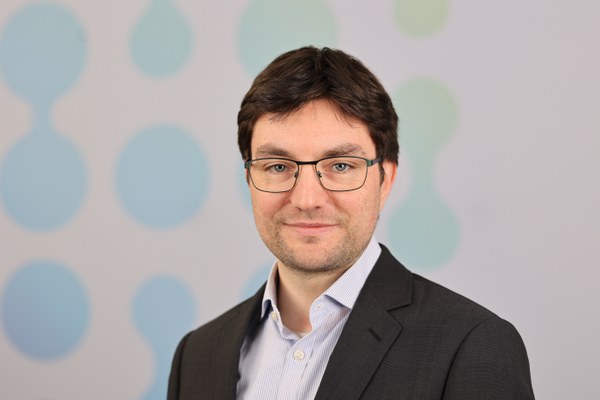
Urban Persson is a Professor at Halmstad University's Academy of Entrepreneurship, Innovation and Sustainability. He holds a Tech. Dr. in Energy and Environmental Technology from Chalmers University of Technology. His research focuses on energy efficiency, renewable energy resources, and district heating systems, particularly in European contexts. Key projects include Heat Roadmap Europe, Decarb City Pipes 2050, and Pan-European Thermal Atlas. Persson has authored over 30 publications on district heating optimization, GIS-driven energy planning, and heat resource assessments. His work emphasizes sustainable energy transitions and leveraging spatial data for infrastructure design. Education: Technical Doctorate (Energy & Environmental Technology), Chalmers University of Technology. Research Projects: Solar-powered district heating with pit storage for Swedish conditions Heat Roadmap Europe Decarb City Pipes 2050 Pan-European Thermal Atlas Research Interests: District heating economics, GIS applications in energy systems, waste heat utilization, and decarbonization pathways.
Jeremy I. Borjon is an Assistant Professor in the Department of Psychology at the University of Houston, affiliated with the College of Liberal Arts and Social Sciences. He leads the Developing Systems Laboratory, focusing on infant cognitive, sensorimotor, and autonomic development. His research is supported by an NICHD R00 award and integrates multimodal technologies such as eye-tracking, motion capture, and wireless physiological sensors. Education: A.B. in Psychology and Neuroscience, Princeton University Ph.D. in Psychology and Neuroscience, Princeton University Dr. Borjon's research centers on how infants coordinate internal states with emerging cognitive and motor systems during the first two years of life. He investigates how visual, motor, and autonomic processes interact in real time, particularly during naturalistic caregiver interactions. His work emphasizes ecological validity by studying infants in dynamic, real-world contexts. He is particularly interested in sustained attention, language development, and how caregiver behaviors shape infant cognition. His recent publications reflect a strong trend in using dense, naturalistic behavioral sampling to understand developmental processes. The articles highlight interdisciplinary approaches combining developmental psychology, neuroscience, and engineering to study real-time cognitive and physiological dynamics in infants. Topics include physiological synchrony, attention regulation, and sensorimotor integration. Scientific Awards and Honors: R00 Pathway to Independence Award, NICHD K99 Pathway to Independence Award, NICHD NSF Postdoctoral Research Fellowship NICHD T32 Postdoctoral Fellowship 2019 Small Grant for Early Career Scholars, SRCD NSF Graduate Research Fellowship Princeton President’s Fellowship Simons Fellow in Computational Neuroscience Dr. Borjon has been actively involved in mentoring and is currently reviewing graduate applications for the Developmental, Cognitive, & Behavioral Neuroscience Program. His research is supported by federal grants, indicating active funding and research productivity. He previously held postdoctoral fellowships at Indiana University and positions at Yale and Emory. He directs the Developing Systems Laboratory, which employs cutting-edge technology to study infant behavior in naturalistic settings. The lab integrates head-mounted eye-tracking, wireless cardiorespiratory sensors, motion capture, and audiovisual recording to examine how cognitive achievements emerge within the context of a developing body and social environment.
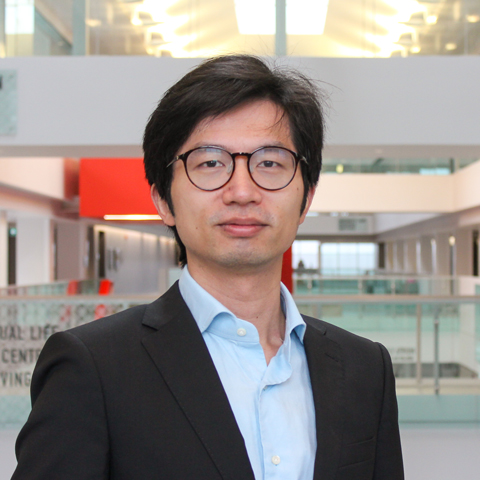
Chi (Jesse) Zhang is a Research Professor at Purdue University's Department of Chemistry, leading the Zhang Research Group. His work focuses on developing novel optical spectroscopy, imaging, and opto-control technologies to study chemical processes in living systems. He has pioneered techniques like Real-Time Precision Opto-Control (RPOC) and applies them to biomedical problems, including cancer metabolism and neurodegenerative diseases. His lab collaborates with institutions like Merck and has been recognized with awards such as the Astronaut Scholarship and Alice Watson Kramer Award. Education details are not explicitly provided, but his postdoctoral research at the Beckman Institute (2018–2020) indicates prior training in advanced scientific technology. His research integrates optical engineering with biological systems, emphasizing label-free imaging and real-time manipulation of cellular components. Key achievements include over 50 peer-reviewed publications and the development of the photokinesis technology platform (http://www.photokinesis.tech). His group hosts an active wet lab with projects ranging from lipid metabolism studies to optical device innovation. Recent milestones include successful student defenses, conference presentations, and impactful publications in ACS Photonics , Anal. Chem , and npj Imaging .
Juan-Manuel González-Rosa is an Assistant Professor in the Department of Biology at Boston College, where he leads a research program focused on heart development and regeneration. He utilizes zebrafish as a model organism to investigate the molecular and cellular mechanisms that govern cardiac repair, with particular interest in fibrosis, inflammation, and polyploidy. Ph.D. in Molecular Biology, Spanish National Center for Cardiovascular Research and Universidad Autónoma de Madrid Postdoctoral training at Massachusetts General Hospital and Harvard Medical School Faculty member at Boston College since June 2019 His research centers on understanding why the human heart has limited regenerative capacity compared to zebrafish, which can fully regenerate their hearts after injury. His lab investigates how polyploidization in cardiomyocytes limits regeneration and aims to identify therapeutic targets for promoting heart repair after myocardial infarction. Using genetic tools and injury models in zebrafish, his team studies cardiac and liver regeneration, extracellular matrix dynamics, and molecular pathways of tissue repair. The recent publications reflect a strong trend in regenerative biology, particularly in modeling organ injury and repair in zebrafish. Key themes include the development of cryoinjury models for heart and liver, analysis of collagen dynamics in fibrotic remodeling, and the use of genetic tools like CRISPR for targeted cardiomyocyte manipulation. These studies span developmental biology, molecular cardiology, and translational regenerative medicine. Scientific awards and recognitions include: EMBO Long-Term Postdoctoral Fellowship Funds for Medical Discovery Award from ECOR-MGH American Heart Association Career Development Award Dr. González-Rosa has secured competitive funding to support his research program, enabling his lab to pursue fundamental questions in cardiac regeneration. While current information does not list specific advisees, his role as a principal investigator suggests active mentorship of graduate and undergraduate researchers. His work contributes to broader efforts in regenerative medicine and has implications for treating heart disease in humans. His lab is involved in developing and applying innovative zebrafish models for organ regeneration and transplantation research, positioning his team at the intersection of developmental biology, cardiovascular science, and biomedical innovation.
Fabian Spill is a Professor of Applied Mathematics, specializing in interdisciplinary research that bridges mathematical modeling with biomedical applications. His work spans cancer biology, metabolic pathways, and data-driven optimization for sustainable systems. Research Focus: Mathematical modeling of cancer spheroids, immune-inflammatory dynamics, and epigenetic age regression. Collaborations: Engages in cross-disciplinary projects with institutions like the Medical Research Council and Innovate UK. Projects: Leads initiatives in systems-mechanobiology, stem cell behavior prediction, and energy-efficient building design. Recent publications highlight his contributions to hybrid computational models for collagen stiffening in tumors, lactate signaling in inflammation, and interpretable machine learning frameworks for age estimation. His research aligns with UN Sustainable Development Goals, particularly those addressing health and sustainable cities.
Dr Bastien Lechat is a Research Fellow at Flinders Health and Medical Research Institute (FHMRI): Sleep Health, within the College of Medicine and Public Health at Flinders University. He is also a Full Member of the College of Science and Engineering and the Medical Device Research Institute. As an NHMRC Emerging Leadership Fellow, he leads innovative research at the intersection of sleep medicine, artificial intelligence, and wearable technology. Education: PhD in Sleep Health, Adelaide Institute for Sleep Health, Flinders University (2018–2021) Bachelor of Engineering in Engineering Science/Acoustics, Université du Maine, France (2014–2017) Dr Lechat’s research focuses on understanding the physiological mechanisms and consequences of obstructive sleep apnea (OSA), particularly night-to-night variability and patient subtypes. He develops AI-driven tools for efficient and accurate diagnosis using wearables and signal processing. His work aims to create a scalable, low-cost model of care for sleep-disordered breathing, addressing global diagnostic gaps. His recent publications reveal a strong trend in digital health innovation, with a focus on machine learning for OSA detection, circadian rhythm modeling, cardiovascular risk prediction, and climate impacts on sleep. His research has been published in top journals including Nature Communications , Journal of Sleep Research , and Sleep Medicine , demonstrating interdisciplinary reach. Scientific Awards and Recognition: NHMRC Emerging Leadership Fellow (2023) Helen Bearpark Memorial Scholarship (2022) Emerging Research Leader Award, Flinders University (2021) Multiple early-career awards from Sleep Down Under, Australasian Sleep Association, and Adelaide Sleep Retreat Ranked in the top 5% of international authors in sleep apnea by Expertscape Dr Lechat has secured over $2.5 million in competitive research funding and actively supervises and mentors junior researchers. He serves on the program committee of the American Thoracic Society meetings and contributes to clinical guidelines. He collaborates globally with industry and academic partners to translate research into clinical practice. Laboratories and Research Teams: He co-leads the 'Novel use of digital innovations & technology development' theme at FHMRI: Sleep Health, working closely with Professor Danny Eckert. His team integrates expertise in biomedical engineering, data science, and clinical sleep physiology to advance digital sleep medicine.
Jeeseop Kim is an Assistant Professor in the Department of Aerospace and Mechanical Engineering at The University of Texas at El Paso (UTEP), College of Engineering, specializing in robotics, autonomy, and control theory. His research focuses on safety-critical planning and control, with emphasis on bipedal/quadrupedal locomotion, hybrid dynamical system control, and whole-body planning and control. Education: B.S. in Mechanical and Aerospace Engineering, Seoul National University (2014) M.S. in Intelligence and Information (Robotics), Seoul National University (2017) Ph.D. in Mechanical Engineering, Virginia Tech (2022) Postdoctoral Scholar, Mechanical and Civil Engineering, Caltech (2022–2025) His research spans safety-critical control systems for legged robots, including obstacle-aware nonlinear model predictive control (MPC), control barrier functions, and distributed coordination algorithms. Recent work explores adaptive delay estimation, tactile sensing for robotic grasping, and hardware-software co-design for humanoid robots. Key article trends highlight advancements in autonomous inspection robotics, hybrid control architectures, and real-time planning for quadrupedal systems. His work integrates control theory with practical applications in industrial and healthcare domains. Awards: ASME DSCD Rudolf Kalman Best Paper Award (2022) IEEE ICRA Outstanding Paper Award (2023) Jeeseop teaches MECH 4332: Mechanical Computational Applications in Vision and Robotics (Fall 2025). He actively recruits Ph.D. students for Spring/Fall 2026 and seeks motivated undergraduates/MS students with skills in robotics kinematics, programming (C/C++, Python, MATLAB), and CAD design. The AIGIS Lab welcomes applicants with interests in robotics, controls, and autonomous systems.
Mehdi Kabbage is a Professor and Director of Graduate Studies in the Department of Plant Pathology at the University of Wisconsin-Madison . His research focuses on necrotrophic fungal pathogenesis, particularly the role of oxalic acid and programmed cell death (PCD) in plant-pathogen interactions. He teaches courses in fungal biology and plant-microbe interactions. Education : Ph.D. in Plant Pathology (Kansas State University), M.S. in Plant Pathology (Kansas State University), B.S. in Engineering (Ecole d'Ingénieurs de Purpan, France) Dr. Kabbage investigates how Sclerotinia sclerotiorum manipulates plant PCD through oxalic acid secretion and explores strategies to inhibit this process for crop protection. His work spans molecular mechanisms of fungal virulence, plant stress tolerance, and genetic resistance in soybeans. Recent publications highlight his research on fungal effector proteins, host-induced gene silencing, oxalic acid signaling, and autophagy-based resistance strategies. He collaborates extensively on soybean and dry bean pathosystems, with a focus on integrated disease management and climate resilience. His lab develops transgenic approaches for stress tolerance, studies BAG protein family functions in plant defense, and investigates fungal enzymatic virulence factors like alcohol oxidases and laccases. Current projects include chemical genomics for resistance pathway discovery and novel antifungal agents such as poacic acid.
Nevil Singh is an Associate Professor in the Department of Microbiology and Immunology at the University of Maryland School of Medicine, where he has been a faculty member since 2013. He is also a Member of the Marlene and Stewart Greenebaum Comprehensive Cancer Center. His research focuses on understanding the mechanisms of T cell activation, tolerance, and memory formation. Dr. Singh received his graduate training at the Tata Institute of Fundamental Research (TIFR) in Bombay, India, where he worked on vaccine-antigens against the malarial parasite Plasmodium falciparum . He then completed a post-doctoral fellowship with Ron Schwartz's group at the NIAID, NIH, examining T cell tolerance to self-proteins. Following this, he worked as a Research Scientist at the NIAID studying mechanisms controlling the responsiveness and frequency of helper T cells. Dr. Singh's research spans several interconnected areas in immunology. His laboratory investigates how T cells discriminate between pathogens, tumors, and self-antigens through mechanisms of negative regulatory signaling. They study how T cells calibrate their sensitivity to antigen through a process called "T cell tuning." The lab also examines how T cell responses are tailored to both pathogen type and affected tissue niche. Additionally, they investigate the mechanisms by which neurotransmitters regulate T cell function, exploring the intersection of nervous and immune systems. Dr. Singh's research has significant implications for understanding autoimmune diseases, developing more effective vaccines, and improving cancer immunotherapies. His work on T cell tuning provides insights into how the immune system maintains tolerance to self-antigens while remaining responsive to pathogens, with potential applications for treating both autoimmune disorders and cancer. Dr. Singh has received funding from diverse sources including DARPA for his work on immunological memory formation. His laboratory collaborates with teams at UMSOM, Arizona State University, and the NIAID/NIH in Bethesda, and with the Fuerst group at IBBR for preclinical HCV vaccine evaluation. Dr. Singh actively mentors graduate students and postdoctoral fellows, with several former trainees now in prominent positions in academia and industry. His laboratory culture emphasizes both experimental training and intellectual development, encouraging independent thinking and project development skills.
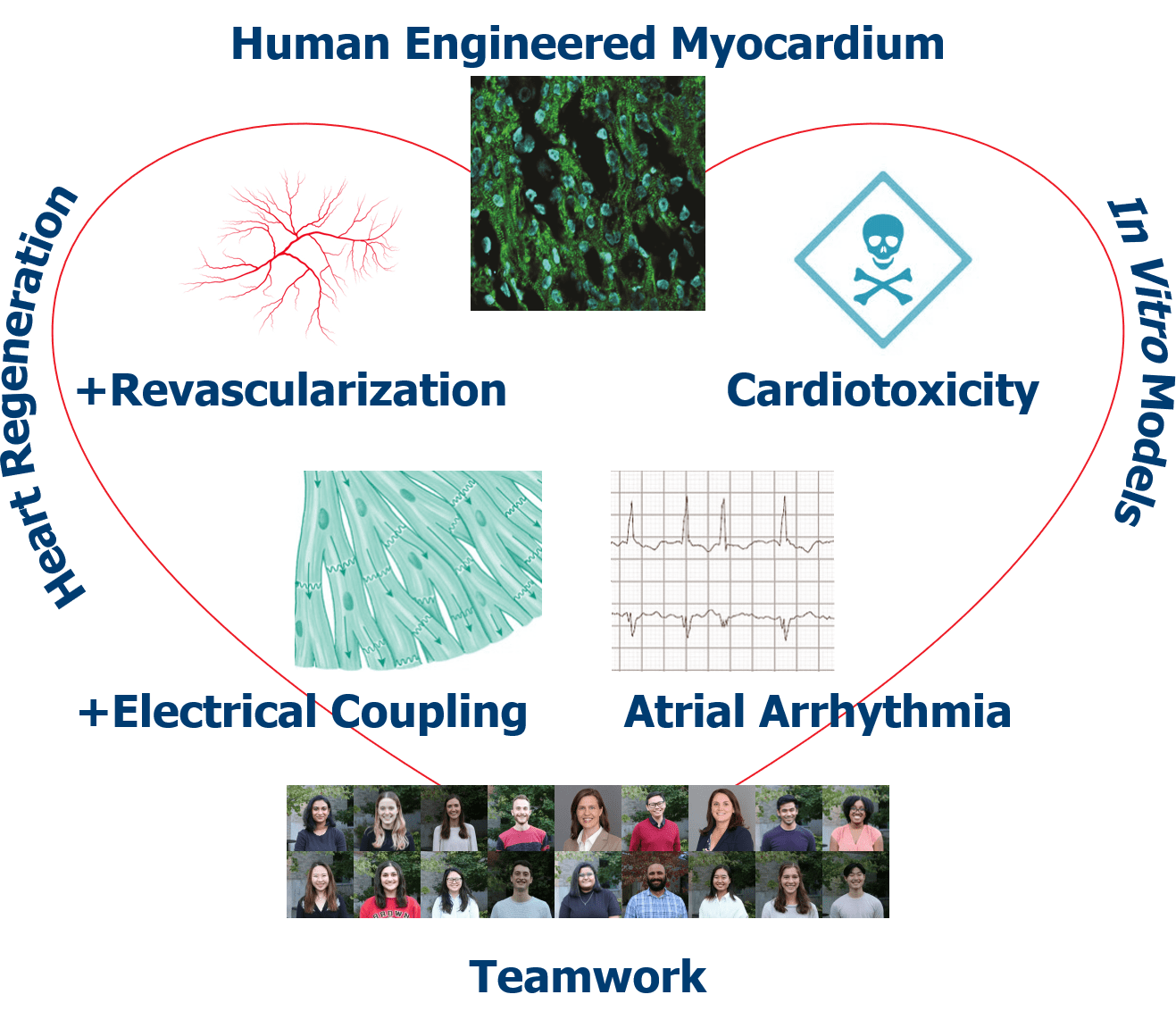
Kareen L.K. Coulombe is an Associate Professor of Engineering at Brown University, affiliated with the Institute for Biology, Engineering and Medicine . She collaborates with researchers from the Department of Medicine and institutions like the University of Edinburgh and ScitoVation, Inc . Education: B.S. in Biomedical Engineering, Summa Cum Laude (University of Rochester, 2001) Ph.D. in Bioengineering (University of Washington, 2007) Her research focuses on cardiovascular regenerative engineering , including: Developing human iPSC-derived cardiac tissues for heart attack therapy Creating anisotropic biomaterial scaffolds to enhance tissue integration Designing in vitro cardiotoxicity testing platforms for pharmaceuticals and environmental chemicals Optimizing electrical coupling between engineered and native heart tissue Recent publications highlight advancements in: Predictive 3D cardiac microtissue models for arrhythmic risk assessment Custom polycaprolactone scaffolds for tailored mechanical properties Immunomodulatory biomaterials that reshape cardiac repair processes Computational strain continuum modeling of cardiac tissue mechanics Scientific Awards: 2023 - Brown University Innovation of the Year 2021 - NSF CAREER Award & Young Innovator Award (BMES) 2019 - Dean’s Award for Excellence in Mentoring 2017-2012 - Rising Star Award & NIH Pathway to Independence K99/R00 Dr. Coulombe mentors students through programs like: Brown Leadership Alliance (undergraduate research) Tougaloo College Partnership (student development) NIH-IMSD Programs (graduate mentoring)
Li Jizhen serves as Professor in the Department of Innovation, Entrepreneurship and Strategy at Tsinghua University's School of Economics and Management, where he has held academic positions since 2002. He concurrently serves as Deputy Director of the Center for Technology Innovation Research and was an International Faculty Fellow at MIT Sloan School of Management in Spring 2006, demonstrating his international academic engagement. His educational foundation includes a 1997 Double Bachelor's Degree from Tsinghua University spanning Automotive Engineering and Economics and Management, followed by a 2002 PhD and Master of Management from the same institution. This dual technical-management background informs his interdisciplinary research approach. Professor Li's research centers on digital transformation, technological innovation systems, and science-technology policy with particular focus on China's innovation ecosystem. His work examines corporate innovation strategies, venture evaluation mechanisms, and the interplay between institutional frameworks and entrepreneurial activity. He investigates how firms leverage both internal capabilities and external networks to drive innovation in emerging economies. His publication record in premier journals including Administrative Science Quarterly , Management Science , and Strategic Management Journal reveals consistent focus on innovation dynamics, entrepreneurial finance, and China-specific institutional contexts. Recent work analyzes AI market positioning, fraud-innovation relationships, and international open innovation by latecomer firms, showing evolving research trajectories toward digital transformation and global innovation networks. As Deputy Director of Tsinghua's Center for Technology Innovation Research, Professor Li leads institutional initiatives bridging academic research with practical innovation policy development. His work informs national technology strategies while maintaining strong empirical grounding in Chinese firm-level data and institutional contexts.
Andreas Peschel serves as Institute Director of the Institute for Sustainable Hydrogen Economy (INW) at Forschungszentrum Jülich, a leading German research center within the Helmholtz Association. His leadership oversees interdisciplinary research advancing hydrogen production, storage, and utilization systems for sustainable energy transition. Research interests focus on catalytic processes and materials engineering for hydrogen technologies, organized across four specialized divisions: INW-1: Catalytic Interfaces INW-2: Catalyst Materials INW-3: Reaction Engineering INW-4: Process & Plant Engineering for Chemical Hydrogen Storage Key emphases include developing efficient catalysts, optimizing reaction pathways, and engineering scalable storage solutions for industrial hydrogen applications. No publicly listed scientific awards or student supervision activities appear in the source documentation.
Professor Gerrit Jan Poelarends is a distinguished academic at the University of Groningen, holding the position of Professor of Pharmaceutical Biotechnology within the Faculty of Science and Engineering. He serves as Director of the Groningen Research Institute of Pharmacy and Head of the Department of Chemical and Pharmaceutical Biology. His extensive research portfolio spans biocatalysis, enzyme engineering, and sustainable pharmaceutical synthesis, with significant contributions to the UN Sustainable Development Goals through environmentally friendly chemical processes. Prof. Poelarends' research interests focus on the discovery and design of novel biocatalysts for pharmaceutical applications. His work centers on developing enzymatic pathways for asymmetric synthesis of noncanonical amino acids, creating enantioselective biocatalysts for various synthetic bond-forming methodologies, and characterizing promiscuous protein functions to understand enzyme evolution. His research group actively explores enzyme engineering guided by mutability landscapes, development of engineered peroxygenases, and discovery of ene- and nitroreductases for sustainable chemistry applications. Analysis of his recent publications reveals a strong trend toward sustainable pharmaceutical synthesis through enzyme engineering, particularly in the areas of nitroreductases, C-N lyases, and peroxygenases. His work consistently bridges fundamental enzymology with practical applications in green chemistry, demonstrating expertise in both understanding enzyme evolution and applying this knowledge to create biocatalysts for environmentally friendly production of pharmaceuticals. His scientific achievements have been recognized through numerous prestigious awards including NWO VENI, VIDI, and VICI grants, ERC Starting and Proof of Concept grants, and competitive fellowships for his students. These awards highlight the innovative nature and impact of his research in biocatalysis and enzyme engineering. Prof. Poelarends has supervised over thirty PhD students throughout his career, with current supervision of multiple doctoral candidates working on projects related to enzyme engineering and biocatalysis. His research has been supported by substantial grants from NWO, the European Union (including multiple ERC grants), and collaborative international projects, reflecting the significance and scope of his work. The Pharmaceutical Biotechnology group he leads includes technicians, postdocs, and PhD students working on various aspects of enzyme discovery and engineering. The research team operates within well-established laboratory facilities at the Groningen Research Institute of Pharmacy, with access to state-of-the-art equipment for protein expression, purification, structural analysis, and biocatalytic reaction screening. Their work is closely integrated with the University of Groningen's broader research initiatives in sustainable chemistry and pharmaceutical sciences, contributing to multiple EU-funded training networks and collaborative projects.
Jennifer Jakobi is a Professor at the School of Health and Exercise Sciences , Faculty of Health and Social Development, UBC Okanagan. She serves as Director of the Institute for Healthy Living and Chronic Disease Prevention and holds the NSERC Chair for Women in Science and Engineering . Her work bridges neuromuscular physiology and STEM diversity initiatives . Research Themes : Frailty, aging in place, sex-differential muscle function, and motor unit modulation. Labs : Leads the Healthy Exercise and Aging Lab (HEAL) and coordinates the iSTAND diversity program. Publications focus on aging biomechanics, cannabis impacts in elderly populations, social VR interventions, and pandemic-era health behaviors. Her NSERC-funded basic research examines cortical-spinal pathways, while UBCO grants support applied studies on vibration therapy and assistive technologies. Scientific Contributions : Identified sex-specific force steadiness mechanisms Developed prehabilitation frameworks for functional independence Advocated for gender-inclusive STEM education Outreach includes youth STEM camps, equity workshops, and community partnerships on aging-in-place policies. Current research explores VR-based social engagement and cannabis safety protocols for seniors.
Dr. Qian Zhang serves as Assistant Professor in the Robert M. Buchan Department of Mining at Queen's University's Smith Engineering, leading the Green Mining Value Chain (GreeMVC) Lab. His research develops strategic frameworks for sustainability and resilience throughout mining value chains, with emphasis on climate change mitigation and resource efficiency in global mineral systems. His academic foundation includes a Ph.D. in Urban Engineering from the University of Tokyo (awarded Japanese Government MEXT Scholarship), complemented by MSc and BSc degrees in Environmental Science plus a Minor in Economics from Peking University. Prior to his current role, he conducted postdoctoral research at the University of Victoria and University of Tokyo while consulting for the World Resources Institute on climate-energy initiatives. Dr. Zhang's expertise spans carbon footprint analysis , life-cycle assessment , and industrial ecology applied to mining systems. He employs advanced methodologies including input-output analysis and material flow accounting to model environmental pressures across urban infrastructure and mineral supply chains. His work specifically addresses greenhouse gas accounting, water-energy nexus challenges, and circular economy implementation in resource-intensive sectors. Recent publications reveal strong methodological convergence between artificial intelligence and environmental assessment, particularly in optimizing mining operations through reinforcement learning and geospatial analysis. Key thematic clusters include carbon accounting standardization, critical mineral sustainability, and policy-oriented modeling of environmental pressures throughout mineral value chains. His research program is supported by major competitive grants: NSERC Discovery Grant (2022-2027) SSHRC Institutional Grant (2023, 2025) NSERC Alliance Missions Grant (2023, 2024) Mitacs Accelerate Grant (2023, 2025) NFRF Exploration Grant (2025-2027) NRCan Energy Innovation Program (2025) Dr. Zhang actively mentors a dynamic research group comprising 10+ graduate students and postdocs, securing collaborative funding through institutional and federal channels. His GreeMVC Lab maintains active partnerships with industry leaders and government agencies to translate research into practical sustainability solutions for the mining sector, with current projects focusing on AI-driven fleet management and life-cycle assessment of mineral supply chains. The GreeMVC Lab operates as a multidisciplinary hub with structured mentorship programs, regular industry engagement events, and international collaborations including the COM symposium on sustainable circularity. The lab's physical space in Goodwin Hall supports advanced computational analysis of mining value chains while fostering innovation in green mining technologies through student-led research initiatives.