Syed Hani Hassan Abidi is an Associate Professor at the Department of Biomedical Sciences , School of Medicine , Nazarbayev University , Kazakhstan. His research integrates virology , immunology , viral oncology , and bioinformatics , with a focus on HIV molecular epidemiology , viral evolution , and drug resistance . He has led international projects across Pakistan, Kenya, Afghanistan, and Kazakhstan, and is recognized for innovative teaching and MOOC development. Education: PhD in Virology and Immunology Research Interests: His laboratory employs bioinformatics (machine learning, AI), genomics , and proteomics to study HIV phylodynamics , viral co-infections , and oncogenic viruses like EBV in prostate cancer. He also explores microbiome-immunity interactions and designs antiviral drugs/vaccines . Recent Research Trends: His 2025 publications emphasize COVID-19 immunopathology , HIV/syphilis epidemiology in Pakistan , and particle physics contributions via ATLAS , showcasing interdisciplinary impact. Awards & Recognition: Outstanding Teachers Award (2019, Aga Khan University) Fellowship of Higher Education (UK, 2022) Teaching & Grants: He pioneered Pakistan’s first MOOC on Computer-Based Drug Discovery (2014) and received a 2022 SoTL grant for MOOC-based molecular biology education. His teaching integrates animations , films , and flipped classrooms . Collaborations & Labs: Leads projects on HIV drug resistance , HCV genomics in Kazakhstan , and AI-driven dementia diagnostics (Kazakh Brain Atlas). His lab collaborates with global institutions to advance viral disease surveillance and therapeutic innovation .
Prof. Dr. Jörg E. Drewes is a Full Professor and Chair at the Research Institute for Urban Water Management, Technical University of Munich (TUM), Germany. He also serves as Academic Program Director for Environmental Engineering at TUM and is a co-founder of Waterloop Solutions GmbH. His work spans advanced water treatment technologies, wastewater reuse, and environmental health surveillance. Affiliations : TUM, Colorado School of Mines, King Abdullah University of Science and Technology, UNSW Water Research Centre Research focuses on advanced oxidation processes , membrane fouling mitigation , micropollutant removal , and wastewater epidemiology for public health. His team develops integrated systems for water-energy-food nexus applications and graphene oxide-based treatment solutions. Recent publications address PFAS remediation , UVC-LED pre-treatment for biofouling control, and GIS-based wastewater surveillance models . Awards include the Bayerische Staatsmedaille (2023) and William Dunbar Medal (2022). 2023 : Bayerische Staatsmedaille 2022 : William Dunbar Medal 2018 : IWA Fellow He leads the Nexus@TUM initiative and contributes to EU water resilience strategies. Collaborations include projects in Germany, China, India, and Spain, focusing on climate-resilient water systems and resource recovery .
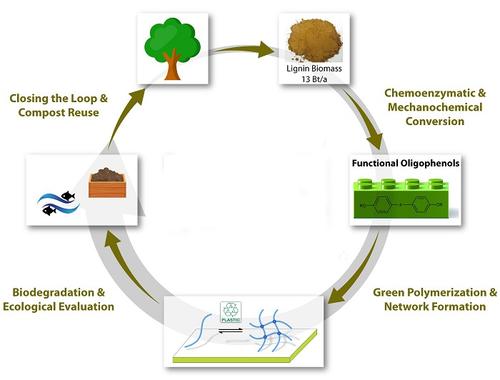
Rainer Haag is a Professor at the Department of Chemistry, Freie Universität Berlin, leading the Haag Group in the Institute of Chemistry and Biochemistry. His research focuses on biodegradable and sustainable materials, dynamic hydrogels, and polymeric nanosystems for biomedical applications. Department of Chemistry, Freie Universität Berlin Member of SFB 1449: Dynamic Hydrogels at Biointerfaces Collaborator in the StemGel startup project Co-founder of CSR|Berlin interdisciplinary research institute Research Interests: Development of stimuli-responsive polymers, multivalent virus inhibitors, and functional biointerfaces. Key projects include: Antiviral coatings using heteromultivalent polymers Thermoresponsive hydrogels for stem cell expansion Graphene derivatives for bacterial capture and disinfection Lignin upcycling for sustainable resin materials Supramolecular nanosystems for drug delivery Publication Trends highlight interdisciplinary work in polymer chemistry, nanotechnology, and biomedical applications. Recent articles focus on: 2D polyglycerols for virus interactions Redox-responsive nanogels Mucus-inspired adhesive hydrogels Tumor-targeting micelles Bacterial disinfection using graphene composites Labs & Collaborations include the Polymeric and Supramolecular Nanosystems subgroup, the Dynamic Hydrogels and Biointerfaces team, and partnerships with MIT in developing bioinspired adhesives. His group contributes to DFG-funded SFB 1449 and CSR|Berlin initiatives.
Professor Matthias Mann is a world-leading scientist serving as Director of the Proteomics and Signal Transduction department at the Max Planck Institute of Biochemistry in Martinsried, Germany, and Director of the Proteomics department at the Novo Nordisk Foundation Center for Protein Research, Faculty of Health Sciences, University of Copenhagen, Denmark. With an h-index exceeding 277 and over 350,000 citations, he is recognized as the highest cited German researcher and one of the most influential scientists globally in proteomics. His educational background includes: Ph.D. in Chemical Engineering from Yale University (1988) Master's Degree in Physics from Georg August University Göttingen (1984) Bachelor's of Arts in Mathematics from Georg August University Göttingen (1982) Professor Mann's research focuses on advancing mass spectrometry-based proteomics to understand biological systems at the protein level. His work spans technological developments in mass spectrometry, bioinformatics and computational analysis, signal transduction and posttranslational modifications, and clinical proteomics applications for disease diagnosis and treatment. The Mann lab has pioneered groundbreaking methods like SILAC for quantitative proteomics and MaxQuant for proteome data analysis. Their vision is to translate proteomics knowledge into clinical practice for predictive, diagnostic, and preventive medicine, with recent work focusing on AI-guided platforms for analyzing proteomes from minimal tissue samples. Analysis of Professor Mann's recent publications reveals a strong trend toward clinical applications of proteomics, particularly in cancer research, metabolic diseases, and neurodegenerative disorders. His work increasingly integrates spatial proteomics, single-cell resolution techniques, and artificial intelligence approaches to uncover disease mechanisms and identify potential biomarkers, with a clear shift from basic technology development toward direct clinical applications and personalized medicine. Professor Mann has received numerous prestigious awards throughout his career: 2025: Elected member of the American National Academy of Sciences 2024: Dr. H.P. Heineken Award for Biochemistry and Biophysics 2023: Otto Warburg Medal 2019: Nominated member of the Bavarian Academy of Sciences 2013: Elected member of Leopoldina German National Academy of Sciences 2012: Körber European Science Award, Louis-Jeantet Foundation Prize for Medicine, Ernst Schering Prize, and Leibniz Prize Professor Mann leads a highly collaborative research team involved in multiple international networks including the Bill & Melinda Gates Foundation, Michael J. Fox Foundation for Parkinson's Research, CLINSPECT-M, and Munich Heart Alliance. His lab has mentored numerous successful researchers, with several former postdocs receiving prestigious ERC Starting Grants. The Mann group has developed innovative clinical proteomics pipelines for analyzing archived tissue specimens and body fluids, aiming to identify protein markers for early detection of diseases such as diabetes and cancer. The Mann lab operates across two major research centers with state-of-the-art mass spectrometry facilities. Their Clinical Knowledge Graph platform integrates multi-omics data with extensive metadata, creating an ecosystem for machine learning applications in proteomics. Current research focuses on developing highly sensitive methods that can profile thousands of proteins from minimal cell samples, enabling the identification of critical disease-related proteins and supporting the development of individualized therapies.
Prof. Waldemar Kolanus leads the Molecular Immunology and Cell Biology department at the University of Bonn's Life & Medical Sciences Institute (LIMES) . His research bridges immunoregulation , stem cell dynamics , and metabolic stress responses in immune cells. Unit 2 member at LIMES Principal investigator in SFB 704 and ImmunoSensation Cluster Leads a multidisciplinary lab with postdocs, PhD students, and technical staff His work focuses on intracellular signaling pathways connecting immune activation to tissue homeostasis, particularly through: Cytohesin proteins in integrin-mediated adhesion and migration TRIM71 in stem cell regulation and congenital hydrocephalus High-salt environments affecting macrophage function Publication trends show expertise in immune cell migration , genetic models , and chemical inhibition , with frequent use of mice and zebrafish for in vivo studies. Key articles explore: TRIM71's dual role in auditory development and germ cell maintenance Cytohesin family's Golgi regulation and insulin signaling Ruxolitinib's off-target migration inhibition of dendritic cells Contact details: Address: LIMES Institute, Carl-Troll-Straße 31, Bonn Email: kolanus.sekretariat@uni-bonn.de Phone: +49 228 73-62788
Prof. Dr. Deniz Tasdemir is a Full Professor (W3) of Marine Natural Products Chemistry at GEOMAR Helmholtz-Zentrum für Ozeanforschung Kiel and serves as Director of the GEOMAR-Biotech center and Head of the Marine Natural Product Chemistry Research Unit. Her career spans institutions including the National University of Ireland Galway and UCL School of Pharmacy. PhD in Pharmacy, ETH Zurich (1997) Post-doctoral work, University of Utah (2001) Dr. Helmut Legerlotz Fellowship, University of Zurich (2002-2025) Her research focuses on marine chemical ecology , metabolomics , and bioprospecting for bioactive compounds from sponges, algae, and marine microbiomes. Recent work explores seagrass pathogen reduction, microbiome interactions, and aquafeed applications. Scientific awards include: Waters Award for Natural Products Innovation (2016) Egon Stahl Silver Medal (2005) Pierre Fabre Prize (2004) ETH Zurich Medal (1997) She leads collaborative projects on ocean sustainability and marine drug discovery, with editorial roles in Marine Drugs , Planta Medica , and Phytochemistry Letters .
Prof. Dr. Oliver Krüger is a behavioral ecologist and evolutionary biologist at Bielefeld University 's Faculty of Biology , where he leads the Department of Animal Behaviour since 2013. His research spans avian and marine mammal systems, focusing on life history strategies, parasite-host interactions, and environmental adaptation. Education: Biology studies at Bielefeld University (1994-1996) MSc in Oxford (1996-1997) PhD at Bielefeld University with Fritz Trillmich and Jan Lindström (1998-2000) Research Themes: Behavioral ecology, evolutionary biology, and population dynamics across tropical and temperate ecosystems. Key projects include NC³ (Niche Choice/Construction) and studies on Galápagos sea lions, common buzzards, and pinniped species. Scientific Leadership: Spokesperson, SFB TRR 212 "NC³" (2018-2025) Advisory Board member: German Ornithologists Union, IUCN SSC pinniped group, German Primate Centre Peer review roles: Humboldt Foundation, DFG, HFSP, NSF Awards: Leopoldina Prize (2001) Niko Tinbergen Award (2008) DFG Heisenberg Professorship (2010-2015)
Prof. Friederike Ebner holds the Chair of Infection Pathogenesis at the Technical University of Munich (TUM) since 2023, within the TUM School of Life Sciences. Her research focuses on the immunobiology of parasite infections, particularly studying gastrointestinal helminths like Ascaris suum and their interactions with host immune systems to design novel intervention strategies. She also develops biomedical models for studying infectious diseases. Educational Background: Friederike Ebner earned a biotechnology degree from TU Berlin and Dongseo University (South Korea). She completed her PhD in biology at Humboldt University Berlin (2014), followed by postdoctoral research in immunology at Freie Universität Berlin, where she became an assistant professor before moving to TUM. Research Interests: Her work spans helminth-host immune dynamics, vaccine development, microbiome interactions in parasitic infections, and translational models for human diseases. Key topics include Th2/Th1 immune balance, helminth-derived immunomodulators, and xenotransplantation safety. Notable Contributions: Her recent studies address diagnostic methods for ascariasis, microbiome roles in helminth survival, and immunotherapeutic applications of parasite products. Current efforts emphasize bridging fundamental immunology with clinical and veterinary applications. Professional Activities: Prof. Ebner teaches immunology and parasite biology at TUM while maintaining active collaborations in global health and infectious disease research. She advocates for interdisciplinary approaches to address knowledge gaps in parasitology and vaccinology.
Prof. Ralph Hückelhoven is a Professor of Phytopathology at the Technical University of Munich (TUM), affiliated with the TUM School of Life Sciences. His research focuses on the molecular and biological mechanisms underlying plant diseases, particularly plant immunity, pathogen exploitation of signal transduction, and host-pathogen interactions. He leads the Chair of Phytopathology at TUM since 2006, following academic roles at universities of Kiel and Hohenheim. Education: PhD (1999) and habilitation in molecular phytopathology (2005) from Justus Liebig University Giessen, after a biology degree at RWTH Aachen University. Awards: Julius Kühn Prize (2004) and leadership of a DFG Junior Research Group (2002-2006). His research spans plant immunity at cellular and molecular levels, including studies on receptor kinases (e.g., MIK2, LORE), RAC GTPases (e.g., RACB), and metabolomics-driven insights into pathogen resistance. He has published over 100 peer-reviewed articles, examining topics like fungal toxins, volatile signaling, and crop disease management. Key publications include work on Arabidopsis immune receptors, barley powdery mildew susceptibility factors, and Fusarium head blight resistance. Research integrates genetics, proteomics, and metabolomics to advance disease-resistant crop development. His lab investigates host-pathogen interactions across scales—from molecular signaling to field epidemiology—contributing to sustainable agricultural strategies against plant pathogens.
Dr. Angelika Rambold is a Group Leader at the Max Planck Institute of Immunobiology and Epigenetics in Freiburg, Germany, heading the Laboratory for Metabolic Organelle Networks in Immunology within the Department of Developmental Immunology. Previously affiliated with the University of Münster's Center for Molecular Biology of Inflammation (ZMBE) and Institute of Medical Biochemistry until January 2025, she investigates how intracellular organelle networks regulate immune cell function during inflammation, infection, and metabolic stress. Her research centers on dynamic interactions between mitochondria, lysosomes, lipid droplets, and autophagosomes during cellular adaptation to nutrient deprivation and pathogen challenge. Key interests include organelle communication mechanisms in immune cell activation, metabolic reprogramming in T cells and macrophages, and how defects in organelle networks drive primary immunodeficiencies like Chediak-Higashi syndrome. She employs advanced live-cell microscopy, super-resolution imaging, metabolomics, and single-cell transcriptomics to dissect these processes in primary immune cells and human disease models. Analysis of her publication record reveals consistent focus on mitochondrial dynamics as a central regulator of immune cell metabolism and fate determination. Landmark studies demonstrate TFEB-mediated itaconate synthesis for bacterial control in macrophages and coordinated organelle network responses during starvation, establishing critical links between organelle communication, immunometabolism, and disease pathogenesis across multiple immune cell types. Dr. Rambold serves as a supervisor in the Cells in Motion International Max Planck Research School (CiM-IMPRS) Graduate Programme, mentoring PhD students in interdisciplinary research. Her laboratory maintains active collaboration with the Center for Chronic Immunodeficiency (CCI) at the University of Freiburg to translate basic findings on organelle-mediated immune defects into clinical insights for patient-oriented research.
Prof. Dr. rer. nat. Lothar Elling is a University Professor and director at the Helmholtz Institute for Biomedical Engineering, RWTH Aachen University, Germany. His research focuses on biomaterials, glycoengineering, and enzymatic synthesis of carbohydrates and glycoconjugates. Institution: RWTH Aachen University Research Unit: Helmholtz Institute for Biomedical Engineering Academic Rank: Full Professor Prof. Elling's research interests include: Glycoengineering of biomaterials Enzymatic synthesis of glycans Glycosyltransferase immobilization Glycan-protein interactions Biocatalytic cascade reactions Biomedical applications of glycomaterials His recent publications demonstrate strong expertise in: - Automated enzymatic glycan synthesis - Multi-enzyme cascade systems for nucleotide sugar production - Glycosyltransferase engineering - Galectin-targeted glycomaterials - Microgel-based biosensors
Prof. Dr. Michael Schloter serves as Director of the Research Unit for Comparative Microbiome Analysis at Helmholtz Munich since 2011 and holds a Professorship in Microbiology at the Technical University of Munich since 2010. He concurrently acts as Principal Investigator at both the German Center for Lung Diseases (DZL) and the Central for Food and Nutrition (ZIEL) at TU Munich, driving interdisciplinary research at the intersection of environmental and human health through the "Planetary Health" framework. His educational foundation was built through diploma studies at Ludwig Maximilian University Munich and doctoral research at the University of Bayreuth, followed by formative work in Brazil and the United States where he pioneered bioinocula development for stress-resilient agriculture. At Helmholtz Munich (formerly GSF), he evolved from group leader in soil microbial ecology (2001) to Research Unit Director, expanding his focus from agricultural systems to human microbiome-health connections. Dr. Schloter's research program centers on microbiome-host crosstalk across ecological scales, investigating how environmental microbiota interact with human and plant microbiomes to influence health outcomes. His work integrates ecological theory with microbiome analysis to decode host-microbe co-evolution patterns, with applications spanning sustainable agriculture, allergy prevention, and infection control. Key thematic pillars include holobiont theory, probiotic development, and microbiome-mediated disease prevention through environmental quality improvement. Analysis of his 2025 publications reveals a strategic research portfolio bridging fundamental and applied microbiome science. Agricultural studies dominate (maize, potato, apple systems), examining microbial inoculants and soil management, while human health investigations explore preterm birth complications and Antarctic mammal microbiomes. Computational approaches for antimicrobial resistance assessment and ecosystem-scale projects like JenaTron demonstrate methodological breadth, all converging on translating microbiome functionality into real-world sustainability solutions. Major recognitions include: Election to the Bavarian Academy of Science (2021) Consistent placement among the top 1% of highly cited global researchers (2019-2021) Heinrich Baur Research Award (2011) for agricultural microbiology contributions As Research Unit Director, Schloter leads large-scale collaborative initiatives including the DZL and ZIEL consortia, securing major funding for microbiome standardization projects and international research networks. His leadership extends to developing analytical frameworks for cross-ecosystem microbiome comparisons and establishing protocols for translating microbial ecology principles into clinical and agricultural applications. The Comparative Microbiome Analysis unit operates as a nexus for multi-host microbiome research, employing comparative genomics, field-scale agricultural trials, and clinical cohort studies to investigate microbiome dynamics across environmental, plant, and human systems. Current infrastructure includes advanced sequencing facilities and experimental platforms for plant-microbe and host-microbe interaction studies under controlled and natural conditions.
Prof. Oliver Seitz leads the Bioorganic Synthesis research group at the Department of Chemistry, Faculty of Mathematics and Natural Sciences, Humboldt University of Berlin. His lab focuses on cutting-edge chemical biology approaches for protein/nucleic acid interrogation, with recent work advancing DNA/RNA-programmed assemblies for cellular imaging and therapeutic applications. Research spans chemical protein synthesis, glycoprotein/phosphoprotein engineering, and nucleic acid-templated reactions. Key innovations include Forced Intercalation (FIT) probes for wash-free RNA imaging, loss-of-affinity principles for catalytic efficiency, and peptide-PNA conjugates for targeted cellular delivery. The group actively develops tools for live-cell protein labeling and biomolecular spatial screening. Recent publications (2021-2024) emphasize fluorescence-based detection systems, catalytic templated reactions, and therapeutic peptide synthesis. Trends show increasing sophistication in multi-dye probes, glycan engineering, and RNA-triggered pro-drug activation. Scientific awards include: Max Bergmann Award (2019) Prof. Seitz actively advises doctoral students, with recent graduates Marvin Björn Stutz (2023, magna cum laude ), Dino Gluhacevic von Krüchten (2023, summa cum laude ), and Sophie Schöllkopf (2023, magna cum laude ). Current PhD candidates include Ekaterina Kazakova (glycoprotein synthesis), Alina Herfort (phosphoproteins), and Lina-Marie Beck (peptide-nucleic acid conjugates), with postdocs like Dr. Mandana Oloub (viscosity sensors). The Bioorganic Synthesis lab operates within Berlin's vibrant chemical research ecosystem, utilizing specialized techniques for chemical protein synthesis and nucleic acid detection. Recent team growth reflects ongoing projects in RNA imaging, catalytic templated reactions, and therapeutic conjugate development, supported by open positions for new researchers.
Prof. Dr. Kathrin Schumann is an Assistant Professor at the Technical University of Munich (TUM), leading the 'Engineering Immune Cells for Therapy' group within the TUM School of Medicine and Health. Her research focuses on CRISPR-based engineering of human immune cells to develop novel therapies for autoimmune and tumor diseases. She holds a doctorate from the Max Planck Institute of Biochemistry and has conducted postdoctoral research at the University of California, San Francisco, under Professors Alex Marson and Jeffrey Bluestone. Dr. Schumann’s academic career includes a Presidential Postdoc Fellowship at Novartis (Basel) and a tenure-track appointment at TUM since 2018. Her work emphasizes genomic editing of T cells to study gene function and improve cell therapy safety. Key research themes include CRISPR-mediated gene silencing, T cell receptor engineering, and HIV-host interaction studies. Education: Bachelor/Master in Biochemistry, University of Tübingen PhD, Max Planck Institute of Biochemistry (Martinsried) Postdoc, University of California, San Francisco (UCSF) Her research has yielded breakthroughs in CRISPR applications for T cell therapy, including PD-1 disruption to enhance anti-tumor efficacy and targeted editing of T cell receptors. Awards include a DFG research grant (2016). Notable achievements include the development of CRISPR ribonucleoprotein platforms for primary T cells and insights into metabolic checkpoints in T cell exhaustion. Her lab collaborates globally to translate CRISPR-based discoveries into clinical therapies.
Prof. Dr. Florian Jeltsch leads the Plant Ecology and Nature Conservation research group at the Institute of Biology and Biochemistry, University of Potsdam. His work spans multiple ecological domains with a focus on understanding biodiversity patterns and processes in changing environments. His research group investigates community ecology across various landscapes including grasslands, agricultural systems, and drylands. Dr. Jeltsch's research interests encompass Community Ecology of Grasslands and Agricultural Landscapes, Community Ecology of Drylands, Biodiversity in Heterogeneous Environments, Movement Ecology and Biodiversity Dynamics, and Applied Regional Conservation. His work integrates theoretical and empirical approaches to address pressing ecological questions related to global change. He has been instrumental in developing and applying individual-based models to understand complex ecological systems. Analysis of Dr. Jeltsch's recent publications reveals a strong focus on individual-based ecological modeling, movement ecology, and the impacts of landscape heterogeneity on biodiversity. His work spans from theoretical foundations to practical conservation applications, with particular emphasis on savanna ecosystems, habitat fragmentation effects, and climate change impacts. The research demonstrates integration of multiple scales from individual energetics to community dynamics. Dr. Jeltsch has mentored numerous doctoral students and postdoctoral researchers who have gone on to establish their own research careers. His group has been involved in multiple collaborative projects including BioHet, GrassYear, BioMove, and ORYCS, addressing biodiversity conservation in heterogeneous environments. The Plant Ecology and Nature Conservation group maintains active research stations including the Gülpe Research Station, providing field-based research opportunities. The group's work bridges theoretical ecology with practical conservation applications, particularly in the context of global environmental change.