Jadelys Tonosمشاهده پروفایل
استادیار
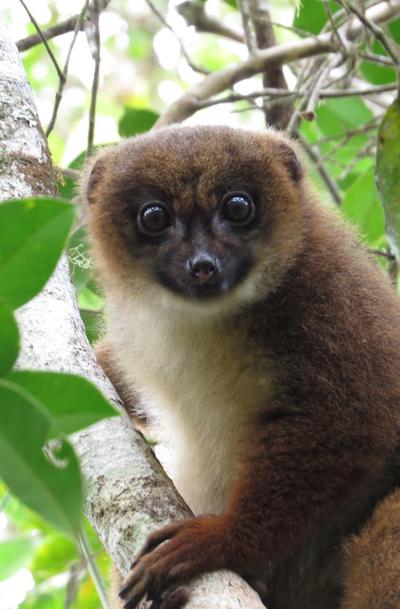
Jadelys Tonos is an Assistant Professor in the Department of Biology at San Francisco State University, where she has been faculty since 2024. Her research program focuses on mutualistic interactions in ecological systems, particularly examining how human-driven environmental change impacts these critical relationships. Dr. Tonos' primary research interests center on plant-animal mutualisms with specific emphasis on frugivory and seed dispersal dynamics. Her work integrates field studies in tropical ecosystems (particularly Madagascar), data science approaches, and conservation applications. Current projects investigate lemur-mediated seed dispersal networks, impacts of habitat fragmentation on mutualism structure, and climate change effects on plant-frugivore phenological synchrony. Her lab employs innovative methodologies including agent-based modeling of animal movement and genetic techniques for interaction network analysis. Her recent publications reveal strong thematic consistency in tropical ecology and conservation, with significant focus on Madagascar's unique ecosystems. The research demonstrates sophisticated integration of movement ecology, network theory, and anthropogenic impact assessment. Key trends include methodological innovation in studying elusive interactions, emphasis on keystone species dynamics, and direct application to restoration ecology. Recipient of CSU Black Success Initiative grant funding field research in Madagascar Active recruitment of diverse graduate and undergraduate researchers Focus on mentoring underrepresented students in ecology Dr. Tonos leads the Tonos Lab which conducts field research in Ranomafana National Park (Madagascar) and California ecosystems. The lab emphasizes inclusive team science with diverse membership and maintains strong international collaborations with Malagasy researchers. Current projects include assessment of understudied pollinators, genetic sampling of plant-frugivore networks, and analysis of invasive species impacts on native mutualisms.