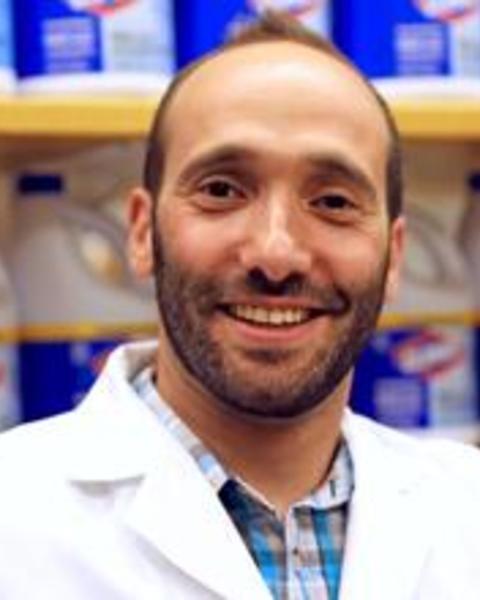
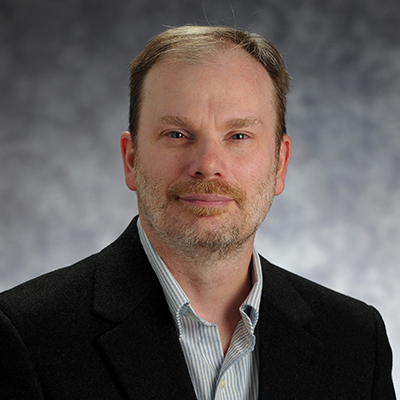
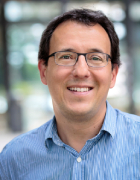
Dr. Michael Baym is an Associate Professor of Biomedical Informatics at Harvard Medical School with affiliate appointments in Microbiology and the Laboratory of Systems Pharmacology, and as an Associate Member of the Broad Institute. He leads the Baym Lab, which studies microbial evolutionary genomics and antibiotic resistance through a hybrid of experimental, computational, and theoretical approaches. His research focuses on: Antibiotic Resistance Evolution and practical interventions Mobile Genetic Elements (plasmids, phages, transposons) Computational Genomic Algorithms for big data analysis Synthetic Biology tools and technologies Key recent publications explore phage discovery systems , phylogenetic compression of microbial genomes, and RNA-guided gene drives in plasmids. His work is supported by multiple NIH/NIGMS and NSF grants including a MIRA award. Scientific honors include: Packard Fellowship (2018) Pew Biomedical Scholarship (2020) Sloan Research Fellowship (2020) A. Clifford Barger Excellence in Mentoring Award (2021) SSQBio Mentorship Award (2022) The lab actively trains PhD students and postdoctoral fellows with alumni occupying academic and industry positions globally. Current team members include researchers from interdisciplinary backgrounds working at the intersection of experiment, computation, and theory .
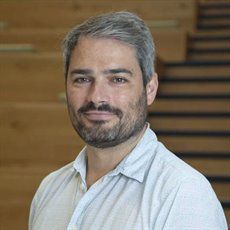
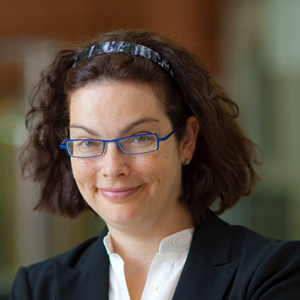
Jonathan Conway is an Assistant Professor in the Department of Chemical and Biological Engineering at Princeton University and an associated faculty member of the High Meadows Environmental Institute (HMEI). He leads the Conway Lab, which focuses on engineering plant-microbe interactions for applications in bioagriculture, bioenergy, and biochemical industries. Education: B.S. Chemical Engineering, University of Notre Dame (2011) M.S. Chemical Engineering, North Carolina State University (2013) Ph.D. Chemical Engineering, North Carolina State University (2017) Postdoctoral Fellow, University of North Carolina Chapel Hill & Howard Hughes Medical Institute (2017-2021) Research Interests: The Conway Lab develops genetic engineering approaches for non-model bacteria at plant-microbe interfaces. Key research areas include: chemical signaling between plants and microbes, microbiome impacts on plant immunity, environmental stress responses in agricultural systems, and enzymatic degradation of lignocellulosic biomass using thermophilic bacteria. The lab employs bacterial genetics, systems biology, and biomolecular engineering to create technologies for sustainable bioindustries. Publication Trends: Recent work demonstrates strong emphasis on molecular mechanisms of plant-microbe communication (2020-2024), enzyme characterization in biomass degradation (2024-2025), and development of synthetic microbial communities for climate resilience (2024). Earlier research focused on extremophile enzymology and metabolic engineering (2012-2019). Student Advising: Currently mentors 4 graduate students and 8 undergraduates. Alumni include 9 former advisees who graduated between 2022-2024. The lab actively recruits students through Princeton's Chemical Engineering graduate program and undergraduate research initiatives. Laboratory: The Conway Lab develops microfluidic systems for root microbiome studies and genetic tools for engineering plant-associated bacteria. Current projects include designing thermophilic microbial consortia for consolidated bioprocessing and characterizing bacterial immune evasion strategies.
Bruño Fraga is an Assistant Professor in the Department of Civil Engineering at the University of Birmingham, part of the School of Engineering. He specializes in Computational Fluid Dynamics (CFD) with a focus on turbulent and multiphase flows, particularly in applications like indoor air quality, water treatment, and airborne pathogen transport. His research group develops models such as Multiflow3D, addressing challenges in multiphase flow dynamics and environmental engineering. Education: MEng in Environmental Engineering (University of Santiago de Compostela, 1st class honors), MSc in Applied Math and Numerical Simulation (University of A Coruña), PhD in Civil Engineering (Universities of A Coruña and Chalmers). Research Interests: CFD modeling, bubble-induced turbulence, indoor air quality, water treatment technologies, and multiphase flow dynamics. Dr. Fraga leads major projects such as Fusion Forest (£1m, UKRI) and the IAQ-EMS initiative (£1m, Met Office), focusing on indoor air quality and pathogen transmission modeling. His work includes collaborations with organizations like Deltares Institute and Severn Trent, addressing wastewater treatment and environmental challenges. He is co-leader of the Fluids Research Group and the Water Technology stream at the University of Birmingham’s Water Centre. Scientific Awards: National Outstanding Graduate Prize (2011). Advising & Grants: Supervises graduate students in CFD and multiphase flow research. Oversees grants totaling over £2.1M, including fusion forest and buildair projects. Focuses on translating CFD expertise into real-world solutions for public health and environmental sustainability. Labs & Teams: Leads the Multiflow3D development team and collaborates with the Fluids Research Group and Water Technology stream.
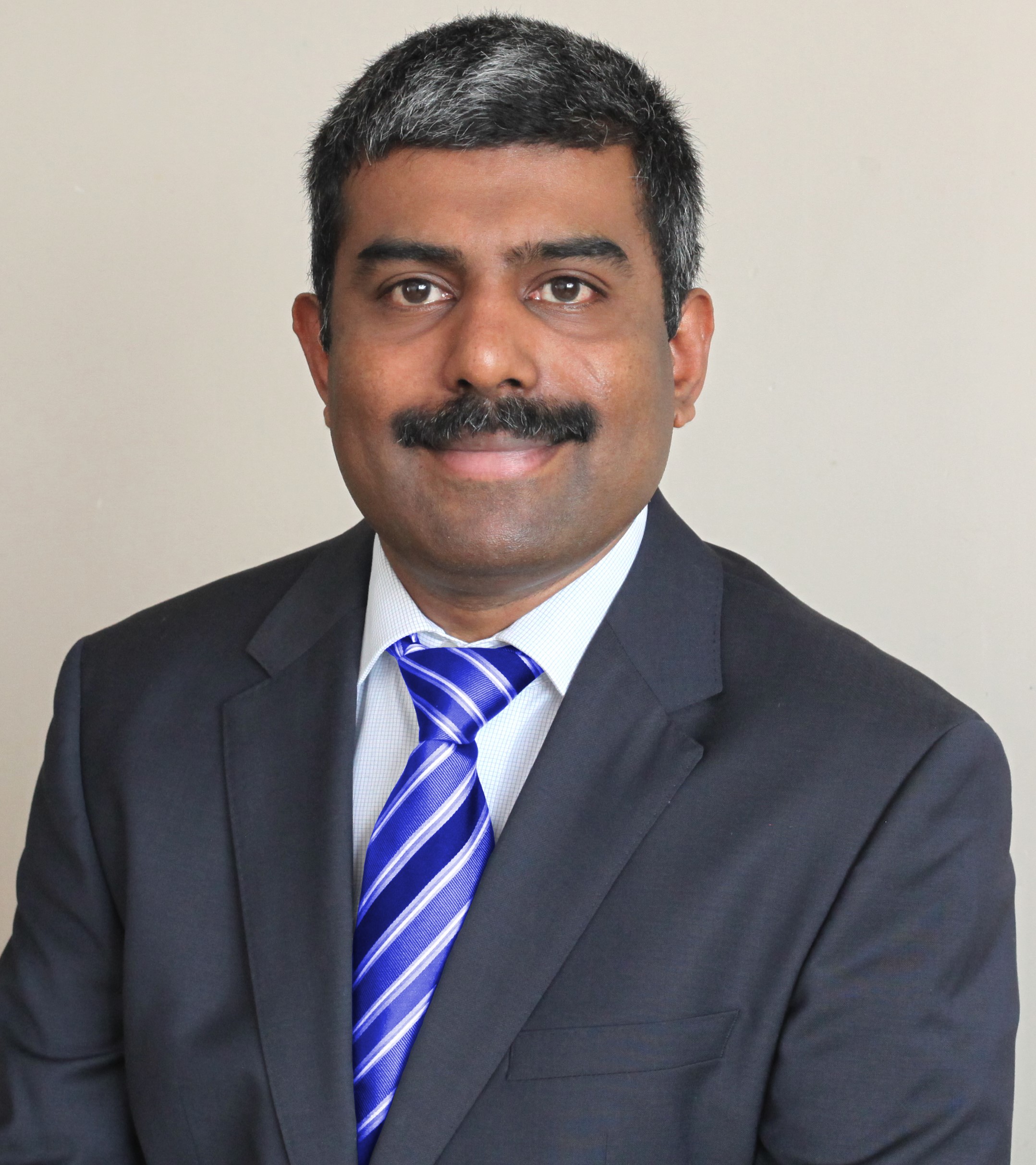
Dr. Anil Kumar is an Assistant Professor in the Department of Biochemistry, Microbiology & Immunology at the University of Saskatchewan's College of Medicine. He specializes in molecular virology, focusing on positive-stranded RNA viruses and their interactions with host immune systems. His research employs high-throughput genetic screens and reverse genetics systems to identify host factors critical for viral infection. Education includes a BSc in Agricultural Sciences (1999, Kerala Agricultural University), MSc in Plant Pathology (2001, Indian Agricultural Research Institute), and PhD in Molecular Virology (2010, University of Heidelberg). Postdoctoral training included stints at the University of Heidelberg (2010–2013) and the University of Alberta (2014–2020). Research interests center on Eastern Equine Encephalitis virus (EEEV) and Enterovirus D68 (EV-D68). For EEEV, his lab investigates immune evasion mechanisms and host-virus protein interactions to identify therapeutic targets. For EV-D68, they study CNS invasion mechanisms and novel host dependency factors linked to acute flaccid myelitis (AFM). Recent work includes studies on SARS-CoV-2, uncovering roles for host proteins like Argonaute 2 in viral restriction. His lab integrates molecular biology, virology, and systems biology approaches, with a focus on translational research for antiviral drug development. Collaborations include work on respiratory syncytial virus (RSV) entry mechanisms and dengue virus replication regulation.
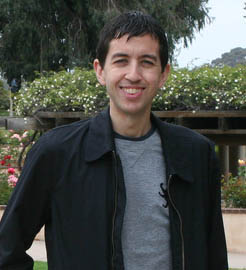
Santiago F. González is a Group Leader at the Institute for Research in Biomedicine (IRB) in Bellinzona, Switzerland, and an extraordinary professor at the University of Italian Switzerland (USI). He earned dual PhDs in microbiology (University of Santiago de Compostela, Spain) and immunology (University of Copenhagen, Denmark), followed by postdoctoral work (2007–2011) at Harvard Medical School's Immune Disease Institute under Michael Carroll. PhD in Microbiology, University of Santiago de Compostela PhD in Immunology, University of Copenhagen His research focuses on immune system dynamics during respiratory viral infections, vaccination, and cancer metastasis. Key areas include influenza recognition , lymph node inflammation , and immune cell behavior in vivo. He pioneered studies on C-type lectin receptors (e.g., SIGN-R1) in viral immunity and epigenetic modulators for inflammation. Recent publications highlight his work in epigenetic drug development , nanovaccines , and computational tools for immune cell tracking. His group uses two-photon intravital microscopy and spatial-temporal modeling to dissect immune responses. Scientific awards include three EU Marie Curie Fellowships (2004–2013), enabling his transition to independent research. His collaborations span Harvard, USI, and European institutions, with grants from the EU and Swiss research bodies. His lab at IRB, established via the 2013 Marie Curie Career Integration Grant , develops novel imaging approaches and therapeutic strategies for infectious and immune-mediated diseases.
James C. Gumbart is an Adjunct Professor in the School of Physics at Georgia Institute of Technology, with additional affiliation to the School of Chemistry and the Institute for Bioengineering and Bioscience . His research leverages molecular dynamics simulations to decode the atomic-level mechanisms of bacterial proteins and cellular structures. B.S., Physics and Mathematics, Western Illinois University, 2003 Ph.D., Physics, University of Illinois at Urbana Champaign, 2009 Dr. Gumbart's work bridges computational biophysics and biochemistry to understand: Mechanisms of bacterial membrane protein insertion and nutrient import Structural dynamics of cell wall mechanics SARS-CoV-2 spike protein interactions with ACE2 Free-energy calculations for protein-ligand binding Applications of machine learning in biomolecular simulations His publications reflect trends in membrane protein biophysics , viral dynamics , and computational drug design , with a strong emphasis on interdisciplinary techniques. Awards include multiple fellowships and grants from NSF , DOE , and NIAID . He has mentored numerous PhD students, including Zijian Zhang , David Ryoo , and Andrew Pang , whose work has advanced understanding of bacterial systems and viral proteins. The Gumbart Lab integrates high-powered supercomputing and advanced software to model biomolecular processes, fostering collaborations with institutions like the National Institutes of Health and Argonne National Laboratory .
Jeff Schorey is the George B. Craig Jr. Professor and a full Professor in the Department of Biological Sciences at the University of Notre Dame, where he has been a faculty member since 2004. He currently serves as Director of the Integrated Biomedical Sciences (IBMS) graduate program and previously held leadership roles including Chair of the Institutional Animal Care and Use Committee (IACUC) and Associate Director of the Eck Institute for Global Health. His research focuses on the pathobiology of mycobacterial diseases, particularly Mycobacterium tuberculosis and M. avium . His work investigates the molecular interactions between mycobacteria and host macrophages, with a special emphasis on the role of exosomes in immune modulation, diagnostics, and vaccine development. He also explores novel antibiotic development in collaboration with chemists at Notre Dame and global partners. His recent publications reveal a strong trend in extracellular vesicle biology, host-pathogen signaling, and translational applications in TB diagnostics and treatment. The articles span immunology, microbiology, and molecular biology, with recurring themes in exosome function, RNA sensing, and antimicrobial development. George B. Craig Jr. Collegiate Professor Dr. Schorey has advised graduate students and leads an active research lab focused on mycobacterial pathogenesis. His work is supported by collaborations across disciplines and institutions, particularly in drug development and clinical translation. He has contributed significantly to understanding how exosomes can serve as both biomarkers and therapeutic tools. His lab employs cellular immunology, animal models, and clinical sample analysis to study mycobacterial infections. He leads the IBMS program, shaping graduate education in biomedical sciences at Notre Dame.
Michael Lepech is a Professor of Civil and Environmental Engineering and Senior Fellow at the Woods Institute for the Environment at Stanford University. His research focuses on integrating sustainability into civil engineering through quantitative assessment and multi-scale modeling, particularly via the Sustainable Integrated Materials, Structures, Systems (SIMSS) framework. He also leads the Stanford Center at the Incheon Global Campus (SCIGC) in South Korea, exploring smart city technologies for urban sustainability. Education : PhD in Civil and Environmental Engineering (2006), MBA in Finance and Strategy (2008) from the University of Michigan. Research Areas : Sustainable infrastructure design, biopolymer composites, life cycle assessment, digital twinning, smart city technologies, and multi-physics deterioration modeling. Leadership : Director of SCIGC, advancing research on smart and sustainable urban environments in Songdo, South Korea. His recent publications focus on biopolymer-bound composites, traffic signal optimization, and life cycle sustainability analysis. He has received recognition as a Senior Fellow at Stanford’s Woods Institute for environmental research.
Berat Z. Haznedaroğlu is an Assistant Professor at the Institute of Environmental Sciences, Bogazici University, Istanbul, where he has been serving since 2014. He previously held an Assistant Professor position at the Department of Civil, Structural, and Environmental Engineering, University at Buffalo, New York (2012–2014), and completed postdoctoral training at Yale University. His research is highly interdisciplinary, bridging environmental engineering, microbiology, and biotechnology. Education: Postdoctoral, Chemical and Environmental Engineering, Yale University, USA (2012) PhD, Chemical and Environmental Engineering, University of California-Riverside, USA (2010) MS, Civil and Environmental Engineering, Villanova University, USA (2005) BS, Biology, Middle East Technical University, Turkey (2003) His research interests include Environmental Microbiology , Microalgae Functional Genomics , Systems Biology , and the Fate and Transport of Pathogens . He is particularly known for his work on microalgae-based solutions for wastewater treatment, biofuel production, and space life support systems. His lab explores the integration of algae-bacteria consortia for sustainable biorefineries and environmental remediation. The recent publications reflect a strong trend toward applied environmental biotechnology, with emphasis on microalgae applications in wastewater treatment, high-value product recovery (e.g., phycocyanin), and thermal processing effects on algal nutritional quality. The work spans from fundamental metabolic pathway analysis to real-world implementation in biorefineries and space missions. Scientific Awards and Grants: INDEPENDENT Project (€6.9M, 2019–2024) – Integrated Biorefinery for Bioeconomy MICRO-JET Project ($448K, 2020–2023) – Algae-Based Bio-Jet Fuel VirALGin Project ($185K, 2022–2024) – Algae-Derived SARS-CoV-2 Inhibitors UzMAn Project ($65K, 2023–2024) – Microalgal Life Support for Space Renew-IST Project ($521K, 2022–2023) – Renewable Energy Center in Istanbul Dr. Haznedaroglu leads a dynamic research group with multiple funded projects and collaborative networks across institutions in Turkey and the U.S. He advises graduate students and has co-authored several book chapters and journal articles with junior researchers. His work is supported by major national and international funding bodies including TUBITAK, TUBITAK-Uzay, and the Ministry of Industry and Technology. Future research directions include closed-loop life support systems for space habitats and commercial-scale algal biorefineries. Laboratories and Research Platforms: His team operates within the CBE Institute at Bogazici University, utilizing facilities for microbial culturing, genomics, and environmental analysis. The INDEPENDENT and UzMAn projects involve advanced bioreactor systems and space-simulated environments.
Jos Ruytinx is a faculty member in the Department of Bio-engineering Sciences at Vrije Universiteit Brussel (VUB), Belgium. His research focuses on plant-fungal interactions, particularly ectomycorrhizal symbiosis and metal homeostasis mechanisms. He actively supervises graduate students and serves on PhD committees, contributing significantly to the academic community at VUB. Dr. Ruytinx's research interests span several interconnected fields: Mycorrhizal symbiosis between plants and fungi Zinc and heavy metal homeostasis in ectomycorrhizal systems Molecular mechanisms of fungal adaptation to metal stress Transport physiology in plant-fungal symbiotic relationships Evolutionary aspects of ectomycorrhizal fungi Responses to ionizing radiation in plant-microbe systems His recent publications demonstrate a strong focus on understanding how ectomycorrhizal fungi like Laccaria bicolor and Suillus luteus interact with their plant hosts under metal stress conditions, particularly zinc. Through comparative transcriptomics and functional characterization of transporters, his work reveals genetic determinants of symbiotic compatibility and mechanisms of metal tolerance. This research has implications for phytoremediation and sustainable agriculture in contaminated soils. Dr. Ruytinx has received recognition for his work with an h-index of 17 and over 2151 citations. His research is supported by multiple grants including: FWOAL1080: Zinc homeostasis in ectomycorrhizal symbiosis: nutrition and beyond (2023-2026) FWOTM1079: Reactive oxygen species in ectomycorrhizal fungi: damage, signaling or both? (2021-2025) OZR4191: Bilateral cooperation for joint PhD VUB-UHasselt (2023-2027) HERC66: 3D-CELLMAP project (2024-2028) As an academic advisor, Dr. Ruytinx has supervised 7 students through their theses, including Master's and Doctoral candidates. His laboratory focuses on fungal genetics and plant-microbe interactions, with particular expertise in zinc transport mechanisms in ectomycorrhizal systems. He actively participates in public engagement activities, including field samplings and expert commentary on fungi as biofertilizers.
Helen Nguyen is a Professor in the Department of Civil and Environmental Engineering at the University of Illinois at Urbana-Champaign , where she has held positions since 2006. She also serves as an Affiliate at the Carle Illinois College of Medicine and the Institute for Genomic Biology . Her academic roles include chairing the Environmental Engineering and Science Program (2017-2019) and prior positions as Associate and Assistant Professor at UIUC. Ph.D. (2005), M.S. (2004) in Environmental Engineering from Johns Hopkins University M.S. (2000) in Earth and Environmental Science from University of Illinois at Chicago B.S. (1995) in Geology from Ivan Franko National University of L'viv Nguyen's research focuses on pathogens and biofilms in drinking water distribution systems , environmental surveillance of pathogens , and water and food safety . Her work spans microbial inactivation mechanisms, biofilm dynamics, and innovative water treatment strategies. Her recent 15 articles (2023-2025) emphasize coronavirus stability , legionella contamination , rotavirus on produce , biofilm mechanics , and climate-pathogen interactions . Trends include environmental virology, microbial risk assessment, and disinfection science. Scientific awards include the NSF CAREER award , Fulbright Specialist , AEESP/CH2M Hill Outstanding Dissertation Award , and University of Illinois College of Engineering Research Excellence Awards at both Assistant and Associate Professor levels. Nguyen advises 10 undergraduate students on pathogen removal and has mentored award-winning graduate students like Ruiqing Lu (2015) and Chamteut Oh (2024). She leads Engineers Without Borders teams and collaborates on USDA-funded food safety workshops .
Sharon Rozovsky is a Professor in the Department of Chemistry and Biochemistry at the University of Delaware's College of Arts & Sciences, where she leads research on oxidative stress response mechanisms and protein quality control pathways. Her work bridges biochemistry, chemical biology, and structural biology with direct implications for understanding neurodegenerative diseases and viral pathogenesis. Her academic foundation includes a B.S. from Tel Aviv University (1994) and a Ph.D. from Columbia University (2000), establishing her expertise in protein dynamics and redox biochemistry. These credentials underpin her innovative approaches to studying cellular stress responses. Rozovsky's research program centers on selenoproteins—proteins containing the rare amino acid selenocysteine—and their critical roles in endoplasmic reticulum (ER) stress resolution. She investigates how membrane-bound selenoproteins like Selenoprotein S and K regulate the ER-associated degradation (ERAD) pathway, with recent work revealing their surprising autoproteolytic activity and involvement in SARS-CoV-2 replication. Her lab pioneers chemical tools including expressed protein ligation and advanced 77Se NMR spectroscopy to characterize these systems at molecular resolution. Analysis of her 2021-2025 publications shows dominant themes in selenoprotein structure-function relationships, ER stress mechanisms, and viral interactions, alongside methodological innovations in cryo-EM grid technology and NMR. This body of work demonstrates consistent focus on redox biochemistry with expanding applications in virology and structural biology. No major scientific awards or fellowships were explicitly documented in the available materials, though her research impact is evident through high-impact publications and methodological contributions. She directs the active Rozovsky Research Group, mentoring graduate students and postdoctoral researchers in biochemical and biophysical techniques. Her laboratory operations are supported by competitive funding including an NSF CAREER award (2011) focused on selenoprotein reactivity, reflecting sustained recognition of her innovative research program.
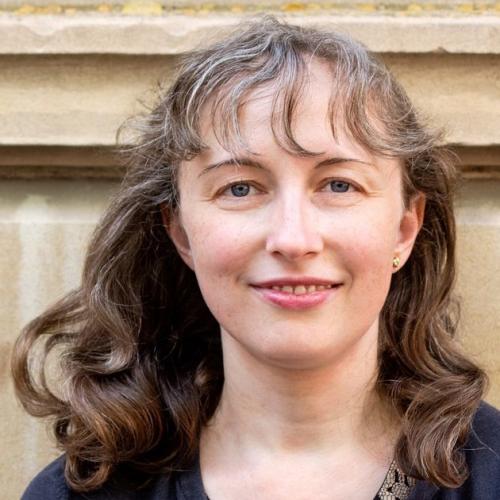
Professor Mary Augusta Brazelton is a Professor at the University of Cambridge's Department of History and Philosophy of Science and a Fellow of Jesus College. She serves as Director of Studies in Natural Sciences (History and Philosophy of Science) at Jesus College (on leave 2024-2025). Her academic work focuses on the history of science and medicine in modern China, with particular attention to global health, transportation technologies, and the intersection of science and state power. Education: BA (Harvard), MPhil and PhD (Yale). Awards include the 2020 Student-led Teaching Award and the 2019 Zhu Kezhen Senior Award. She is also a Trustee and Research Fellow of the Needham Research Institute and a Council member of the American Association for the History of Medicine. Her research explores topics such as mass vaccination policies in 20th-century China, Sino-French scientific collaborations, and the history of penicillin development. Current projects include studies on the Sino-French Institute in Lyon and transnational histories of civil aviation. Publications include Mass Vaccination: Citizens' Bodies and State Power in Modern China (2019) and China in Global Health: Past and Present (2023). She actively contributes to academic discussions through media engagements and international conferences.
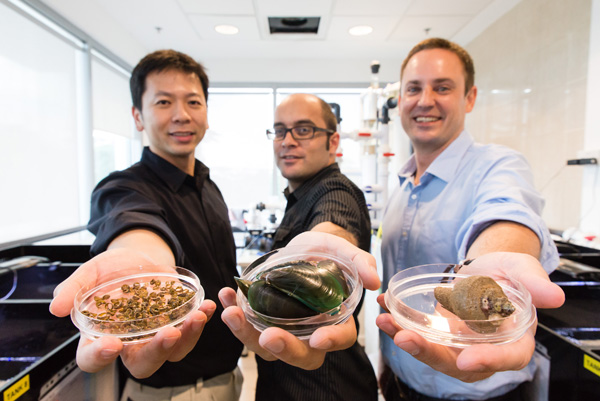
Professor Ali Gilles Tchenguise Miserez holds a joint appointment as Professor in the School of Materials Science and Engineering and the School of Biological Sciences at Nanyang Technological University (NTU) in Singapore. He is also the President's Chair in Materials Science and Engineering. His research group, the Biological and Biomimetic Materials Laboratory (BBML), is highly interdisciplinary, bringing together molecular biologists, chemists, bio-physicists, and materials scientists to study natural materials with unique properties not found in man-made materials. Prof. Miserez's research interests span multiple areas including bioelastomeric membranes & coiled-coil engineering, mechanisms of biofouling adhesion & anti-adhesive coatings, molecular biomimetics of non-mineralized hard tissues, biomineralized structures with graded properties, and liquid-liquid phase separation. His work focuses on understanding the molecular, physico-chemical, and structural principles of biological materials and translating these designs into novel biomimetic synthesis strategies. His laboratory emphasizes "green chemistry" approaches that mimic nature's energy-efficient synthesis methods under ambient conditions. Prof. Miserez's publication record demonstrates significant impact across multiple disciplines, with work appearing in top journals including Science, Nature Materials, Nature Biotechnology, Nature Chemical Biology, and Advanced Materials. His recent research has particularly focused on peptide coacervates for intracellular delivery of therapeutics, with applications in cancer treatment, mRNA delivery, and nucleic acid therapeutics. This work represents a convergence of materials science, biochemistry, and medicine with significant translational potential. Singapore National Research Foundation (NRF) Fellowship (2011) - $3 Million individual research grant for early career scientists Prof. Miserez has mentored numerous PhD students and postdoctoral researchers, many of whom have gone on to successful careers in academia and industry. His laboratory has developed strong international collaborations and has secured significant research funding. Current projects include developing peptide-based delivery systems for cancer therapeutics, understanding marine biofouling mechanisms, and creating biomimetic materials inspired by natural systems. The BBML laboratory is actively recruiting talented researchers interested in interdisciplinary work at the interface of biology and materials science.
Prof. Ralph Hückelhoven is a Professor of Phytopathology at the Technical University of Munich (TUM), affiliated with the TUM School of Life Sciences. His research focuses on the molecular and biological mechanisms underlying plant diseases, particularly plant immunity, pathogen exploitation of signal transduction, and host-pathogen interactions. He leads the Chair of Phytopathology at TUM since 2006, following academic roles at universities of Kiel and Hohenheim. Education: PhD (1999) and habilitation in molecular phytopathology (2005) from Justus Liebig University Giessen, after a biology degree at RWTH Aachen University. Awards: Julius Kühn Prize (2004) and leadership of a DFG Junior Research Group (2002-2006). His research spans plant immunity at cellular and molecular levels, including studies on receptor kinases (e.g., MIK2, LORE), RAC GTPases (e.g., RACB), and metabolomics-driven insights into pathogen resistance. He has published over 100 peer-reviewed articles, examining topics like fungal toxins, volatile signaling, and crop disease management. Key publications include work on Arabidopsis immune receptors, barley powdery mildew susceptibility factors, and Fusarium head blight resistance. Research integrates genetics, proteomics, and metabolomics to advance disease-resistant crop development. His lab investigates host-pathogen interactions across scales—from molecular signaling to field epidemiology—contributing to sustainable agricultural strategies against plant pathogens.