Adam C.N. Wong is an Assistant Professor in the Department of Entomology and Nematology at the University of Florida. His research focuses on host-microbe interactions, particularly how microbiomes influence insect behavior, physiology, and pathology. He employs multi-omics and molecular genetic approaches to study Drosophila species and non-model insects like chironomids and Drosophila suzukii. Key research themes include: 1) microbiome effects on host foraging and nutrient preference, 2) sex-specific microbiome-behavior interactions, and 3) microbiome roles in pest insect adaptation to new environments. Recent work explores microbiome-based strategies for sustainable pest control, collaborating with USDA-ARS on semiochemical development. His lab investigates mechanisms like microbiome-mediated metabolic shifts, virulence pathways of gut pathogens, and long-term developmental impacts of early microbiome perturbations. Research outputs span behavioral modulation, symbiosis dynamics, and agricultural applications of microbiome science. Contact: Steinmetz Hall, Gainesville, FL | adamcnwong@ufl.edu | Lab Website
Kent M. Daane is Professor of Cooperative Extension Specialist at UC Berkeley, developing ecologically-based pest management systems for agricultural crops through biological control and sustainable practices. Research focuses on mealybug management in vineyards, invasive species control (olive fly, spotted wing drosophila), and vector-pathogen interactions in tree crops. Current projects investigate Grapevine Red Blotch Virus epidemiology and biological control agent evaluation. Education: Ph.D. Entomology, UC Berkeley B.A. Zoology, UC Santa Barbara Awards: IOBC Distinguished Scientist Award (2020) California EPA IPM Achievement Award (2017)
Dr. Sunoh Che is an Assistant Professor in Animal & Avian Sciences at the University of Maryland's College of Agriculture and Natural Resources. She holds board certification in Veterinary Preventive Medicine and collaborates closely with poultry producers and processors to enhance animal health and product quality through data-driven strategies. Her lab focuses on poultry management extension programs addressing pre- and post-harvest processing challenges. Dr. Che earned her DVM from Chonnam National University (South Korea), followed by advanced degrees in veterinary medicine and epidemiology across Canada and Australia. Her expertise spans poultry production systems, statistical modeling, and metabolic disorders in chickens. Research interests include transcriptomic analysis of muscle myopathies (spaghetti meat, woody breast), gut microbiome differences between chicken breeds, and viral pathogen dynamics in avian species. Recent studies explore chilling methods' impacts on meat quality and bornavirus infections in waterfowl. Key Awards: Hy-Line International Genetics Award (2021), Endeavour Postgraduate Award (2010-2012) Teaching: Leads ANSC 262 – Commercial Poultry Management Lab Focus: Developing diagnostic tools and management protocols for broiler myopathies Her interdisciplinary approach bridges veterinary epidemiology with production agriculture to improve both animal welfare and industry efficiency.
Chiara De Santi is a Lecturer in Immunology at the School of Pharmacy and Biomolecular Sciences , Royal College of Surgeons in Ireland (RCSI), Dublin. She holds a PhD from the University of Siena and has held academic roles including Postdoctoral Researcher (2016–2020) and Research Fellow (2021–2022). Her research focuses on non-coding RNAs' therapeutic potential in lung diseases such as cystic fibrosis and pulmonary fibrosis, employing stem cell-derived organoids and ALI cultures for drug discovery. Education: BSc in Biological Sciences, University of Pisa (2007–2010) MSc in Molecular Biology, University of Pisa (2010–2012) PhD in Molecular Medicine, University of Siena (2012–2016) Research Interests: Non-coding RNAs (miRNAs, circRNAs) in lung pathologies Stem cell models for disease modeling Therapeutic modulation of inflammatory responses Cystic fibrosis and pulmonary fibrosis mechanisms Grants & Funding: RCSI Grant: The role of non-coding RNAs in alveolar epithelial damage (2023–2026) Vertex Pharmaceuticals: Target site blockers for CFTR mutation therapy (2024–2027) Irish Research Council: miRNA therapeutics in multiple sclerosis (2018–2020) Professional Activities: Athena Swan Champion for PBS (2023–present) RCSI EDI Committee and PPI in Research Committee member Chair of RCSI Postdoc Society (2021–2022) Teaching: Immunology modules for medical and biomedical science programs Leadership in Year 1 Prize Medal Dissertation Competition (Medicine) Contributions to MSc programs in Precision Medicine
Christopher Kribs is a Distinguished Teaching Professor and Distinguished Research Professor in the Mathematics Department at the University of Texas at Arlington (UTA), holding a joint appointment in Curriculum & Instruction. A fifth-generation Dallasite, he has been at UTA since 1997 following graduate studies at the University of Wisconsin-Madison. His academic journey includes sabbaticals in Mexico (2003-04), France (2009-10), and Scotland (2021-22), reflecting his international research collaborations. His research spans two primary domains: mathematical population biology (specializing in epidemiology and ecology using dynamical systems) and mathematics education (focusing on rational numbers pedagogy and classroom discourse analysis). Key research themes include vector-borne disease modeling (particularly Trypanosoma cruzi/Chagas disease), dengue-Zika interactions, anthrax-rabies dynamics, and the development of mathematical frameworks for educational practices. His work frequently examines how behavioral heterogeneity, cross-immunity, and environmental factors influence disease transmission. Kribs has received numerous accolades including the National Academy of Inventors designation (2021), President's Award for Excellence in Teaching (2017), Regents' Outstanding Teaching Award (2016), and the Marie Curie Fellowship (2009). His recent publications demonstrate continued innovation in modeling complex disease interactions and educational practices, with significant focus on antibody-dependent enhancement effects in arboviral diseases and cognitive demand analysis in mathematics classrooms. Piper Professor Nominee (2022) National Academy of Inventors (2021) President's Award for Excellence in Teaching (2017) UTA Academy of Distinguished Scholars (2017) Regents' Outstanding Teaching Award (2016) Prix Sanofi-Pasteur (2010) As an advisor, Kribs has chaired six doctoral dissertations and served on numerous committees, mentoring researchers in mathematical epidemiology and education. His grant portfolio includes substantial funding from NSF, Texas Higher Education Coordinating Board, and private foundations, totaling over $3.5 million. Current projects focus on optimizing dengue vaccination strategies and analyzing classroom discourse patterns. He also directs professional development programs for K-8 mathematics teachers and maintains active collaborations with institutions in Mexico, Colombia, and Scotland.
Dr. Rebecca Symula is an Instructional Associate Professor of Biology at The University of Mississippi. She coordinates and teaches the Introductory Biology lecture series. Her research focuses on evolutionary biology, phylogenetics, and microbial interactions in tsetse flies (Glossina species), with particular emphasis on symbionts like Wolbachia and pathogens like trypanosomes. Dr. Symula holds a Ph.D. in Ecology, Evolution, and Behavior from the University of Texas at Austin (2009). Her research examines host-pathogen symbiont dynamics, including coinfection patterns of Wolbachia, trypanosomes, and salivary gland hypertrophy virus (SGHV) in Ugandan tsetse populations. Recent work (2012) highlights complex coinfection dynamics linked to host genetic structure and epidemiological implications for African trypanosomiasis control. Dr. Symula’s publications span frog phylogeography (Crinia signifera, Dendrobates spp.) and microbial ecology in vectors. She has published in journals like Applied and Environmental Microbiology , Molecular Phylogenetics and Evolution , and mBio . Her work integrates molecular techniques, population genetics, and ecological modeling to understand speciation mechanisms and disease vector biology. Teaching responsibilities include Biological Sciences I (BISC 160) and II (BISC 162), foundational courses for biology majors. Office located in 202 Shoemaker Hall.
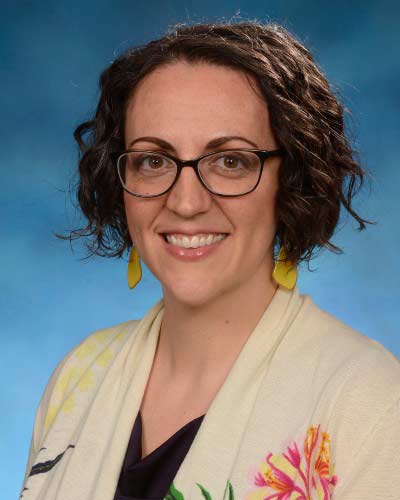
Dr. DeAnna Friedman-Klabanoff is an Assistant Professor in Pediatrics at the University of Maryland School of Medicine, specializing in pediatric infectious diseases with a focus on malaria vaccine development and immune responses. She leads clinical trials for malaria, mosquito-borne disease vaccines, and SARS-CoV-2. Her research combines peptide microarray technologies to study antibody specificity and natural immunity. She is affiliated with the NIH Vaccine and Treatment Evaluation Unit and holds grants including the NIH K23 and Passano Foundation Award. Dr. Friedman-Klabanoff also contributes to the COVID-19 Community Research Partnership, tracking seroprevalence and vaccine effectiveness. She teaches medical students and residents on the pediatric infectious disease consult service. Education: B.S., Medical Microbiology & Immunology, University of Wisconsin-Madison (2004) M.D., University of Wisconsin School of Medicine and Public Health (2009) M.S., Epidemiology & Clinical Research, University of Maryland (2023) Research Interests: Her work centers on refining malaria vaccines by analyzing pre-erythrocytic antibodies and leveraging systems serology. Current projects include Phase 1 trials of a full-length circumsporozoite protein vaccine and studying natural immunity in Malawian children. She extends this expertise to mosquito saliva vaccines (AGS-v PLUS) and SARS-CoV-2 serology. Publications: Over 15 peer-reviewed articles since 2016, including key 2024 studies on malaria vaccine efficacy and 2022 work on mosquito-borne disease vaccines. Awards/Grants: NICHD K23 (2019–2021) Passano Foundation Clinician-Investigator Award (2021–2023) Labs/Teams: Collaborates with the Center for Vaccine Development (CVD) to advance systems serology for malaria immunity analysis.
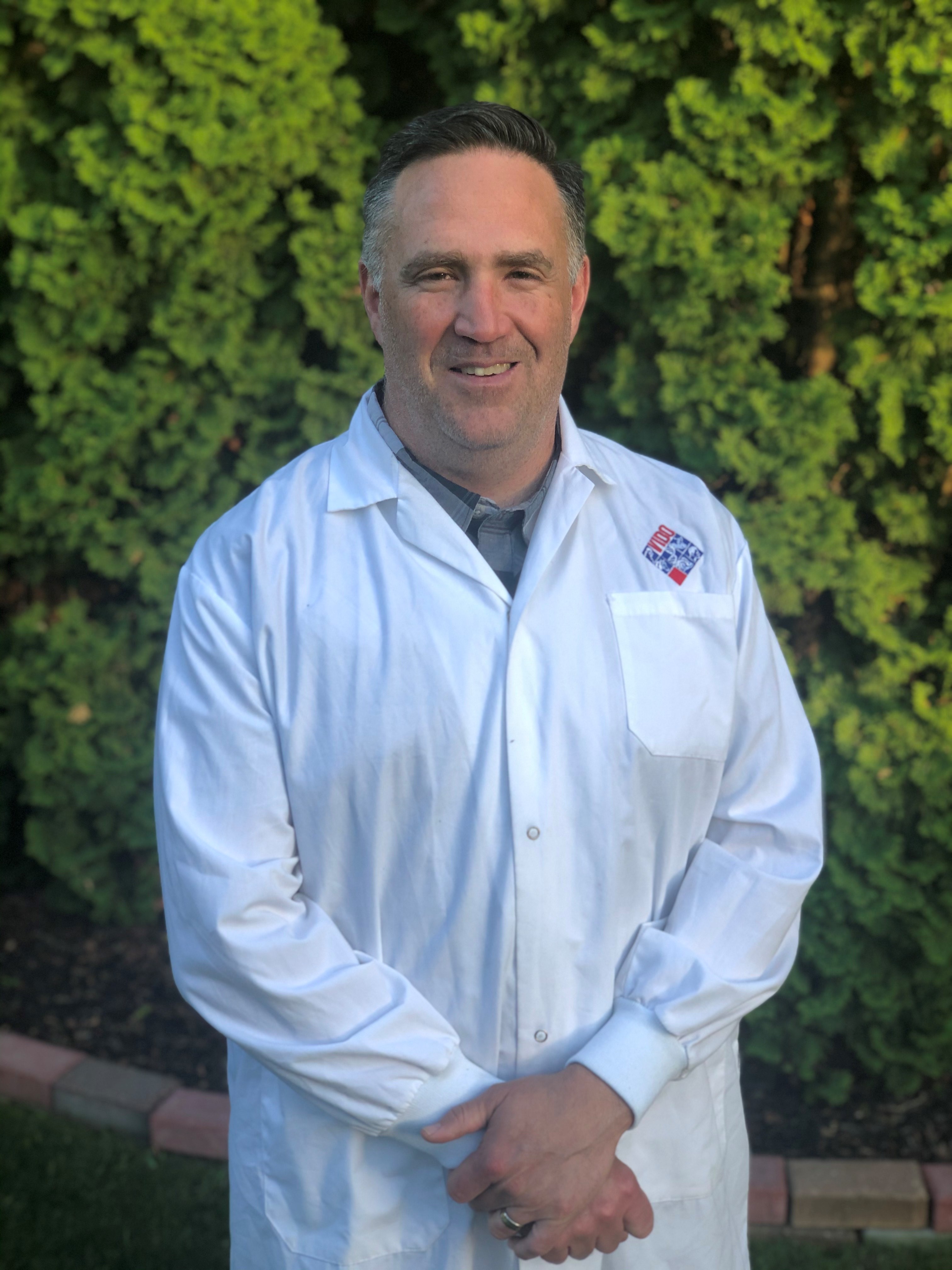
Aaron White serves as a Research Scientist at VIDO (Vaccine and Infectious Disease Organization) at the University of Saskatchewan, where he has worked since 2009. He holds the prestigious Jarislowsky Chair in Biotechnology, reflecting his significant contributions to the field. Dr. White's research focuses on bacterial pathogenesis with particular emphasis on Salmonella transmission, virulence mechanisms, and vaccine development. His work spans multiple areas including gene expression associated with biofilm formation, host-adaptation of enteric pathogens, and advanced gene reporter and imaging technologies. His expertise extends to molecular biology and next-generation DNA sequencing techniques that support his pathogen research. His recent publications demonstrate a strong focus on bacterial vaccine development, particularly for non-typhoidal Salmonella, and computational approaches to understanding bacterial secretion systems in Gram-negative pathogens. These works reflect his commitment to developing practical solutions for bacterial infections through innovative vaccine platforms and analytical methods. Scientific Recognition: Jarislowsky Chair in Biotechnology Dr. White leads the Bacterial Vaccine Development Group at VIDO, where his research has significant implications for public health and infectious disease control. His work bridges fundamental bacterial pathogenesis research with practical vaccine development applications, positioning him at the forefront of combating enteric bacterial pathogens.
Craig Williams is a Professor and Dean of Programs (Science, Construction & Project Management) at the University of South Australia (UniSA STEM). His research focuses on mosquito-borne diseases, public health, and environmental epidemiology, with a focus on understanding the ecological and social drivers of disease outbreaks like Ross River virus and Japanese encephalitis. He leads surveillance projects along the Murray River and has contributed to citizen science initiatives for low-cost mosquito monitoring. Education & Background: PhD in Public Health/Epidemiology (not explicitly stated, inferred from role) Affiliations include Sansom Institute for Health Research and Healthy Environments, Healthy People Research Group Research Interests: His work spans vector ecology, climate change impacts on disease spread, and biodiversity-environment links. Key areas include viral zoonoses, urban health risks, and surveillance tool development (e.g., RR Forester software). Articles Overview: Recent publications address emerging diseases in Australia, citizen science applications in entomology, and the role of urbanization in disease ecology. He emphasizes interdisciplinary approaches combining fieldwork, predictive modeling, and community engagement. Grants & Awards: NHMRC Grant 2008937 (Japanese encephalitis study) ARC Grant FL160100101 (urban environmental health) Advising & Teams: He collaborates with institutions like NSW Health Pathology and James Cook University. Projects include the Murray River mosquito surveys and the Australian Centre for Precision Health initiatives. Labs/Teams: Leadership roles in the Healthy Environments, Healthy People Research Group and involvement in the HEAL (Healthy Environments and Lives) network.
Dr. Lotti Tajouri serves as an Associate Professor in the Department of Biomedical Sciences within Bond University's Faculty of Health Sciences & Medicine. She holds dual affiliations as a member of the Dubai Police Scientific Council, demonstrating her cross-disciplinary impact in public health and security. Her academic journey began with undergraduate and master's studies in France, culminating in a PhD in Molecular Genetics from Griffith University, supported by the prestigious Lindsay Yeo Research Scholarship. Her research spans two primary domains: molecular genetics of complex diseases and infection control biosecurity . In molecular genetics, she has pioneered gene profiling studies across breast cancer, multiple sclerosis, rheumatoid arthritis, leukemia, and migraines. More recently, her work has gained international recognition for investigating microbial transmission via mobile devices, with findings showing SARS-CoV-2 on 45% of phones and establishing mobile phones as significant vectors for healthcare-associated infections. This research has directly influenced public health protocols, advocating for a "6th moment" of hand hygiene. Key Publications Trend: 78% of recent work (2020-2025) focuses on infection control biosecurity, particularly mobile device contamination, while 22% continues molecular genetics research Media Impact: Research covered by 31+ news outlets, referenced in policy documents, and shared by 158+ X users Collaboration Network: Strong international partnerships across UAE, Australia, and global research institutions Scientific Recognition: Lindsay Yeo Research Scholarship for doctoral studies 25 h-index with 2,223 Scopus citations 102 research outputs including high-impact publications in Microorganisms and Journal of Infection and Public Health As an educator, she convenes Immunology, Microbiology, and Exploring Human Disease courses while mentoring students in biomedical research. Her work contributes significantly to UN Sustainable Development Goals related to health and well-being, with research actively shaping global biosecurity standards and clinical infection control practices.
Dr. Stuart Reitz is Director at the Malheur Agricultural Experiment Station, Oregon State University, where he leads research and extension programming related to cropping systems in Malheur County. His work focuses on Integrated Pest Management (IPM), ecology and management of insect vectors of plant pathogens, particularly in onion and potato production systems in the Treasure Valley region of Eastern Oregon and Southwestern Idaho. Dr. Reitz's educational background includes: Ph.D. in Entomology from Clemson University (1994), with dissertation on "Reproductive Biology of Eucelatoria bryani and Eucelatoria rubentis (Diptera: Tachinidae), Larval Parasitoids of Helicoverpa zea (Lepidoptera: Noctuidae)." M.S. in Zoology from Clemson University (1988), with thesis on "Relationships of Feeding and Locomotor Activity to Intraspecific Social Dominance in Captive Wintering Savannah Sparrows." B.S. in Biology (minors in Geography and Chemistry) from University of South Alabama (1985). Dr. Reitz's research primarily centers on thrips management, particularly western flower thrips ( Frankliniella occidentalis ), and their role in transmitting plant pathogens like Iris yellow spot virus. His work spans entomology, plant pathology, food safety, and integrated pest management strategies for onion and potato production. He investigates biological control methods, insecticide resistance, and the impacts of agricultural practices on pest dynamics and pathogen transmission. His recent publications demonstrate a strong focus on food safety concerns related to onion production, particularly examining Escherichia coli contamination risks and mitigation strategies. There's also significant work on thrips ecology, invasive species dynamics, and novel pest management approaches including RNAi technology. His research bridges fundamental entomological questions with practical agricultural applications. Dr. Reitz has received numerous awards including: Oregon Farm Food Safety Team Award, OSU Extension Association (2019) Western Region Excellence in Multistate Research Award for "Managing Onion Pests and Diseases" (2018) Award of Excellence for Training IPM Professionals in Rural Areas (2017) "Ask-an-Expert" Outstanding Performer, Oregon State University Extension (2017) Strategic Impact Award, OSU University Outreach and Engagement (2016) Hoecker Newer Faculty Award, Oregon State University Extension Service (2016) Dr. Reitz actively mentors graduate students through both the Crop and Soil Science Department and the Entomology Program at Oregon State University. He has secured significant funding for research on onion pest management, food safety, and integrated pest management strategies. His work often involves collaboration with researchers across multiple institutions and states, particularly through multistate research projects focused on onion production challenges. Dr. Reitz leads research efforts at the Malheur Agricultural Experiment Station, where his team conducts field studies on onion and potato pests, pathogen transmission, and food safety concerns. His work directly informs extension programs that support regional onion growers in implementing effective pest management strategies while meeting food safety regulations.
Darrin Walenta is an Associate Professor and Extension Agronomist at Oregon State University's Department of Crop and Soil Science within the College of Agricultural Sciences . He has served at OSU since 2000, focusing on field crop responsibilities in Union, Baker, and Wallowa Counties. His work bridges research and outreach, addressing practical agricultural challenges through integrated pest management (IPM) and plant pathology. Education : B.S. in Agronomy from Oklahoma State University (1992); M.S. in Crop Science from Washington State University (2001). Dr. Walenta's research centers on ergot disease in grass seed crops, herbicide resistance , and insect vector dynamics . He develops predictive models for pest outbreaks and employs information technology to enhance disease surveillance. His projects often involve collaborations with USDA-ARS and Pacific Northwest agricultural stakeholders. His recent publications highlight advancements in ACCase-inhibitor resistance monitoring, invasive moth management , and fungicide efficacy for ergot control. He has pioneered tools like the Ergot Alert Newsletter and electronic pest alert systems for real-time grower support. Scientific Awards : Distinguished Service Awards (2024, 2016); Vice Provost Award for Outreach Excellence (2018); Experienced/Newer Faculty Awards (2013, 2006). Dr. Walenta leads community partnerships to improve IPM adoption, including the Electronic Mint Pest Alert Newsletter and learner-centered education programs . His outreach spans grass seed production , potato pest management , and agricultural technology training .
Deborah Holt is a Senior Lecturer in Biomedical Sciences at Charles Darwin University’s Faculty of Health, with an honorary fellowship in Child and Maternal Health. Her research focuses on molecular biology of bacterial and parasitic pathogens in tropical regions, particularly in remote Australian Indigenous communities. She specializes in pathogen genome sequence analysis and rapid molecular surveillance tools. Her work addresses global health challenges like scabies, Streptococcus infections, and antimicrobial resistance, contributing to Sustainable Development Goals related to health equity and disease eradication. Key collaborations involve genomic epidemiology studies, outbreak investigations, and One Health approaches. Holt has supervised postgraduate research and contributed to interdisciplinary projects in Northern Australia and beyond. Research interests include Streptococcus pyogenes lineage dynamics, scabies microbiome analysis, and genomic tools like the minSNPs R package. She has published over 90 articles, with recent work on household transmission of pathogens, outbreak responses, and mobile genetic element exchange. Her studies highlight genomic approaches to understand infection spread and inform public health strategies in resource-limited settings.
James Watmough is a Professor in Mathematical Biology at the University of New Brunswick's Department of Mathematics and Statistics. He obtained his Ph.D. from the University of British Columbia and holds expertise in epidemiological modeling and ecological dynamics. Research focuses on: Disease transmission modeling (COVID-19, monkeypox, influenza) Ecological population dynamics Public health intervention strategies Nonlinear dynamical systems His extensive publication record emphasizes mathematical epidemiology, particularly COVID-19 response strategies, with recent work on vaccination efficacy, border policies, and nonpharmaceutical interventions. Models incorporate behavioral factors, climate effects, and policy implementation timing. Watmough's research integrates theoretical mathematics with practical public health applications, contributing to pandemic preparedness and ecological management frameworks.
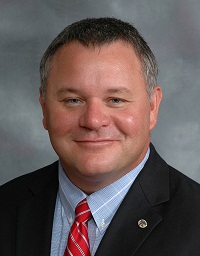
David G. Renter is a Professor of Epidemiology at Kansas State University's College of Veterinary Medicine , where he serves as Director of the Center for Outcomes Research and Epidemiology and holds the Dr. Robert MacDonald Professorship in Veterinary Medicine . With a BS in Biological Sciences (1994, University of Nebraska at Kearney) , DVM (1998) , and PhD in Veterinary Microbiology (2002) from Kansas State University, his career focuses on applying epidemiological principles to enhance animal health, food safety, and human health intersections. Academic background in biological sciences, veterinary medicine, and microbiology Leadership role in veterinary outcomes research Teaching focus on epidemiology and evidence-based practice Industry-aligned research with beef production systems His research emphasizes experimental/observational epidemiology in feedlot cattle, addressing complex issues like bovine respiratory disease , antimicrobial stewardship , economic modeling , and food safety . A Fellow of the Conference of Researchers in Animal Disease , he has published extensively on feedlot management , statistical disease modeling , and veterinary decision analytics . Recent publications (2022-2025) demonstrate a pattern of economic risk modeling in cattle operations, antibiotic metaphylaxis outcomes , weather-disease correlations , and structural equation modeling for feedlot data. His work bridges statistical rigor with practical agricultural applications . 2025: Economic modeling of feedlot interventions 2024: Causal inference frameworks in veterinary research 2023: Anthelmintic refugia strategy validation 2022: Vaccine efficacy testing in neonatal calves As a continuing education developer and graduate training architect , he mentors DVM, MPH, MS, and PhD students while directing population health initiatives. The Center for Outcomes Research under his leadership implements data-driven strategies for livestock sustainability and economic viability in animal health systems.