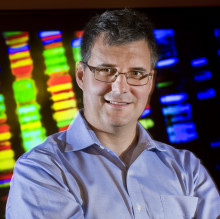
Dr. Mihai Pop is a Professor of Computer Science and Director of the University of Maryland Institute for Advanced Computer Studies (UMIACS). He holds appointments in the Department of Computer Science, UMIACS, and the Center for Bioinformatics and Computational Biology (CBCB). His research focuses on computational biology, metagenomics, and algorithm development for genomic data analysis. He received a Ph.D. in Computer Science from Johns Hopkins University (2000), followed by work at The Institute for Genomic Research (TIGR) developing genome assembly algorithms. Education: Ph.D., Computer Science, Johns Hopkins University, 2000. Research Interests: Bioinformatics, genomics, metagenomics, computational geometry, software testing. His lab develops tools for analyzing microbial communities and has pioneered methods for metagenomic assembly and analysis. Notable tools include the AMOS genome assembly toolkit. Recent Article Trends: Recent work emphasizes long-read sequencing, metagenomic profiling (e.g., TIPP3), and strain-level analysis (e.g., Strainy). He addresses challenges in scaling sequence-based searches and improving taxonomic resolution in large datasets. Awards: ACM Fellow (2019), ISCB Fellow (2022), UMD Excellence in Teaching Award (2015). Grants & Leadership: Co-leader of the Human Microbiome Project data analysis group. Active in diversity initiatives to promote inclusivity in computational fields. Labs/Teams: Pop Lab (pop-lab.org) focuses on computational methods for microbial genomics and metagenomics.
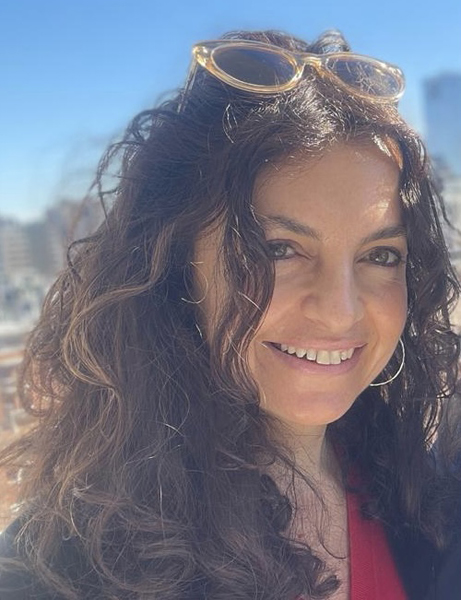
Linda J. Harris, Ph.D., is a Distinguished Professor of Cooperative Extension in Microbial Food Safety at the University of California, Davis, within the Department of Food Science and Technology. She served as Department Chair from 2016 to 2021. Her research focuses on microbial food safety, particularly in fresh produce and tree nuts, emphasizing pathogen behavior, antimicrobial treatments, and standard microbiological methods validation. She collaborates with food producers, processors, and government agencies to address food safety challenges. Dr. Harris earned her Ph.D. in Food Science from North Carolina State University in 1991. Her work integrates laboratory studies with extension activities to ensure practical applications in food safety. Key areas include evaluating pathogen survival on produce, developing sanitation protocols, and assessing risks associated with low-moisture foods. Her research trends highlight advancements in pathogen detection (e.g., MALDI-TOF technology), contamination prevention in postharvest handling, and consumer practices affecting food safety (e.g., homemade nut-based products). Recent articles address Salmonella and Listeria survival on produce, irrigation impacts on pathogens, and validation of pathogen reduction processes. Awards: 2021 AAAS Fellow 2018 Institute of Food Technologists Fellow 2004 Elmer Marth Educator Award Her advising and grants focus on low-moisture food safety, extension education, and industry partnerships. She leads initiatives like the Scientific Integrity Consortium and collaborates on national food safety guidelines. Dr. Harris is affiliated with the Robert Mondavi Institute for Wine and Food Science at UC Davis.
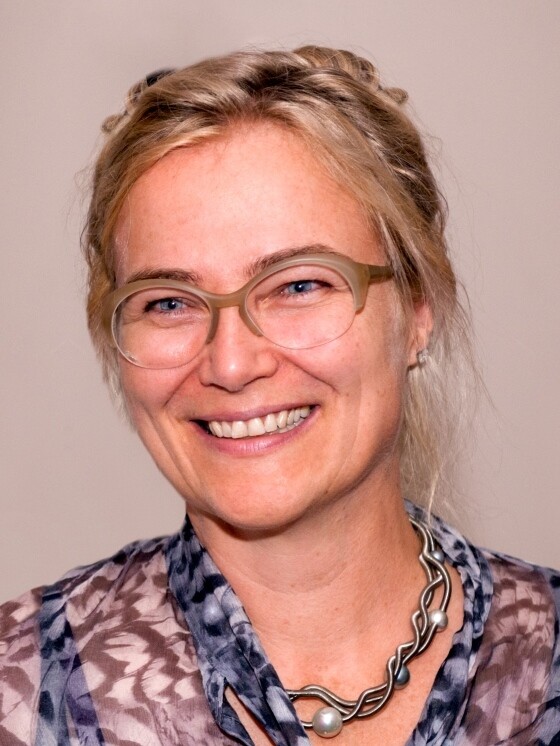
Elisa Riedo is a tenured Professor of Chemical and Biomolecular Engineering at New York University (NYU) Tandon School of Engineering, with joint appointments as Professor of Physics in NYU’s College of Arts and Science and as affiliated Professor of Mechanical Engineering at Tandon. She serves as Director of Faculty Development at NYU Tandon and has held prior tenured positions at Georgia Tech (2003–2015) and CUNY ASRC (2015–2018). Her academic career spans over two decades, with a Ph.D. in Physics from the University of Milano (2000) and postdoctoral work at EPFL. Her research focuses on nanotechnology , graphene and 2D materials , and thermal scanning probe lithography (tSPL) , with applications in biomedical diagnostics quantum electronics electromagnetic interference shielding mechanical reinforcement of materials She pioneered tSPL for sustainable nanofabrication and discovered diamene—a single-layer diamond structure from graphene under pressure. Her recent work involves transparent infrared electrodes using silver nanowires (2025) and self-organized graphene stacking domains for quantum technologies (2024). She has secured major grants from National Science Foundation , Department of Defense , and Army Research Office . Scientific honors include: 2023 NYU Tandon Excellence in Research Award 2013 American Physical Society Fellow 2005 CREA Innovation Award Membership in the Academy of Europe (2023) She contributes to editorial boards for journals like 2D Materials and Applications and advises companies such as Mirimus Inc. and SwissLitho AG .
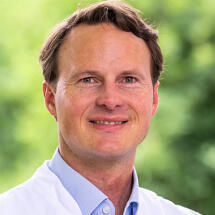
Univ.-Prof. Dr. med. Martin A. Kriegel serves as full Professor and Department Head of the Department of Translational Rheumatology and Immunology at the Institute of Musculoskeletal Medicine, University of Münster, while maintaining an active laboratory at Yale School of Medicine. He leads the Section for Rheumatology and Clinical Immunology (SRKI) at Medical Clinic D, where his team integrates clinical care with cutting-edge microbiome research. His department operates from Röntgenstraße 21 and Von-Esmarch-Str. 54 in Münster, Germany, with extensive collaborations including the "Cells in Motion" research initiative and the CiM-IMPRS graduate program. Dr. Kriegel's research program focuses on the critical interface between host immunity and microbiota, particularly investigating how gut commensals translocate to host tissues and trigger autoimmune responses. His laboratory pioneered the discovery that specific pathobionts like Enterococcus gallinarum and certain Lactobacillus strains can translocate from the gut to mesenteric lymph nodes, liver, and other sites, driving autoimmune responses through molecular mimicry of human autoantigens. His work has established fundamental mechanisms by which microbiota influence rheumatic diseases, cutaneous autoimmunity, and cancer immunology, with particular emphasis on Ro60 autoantigen mimicry, TLR7-dependent pathways, and diet-microbiome interactions. The laboratory employs advanced techniques including gnotobiotic mouse models, humanized systems, and detailed molecular characterization of host-pathobiont interactions. Analysis of Dr. Kriegel's publication record reveals a consistent trajectory of high-impact research connecting microbiome dynamics to autoimmune pathogenesis. His most recent work (2023-2025) demonstrates increasingly sophisticated understanding of how specific bacterial strains influence disease phenotypes across multiple autoimmune conditions, with notable advances in identifying shared microbiome signatures across lupus and inflammatory bowel disease. The publications show progressive refinement from initial observations of microbial translocation to detailed mechanistic insights into tryptophan catabolism pathways, structural basis of molecular mimicry, and diet-sensitive microbial triggers. Dr. Kriegel's scientific recognition includes US Patent No. 11,058,756 B2 for compositions treating autoimmune diseases by reducing enterococcus, reflecting the translational potential of his research. His laboratory receives substantial funding, most notably a $3 million award from the Lupus Research Alliance for the TransLuMi project investigating gut pathobiont translocation in systemic lupus erythematosus. As an educator and mentor, Dr. Kriegel directs a substantial research team including multiple postdocs (Drs. Marcia Pereira, Nathalie Becker), PhD candidates (Anna Brinkhege, Carina Brune, Helen Fuhrmann), and laboratory specialists. He participates in the CiM-IMPRS graduate program and supervises medical students through the MedK program. His laboratory currently manages multiple significant research projects including: (A) intestinal wall permeability and pathobiont translocation in autoimmunity; (B) diet-environment-microbiome interactions; (C) microbiota disruption of immunological tolerance; and (D) microbiome roles in lymphoma development. The Kriegel laboratory maintains state-of-the-art facilities at both Münster and Yale, with specialized capabilities in gnotobiotic research, microbiome analysis, and immune profiling. His team collaborates with international partners including Dr. Eran Elinav at Weizmann Institute, Dr. Nissan Yissachar at Bar-Ilan University, Prof. George Tsokos at Harvard, and Prof. Ilana Brito at Cornell University. The laboratory's website (https://www.medizin.uni-muenster.de/mikrobiom/startseite/) details ongoing projects and research opportunities.
Célia Maria Gonçalves Soares is an Adjunct Assistant Professor at the School of Engineering, Universidade do Minho, with a PhD in Chemical and Biological Engineering (2012). She specializes in mycology, focusing on mycotoxin detection and fungal biodiversity in food commodities. Education: PhD in Chemical and Biological Engineering, Universidade do Minho (2012) MSc in Technology, Science and Food Security, Universidade do Porto (2007) Her research interests include mycotoxin analysis , fungi in food safety , and MALDI-TOF MS applications . Recent work explores bioconcrete and ochratoxigenic fungi in Colombian coffee . Key projects: MYCOTOX-PALOP (2020–2025) and MIRRI-PT (2021–2023). She has published 20+ articles and co-authored chapters on fungal identification. Scientific Awards: 3rd Poster Prize (2011)
Mohammadali Khan Mirzaei serves as Vice Head of Research Unit and Team Leader at the Institute of Virology, Helmholtz Zentrum München and Technical University of Munich since May 2022. Previously held Senior Postdoctoral Researcher (2019-2022) and Postdoctoral Researcher (2016-2019) positions at the same institutions and McGill University respectively. His research focuses on phage-host interactions for developing therapeutics against drug-resistant infections and microbiome engineering. Utilizes Single-cell techniques Multi-omics approaches Metabolic labeling Advanced model systems to investigate bacteriophage applications in human health contexts including gut microbiota modulation and inflammatory diseases. Recent publications demonstrate strong emphasis on phage therapy translation , with key contributions in ulcerative colitis treatment, microbiome westernization effects on cancer risk, and novel phage preservation technologies. Research bridges fundamental virology with clinical applications targeting multi-drug resistant pathogens. Academic trajectory includes Ph.D. in Molecular Genetics from Stockholm University (2016) with thesis on "The efficacy of bacterial viruses against multi-resistant Escherichia coli: from isolation to Pharmacology" , following M.Sc. research on phage isolation against resistant E. coli strains.
Bouke de Jong is a Professor and Unit Head of Mycobacteriology at the Institute of Tropical Medicine in Antwerp, Belgium. She holds a PhD and MD in Medicine, alongside an MSc in Epidemiology from the Netherlands Institute for Health Sciences and the University of Amsterdam. Her research focuses on molecular epidemiology of Mycobacterium species, including tuberculosis (TB), Buruli Ulcer, and leprosy, emphasizing improved diagnostics, treatment optimization, and evaluating public health interventions to curb transmission. Supported by an ERC Starting Grant, she leads a team studying the impact of interventions on disease spread in endemic regions. Education and Academic Qualifications: PhD in Medicine, University of Amsterdam MD in Medicine MSc in Epidemiology, Netherlands Institute for Health Sciences Research Interests: Improved molecular diagnostics for TB, Buruli Ulcer, and leprosy Phylogeography and phylodynamics of Mycobacterium species Optimized treatment regimens for drug-resistant strains Public health strategies to reduce transmission Grant and Project Activity: Dr. de Jong oversees 82 active projects, including ERC-funded research on drug-resistant TB lineages and USAID-supported Tuberculosis Implementation Framework Agreements (TIFA DRC). Notable collaborations involve studies in The Gambia, Rwanda, Niger, the Comoros, and Cuba, addressing TB epidemiology, drug resistance, and clinical intervention efficacy. Scientific Contributions: Her work has advanced understanding of M. africanum, transmission dynamics of M. leprae, and the development of rapid diagnostic methods like ethanol-based RNA preservation and tongue swab culturing. She advocates for global health security funding and participates in clinical trials optimizing treatments for multidrug-resistant infections.
Zeynep Atamer is an Assistant Professor at Oregon State University's Food Science and Technology Department, affiliated with the Food Innovation Center in Portland, OR. Her research focuses on dairy science and technology, particularly bacteriophage dynamics, spore inactivation, milk protein behavior, membrane processing, and food safety optimization. Primary affiliation: Oregon State University, Food Innovation Center Department: Food Science and Technology Research interests include: Dairy bacteriophages and their thermal/non-thermal inactivation Spore-forming bacteria in dairy processing Milk protein fractionation and functional properties Membrane separation technologies for dairy applications Cheese and fermentation process optimization Development of phage-free dairy products and sensitive detection systems Recent publications highlight advancements in UV-C/phage reduction strategies, casein-based material development, bitter peptide characterization in cheese, and encapsulation technologies for microbial control. Key subfields include dairy processing stressors, whey protein stability, and gut microbiota modulation via phage delivery. Her work integrates industrial-scale validation with lab-to-commercial translation, addressing critical challenges in dairy safety and functionality through interdisciplinary approaches spanning microbiology, biochemistry, and food engineering.
Cassandra Swett is an Associate Professor in Cooperative Extension at the University of California, Davis. Her research focuses on fungal pathogen ecology in vegetables and field crops, particularly investigating how adaptive water use strategies impact plant-pathogen interactions. She examines the effects of deficit irrigation, soil salinity, and water recycling on disease dynamics in crops such as tomatoes, hemp, strawberries, and nursery plants. Her work bridges fundamental microbial ecology with applied agricultural solutions to address challenges posed by water scarcity and climate change. Key research areas include: (1) managing Fusarium wilt and root-knot nematode complexes in tomatoes under water-stressed conditions, (2) optimizing irrigation practices to reduce soil-borne disease risks in nursery crops, and (3) identifying resistance-breaking pathogen strains threatening California agriculture. Swett collaborates closely with growers to translate scientific findings into practical management strategies. Her lab (http://swettlab.faculty.ucdavis.edu/) develops disease forecasting tools, evaluates water conservation techniques, and explores symbiotic microbial interactions that enhance crop resilience. She emphasizes co-management approaches that balance disease control with sustainable resource use.
Sharon R. Long is the William C. Steere, Jr. - Pfizer Inc. Professor of Biological Sciences and Professor of Biochemistry (by courtesy) at Stanford University . She joined the Stanford faculty in 1982 after completing her B.S. at Caltech (1973) and Ph.D. at Yale (1979) in Cell and Developmental Biology. Key affiliations: Bio-X Member, Sarafan ChEM-H Faculty Fellow Administrative roles: Dean of Stanford School of Humanities and Sciences (2001-2007) Her research focuses on the biochemistry, genetics, and cell biology of plant-bacterial symbiosis , particularly the molecular mechanisms of Sinorhizobium meliloti interactions with Medicago species. Current work includes: Genome-wide analysis of symbiosis gene regulation Exopolysaccharide production mechanisms Transcriptional responses to oxidative stress High-throughput screening for bacterial regulators Her 178 publications (including 162 journal articles and 16 conference proceedings) demonstrate expertise in: Bacterial-plant signaling pathways Gene expression regulation Exopolysaccharide function Symbiotic nitrogen fixation Signal transduction mechanisms Transcription factor analysis Honors include: MacArthur Foundation Fellowship (1992-1997) Member, National Academy of Sciences (1993-) Lifetime Research Award, International Society for Plant-Microbe Interactions (2017) Multiple fellowships (American Academy of Arts and Sciences, American Philosophical Society, etc.) She has served on: President's Committee for the National Medal of Science (2011-2016) Trustee, California Academy of Sciences (2009-2017) Director, Annual Reviews, Incorporated (1994-present) Her lab maintains active collaborations with National Institutes of Health and continues to train the next generation of scientists through various graduate and postdoctoral programs at Stanford.
Dr. Paulina Flannery is a Lecturer in Molecular Biology/Biotechnology at Bangor University's Faculty of Science and Health, within the Department of Bioveterinary and Microbial Sciences. She obtained her PhD in Microbiology from the National University of Ireland, Galway, focusing on norovirus contamination in shellfish and public health implications. Her expertise includes virology, molecular diagnostics, and veterinary medicine, with a current focus on microbial pathogens and bacteriophage therapy to combat antibiotic resistance. She has authored over 35 peer-reviewed articles and collaborates internationally on viral diagnostics and biosafety training. Her research spans veterinary virology, including work at the Pirbright Institute on high-consequence animal viruses and development of molecular diagnostics. She actively contributes to the UN Sustainable Development Goals, particularly in addressing health and environmental challenges. Notable collaborations include developing high-throughput sequencing methods and training programs for exotic virus identification. Recent press coverage highlights her work on estuarine microbial dynamics and pathogen management. While currently accepting PhD students, no formal advisees are listed. Her contributions to rapid diagnostic tools for viral pathogens underscore her commitment to advancing veterinary and public health solutions.
Evgeny A. Idelevich is a Professor at the Institute of Clinical Microbiology and Hospital Hygiene, University Medicine Greifswald, Germany. His expertise spans Clinical Microbiology , Virology , and Infectious Disease Epidemiology , with a focus on Multidrug-Resistant Organisms and Translational Research . Research Interests: Bloodstream infections, rapid diagnostic techniques, Staphylococcus aureus pathogenesis, and healthcare-associated infections. Email: evgeny.idelevich@med.uni-greifswald.de Publications: 10+ studies (2016-2025) on sepsis care, nanopore sequencing, and antimicrobial resistance. His work emphasizes 24-hour microbiology services for critical care and cross-border comparisons of healthcare structures impacting infection control.
Paul Keim is a Distinguished Professor at Northern Arizona University and holds the Cowden Endowed Chair in Microbiology. He serves as a Regents Professor of Biology and leads the Pathogen Genomics Program, a joint initiative between TGen and Northern Arizona University. His work focuses on bacterial pathogen genomics, biodefense, and molecular epidemiology. Institution: Northern Arizona University & TGen Division: Immunology and Microbial Genomics Division Email: pkeim@tgen.org Dr. Keim specializes in genomic forensic analysis of biothreat agents like Bacillus anthracis (anthrax), Yersinia pestis (plague), and Francisella tularensis (tularemia). His research includes understanding pathogen evolution, ecology, and epidemiology to develop advanced diagnostics and therapeutics. He has collaborated with federal agencies on bioterrorism response, notably providing critical forensic analysis during the 2001 anthrax attacks. Key publication trends include genomic surveillance of bacterial pathogens, evolutionary dynamics , and molecular identification tools . His studies often employ whole-genome sequencing , SNP analysis , and MLVA techniques. Scientific Awards Cowden Endowed Chair in Microbiology, Northern Arizona University Dr. Keim's work has shaped modern bioforensic methodologies , particularly for anthrax and plague. His lab's 1993 analysis of the Tokyo anthrax attack linked it to Aum Shinrikyo, establishing genomic tools as critical for biocrime investigations.
Sunil Thomas, PhD , is a Research Professor at the Lankenau Institute for Medical Research (LIMR), with a distinguished career in translational science. His work bridges microbiology, immunology, molecular biology, and cell biology to develop diagnostic tools and vaccines for diseases affecting millions globally. He has held academic titles at LIMR since 2012, including Research Assistant Professor, Research Associate Professor, and now Research Professor. Current roles: Research Professor (2022–Present), Editor of Vaccine Design: Methods and Protocols (Springer-Nature), and Visiting Professor at Temple University (2017). Education: BSc in Botany (Kerala University), MSc in Biotechnology (Cochin University of Science and Technology), PhD in Environmental Biotechnology (Cochin University), and Postdoctoral Fellowship at Mount Sinai School of Medicine. Research interests encompass translational studies on immunotherapies for ulcerative colitis and Alzheimer’s disease, focusing on Bin1 monoclonal antibodies. He has pioneered structure-based vaccines for ehrlichiosis, modeled SARS-CoV-2 membrane proteins, and developed diagnostic tools like the ELISA kit for T-cell lipid rafts and Eastern Blotting for post-translational modifications. His lab investigates antibody uptake mechanisms and gut-brain axis interactions using animal models. Recent publications highlight his work on viral protein structure (Camp Hill, Borealpox, Oropouche), microbiome analysis in ICUs, diet-immunotherapy interactions, and advancements in AI-driven vaccine design. He has also contributed to understanding SARS-CoV-2 pathogenesis, monoclonal antibody therapies, and microbiome-host health connections. Patents include methods for disease treatment, Ehrlichia diagnostics, biosimulator technology, heat shock protein peptides, and vaccines against ehrlichiosis. Commercialized products like the IDO1 monoclonal antibody are now diagnostic probes in cancer research.
Arend van Peer is a Researcher in Plant Breeding at Wageningen University & Research, specializing in fungal biology and biotechnology. His work focuses on leveraging white rot fungi for applications in sustainable agriculture, including lignocellulosic biomass conversion, mycelium-based materials, and improving feed quality for ruminants. Key projects include developing circular leather alternatives and optimizing fungal strains for industrial uses. He leads initiatives like the 'Right Fungus for the Right Job' program and collaborates on interdisciplinary projects bridging horticulture and mushroom cultivation. Peer has contributed to genomic studies of Agaricus bisporus and Pleurotus species, advancing understanding of fungal genetics and reproductive mechanisms. His research integrates molecular biology, genomics, and applied biotechnology to address agricultural challenges. Notable achievements include pioneering agar-based screening methods for fungal incompatibility and co-developing the DigiFungi educational software. Peer actively participates in academic and professional seminars, emphasizing circular economy principles and cross-sectoral innovation.