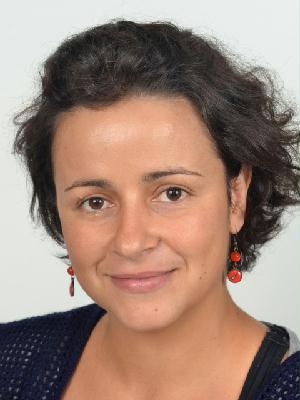
Massimo Delledonne is a Full Professor in the Department of Biotechnology at the University of Verona. His research focuses on clinical genomics, functional genomics, structural genomics, and metagenomics. He teaches modules such as Genetics and Human Genomics across undergraduate and graduate programs, including Molecular and Medical Biotechnology and Medical Bioinformatics. Affiliations: Department of Biotechnology, University of Verona Committees: Faculty Board of PhD in Biotechnology, Biotechnology Teaching Committee Spin-offs: EDIVITE s.r.l., Microbion S.r.l., Enerzyme s.r.l. (among others) His research interests include genome assembly, single nucleotide variant analysis, and applications of next-generation sequencing technologies. Projects span plant and human genomics, with a focus on crop improvement, disease diagnostics, and microbial interactions. Recent work includes studies on lupin diversity, common bean evolution, and grapevine genetics. Key projects include IBEARAD (Bioinformatics for Agricultural Resilience) and SYMPHONY (Phaseolus vulgaris genome analysis). He leads interdisciplinary efforts in genomic medicine, plant genomics, and environmental genomics.
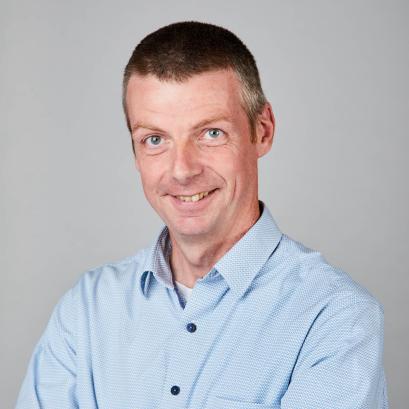
Dr. Kyle Koch serves as an Associate Extension Educator in the Department of Entomology at the University of Nebraska-Lincoln's College of Agricultural Sciences and Natural Resources. His 100% Extension appointment focuses on field crops entomology, with expertise in insect ecology, pest management, and plant-insect interactions. Dr. Koch plays a key role in Nebraska Extension's statewide issue teams, developing educational programs and resources for agricultural stakeholders across the state. Dr. Koch's educational background includes: B.S. in Biology from Creighton University, Omaha, NE (2009) M.S. in Entomology from University of Nebraska-Lincoln (2013) Ph.D. in Entomology from University of Nebraska-Lincoln (2017) Dr. Koch's research centers on insect-plant interactions, particularly focusing on aphid pests in agricultural systems. His work examines the molecular, biochemical, and behavioral aspects of how insects interact with host plants, with special emphasis on switchgrass, sorghum, and soybean systems. He investigates plant defense mechanisms against aphids, including constitutive and inducible resistance, as well as plant tolerance strategies. His research integrates molecular biology, biochemistry, and behavioral ecology to develop sustainable pest management approaches for agricultural systems. Analysis of Dr. Koch's publication record reveals a strong focus on aphid-plant interactions across multiple crop systems, with particular expertise in electrical penetration graph (EPG) technology for studying insect feeding behavior. His work spans molecular mechanisms of plant defense, behavioral ecology of insect pests, and applied pest management strategies. A significant portion of his research involves switchgrass as a bioenergy crop and its interactions with cereal aphids, reflecting both fundamental and applied research interests. Dr. Koch has received numerous awards and honors throughout his career: North American Colleges and Teachers of Agriculture Graduate Student Teaching Award of Merit (2016) Dean's Fellowship, University of Nebraska-Lincoln (2015) Milton E. Mohr Research Fellowship, University of Nebraska-Lincoln, Center for Biotechnology (2014) Milton E. Mohr Teaching Fellowship, University of Nebraska-Lincoln, Center for Biotechnology (2014) Milton E. Mohr Teaching Fellowship, University of Nebraska-Lincoln, Center for Biotechnology (2012) North Central Branch Meeting of the Entomological Society of America, Student Competition, Oral 10-minute paper (1st Place) (2012) President's Prize Student Competition at the Annual Meeting of the Entomological Society of America (2011) As an Extension Educator, Dr. Koch leads and innovates Nebraska's identification, surveillance, and mapping of invasive and threatening arthropod species, particularly those of economic importance. He trains extension personnel, UNL students, faculty, and staff in new insect diagnostic technologies and engages Nebraskans in citizen science projects focused on invasive species. His professional responsibilities include developing rapid and innovative insect diagnostics and providing state-wide leadership in entomology extension programming. Dr. Koch is an active member of the Entomological Society of America (ESA) and collaborates with researchers across multiple institutions on projects related to insect-plant interactions and pest management. His work often involves interdisciplinary teams combining expertise in entomology, plant science, molecular biology, and agricultural extension.
Jeremy Brownlie is an Associate Professor of Genetics and Evolution at Griffith University's School of Environment and Science, specializing in symbiotic bacteria like Wolbachia and their impact on insect biology. He leads research initiatives addressing insect-borne disease control, agricultural pest management, and human evolution through genomic studies of ancient Australasian populations. His roles include Director of the Griffith Sciences Partnerships Office and Deputy Head of his school, emphasizing external collaborations and policy advocacy. Brownlie holds a PhD from ANU and has secured significant grants, including ARC Discovery Projects, focusing on Wolbachia's antiviral mechanisms and biosecurity applications. His work bridges molecular biology, applied entomology, and human evolutionary studies, with active involvement in science policy through the National Science and Technology Council. Educations: PhD in Genetics, Australian National University (2003) BSc (Hons) in Biological Sciences, Australian National University (1996) Research Interests: Symbiont biology, pest control strategies, Wolbachia-mediated antiviral protection, and genomic analysis of human migration in Southeast Asia/Australia. Key Collaborations: Australian Research Centre for Human Evolution, Environmental Futures Research Institute, and international agricultural agencies. Grants: Over $1.5M in funding from ARC, Griffith University, and industry partners for projects on Wolbachia, biofilm diagnostics, and pest control technologies. Professional Roles: President of Science & Technology Australia (2019–2021), Board Member of the National Science Council, and leader in STEM policy advocacy. Advisory Work: Supervised over 20 PhD/MSc students on topics ranging from Wolbachia genetics to antimicrobial resistance and bioinformatics. His laboratories focus on innovative solutions for global challenges in food security, disease control, and sustainable biotechnology, with interdisciplinary approaches combining genomics, entomology, and clinical microbiology.
Ricardo Gazzinelli is an Adjunct Professor at the University of Massachusetts Chan Medical School, affiliated with the T.H. Chan School of Medicine and the Department of Medicine. He holds dual roles at UMass Chan and Fiocruz-Minas in Brazil. His research focuses on immunological mechanisms against parasitic diseases, including malaria, leishmaniasis, and Chagas disease. Key projects involve innate immunity, vaccine development, and host-pathogen interactions. Education: DSc in Biochemistry & Immunology and DVM from the Federal University of Minas Gerais, Brazil, followed by postdoctoral training at the National Institute of Allergy and Infectious Diseases (NIAID). Research Interests: Investigates the role of innate immunity, TLRs, inflammasomes, and cytokines in host resistance to parasites. Develops recombinant vaccines (e.g., A2 and ASP2/TS for visceral leishmaniasis) and studies circadian rhythms' impact on Plasmodium infections. Collaborates on projects like the role of IRAKs in Toxoplasma gondii resistance. Publications highlight advancements in vaccine design, immunodiagnostic tools, and understanding parasite-host interactions. His work is supported by CNPq, FAPEMIG, and NIH grants. Supervises a team of researchers across Fiocruz-Minas and UMass Chan labs.
Dr. G R Letchuman Ramanathan is a Professor of Medicine at the Jeffrey Cheah School of Medicine and Health Sciences, Monash University Malaysia since May 2021. Previously, he served as Senior Consultant Physician and Endocrinologist at Hospital Ipoh and National Head of the Ministry of Health Internal Medicine Services. He specializes in diabetes therapeutics, endemic goitre, health system research, and patient safety. His academic journey includes a MBBS from the University of Malaya (1981–1986) and a Master of Medicine from Universiti Kebangsaan Malaysia (1990–1994). His research focuses on diabetes epidemiology, patient safety, and health system improvements. Notable contributions include studies on allopurinol-induced drug reactions and barriers to research in government hospitals. He has led projects such as the 'Health effects of heat in Southeast Asia' and clinical trials for chronic kidney disease treatments. Dr. Ramanathan is also the President of the College of Physicians, Malaysia. His work contributes to UN Sustainable Development Goals related to health and well-being (SDG 3) and quality education (SDG 4). Key Awards: Fellow of Academy of Medicine, Malaysia Grants/Projects: Health effects of heat in Southeast Asia (2023–2027) Randomized trial on BI 690517 efficacy in kidney disease (2022–2023)
Romain Libbrecht is a CNRS Research Fellow at the University of Tours, France, affiliated with the Research Institute on Insect Biology (IRBI) under the UFR of Sciences and Techniques. Previously, he held positions as an Assistant Professor at the University of Mainz and conducted postdoctoral research internationally. His research focuses on understanding phenotypic plasticity and division of labor in social insects, particularly ants, integrating evolutionary biology, behavioral ecology, molecular biology, and epigenetics. Education highlights include a PhD from the University of Lausanne (2012), a Master’s from the University of Rennes (2007), and research internships at the University of Reading (2005-2006). His work explores how environmental and social factors influence ant behavior, physiology, and gene expression through multi-disciplinary approaches. Research interests emphasize the molecular mechanisms underlying caste differentiation, task specialization, and social organization. Key findings include the role of transcriptional activity in response to queen loss, the impact of worker diversity on colony productivity, and sensory-driven division of labor via odorant receptors. His articles consistently investigate insect social systems, with recent work focusing on invasive ant species and the interplay between parasite load and host physiology. No notable awards are listed, but his contributions to ant genomics and epigenetics have advanced understanding of social evolution. Lab affiliations include the IRBI, where he collaborates on projects bridging ecology and molecular biology. No specific grants or advising roles are detailed, but his transcontinental academic journey reflects a commitment to global scientific collaboration.
Professor Denise Doolan is an Affiliate Professor in The University of Queensland's School of Chemistry and Molecular Biosciences and Deputy Director (Research) at the Institute for Molecular Bioscience (IMB). She previously served as Deputy Director of the Australian Institute of Tropical Health and Medicine and Director of the JCU Centre for Molecular Therapeutics. Her research focuses on molecular immunology, vaccine development, and omics-based approaches to combat infectious and chronic diseases, particularly malaria and Epstein-Barr virus (EBV)-related malignancies. She leads cross-disciplinary programs in antigen discovery, host-pathogen immunity, and biomarker development, leveraging genome-based technologies and human disease models. Academic Positions: Affiliate Professor, Deputy Director (IMB), Affiliate of Centre for Superbug Solutions Executive Roles: President of International Society for Vaccines (2021–2023), Member of Australian Medical Research Advisory Board Her research interests include vaccine engineering, systems immunology, and therapeutic development. Key projects involve identifying EBV protein signatures linked to Multiple Sclerosis and malaria immunity profiling using controlled human infection models. She is renowned for her work in malaria immunology and omics-based diagnostics, recognized with Fellowships from the International Society for Vaccines and Australian Society of Parasitology. Recent publications highlight her work on EBV antibody responses in lymphomas, malaria vaccine candidates, and molecular diagnostics for vascular diseases. She actively supervises PhD students in areas like EBV-MS links and malaria systems immunology, supported by grants from NIH, MS Research Australia, and ARC. Scientific Awards: ISV Fellowship (2017), ASP Fellowship (2019) Grants: NIH-funded malaria vaccine projects, EBV-MS diagnostics (MS Research Australia) Her lab collaborates on developing point-of-care tests and next-generation vaccines, emphasizing translational research to address global health challenges.
Nidia Alvarez-Rueda is an Associate Professor at the University of Nantes, affiliated with the Department of Parasitology and Medical Mycology within the UFR of Pharmaceutical and Biological Sciences. She holds a dual role as a teacher-researcher at the Institute of Health Research 2 (IICiMed), specializing in infectious diseases and immunity. Her research focuses on understanding fungal persistence mechanisms in Candida infections, particularly investigating the interplay between fungal resistance and host immune responses. Key areas include antifungal resistance dynamics, microbiota interactions influencing infection outcomes, and emerging pathogens like Candida auris. She has pioneered in vitro granuloma models to study host-fungal interactions and contributed to elucidating molecular mechanisms of azole resistance in Candida species. Alvarez-Rueda teaches courses in parasitology, medical mycology, and animal biodiversity at the undergraduate level. Her work is supported by ANR-funded projects exploring 'One Health' approaches to infectious diseases and antimicrobial resistance. She collaborates with multidisciplinary teams at IICiMed targeting therapeutic innovations against persistent infections. Her publications span 2003-2020, consistently addressing fungal pathogenesis and immunity. The experimental models she developed have become foundational tools for studying persistent fungal infections. Despite no specific awards listed, her contributions to medical mycology are recognized through sustained research output and academic service.
Prof. Dr. Ir. Benoit STIJLEMANS is a Research Professor at Vrije Universiteit Brussel, where he leads research within the Myeloid Cell Immunology Team. His work focuses on the intricate interactions between host immune responses and parasitic infections, particularly African trypanosomiasis, while also exploring applications in cancer immunology. His educational background includes a Bio-engineering degree in Cell- and Gene biotechnology (1989-1995) followed by a PhD in Applied Biological Sciences (1995-2006) focusing on inflammation-associated anaemia in African trypanosomiasis. He progressed from Post-doctoral assistant (2006-2013) to Senior post-doctoral researcher (2014-2020) before becoming a Research Professor in 2020. Dr. STIJLEMANS' research spans immunology, particularly myeloid cell biology, with emphasis on macrophage function in both infectious disease and cancer contexts. His work bridges fundamental immunological mechanisms with translational applications, especially in nanobody technology development. He has made significant contributions to understanding how parasites like Trypanosoma manipulate host immune responses, particularly through the MIF cytokine family, and how these insights can inform cancer immunotherapy approaches. His research integrates molecular, cellular, and systems-level approaches to dissect complex host-pathogen and tumor-immune interactions. His publication record demonstrates consistent productivity with research spanning from 2002 to the present, with recent work focusing on macrophage plasticity, nanobody applications, and the immunological interface between parasitic infections and cancer biology. Development cooperation prize – edition 2006 Dr. STIJLEMANS has established himself as a leading researcher in myeloid cell immunology, with particular expertise in macrophage biology during parasitic infections and cancer. His work on nanobody technology represents an innovative approach to both diagnostics and therapeutics. The Myeloid Cell Immunology Team he is associated with serves as a hub for interdisciplinary research connecting immunology, parasitology, and cancer biology, fostering collaborations that address fundamental questions while seeking practical applications for disease intervention.
Dr. Bill Soderstrom is an ARC Future Fellow and leads the Microbial Super-Resolution Microscopy Lab at the Australian Institute for Microbiology and Infection (AIMI), UTS. He holds roles including Program Director for the Bachelor of Advanced Science (Pre-Med and Pharma Majors) and serves on the UTS Academic Board (2023-2024). With a PhD in Biophysics (Stockholm University, 2014) and MSc in Engineering Physics (KTH & Karolinska Institute), his research focuses on bacterial morphology during UTIs, employing advanced imaging and genetic techniques. His lab develops methodologies like cryo-CLEM and vertical imaging of bacteria to study cell division dynamics. Key achievements include securing $3M+ in grants (ARC, MRFF), pioneering UTI vaccine development, and receiving the Dean's Award and FASM Fellowship. His work impacts medical imaging, microbial pathogenesis, and antibiotic alternatives. Education: - PhD in Biophysics, Stockholm University, 2014 - MSc in Engineering Physics (KTH/Karolinska Institute), 2010 Research Interests: Utilizing super-resolution microscopy and microfluidics to investigate UTI-causing bacteria (e.g., UPEC, Klebsiella) under stress. Projects include identifying division inhibitors, imaging protein complexes in live bacteria, and developing mRNA vaccines for UTIs. Lab innovations: cryo-CLEM, vertical bacterial imaging, and multi-species infection models. Grants & Collaborations: - $1.8M MRFF grant for UTI mRNA vaccine (2023) - ARC Discovery Project on DamX dynamics (2021) - Collaboration with CSIRO/UNSW on vaccine development Labs & Teams: Lab webpage: soderstromlab.com Interdisciplinary team includes postdocs (e.g., Dr. Alaska Pokhrel), PhD/Master’s students, and international collaborators (OIST Japan, Institut Cochin France).
Sheng-Yang He is the Benjamin E. Powell Distinguished Professor of Biology at Duke University's Trinity College of Arts & Sciences, holding concurrent appointments in Cell Biology (Basic Science Departments) since 2022. Previously, he served at Michigan State University from 1995, including roles as University Distinguished Professor (2013–2020) and Howard Hughes Medical Institute Investigator (2011–2024). He earned his Ph.D. in Plant Pathology from Cornell University in 1991. His research focuses on host-microbe interactions, particularly plant immunity against pathogens like Pseudomonas syringae and the impact of climate change on disease dynamics. Key interests include microbiome regulation, bacterial effector proteins, and plant defense mechanisms in Arabidopsis and agricultural crops. His lab explores strategies to enhance plant resilience through understanding co-evolutionary processes. Recent work highlights discoveries in postharvest fruit immunity, pathogen-induced membrane channels, and microbiome roles in autoimmune responses. He has secured major grants from NIH and USDA, including a $1.9M NIH award studying bacterial pathogenesis mechanisms. Awarded membership in the National Academy of Sciences (2015) and AAAS Fellow (2012), He has mentored numerous students through courses like BIOLOGY 531S (Interplay Between Plants and Climate Change) and advises on training programs like the Tri-Institutional Molecular Mycology Training Program. His lab maintains an active presence in both academic and applied plant science communities.
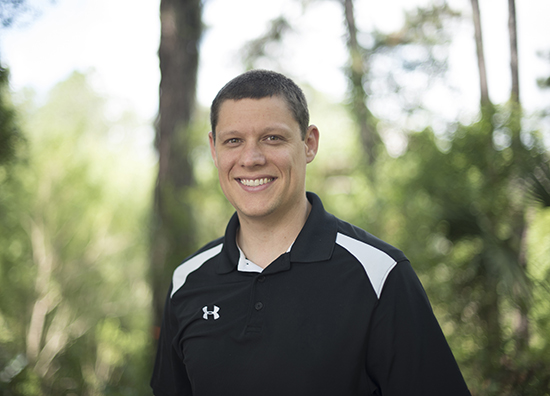
Dr. Cameron Jack is an Assistant Professor in the Entomology and Nematology Department at the University of Florida. He specializes in honey bee toxicology and apiculture education, focusing on developing programs to address beekeeping challenges and workforce training. His research emphasizes pesticide impacts on honey bees, varroa mite control, and small hive beetle management. Dr. Jack teaches courses related to honey bees and maintains an active research lab at the University of Florida, with a focus on practical solutions for bee health. Research interests include: Pesticide exposure pathways in beeswax, pollen, and sucrose Development of novel varroa destructor control methods Toxicology of common hive treatments and their safety to honey bees Behavioral studies using smoke and essential oils Recent work highlights seasonal efficacy of chemical treatments, in vitro rearing methods for parasites, and evaluation of new compounds for pest control. His publications span over 15 years, addressing both applied and theoretical aspects of honey bee health challenges. Dr. Jack operates the UF Honey Bee Lab, focusing on education and field-ready solutions for beekeepers.
Dr. Kathryn Frank is an Associate Professor at the University of Florida's College of Design, Construction and Planning (CDCP), specializing in Urban and Regional Planning. As Director of the Florida Center for Innovative Communities, she leads applied research projects focusing on sustainable, equitable, and resilient community development. Her expertise spans small town/rural planning, coastal resilience, community engagement, and ecosystem management. She has secured over $1 million in interdisciplinary grants from organizations like the National Estuarine Research Reserve System and Florida Sea Grant. Dr. Frank holds a Ph.D. in City and Regional Planning from Georgia Tech and teaches courses such as URP 6421 (Environmental Land Use Planning) and URP 6931 (Community Engagement). She advises doctoral students and contributes to the Sustainability Governing Board at UF. Her research emphasizes translating academic insights into actionable solutions for real-world challenges, particularly climate adaptation and social equity. Notable achievements include developing disease-resistant rice strains and enhancing drought tolerance in maize. Awards include the Florida APA's Award of Excellence for innovative planning approaches. She also mentors undergraduate capstone projects in Sustainability and the Built Environment. Education: Ph.D., Georgia Tech (2009); M.S., University of Oregon (2000); B.S., Georgia Tech (1994) Grants: Over $1M in funded projects focused on community resilience and agricultural innovation Labs/Initiatives: Leads the Florida Center for Innovative Communities, integrating research with community needs
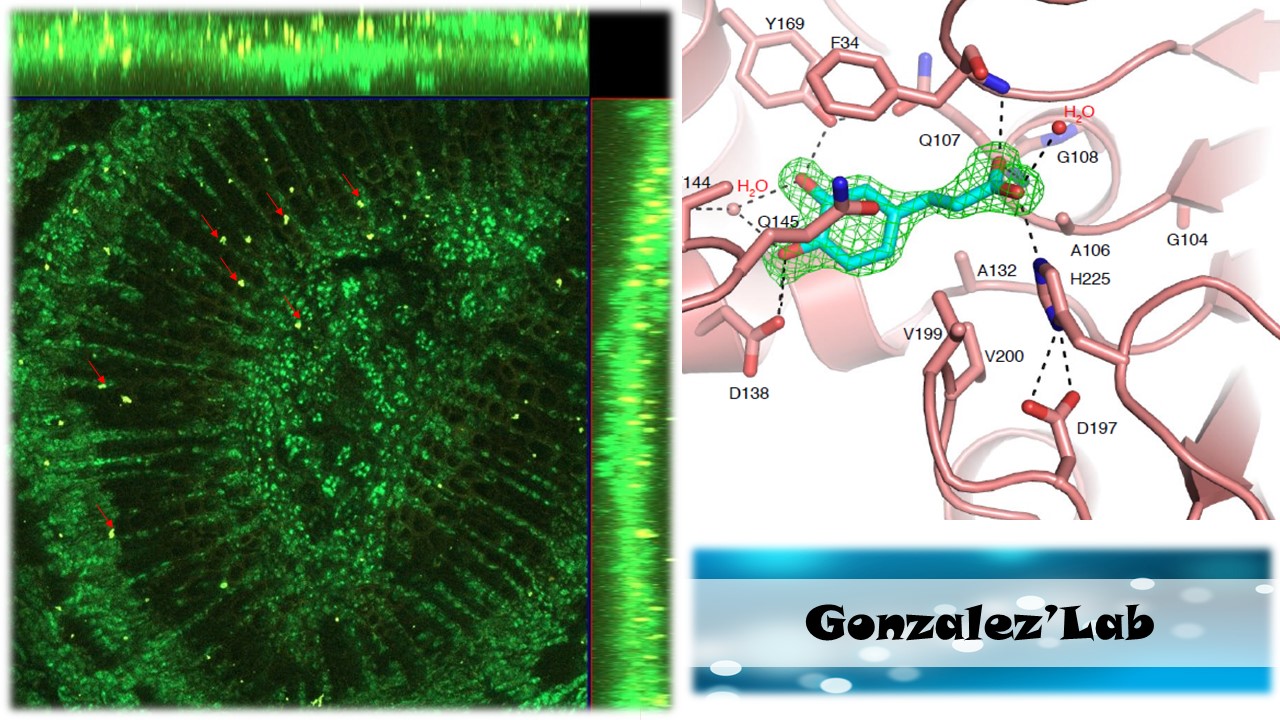
Claudio Gonzalez is a Professor in the Department of Microbiology & Cell Science at the University of Florida. His research focuses on understanding host-bacteria interactions, particularly the molecular mechanisms underlying probiotic effects and bacterial pathogenesis. He is affiliated with the UF Genetics Institute and directs the Gonzalez Lab, which employs advanced molecular biology and analytical techniques to study enzymatic pathways, extracellular vesicles, and immune modulation. His work integrates microbiology, immunology, and biotechnology to address challenges in human health, such as diabetes prevention and infectious disease control. Key areas include probiotic Lactobacillus strains' roles in modulating immune responses and their potential for therapeutic applications. Recent studies highlight his lab's contributions to understanding how probiotics influence dendritic cell behavior, inhibit viral replication, and enhance gut health through extracellular vesicle-mediated signaling. His research also addresses agricultural challenges, such as optimizing forage digestion and combating plant pathogens like Liberibacter asiaticus. Publications emphasize translational applications, including probiotic formulations, EV-based therapies, and enzymatic solutions for biofuel production. Collaborations span disciplines from clinical trials to agricultural biotechnology, underscoring the lab's interdisciplinary approach.
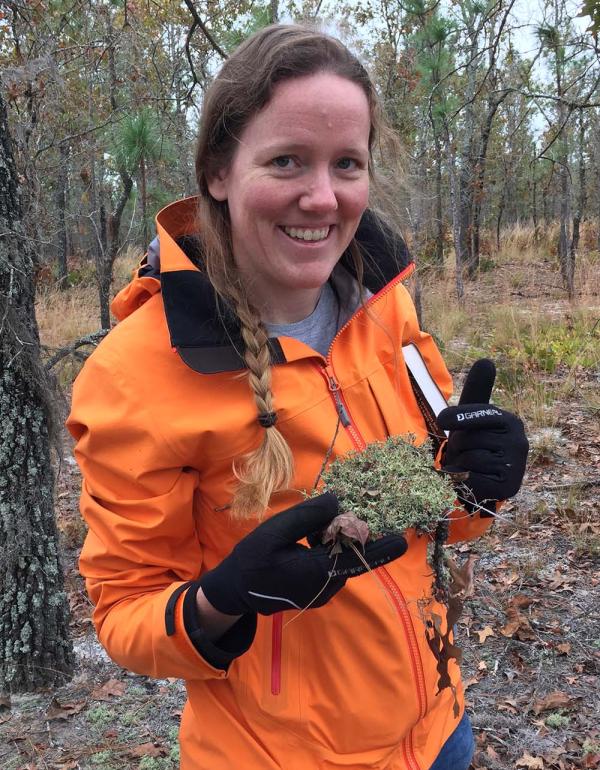
Emily Bruns is an Assistant Professor in the Department of Biology at the University of Maryland, College Park. Her research focuses on the ecological and evolutionary dynamics of infectious diseases in natural populations, using plant-fungal pathogen systems as models. She investigates how disease impacts host abundance, distribution, and the evolution of resistance traits. Her lab employs experimental and mathematical approaches to study age-specific resistance, transmission modes, and host-pathogen coevolution. Education: B.S., University of California, Santa Cruz (Ecology and Evolutionary Biology) Ph.D., University of Minnesota (Ecology, Evolution, and Behavior) Postdoctoral Training: University of Virginia Research Interests: Ecological and evolutionary impacts of infectious diseases Age-specific disease resistance evolution Host-pathogen coevolution and transmission dynamics Climate change effects on plant-pathogen interactions Recent Awards: Early Career Award, Society for Evolutionary Demography (2016) NSF GRFP Honorable Mention (2009) Dean’s Award for Undergraduate Thesis (2006) Grants and Funding: NSF BEE NSFDEB-NERC Grant (2020–2023) NIH R01GM140457 (2020–2024) NIH R01GM12206 (2016–2020) Labs & Collaborations: Bruns Lab, University of Maryland Collaborations with J. Antonovics (UVA), M. Hood (Amherst College), and J.C. Metcalf (Princeton)