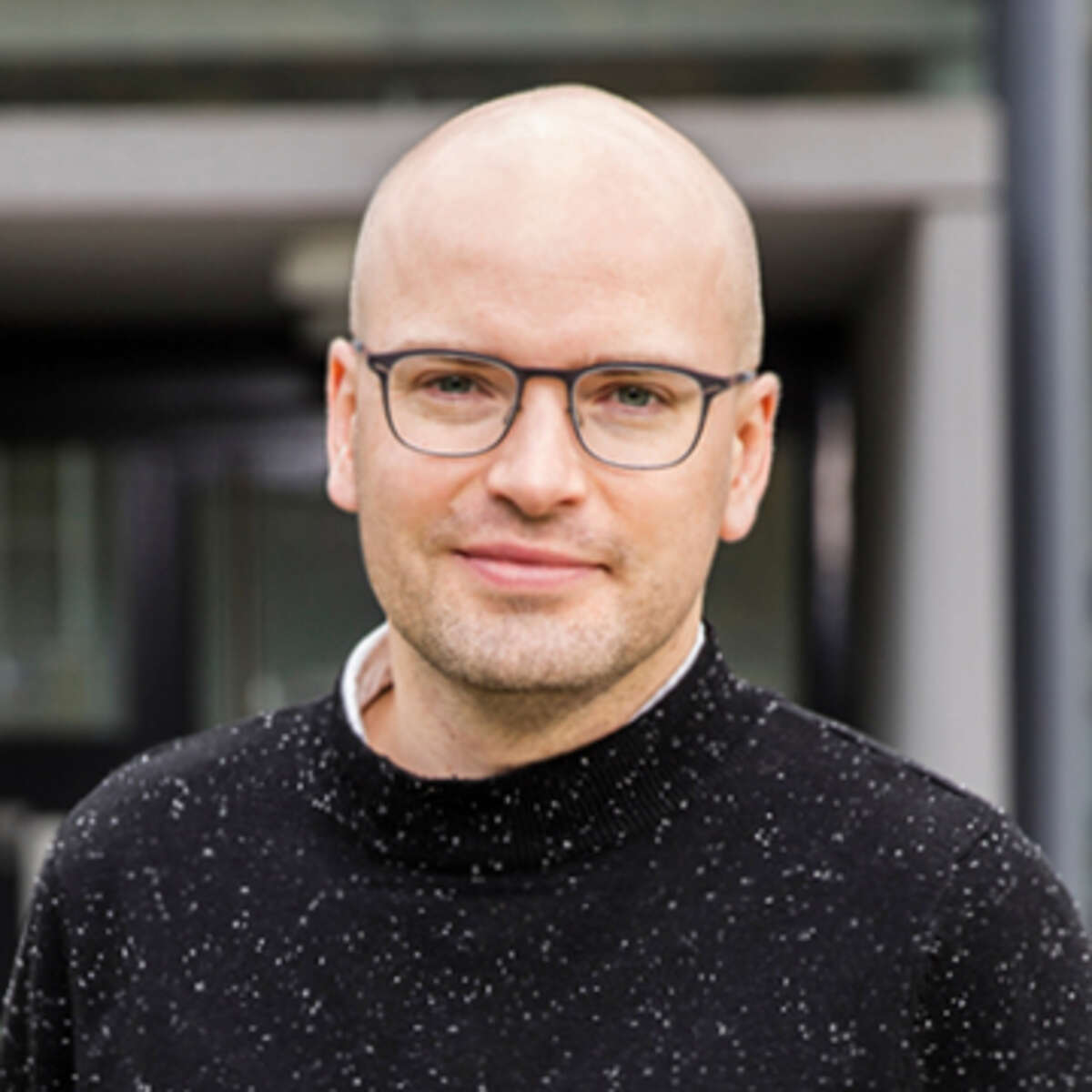
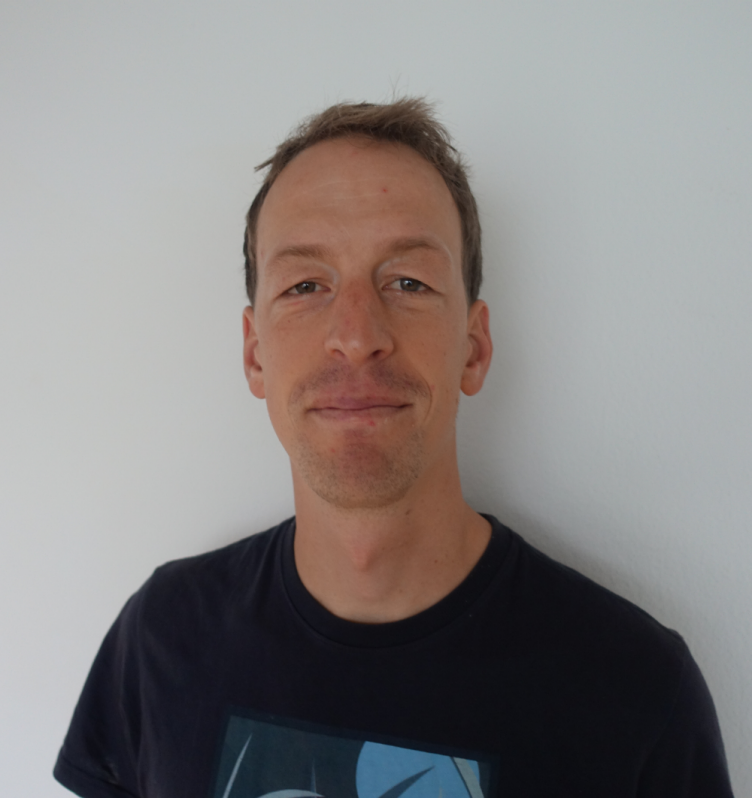
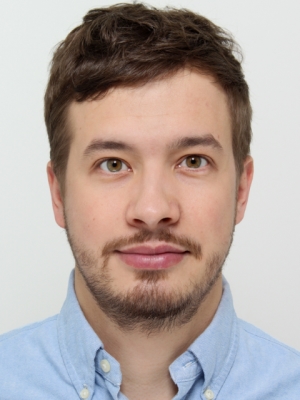
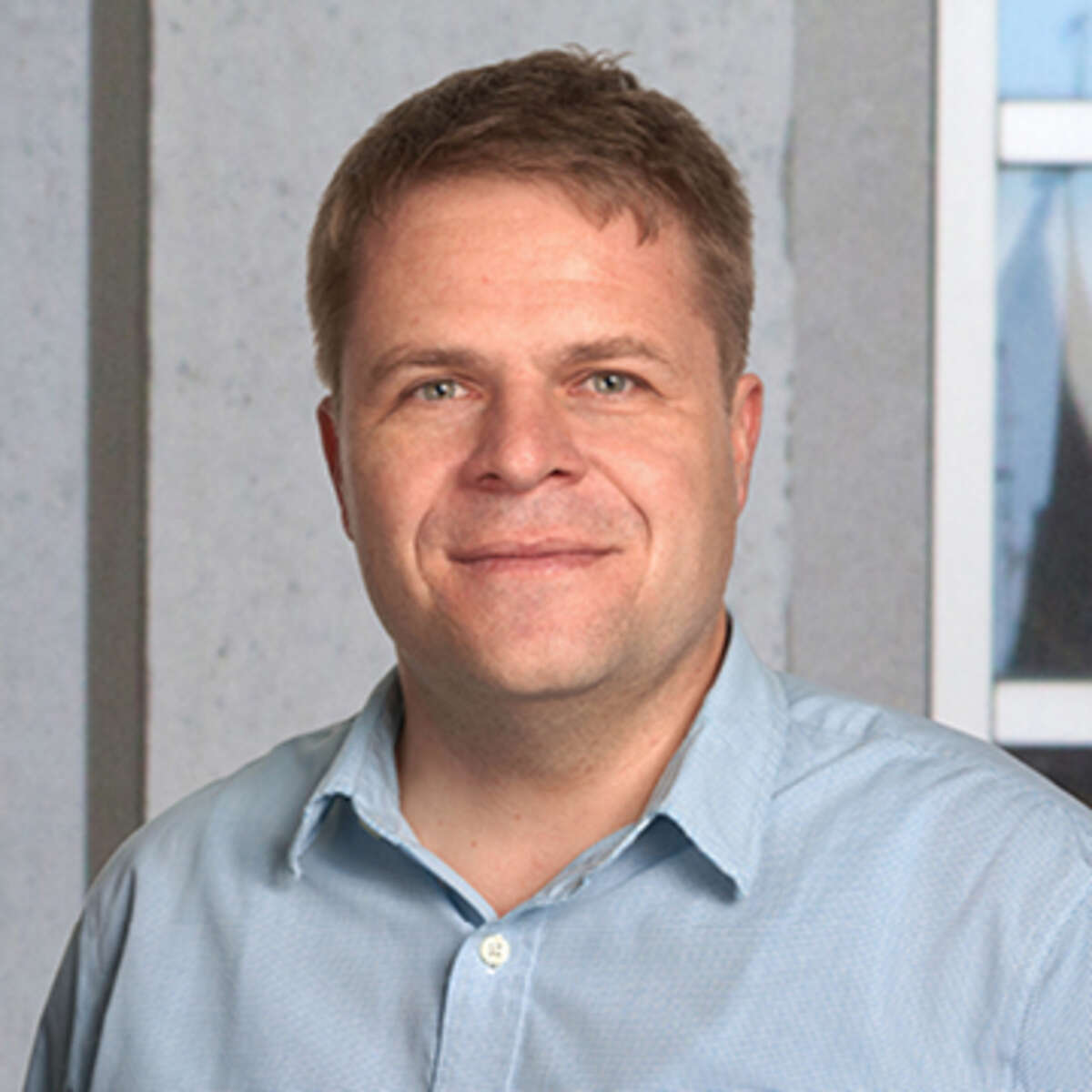
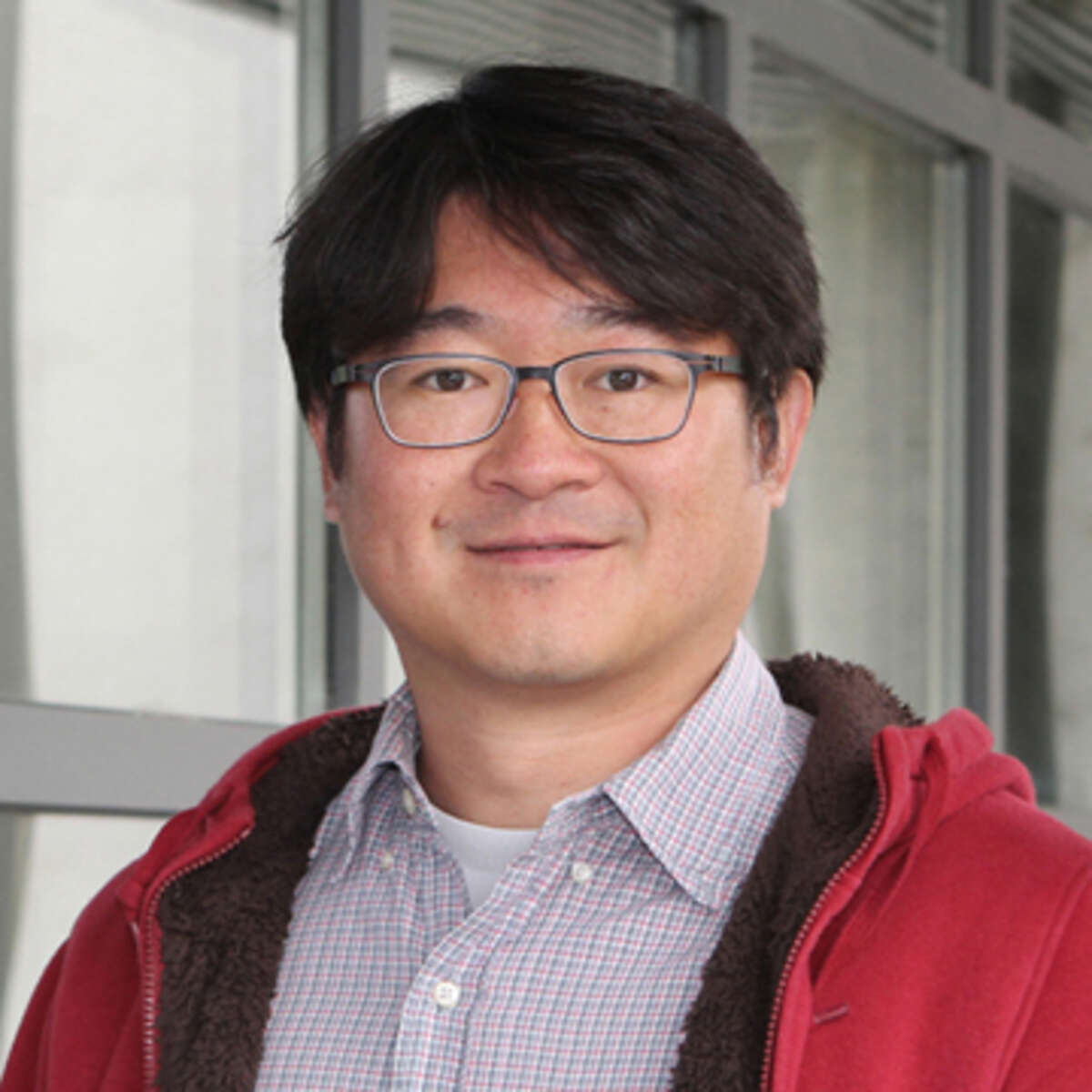
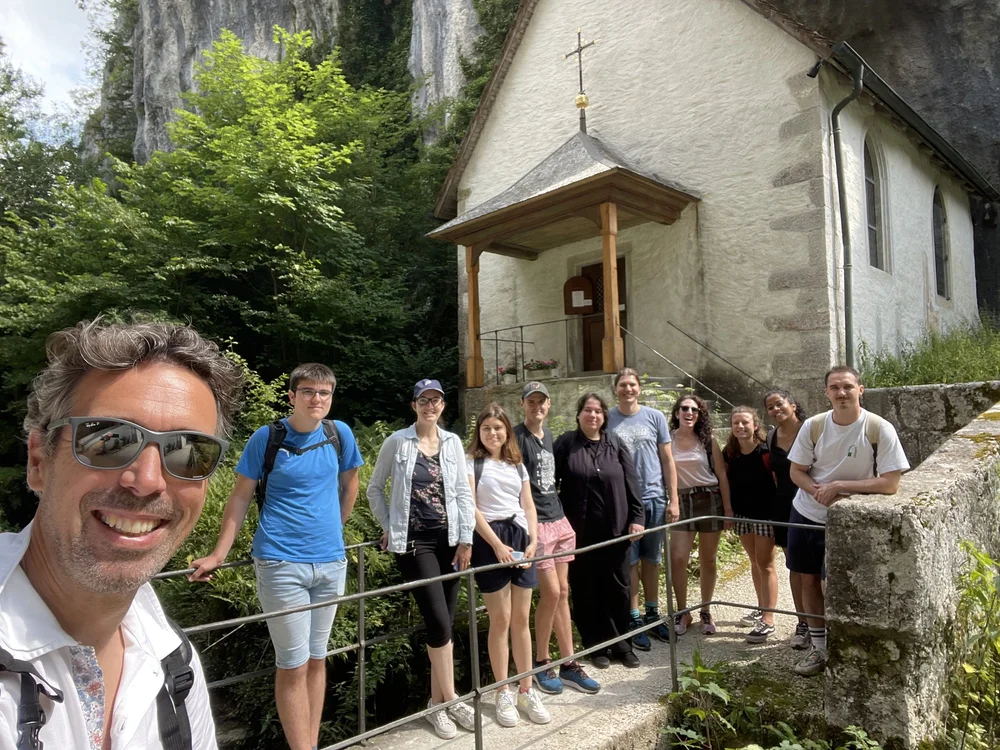
Prof. Knut Drescher is an Associate Professor at the Biozentrum, University of Basel , leading a research group focused on bacterial biofilms , swarming , and microbial multicellularity . Previously, he served as a Professor of Biophysics and Max Planck Research Group Leader at Philipps-Universität Marburg (2015-2021) and conducted postdoctoral research at Princeton University. Research Interests: Physical and biological mechanisms of biofilm formation Cell-cell interactions in microbial communities Antibiotic resistance in biofilms Hydrodynamics of bacterial swarms Evolution of cooperation in multispecies biofilms Development of bioimaging software (BiofilmQ, BacStalk) Scientific Awards: 2023: SNSF Consolidator Grant 2019: Heinz Maier-Leibnitz Prize (DFG), VAAM Research Prize, IUPAP Young Scientist Prize 2016: ERC Starting Grant Advising & Grants: Advises PhD and Master's students in microbiology, biophysics, and bioinformatics Secured major grants from ERC , HFSP , and DFG
Prof. Dr. Alex Hall is an Associate Professor at the Department of Environmental Systems Science and Head of the Institute of Integrative Biology at ETH Zürich , Switzerland. He holds a PhD from the University of Edinburgh (2008), followed by postdoctoral work at the University of Oxford and ETH Zürich, including prestigious SNSF Ambizione and Marie Curie Intra-European fellowships. Research Focus: The Hall lab investigates Microbial interactions in human microbiomes Antibiotic resistance evolution Horizontal gene transfer dynamics Computational and in vitro modeling of microbial communities Evolutionary medicine applications Scientific Contributions: His recent studies analyze probiotic treatments for Staphylococcus aureus decolonization, strain-specific ecological success in gut microbiomes, and CRISPR-Cas system roles in plasmid conflicts. The lab employs computational frameworks combined with experimental validations. Scientific Awards: SNSF Ambizione fellowship Marie Curie Intra-European fellowship He also serves on the SNSF PRIMA fellowship evaluation panel and the ETH Zürich Coordination Council Medicine .
Prof. Dr. Jing Wang is a Full Professor at the Department of Civil, Environmental and Geomatic Engineering at ETH Zürich. His research focuses on air pollution control, nanoparticle transport, and environmental health and safety (EHS) impacts of nanomaterials. He has held roles including Assistant Professor at ETH Zürich (2010–present), Research Assistant Professor at the University of Minnesota (2007–2010), and postdoctoral associate in Particle Technology (2005–2007). Education: Bachelor’s in Engineering (2000) – Tsinghua University, Beijing Master’s in Computer Sciences (2003) – University of Minnesota PhD in Aerospace Engineering (2005) – University of Minnesota Research Interests: Air/water filtration technologies Nanoparticle emission reduction and measurement Multiphase flow mechanics Environmental impacts of nanomaterials Collaborations: Industrial partnerships include 3M, BASF, Boeing, Intel, Samsung, and others in nanoparticle measurement and filtration solutions. Honors: 2011 Smoluchowski Award (Association for Aerosol Research) 2006 ‘Best Dissertation’ Award (University of Minnesota) 2004 Doctoral Dissertation Fellowship Teaching: Courses include Air Pollution Control, Environmental Engineering Seminars, and Excursions for Environmental Engineers. Labs/Teams: Leads the Particle Technology Lab and collaborates with the Institute of Environmental Engineering at ETH Zürich.
Santiago F. González is a Group Leader at the Institute for Research in Biomedicine (IRB) in Bellinzona, Switzerland, and an extraordinary professor at the University of Italian Switzerland (USI). He earned dual PhDs in microbiology (University of Santiago de Compostela, Spain) and immunology (University of Copenhagen, Denmark), followed by postdoctoral work (2007–2011) at Harvard Medical School's Immune Disease Institute under Michael Carroll. PhD in Microbiology, University of Santiago de Compostela PhD in Immunology, University of Copenhagen His research focuses on immune system dynamics during respiratory viral infections, vaccination, and cancer metastasis. Key areas include influenza recognition , lymph node inflammation , and immune cell behavior in vivo. He pioneered studies on C-type lectin receptors (e.g., SIGN-R1) in viral immunity and epigenetic modulators for inflammation. Recent publications highlight his work in epigenetic drug development , nanovaccines , and computational tools for immune cell tracking. His group uses two-photon intravital microscopy and spatial-temporal modeling to dissect immune responses. Scientific awards include three EU Marie Curie Fellowships (2004–2013), enabling his transition to independent research. His collaborations span Harvard, USI, and European institutions, with grants from the EU and Swiss research bodies. His lab at IRB, established via the 2013 Marie Curie Career Integration Grant , develops novel imaging approaches and therapeutic strategies for infectious and immune-mediated diseases.
Jonas Anderegg is a Lecturer at the Department of Environmental Systems Science, ETH Zurich. He holds a PhD and MSc from ETH Zurich in Agricultural Sciences. His research focuses on crop disease phenotyping, precision agriculture, and host-pathogen interactions. Current projects include automated image analysis for disease detection and quantification of Zymoseptoria tritici under field conditions. He has held postdoc positions in Plant Pathology (Institute of Integrative Biology) and Crop Science (Institute of Agricultural Sciences) at ETH Zurich. His work involves developing scalable imaging and deep learning methods for field phenotyping, with applications in quantitative resistance assessment and crop disease management. Education: PhD, Group of Crop Science, ETH Zurich (2016-2020) MSc in Agricultural Sciences, ETH Zurich (2015) Research interests emphasize high-throughput phenotyping, automated disease detection, and integrating imaging technologies into agricultural practices. Key contributions include datasets like SYMPATHIQUE and FIP 1.0, which provide foundational resources for crop disease research. Grants and advising: While no formal student advisees are listed, his postdoc roles and collaborative projects likely involve mentoring junior researchers. His work aligns with ETH Zurich's focus on sustainable agriculture and technological innovation in plant sciences. Labs and teams: Active member of the Crop Disease Phenotyping group, leveraging UAVs, thermal imaging, and deep learning for field-scale monitoring of crop health and senescence dynamics.
Georg Fantner is an Associate Professor at the Swiss Federal Institute of Technology Lausanne (EPFL) with dual appointments in the School of Engineering (STI) within the Institute of Bioengineering and the School of Life Sciences (SV) for teaching. He directs the Laboratory for Bio- and Nano-Instrumentation (LBNI) and holds leadership roles including President of the Open Science Strategic Committee and the Association des Professeurs de l'EPFL. Research Focus: Bioinstrumentation, Nanotechnology, Scanning Probe Microscopy, and Metrology Teaching: Structural Mechanics for Life Sciences, Metrology, and Metrology Practicals His research pioneers advanced instrumentation for nanoscale characterization, emphasizing data-driven approaches to enhance microscopy techniques. Recent work integrates deep learning with scanning probe microscopy for real-time biological imaging and develops novel MEMS devices for fluid-compatible nanoscale manipulation. Key innovations include hermetically sealed sample chambers for pathogen studies and deterministic nanotopography engineering. Professor Fantner actively mentors 7 current PhD students and has supervised 14 graduates. His laboratory fosters interdisciplinary collaboration across engineering, physics, and life sciences to advance nanoscale measurement technologies and instrumentation development.
Dr. Joseph Dumpler is a Lecturer at the Department of Health Sciences and Technology at ETH Zürich, specializing in Sustainable Food Processing. He holds a PhD in Dairy Science and Technology from the Technical University of Munich, Weihenstephan, with a focus on UHT treatment of concentrated milk. His work emphasizes advancing food processing technologies, particularly in protein refinement, non-thermal methods, and membrane filtration. Educations: PhD in Dairy Science and Technology, Technical University of Munich, Weihenstephan (2017) MSc Food Engineering, Technical University of Munich, Weihenstephan His research interests include Natural Deep Eutectic Solvents (NADES) for plant protein extraction, microwave vacuum drying of dairy products, and membrane filtration optimization for microalgae and dairy systems. He has pioneered methods to refine rapeseed and pea proteins while minimizing antinutrients, and his work on microfiltration of milk products addresses emerging microbial risks. Key contributions span kinetic modeling of heat-induced protein aggregation, sustainable food processing , and non-thermal concentration techniques . His articles reflect a focus on bridging lab-scale innovations with industrial applications. Awards: J.T.M. Wouters Young Scientist Award Julius Maggi Research Award (2018) Best PhD Thesis Award from the Association of Dairy, Food and Biotechnologists (Weihenstephan) Dr. Dumpler collaborates with industry partners to translate research into scalable processes, such as NADES-based protein extraction and microwave drying systems. His current role at ETH Zürich’s Sustainable Food Processing Lab (Prof. Mathys) focuses on plant-based meat analogs and novel protein refining concepts .
Philippe Christe is an Associate Professor in the Department of Ecology and Evolution at the University of Lausanne (UNIL), Faculty of Biology and Medicine. His research centers on host-parasite interactions, with a focus on bats, birds, and their ectoparasites, integrating behavioral, physiological, and genetic approaches. He leads the Christe Group, which investigates evolutionary and ecological dynamics in host-parasite systems, particularly avian malaria and bat-mite relationships. He is actively involved in conservation initiatives, including the Jorat Peri-Urban Nature Park, and collaborates with KORA on human-wildlife interactions. Bachelor's degree in biology, UNIL (1989) PhD in Zoology and Animal Ecology, UNIL (1994) Philippe Christe’s research interests lie at the intersection of parasitology, evolutionary ecology, and conservation biology. He investigates how host defenses evolve in response to parasitic pressures, examining trade-offs between immunity and life history traits such as reproduction and survival. His work often integrates field studies with experimental and molecular techniques. Key model systems include Parus major (great tit) and Culex pipiens in avian malaria, and bat species with their ectoparasitic mites. He also explores broader ecological interactions, including predator-prey dynamics and wildlife conservation in human-modified landscapes. His recent publications reflect a strong emphasis on disease ecology, wildlife conservation, and molecular methods. Articles span topics such as avian malaria transmission, lynx population dynamics, snow leopard behavior, and habitat fragmentation effects on insects. These works employ advanced techniques like DNA metabarcoding, spatial modeling, and long-term monitoring, demonstrating a trend toward interdisciplinary, data-driven ecological research with direct conservation applications. Dubois Foundation Prize for an educational CD-Rom on bats (2004) Communication Award from the Faculty of Biology and Medicine of UNIL (2017) Philippe Christe has supervised numerous PhD and Master’s students, contributing significantly to training the next generation of ecologists and evolutionary biologists. His group collaborates widely with institutions such as the Museum of Zoology in Lausanne and KORA, and participates in large-scale conservation projects involving snow leopards, lynx, and bats. He has been involved in research grants related to host-parasite coevolution, wildlife monitoring, and conservation strategies. His leadership in establishing the Jorat Peri-Urban Nature Park and involvement in the UNIL Interdisciplinary Center for Mountain Research highlight his commitment to applied science and environmental stewardship. He leads the Christe Group, which conducts research on host-parasite coevolution, with a focus on bats and their ectoparasites, and birds affected by avian malaria. The group combines fieldwork, laboratory experiments, and molecular analyses, and includes post-docs, PhD students, and technical staff. Collaborations extend to researchers in Bern, Paris, and Spain, fostering an international and interdisciplinary research environment.
Jian Peng is an Assistant Professor in the Department of Computer Science at the University of Illinois at Urbana-Champaign. His research focuses on computational biology, machine learning, and their applications to protein structure prediction, drug design, and molecular modeling. He has contributed to advancements in antibody engineering, protein-ligand docking, and generative models for biological systems. Key research areas include: Machine Learning for Molecular Modeling Protein Structure Prediction Antibody and Peptide Design Genomics and Single-Cell Analysis Structure-Based Drug Discovery His work emphasizes integrating deep learning techniques with biological datasets to address challenges in precision medicine, drug development, and systems biology. Notable achievements include developing the FastFold system to accelerate AlphaFold training and pioneering flow-based methods for antibody design. Awards include the Overton Prize (2020), recognizing contributions to computational biology. His research has been published in top journals and conferences, spanning topics from protein mutation prediction to geodesic-based immune complex modeling.
Louis Du Plessis is a Lecturer at ETH Zürich's Department of Biosystems Science and Engineering in Basel, Switzerland. His research focuses on computational evolution with particular emphasis on infectious disease dynamics and genomic analysis. He maintains an active research profile with numerous high-impact publications in top-tier journals. Dr. Du Plessis completed his doctoral studies at ETH Zürich in 2016 with a thesis titled 'Understanding the spread and adaptation of infectious diseases using genomic sequencing data,' building upon his 2011 Master's work on evolutionary rate variation. His current research sits at the intersection of computational biology, epidemiology, and evolutionary genetics. His research interests span computational epidemiology, phylodynamics, viral evolution, and infectious disease modeling. He has made significant contributions to understanding pandemic dynamics, particularly regarding influenza and SARS-CoV-2, using genomic and epidemiological data integration. His methodological work includes developing computational approaches for estimating epidemic dynamics and viral transmission patterns. Analysis of his recent publications reveals a strong focus on how pandemics disrupt normal viral circulation patterns, with particular attention to influenza evolution during the 2009 H1N1 and COVID-19 pandemics. His work often combines phylogenetic analysis with epidemiological modeling to extract maximum information from genomic and case count data. Dr. Du Plessis has received research funding from European Commission projects including 'From Foundations of Phylodynamics to new applications in Cell Biology' (grant 101001077) and 'MOnitoring Outbreak events for Disease surveillance in a data science context' (grant 874850). He is actively involved in developing computational tools for analyzing pathogen genomic data and has contributed to several software packages used in the field. His work has significant implications for public health surveillance and pandemic preparedness.
Dr. Anton Lavrinienko is a Lecturer at the Department of Health Sciences and Technology at ETH Zürich, affiliated with the Biotechnology of Food Systems group. His research focuses on microbiome studies, environmental health, and the impact of pollution and radiation on ecosystems and microbiota. He is based in Zurich, Switzerland, and teaches the course Applied Bioinformatics: Microbiomes (Autumn Semester 2025). His work integrates molecular biology, ecology, and public health to address challenges in food systems and environmental sustainability. Research interests include microbial diversity in polluted environments, radiation effects on wildlife, and the application of genomics to biodiversity conservation. He collaborates on projects such as the European Reference Genome Atlas and studies microbial responses to anthropogenic contamination in urban and natural ecosystems. Dr. Lavrinienko’s studies often involve fieldwork in regions like Chernobyl, investigating how chronic radiation and metal pollution alter microbiota and organismal health. His findings contribute to understanding ecological resilience and human health implications of environmental stressors. He emphasizes open data standards and FAIR principles in microbiome research.
Professor Sebastian Hiller is a Full Professor at the Biozentrum of the University of Basel, Switzerland, where he leads a research group focused on structural biology and biophysics. His laboratory specializes in using nuclear magnetic resonance (NMR) spectroscopy to elucidate the structures and functions of proteins and their interactions at the atomic level. His research spans several key areas including molecular chaperones and protein folding mechanisms, outer membrane protein biogenesis in bacteria, and kinase signaling pathways. Notably, his group has made significant contributions to understanding how chaperones like trigger factor function, the mechanisms of outer membrane protein assembly through the Bam complex, and dynamic kinase interactions. Their work has direct implications for neurodegenerative diseases and antibiotic development. The Hiller lab's recent publications demonstrate a strong focus on NMR methodology development, protein folding dynamics, and structural mechanisms of antibiotic action. Their research on darobactin's mechanism of action against Gram-negative bacteria represents a significant advance in antibiotic discovery. The group frequently publishes in high-impact journals including Nature, Science, and Nature Communications. ICMRBS Founder's Medal (2018) EMBO Young Investigator (2014) ERC starting grant (2011) SNSF professorship (2010) SNSF scholarship for young researchers (2008) Professor Hiller supervises numerous PhD students and postdoctoral researchers, with many alumni having secured prestigious positions in academia and industry. His laboratory maintains strong collaborations across multiple institutions and has received significant funding through ERC grants and other competitive mechanisms. The Hiller group also operates advanced NMR facilities that serve the broader research community at the University of Basel.
Yen-Cheng Liu is a former researcher at École polytechnique fédérale de Lausanne (EPFL), affiliated with the School of Life Sciences (BIOS) and multiple departments including LCOM and CMI. His work focuses on interdisciplinary research at the intersection of biomedical engineering, nanotechnology, and cancer biology. Key research areas include nanoplasmonic biosensors, single-cell analysis, optofluidic systems, and cancer immunology. He holds collaborations with institutions like the University of Lausanne and the Centre Hospitalier Universitaire Vaudois (CHUV). His research emphasizes real-time monitoring of cellular secretions, tumor microenvironment dynamics, and diagnostic platform development for pathogens and genetic diseases. Notable contributions include high-throughput microarray technologies for single-cell secretion profiling and optofluidic platforms for molecular diagnostics. Liu’s publications span journals like Advanced Science , Advanced Functional Materials , and Biosensors and Bioelectronics . His work integrates engineering principles with biological systems to address challenges in precision medicine and cancer therapy.
Prof. Dr. Roderick Lim is an Associate Professor at the Biozentrum, University of Basel , where he leads a research group since 2014. His work bridges biophysics, nanotechnology, and molecular biology , focusing on the nuclear pore complex (NPC) and mechanobiology of cells . He develops biomimetic systems for selective molecular transport and ARTIDIS , a nanomechanical tissue diagnostic platform commercialized for breast cancer prognosis . Education : BSc (UNC Chapel Hill), PhD (NUS/IMRE Singapore), Postdoc (Swiss Nanoscience Institute) Positions : Argovia Professor (2014–present), Tenure Track Asst. Prof. (2009–2013), Postdoc (2004–2008) His research on NPC transport selectivity reveals how karyopherins modulate the FG Nup barrier via multivalent interactions, with implications for viral entry and Alzheimer’s disease . His ARTIDIS platform uses atomic force microscopy to detect cancer via tissue softness, linking hypoxia to metastasis . Recent 2025 publications explore bacterial nanoharpoon defense mechanisms and DNA origami-based NPC mimics . Scientific Awards : Pierre-Gilles de Gennes Prize (2008), A*STAR Fellowship (2004) Collaborations : NCCR Molecular Systems Engineering, NanoTera, KTI He mentors PhD students in institutions across Switzerland, Singapore, Sweden, and the UK , with alumni working on polymersome delivery, mechanotransduction, and pathogen transport . His lab pioneered high-speed atomic force microscopy for real-time NPC dynamics and plasmonic nanopores for synthetic biology applications.
Prof. Torsten Ochsenreiter is a Group Leader at the Institute of Cell Biology, University of Bern, and part of the Multidisciplinary Center for Infectious Diseases (MCID). His research focuses on molecular parasitology, particularly on trypanosomes and malaria parasites, utilizing advanced microscopy techniques to study fundamental biological processes. His primary research interests include mitochondrial biogenesis, kinetoplast genome maintenance, RNA editing mechanisms, and cytoskeletal dynamics in Trypanosoma brucei . He investigates how mitochondrial DNA is segregated during cell division and how post-translational modifications regulate parasite transmission. His work bridges cell biology, structural biology, and infectious disease research to understand pathogenic mechanisms in neglected tropical diseases. Analysis of his recent publications reveals a consistent focus on the tripartite attachment complex (TAC), mitochondrial genome inheritance, and expansion microscopy applications. His research demonstrates how structural adaptations in parasite organelles enable survival and transmission, with significant implications for developing novel therapeutic strategies against African sleeping sickness and malaria. No scientific awards were mentioned in the provided text. Prof. Ochsenreiter advises students and leads an active research team at the University of Bern. The Ochsenreiter lab provides opportunities for undergraduate and graduate students to engage in cutting-edge parasitology research, though specific grant funding details were not provided in the text. The Ochsenreiter lab operates within the Institute of Cell Biology and specializes in molecular parasitology techniques including expansion microscopy, cryo-electron tomography, and genetic manipulation of trypanosomes. The team investigates mitochondrial biology and cytoskeletal organization to uncover vulnerabilities in parasite life cycles.