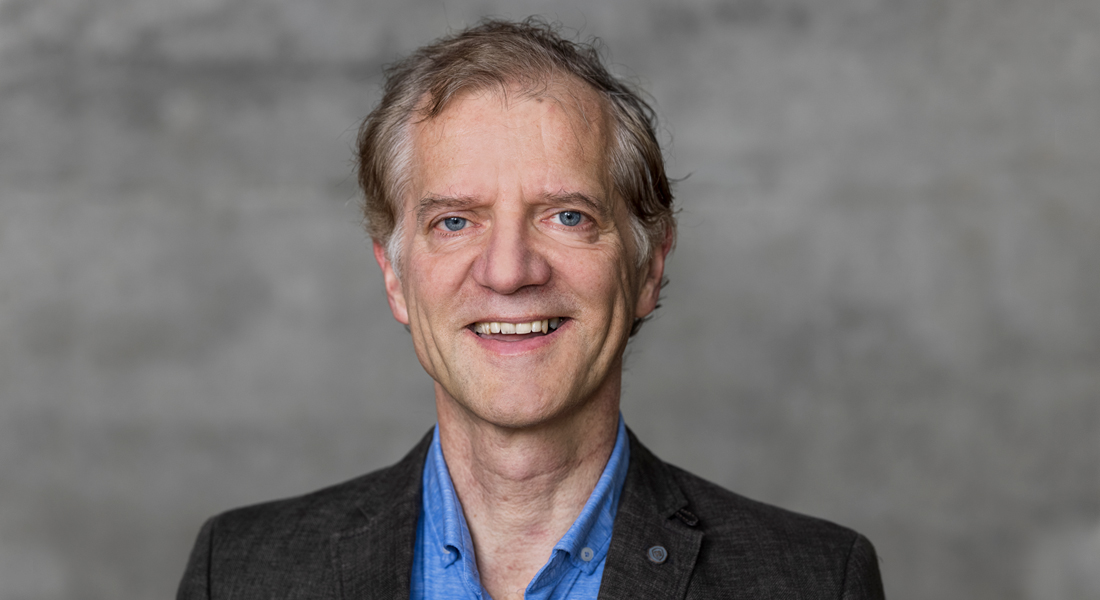
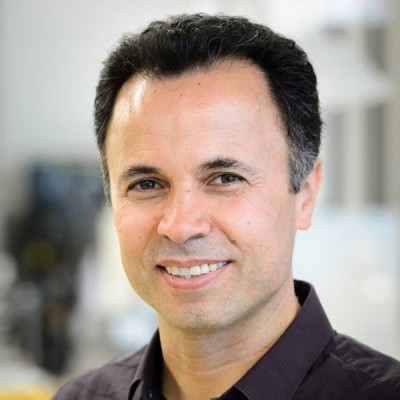
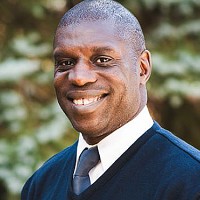
Sushmita Roy is a Professor at the University of Wisconsin–Madison, affiliated with the Department of Computer Sciences and the College of Letters and Science. Her research focuses on developing computational methods in statistical machine learning to understand gene regulatory networks in living cells, particularly under environmental, developmental, disease, and evolutionary contexts. She explores bulk and single-cell genomic data integration to study processes like cell fate specification, host-microbe interactions, and diseases such as cancer and neurodevelopmental disorders. Her work emphasizes three key areas: inference of genome-scale transcriptional networks, evolutionary analysis of regulatory networks, and 3D genome organization dynamics. Roy’s lab collaborates across disciplines, leveraging genomic data from plant and mammalian systems. She has contributed to methodologies for analyzing chromatin accessibility, single-cell profiling, and network-based models of pathogen systems. Her affiliations include Wisconsin Institutes for Discovery, and she is a leader in computational biology and systems genomics research.
Professor Matthias Mann is a world-leading scientist serving as Director of the Proteomics and Signal Transduction department at the Max Planck Institute of Biochemistry in Martinsried, Germany, and Director of the Proteomics department at the Novo Nordisk Foundation Center for Protein Research, Faculty of Health Sciences, University of Copenhagen, Denmark. With an h-index exceeding 277 and over 350,000 citations, he is recognized as the highest cited German researcher and one of the most influential scientists globally in proteomics. His educational background includes: Ph.D. in Chemical Engineering from Yale University (1988) Master's Degree in Physics from Georg August University Göttingen (1984) Bachelor's of Arts in Mathematics from Georg August University Göttingen (1982) Professor Mann's research focuses on advancing mass spectrometry-based proteomics to understand biological systems at the protein level. His work spans technological developments in mass spectrometry, bioinformatics and computational analysis, signal transduction and posttranslational modifications, and clinical proteomics applications for disease diagnosis and treatment. The Mann lab has pioneered groundbreaking methods like SILAC for quantitative proteomics and MaxQuant for proteome data analysis. Their vision is to translate proteomics knowledge into clinical practice for predictive, diagnostic, and preventive medicine, with recent work focusing on AI-guided platforms for analyzing proteomes from minimal tissue samples. Analysis of Professor Mann's recent publications reveals a strong trend toward clinical applications of proteomics, particularly in cancer research, metabolic diseases, and neurodegenerative disorders. His work increasingly integrates spatial proteomics, single-cell resolution techniques, and artificial intelligence approaches to uncover disease mechanisms and identify potential biomarkers, with a clear shift from basic technology development toward direct clinical applications and personalized medicine. Professor Mann has received numerous prestigious awards throughout his career: 2025: Elected member of the American National Academy of Sciences 2024: Dr. H.P. Heineken Award for Biochemistry and Biophysics 2023: Otto Warburg Medal 2019: Nominated member of the Bavarian Academy of Sciences 2013: Elected member of Leopoldina German National Academy of Sciences 2012: Körber European Science Award, Louis-Jeantet Foundation Prize for Medicine, Ernst Schering Prize, and Leibniz Prize Professor Mann leads a highly collaborative research team involved in multiple international networks including the Bill & Melinda Gates Foundation, Michael J. Fox Foundation for Parkinson's Research, CLINSPECT-M, and Munich Heart Alliance. His lab has mentored numerous successful researchers, with several former postdocs receiving prestigious ERC Starting Grants. The Mann group has developed innovative clinical proteomics pipelines for analyzing archived tissue specimens and body fluids, aiming to identify protein markers for early detection of diseases such as diabetes and cancer. The Mann lab operates across two major research centers with state-of-the-art mass spectrometry facilities. Their Clinical Knowledge Graph platform integrates multi-omics data with extensive metadata, creating an ecosystem for machine learning applications in proteomics. Current research focuses on developing highly sensitive methods that can profile thousands of proteins from minimal cell samples, enabling the identification of critical disease-related proteins and supporting the development of individualized therapies.
Professor Francis Butler is a Full Professor at University College Dublin's School of Biosystems and Food Engineering, where he has been since 1990. His academic roles include research leadership in food safety, food chain integrity, and microbial risk assessment. He leads the UCD Institute for Food and Health and the UCD Centre for Food Safety as a Principal Investigator. Education: BE, Grad Dip University Teaching & Learning, MBA, and PhD from University College Dublin. Research Focus: His work centers on food safety hazards, quantitative risk assessment, and next-generation sequencing for pathogen identification. Recent projects include Listeria monocytogenes growth modeling, norovirus in oysters, and hepatitis E in pork products. He has secured over €6 million in research grants, including EU-funded projects like FOODINTEGRITY and SIGMACHAIN. Awards & Recognition: European Food Safety Authority Fellowship, Marie Sklodowska-Curie Fellowship, and UCD Teaching Grant. He coordinates international educational programs, including the UCD MSC Food Safety and Risk Analysis. Professional Activities: Member of EFSA advisory committees, editorial boards (e.g., Microbial Risk Analysis ), and international conference chairs. His work bridges academia, industry, and policy to enhance food safety standards globally.
Professor John W. Edmunds is a leading academic in Infectious Disease Modelling at the London School of Hygiene and Tropical Medicine (LSHTM). Holding a Professor position since 2013 and serving as Dean of the Faculty of Epidemiology and Population Health (2013-2019), he combines mathematical, statistical, and economic models to inform public health policy. His part-time role at the Health Protection Agency (HPA) since 2008 underscores his policy advisory contributions. PhD in Infectious Disease Modelling (Imperial College, 1994) MSc in Health Economics (University of York, 1995) BSc in Biology (Imperial College, 1989) His research focuses on understanding disease transmission and optimizing control strategies. He has pioneered methods integrating social contact surveys , participatory surveillance (e.g., Influenzanet), and economic analysis to evaluate vaccines and interventions. Recent work includes SARS-CoV-2 dynamics , Ebola spatial forecasting , and typhoid vaccine prioritization . His 15 most recent publications highlight social contact patterns (Reconnect, CoMix studies), vaccine impact (HPV, typhoid), and real-time outbreak analytics (Ebola, cholera). Key trends include digital epidemiology , behavioral surveillance , and cross-country modeling for global health. Knighthood (2024) for services to epidemiology Weldon Memorial Prize (2022) for biostatistics contributions FMedSci (2018) for medical science excellence OBE (2016) for public service As an educator, he teaches "Modelling and the Dynamics of Infectious Diseases" and co-organizes "Pandemics: Emergence, Spread and Response" . Current grants include National Institute for Health and Care Research projects on post-pandemic surveillance and Bill & Melinda Gates Foundation funding for polio eradication. He leads collaborations with the Centre for Mathematical Modelling of Infectious Diseases , Vaccine Centre , and Health in Humanitarian Crises Centre , while advising UK and WHO committees on zoonotic influenza , variants , and testing programs .
Lauren Andrews serves as Associate Professor and Marvin and Eva Schlanger Faculty Fellow in the Department of Chemical Engineering at the University of Massachusetts Amherst. Her research integrates synthetic biology and genetic engineering to develop programmable cellular systems for biotechnological applications. Education: Postdoctoral Training: Massachusetts Institute of Technology (Biological Engineering and Broad Institute of MIT and Harvard) PhD: University of Colorado Boulder, Chemical Engineering (2012) MS: University of Colorado Boulder, Chemical Engineering (2009) BS: Cornell University, Chemical Engineering (2006) Dr. Andrews' research focuses on establishing genetic design rules for reprogramming cellular regulation and metabolism. Her lab pioneers synthetic gene networks, genetically-encoded biosensors, and high-throughput methodologies for optimizing genetic designs in both model and non-model bacteria. This work enables precise control of cellular sensing, memory, and environmental responses through multiplexed DNA assembly and next-generation sequencing. Analysis of her 15 most recent publications reveals dominant themes in bacterial biosensor development (particularly for bioremediation), quorum sensing engineering, and programmable genetic circuits for probiotic applications. Her research consistently bridges fundamental genetic circuit design with practical implementations in bacterial consortia and non-model organisms. Scientific Awards: Marvin and Eva Schlanger Faculty Fellowship NSF CAREER Award (2020) for "Programmable synthetic microbial consortia for complex multicellular functions" Her grant portfolio demonstrates significant funding for collaborative research in bacterial communication systems and model-guided design of synthetic ecosystems. The Andrews Lab maintains active partnerships with the MIT-Broad Foundry and Cold Spring Harbor Laboratory, where she co-founded the Synthetic Biology Summer Course. Current projects focus on CRISPR-based regulation in non-model bacteria and algorithmic programming of sequential logic in probiotic strains. The Andrews Lab operates within the Life Science Laboratories at UMass Amherst, utilizing advanced facilities for genetic prototyping and high-throughput screening. Her team develops multiplexed tools for exploring genetic design spaces, with particular emphasis on soil bacteria and Gram-positive pathogens for environmental and therapeutic applications.
Dr. Madjid Mohseni is a Professor in the Department of Chemical and Biological Engineering at the University of British Columbia's Faculty of Applied Science. He serves as the Scientific Director of the Community Circle on Scaling Business Innovation for Humanity with his office located in CHBE 221. Dr. Mohseni leads the Water Laboratory (http://waterlab.chbe.ubc.ca/), focusing on water quality and advanced treatment technologies for drinking water applications. Dr. Mohseni earned his Ph.D. (1998) and M.A.Sc. (1994) from the University of Toronto, and his B.Sc. from Amirkabir University of Technology in Iran. His educational background has prepared him for his current research in water treatment and environmental engineering. His research program centers on developing, evaluating, and implementing advanced oxidation processes (AOPs), particularly UV-based AOPs, ion exchange, and electrochemical processes. His laboratory conducts both laboratory-scale development and pilot-scale field evaluations at partner community sites. Current work emphasizes PFAS remediation through various approaches including advanced oxidation/reduction processes, ion exchange technologies, and electrochemical methods. He also investigates novel materials like MXenes for water purification and develops practical solutions for municipal and community water systems. Analysis of Dr. Mohseni's recent publications reveals a strong focus on emerging contaminants, particularly PFAS, with significant emphasis on UV-based treatments and vacuum UV technology. His research consistently bridges fundamental science with real-world applications, developing technologies specifically tailored for small community water systems while addressing critical water quality challenges. Dr. Mohseni maintains affiliations with the Clean Energy Research Centre and the Bioproducts Institute at UBC, demonstrating his commitment to interdisciplinary research that addresses environmental challenges through innovative engineering solutions. His work aims to advance the science behind water treatment technologies while offering communities more efficient and cost-effective solutions to protect human health and the environment.
Professor Guy Williams is a leading academic at the University of Cambridge with a focus on imaging science and clinical neurosciences, affiliated with Downing College and the Wolfson Brain Imaging Centre . Holding a PhD in Physics from his initial Natural Sciences degree, he specializes in nuclear magnetic resonance (NMR) and MRI techniques for brain imaging. Education: BA, PhD in Physics His research centers on non-invasive imaging of brain structure and function, particularly in traumatic brain injury (TBI) and dementia. His work involves developing novel MRI pulse sequences and advanced data analysis algorithms, including AI-based diagnostic tools. He leads studies on white matter integrity post-trauma, longitudinal dementia assessment, and applications of MRI in disorders of consciousness and addiction. Recent publications highlight collaborations in traumatic brain injury outcomes, AI-guided dementia prediction, and neuroimaging of post-COVID cognitive deficits. His team's work on ultra-high field laminar fMRI and distortion correction methods has advanced clinical neuroscience applications. Key techniques include diffusion tensor imaging (DTI), 7 Tesla MRI, and positron emission tomography (PET/MR). His research spans from basic NMR physics to clinical translation, with a strong emphasis on multi-site studies and real-world diagnostic implementation.
George T.-C. Chiu is a Professor in the School of Mechanical Engineering at Purdue University, with courtesy appointments in Electrical and Computer Engineering and Psychological Sciences. He holds a 50% appointment as Assistant Dean for Global Engineering Programs and Partnerships. Previously, he served as a Program Director at the NSF, managing the Control Systems Program and National Robotics Initiative. His research focuses on mechatronics, dynamical systems, and control, with applications in printing, robotics, and human-machine interaction. Education: PhD (1994), University of California, Berkeley MS (1990), University of California, Berkeley BS (1985), National Taiwan University Research Interests: Functional printing technologies for biomedical and environmental sensors Robotics and human-robot interaction Control systems for manufacturing and dynamic systems Energy-efficient sensor design His work bridges mechanical engineering, materials science, and control theory, addressing challenges in precision manufacturing and sustainable technology. Awards: Fellow, ASME (2021) Fellow, Society for Imaging Science and Technology Grants & Projects: USDA-funded projects on food safety sensors and sustainable agriculture NSF initiatives in robotics and additive manufacturing Collaborative research with industry partners like HP and the Army Labs & Outreach: Founded the Purdue FIRST Programs, mentoring K-12 students in robotics. Co-developed experiential courses for student mentors, fostering leadership and project management skills.
Prof. Dr. Jing Wang is a Full Professor at the Department of Civil, Environmental and Geomatic Engineering at ETH Zürich. His research focuses on air pollution control, nanoparticle transport, and environmental health and safety (EHS) impacts of nanomaterials. He has held roles including Assistant Professor at ETH Zürich (2010–present), Research Assistant Professor at the University of Minnesota (2007–2010), and postdoctoral associate in Particle Technology (2005–2007). Education: Bachelor’s in Engineering (2000) – Tsinghua University, Beijing Master’s in Computer Sciences (2003) – University of Minnesota PhD in Aerospace Engineering (2005) – University of Minnesota Research Interests: Air/water filtration technologies Nanoparticle emission reduction and measurement Multiphase flow mechanics Environmental impacts of nanomaterials Collaborations: Industrial partnerships include 3M, BASF, Boeing, Intel, Samsung, and others in nanoparticle measurement and filtration solutions. Honors: 2011 Smoluchowski Award (Association for Aerosol Research) 2006 ‘Best Dissertation’ Award (University of Minnesota) 2004 Doctoral Dissertation Fellowship Teaching: Courses include Air Pollution Control, Environmental Engineering Seminars, and Excursions for Environmental Engineers. Labs/Teams: Leads the Particle Technology Lab and collaborates with the Institute of Environmental Engineering at ETH Zürich.
Lawrence Goodridge is a Professor and Director of the Canadian Research Institute for Food Safety (CRIFS) at the University of Guelph's Ontario Agricultural College. He holds the Leung Family Professorship in Food Safety and leads research at the intersection of food safety, antibiotic resistance, and One Health principles. His work focuses on applying genomic technologies to study foodborne pathogens (E. coli, Salmonella, Listeria, Cronobacter) and leveraging wastewater surveillance for infectious disease outbreak prediction. Academic History: BSc Microbiology (University of Guelph, 1995), MSc Food Microbiology (2003), PhD Food Microbiology (2002), followed by post-doctoral training in Food Safety at the University of Georgia (2002). Joined CRIFS in 2003. Research Interests: Genomic analysis of pathogen emergence, wastewater-based epidemiology, bacteriophage applications, and consumer education strategies for food safety. His lab develops innovative methods for rapid pathogen detection in food systems and environmental samples. Articles Trends: Over 100 peer-reviewed publications emphasize genomic surveillance of foodborne pathogens and SARS-CoV-2, with a focus on wastewater sampling innovations. Recent work explores multi-modal data integration for public health forecasting and ethical data protection frameworks for surveillance programs. Awards: While no specific prizes are listed, his $50M+ research funding from Canadian/international sources underscores recognition of his impactful work. Grants support projects like phage-based sanitization and antimicrobial resistance tracking. Advising & Labs: Leads CRIFS laboratory operations and collaborates globally on food safety initiatives. His research has informed food industry guidelines and policy frameworks for mitigating pathogen risks in agricultural and environmental systems.
Joel Weadge is an Associate Professor in the Biology Department at Wilfrid Laurier University , Waterloo, Ontario. His research focuses on bacterial biofilms, glycobiology, and protein structure-function relationships. Contact: jweadge@wlu.ca , Office: BA425 (Bricker Academic). Education: PhD in Microbiology (University of Guelph, 2006) BSc (Hons) in Microbiology (University of Guelph, 2000) Research Interests center on bacterial biofilms as virulence factors in pathogens like E. coli and Salmonella . Key areas include: Structural and functional characterization of biofilm proteins (cellulose, curli fimbriae) Enzymology of carbohydrate modifications (acetylation, phosphoethanolamine transfer) Developing therapeutics targeting biofilm synthesis Biopolymer applications for medical/industrial use Publications highlight studies on Pseudomonas and Salmonella biofilm mechanisms, glycosyltransferases, and carbohydrate-active enzymes, with methodologies spanning X-ray crystallography to high-throughput biofilm profiling. Labs and Teams: The Weadge Lab investigates biofilm roles in food/water security and oral health, utilizing enzymology, mass spectrometry, and structural biology. Current members include graduate students, technicians, and research assistants.
Carla P. Gomes is a Professor of Computer Science at Cornell University with joint appointments in the Department of Computer Science and the Dyson School of Applied Economics and Management. She holds a PhD in computer science from the University of Edinburgh and an M.Sc. in applied mathematics from the University of Lisbon. Her research focuses on artificial intelligence, constraint reasoning, optimization, and computational sustainability. As Director of the Institute for Computational Sustainability (ICS) and co-director of the Cornell University AI for Science Institute, she leads efforts to integrate AI with sustainability challenges. Her research themes include the integration of constraint reasoning, machine learning, and operations research to solve large-scale problems. She pioneered the field of Computational Sustainability, addressing environmental, economic, and societal challenges through AI. Gomes directed two NSF Expeditions in Computing awards and established CompSustNet, a large-scale sustainability research network. Key awards include the 2021 ACM–AAAI Allen Newell Award, AAAI Feigenbaum Prize, and fellowships from AAAI, ACM, and AAAS. Her work spans over 200 publications, with contributions to AI, sustainability, and materials discovery. She advises numerous PhD students and oversees postdocs in AI, sustainability, and interdisciplinary projects. Gomes' lab focuses on AI for scientific discovery, including autonomous materials synthesis and crystal-structure phase mapping. She collaborates with institutions like JCAP and the Materials Project, advancing AI-driven solutions for energy and environmental challenges. Current projects include Schmidt AI in Science postdoc initiatives and AI-driven materials discovery platforms like DRNets and SARA.
Matthew Lakin is an Associate Professor with tenure in the Department of Computer Science at the University of New Mexico, with a courtesy appointment in the Department of Chemical & Biological Engineering. He is affiliated with the UNM Center for Biomedical Engineering and the School of Engineering, and collaborates extensively with the UNM Health Sciences Center and external institutions. Education: Ph.D., Computer Science, University of Cambridge, 2010 M.A. (Cantab), University of Cambridge, 2009 B.A. (Hons), Computer Science, University of Cambridge, 2005 Dr. Lakin's research focuses on molecular computing, DNA nanotechnology, synthetic biology, and formal verification of biomolecular circuits. He develops computational models and experimental systems for programmable biological devices, especially using heterochiral DNA to enhance stability in living cells. His work spans software tools for biodesign and experimental validation in mammalian systems, with applications in nanomedicine and biosensing. The recent publications highlight a strong trend in engineering robust, intelligent biomolecular systems. His work integrates machine learning concepts into chemical reaction networks, advances geometric modeling of DNA systems, and pioneers L-DNA-based circuits for intracellular applications. The research spans theoretical foundations, software tools, and wet-lab experimentation, emphasizing interdisciplinary innovation. Scientific Awards: Presidential Early Career Award for Scientists and Engineers (PECASE), 2025 NSF CAREER Award, 2021 UNM School of Engineering Junior Faculty Research Excellence Award, 2021 Multiple student awards under his mentorship, including the Outstanding Graduate Student Award and DNA28 Best Student Presentation recognition Dr. Lakin has advised numerous graduate and undergraduate students, including Ph.D. graduates in Biomedical Engineering and Computer Science. He leads major funded projects such as the NSF CAREER grant on heterochiral molecular computing, an EPSCoR Research Fellowship, and a $3M NSF grant on heavy metal biosensing in collaboration with Native American communities. He is also PI on multiple NSF grants related to synthetic cells and nucleic acid technologies. He directs the Lakin Lab for Programmable Biology, which operates within the Department of Computer Science and collaborates with Chemical & Biological Engineering and the Center for Biomedical Engineering. The lab emphasizes both computational modeling and experimental molecular biology, and runs an NSF-funded biotechnology summer camp in partnership with ¡Explora! science museum to strengthen STEM education in New Mexico.
Brian Hie is an Assistant Professor of Chemical Engineering at Stanford University , a Dieter Schwarz Foundation Stanford Data Science Faculty Fellow , and an Innovation Investigator at Arc Institute . He leads the Laboratory of Evolutionary Design , focusing on the intersection of biology and machine learning . His prior roles include a Stanford Science Fellow in the Stanford University School of Medicine and a Visiting Researcher at Meta AI . Education: Ph.D. , Electrical Engineering and Computer Science , Massachusetts Institute of Technology (2021) Bachelor’s Degree , Stanford University Research Interests: Brian’s work bridges machine learning and computational biology , with a focus on protein engineering , single-cell RNA sequencing , and viral evolution . His Evolutionary velocity framework predicts protein evolutionary dynamics across timescales, while his Scanorama algorithm enables efficient integration of heterogeneous single-cell datasets. He also develops structure-informed language models for antibody optimization and uncertainty-aware ML for biological discovery. Publication Trends: His recent work (2023) emphasizes structure-based inverse folding for antibody evolution, evolutionary scale modeling , and unsupervised optimization . Earlier studies (2022-2021) cover evolutionary velocity , multi-modal single-cell analysis , and viral escape prediction using natural language analogies. Scientific Awards: Stanford Science Fellow (2021) National Defense Science and Engineering Graduate Fellowship (2019) Advising: He mentors doctoral students including Brandon Ameglio , Garyk Brixi , and Chang M. Yun , with a focus on biological design and computational methods . Labs & Collaborations: His lab collaborates with Bio-X and the Institute for Human-Centered Artificial Intelligence (HAI) , and he maintains affiliations with Sarafan ChEM-H and Stanford Data Science .
Dr. Michael Baym is an Associate Professor of Biomedical Informatics at Harvard Medical School with affiliate appointments in Microbiology and the Laboratory of Systems Pharmacology, and as an Associate Member of the Broad Institute. He leads the Baym Lab, which studies microbial evolutionary genomics and antibiotic resistance through a hybrid of experimental, computational, and theoretical approaches. His research focuses on: Antibiotic Resistance Evolution and practical interventions Mobile Genetic Elements (plasmids, phages, transposons) Computational Genomic Algorithms for big data analysis Synthetic Biology tools and technologies Key recent publications explore phage discovery systems , phylogenetic compression of microbial genomes, and RNA-guided gene drives in plasmids. His work is supported by multiple NIH/NIGMS and NSF grants including a MIRA award. Scientific honors include: Packard Fellowship (2018) Pew Biomedical Scholarship (2020) Sloan Research Fellowship (2020) A. Clifford Barger Excellence in Mentoring Award (2021) SSQBio Mentorship Award (2022) The lab actively trains PhD students and postdoctoral fellows with alumni occupying academic and industry positions globally. Current team members include researchers from interdisciplinary backgrounds working at the intersection of experiment, computation, and theory .