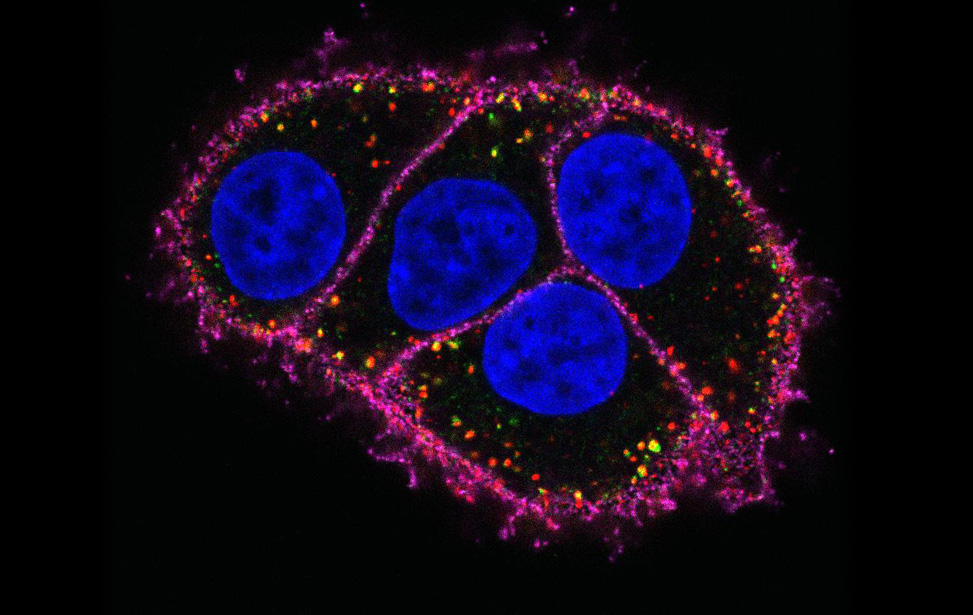
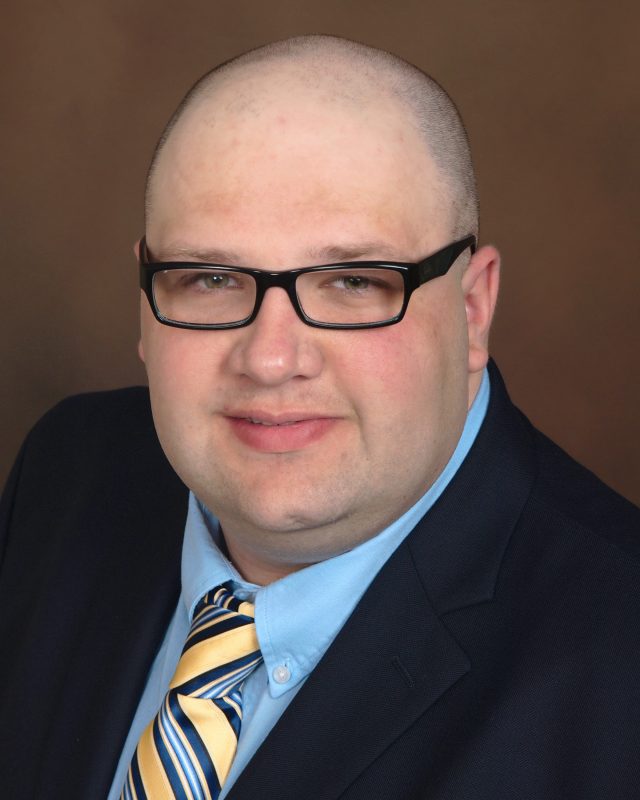
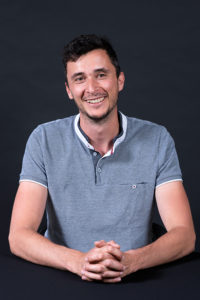
Dr. James Orengo, Associate Professor at Baylor College of Medicine and Director of the Multi-disciplinary ALS Clinic at Michael E. DeBakey VA Medical Center, focuses his research on motor neuron degeneration in neurodegenerative diseases like Spinocerebellar Ataxia Type 1 (SCA1) and ALS . His lab employs mouse models , transgenic zebrafish lines , and human iNeurons to investigate disease mechanisms. Key research areas include: Pathogenic drivers of bulbar dysfunction in SCA1 Transcriptomics of motor neuron degeneration Cross-species modeling (Human, Mouse, Zebrafish) Collaborations with the Undiagnosed Diseases Network (UDN) Dr. Orengo also contributes to clinical care through the BCM ALS Clinic and co-leads multidisciplinary teams at the Michael E. DeBakey VA Medical Center . His lab develops tools for CRISPRi screens and live imaging in zebrafish to accelerate therapeutic discovery.
Triinu Visnapuu is an Associate Professor in Microbiology at the University of Tartu's Institute of Molecular and Cell Biology, Faculty of Science and Technology. Her career at this institution includes roles as Research Fellow (2012-2018), Microbial Glycobiotechnology Researcher (2018-2020), and Associate Professor (2020-present), with fractional appointments indicating part-time status during transitional periods. She completed a postdoc at the Technical University of Denmark (2015-2018). Education includes: PhD in Genetics (University of Tartu, 2012) MSc in Gene Technology (University of Tartu, 2007) BSc in Gene Technology (University of Tartu, 2005) Her research integrates glycobiology, enzymology, and biotechnology, focusing on microbial enzymes (levansucrases, endo-levanases) for functional food ingredients and prebiotic synthesis. Work spans enzyme characterization, heterologous expression in bacterial/yeast systems, fructan applications, and biopolymer development. Current investigations explore biocontrol agents and enzyme engineering for sustainable technologies. Research output demonstrates strong focus on carbohydrate-active enzymes, with recurring themes in fructan applications, enzyme structure-function relationships, and microbial biotechnology. Publications highlight innovative approaches to biocatalysis, biopolymer synthesis, and enzyme discovery from unconventional microbial sources. Honors include: University of Tartu Badge of Distinction (2021) Best Paper Award - International Journal of Molecular Sciences (2020) ASM Young Ambassador Project Grant (2020) Multiple travel awards (FEMS, ASM) Poster prizes at international conferences Supervised 4 Master's students in microbiology and glycobiotechnology. Secured funding as PI for projects including: Enzymatic production of novel prebiotics (PUT1050) Scale-up of levan production (PLTMRARENG13) Antiviral carbohydrate applications (COVSG7) Current participation in PRG1540 project on lytic polysaccharide monooxygenases. Leads microbiology courses (Microbiology I/II, Food Microbiology) and heads the Employees Professional Review Board. Member of FEMS Grant Committee (2018-2021), ASM Young Ambassador to Estonia (2018-2021), and participant in COST Actions CA18229 (Yeast4Bio) and CA18132 (GLYCONanoPROBES).
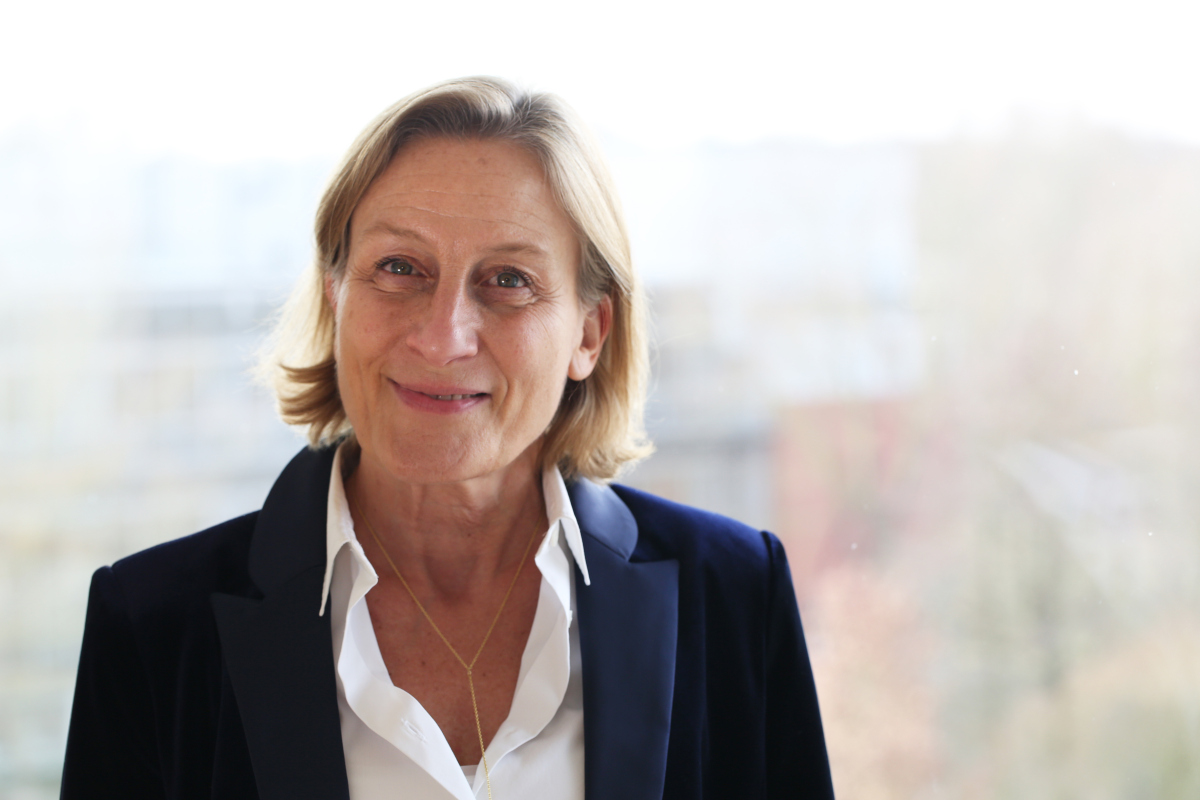
Simona Polo is an Associate Professor at the Department of Oncology and Hemato-Oncology, University of Milan, and Director of the Molecular Machines in Signaling Pathways research program at IFOM since 2005. Her work focuses on deciphering ubiquitin's role in cellular communication systems, particularly in cancer and neurodegenerative disease contexts. University of Milan (Biology, 1991) San Raffaele Hospital (Molecular Virology, 1996-1999) European Institute of Oncology (Endocytosis research, 1999-2005) IFOM (Signaling pathways, 2005-present) Her research revealed ubiquitin as a multifaceted signaling device governing processes like EGFR internalization, lysosomal damage response, and neuronal integrity in ALS. She has trained over 20 researchers, including Elena Maspero and Carlos Alberto Niño Suarez. Key awards include EMBO Young Investigator (2009), EMBO Membership (2016), and Milan's Ambrogino d'Oro (2018). Scientific Trends : Polo's publications show sustained focus on ubiquitin's role in endocytosis, cancer signaling, and neurodegenerative disorders. Her structural biology work (X-ray crystallography) and proteomic analyses of ubiquitin networks underpin therapeutic target identification in EGFR-dependent tumors. Honors : EMBO Young Investigator Award (2009) EMBO Membership (2016) Ambrogino d'Oro Civic Medal (2018) Research Impact : Her lab has produced 40+ papers in top journals like Nature and Cell. The team's discovery of ubiquitin's role in lysophagy and identification of novel ubiquitin-binding domains (e.g., CoCUN) have advanced understanding of protein homeostasis in health and disease.
Paul F. Morris is a Professor in the Department of Biological Sciences at Bowling Green State University's College of Arts and Sciences. He holds a Ph.D. from Queen's University, Canada, and leads the Morris Lab, which focuses on oomycete genomics and polyamine metabolism in plants. His current research targets biocontrol solutions for Pythium pathogens threatening hydroponic agriculture, supported by an NSF Phase STTR award. Dr. Morris maintains active collaborations with plant pathology researchers in China and participates in the Oomycete Molecular Genetics Network. His research interests center on: Mechanisms of polyamine transport and biosynthesis in plant stress responses Genomic strategies of plant pathogens like Phytophthora capsici Development of bacterial biocontrol agents against oomycete pathogens Spatial organization of metabolic pathways in plants Analysis of his recent publications shows a strong focus on plant-pathogen interactions, enzymatic mechanisms in oomycetes, and polyamine metabolism. His work frequently employs molecular genetics, structural biology, and biochemical approaches to address fundamental questions in plant stress responses and pathogen virulence. Dr. Morris actively mentors graduate students, with advisees including Sheaza Ahmed (Ph.D.), Menaka Ariyaratne (Shanklin Award winner), and Nilanjana Chakrabarti. He secured significant funding through an NSF STTR grant for developing sustainable agricultural solutions. His outreach includes directing Kids' Tech University, a science education program for children aged 9-12 that has operated for seven years at BGSU.
Darko Vončina is a Professor at the University of Zagreb Faculty of Agriculture, Department of Plant Pathology, where he leads the Division for Phytomedicine. His work focuses on plant virology with specialization in grapevine viral diseases, vector transmission mechanisms, and epidemiological forecasting. He maintains active collaborations with international institutions including University of California Davis and Berkeley. His educational background includes a PhD (2011) and MSc (2005), both from the University of Zagreb Faculty of Agriculture. His doctoral research investigated virus detection in Dalmatian grapevine cultivars using serological, molecular, and biological methods. Vončina's research centers on plant virus ecology in Croatian viticulture systems. His work employs next-generation sequencing for virus detection and characterization, with particular emphasis on vector-pathogen interactions involving mealybugs and scale insects. Current projects examine viral diversity in autochthonous grapevines and develop sanitation protocols for traditional cultivars. His laboratory applies molecular diagnostics to support clonal selection programs for Croatian native varieties like Plavac Mali and Pošip. His publication trends reveal consistent focus on grapevine virus epidemiology (65% of recent work), vector transmission dynamics (20%), and virus eradication techniques (15%). Key subfields include vitivirus characterization, badnavirus diversity, and mealybug vector competence. Recent work increasingly incorporates genomic approaches for virus detection and host-pathogen interaction studies. Vončina serves as coordinator for multiple Croatian Science Foundation projects including 'Application of metabolomics, high-throughput phenotyping and molecular markers in early selection for disease resistance' (2023-2027) and 'Viruses of grapevine: searching for missing puzzle pieces' (2023-2027). He previously managed EU-funded projects on biodiversity conservation and sustainable pest management. As Division Head for Phytomedicine, he oversees research on plant pathogen diagnostics and develops integrated management strategies for viral diseases in Croatian agriculture. His team collaborates with the Croatian Plant Protection Society and international networks like the International Council for the Study of Virus and Virus-like Diseases of the Grapevine.
Nicole Dubilier serves as Director of the Max Planck Institute for Marine Microbiology in Bremen, Germany, and leads the Department of Symbiosis. Her research focuses on the biology and ecology of tight associations between bacteria and eukaryotes, with particular emphasis on marine invertebrates from chemosynthetic environments such as sulfide-rich coastal sediments, hydrothermal vents, and seeps, as well as shallow-water coral reefs and seagrass meadows. Dubilier earned her PhD in Marine Zoology from the University of Hamburg after moving to Germany from the USA as a teenager. Following a two-year postdoctoral fellowship at Harvard University, she joined the Max Planck Institute for Marine Microbiology in 1997, where she has since established an internationally recognized research program in marine symbiosis. Her interdisciplinary research program employs a wide range of methodologies from deep-sea in situ tools to molecular, 'omic', and imaging analyses to understand the diversity, ecology, and evolution of chemosynthetic symbioses. She has made significant contributions to our understanding of how gutless marine worms, deep-sea mussels, and other invertebrates form nutritional partnerships with bacterial symbionts in extreme environments. Her work bridges molecular mechanisms with ecosystem-level impacts, revealing how these symbiotic relationships influence global biogeochemical cycles. Analysis of Dubilier's recent publications shows a strong focus on genomic and proteomic characterization of symbiotic relationships, evolutionary history of host-symbiont associations, and the metabolic mechanisms enabling symbiosis in extreme environments. Her research increasingly integrates single-cell analyses, metabolic modeling, and spatial metabolomics to uncover intricate biochemical pathways that sustain these partnerships, with particular attention to carbon fixation, sulfur metabolism, and horizontal gene transfer. ASM DC White Award for Interdisciplinary Research (2024) - recognizing both scientific achievements in interdisciplinary research and exceptional mentoring of young scientific talent As Director of the Max Planck Institute, Dubilier oversees multiple research departments and groups comprising over 200 employees from more than 30 countries. She actively participates in numerous national and international advisory boards and scientific councils, and is deeply committed to advancing gender equity in science. Her leadership has positioned the institute as a global hub for marine microbiology research, with strong collaborations across continents and with major oceanographic institutions. The Department of Symbiosis operates state-of-the-art laboratories for molecular and microscopic analyses of marine symbioses and maintains strong partnerships with international research vessels for deep-sea exploration. Current projects focus on the genomic basis of symbiotic relationships, metabolic interactions between hosts and symbionts, evolutionary history of symbiotic partnerships, and the impacts of environmental change on these delicate relationships.
Lindsey Backman is a Valhalla Fellow at Whitehead Institute for Biomedical Research where she leads the Backman Lab, focusing on protein structure and biochemistry in anaerobic bacteria within the human microbiome. She received her PhD in chemistry from MIT in 2022 and a bachelor's degree in chemistry, summa cum laude, from the University of Florida in 2015. Her research interests center on understanding how bacteria in the human microbiome protect enzymes essential for survival. The Backman Lab investigates competitive strategies bacteria employ to outcompete other microbes, with particular focus on glycyl radical enzymes (GREs) in anaerobic conditions. Her work explores how pathogens like Clostridioides difficile utilize specialized enzymes to consume niche nutrients and survive oxidative stress, potentially revealing new antibiotic targets. Dr. Backman's publication record demonstrates expertise spanning both microbiology/biochemistry (focusing on GRE mechanisms and bacterial metabolism) and cancer biology (examining ATM signaling pathways in breast cancer). Her research shows a consistent theme of investigating molecular mechanisms that enable organisms to survive in challenging environments. Scientific Honors: Paul T. Englund Emerging Scholar Award from Johns Hopkins School of Medicine (2023) MIT Hugh Hampton Young Fellowship (2021) Howard Hughes Medical Institute Gilliam Fellowship (2017) MIT Dept. of Chemistry's Award for Excellence in Teaching (2016) National Science Foundation Graduate Research Fellowship (2016) DOW Chemical Graduate Fellowship for Underrepresented Minorities (2015) During her graduate work at MIT under Catherine Drennan, she characterized hydroxyproline dehydratase (HypD), solving its first structures and proposing an enzymatic mechanism. Her undergraduate research included participation in HHMI's Exceptional Research Opportunities Program. At Whitehead Institute, her lab now explores how anaerobic pathogens thrive amidst oxidative stress, investigating bacterial microcompartments and enzyme repair systems as protective mechanisms.
Christopher C. Broder is Professor and Chair of the Department of Microbiology and Immunology at Uniformed Services University of the Health Sciences (USU) School of Medicine. A faculty member since 1996, he was promoted to Full Professor in 2005 and has led transformative research in virology, particularly in emerging zoonotic viruses and countermeasure development. His work bridges basic science and clinical translation, with significant contributions to national biodefense efforts. Dr. Broder's educational background includes: B.S. in Biological Sciences (with honors), Florida Institute of Technology (1983) M.S. in Molecular Biology, Florida Institute of Technology (1985) Ph.D. in Microbiology and Immunology, University of Florida College of Medicine (1989) His research focuses on virus-host interactions for high-consequence pathogens including Nipah, Hendra, Ebola, and HIV-1. Key areas include viral entry mechanisms, receptor discovery, and development of vaccines/therapeutics. Notable achievements include identifying HIV-1 coreceptors (CXCR4/CCR5; Science 1996 Breakthrough of the Year), discovering ephrin-B2 as the henipavirus receptor, and creating the first commercialized BSL-4 vaccine (Equivac® HeV). His work exemplifies the One Health approach to zoonotic disease control. Analysis of his 15 most recent publications (2008-2024) reveals consistent leadership in structural virology, therapeutic antibody development, and translational countermeasures for henipaviruses. His team has pioneered structural characterization of viral glycoproteins, enabling rational vaccine design and cross-reactive antibody therapies now in clinical use. Recent work emphasizes broad-spectrum countermeasures against divergent viral variants. Dr. Broder's major honors include: Federal Laboratory Consortium Awards (2013, 2019, 2020) CSIRO Chairman’s Medal (2013) Carol Johns Medal (highest USU faculty honor) MHSRS Outstanding Research Awards (2020 Individual, 2021 Team) James J. Leonard Award for Translational Research (2016) He has mentored 13 graduate students and 15 postdoctoral fellows while securing major funding from NIH, DoD, and CEPI. His translational pipeline includes the HeV-sG vaccine (approved for horses in Australia), the m102.4 monoclonal antibody (used in 19 human emergency treatments), and multiple candidates in Phase 1 clinical trials. His research directly addresses military-relevant biological threats through the DoD's emerging infectious disease programs. As Department Chair and former Director of USU's Emerging Infectious Diseases PhD Program (2006-2018), Dr. Broder leads a multidisciplinary team collaborating with CSIRO (Australia), NIAID, and biotech partners. His laboratory maintains BSL-3/4 capabilities for high-containment pathogen research and serves as a critical node in global outbreak response networks for henipaviruses and other priority pathogens.
Aaron Gross is an Associate Professor in the Department of Entomology at Virginia Polytechnic Institute and State University (Virginia Tech), College of Agriculture and Life Sciences, specializing in Toxicology & Physiology. His research focuses on molecular mechanisms of arthropod pest control affecting human health, animal welfare, and agriculture. Education: B.S. Biochemistry (2007), St. Cloud State University B.S. Biomedical Sciences (2007), St. Cloud State University M.S. Toxicology (2010), Iowa State University Ph.D. Toxicology (2014), Iowa State University Postdoctoral training, Emerging Pathogens Institute, University of Florida Research Focus: Dr. Gross leads the Molecular Physiology and Toxicology Laboratory investigating insecticide/acaricide resistance mechanisms , novel insecticide discovery targeting GPCRs and ion channels , and tick-host immune evasion . His work integrates molecular biology, electrophysiology, and biochemical approaches to develop sustainable pest management strategies for vectors like Amblyomma americanum and agricultural pests including Aethina tumida . Publication Trends (2020-2025): Recent work emphasizes cross-resistance mechanisms in Drosophila , synergism between plant compounds and synthetic insecticides, and molecular characterization of targets like cholinesterases. Key models include honey bees, ticks, mosquitoes, and small hive beetles, addressing critical gaps in resistance management and novel target identification. Professional Engagement: Active member: Entomological Society of America, American Chemical Society, Sigma Xi, Society of Vector Ecology, Virginia Mosquito Control Association Editorial reviewer for Insects journal Teaching: Instructs graduate courses ENT 6154 (Insect Physiology and Molecular Biology) and ENT 6164 (Insect Toxicology), training students in advanced toxicological methodologies and molecular physiology. Laboratory: The Molecular Physiology and Toxicology Laboratory (www.vtmptl.com) employs baculoviral expression systems, electrophysiology, and biochemical assays to characterize insecticide targets and resistance mechanisms, with ongoing projects on GPCR pharmacology and vector immune evasion.
Dr. Elaine Murray is a Senior Lecturer in the School of Medicine at Ulster University, where she has been working since 2013. She is affiliated with the Northern Ireland Centre for Stratified Medicine and conducts research at the C-TRIC Building, Altnagelvin Area Hospital in Derry~Londonderry. Her work focuses on mental health research, particularly in college student populations, and she collaborates extensively with the Western Health and Social Care Trust and the Psychology Research Institute at Ulster University. Dr. Murray earned her BSc Hons in Biomedical Sciences with a Diploma in Industrial Studies from Ulster University in 2003. She completed her PhD in Neuroscience and Behaviour at the University of Massachusetts, Amherst in 2010, where her research demonstrated that perinatal disruption of histone acetylation leads to long-lasting changes in sexually dimorphic regions of the brain. Dr. Murray's research primarily focuses on identifying novel biomarker panels to improve diagnosis and treatment of psychiatric disorders. She is particularly interested in the role of epigenetic modifications and sex differences in the aetiology and treatment of mental health conditions. Her current projects include the Antipsychotic Response Study, Antidepressant Response research, Analysis of Antidepressant Prescribing Patterns in Northern Ireland, and the Ulster University Student Wellbeing Study, which is part of the WHO's Mental Health International College Student Project. Dr. Murray's extensive publication record shows a clear focus on mental health in college student populations, with particular attention to depression, suicidal behaviors, and the impact of childhood adversity. Her research employs multi-omics approaches to identify biomarkers and has increasingly incorporated microbiome analysis, particularly examining the relationship between oral microbiome variations and depression. She has established herself as a key contributor to the World Mental Health International College Student initiative, with numerous publications examining mental health patterns across international student populations. Vincent G. Dethier Award for Neuroscience and Behaviour Postgraduate Student of the year Fellow of the Higher Education Academy Member of the Society for Neuroscience Collaborative Award for Teaching Excellence (CATE) (2024) Distinguished Collaborative Education Excellence Fellowship (2023) Dr. Murray serves as coordinator of the Stratified Medicine Industrial Liaison Committee and as timetable coordinator for BSc (Hons) Stratified Medicine. She has secured significant research funding through projects like MOOD-Dx (as Principal Investigator), PEACETIME, iMPROVE, and the Personalised Medicine Centre Multi-Omics Lab. Her work with the Ulster University Student Wellbeing Study represents a major longitudinal research effort examining risk and protective factors for mental health problems in students over five years. Dr. Murray is actively involved in the Translational Neuroscience research group at Ulster University and collaborates with researchers across multiple disciplines. Her work on the Ulster University Student Wellbeing Study involves a large interdisciplinary team examining genetic and biological factors affecting mental health disorders and treatment efficacy. She also contributes to the Northern Ireland Centre for Stratified Medicine's efforts to develop personalized approaches to mental health treatment.
Paola Cescutti is an Associate Professor in Biochemistry at the Department of Life Sciences, University of Trieste. She serves as a Scientific Manager for multiple research projects focused on bacterial polysaccharides and biofilm characterization. Academic Affiliation: University of Trieste Research Area: Molecular Microbiology, Biomedicine Education: B.Sc. in Biology (cum laude), University of Trieste Ph.D. in Biochemistry, University of Trieste Postdoctoral Fellowship, USDA (Wyndmoor, PA, USA) Sabbatical, University of Alberta (Edmonton, Canada) Her research explores the structural and functional properties of bacterial polysaccharides, particularly in biofilms formed by opportunistic pathogens like Burkholderia and Klebsiella pneumoniae . Key methodologies include NMR spectroscopy, ESI mass spectrometry, and atomic force microscopy. Collaborations span GSK Vaccines Institute, University of Copenhagen, and Cornell University. Recent projects funded by the NIH and European Union aim to develop glycoconjugate vaccines and investigate biofilm stabilization mechanisms. She mentors PhD students Michela Zaro, Elena Palmieri, and Rebecca Nappini, and participates in doctoral college committees.
Francesca Malfatti is an Associate Professor of Microbiology at the Department of Life Sciences (DSV) of the University of Trieste. She serves as a member of the Department's Board and multiple Boards of Studies for degree programs including Science and Technology for Environment and Nature (SM40), Biological Sciences and Technologies (SM51), Functional Genomics (SM53), and Marine and Coastal Environmental Science (SM44/SM44A). Her research focuses on environmental microbiology and genetics, particularly at the atmosphere-ocean interface. She leads the Environmental Microbiology Laboratory (EMLab) and serves as Principal Investigator for the FEMTO project (Focused rEsistome-Mobilome genes in aTmosphere-Ocean continuum), funded by the Italian Ministry of University and Research (2023-2025). Her work also encompasses Antarctic marine microbiology through the IBIZA project and viral-host interactions via the VirHoX initiative. Analysis of her recent publications reveals a strong emphasis on microbial gene transfer mechanisms, antibiotic resistance dynamics across environmental compartments, and the role of atmospheric processes in microbial dispersal. Her research bridges marine microbiology, atmospheric science, and genetic analysis to understand microbial community dynamics across interconnected environmental systems. Dr. Malfatti actively participates in multiple research initiatives including Ecosistema Innovazione iNEST, SAVEMAR, and several international collaborations focused on environmental microbiology and marine ecosystem health.
Dr. Cameron Buckley serves as an Honorary Post-doctoral Researcher at the UQ Centre for Clinical Research, University of Queensland. His work centers on infectious disease diagnostics and antimicrobial resistance surveillance, with particular expertise in Neisseria gonorrhoeae genomics and SARS-CoV-2 diagnostic development. His position operates within the university's clinical research infrastructure while maintaining collaborative ties with public health laboratories across Australia. Buckley's research program integrates molecular microbiology, genomic epidemiology, and diagnostic innovation to address critical challenges in antimicrobial resistance. He specializes in developing real-time PCR assays for resistance marker detection and applying whole-genome sequencing to track pathogen evolution. His work on Neisseria gonorrhoeae has documented resistance spread across Australian populations, while his SARS-CoV-2 research has optimized viral inactivation protocols for diagnostic workflows. These contributions bridge laboratory science with practical public health applications in infectious disease control. Analysis of Buckley's publication record reveals a dominant focus on the genomic epidemiology of antimicrobial-resistant gonococci, with recurring themes of resistance mechanism characterization and molecular surveillance methodology development. His work spans bacterial pathogens including Chlamydia trachomatis and Pseudomonas aeruginosa , demonstrating methodological consistency in applying genomic tools to diverse infectious disease challenges. The trajectory shows increasing emphasis on diagnostic assay development alongside epidemiological investigations, reflecting an integrated approach to combating antimicrobial resistance.
Diana P. Pires is a postdoctoral Researcher at the Centre of Biological Engineering , University of Minho, Portugal. Her work focuses on Phage Engineering and Biofilm Control , with a specialization in enhancing bacteriophages to combat Pseudomonas aeruginosa infections. She has collaborated with prestigious institutions like MIT, KU Leuven, and Laval University, and has supervised 3 M.Sc. students and 2 research fellows while co-supervising 2 Ph.D. students. Education: Ph.D. in Biomedical Engineering (University of Minho, 2016; joint MIT collaboration) M.Sc. in Biomedical Engineering (University of Minho, 2010) Research Interests Diana's research spans Bacteriophage Biology , Biofilm Engineering , and Synthetic Biology . She pioneers genetic modifications of phages to improve their antibacterial capabilities, particularly against biofilms in P. aeruginosa and Klebsiella pneumoniae . Her work includes Phage-Host Interaction Analysis and Genomic Reduction to create tailored therapeutic agents. Scientific Recognition L’Óreal Portugal Medal of Honor for Women in Science (2019) Publications & Projects With 21 peer-reviewed Journal Articles , 2 Genome Announcements , and 5 Book Chapters , Diana explores phage mechanisms and biofilm control. She leads two research projects— PhageShaper (FCT-funded) and a European Society of Clinical Microbiology and Infectious Diseases initiative—and contributes to 5 ongoing projects as a team member.
Vincent Tollon is a Lecturer-Researcher at ISARA's Agroecology and Environment Research Unit, where he integrates data science with agroecological research. His work focuses on biodiversity analysis, GIS applications (QGIS/ARCGIS), and statistical modeling (ADE4/R software) to enhance sustainable food systems. PhD in Ecology from Université de Savoie (2010) Habilitation from University of Greifswald (2004) Doctorate in Animal Ecology from University of Hohenheim (1998) Geoecology MSc from University of Karlsruhe (1993) His research explores agroecological principles through projects like: INNOVAB: Innovative cultivation systems for organic crops PERMEAGRI: Agricultural space permeability and ecological planning ECOSTACK: Biodiversity-driven crop protection tools Current publications analyze: Carbon dynamics in aquaculture systems Agroecological practices enhancing pollinator diversity Landscape-scale impacts on carabid beetle communities Telemetry-based wildlife behavior studies He teaches statistics (ANOVA, linear models) and GIS to agroecology students, while supervising field research applications in sustainable food production.