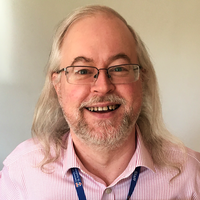
Simon Dobson is a Professor of Computer Science and Deputy Head of the School of Computer Science at the University of St Andrews. His research focuses on complex systems, sensor analytics, computational tools for simulation, and data analytics. He leads grants exceeding EUR30M, including a £5M EPSRC-funded programme in Sensor Systems Software. He is a Fellow of the Royal Society of Edinburgh (2020) and advises the Scottish government. Education: BSc (University of Newcastle), DPhil (University of York), both in Computer Science. Professional: Chartered Engineer, Fellow of the British Computer Society. Research Interests: Complex systems, network science, higher-order networks, epidemiological modeling, and sensor data integration. Teaching: CS4203 (Computer Security), CS5728 (Complex Systems Modelling). Supervises PhD/MSc projects. Awards: Includes RSE Fellowship, BCS Fellowship, and multiple leadership roles in conferences and committees.
Patrick Kastner is an Assistant Professor at the School of Architecture and holds an adjunct appointment at the H. Milton Stewart School of Industrial and Systems Engineering at Georgia Tech. He directs the Sustainable Urban Systems Lab, focusing on environmental performance simulation and urban decarbonization. His work emphasizes software tools for sustainable urban decision-making, such as Eddy3D, a microclimate modeling toolkit widely adopted in academia and practice. Education: Ph.D. and M.S. in Systems Science and Engineering, Cornell University (2022, 2021) M.S. in Sustainable Building Science, Technical University of Munich (2017) B.S. in Energy Engineering, University of Erlangen–Nuremberg (2012) Research Interests: Environmental performance simulation, urban decarbonization, machine learning applications in urban systems, spatial analysis, and software development for sustainability. His work integrates computational fluid dynamics (CFD), surrogate modeling, and data-driven approaches to address urban climate challenges. Key Projects: Leads the Vertically Integrated Project SMUR (Surrogate Modeling for Urban Regeneration), fostering interdisciplinary collaboration across Georgia Tech. Developed Eddy3D, which streamlines microclimate simulations for architects and urban planners. Grants & Advising: Engages students from sophomore to graduate levels in sustainability research. Teaches at Cornell and UPenn previously. Advises on projects blending engineering, urban design, and climate science. Labs & Teams: Director of the Sustainable Urban Systems Lab, focusing on software tools for sustainable urban transformation. Collaborates with industry partners and global institutions on decarbonization strategies.
Tiffany M Jamann is an Associate Professor in Crop Sciences at the University of Illinois, where she holds the Monsanto Fellowship in Plant Breeding. Her research program focuses on understanding and improving disease resistance mechanisms in maize through integrated genetic, genomic, and phenotypic approaches. Dr. Jamann's work spans multiple disease systems with particular emphasis on foliar diseases such as Northern Leaf Blight and ear diseases like Gibberella ear rot. Her research interests include: Quantitative trait locus (QTL) mapping for disease resistance in maize Development of near-isogenic line populations for gene discovery Comparative studies of resistance mechanisms across different pathosystems Investigation of pattern-triggered immunity in maize Standardization of pathogen inoculation and disease rating methodologies Analysis of Dr. Jamann's recent publications (2023-2025) reveals a strategic integration of traditional plant breeding with cutting-edge genomic approaches. Her work demonstrates increasing use of comparative genomics and transcriptomics to identify host-specificity genes in pathogens while maintaining strong focus on practical breeding applications. A notable trend is her development of standardized methodologies for pathogen inoculation across multiple disease systems, enabling more reliable resistance evaluation. Monsanto Fellow in Plant Breeding Multiple publications featured in news outlets and academic discussions Active research with significant social media engagement (46 X users mentioning her work) Dr. Jamann's research program likely involves extensive collaboration with other plant pathologists and breeders, as evidenced by her numerous co-authored publications. Her work on multi-environment trials suggests substantial field research across different geographical locations. The development of specialized maize germplasm, including near-isogenic lines, indicates long-term investment in genetic resources for disease resistance research. Her laboratory maintains sophisticated capabilities for pathogen characterization, high-throughput phenotyping using fluorescence microscopy, and genetic mapping approaches. The emphasis on both fundamental plant-pathogen interactions and applied crop improvement demonstrates a research program that bridges basic science with practical agricultural outcomes.
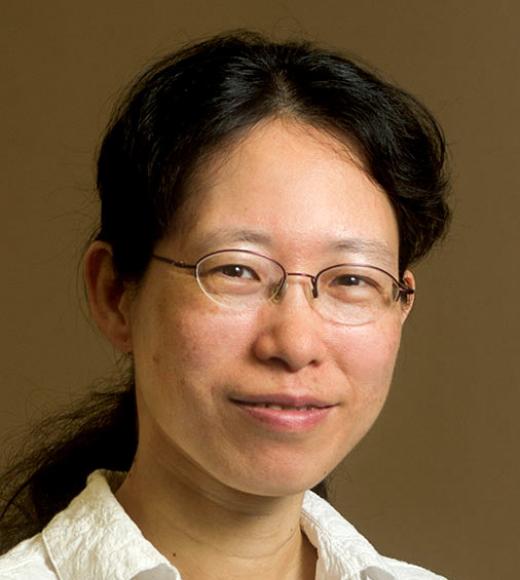
Dr. Xi Chen is a Professor in the Department of Chemistry at the University of California, Davis, where he has been a faculty member since 2003. His research spans carbohydrate chemistry, glycobiology, and cancer biology, with notable contributions to chemoenzymatic methods for glycoconjugate synthesis. Dr. Chen's work focuses on developing hybrid chemical-enzymatic approaches to synthesize complex carbohydrates and glycoconjugates, characterizing glycosyltransferase mechanisms, and designing enzyme mutants for improved catalysis. He also investigates carbohydrate-based diagnostics and therapeutics, particularly in cancer and inflammatory diseases. His recent publications highlight interdisciplinary studies linking carbohydrate metabolism to p53 tumor suppression pathways and RNA-binding protein regulation in cancer. Awards include AAAS Fellow (2015), ACS Isbell Award (2012), and NSF CAREER Award (2006). He earned his Ph.D. at Wayne State University (2000) and B.S. at Xiamen University (1994). Scientific Awards American Association for the Advancement of Science Fellow (2015) Dean's Team Award for Excellence (2013) Carbohydrate Research Award for Creativity (2013) ACS CARB Horace S. Isbell Award (2012)
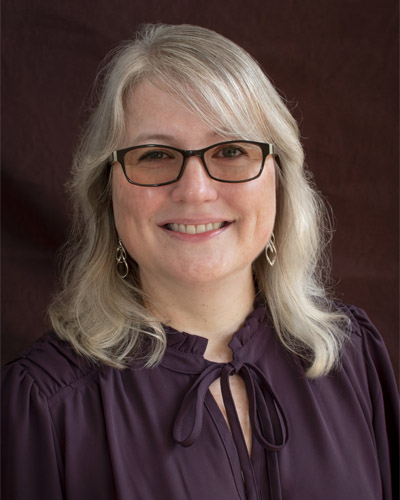
Dr. Audrey Lamb is a Professor and Chair of the Department of Chemistry at The University of Texas at San Antonio (UTSA), within the College of Sciences. She joined UTSA in 2020 after rising to full professor at the University of Kansas, where she served as interim dean of graduate studies in 2019. Her leadership extends to professional organizations, including serving as an elected council member for the American Society for Biochemistry and Molecular Biology. Dr. Lamb received her B.S. in Chemistry from Furman University in 1993 and her Ph.D. in Biochemistry from Vanderbilt University School of Medicine in 1998. She completed postdoctoral studies in biochemistry at Northwestern University before beginning her academic career at the University of Kansas in 2003. Dr. Lamb's research focuses on understanding bacterial pathogenesis through mechanistic enzymology and structural biology. Her lab investigates how human pathogens biosynthesize metallophores for metal ion scavenging and riboflavin (Vitamin B2) biosynthesis pathways. These studies aim to identify targets for novel antibiotic development against multidrug-resistant pathogens. Her work spans bacterial enzymology, structural biology, and metabolic pathway analysis, with applications in antimicrobial drug design. Analysis of Dr. Lamb's recent publications reveals a consistent focus on enzyme mechanisms in bacterial metabolism, particularly in metallophore and riboflavin biosynthesis pathways. Her work combines structural biology with kinetic analysis to elucidate catalytic mechanisms. Many publications investigate enzymes from pathogens like Pseudomonas aeruginosa, Staphylococcus aureus, and Trypanosoma cruzi, highlighting the translational potential of her basic science research for antimicrobial development. Dr. Lamb has received notable recognition including: Election as a 2022 Fellow of the American Association for the Advancement of Science (AAAS) Award-winning teaching and mentoring at undergraduate and graduate levels Dr. Lamb has mentored numerous students and postdoctoral fellows, with many alumni now in academic, industrial, and research positions. Her lab has received funding from prestigious sources including the National Institutes of Health, National Science Foundation, American Lung Association, and W.M. Keck Foundation. She actively collaborates with researchers at Loyola University Chicago, Texas A&M University, University of Kansas Medical Center, and UTSA's Department of Molecular Microbiology and Immunology. The Lamb Lab maintains a comprehensive suite of equipment for protein biochemistry and structural studies, including multiple AKTA FPLCs, a stopped-flow spectrophotometer, crystallization robot, various spectrophotometers, and HPLCs. This infrastructure supports their research on enzyme mechanisms and structural biology of bacterial metabolic pathways.
Chiu Ping Cheng is a Professor in the Department of Biology at the University of Minnesota, USA, specializing in Molecular Biology and Plant-Microbe Interactions . With over two decades of research on Ralstonia solanacearum and its interactions with solanaceous crops, Dr. Cheng has pioneered studies on plant defense mechanisms against bacterial wilt, regulatory gene functions, and biocontrol agent applications. Current research: Plant-pathogen interactions Special techniques: Genomic screening, bacteriophage-derived proteins Key pathogens: Ralstonia solanacearum, Pectobacterium carotovorum His recent publications (2024) explore tomato cultivar resistance variation , NADPH oxidase-effector interactions , and phenylpropanoid metabolism in wild mungbean . Though no formal scientific awards are listed, his work has been featured in leading journals like Plant Cell & Environment and New Phytologist . Dr. Cheng operates from the Life Science Building R942 laboratory.
Linda J. Harris, Ph.D., is a Distinguished Professor of Cooperative Extension in Microbial Food Safety at the University of California, Davis, within the Department of Food Science and Technology. She served as Department Chair from 2016 to 2021. Her research focuses on microbial food safety, particularly in fresh produce and tree nuts, emphasizing pathogen behavior, antimicrobial treatments, and standard microbiological methods validation. She collaborates with food producers, processors, and government agencies to address food safety challenges. Dr. Harris earned her Ph.D. in Food Science from North Carolina State University in 1991. Her work integrates laboratory studies with extension activities to ensure practical applications in food safety. Key areas include evaluating pathogen survival on produce, developing sanitation protocols, and assessing risks associated with low-moisture foods. Her research trends highlight advancements in pathogen detection (e.g., MALDI-TOF technology), contamination prevention in postharvest handling, and consumer practices affecting food safety (e.g., homemade nut-based products). Recent articles address Salmonella and Listeria survival on produce, irrigation impacts on pathogens, and validation of pathogen reduction processes. Awards: 2021 AAAS Fellow 2018 Institute of Food Technologists Fellow 2004 Elmer Marth Educator Award Her advising and grants focus on low-moisture food safety, extension education, and industry partnerships. She leads initiatives like the Scientific Integrity Consortium and collaborates on national food safety guidelines. Dr. Harris is affiliated with the Robert Mondavi Institute for Wine and Food Science at UC Davis.
Joshua D. Rabinowitz is a Professor of Chemistry and the Lewis-Sigler Institute for Integrative Genomics at Princeton University, where he also serves as Director of the Ludwig Princeton Branch. His research focuses on achieving a quantitative, comprehensive understanding of cellular metabolism, with applications in both basic science and medical research. Dr. Rabinowitz's research interests span multiple areas of metabolism and systems biology: Quantitative analysis of metabolic networks and regulation Metabolomics and measurement of metabolite concentrations and fluxes Cancer cell metabolism and therapeutic targeting Metabolic regulation in microbes (E. coli, Saccharomyces cerevisiae) Biofuel production (focusing on Clostridium acetobutylicum) Metabolic impact of pathogen infection (viral infection of human cells) His laboratory has developed innovative methods for measuring cellular metabolites using state-of-the-art mass spectrometry technology and approaches for quantitating metabolic fluxes through isotope-labeling data interpretation. Analysis of recent publications reveals a strong focus on NAD+ metabolism, cancer metabolism, metabolic adaptations in disease states, and the intersection of metabolism with immunology and neuroscience, particularly in areas like T cell metabolism, Alzheimer's disease, and cardiac function. Dr. Rabinowitz has received recognition as a Highly Cited Researcher by Web of Science, indicating significant impact in his field. He advises several graduate students and has mentored numerous alumni, including Michel I. Nofal, Edmundo Leiva III, and Sean Hackett. His research is supported by multiple programs including NIH NHGRI Training Program and QCB Graduate Program. The Rabinowitz Lab operates at the intersection of chemistry, biology, and computational science, with all projects involving a mix of biological experiments, metabolomics, and computation to achieve their goal of a holistic understanding of cellular metabolism.
Dr. Angelika Rambold is a Group Leader at the Max Planck Institute of Immunobiology and Epigenetics in Freiburg, Germany, heading the Laboratory for Metabolic Organelle Networks in Immunology within the Department of Developmental Immunology. Previously affiliated with the University of Münster's Center for Molecular Biology of Inflammation (ZMBE) and Institute of Medical Biochemistry until January 2025, she investigates how intracellular organelle networks regulate immune cell function during inflammation, infection, and metabolic stress. Her research centers on dynamic interactions between mitochondria, lysosomes, lipid droplets, and autophagosomes during cellular adaptation to nutrient deprivation and pathogen challenge. Key interests include organelle communication mechanisms in immune cell activation, metabolic reprogramming in T cells and macrophages, and how defects in organelle networks drive primary immunodeficiencies like Chediak-Higashi syndrome. She employs advanced live-cell microscopy, super-resolution imaging, metabolomics, and single-cell transcriptomics to dissect these processes in primary immune cells and human disease models. Analysis of her publication record reveals consistent focus on mitochondrial dynamics as a central regulator of immune cell metabolism and fate determination. Landmark studies demonstrate TFEB-mediated itaconate synthesis for bacterial control in macrophages and coordinated organelle network responses during starvation, establishing critical links between organelle communication, immunometabolism, and disease pathogenesis across multiple immune cell types. Dr. Rambold serves as a supervisor in the Cells in Motion International Max Planck Research School (CiM-IMPRS) Graduate Programme, mentoring PhD students in interdisciplinary research. Her laboratory maintains active collaboration with the Center for Chronic Immunodeficiency (CCI) at the University of Freiburg to translate basic findings on organelle-mediated immune defects into clinical insights for patient-oriented research.
Britt Koskella is an Associate Professor at the University of California, Berkeley, affiliated with the Department of Environmental Science, Policy, and Management within the College of Natural Resources. Her research focuses on evolutionary biology, particularly host-pathogen coevolution and microbial interactions, integrating experimental evolution, field studies, and molecular biology. She leads the Koskella Lab, which investigates how microbial communities, phages, and pathogens influence host health and agricultural sustainability. Research Interests: Dr. Koskella explores the coevolutionary dynamics between hosts and their symbionts, including bacteriophage-bacteria interactions in plant microbiomes. Her work bridges ecological and evolutionary principles to address applied challenges in disease management and sustainable agriculture. Key areas include understanding phage-mediated selection in natural populations, the role of microbiomes in host defense, and the spatial/temporal adaptation of pathogens. Advancing Knowledge: Dr. Koskella’s lab employs experimental evolution in greenhouses and lab settings to test hypotheses derived from field observations. Recent studies highlight the indirect role of phages in plant disease protection and the design of synthetic microbial communities for agricultural applications. She collaborates on initiatives like the Joint Berkeley Initiative for Microbiome Sciences (JBIMS), emphasizing interdisciplinary approaches. Lab Team & Contributions: The lab includes students and researchers such as Eli Mehlferber, Asa Conover, and others, advancing projects on microbiome assembly, phage therapy, and pathogen coevolution. Dr. Koskella’s work has been published in high-impact journals like Current Biology , American Naturalist , and Ecology Letters .
Wai Pang Ng is a Professor and Head of the Department of Mathematics, Physics and Electrical Engineering at Northumbria University. He holds a BEng (Hons) in Communications and Electronic Engineering from the University of Northumbria and a PhD in Electronic Engineering from the University of Wales, Swansea. His research focuses on radio-over-fiber systems, distributed fiber sensing, high-speed optical communications, and adaptive signal processing. Ng has held leadership roles in IEEE chapters and conferences, including chairing the IEEE UK&RI Communications Chapter (2011–2015) and serving as publicity chair for IEEE ICC 2015 and 2016. His research interests include innovative fiber optic sensor designs, acoustic wave devices for biomedical applications, and hybrid communication systems combining radio-over-fiber and free-space optics. Recent work emphasizes ultra-sensitive pressure/temperature sensors using microstructured fibers and acoustofluidic platforms for lab-on-a-chip applications. Ng has supervised seven PhD/MSc projects and actively contributes to standards development in optical communication systems. Ng’s publications span advanced sensor technologies, nonlinear compensation in optical systems, and turbulence-resistant free-space optical links. His work bridges academic research with practical applications in telecommunications, environmental monitoring, and healthcare diagnostics. Professional affiliations include IEEE technical committees (SPCE, TCGCC, ONTC) and guest editorships for IET Communications.
Jos Ruytinx is a faculty member in the Department of Bio-engineering Sciences at Vrije Universiteit Brussel (VUB), Belgium. His research focuses on plant-fungal interactions, particularly ectomycorrhizal symbiosis and metal homeostasis mechanisms. He actively supervises graduate students and serves on PhD committees, contributing significantly to the academic community at VUB. Dr. Ruytinx's research interests span several interconnected fields: Mycorrhizal symbiosis between plants and fungi Zinc and heavy metal homeostasis in ectomycorrhizal systems Molecular mechanisms of fungal adaptation to metal stress Transport physiology in plant-fungal symbiotic relationships Evolutionary aspects of ectomycorrhizal fungi Responses to ionizing radiation in plant-microbe systems His recent publications demonstrate a strong focus on understanding how ectomycorrhizal fungi like Laccaria bicolor and Suillus luteus interact with their plant hosts under metal stress conditions, particularly zinc. Through comparative transcriptomics and functional characterization of transporters, his work reveals genetic determinants of symbiotic compatibility and mechanisms of metal tolerance. This research has implications for phytoremediation and sustainable agriculture in contaminated soils. Dr. Ruytinx has received recognition for his work with an h-index of 17 and over 2151 citations. His research is supported by multiple grants including: FWOAL1080: Zinc homeostasis in ectomycorrhizal symbiosis: nutrition and beyond (2023-2026) FWOTM1079: Reactive oxygen species in ectomycorrhizal fungi: damage, signaling or both? (2021-2025) OZR4191: Bilateral cooperation for joint PhD VUB-UHasselt (2023-2027) HERC66: 3D-CELLMAP project (2024-2028) As an academic advisor, Dr. Ruytinx has supervised 7 students through their theses, including Master's and Doctoral candidates. His laboratory focuses on fungal genetics and plant-microbe interactions, with particular expertise in zinc transport mechanisms in ectomycorrhizal systems. He actively participates in public engagement activities, including field samplings and expert commentary on fungi as biofertilizers.
Georg Fantner is an Associate Professor at the Swiss Federal Institute of Technology Lausanne (EPFL) with dual appointments in the School of Engineering (STI) within the Institute of Bioengineering and the School of Life Sciences (SV) for teaching. He directs the Laboratory for Bio- and Nano-Instrumentation (LBNI) and holds leadership roles including President of the Open Science Strategic Committee and the Association des Professeurs de l'EPFL. Research Focus: Bioinstrumentation, Nanotechnology, Scanning Probe Microscopy, and Metrology Teaching: Structural Mechanics for Life Sciences, Metrology, and Metrology Practicals His research pioneers advanced instrumentation for nanoscale characterization, emphasizing data-driven approaches to enhance microscopy techniques. Recent work integrates deep learning with scanning probe microscopy for real-time biological imaging and develops novel MEMS devices for fluid-compatible nanoscale manipulation. Key innovations include hermetically sealed sample chambers for pathogen studies and deterministic nanotopography engineering. Professor Fantner actively mentors 7 current PhD students and has supervised 14 graduates. His laboratory fosters interdisciplinary collaboration across engineering, physics, and life sciences to advance nanoscale measurement technologies and instrumentation development.
David N. Thomas is a Professor of Arctic Ecosystem Research and Director of the International Masters Programme for Environmental Change and Global Sustainability at the University of Helsinki. He is affiliated with the Faculty of Biological and Environmental Sciences, working within the Ecosystems and Environment Research Programme and the Helsinki Institute of Sustainability Science. Dr. Thomas is a distinguished Marine-Arctic-Antarctic-Climate Biologist with extensive expertise in sea ice research, polar ecosystems, and climate change impacts. His research focuses on the biogeochemical processes within sea ice, carbon cycling in polar regions, and the ecological implications of a changing Arctic Ocean. He has made significant contributions to understanding how sea ice ecosystems function and respond to environmental change, with particular attention to microbial communities, nutrient dynamics, and carbon fluxes. His recent publications demonstrate a strong focus on the changing Arctic Ocean ecosystem, carbon and microbial dynamics in thawing permafrost landscapes, and sea ice biogeochemistry. Dr. Thomas has also contributed to important policy documents such as the PAME Synthesis Report on Ecosystem Status in the Central Arctic Ocean, bridging the gap between scientific research and environmental management. Professor Thomas has recently published the 4th Edition of "Sea Ice: Its Physics, Chemistry, Biology, Geology and Societal Importance," which represents a comprehensive update to this seminal work in polar science. His research spans both Arctic and Antarctic environments, examining how these critical polar regions are responding to global environmental change.
Jeremy Wang, PhD is an Assistant Professor in the Department of Genetics at the UNC School of Medicine . His research focuses on applying high-performance computational methods and machine learning to analyze high-throughput sequence data using long-read technologies (e.g., Oxford Nanopore) to advance precision personalized medicine . Key disease areas include Inflammatory Bowel Diseases (IBD) Respiratory Infectious Diseases His lab specializes in microbiome analysis , host-pathogen interactions , and computational genomics , working with collaborators in clinical, translational, and computational domains. His publications demonstrate expertise in long-read sequencing applications for Pediatric cancer classification SARS-CoV-2 genomic epidemiology Microbiome spatiotemporal dynamics Murine disease models Drosophilid genome assemblies Metagenomic bias analysis Collaborations span UNC and global institutions, with current work extending to clinical laboratory partnerships for pathogen sequencing and oral microbiome sampling methodology.