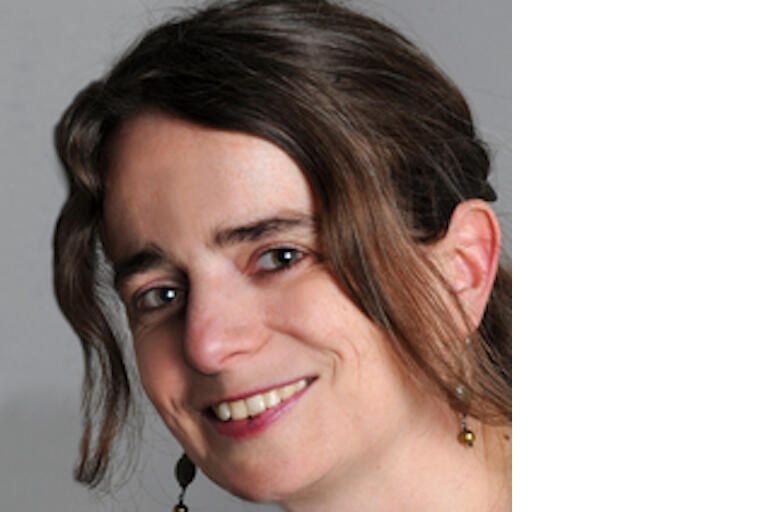
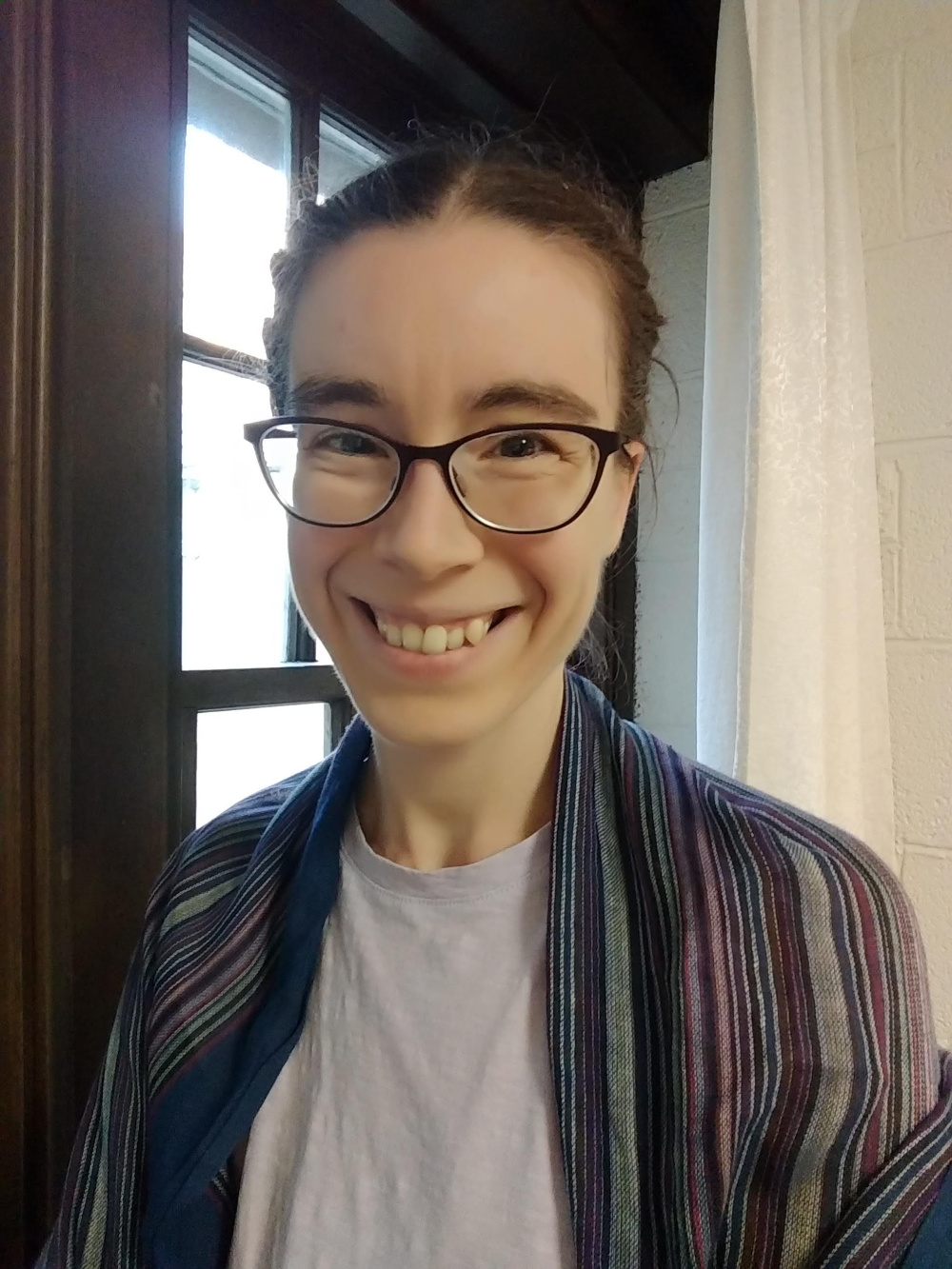
Anne-Lise François is an Associate Professor in Comparative Literature and English at the University of California, Berkeley. Her research explores intersections of literature, philosophy, and political theory, with a focus on themes like uncounted experience, pastoral worldliness, and the ordinary. Key Contribution: Authored the award-winning book Open Secrets: The Literature of Uncounted Experience (Stanford University Press, 2008). Her current project, Provident Improvisers: Parables of Subsistence from Wordsworth to Benjamin , examines figures of provisionality and commonness in literary and philosophical traditions. Scientific Awards ACLA’s René Wellek Award (2010) for Open Secrets .
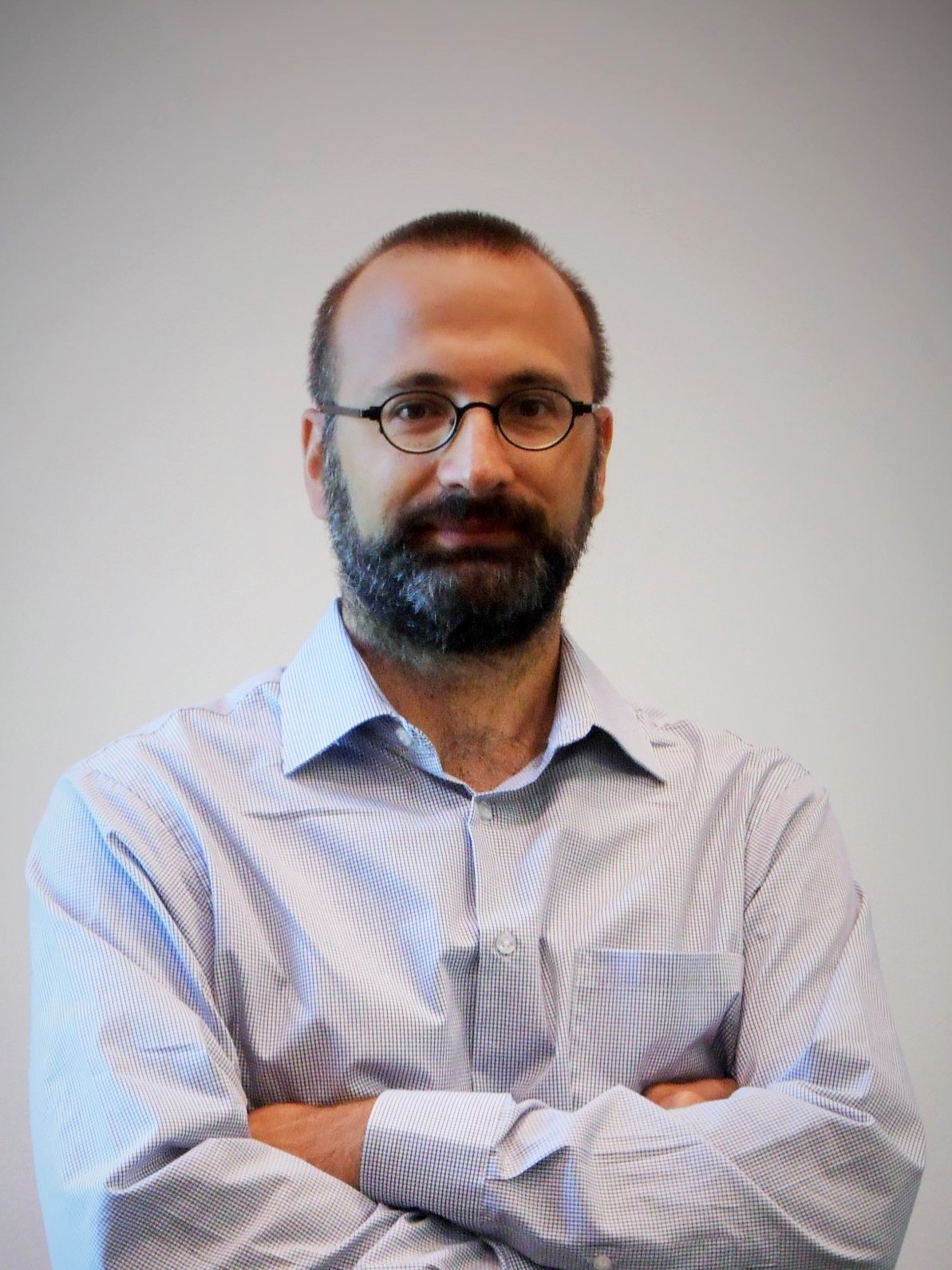
Andrea Lanza serves as Associate Professor in the Department of Italian Studies within the Faculty of Arts & Science at the University of Toronto. Originally from Italy, he completed his academic training in France at the École des Hautes Études en Sciences Sociales (EHESS), earning both his Diplôme d'Études Avancées and Doctorat degrees, following his Laurea from Università degli Studi di Milano La Statale. His scholarly profile demonstrates extensive transnational engagement with French political thought while maintaining institutional affiliation with Italian Studies. Doctorat, École des Hautes Études en Sciences Sociales (Paris) Diplôme d'Études Avancées, École des Hautes Études en Sciences Sociales (Paris) Laurea, Università degli Studi di Milano La Statale Lanza's research focuses on the historical intersections between political thought and social science, with particular emphasis on Early French Socialism (1800-1850), the making of French working classes, and Contemporary French Political Thought. His scholarly trajectory follows two interrelated axes: the emergence of socialist discourse in 19th century France and historic-philosophical debates on democratic society, especially regarding French thinkers like Lefort, Gauchet, Rosanvallon, Foucault, and Rancière. His work demonstrates remarkable interdisciplinary range, connecting political philosophy with historical anthropology, sociology, and religious studies. His recent publications reveal a growing engagement with contemporary issues including decolonization debates, cancel culture, and the epistemological challenges facing social sciences today. Lanza has also held significant administrative roles, serving as Associate Chair for Undergraduate Studies in the Department of Italian Studies during 2022-2023. Administrative Service: Associate Chair - Undergraduate, Department of Italian Studies (2022-2023) Lanza's scholarly network extends across North America and Europe, with collaborations spanning multiple disciplines. His recent editorial work on Claude Lefort's political philosophy and Marcel Gauchet's theories of democratic society demonstrates his position at the forefront of contemporary political thought scholarship.
Dr. Luke Fleming is an Associate Professor in the Department of Anthropology at the University of Montreal's Faculty of Arts and Sciences. His research focuses on comparative linguistic anthropology, particularly the typology of honorific systems, kinship-related linguistic avoidance practices, and sociolinguistic dynamics in indigenous and small-scale societies. He has authored over 20 peer-reviewed publications and led numerous research projects funded by the Social Sciences and Humanities Research Council of Canada (SSHRC) and international institutions. Teaching responsibilities include courses on sociolinguistics, linguistic anthropology, and language and culture. He supervises graduate students engaged in interdisciplinary research spanning from Sri Lanka to the Amazon basin. Current projects investigate honorific pronoun systems across Theravada Buddhist communities and Tamil language usage in South Asia. Lead researcher for SSHRC-funded projects studying honorific systems and small-scale sociolinguistics Published in Journal of Linguistic Anthropology , Language in Society , and Anthropological Linguistics Advisor to 9 graduate students since 2018 Research networks include collaborative projects with Patagonian language speakers and ongoing comparative studies linking Southeast Asian honorifics to African avoidance practices. His forthcoming book On Speaking Terms examines kinship-related linguistic avoidance worldwide. Active in program development for interdisciplinary anthropology degrees, contributing to 15 academic programs at undergraduate and graduate levels.
Dr. Oscar Meruvia-Pastor is a faculty member in the Department of Computer Science at Memorial University of Newfoundland, within the Faculty of Science. He holds a B.Sc. from ITESM-Monterrey, Mexico, an M.Sc. from the University of Alberta, and a Ph.D. from Otto-von-Guericke Universität Magdeburg, Germany. His research focuses on interactive 3D graphics, non-photorealistic rendering, and biomedical visualization, with applications in telepresence systems, augmented reality (AR), and virtual reality (VR). He has developed tools like OMARC for respiratory condition training and GeNET for gene co-expression network analysis. Dr. Meruvia-Pastor has supervised numerous graduate students and contributed to over 50 publications. His work includes evaluating stereo correspondence methods in AR, robot arm manipulation via depth sensors, and smartphone integration in immersive VR. He has been recognized with awards such as the Best HCI Poster at Graphics Interface 2014 and a semi-finalist poster at SIGGRAPH 2015. He teaches courses in computer science, including computer graphics, multimedia development, and introductory science modules. His research lab focuses on 3D telepresence, medical visualization, and human-centered VR/AR solutions. His academic contributions span software tools for medical imaging analysis, interactive visualization systems, and educational technologies. He actively collaborates with health professionals to advance telemedicine and remote procedural training through AR platforms. His work bridges computer graphics with real-world applications in healthcare, education, and environmental advocacy.
Michelle Cameron is an Associate Professor in the Department of Anthropology at the University of Toronto's Faculty of Arts & Science. She joined the department in 2018 and specializes in skeletal biology and bioarchaeology, integrating skeletal analysis with archaeological and ecological evidence to study human adaptability across diverse environments. Her research explores how environmental and cultural contexts shape human biology through time, focusing on biocultural stressors and skeletal responses. She employs advanced methodologies including 3D modeling, biomechanical analyses, and spatial analysis frameworks to examine human adaptation to environmental challenges. Primary research regions: Africa (South Africa, Namibia, Lake Turkana), North America, Europe Key methodologies: Cross-sectional geometry, skeletal biomechanics, paleodiet reconstruction Dr. Cameron's publications demonstrate expertise in subsistence transitions (herding practices), human evolutionary morphology, and contemporary skeletal biology applications. She maintains active fieldwork programs in southern Africa while engaging in comparative studies across continents. Scientific Awards: SSHRC Insight Development Grant Connaught New Researcher Award Education: PhD, University of Cambridge (2017) As co-host of the YouTube series 'Humans in 5', she actively participates in science communication, distilling complex anthropological concepts into accessible five-minute segments.
Dr. Mona Tokarek LaFosse serves as Assistant Professor of New Testament and Sacred Literature Studies (Teaching Stream) at the University of Toronto's Faculty of Divinity through a joint appointment at Emmanuel College and Victoria College. She teaches across undergraduate, basic-degree, and graduate programs at Victoria University, specializing in New Testament studies and early Christian history through interdisciplinary lenses. Her educational background includes a PhD from the University of Toronto's Department for the Study of Religion (2011), MA in Religion and Culture from Wilfrid Laurier University (2001), Honors BA in Anthropology from the University of Waterloo (1998), and Biblical Studies certificate from Columbia Bible College (1994). She previously taught at Martin Luther University College, Wilfrid Laurier University, Huron University College, and the University of Toronto. Dr. LaFosse approaches New Testament scholarship through cultural anthropology, storytelling theory, and age studies. Her research examines early Christian communities through the lens of age structure, intergenerational dynamics, and oral storytelling practices. She explores how life course stages shaped social relationships in the ancient Mediterranean, particularly focusing on 1 Timothy's treatment of age hierarchies. Her innovative teaching methodology emphasizes 'embodied story'—integrating performance and physical engagement with texts influenced by Indigenous storytelling traditions. Her recent publications reveal a strong focus on aging in early Christianity, with 2024 articles examining age demographics and comparative gerontology. She also maintains active scholarship in oral tradition studies, particularly regarding the Gospel of Mark and Shepherd of Hermas, while contributing to academic discourse through society leadership and book reviews. Dr. LaFosse holds significant leadership roles including current service on the Canadian Society for Patristic Studies Nominating Committee (2025–26) and co-chairing the Society of Biblical Literature's Social-Scientific Criticism of the New Testament section (2025–27). She actively participates in the Canadian Society of Biblical Studies, Society of Biblical Literature, and KW Biblical Colloquium. Her distinctive teaching portfolio includes innovative courses like 'Zombies, the Bible and the End of the World' and 'Gospel of Mark as Embodied Story,' reflecting her commitment to interdisciplinary engagement with biblical texts through contemporary cultural frameworks and physical performance.
Aileen Friesen is an Associate Professor in the Department of History at the University of Winnipeg, affiliated with the Faculty of Arts. She also serves as Executive Director of the Plett Foundation, focusing on interdisciplinary historical research and community engagement. Her work bridges academic and public history through initiatives like heritage cruises and educational outreach. Education Background : While specific degrees are not detailed in the text, her academic roles and publications suggest advanced training in History, likely with a PhD in Russian or Mennonite Studies. She is associated with the Centre for Transnational Mennonite Studies and the H. Sanford Riley Centre for Canadian History. Research Interests : Mennonite History : Focuses on migration, religious dissent, and colonial experiences in Siberia and Ukraine. Russian/Soviet History : Explores Orthodoxy’s role in colonization, state-religion interactions, and ethnic group policies. Migration Studies : Analyzes displacement patterns, transnational identity formation, and diaspora communities. Her work frequently intersects with environmental history, religious studies, and colonial studies. Publications Trends : Recent scholarship emphasizes Siberian Mennonite communities, Soviet-era religious policies, and transnational ethnic mythologies. She combines archival research with oral histories, as seen in The Russian Mennonite Story (2018) and Colonizing Russia’s Promised Land (2024). Her 2020 analysis of Omsk bishops reveals how spiritual networks shaped colonial dynamics. Awards & Grants : No specific awards listed. However, her publications and roles suggest sustained institutional support for research in Mennonite and Russian studies. Labs/Teams : Active in the Newberry Consortium in American Indian Studies and the State Socialism Workshop. Collaborates with the Oral History Centre and the Centre for Rupert’s Land Studies.
Rev. Dr. Eddie Chu 朱裕文 is a Visiting Professor at Hong Kong Christian College and Invited Lecturer at Ender Seminary's Chinese Theology Studies Department. He holds a Doctor of Ministry from Gordon-Conwell Theological Seminary, a Master of Theology from Princeton Theological Seminary, and a Master of Christian Studies from Regent College. Currently, he advises the Vancouver Mennonite Brethren Fellowship and serves as a consultant pastor for the Calgary Chinese Pentecostal Church. His teaching focuses on New Testament Theology (e.g., Hebrews and Revelation) and pastoral disciplines including homiletics, congregational care, and conflict resolution. His research emphasizes worship theology, spiritual formation, and missional church practices. Publications explore historical worship practices and contemporary applications, with recent works analyzing 19th-century evangelical movements' influence on modern worship. No specific grants or awards are listed, though his pastoral and academic roles reflect significant contributions to theological education and church leadership.
Alex Oehler is an Adjunct Professor in the Department of Anthropology at the University of Northern British Columbia (UNBC) and is affiliated with the University of Regina, where he supervises MA and PhD students. His academic background includes a PhD from the University of Aberdeen and MA and BA degrees from UNBC. His research focuses on environmental anthropology in the Circumpolar North, with an emphasis on human-animal relations, sensory ethnography, domestication studies, and posthumanist theory. Oehler leads the federally funded research project Sensory Acts , which investigates nonverbal interspecies communication in Arctic communities in collaboration with the Aklavik Hunters and Trappers Committee. His work explores interactions between people and species such as whales, bears, wolves, caribou, and geese, as well as human-plant relations and intuitive interspecies communication (IIC). The recent publications of Alex Oehler reflect a consistent focus on multispecies ethnography, particularly in Siberia and the Canadian Arctic. His research integrates cognitive science, distributed cognition, and philosophical ethology, examining how humans and animals co-constitute knowledge, agency, and personhood through sensory collaboration and rhythmic alignment. Themes such as decolonization, heritage, and environmental change recur across his work, especially in nonverbal contexts. Alex Oehler is actively involved in graduate supervision and is currently accepting MA and PhD students in anthropology at the University of Regina and as a co-supervisor at UNBC. His research is supported by federal funding and conducted in partnership with Indigenous communities, reflecting a strong commitment to collaborative and ethical scholarship. He is affiliated with the following institutions: University of Northern British Columbia – Adjunct Professor, Department of Anthropology University of Regina – Graduate Supervisor, Anthropology His academic contributions span books, peer-reviewed articles, book chapters, and critical reviews, demonstrating a deep engagement with both theoretical and ethnographic dimensions of multispecies life in northern environments.
Kirsten Schut is a Research Fellow in the Foundation Year Program at the University of King's College. She holds a BHum from Carleton University and MA/PhD in Medieval Studies from the University of Toronto. Her doctoral work focused on the Italian Dominican theologian John of Naples (ca. 1300-1350), analyzing his role within Angevin Naples and the canonization of Thomas Aquinas. Her research explores death practices across medieval Europe and colonial Americas, monastic clothing rituals, and intellectual history of medieval religious orders. Current projects include an intellectual biography of John of Naples and a study of lay death rituals in religious habits. She has taught medieval history and theology at Toronto, Mississauga, Ottawa, and Carleton University's Great Books program. Her publications investigate themes like pastoral care for the dying, interfaith dynamics in medieval theology, and political theology in John of Naples' works. Postdoctoral fellowships include positions at the Universities of Cologne, Bristol, and the Pontifical Institute of Mediaeval Studies in Toronto.
Bradley J. Nelson is a Professor of Spanish and Chair of the Department of Classics, Modern Languages and Linguistics at Concordia University. He has held various academic leadership roles, including Acting Vice-Dean of the Faculty of Arts and Science and Associate Dean in the School of Graduate Studies. His research focuses on Early Modern Spanish literature, with an emphasis on Baroque aesthetics, science fiction, disinformation pedagogy, and cognitive approaches to empathy. He has authored or co-edited over 20 books and numerous articles in top journals. Education: Ph.D. in Hispanic and Luso-Brazilian Literatures and Linguistics, University of Minnesota (2000) MA in Hispanic Literatures, University of Minnesota (1995) BS in Secondary Education and Spanish, St. Cloud State University (1987) BA in English (Spanish minor), St. Johns University (1985) Research Interests: Prof. Nelson explores the intersection of science and culture in early modern Spain, extremism and disinformation, Baroque and neo-Baroque visual/social media, sexual violence in Baroque literature, and pedagogical responses to hate speech. His work bridges historical and modern contexts, often employing interdisciplinary methods. Key Projects: Current initiatives include SSHRC-funded research on disinformation pedagogy and the 'Estranged Epistemologies' project linking Baroque science to modern sci-fi. He co-founded the Cervantes Public Project to democratize literary dialogue. Grants & Awards: Over $4M in external funding, including SSHRC grants, FRQSC support, and international collaborations. Teaching: Courses on Don Quixote, Hispanic science fiction, and medieval literature. Service: Leadership roles in academic associations, editorial boards, and community initiatives (e.g., Quebec’s Bill 21 discourse).
John Galaty is a Professor in the Department of Anthropology at McGill University, affiliated with the Faculty of Arts. He holds a Ph.D. from the University of Chicago (1977). His research focuses on pastoralism, legal anthropology, land tenure systems, and conflict dynamics in East Africa, with particular attention to Maasai communities. Recent work addresses pastoral livelihood adaptations, land dispossession, and the impacts of globalization on rangeland societies. Key research areas include: Pastoralist mobility and sedentarization Legal pluralism and land rights Conflict mediation and state intervention Cultural semiotics and ritual practices Publications highlight transformative pressures on pastoral systems, including land grabbing, conservation policies, and climate vulnerability. His work bridges academic analysis with policy critique, emphasizing Indigenous perspectives in development contexts. No scientific awards explicitly mentioned. Advising and grants sections remain under-documented in available texts.
Rev. Dr. Jacky Lau serves as a Professor at Ambrose University, teaching in the Department of Pastoral Ministry and Spiritual Formation. He concurrently holds roles as Director of Cross-Cultural Ministry at the Canadian Methodist Mission, board member of multiple evangelical organizations, and advisor to various institutions. His academic background includes a PhD from William Carey International University, M.Sc. from University of Saskatchewan, B.Eng. from University of Manchester, and Th.M. from Tyndale Seminary. Education: Bachelor of Engineering, University of Manchester (UK) Master of Science, University of Saskatchewan (Canada) Master of Theology, Tyndale Seminary (Canada) Doctor of Philosophy, William Carey International University (USA) Research focuses on cross-cultural pastoral ministry, spiritual formation in multicultural contexts, and global mission strategies. His publications address challenges of training kingdom workers for diaspora communities and effective cross-cultural evangelism. He actively contributes to mission journals analyzing contemporary missiological practices. As a former pastor of Chinese churches in Edmonton and Dubai, his academic work integrates practical church leadership with theological reflection. He leads cross-cultural ministry initiatives through his institutional roles and serves on theological faculty at Global Bible Institute and Philippine Bible Seminary.
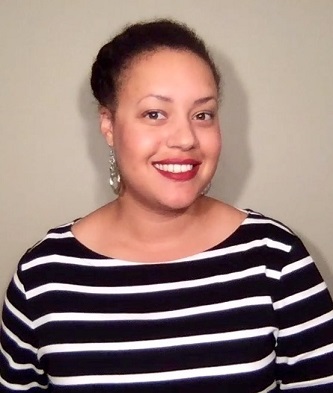
Jennifer S. Leath is an Associate Professor of Black Religions at Queen’s University, affiliated with the School of Religion and Black Studies Core Faculty. She holds a BA from Harvard University, M.Div from Union Theological Seminary, and MA, M.Phil, and PhD from Yale University. Her research focuses on the intersection of sexualities, religion, and social activism within African Diaspora communities, with emphases on Black feminist and queer theories, transnationalism, and interdisciplinary justice frameworks. Leath’s scholarship includes monographs such as From Black to Quare (and then) to Where: Theories of Justice and Black Sexual Ethics (forthcoming, Duke University Press) and Childcare Activists: Reframing Afro-Diasporic Faith from the Home to the Streets . She co-founded the Center on African American Religion, Sexual Politics & Social Justice at Columbia University and served as a Senior Fellow there. Previously, she held roles at Harvard Divinity School and Iliff School of Theology, where she directed the Master’s in Social Justice & Ethics program. Leath is actively engaged with organizations like the Society for the Study of Black Religion and the American Academy of Religion. As an ordained Itinerant Elder in the African Methodist Episcopal Church, she has pastoral experience in multiple congregations, including Campbell Chapel AME Church in Denver, CO. Her work bridges academic rigor with community-oriented activism, emphasizing abolition, spiritual activism, and interfaith dialogue.
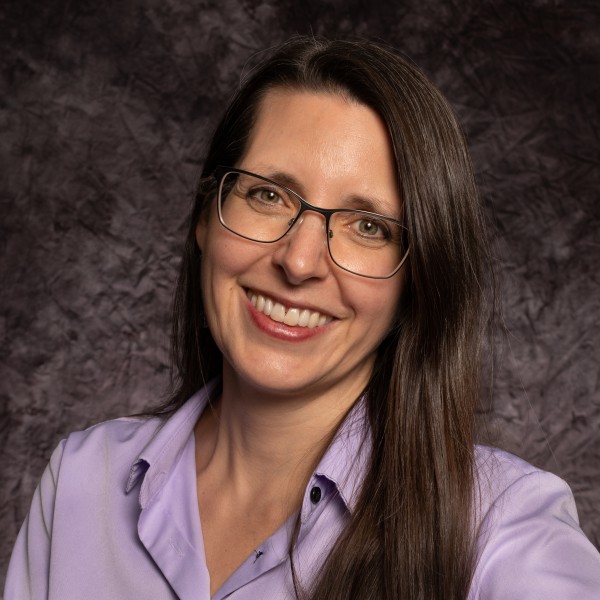
Nicole Shukin is an Associate Professor in the Department of English at the University of Victoria (UVic), affiliated with the Cultural, Social, and Political Thought (CSPT) graduate program. She holds an MA from the University of Calgary and a PhD from the University of Alberta. Her research focuses on biopolitical theory, animal studies, and globalization, interrogating intersections between cultural representation and material processes of capital accumulation. Her landmark book Animal Capital: Rendering Life in Biopolitical Times (2009) theorizes 'rendering' as a conceptual framework linking animal commodification to biopolitical power structures. Shukin's recent work explores settler colonialism's zoopolitical dimensions, Indigenous futurisms, and climate change narratives. She teaches courses such as 'Indigenous and Diasporic Literatures in Canada' and 'The Politics of Nature in the Era of Pandemic Capital,' blending literary analysis with critical theory. Her interdisciplinary approach integrates poststructuralist, Marxist, and posthumanist methodologies to challenge anthropocentric frameworks in cultural studies. Her publications span edited volumes like The Edinburgh Companion to Animal Studies and journals including Postmodern Culture and Canadian Literature . Current research continues interrogating how colonial and capitalist systems shape human-animal relations through ecological crises and biopolitical governance.