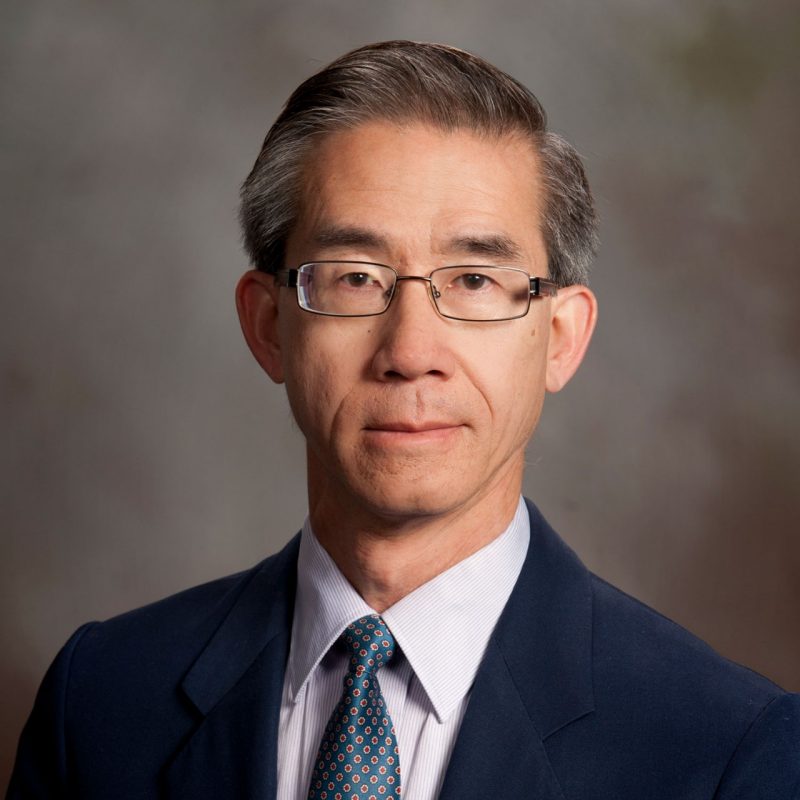
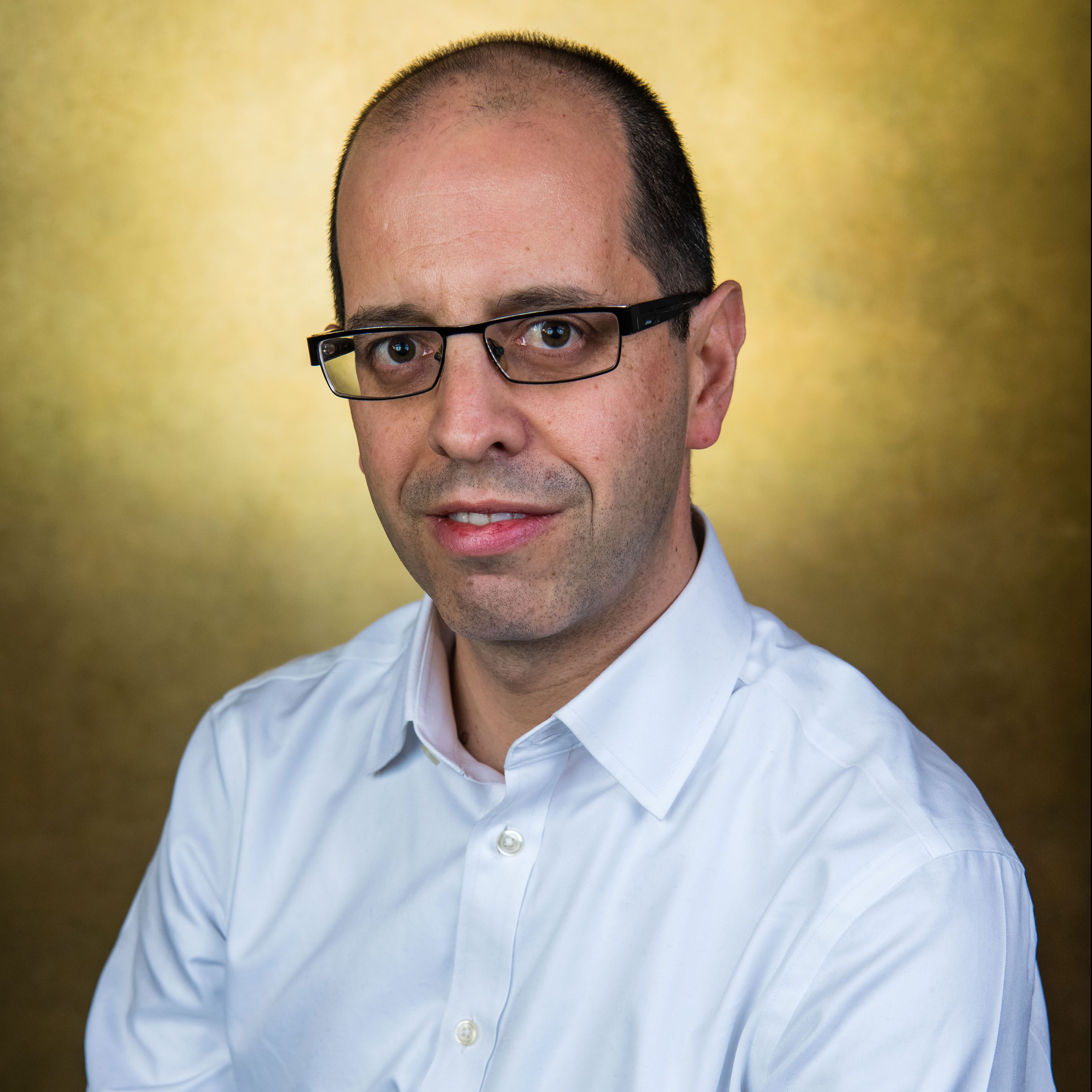
Konstantinos Karapiperis is a Tenure Track Assistant Professor at EPFL's Laboratory of Multiscale Modeling of Materials (LMD), within the School of Architecture, Civil and Environmental Engineering (ENAC). His research integrates mechanics , multiscale modeling , and data science to study geomaterials and structural materials. PhD in Applied Mechanics (minor in Applied Mathematics), Caltech Postdoctoral Researcher & Lecturer, ETH Zürich (Marie Skłodowska-Curie Fellowship) Research focuses on granular materials , architected materials , and nonlocal modeling using techniques like Level-Set Discrete Element Method (LS-DEM) and machine learning . Recent work explores fracture control via graph neural networks and thermodynamics-informed models. Selected scientific award: Marie Skłodowska-Curie Fellowship Teaches courses in Soil Mechanics and Multiscale Modeling . PhD students include Thomas Henzel and Hrishikesh Gopakumar Menon. His Data-Driven Mechanics Laboratory (LMD) develops predictive tools for granular and structured material behavior.
Associate Professor Mohammad Saadatfar is affiliated with the School of Civil Engineering at The University of Sydney. His research focuses on meso-scale materials, combining experiments with simulations to address challenges in environmental science, biomedical engineering, and advanced materials design. Key areas include the study of cellular solids, granular materials, and meta-materials. His work integrates physics, engineering, and biology, with applications to CO₂ geo-sequestration, bone implants, and mechanical meta-materials. He uses X-ray tomography, FE simulations, and topological analysis to explore material behavior. Recent publications span topics like additive manufactured foams, CO₂ flow dynamics in sandstone, and biomimetic wood structures. His contributions highlight interdisciplinary approaches to material science and engineering challenges. No scientific awards or student advisement details are explicitly mentioned in the provided text.
Edward Andò is a Principal Scientist and Lecturer at École Polytechnique Fédérale de Lausanne (EPFL) , with affiliations to the IMAGING group and the College of Engineering (ENAC) . His work bridges software development, experimental geomechanics, and educational initiatives in image analysis. Principal Scientist, IMAGING-GE (EPFL) Lecturer, Sciences et Génie Civil (SGC-ENS) Lecturer, Enseignement à la Défense (EDEE-ENS) Research Interests Andò specializes in 3D image analysis , with a focus on X-ray tomography , digital volume correlation (DVC) , and micromechanical modeling of granular materials. His work addresses geomechanical failure mechanisms, soil dynamics, and open-source software tools like SPAM for practical material analysis. Publication Trends His recent articles (2025–2023) emphasize X-ray tomography for studying granular deformation , rock failure , medical imaging , and soft particle compaction . Topics span geomechanics, computational modeling, and software development for experimental validation. Labs and Teams Andò contributes to the IMAGING group at EPFL, where he co-develops the SPAM (Software for Practical Analysis of Materials) . His teaching includes courses like Fundamentals of Image Analysis and Quantitative Imaging for Engineers , which integrate hands-on training with theoretical frameworks.
Kristofer Gunnar Paso serves as a Professor in the Department of Chemical Engineering within the Faculty of Natural Sciences at the Norwegian University of Science and Technology (NTNU), where he conducts research at the Ugelstad Laboratory. His work integrates fundamental rheological principles with practical applications in petroleum engineering and sustainable materials development, addressing critical industry challenges through experimental and theoretical approaches. Professor Paso's research spans rheology, polymer technology, enhanced oil recovery, wax deposition mechanics, and nanocellulose applications. His investigations focus on the behavior of complex fluids—including waxy crude oils, biopolymer composites, and nanocellulose suspensions—with emphasis on improving oil transportation efficiency, developing sustainable materials, and understanding interfacial phenomena. Key contributions include modeling wax deposition mechanisms, optimizing pour point depressants, and pioneering nanocellulose applications for enhanced oil recovery under extreme conditions. Analysis of his 2018-2025 publications reveals a strategic evolution from petroleum-focused rheology toward sustainable material solutions. While maintaining strong contributions to flow assurance (40% of recent work), his research increasingly incorporates biocomposites and recycled materials (25% growth since 2020), reflecting industry shifts toward decarbonization. His collaborative approach spans petroleum engineering, food science, and environmental technology, evidenced by publications in Energy & Fuels , Polymers , and Current Opinion in Food Science . No scientific awards were documented in the source material. Professor Paso maintains active collaborations across NTNU and international institutions, though specific advising relationships and grant details remain unreported. His laboratory operations center on the Ugelstad Laboratory's advanced rheological testing facilities, which support investigations into material behavior under reservoir conditions and industrial processing environments.
Wing Ng serves as Alumni Distinguished Professor and Chris C. Kraft Endowed Professor in Virginia Tech's Department of Mechanical Engineering within the College of Engineering. His career spans over four decades with continuous contributions to aerospace thermal systems and fluid dynamics research since joining Virginia Tech in 1984. Dr. Ng's academic foundation includes: Ph.D. in Mechanical Engineering from Massachusetts Institute of Technology (1984) M.S. in Mechanical Engineering from Massachusetts Institute of Technology (1980) B.S. in Mechanical Engineering from Northeastern University (1979) His pioneering research focuses on aeroacoustics of drones and jet engines, where he develops advanced diagnostics for turbine flow measurements and investigates transonic turbine blade aerodynamics. Current work explores aerothermal particle interactions in gas turbines and clean energy applications for wind turbines. His experimental approach bridges fundamental fluid dynamics with practical aerospace engineering solutions, particularly in cooling systems for high-temperature components. Analysis of recent publications (2024-2025) reveals three dominant research thrusts: turbine cooling optimization (film/phantom cooling configurations), particle dynamics in gas paths (impact/rebound mechanics), and novel measurement techniques (strain sensors, multiphase flow diagnostics). These studies consistently target performance enhancement and durability improvement in turbomachinery through experimental validation. Dr. Ng's exceptional contributions are recognized through: Virginia Tech Faculty Entrepreneur Hall of Fame (2017) William E. Wine Award for teaching excellence (2014) Multiple Certificates of Teaching Excellence (1985,1988,2011,2014) Dean's Award for Research Excellence (2013) Consecutive Best Paper Awards from ASME/AIAA (2001-2013) Fellow of ASME (1996) and Associate Fellow of AIAA (1992) As director of the Ng Lab, he maintains active collaborations with industry partners through Techsburg, Inc. (where he serves as Chairman) to translate research into commercial applications. His work on drone aeroacoustics and turbine diagnostics directly informs next-generation propulsion systems while addressing critical challenges in particle ingestion and thermal management.
Dr Yulai Zhang is a researcher in the Department of Materials Physics at the Australian National University . His work focuses on advanced imaging techniques for material and geological analysis. Expertise: X-ray micro-computed tomography (μCT), pore-scale and multiscale modeling, coal seam and ore characterization Collaborations: International partnerships in coal bed methane, mineral liberation, and rock failure analysis His research applies 4D/X-ray tomography to study dynamic processes in copper ores, shale, and coal, including fragmentation, diffusion, and fracture networks. Recent publications highlight innovations in super-resolution imaging , feature extraction methods , and in-situ studies of mineral behavior under stress. Dr Zhang actively supervises students and contributes to ore beneficiation, CO2 geo-sequestration, and unconventional reservoir characterization. Collaborative projects involve institutions in Australia and Indonesia, with a focus on digital rock physics and microstructural evolution .
Yuxia Hu is a Professor at the University of Western Australia, affiliated with the School of Engineering (Civil, Environmental and Mining Engineering) and the School of Social Sciences, Planning and Transport Research Centre. Her research focuses on geotechnical engineering, particularly in large deformation FE analysis, offshore foundation systems, and soil-structure interaction. She has contributed to advancements in suction caissons, plate anchors, and computational mechanics, with applications in offshore wind energy and infrastructure stability. Research Interests: Large deformation FE analysis of soils, soil-structure interaction, offshore foundation systems, soil mechanics, and pavement engineering. Awards: Telford Premium, British Geotechnical Association Prize, and Significant Junior/Senior Paper Award. Grants: Leads projects on offshore anchors, carbon capture in pavements, and road maintenance optimization. Her work addresses challenges in geotechnical design and sustainable infrastructure, with a focus on numerical modeling and experimental validation. Collaborations span academia and industry, emphasizing practical solutions for complex soil-structure systems.
Dr. Nicolas Francois is an Associate Professor in the Department of Materials Physics at Australian National University (ANU), specializing in experimental geomaterials physics, soft matter, and fluid hydrodynamics. He leads the X-ray Tomography and Applications Research Group, combining curiosity-driven and applied research in out-of-equilibrium systems. ARC Industry Fellow (2024-2030): Improving Australian iron ore comminution for green steel production ARC DECRA Fellow (2016-2018): Biofilms in two-dimensional turbulent flows His research spans fundamental questions in: Fragmentation of solid materials Autonomous devices powered by chaotic flows Hydrodynamic waves Stochastic thermodynamics Granular matter Polymer rheology and applied areas in: Comminution of geomaterials Mechanics of fractured rocks Wave-energy conversion Environmental fluid mechanics Publications reveal a trajectory focused on X-ray tomography applications, granular dynamics, and turbulence-driven systems. He utilizes advanced imaging techniques to study material failure mechanisms and fluid-structure interactions, contributing to fields ranging from green steel production to biofilm dynamics. Current student projects and grants emphasize sustainable resource processing and fundamental fluid physics.
Giuseppe Buscarnera is a Professor of Civil and Environmental Engineering at Northwestern University, serving as the Director of Graduate Studies. He holds affiliations with the Theoretical and Applied Mechanics Graduate Program . His research focuses on geomechanics , particularly the multi-physical processes in geomaterials that impact natural hazards and infrastructure design. Buscarnera earned his B.S. and M.S. in Civil Engineering from Politecnico di Milano and a Ph.D. in Geotechnical Engineering from Politecnico di Torino. Before joining Northwestern, he held postdoctoral positions at Politecnico di Milano and collaborated with MIT, the University of Sydney, and others. His key research interests include constitutive modeling of geomaterials, mechanics of unsaturated soils, chemo-mechanics of porous rocks, material stability theory, fracture mechanics in granular systems, and landslide forecasting. His work integrates theoretical mechanics, constitutive modeling, and computational methods to address societal challenges like natural hazard mitigation and sustainable energy technologies. Buscarnera has received significant recognition including the NSF CAREER Award (2013) and ALERT PhD Prize (2011) . He actively serves as a reviewer for International Journal of Numerical and Analytical Methods in Geomechanics and Géotechnique Letters , and is a member of the Italian Geotechnical Association (AGI) and ISSMGE. In advising, he has mentored over 10 graduate and undergraduate students in projects related to landslide modeling, granular mechanics, and material degradation. His lab employs multi-scale approaches combining continuum thermodynamics, particle-scale models, and DEM analyses. Current research emphasizes particle fragmentation, chemical interactions in porous media, and regional subsidence prediction through multi-scale frameworks. The Buscarnera Research Group collaborates internationally and uses advanced tools like X-ray tomography and computational simulations to study geoenvironmental processes. Former members now hold academic and industry roles, including Assistant Professor at IIT Kanpur and positions at GEI Consultants.
Dr. John J. Fitzpatrick is a Senior Lecturer in Process & Chemical Engineering at University College Cork (UCC) since 2008. He holds a PhD in Agricultural Engineering (Bioprocess Engineering) from Texas A&M University and has extensive industry experience, including roles at the National Dairy Products Research Centre and University College Dublin. His research focuses on Particle and Powder Technology, Sustainability, and Bioprocess Engineering, with notable contributions to dairy powder breakage mechanisms, sustainable process design, and engineering education reform. Education: PhD, Agricultural Engineering (Texas A&M, 1992) MSc, Food Engineering (University of Massachusetts, 1988) MSc, Teaching & Learning in Higher Education (UCC, 2008) Additional qualifications in Environmental Management and Sustainability. Research Interests: His work spans particle technology (food/dairy powders), sustainable energy systems, bioreactor optimization, and integrating ecological economics into engineering curricula. Recent projects include modeling oxygen transfer in bioreactors and analyzing carbon footprints of energy systems. Dr. Fitzpatrick has secured over €300k in research grants, including EU-funded projects on powder technology and Teagasc-supported studies on infant milk formula. He received the President’s Award for Excellence in Teaching (2006/7) and pioneered sustainability-focused educational initiatives at UCC. His 150+ peer-reviewed publications highlight interdisciplinary approaches to engineering challenges, emphasizing real-world applications and environmental stewardship. Grants & Awards: Walsh Fellowship (2018–2022) EU Research Training Network BIOPOWDERS (2004–2008) Teagasc-funded project on dairy powder breakage (2018–2022) Labs/Teams: Leads the Particle and Powder Science group at UCC, collaborating with industry partners like Teagasc and international universities. Active in curriculum development for sustainable engineering education programs.
Ali Karrech is a Professor at the University of Western Australia (UWA), affiliated with the School of Engineering and the Department of Civil, Environmental and Mining Engineering (CEME). He previously held roles as Senior Research Scientist at CSIRO (until 2012) and Assistant Professor at the Petroleum Institute of Abu Dhabi (2007–2009). His expertise spans materials science, geomechanics, mineral processing, and sustainable resource engineering. He serves as Graduate Research Coordinator in CEME and has led the Structures Laboratory (2015–2016). Education: He holds a Higher Doctorate (Habilitation) in Engineering Sciences from École Normale Supérieure Paris-Saclay (2014), a PhD in Structures and Materials from École des Ponts ParisTech (2008), and a Multidisciplinary Master's from Tunisia Polytechnic School (2001). Research Interests: Focus on computational geomechanics, resource engineering (surface mining, in-situ leaching), mineral processing (hydrometallurgy), waste repurposing, and thermal-hydraulic-mechanical-chemical coupling. His work aligns with UN Sustainable Development Goals related to education, energy, and the built environment. Awards: Recognitions include the School of Engineering Teaching Excellence Award (2021), Prize of Best Paper in Concrete Research (2021), and CEEC High Commendations (2023). His research has produced over 194 publications and 20 grants. Teaching: Coordinates units like Engineering Materials (ENSC1004), Finite Element Method (GENG5514), and Surface Mining (MINE4503). Engages in interdisciplinary projects, including the ARC Training Centre in Critical Resources and the FBI-CRC for Future Batteries.
Dr. Budi Zhao is a Lecturer/Assistant Professor in the School of Civil Engineering at University College Dublin since August 2020. He holds a PhD from City University of Hong Kong (2017) and has held academic positions at Imperial College London (Research Associate, 2019–2020) and King Abdullah University of Science and Technology (Postdoctoral Fellow, 2017–2019). His research focuses on multi-physics processes in soil and rock, employing advanced techniques like X-ray micro-tomography (μCT), microfluidics, and numerical modeling (e.g., DEM and CFD-DEM). Key areas include crushable sands, desiccation cracking, fines migration, and energy geotechnics. He serves on ISSMGE committees TC105 and TC308, and is a member of the editorial board of the Journal of Rock Mechanics and Geotechnical Engineering . His research outputs span topics such as 3D printed composites, microplastic transport, and internal erosion mechanisms. Notable projects include grants on multi-scale analysis of clays and salt precipitation effects. Dr. Zhao coordinates modules like Geotechnical Engineering and Soil Mechanics at UCD, emphasizing innovative teaching methods like flipped classrooms. His work bridges fundamental science and engineering applications, with a focus on sustainable geotechnical solutions. Education: PhD (City University of Hong Kong, 2017), B.Eng (Chongqing University), Professional Certificate in University Teaching (UCD). Grants: Includes funding for offshore wind energy anchors and carbon geological storage projects. Advising: Supervises multiple PhD students in geomechanics and energy geotechnics. Labs/Teams: Leads research using state-of-the-art facilities for μCT imaging and microfluidics.
Ryan Hurley is an Associate Professor in the Department of Mechanical Engineering at Johns Hopkins University's Whiting School of Engineering, with a secondary appointment in the Department of Civil and Systems Engineering. He is a Fellow of the Hopkins Extreme Materials Institute (HEMI) and leads a research group focused on the mechanics of granular and geologic materials, multiscale modeling, and 3D materials characterization. PhD, California Institute of Technology (Caltech), 2015 Postdoctoral Research, Lawrence Livermore National Laboratory (LLNL), 2015–2017 Joined JHU Faculty, 2018 His research interests center on understanding the mechanical behavior and failure mechanisms of granular materials, rocks, concrete, and ceramics through novel experiments and numerical models. He specializes in in-situ X-ray imaging and diffraction to observe deformation at micro and mesoscales. Key areas include impact physics, wave propagation, and rapid compaction, with applications in asteroid deflection and structural safety. His group develops digital twin models to simulate material behavior across scales. The research publications reveal a strong trend in multiscale experimental mechanics of geomaterials, combining high-resolution imaging with computational modeling. His work frequently appears in top journals such as Journal of the Mechanics and Physics of Solids , Proceedings of the National Academy of Sciences , and International Journal of Solids and Structures , focusing on granular dynamics, fracture, compaction, and constitutive modeling. Scientific awards include: NSF CAREER Award (2020) AFOSR Young Investigator Program (YIP) Award (2022) AEOP Mentor of the Year (2021) Department of Energy Secretary’s Appreciation Award (2017) Hurley has secured significant research funding from NSF, AFOSR, ARL, DOE, and DTRA . He actively mentors PhD, postdoctoral, and undergraduate students, and his group has produced numerous publications. He serves as co-editor of Open Geomechanics and has reviewed for major journals and funding agencies. Since 2021, he has chaired the annual Mach Conference. His research group operates within the Hopkins Extreme Materials Institute (HEMI) and utilizes advanced facilities including synchrotron X-ray sources and high-speed imaging systems for impact experiments.
Dr. Ömürden Genç is an Associate Professor in the Department of Mining Engineering at Muğla Sıtkı Koçman University's Faculty of Engineering. With a Ph.D. from Hacettepe University (2008), their career focuses on mineral processing and cement production optimization. Education : B.Sc., M.Sc., and Ph.D. in Mining Engineering from Hacettepe University (1995-2008) Their research bridges fundamental mineral processing principles with industrial-scale cement grinding circuit innovations. Key contributions include: Breakage mechanics analysis via drop weight testing Simulation modeling for mill optimization Comparative studies of HPGR vs. conventional milling Grinding media and circuit design improvements Recent publications demonstrate expertise in: Energy-efficient cement production Multi-compartment ball mill performance Advanced modeling techniques (Swebrec function) Industrial process simulation As an active academic, they teach: Mineral Processing Data Analysis in Mineral Processing Ceramics Technology Automation in Mineral Processing Plants They have served as editors for Powder Technology , Minerals Engineering , and other journals, and contributed to international symposia like the International Symposium on Mining and Environment (2017). Their work connects academic research with industrial applications in material processing.
Daniel Barreto is a Professor at Edinburgh Napier University , specializing in Discrete Element Method (DEM) simulations and soil mechanics . His research emphasizes particle shape and size distribution effects on granular material behavior, with applications in permeability estimation, liquefaction mitigation, and nature-inspired ground engineering. Education : PhD in Soil Mechanics (Imperial College London, 2010), MSc in Soil Mechanics and Engineering Seismology (Imperial, 2005), Civil Engineering (Universidad de los Andes, 2003). Research : Focuses on DEM, grading entropy theory, and particle-scale interactions in sand-rubber mixtures, with implications for seismic isolation and sustainable soil stabilization. Awards : Royal Academy of Engineering Leverhulme Trust Fellowship COST Action Chair for Open Network on DEM Simulations (ON-DEM) Emeritus Member of Royal Society of Edinburgh Young Academy of Scotland Publications : Pioneering studies on DEM-based critical state behavior, particle breakage quantification, and permeability models for granular soils, with a 2023 Transportation Geotechnics paper on hydraulic radius applications. Collaborations : Leads ON-DEM, a global network advancing open-source DEM tools, and contributes to interdisciplinary projects involving synthetic root mimics and microbial soil interactions.