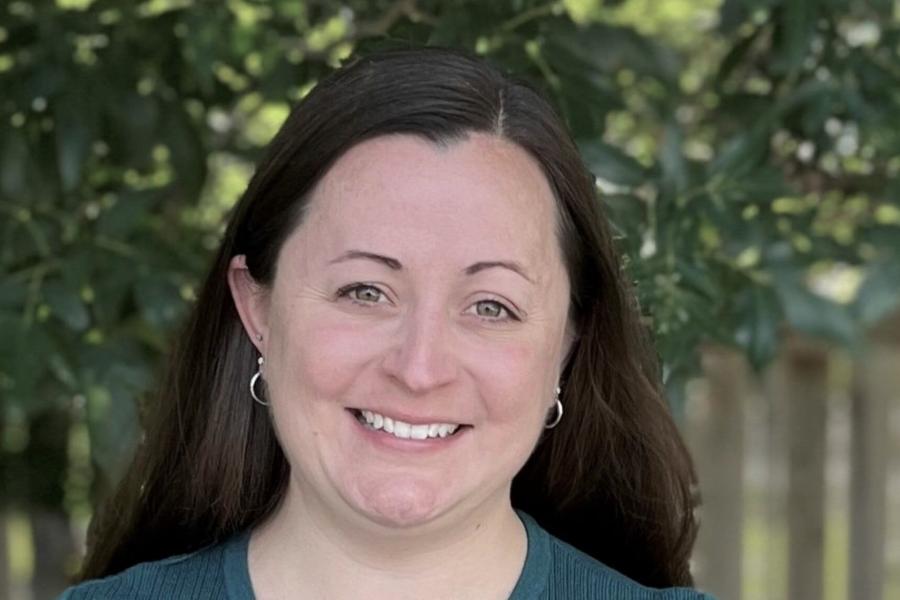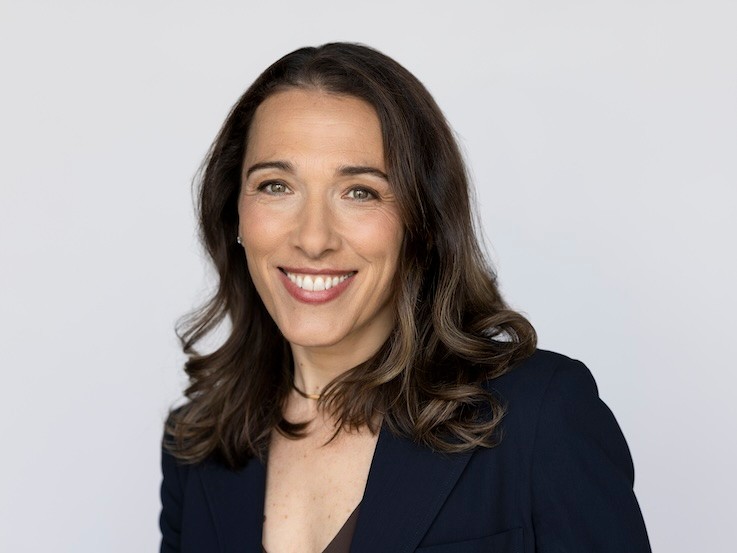
Lindsay M. Harris serves as Professor of Law, Director of the Frank C. Newman International Human Rights Clinic, and Academic Director of International Programs at the University of San Francisco School of Law. She holds the Dean's Circle Scholar designation (2025-Present) and previously served as Associate Dean of Clinical and Experiential Programs at the University of the District of Columbia David A. Clarke School of Law, with prior teaching appointments at Georgetown Law and George Mason. Her educational background includes: LLM in Advocacy, Georgetown Law (2015) JD, University of California Berkeley Law (2009) Dual BA in International Studies and Psychology, University of California San Diego (2005) Professor Harris specializes in asylum law and immigration policy with significant contributions to international human rights advocacy. Her research uniquely bridges doctrinal analysis with clinical pedagogy, particularly examining secondary trauma and burnout among legal practitioners. She has developed innovative teaching methodologies addressing emotional challenges in high-trauma legal practice while maintaining rigorous scholarly engagement with evolving immigration enforcement systems. Her publication trajectory (2018-2024) reveals two interconnected research strands: systemic critiques of U.S. asylum processing (especially regarding family detention and Afghan allies) and pioneering work on psychological impacts in legal practice. This dual focus manifests in both traditional law review articles and public-facing op-eds for major media outlets, demonstrating commitment to translating academic insights into practical advocacy. Award highlights include: USF Provost's Award for Innovation in Global Education (2024) Drexel Law Participatory Law Fund Award (2024) AILA Elmer Fried Excellence in Teaching Award (2020) UDC Lamplighter Award (2018) Learning Legal Interviewing Film Project recognition (2018) As clinic director, Harris supervises student attorneys representing asylum seekers while developing trauma-informed pedagogical frameworks. Her grant-funded initiatives include the Language Access Film Project addressing interpreter coordination challenges. Professional leadership includes founding AsylumWorks (2016-2021), serving on AILA's Afghan Task Force (2021-2023), and Clinical Legal Education Association board service (2017-2020). The International Human Rights Clinic under her direction provides direct representation to asylum seekers while engaging in systemic advocacy. Her work connects local clinical practice with national policy initiatives through organizations like AsylumWorks and AILA's Asylum Committee (2014-2022), creating pipelines for student engagement in high-impact human rights litigation.