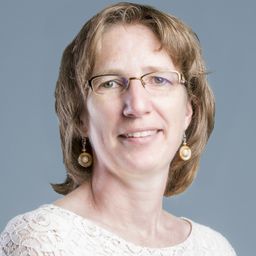
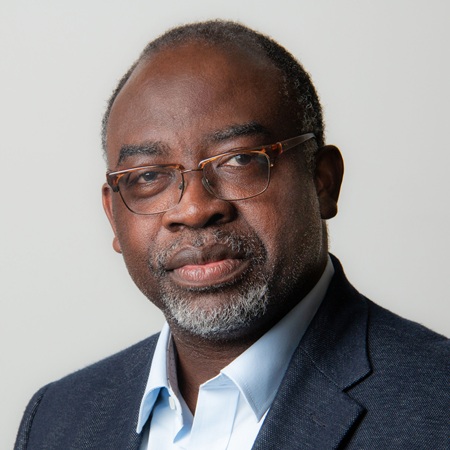
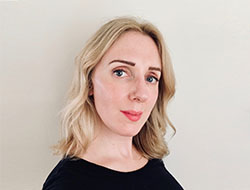
Moira Jardine is Professor of Astronomy at the University of St Andrews School of Physics and Astronomy, where she became the first female physics professor in 2010. Education: Ph.D. Applied Mathematics, University of St Andrews B.Sc. Astronomy and Astrophysics, University of St Andrews Research investigates stellar magnetic activity to understand planetary habitability and solar system evolution. Uses magnetic field measurements to model stellar winds, coronal X-ray emissions, and their impact on planetary atmospheres. Work supports exoplanet detection initiatives including JWST, GAIA, and WFIRST. Publications focus on stellar coronae, magnetic confinement processes, star-planet interactions, and coronal rain dynamics. Current projects model magnetic interactions in systems like AB Dor and HD 189733. Collaborates with international consortia including MagIcS and Bcool for stellar magnetic field surveys. Awards: Fellow of the Royal Society of Edinburgh and Suffrage Science Award (2019).
Kari Ingstad is a Professor of Sociology at the Faculty of Nursing and Health Sciences, Nord University, and currently serves as Vice-Dean for Research. Her work bridges academia, clinical practice, and policy, focusing on healthcare organization, leadership, and innovation in Norway's health sector. She holds a PhD in Sociology from NTNU (2011) and has extensive clinical experience in municipal and specialist healthcare. Education: PhD in Sociology, NTNU, 2011 Nursing background from municipal and specialist healthcare sectors Research Interests: Workforce planning and staffing strategies in healthcare Impact of shift scheduling on employee well-being and patient safety Integration of artificial intelligence in healthcare operations Cross-sectoral collaboration and innovation in health services Recent Research Trends: Her 2024 publications emphasize strategic staffing solutions, AI-driven shift planning, and long-shift work-life balance. Key projects include the OptiCare-AI initiative (Norwegian Research Council-funded), exploring AI applications for optimizing healthcare resource allocation. Leadership & Grants: Leads the Acute Care, Innovation and Patient Safety (AKIP) research group Principal Investigator on OptiCare-AI (2023–present) Labs/Teams: Active collaborations with the AKIP group and national/international networks on healthcare workforce issues.
Dr. Kathryn A. Burnett is a Senior Lecturer in the Division of Arts and Media at the University of the West of Scotland, based in the School of Business and Creative Industries. She is actively involved in supervising PhD students and contributes to research areas including rural sociology, cultural heritage, and climate adaptation. Her work aligns with UN Sustainable Development Goals related to sustainable communities and environmental stewardship. Education: (Details not explicitly provided in text, but her extensive academic output suggests a PhD in related fields.) Research Interests: Dr. Burnett’s expertise spans Scottish culture, remote rural communities, island studies, and the creative industries. Her work emphasizes cultural work, resilience in marginalized regions, and the intersection of media, narrative, and place. She explores themes such as Gaelic heritage, climate adaptation strategies, and the socio-economic dynamics of small island communities. Recent Research Trends: Her publications highlight interdisciplinary approaches to rural regeneration, climate adaptation through participatory methods, and the mediatization of island spaces. Recent work includes studies on Arctic art education, coastal community resilience, and sustainable enterprise in remote areas. Awards: SFHEA (2021) Best Paper Award, Rural Enterprise ISBE, Cardiff (2013) Winner of Best Paper Rural Enterprise ISBE (2014) Grants & Advisory Roles: She has held external examiner roles at institutions like the University of Highlands and Islands and has been a Board Member of The Reid Foundation. Her activities include organizing conferences, hosting academic visitors, and contributing to national and international research networks. Labs/Teams: Collaborations include projects with the University of Lapland (e.g., Nurture: Living in the Landscape) and cross-border initiatives on Arctic studies and climate adaptation. She frequently engages in interdisciplinary research with environmental scientists and sociologists.
Stephanie Wilson is a Professor of Human-Computer Interaction at City St George's, University of London, and Co-Director of the Centre for HCI Design (HCID). She co-founded the EPSRC Centre for Doctoral Training in Diversity in Data Visualization (DIVERSE CDT) and contributes to the Institute for Creativity and AI. Her research emphasizes inclusive interaction design, data visualization, co-design, and innovative digital technologies for healthcare, particularly for people with aphasia. She has supervised 17 PhD students to completion and led significant projects like EVA Park and INCA, which explore accessible virtual worlds and digital tools for aphasia. Her work has earned multiple awards, including ACM SIGCHI Honorable Mention Awards and the Tech4Good Accessibility Award Finalist. Stephanie has secured over £10 million in research funding, including grants from EPSRC and Innovate UK, and actively contributes to academic governance through roles like Chair of the Research Degrees Committee and establishing the Women++ group. She advocates for participatory design and ethical research practices in healthcare technology.
Dr. phil. André Fiebig is a Permanent Research Associate and PostDoc at the Institute of Fluid Mechanics and Technical Acoustics (ISTA) within Faculty V - Transportation and Mechanical Systems at Technical University of Berlin. From January 2019 to December 2024, he served as a Visiting Professor responsible for the field of psychoacoustics, funded by the HEAD Genuit Foundation. Since January 2025, he has been leading the 'Psychoacoustics and Noise Effects' working group at the Department of Technical Acoustics. His research spans multiple areas within psychoacoustics and soundscape studies, including fundamentals and modeling of psychoacoustic sensation variables, binaural psychoacoustics, assessment of ambient noise and soundscapes, and psychoacoustic evaluation of sound insulation measures. His work also addresses cognitive stimulus integration of auditory sensations, auditory recreation, acoustic quality of stay, characterization of quiet areas, and measuring sound-induced emotions. Analysis of his recent publications reveals a strong focus on urban soundscapes, noise-conscious behavior in transportation, and the development of methodological frameworks for soundscape assessment. His work often integrates psychoacoustic principles with environmental considerations, particularly examining the relationship between sound environments and human health. Recent research shows increasing emphasis on cross-cultural studies of noise perception and the development of standardized assessment methodologies. Dr. Fiebig is involved in the EARS (Education and Applied Research on Soundscapes) initiative and has contributed to numerous collaborative research projects examining the intersection of urban planning, environmental acoustics, and human perception. His work frequently appears in major acoustics conferences and journals, demonstrating his active role in advancing the field of psychoacoustics and soundscape research. His laboratory work focuses on psychoacoustic testing methodologies, soundscape assessment techniques, and the development of evaluation instruments for noise protection measures. The 'Psychoacoustics and Noise Effects' working group under his leadership conducts research on both theoretical aspects of sound perception and practical applications for urban noise management.
Prof. Dr. Mike Martin is a leading researcher at the University of Zurich's Center for Gerontology . His work spans cognitive aging, social development in old age, and life-span developmental psychology, with a focus on ecological validity in aging research. Professor, University of Zurich Director, Zurich Longitudinal Study on Cognitive Ageing Co-editor, Journals of Gerontology series Key research areas include: Healthy aging and quality of life Cognitive-emotional interactions in aging Dyadic adaptation in dementia caregiving Mobile sensing of aging-related behaviors Participatory research methodologies Language use as a biomarker of aging His recent publications analyze: GPS mobility and cognitive function Machine learning in reminiscence detection Prospective memory trajectories Emotion regulation in couples Digital interventions for cognitive health Neuroimaging correlates of aging
Pascale Biron is a Professor in the Department of Geography, Urban Planning and Environment at Concordia University, Montreal. She holds a Ph.D. in Geography from Université de Montréal (1995) and has been with Concordia since 1998. Her research focuses on river dynamics, stream restoration for fish habitat, flood modeling, and climate change impacts. She specializes in hydrogeomorphology, river management in agricultural watersheds, and numerical modeling of fluvial processes. Research Interests: Her work includes river restoration strategies, flood risk assessment using LiDAR technology, and the 'river freedom' concept promoting ecosystem resilience. She collaborates closely with government agencies to translate research into practical river management policies. Professional Affiliations: Canadian Geomorphology Research Group, Canadian Association of Geographers, American Geophysical Union, GRIL (Limnology Research Group), and RIISQ (Quebec Flood Risk Network). Publications & Research: Recent studies address global salmonid biomass patterns, fluvial hazard detection via machine learning, and large-scale flood modeling. She supervises 19 graduate students in Ph.D./M.Sc. programs in Geography and Environmental Studies, focusing on topics like river confluence hydraulics and agricultural stream restoration. Grants & Funding: Active projects include river dynamics in fish habitats, flood modeling for road infrastructure vulnerability, and computational fluid dynamics simulations of river flows. She also leads research on societal dimensions of river restoration and policy frameworks for flood resilience.
John Psarras is a Professor at the National Technical University of Athens (NTUA) in the School of Electrical and Computer Engineering, specifically within the Division of Industrial Electric Devices and Decision Systems. He serves as the Director of the Decision Support Systems Laboratory (DSSlab) and the University Research Institute of Communication and Computer Systems. He holds a Diploma in Mechanical Engineering (1982) and a Ph.D. in Electrical and Computer Engineering (1989), both from NTUA. His research specializes in decision support systems with applications in energy management, environmental analysis, and information systems. Key areas include: Multi-criteria analysis for energy policy and renewable integration AI-driven optimization of smart grids and building efficiency Sustainable finance mechanisms for green projects Blockchain applications in education and data security His recent publications (2023–2025) demonstrate a strong focus on AI-enhanced decision tools for energy transitions, smart infrastructure, healthcare diagnostics, and cross-border renewable cooperation, reflecting interdisciplinary innovation. He has supervised 22 PhD theses and coordinates EU-funded projects in energy policy, clean technology, and capacity building. No scientific awards are listed in available sources. He leads the Decision Support Systems Laboratory (DSSlab), advancing research in energy analytics, and directs the University Research Institute of Communication and Computer Systems, facilitating large-scale interdisciplinary collaborations.
Dr. Adegboyega Ojo is a Professor at the School of Public Policy and Administration (SPPA), Carleton University , holding the prestigious Canada Research Chair (Tier 1) in Governance and Artificial Intelligence since 2014. His work bridges digital government , AI governance , and smart city development , with a focus on public sector innovation and policy analytics . Research Interests Smart Cities and Urban Digital Infrastructure Open Government Data and Transparency Blockchain Applications in Public Administration AI Ethics and Algorithmic Governance Electronic Participation and Citizen Engagement Publication Trends : His research emphasizes interdisciplinary approaches to digital governance, often involving data-driven policy analysis , smart city frameworks , and open data platform design . Collaborations span institutions in Ireland, Poland, and the U.S., with citations exceeding 5,200. Scientific Awards : Canada Research Chair in Governance and AI (Tier 1) Labs & Teams : Collaborates with the Insight Centre for Data Analytics (Ireland), Delft University of Technology , and United Nations University on projects like OpenGovIntelligence and BOLD (Big and Open Linked Data).
Jennifer Edmond is Associate Professor of Digital Humanities and co-director of the Trinity Center for Digital Humanities at Trinity College Dublin, where she also directs the MPhil in Digital Humanities and Culture. She holds a PhD in Germanic Languages and Literatures from Yale University and specializes in applying advanced methods and infrastructures for arts and humanities research. Her research focuses on Digital Humanities, Research Infrastructures, Open Science, Cultural Heritage, and Knowledge Technologies. She has developed significant expertise in European research policy, having coordinated the €6.5m CENDARI FP7 project and participated in numerous EU initiatives including PARTHENOS, Europeana Cloud, and the Computational Literary Studies Infrastructure (CLS Infra). Dr. Edmond maintains an active publication record exploring digital scholarly editing, privacy in literary texts, open science practices, and cultural heritage narratives. Her recent work demonstrates a strong focus on the intersection of technology and democracy, digital ethics, and innovative methodologies for humanities research. Awards and Honors: Named one of Ireland's five 'Champions of EU Research' (2012) She served as President of DARIAH-EU's Board of Directors (2018-2022) and represented the organization on the European Commission's Open Science Policy Platform. Dr. Edmond has contributed to strategic developments at national and institutional levels, while actively promoting public outreach through various media formats and art installations.
Amanda Giang serves as Assistant Professor at the University of British Columbia's Faculty of Applied Science, Department of Mechanical Engineering, holding a Canada Research Chair in Environmental Modelling for Policy. She maintains a joint appointment with the Institute for Resources, Environment and Sustainability (IRES). Her educational background includes a B.A.Sc. from the University of Toronto, followed by M.S. and Ph.D. degrees from MIT, with postdoctoral training at MIT and Harvard. Dr. Giang's research employs interdisciplinary approaches to develop modeling tools for environmental policy analysis, focusing on pollution assessment, environmental injustice, and the intersection of air quality, decarbonization, and equity. Her work emphasizes action-oriented partnerships with community organizations and government health/environment agencies. Current projects address freight transport decarbonization equity, cumulative impact assessment methodologies for overburdened communities, and holistic environmental impact evaluation in technology design. Her recent publications demonstrate expertise across environmental modeling, policy analysis, and justice frameworks, with significant contributions to understanding spatial inequities in environmental risk distribution and developing community-engaged research methodologies. UBC Killam Research Prize, 2023 Dr. Giang actively collaborates with community groups and government authorities through her LEAP (Learning, Environmental Assessment, and Policy) research group. Her work integrates technical modeling with real-world policy applications, particularly in urban environmental planning contexts where equity considerations are paramount. She has developed innovative frameworks for cumulative impact assessment and environmental justice analysis that directly inform regulatory decision-making processes. Her research laboratory focuses on developing open-source modeling tools for environmental policy analysis while maintaining strong community partnerships that ensure research addresses pressing local environmental justice concerns.
Dr. Alessio Russo is a Senior Lecturer in Landscape Architecture at the School of Architecture and Built Environment, Queensland University of Technology (QUT). As a recognized expert in urban ecosystem services and green infrastructure, his research bridges environmental design with human health and climate change mitigation. His research emphasizes enhancing urban human health and wellbeing through biodiverse green spaces, participatory design, and nature-based solutions that address thermal comfort, pollution removal, food production, and water runoff. Key projects include 2023-2024: Urban rewilding aesthetics & people's needs in blue/green infrastructure (UKRI RECLAIM Network Plus) 2023: Climate-resilient public spaces (RPA Small Grants, UoG) 2021-2022: Shared vision for urban greening (UCL & Net Zero Innovation Programme) His scholarly output spans 2014-2025, focusing on nature-based urban regeneration aligned with SDG 11. He serves as Associate Editor for Urban Agriculture and Regional Food Systems and sits on editorial boards of Urban Planning, Discovering Cities, and Urban Resilience and Sustainability. Professional memberships include IFLA, ICOMOS-IFLA, and IUCN CEM.
Agnieszka Leszczynski is an Associate Professor in the Department of Geography and Environment at Western University. Her research focuses on digital geographies, platform urbanism, and the intersections of technology with urban development. She leads a SSHRC-funded project examining the visual aesthetics of urban platformization across Canada, Poland, and South Africa. Additional projects include studying digital experimentation in small Canadian cities and analyzing spatial relationships between urban platforms and gentrification. She teaches courses on GIScience, digital technology, and spatial research methods. Leszczynski actively supervises graduate students exploring topics like smart cities, platform urbanism, and spatial equity. Her work bridges theoretical and applied GIScience with critical urban studies. Education details are not explicitly listed in the provided text, but her academic contributions include over two decades of research output, including co-editing Digital Geographies (SAGE, 2019) and publishing widely in leading journals. She collaborates internationally on projects like the Esri Canada GIS Centre of Excellence and engages with equity, diversity, and decolonization initiatives in academia. Her research methodologies emphasize digital-visual approaches, glitch studies, and critical analyses of spatial technologies. Recent work explores how cities use digital aesthetics to achieve 'world-class' status, while other projects assess micromobility equity and conservation mapping in Patagonia. Leszczynski’s teaching portfolio includes graduate supervision on topics such as dockless micromobility systems and smart home analysis. Key funding sources include SSHRC grants supporting comparative urban studies and technology experimentation. She mentors students through Western’s Geography People’s Society and collaborates with interdisciplinary teams on spatial equity and platform urbanism challenges.
Iain Stewart is Professor of Geoscience Communication at the University of Plymouth, holding the UNESCO Chair in Geoscience and Society. He directs research at the Sustainable Earth Institute and serves as Communications Lead for the UKRI Tomorrow's Cities initiative targeting disaster risk reduction in urban environments. His research bridges Earth science and societal concerns through three key areas: 1) Geoscience communication strategies for complex issues like climate change and energy, 2) Cultural responses to geohazards using film and gaming technologies, and 3) Public perceptions of geological resources and subsurface environments. His work applies cognitive and social science frameworks to geoscience communication challenges. Stewart maintains an extensive public engagement profile through BBC television documentaries including 'Earth: The Power of the Planet' and as science consultant for 'Seven Worlds, One Planet'. He serves as President of the Royal Scottish Geographical Society and Devon Wildlife Trust while advocating for geoscience education globally. His research has been recognized with numerous international awards including an MBE and honors from the Geological Society of America and American Geophysical Union.
Barbara A. Knuth is a Professor Emerita at Cornell University's College of Agriculture and Life Sciences, Department of Natural Resources and the Environment. She previously served as Dean of Cornell's Graduate School (over 10 years), Vice Provost/Senior Vice Provost (8 years), and Senior Associate Dean in CALS (3 years). Her academic career began with a PhD in Fisheries and Wildlife Sciences from Virginia Tech (1987), making her the first woman in tenure-track faculty at Cornell's Department of Natural Resources. Education: Ph.D., Fisheries and Wildlife Sciences (Virginia Tech) M.En., Environmental Science (Miami University) B. Phil. & A.B., Zoology/Environmental Studies (Miami University, Phi Beta Kappa) Research Interests: Focuses on ecosystem-based management in Great Lakes/marine systems, risk communication around chemical contaminants in fish, and environmental stewardship. Also studies equity/inclusion in graduate education. Key themes include: Social science integration in natural resource policy Health benefits/risk trade-offs in fish consumption Community-based conservation strategies Outreach: Advises state/tribal agencies on fishery management and public health. Led initiatives improving graduate education through professional development, mental health support, and faculty mentoring programs. Awards: Debra W. Stewart Award (2019) Fellow, American Fisheries Society (2015-) Council of Graduate Schools Recognition Multiple teaching/research awards (1999-2006) Grants & Funding: Supported by NSF, Sea Grant, EPA, Sloan Foundation, and others for projects on Great Lakes management, educational equity, and contaminant risk communication. Labs/Teams: Affiliated with Cornell's Center for Conservation Social Sciences. Collaborated with Ecologists Without Borders, Great Lakes Fishery Commission, and National Academies Ocean Studies Board.