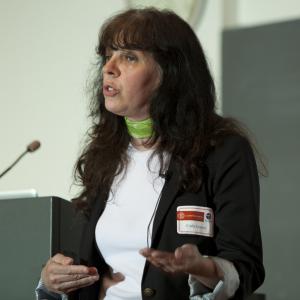
Deborah Frances Smith is a Professor affiliated with the Centre for Immunology and Infection. She has held former roles including Head Of Department, Biology Pro-Vice-Chancellor for Research, and Special Adviser to the Vice Chancellor in the Vice Chancellor's Office. She is also associated with CNAP (Cancer and Neuroscience Academic Programme) and the Jack Birch Unit. Her research focuses on leishmaniasis, parasite biology, and drug/vaccine development. Key projects include leading the 'C2D2 research 1a & 2b' (2012–2012) to establish sandfly colonies for leishmaniasis studies and co-investigating an integrated crystallization facility (2013–2018). She secured the Wolfson Research merit Award (2009–2010) from the Royal Society. Her work spans academic leadership, collaborative research, and translational medicine targeting neglected tropical diseases.
Carla P. Gomes is a Professor of Computer Science at Cornell University with joint appointments in the Department of Computer Science and the Dyson School of Applied Economics and Management. She holds a PhD in computer science from the University of Edinburgh and an M.Sc. in applied mathematics from the University of Lisbon. Her research focuses on artificial intelligence, constraint reasoning, optimization, and computational sustainability. As Director of the Institute for Computational Sustainability (ICS) and co-director of the Cornell University AI for Science Institute, she leads efforts to integrate AI with sustainability challenges. Her research themes include the integration of constraint reasoning, machine learning, and operations research to solve large-scale problems. She pioneered the field of Computational Sustainability, addressing environmental, economic, and societal challenges through AI. Gomes directed two NSF Expeditions in Computing awards and established CompSustNet, a large-scale sustainability research network. Key awards include the 2021 ACM–AAAI Allen Newell Award, AAAI Feigenbaum Prize, and fellowships from AAAI, ACM, and AAAS. Her work spans over 200 publications, with contributions to AI, sustainability, and materials discovery. She advises numerous PhD students and oversees postdocs in AI, sustainability, and interdisciplinary projects. Gomes' lab focuses on AI for scientific discovery, including autonomous materials synthesis and crystal-structure phase mapping. She collaborates with institutions like JCAP and the Materials Project, advancing AI-driven solutions for energy and environmental challenges. Current projects include Schmidt AI in Science postdoc initiatives and AI-driven materials discovery platforms like DRNets and SARA.
Santiago F. González is a Group Leader at the Institute for Research in Biomedicine (IRB) in Bellinzona, Switzerland, and an extraordinary professor at the University of Italian Switzerland (USI). He earned dual PhDs in microbiology (University of Santiago de Compostela, Spain) and immunology (University of Copenhagen, Denmark), followed by postdoctoral work (2007–2011) at Harvard Medical School's Immune Disease Institute under Michael Carroll. PhD in Microbiology, University of Santiago de Compostela PhD in Immunology, University of Copenhagen His research focuses on immune system dynamics during respiratory viral infections, vaccination, and cancer metastasis. Key areas include influenza recognition , lymph node inflammation , and immune cell behavior in vivo. He pioneered studies on C-type lectin receptors (e.g., SIGN-R1) in viral immunity and epigenetic modulators for inflammation. Recent publications highlight his work in epigenetic drug development , nanovaccines , and computational tools for immune cell tracking. His group uses two-photon intravital microscopy and spatial-temporal modeling to dissect immune responses. Scientific awards include three EU Marie Curie Fellowships (2004–2013), enabling his transition to independent research. His collaborations span Harvard, USI, and European institutions, with grants from the EU and Swiss research bodies. His lab at IRB, established via the 2013 Marie Curie Career Integration Grant , develops novel imaging approaches and therapeutic strategies for infectious and immune-mediated diseases.
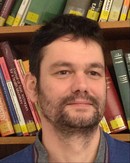
Prof. Dr. Markus Meissner is a Professor at the Faculty of Veterinary Medicine, Ludwig Maximilian University of Munich, leading the Chair of Experimental Parasitology. His research focuses on the molecular mechanisms of host cell invasion and modulation by Apicomplexan parasites, particularly Toxoplasma gondii and Plasmodium species. Research Group: Meissner Laboratory Location: Lena-Christ-Str. 48, 82152 Planegg-Martinsried Contact: markus.meissner@lmu.de His work investigates the secretory pathway of parasites, vesicular trafficking systems, and essential genes involved in host cell invasion and intracellular development. Toxoplasma gondii serves as a model organism for studying Apicomplexan biology, including nuclear division and CRMP complex functionality. Recent publications highlight the role of Rab GTPases in protein trafficking, chromatin remodeling in Plasmodium, and actin dynamics in parasite motility. Articles span topics such as egress factors, Golgi pathways, and lineage-specific organelle emergence, reflecting a multidisciplinary approach combining molecular biology, cell biology, and evolutionary analysis. The Meissner Lab includes PhD students (Peipei Qin, Yuan Song, Ella Schadt, Vitoria Catschor dos Santos) and postdocs (Dr. Wei Li, Dr. Miriam Rafajlovic). Research is conducted in Lena-Christ-Str. 48, Planegg-Martinsried, with a focus on experimental systems for studying parasite mechanisms.
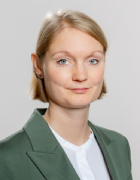
Prof. Friederike Ebner holds the Chair of Infection Pathogenesis at the Technical University of Munich (TUM) since 2023, within the TUM School of Life Sciences. Her research focuses on the immunobiology of parasite infections, particularly studying gastrointestinal helminths like Ascaris suum and their interactions with host immune systems to design novel intervention strategies. She also develops biomedical models for studying infectious diseases. Educational Background: Friederike Ebner earned a biotechnology degree from TU Berlin and Dongseo University (South Korea). She completed her PhD in biology at Humboldt University Berlin (2014), followed by postdoctoral research in immunology at Freie Universität Berlin, where she became an assistant professor before moving to TUM. Research Interests: Her work spans helminth-host immune dynamics, vaccine development, microbiome interactions in parasitic infections, and translational models for human diseases. Key topics include Th2/Th1 immune balance, helminth-derived immunomodulators, and xenotransplantation safety. Notable Contributions: Her recent studies address diagnostic methods for ascariasis, microbiome roles in helminth survival, and immunotherapeutic applications of parasite products. Current efforts emphasize bridging fundamental immunology with clinical and veterinary applications. Professional Activities: Prof. Ebner teaches immunology and parasite biology at TUM while maintaining active collaborations in global health and infectious disease research. She advocates for interdisciplinary approaches to address knowledge gaps in parasitology and vaccinology.
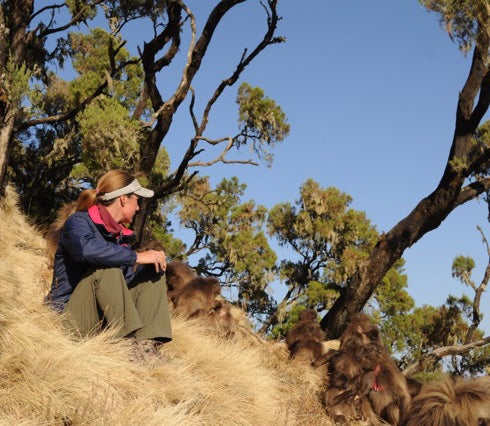
Dr. Jacinta C. Beehner is an Associate Professor in the Department of Anthropology & Psychology at the University of Michigan. Her research focuses on sexual conflict theory, reproductive strategies in primates, and the physiological and behavioral mechanisms underlying these dynamics. She directs the Core Assay Facility/Beehner Endocrine Laboratory and co-directs the Simien Mountains Gelada Research Project, Capuchins at Taboga, and the Evolution and Human Adaptations Program. Her work examines non-human primates like geladas, capuchins, and baboons in natural African and American habitats. Key themes include infanticide avoidance, hormonal responses to environmental stress, and the evolutionary implications of reproductive trade-offs. Recent studies highlight the impact of climate change on primate health, the role of social status in parasite resistance, and hormonal adaptations to high-altitude environments. Beehner has contributed to over 60 peer-reviewed articles since 2015, spanning topics from primate social networks to genomic adaptations. Her fieldwork emphasizes integrative methods combining endocrinology, genetics, and behavioral observation. She has presented at international forums like the National Geographic Explorer’s Festival and collaborates across disciplines to advance primate conservation and evolutionary biology.
Pamela Ronald is a Distinguished Professor of Plant Pathology at the University of California, Davis, affiliated with the Department of Plant Pathology within the College of Agricultural and Environmental Sciences. Her research focuses on understanding and enhancing crop resilience, particularly in rice, through genetic and molecular mechanisms. Key areas include plant immunity against pathogens, climate adaptation, and sustainable agricultural practices. Education and Background: Details on her academic qualifications are not explicitly mentioned in the provided text, but her career trajectory suggests advanced training in plant genetics and pathology. Research Interests: Ronald’s work centers on engineering disease-resistant crops, studying plant-microbe interactions, and developing climate-resilient varieties. Notably, she has contributed to identifying genes like XA21 that confer resistance to bacterial infections and pioneered methods to reduce methane emissions in rice. Her studies also explore the role of sulfated peptides in pathogen virulence and host defense mechanisms. Publications Trends: Her recent articles emphasize molecular mechanisms of plant immunity, genetic engineering applications, and sustainability challenges. Themes include directed evolution of immune receptors, machine learning in genotype-phenotype prediction, and mitigation of agricultural greenhouse gases. Awards and Recognition: While specific awards are not listed here, her leadership in plant genetics and advocacy for evidence-based biotechnology policies reflect significant recognition in her field. Grants and Advising: Ronald has led projects funded by agencies like the U.S. Department of Energy, focusing on bioenergy crops like switchgrass. She collaborates globally on initiatives such as the Rice Protein Tagging Project and the AI Institute for Next Generation Food Systems. Labs and Teams: She directs the Crop Genetics Innovation Lab at UC Davis, fostering interdisciplinary research in crop improvement and sustainable agriculture.
Gabriela Minigo serves as an Honorary Fellow in Global and Tropical Health and Associate Dean - Learning and Teaching within the Faculty of Health. Her academic profile demonstrates active engagement in malaria immunology research with a recent expansion into circadian rhythm and metabolic health investigations. Dr. Minigo completed her PhD at the University of Melbourne (awarded March 31, 2007) and earned a Master of Clinical Epidemiology from the University of Newcastle (awarded December 8, 2017). Her educational background provides a strong foundation in both basic science and clinical epidemiology. Her primary research focuses on immunological responses to malaria, with particular expertise in T follicular helper cells, dendritic cell function, and regulatory T cells in Plasmodium falciparum and Plasmodium vivax infections. Analysis of her research fingerprint reveals significant contributions to Plasmodium falciparum Immunology and Microbiology (100%), Dendritic Cell Immunology and Microbiology (45%), Regulatory T Cell Immunology and Microbiology (38%), and other related fields. In recent years, she has expanded her research to investigate the relationship between photoperiod, circadian rhythm, and metabolic health, as evidenced by her 2024 publications on these topics. Dr. Minigo's scholarly output shows an evolving research trajectory from fundamental malaria immunology toward interdisciplinary investigations connecting circadian biology with metabolic health. Her recent publications (2022-2024) demonstrate continued strong contributions to malaria immunology while incorporating new dimensions related to light exposure, sleep patterns, and glucose control. She has secured research funding for multiple projects including 'Rainmaker start up- Does exposure to artificial light alter circadian rhythm and glucose control in Australian adults? A pilot study' (2023-2026) where she serves as Co-Investigator, and 'Effect of Extended Photoperiod Exposure on Circadian Rhythm and Glucose Control' (2024-present) where she is Principal Investigator. Previously, she contributed as Chief Investigator C to 'Manipulating T follicular helper cells to improve human malaria vaccines' (2020-2023). As Associate Dean for Learning and Teaching, Dr. Minigo holds significant educational leadership responsibilities within the Faculty of Health. She is registered to supervise postgraduate research, indicating her active role in mentoring graduate students in immunology and tropical medicine research.
Dr. Jayne Ellis, DVM, serves as Adjunct Faculty in the College of Natural Science and Mathematics at the University of Alaska Fairbanks (UAF). She concurrently works as an On-Call Wildlife Veterinarian for the Alaska Department of Fish and Game and teaches the necropsy laboratory for second-year veterinary students at UAF. Education Bachelor of Science in Wildlife Conservation Biology, Colorado State University Doctor of Veterinary Medicine (DVM), UAF-CSU Joint Program Dual residency training in Anatomic Pathology and Toxicology, Michigan State University (2 years) Fellowship year in Wildlife Pathology, University of California, Davis Research Interests Dr. Ellis’s investigative work centers on wildlife disease ecology and pathogenesis, with particular emphasis on viral infections affecting avian and mammalian species. Her recent projects investigate the spillover of highly pathogenic avian influenza A(H5N1) from birds into wild terrestrial mammals, as well as emerging respiratory viruses in Alaskan moose populations. Additional interests span toxicologic pathology, infectious disease surveillance in raptor populations, and comparative anesthesia protocols for endangered equids. Publications & Scientific Contributions Across 15 peer-reviewed articles and conference presentations from 2018-2023, Ellis has advanced understanding of viral transmission at the wildlife–domestic animal interface, described novel bacterial pathogens in wild birds, and refined anesthetic techniques for exotic ungulates. Her work integrates field surveillance, molecular diagnostics, and classic pathology to inform conservation and public health policy. Professional Licenses & Qualifications State of Alaska Veterinary License (active) Residency-trained and board-eligible in Anatomic Pathology Teaching & Outreach At UAF, Dr. Ellis leads hands-on necropsy laboratories that train future veterinarians in systematic post-mortem examination techniques essential to wildlife disease investigation. She also provides diagnostic pathology support to state wildlife agencies and collaborates with multi-institutional teams to monitor emerging zoonoses.
Dr. Alexandre Marques is an Assistant Professor at the University of Southern Mississippi. His expertise spans Microbiology, Immunology, and Parasitology, with a focus on vaccine development against parasitic infections like Leishmaniasis, Chagas disease, and Malaria. He holds a PhD from the Universidade de São Paulo (2007) and teaches courses such as Gen Microbiology and Microorg Hth Di at the university. His research integrates immunological, clinical, and molecular approaches to understand parasitic disease mechanisms and therapeutic interventions. Notable areas include α-Gal immunization strategies, transcriptomic analysis of breast cancer, and vaccine design against Leishmania. He has also explored applications in aquaculture nutrition and cosmetic safety assessments. Dr. Marques’ work spans interdisciplinary collaborations, including veterinary medicine, nanotechnology-based drug delivery, and antimicrobial stewardship in pediatrics. His contributions to animal models for Chagas disease and canine visceral leishmaniasis highlight translational research impact. Key themes in his publications include immune response modulation, pathogen-host interactions, and biomarker discovery in chronic infections. He has published over 50 articles across microbiology, immunology, and biomedical engineering since 2007.
Curtis Suttle is a Professor in the Department of Botany at the University of British Columbia's Faculty of Science. He also holds affiliations with Earth and Ocean Sciences, Microbiology and Immunology, and the Institute for Oceans and Fisheries. His research focuses on marine virology and the ecological roles of viruses in aquatic ecosystems, particularly their impact on phytoplankton and microbial communities. Dr. Suttle received his B.Sc. and Ph.D. from UBC, was a Coastal Marine Scholar at SUNY StonyBrook (1987-88), and served as Assistant/Associate Professor at the University of Texas at Austin (1988-96) before returning to UBC. His research program investigates the biology and ecology of viruses that infect microalgae and cyanobacteria. Key areas include discerning viral effects on primary productivity, isolating novel marine viruses, developing molecular identification methods, and studying viral distribution patterns. His work has revealed that viruses can occur in seawater at concentrations exceeding 10 5 ml -1 , with cyanophage concentrations reaching 10 6 infectious units ml -1 in coastal waters. Dr. Suttle's team has developed PCR primers specific for viral DNA polymerase genes, showing these viruses belong to a single family related to herpes viruses. Recent publications show a strong focus on marine viral ecology, with particular attention to oyster microbiomes, viral taxonomy, and the role of viruses in marine ecosystems. His research spans from coastal environments to the deepest ocean trenches, examining viral diversity across environmental gradients and investigating viral impacts on carbon cycling and marine food webs. Dr. Suttle leads an active research group with several post-doctoral associates, research scientists, and graduate students. His team conducts field work at multiple locations including the Naica Mine in Mexico, Pavilion Lake in British Columbia, Saanich Inlet, and the Strait of Georgia. Current projects include collaborations with the Hakai Institute, Line P Research Cruise, and CASES (Canadian Arctic Shelf Exchange Study). His laboratory has made significant contributions to understanding viral roles in marine ecosystems, particularly through expeditions to extreme environments like the Naica crystal caves and deep ocean trenches. Ongoing research explores viral impacts on microbial community structure, carbon cycling, and ecosystem function across diverse marine habitats.
Susan Butler-Wu, PhD, D(ABMM), SM (ASCP) serves as the Director of Medical Microbiology at LAC+USC Medical Center and holds the position of Clinical Associate Professor of Clinical Pathology at the Keck School of Medicine of the University of Southern California. She received her PhD in Molecular Microbiology from Tufts University and completed postdoctoral fellowships in Tuberculosis Pathogenesis at New York University and Medical and Public Health Microbiology at the University of Washington. Prior to her current role, she was the Associate Director of Clinical Microbiology at the University of Washington Medical Center. Research Focus: Rapid diagnostics for infectious diseases, antimicrobial resistance detection, and diagnostic stewardship. Professional Roles: Member of the editorial board of the Journal of Clinical Microbiology; serves on working groups for the Clinical Laboratory Standards Institute (CLSI) and the American Society for Microbiology (ASM). Key Contributions: Extensive publications on MALDI-TOF mass spectrometry, SARS-CoV-2 diagnostics, and antimicrobial resistance trends.
Marshall J. Glesby is a Professor at Weill Cornell Medical College, affiliated with both the Department of Medicine and Population Health Sciences. His career spans over three decades, focusing on HIV pathogenesis, aging-related complications, and co-infections. He holds a Ph.D. from Johns Hopkins University School of Hygiene and Public Health (1997), an M.D. from Johns Hopkins University School of Medicine (1989), and a B.Sc. from McGill University (1985). Research Interests: His work integrates HIV, immunology, and public health, emphasizing co-infections, metabolic disorders, and cardiovascular complications. Recent studies explore geriatric syndromes, epigenetic aging, and biomarkers like extracellular vesicles in Long COVID and Alzheimer's disease. He leads clinical trials on Mpox severity scoring and HIV-kidney transplantation. Grants and Collaborations: Dr. Glesby is a key investigator for NIH-funded projects, including PORTENT (NIAID) and STRIVE (NIAID). He contributes to global HIV research networks like INSIGHT and ACTG, with subawards from the National Institute of Child Health & Human Development and NHLBI. External Relationships: He serves as a consultant for UpToDate, Inc., and collaborates with organizations such as the Northeast/Caribbean AIDS Education and Training Centers.
Professor Michael W. Shaw is a distinguished academic at the University of Reading's School of Agriculture, Policy and Development, Department of Plant Sciences, with a research career spanning over two decades. His expertise lies at the intersection of plant pathology, disease epidemiology, and sustainable disease management strategies. Shaw's research interests encompass plant-pathogen interactions , particularly focusing on fungal diseases affecting major crops. His work investigates the epidemiology of plant diseases , fungicide resistance mechanisms , biological control strategies , and asymptomatic pathogen infections . He has made significant contributions to understanding pathogen evolution, host specificity, and the environmental factors influencing disease development. His recent publications demonstrate a consistent research trajectory examining the molecular, ecological, and epidemiological aspects of plant diseases. Shaw's work spans multiple pathosystems including Botrytis cinerea (gray mold), Venturia inaequalis (apple scab), begomoviruses affecting okra, and banana Xanthomonas wilt. His research integrates molecular techniques, field studies, and mathematical modeling to address complex plant health challenges. Professor Shaw has contributed significantly to the understanding of fungicide resistance development, particularly in cereal pathogens, and has explored innovative approaches to disease management through biological control agents and integrated strategies. His work on asymptomatic infections has revealed novel insights into host-pathogen relationships that extend beyond traditional disease paradigms. His collaborative research network spans internationally, with co-authors from multiple countries, reflecting the global relevance of his work in plant health and food security. Shaw's research has practical applications for sustainable agriculture and crop protection strategies worldwide.
Francesca Chiodi is a Senior Professor in the Department of Microbiology, Tumor and Cell Biology at Karolinska Institutet, Sweden. Her research focuses on HIV pathogenesis, host-microbe interactions, and immune responses in infectious diseases. She holds a Docent title from Karolinska Institutet (1991) and has been continuously employed there since 2004. Her work spans virology, immunology, and clinical trials, with emphasis on HIV prevention strategies, mucosal immunity, and translational research. Research highlights include studies on HIV pre-exposure prophylaxis (PrEP), host gene expression in foreskin tissue, and viral surface protein epitope profiling. She has led projects evaluating SARS-CoV-2 responses in mucosal tissues and contributed to global initiatives like the CHAPS study in sub-Saharan Africa. Her division, the Division of Host-Microbe , investigates microbial pathogenesis and immune mechanisms in chronic infections. Key collaborations include studies on B-cell dysfunction in HIV and TB co-infections, as well as vaccine design for immunocompromised populations. Publications (2020–2024) reflect her focus on clinical trials, transcriptomic analyses, and translational models. She has advised numerous collaborative studies but no formal student advisees are listed. Research funding includes grants for mucosal HIV prevention and SARS-CoV-2 pathogenesis studies. Ongoing work explores immune reconstitution in early antiretroviral therapy and correlates of protective immunity in mucosal tissues.